You live in a world where you can stream a movie from space, yet some very old objects still laugh in the face of modern science. These artifacts are poked, scanned, photographed, argued over in journals and conference halls – and they still refuse to give up their secrets. That tension between what you know and what you absolutely do not is exactly what makes them so gripping.
As you move through these nine mysteries, you will notice a pattern: the more evidence experts uncover, the stranger things get. Languages that cannot be read, mechanisms centuries ahead of their time, stones that refuse to say who carved them – they all force you to admit that the past was far more complex than you were ever taught in school. Ready to have your sense of historical certainty shaken a bit?
The Voynich Manuscript: The Book You Still Can’t Read
![The Voynich Manuscript: The Book You Still Can’t Read (Beinecke Rare Book & Manuscript Library, Yale University ([1])., Public domain)](https://nvmwebsites-budwg5g9avh3epea.z03.azurefd.net/dws/e73b0dce376eb18109092013bf39392b.webp)
If you could hold the Voynich Manuscript in your hands at Yale’s Beinecke Library, the first thing you would probably feel is frustration disguised as fascination. You are looking at a thick fifteenth‑century book filled with flowing script, astronomical diagrams, odd plants that seem almost but not quite real, and nude figures bathing in greenish pools that look like alchemical plumbing. Carbon dating places the vellum around the early 1400s, but when you try to read even a single line, it becomes clear: you have no idea what language this even is.([beinecke.library.yale.edu](https://beinecke.library.yale.edu/collections/highlights/voynich-manuscript?utm_source=openai))
For over a century, professional cryptographers, linguists, computer scientists and enthusiastic amateurs have tried to crack it, and you can still follow new debates published as recently as 2026 about whether it is a sophisticated cipher, a natural language, or an elaborate medieval hoax.([livescience.com](https://www.livescience.com/archaeology/mysterious-voynich-manuscript-may-be-a-cipher-a-new-study-suggests?utm_source=openai)) When you look at the statistics of the text, it behaves oddly like a real language, but every proposed decoding collapses under scrutiny. The more you learn, the more you feel as if you are standing outside a locked room, hearing muffled voices, knowing full well that you might never get inside in your lifetime.
The Phaistos Disc: A Clay Record That Refuses to Speak
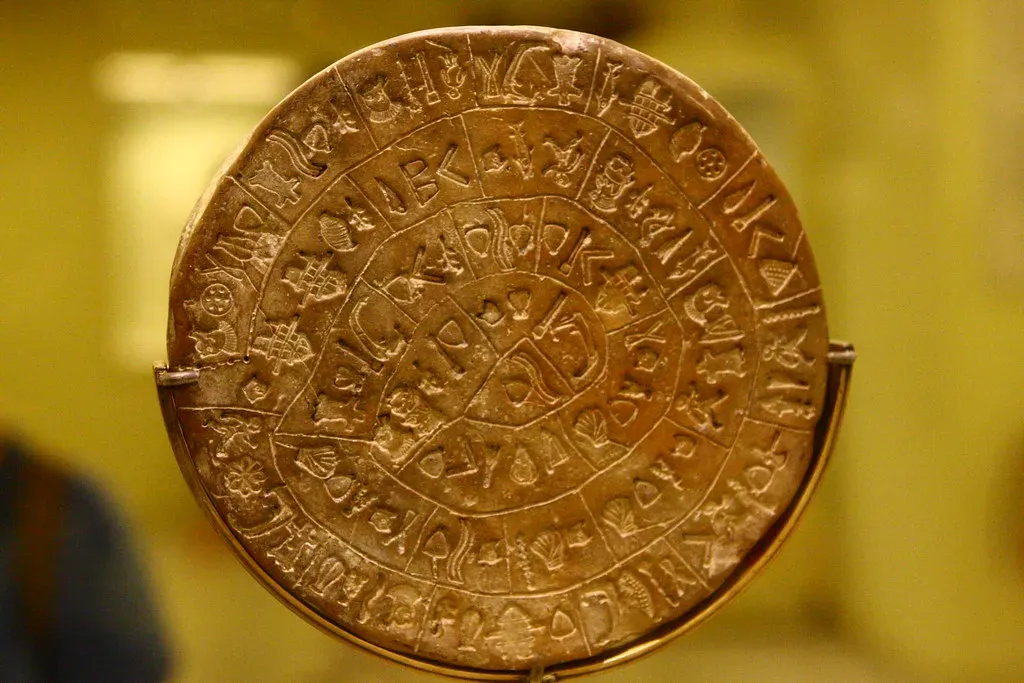
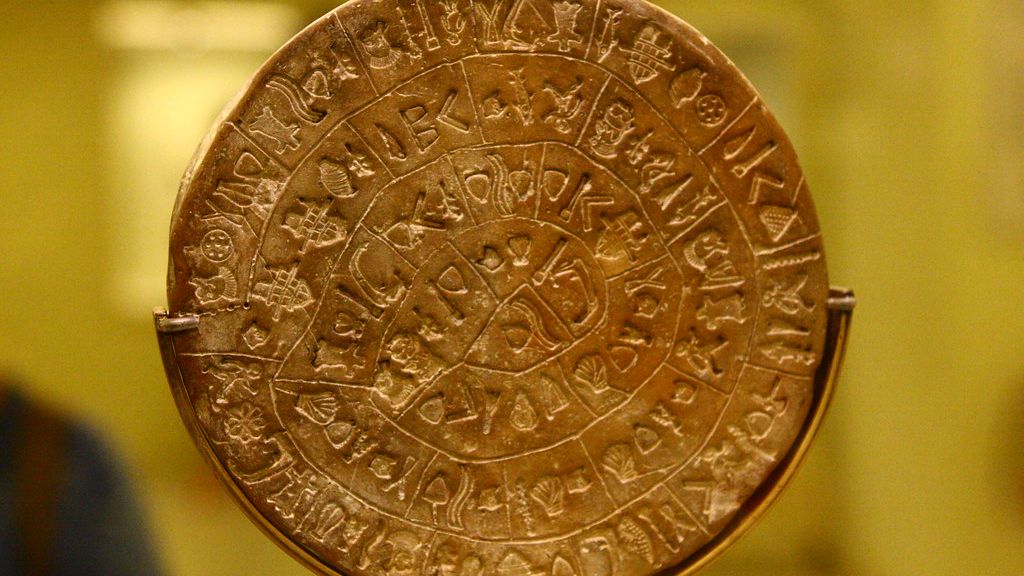
Imagine picking up a clay disc from Bronze Age Crete, about the size of your hand, and realizing you are staring at the world’s oldest example of moveable type. That is what you get with the Phaistos Disc: two spiral bands of stamped symbols – tiny human figures, tools, plants, abstract shapes – running inward like a coiled riddle. It was unearthed in 1908 at the Minoan palace site of Phaistos and is usually dated somewhere in the second millennium BCE, yet to you it might as well have been made yesterday because nobody has coaxed a trustworthy translation from it.([en.wikipedia.org](https://en.wikipedia.org/wiki/Phaistos_Disc?utm_source=openai))
Over the decades you will find bold claims that it is a hymn, a game board, a legal text, even a hoax, but when you dig into the serious scholarship, you see how little firm ground there is: one artifact, about forty‑five distinct signs, and not a single bilingual “Rosetta Stone” to check your guesses.([satyori.com](https://satyori.com/ancient-sciences/phaistos-disc/?utm_source=openai)) You are left in a humbling position: with all the computing power and linguistic theory at your disposal, you still cannot confidently say whether you are looking at a prayer, a shopping list, or something far stranger. The disc forces you to live with the possibility that some languages may simply be gone for good.
The Antikythera Mechanism: A Bronze Gadget Years Ahead of You
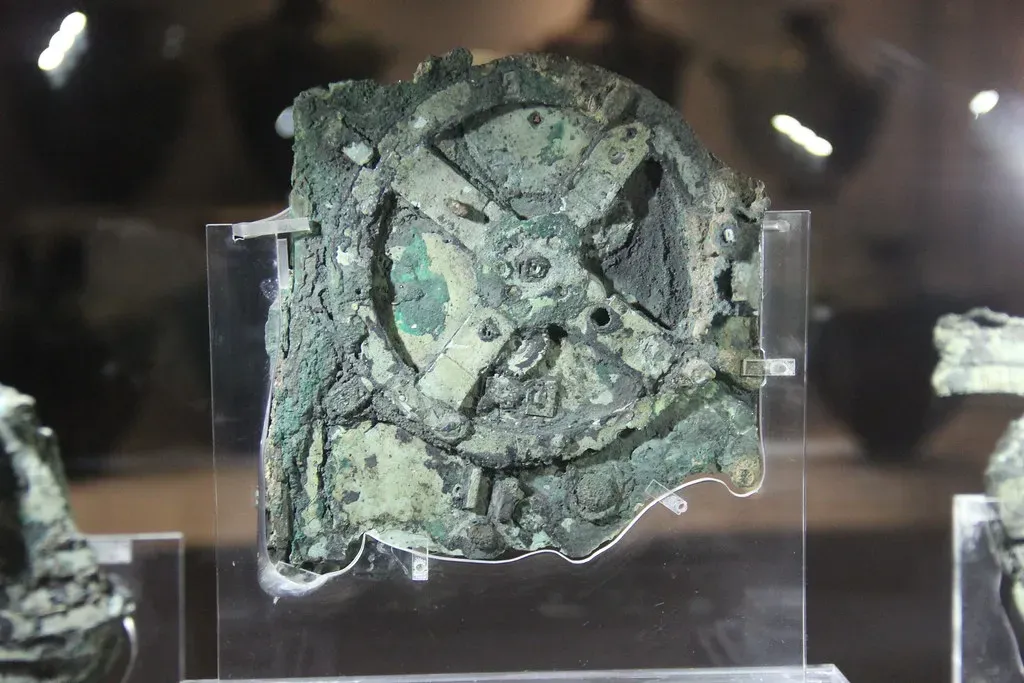
When you picture ancient Greece, you probably imagine stone temples and marble statues, not a corroded box of clockwork that behaves like a mechanical computer. Yet that is exactly what the Antikythera Mechanism is: a dense cluster of bronze gears recovered from a shipwreck near the island of Antikythera, dated to roughly the second to first century BCE. Once modern imaging peeled back the encrusted metal, you could suddenly see carefully cut gear teeth, inscriptions, and dials that model the motions of the Sun, Moon and eclipses with startling precision.([en.wikipedia.org](https://en.wikipedia.org/wiki/Antikythera_mechanism?utm_source=openai))
Today you know fairly well what many of the surviving parts did, and reconstructions can even reproduce its astronomical displays, but the artifact still baffles you because it sits there like a single page torn from an otherwise missing manual. Where were the workshops that made these devices, the apprentices who learned this craft, the other machines that must have existed to make this level of engineering seem normal?([arxiv.org](https://arxiv.org/abs/2104.06181?utm_source=openai)) Some researchers now wonder whether the device might have also served as a teaching tool or even a kind of elite “toy,” but until more examples surface, you are left staring at an isolated technological miracle and wondering how much ancient knowledge simply sank to the seafloor with it.
The Baghdad “Battery”: Power Source or Misread Pottery?
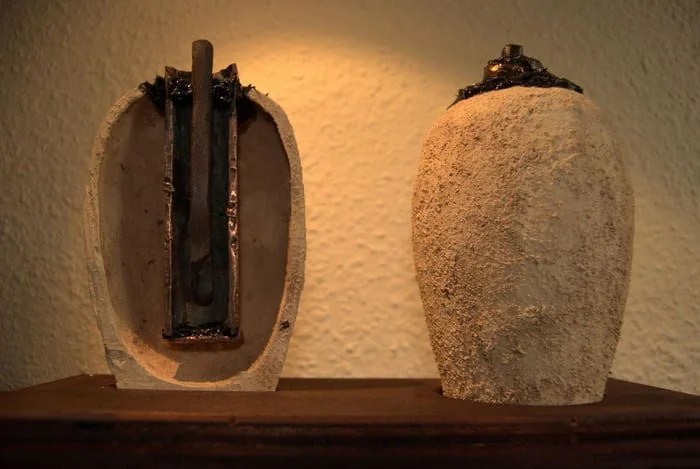
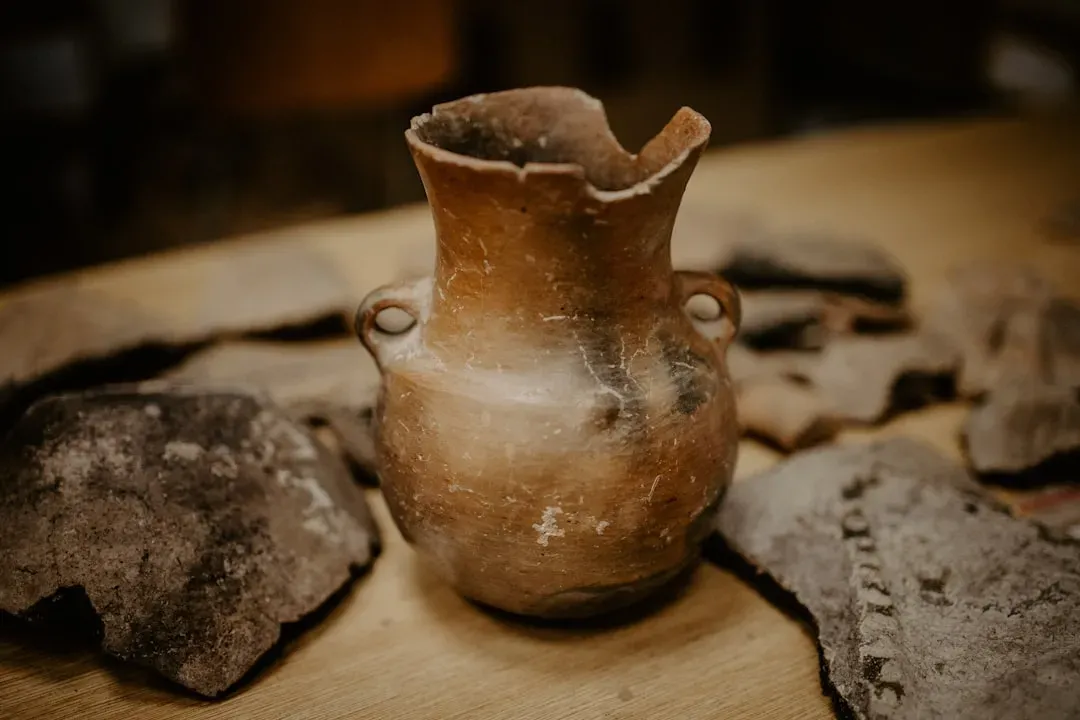
If you enjoy a good controversy, the so‑called Baghdad Battery is the kind of artifact that grabs your imagination and refuses to let go. You are looking at a small ceramic jar found near modern Baghdad, usually dated to the Parthian or early Sasanian period, that contains an iron rod and a copper cylinder separated by bitumen. To your modern eye, it looks suspiciously like the components of a simple galvanic cell – in other words, a battery – and experiments have shown that similar setups can produce a small electric current when filled with an acidic liquid. That possibility has led you to hear wild claims about ancient electroplating workshops and forgotten electrical technology.([dash.harvard.edu](https://dash.harvard.edu/server/api/core/bitstreams/802e96e9-f317-4ebb-b59d-9effb4fe58aa/content?utm_source=openai))
But when you listen carefully to archaeologists and historians of technology, they keep asking you a harder question: where is the rest of the evidence? There are no clear depictions of wires, no unambiguous electroplated artifacts that demand a battery, and no ancient texts that describe anything like an electrical process. Many specialists now suspect you are looking at a misinterpreted vessel, perhaps for ritual or storage, with no proven connection to electricity at all. The object leaves you in a familiar tug of war between a compelling “what if” and the sobering reminder that extraordinary claims need more than a handful of ambiguous jars.
The Shroud of Turin: Relic, Icon, or Unsolved Image?
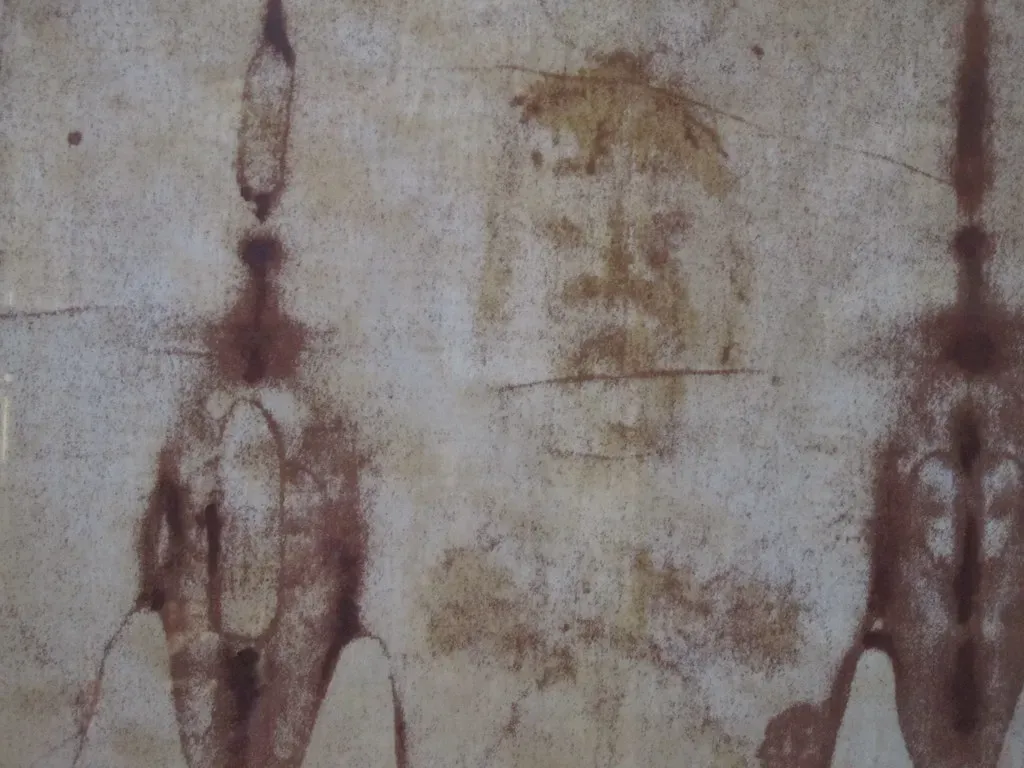
When you first see a photo of the Shroud of Turin, the face almost seems to float toward you from the fabric, as if someone had laid a photographic negative over linen. The cloth itself is a long piece of herringbone‑weave linen bearing the faint front‑and‑back image of a crucified man, venerated by many believers as the burial shroud of Jesus and studied obsessively by scientists since at least the late nineteenth century. Radiocarbon dating carried out in the late 1980s pointed toward a medieval origin, suggesting a creation between the thirteenth and fourteenth centuries, which would classify it as a remarkable icon rather than a first‑century relic.([history.com](https://www.history.com/articles/voynich-manuscript-mystery?utm_source=openai))
Yet even if you accept a medieval date, the way the image formed still has not been fully agreed upon, and that is where the puzzle keeps you hooked. Various teams have proposed scorch marks, artistic techniques, chemical reactions, or some combination of natural processes, but no experiment has yet replicated all of the Shroud’s microscopic features to everyone’s satisfaction. You find yourself in an awkward middle ground: the cloth is neither a slam‑dunk miracle nor an easily explained forgery, and your own conclusion probably says as much about your worldview as it does about the data. The artifact keeps forcing you to separate what can be measured from what must be believed.
The Nazca Lines: Messages You Can Only Read from the Sky
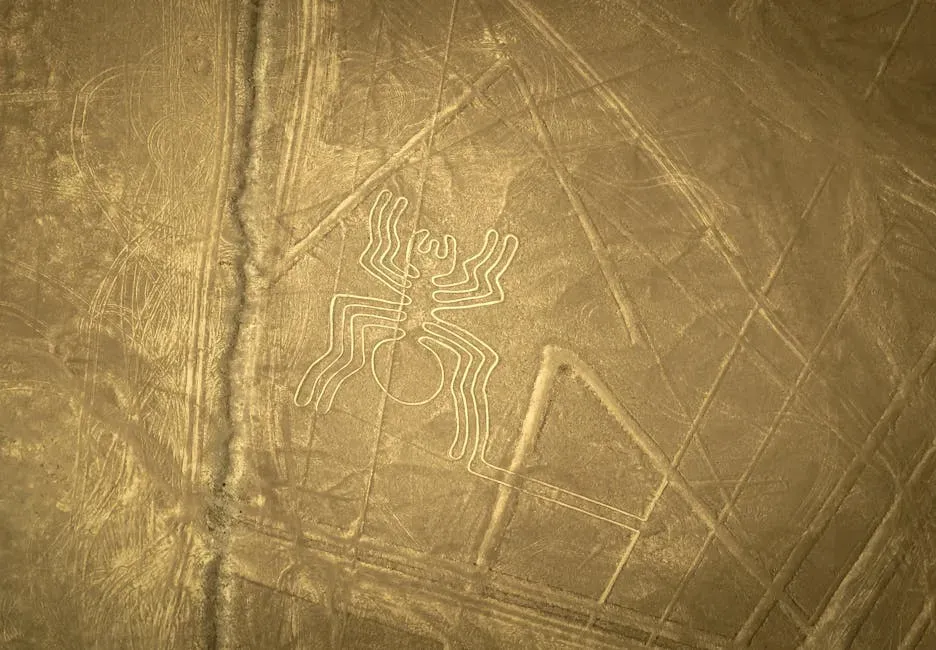
Picture yourself flying low over the Peruvian desert and suddenly realizing the ground beneath you is scratched with enormous geoglyphs: hummingbirds, monkeys, spiders, zigzag lines and long runways stretching for hundreds of meters. On foot, the Nazca Lines feel like shallow grooves in the earth; only from above do they snap into focus as carefully laid‑out shapes dating roughly between the first centuries BCE and CE. You know the Nazca people had no aircraft, no satellites, no drones, yet they managed to design and execute figures at a scale your brain associates with modern aerial mapping.([livescience.com](https://www.livescience.com/archaeology/phaistos-disk-3-000-year-old-inscriptions-from-crete-that-have-never-been-deciphered?utm_source=openai))
Researchers have put forward a mix of explanations that you can weigh for yourself: some patterns align with solstice sunrise or star positions, others lead toward water sources, and many may have served as ritual pathways for processions. No single theory yet accounts for every line and figure, and that incomplete fit is what keeps the mystery alive for you. The more you look, the more the desert becomes a kind of open‑air notebook where an ancient culture sketched its relationship with the sky, the land, and the forces it believed controlled both. You may never be sure whether you are walking on a calendar, a pilgrimage route, or something closer to a massive prayer written across the earth.
The Oak Island “Money Pit”: A Hole Full of Stories
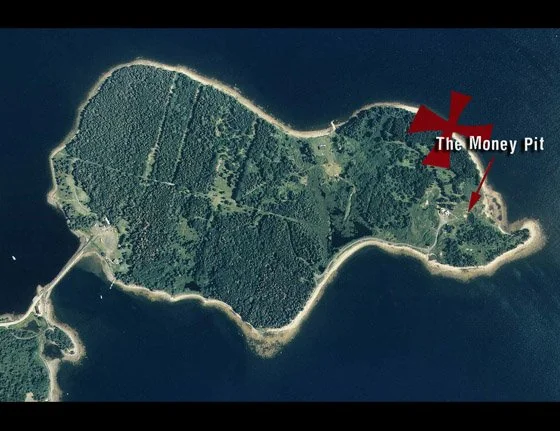
If you have ever been drawn into a long‑running treasure story, Oak Island in Nova Scotia feels like the ultimate test of your patience. Since the late eighteenth century, diggers have repeatedly sunk shafts into a depression now called the “Money Pit,” convinced that some kind of hidden treasure, secret archive, or engineered chamber lies below. Over the years you read about platforms of wood found at regular intervals, bits of metal, fragments of parchment, coconut fibers far from any tropical shore, and layers that flood with seawater as soon as you break through. Each new expedition adds a few more details and a lot more speculation.([cs.rochester.edu](https://www.cs.rochester.edu/u/nelson/courses/csc_cryptography/phaistos_disk/phaistos_disk.html?utm_source=openai))
What makes Oak Island so baffling to you is how the legend has outrun the evidence. For every sober engineer who points out how unstable and disturbed the site has become after two centuries of digging, there is another enthusiast proposing connections to Templars, lost manuscripts, or royal treasures on remarkably thin proof. You are left trying to sort genuine nineteenth‑century finds from modern disturbance, and the deeper you look into reports, the murkier the puzzle becomes. At some point, you have to decide for yourself whether Oak Island is a genuine unsolved engineering mystery or a cautionary tale about how easily hope can dig its own bottomless pit.
The Rongorongo Script of Easter Island: Words Without a Voice
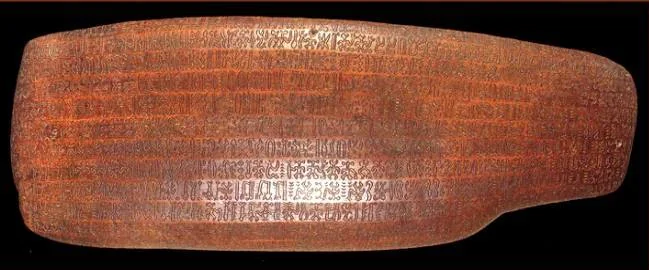
When you think of Easter Island, your mind probably jumps to the towering moai statues, but if you want a deeper mystery, you should turn your attention to a set of wooden tablets carved with tiny, elegant glyphs known as rongorongo. These signs, arranged in lines that alternate direction, look like stylized humans, animals, tools, and geometric motifs, and they may represent a unique script developed in isolation in the Pacific. By the time European collectors took an interest in the nineteenth century, the local tradition for reading them had apparently vanished, and the island had suffered population collapse and cultural disruption that robbed you of crucial context.([en.wikipedia.org](https://en.wikipedia.org/wiki/Phaistos_Disc_%28Unicode_block%29?utm_source=openai))
Today, statistical studies suggest you might be looking at a structured system rather than random decoration, and a few fragments seem to correlate loosely with calendrical cycles, but you still lack enough inscriptions and secure historical information to propose a solid decipherment. Some researchers argue the tablets preserve genealogies or chants; others suspect they are ritual texts used by a narrow elite. From your perspective, rongorongo is a sobering reminder that writing systems can die completely, taking entire ways of thinking with them. You can photograph every line and build digital models, but without living readers, you are forever stuck at the surface of the signs.
The Roman Dodecahedra: Metal Objects Without a Manual
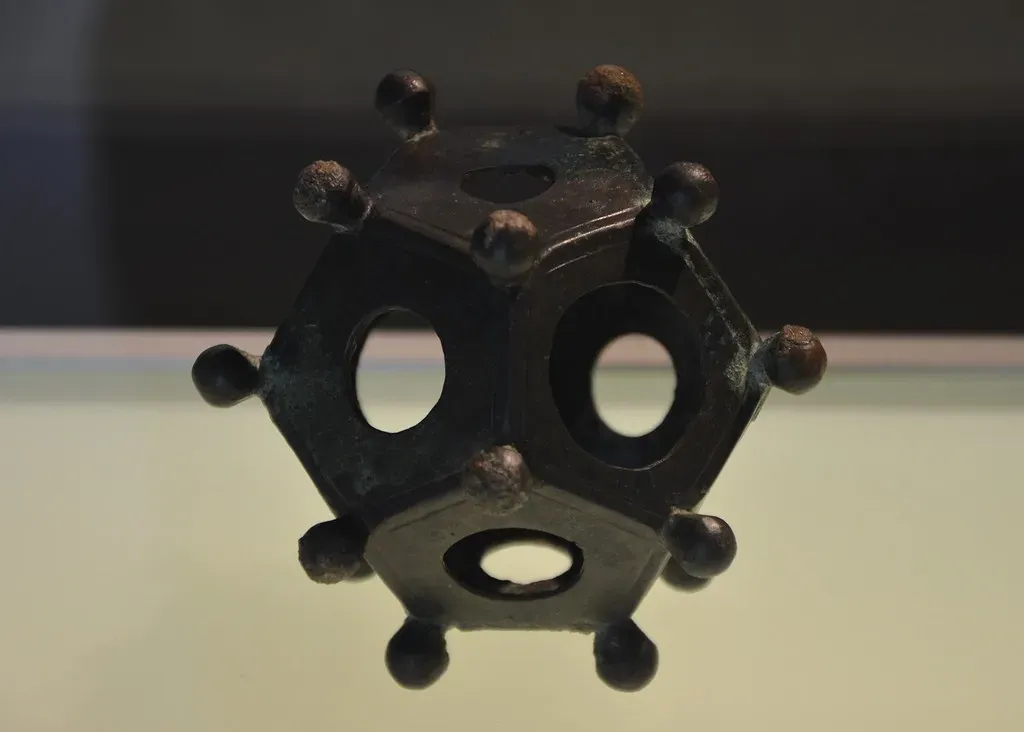
Imagine holding a small hollow bronze object about the size of a tennis ball, with twelve flat pentagonal faces, each pierced by a circular hole, and little knobs at every corner. That is what you get with the Roman dodecahedra found across parts of Europe, usually in contexts dated to the second and third centuries CE. There are no surviving Roman texts that explain their purpose to you, no inscriptions that spell out instructions, and no depiction that clearly shows them in use, which leaves you in an oddly modern position: you are basically crowdsourcing guesses two thousand years after the fact.([en.wikipedia.org](https://en.wikipedia.org/wiki/Phaistos_Disc_decipherment_claims?utm_source=openai))
Over time, you will see proposals that they are candlestick holders, surveying tools, knitting gauges for gloves, gaming pieces, or ritual objects, and each theory manages to fit some examples while ignoring others. Hole sizes vary, decorations change, and find spots do not line up neatly with any one function, so every explanation feels just a little too tidy. In a way, the dodecahedra force you to admit how much everyday knowledge never gets written down: someone in the Roman world probably thought their use was obvious, not worth explaining, and because of that, you are left staring at a beautifully made puzzle with no answer key. It is a humbling reminder that even very ordinary objects can become mysterious once their living context disappears.
Conclusion: Learning to Live With the Unknown
As you step back from these nine artifacts, you may notice that the unease you felt at the start has shifted into something closer to respect. Each object – whether it is a gear‑filled hunk of bronze, a clay disc, a silent manuscript, or an oddly shaped piece of metal – reminds you that your picture of the past is stitched together from fragments. For every mystery you think you have solved, there is another one sitting in a museum case or on a desert plateau quietly defying your explanations.
If you let them, these riddles can nudge you into a healthier relationship with knowledge itself: curious but cautious, imaginative but anchored in evidence, willing to entertain possibilities without falling for every dramatic story. The next time you hear someone claim that history is fully mapped out, you can think of the Voynich pages, the silent rongorongo tablets, or the Phaistos Disc and smile a little. After all, the unknown is not a bug in your understanding of the world; it is one of its most fascinating features. Which of these mysteries would you most like to see finally cracked in your lifetime?