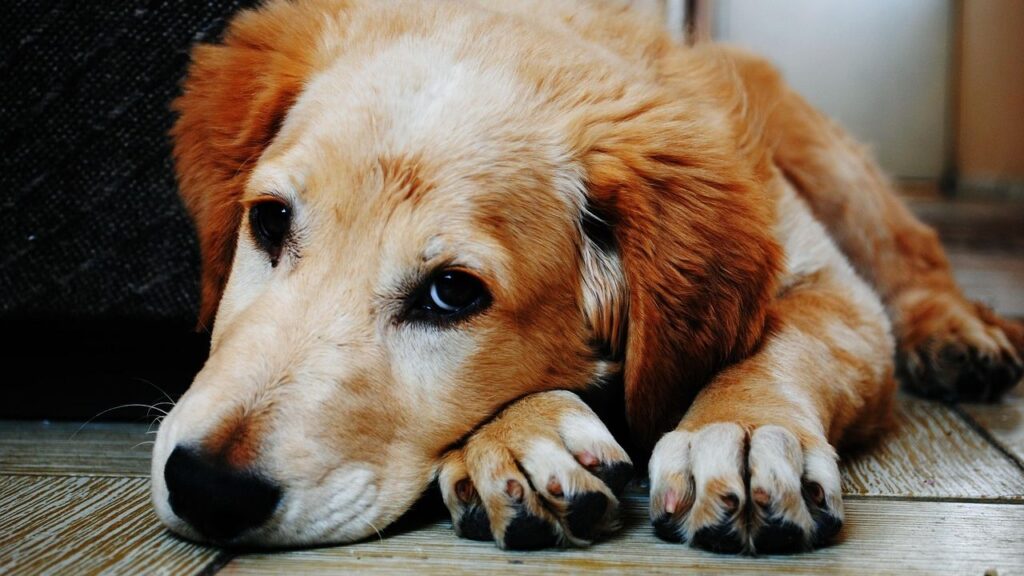
When you share your life with a dog, you do not just get a pet; you gain a devoted companion who often loves you more simply and more fiercely than anyone else. That love does not disappear when their body grows weak or their days grow short – if anything, it becomes even clearer in the tiny, tender ways they still try to stay close to you. Facing the end of a dog’s life is gut-wrenching, but understanding how they show affection in those final chapters can bring you a kind of bittersweet comfort you may not expect.
You will not see dramatic movie moments or perfect timing in real life; instead, you notice small, quiet gestures that say more than any words could. Your dog might not be able to run to the door or chase toys anymore, but they can still choose you with their eyes, lean into your touch, or fall asleep to the rhythm of your voice. These are not random behaviors – they are genuine signals of love, trust, and attachment. As painful as it is, recognizing them can turn a heartbreaking goodbye into a deeply meaningful, shared passage.
1. Choosing to Be Near You, Even When They Are Exhausted
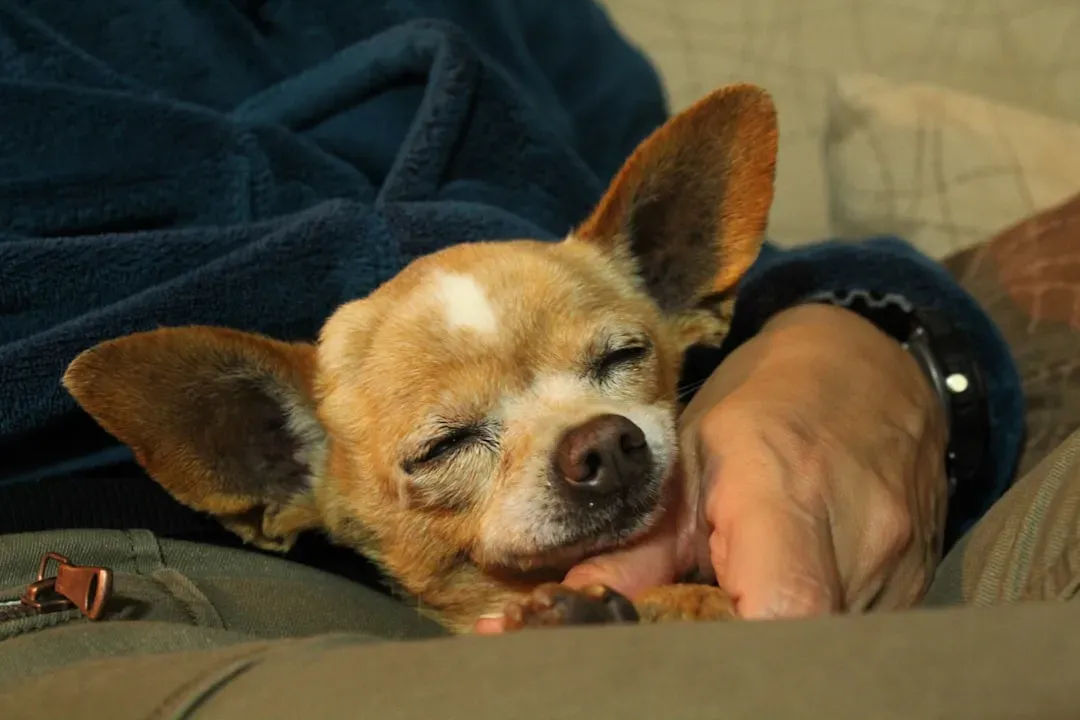
One of the clearest ways your dog shows love near the end is by still trying to be close to you, even when moving takes serious effort. You might notice they slowly follow you from room to room, or they change where they rest so they can see you more easily. This choice to be near you when they could just as easily hide away somewhere quiet is a powerful sign of attachment and comfort.
When dogs feel vulnerable, many of them instinctively seek a safe presence, and for your dog, that safe place is you. Even if they cannot jump on the couch or climb stairs anymore, they may lie at the base of the bed, at your feet, or just within arm’s reach. You are their anchor, their familiar smell, their sense of home, and staying near you is their way of saying they still feel safest in your company.
2. Softening Their Eyes When They Look at You
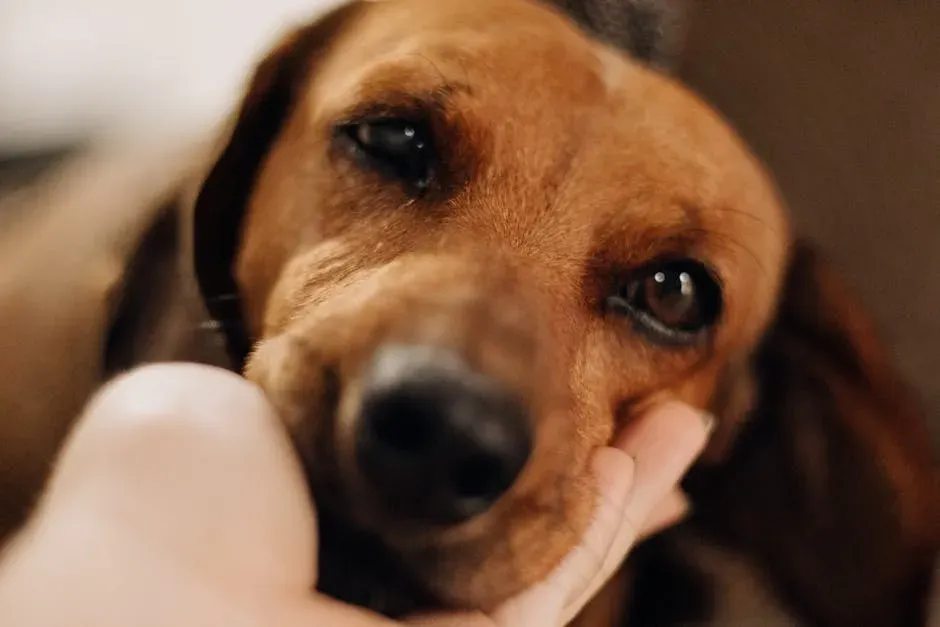
As your dog slows down, you might notice their eyes change in a subtle but very meaningful way. The wild, playful sparkle may fade a bit, but in its place you often see a softer, deeper gaze that lingers on you longer than it used to. Animal behavior research suggests that when a dog locks eyes gently with their person, their body releases bonding hormones similar to what happens between a parent and child. That soft look is not accidental; it is a calm, emotional connection.
When your dog is tired or in discomfort, they may not have the energy to show excitement with their body, but their eyes still do the talking. You might catch them watching you from their bed, not in distress, but in quiet observation and trust. That unhurried eye contact can feel almost like a wordless thank you or a simple message of “I know you, and I am okay because you are here.” Letting yourself meet that gaze and hold it for a moment can be surprisingly comforting for both of you.
3. Resting Their Head or Body Against You
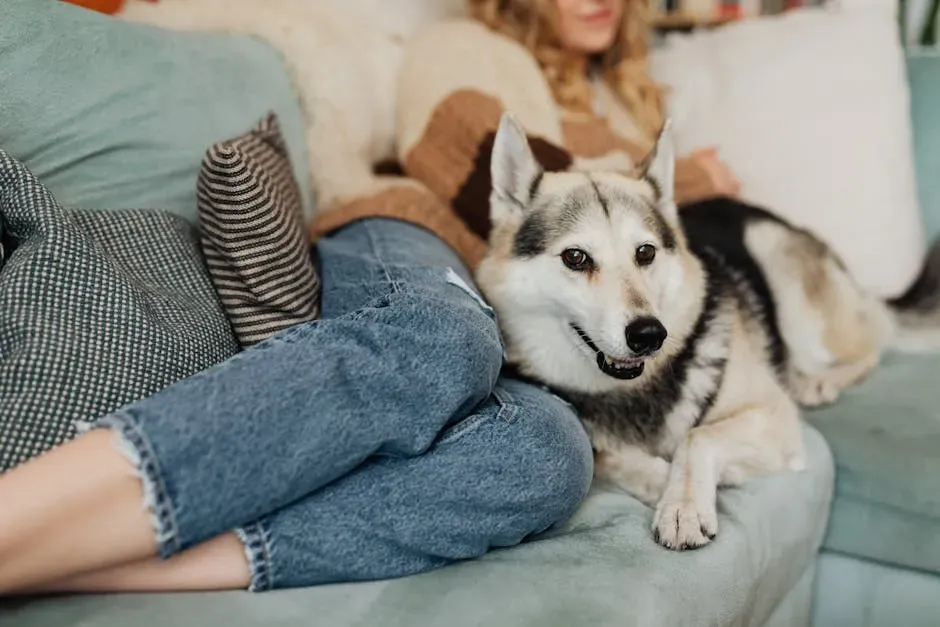
As walking, standing, or even sitting up becomes harder, your dog may lean on you more often, literally. They might rest their head on your lap, press their body against your leg, or scoot close enough that some part of them is always touching you. This physical closeness is one of the oldest ways dogs have shown trust and affection, going back to when dogs sought warmth, safety, and companionship by sleeping in a pile with their family or pack.
For your dog, choosing your body as their resting place is not just about comfort; it is about security. When they are unsure or in pain, your heartbeat, warmth, and familiar scent act like a living blanket. That small weight of their head on your thigh or their back against your feet is a quiet signal that says, “I feel safer when I can feel you.” Even if they are not as wiggly or active as before, that gentle lean is as loving as any excited greeting.
4. Perking Up for Your Voice, Even When They Ignore Everything Else
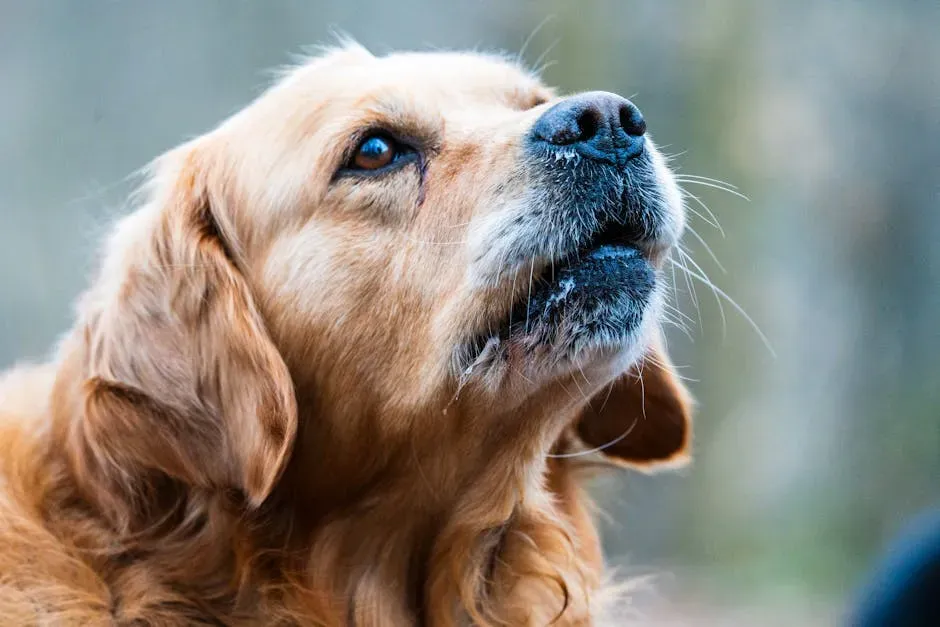
You may notice that as your dog declines, the world around them becomes less interesting. Toys, random noises, and even visitors might not get much of a reaction anymore. But then you say their name or start talking in that familiar tone, and suddenly an ear flicks, their head lifts slightly, or their tail gives the faintest little thump. That response is not about training at that point; it is about emotional recognition.
Your voice has been a constant soundtrack in their life – through routines, adventures, scoldings, and a whole lot of praise. Near the end, when their senses may be duller and their attention shorter, your voice still cuts through the fog and reaches them. When you see them relax or perk up just because you are speaking, what you are really seeing is your bond in action. In that moment, your dog is telling you that you still matter more than anything else in the room.
5. Trying to Follow You, Even When Their Body Fails Them
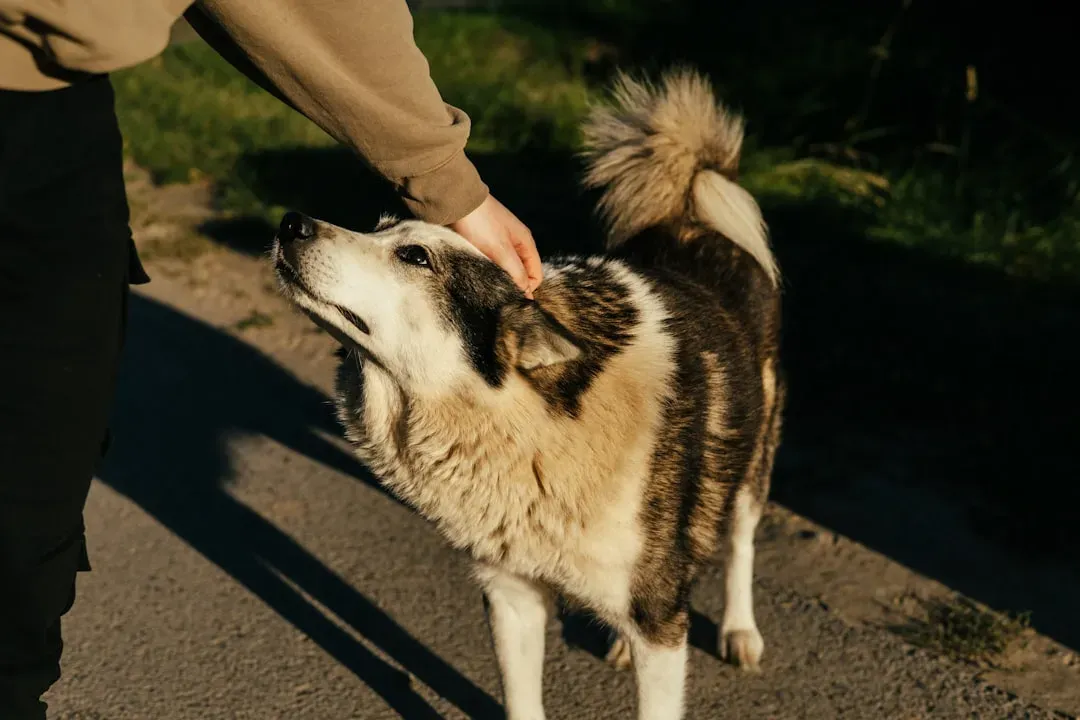
One of the hardest things to witness is your dog trying to get up and follow you when their body clearly cannot keep up. Maybe they stumble, hesitate, or need your help to stand, but the very fact that they still try says a lot about how deeply they are attached to you. Dogs are social animals, and many of them are wired to stay with their person, even when it costs them effort or discomfort.
If you see your dog make these attempts, it can stir up a mix of pride and heartbreak inside you. On one hand, it shows just how loyal and connected they are; on the other, you may worry that they are pushing themselves too hard. You can respond by slowing your pace, shortening the distance, or simply coming back to sit with them. When you do that, you are essentially saying, “You do not have to chase me; I will come to you,” which is one of the kindest acts of love you can offer in return.
6. Accepting Comfort and Care They Used to Resist
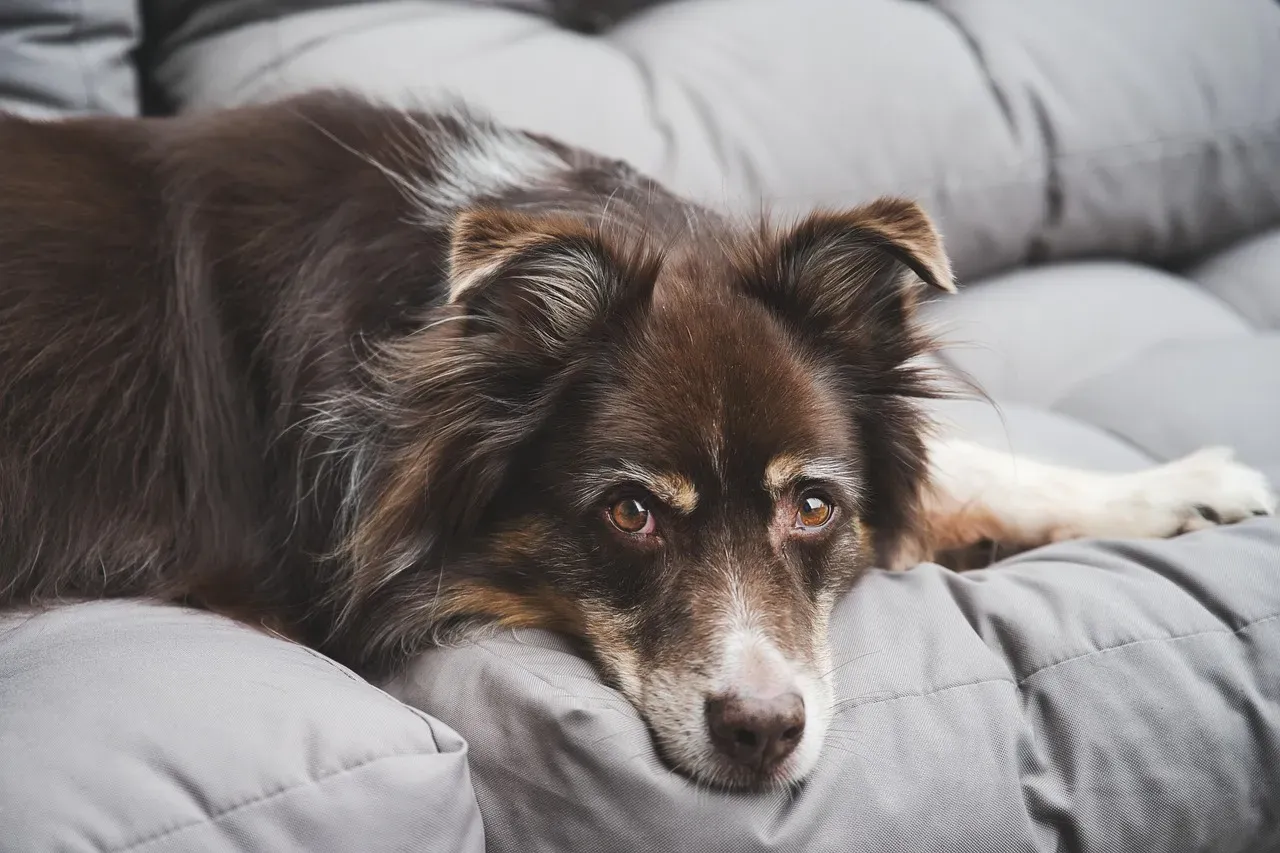
Some dogs are independent or a little stubborn for most of their lives. Maybe yours hated taking medicine, getting their paws wiped, or being lifted. But as they reach the end, you might notice they allow you to do things they once fought against. This shift is not them giving up; it is them trusting you so completely that they let you help, even when they feel vulnerable.
When your dog leans into you while you clean their eyes, calmly lets you carry them outside, or quietly accepts a pill hidden in food, that cooperation can be a sign of deep emotional safety. They have learned over years that you are on their side, and now, at their most fragile, they are choosing to surrender control into your hands. That is a profound expression of love and faith, even if it shows up as something as ordinary as allowing you to support their weight on the stairs.
7. Offering Gentle Licks and Nudges Instead of Big Kisses
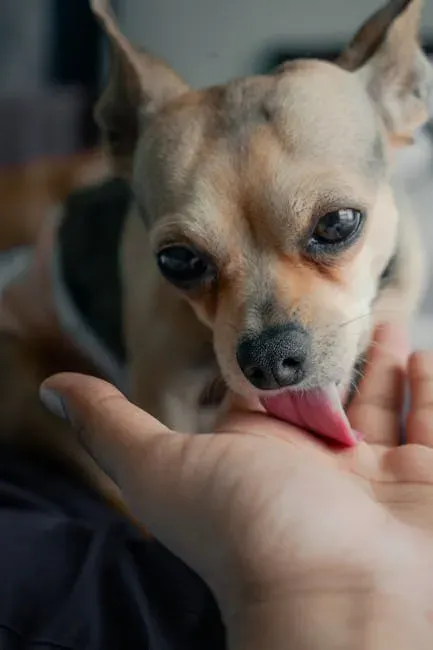
If your dog used to greet you like a whirlwind, covering you in enthusiastic kisses, you might notice that, later in life, those displays become softer and rarer. Instead of a full-face lick attack, you get a small lick on your hand, a light touch of their nose to your arm, or a brief nuzzle into your chest. With less energy to spare, they seem to conserve what they have for the moments that truly matter.
These gentle licks and nudges can feel almost like a deliberate gesture, as if your dog is saying, “I still love you; I am just tired.” You might feel them nudge their head under your hand when you stop petting, or quietly paw at your leg for one more scratch. Those small requests for contact show you that their need for your closeness has not faded with age. It has simply changed shape into something softer, slower, and deeply tender.
8. Staying Calm in Your Presence, Even If They Are Anxious Otherwise
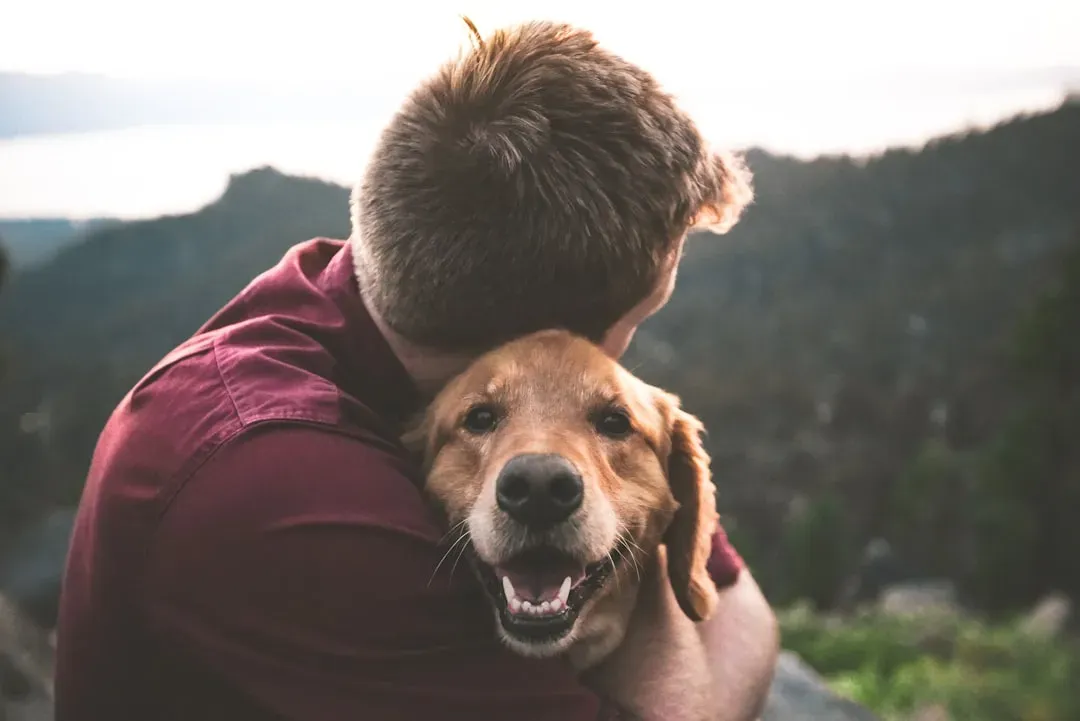
As health issues crop up, many dogs become more anxious or restless. They may pace, whine, or seem unsettled at random times. Yet there is often a noticeable difference when you are close by and engaged with them. Your touch, your scent, and your presence can bring down their stress level, making their breathing slower and their body more relaxed.
If you notice your dog settles more easily when you sit beside them or gently rest a hand on their side, that is a clear sign of emotional dependence – and love. They are showing you that you are their safe zone, the person who makes the scary or uncomfortable parts of life a little more bearable. It is not dramatic, and you might not even realize it at first, but that shift from agitation to calm when you show up is one of the most intimate forms of connection you can share.
9. Showing a Flicker of Joy for Your Old Routines
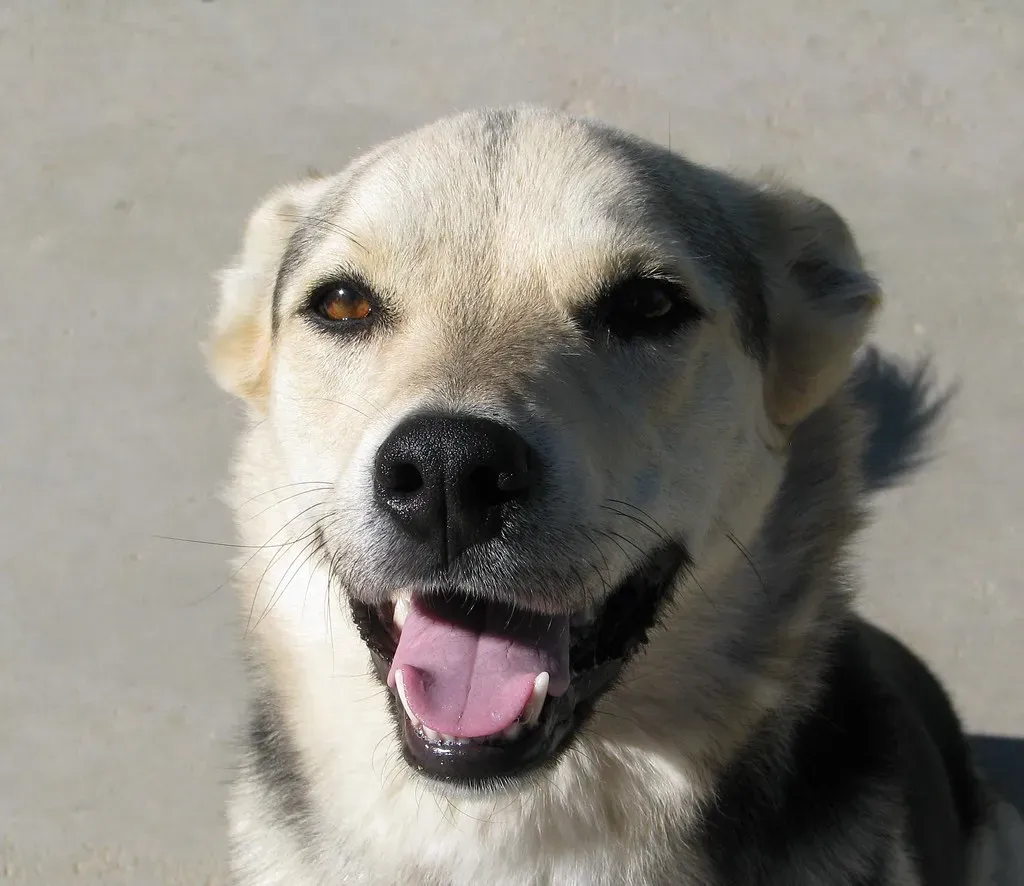
Near the end, your dog might not be able to go on long walks or play favorite games like they used to, but small pieces of those routines often still spark joy. Maybe they lift their head when they hear the leash jingle, even if they only manage a few steps outside. Maybe they wag their tail when you bring out a favorite toy, even if they only nose it gently instead of chasing it. That little flicker of happiness is their way of meeting you halfway.
Those moments can be bittersweet, because you are confronted with what has changed while also seeing the same familiar spark in their personality. By offering a shorter walk, a softer game, or a modified version of what you used to do together, you are honoring both who they were and who they are now. When they respond, even briefly, it shows that your shared rituals still mean something to them, and that is a quiet but powerful expression of love.
10. Guarding You in Subtle Ways, Even When They Seem Weak
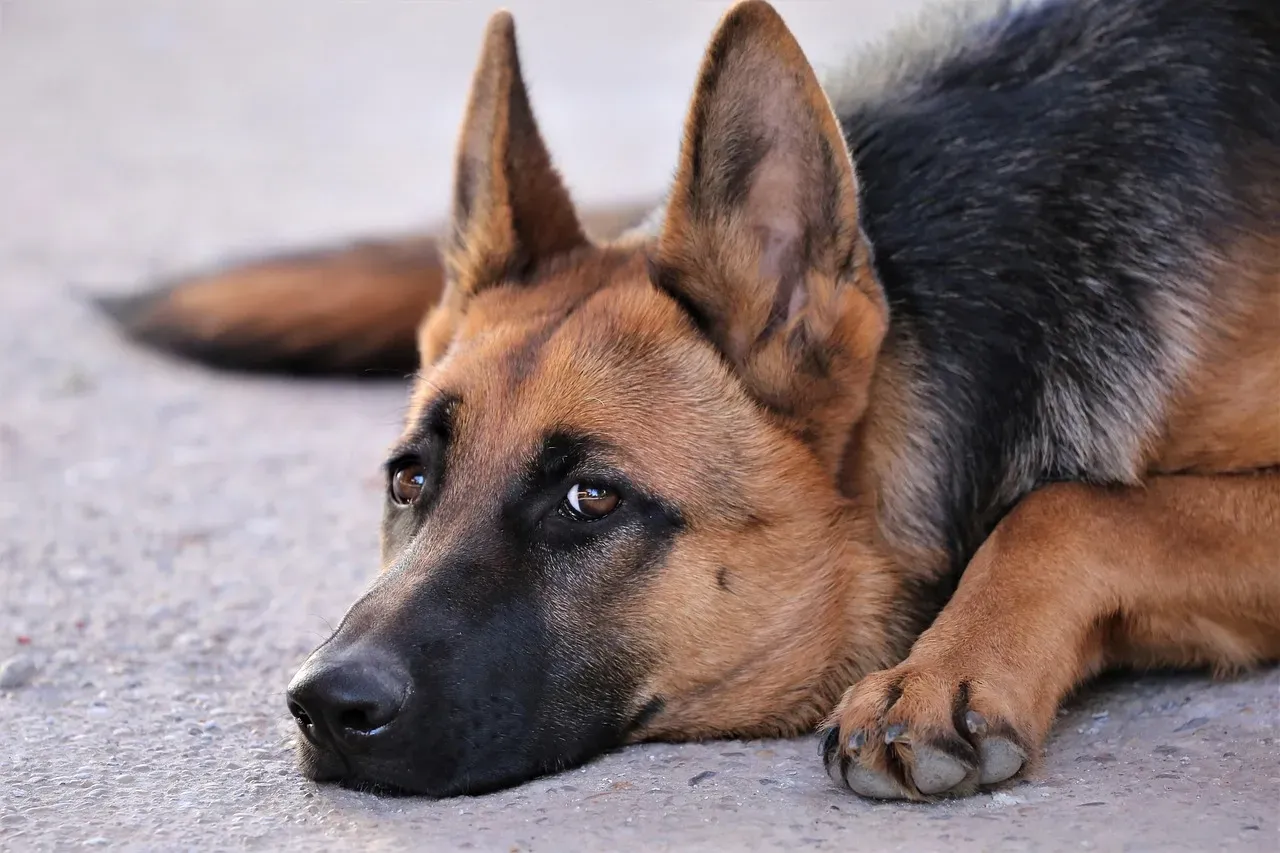
Dogs with a protective streak often keep that trait right to the end, even when their body cannot fully back it up. You might notice your dog still reacting if someone comes to the door, or shifting their position so they can place themselves between you and a perceived threat, even if that threat is just a strange noise outside. The effort alone tells you that, in their mind, part of their job is still to look out for you.
Sometimes the guarding is quieter and less obvious. Your dog might sleep facing the doorway, keep an ear tuned to your movements, or stay awake until you settle in bed at night. Even in frailty, they may be trying to fulfill the role they have always had in your life. That instinct to protect you, even when they are the one needing protection, is a powerful form of love and loyalty that often persists right up to their final days.
11. Relaxing Deeply When You Offer Gentle Touch
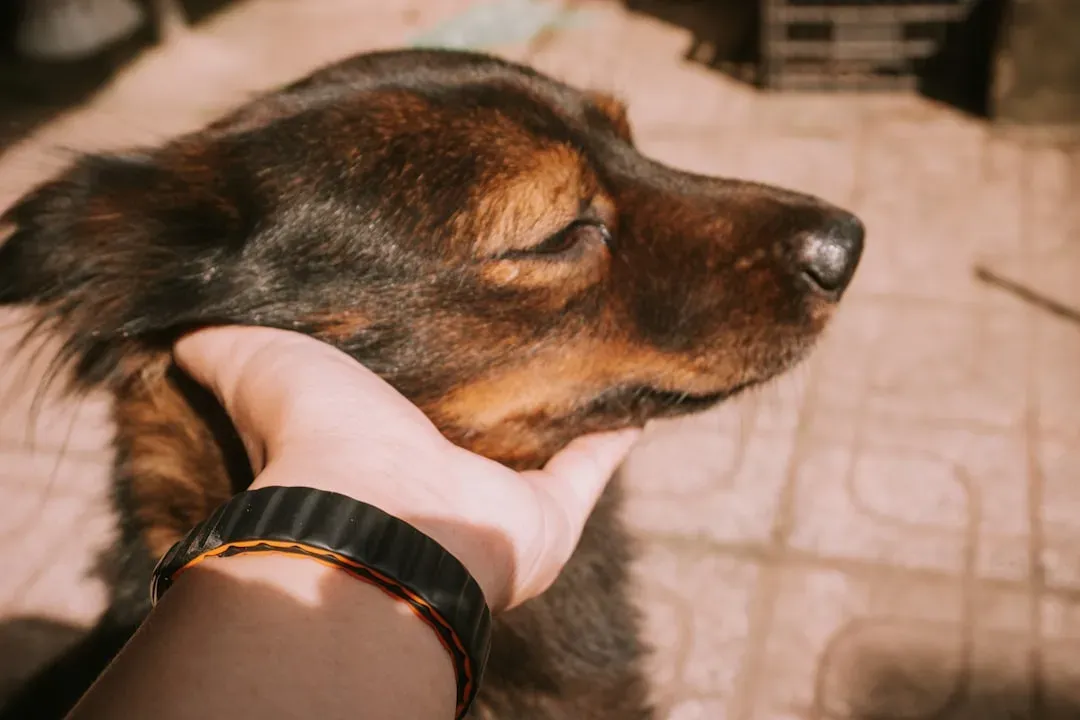
In their younger years, your dog might have tolerated hugs or petting but then quickly bounced away, ready for the next adventure. In their later days, you may notice they sink into your touch more completely. When you stroke their ears, massage their back, or scratch their chest, their muscles soften, their eyes close, and their breathing evens out. That kind of full-body relaxation is a sign that, with you, they feel safe enough to let go.
Gentle touch can also help reduce physical discomfort and anxiety, which makes your presence even more comforting. When you see your dog lean into your hand or shift their body to guide you to a certain spot, they are not just seeking relief – they are choosing you as their source of comfort. In those quiet, still minutes, it is almost like the rest of the world disappears and the only thing left is the trust between your two hearts.
12. Giving You Small Bursts of “Old Self” Just for You
Many people notice that their dog sometimes has a sudden, brief burst of energy or playfulness near the end, almost like a flashback to their younger days. It might be a short tail-chasing spin, a playful bow, or a goofy trot down the hallway. These moments can be surprising, and they often feel like tiny gifts your dog is giving you – a last glimpse of the personality you fell in love with.
While you do not want to overinterpret or expect these bursts, you can appreciate them for what they are: your dog still finding joy in your presence. Maybe they respond to a familiar phrase, a silly noise you make, or a toy you bring out. For a few seconds, it is as if they are saying, “I am still me, and I am still happy to be with you.” Those flashes can be precious memories you carry long after they are gone.
13. Staying Until They Feel You Are There With Them
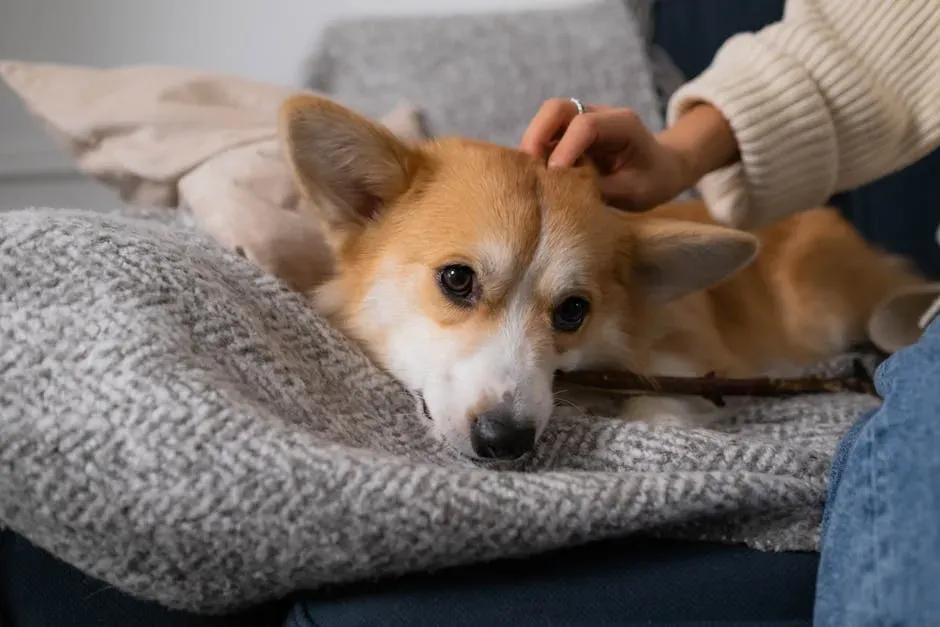
At the very end, one of the most profound ways dogs express love is simply by waiting for you or relaxing when they sense you are truly there, emotionally and physically. Some dogs seem to hold on until their person arrives, while others appear to let go more easily once their favorite human is present and calm. You may notice that when you sit with them, speak softly, and breathe more steadily, your dog’s body mirrors that sense of peace.
This does not mean every dog passes in a perfectly timed moment, and you should not blame yourself for anything that happens outside your control. But when you are with your dog at the end – noticing their breathing, touching their fur, and reassuring them – you are giving them the clearest message you can: they are not alone. In return, the way they relax, lean into you, or simply close their eyes can be seen as their final expression of trust and love, a quiet statement that they feel safe enough to rest.
Conclusion: Turning Heartbreak Into a Different Kind of Love
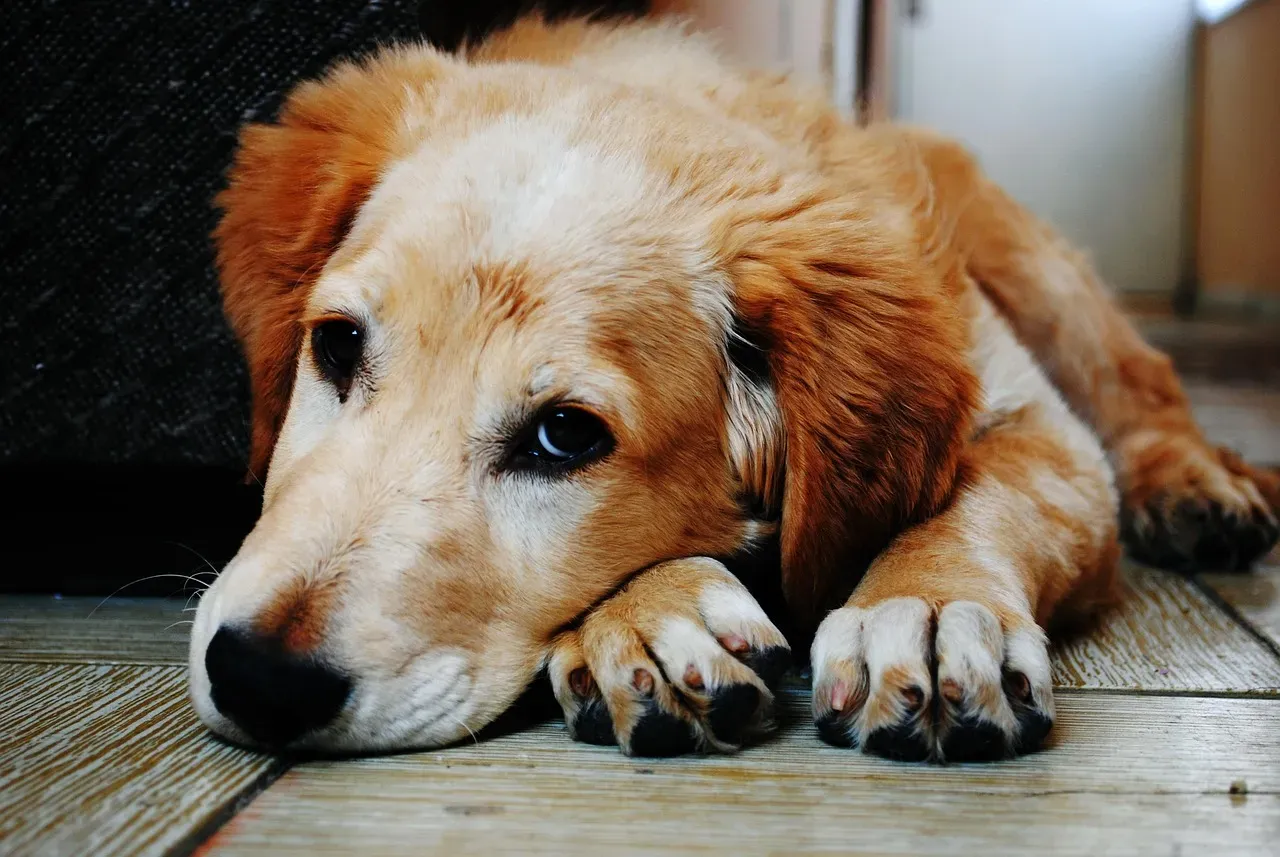
Facing the end of your dog’s life is one of the hardest things you will ever do, and there is no easy way to soften that reality. But when you know how to read their tiny signals – the soft eyes, the quiet nudges, the way they still seek your voice and presence – you start to see that love is very much alive, even when time is running out. Those final days are not just about loss; they are also about witnessing the depth of the bond you built together.
By staying present, offering comfort, and honoring what your dog can and cannot do, you are answering their love with your own. The grief that follows is, in many ways, the shadow of that love, and it hurts because what you shared was real and meaningful. As the years pass, you may find that these last expressions of affection become some of your most cherished memories. When you think about your own dog’s final chapter, which of these quiet, loving gestures do you find yourself remembering most?