If you grew up believing humans sit alone at the top of the intelligence ladder, you’re in for a shock. The more you look at the animal world, the more you realize you’re surrounded by minds that solve problems, plan ahead, deceive, cooperate, grieve, and even use tools in ways that feel uncomfortably familiar.
Once you start noticing it, you can’t unsee it: a crow cracking a puzzle faster than you could, an octopus escaping a closed jar, an elephant recognizing itself in a mirror. You realize the line you’ve drawn between “your” mind and “their” minds was a lot blurrier than you were told. Let’s step into that blurred space and meet seven animals that quietly steal some of the skills you thought were yours alone.
Crows: The Problem-Solvers That Outsmart Your DIY Brain
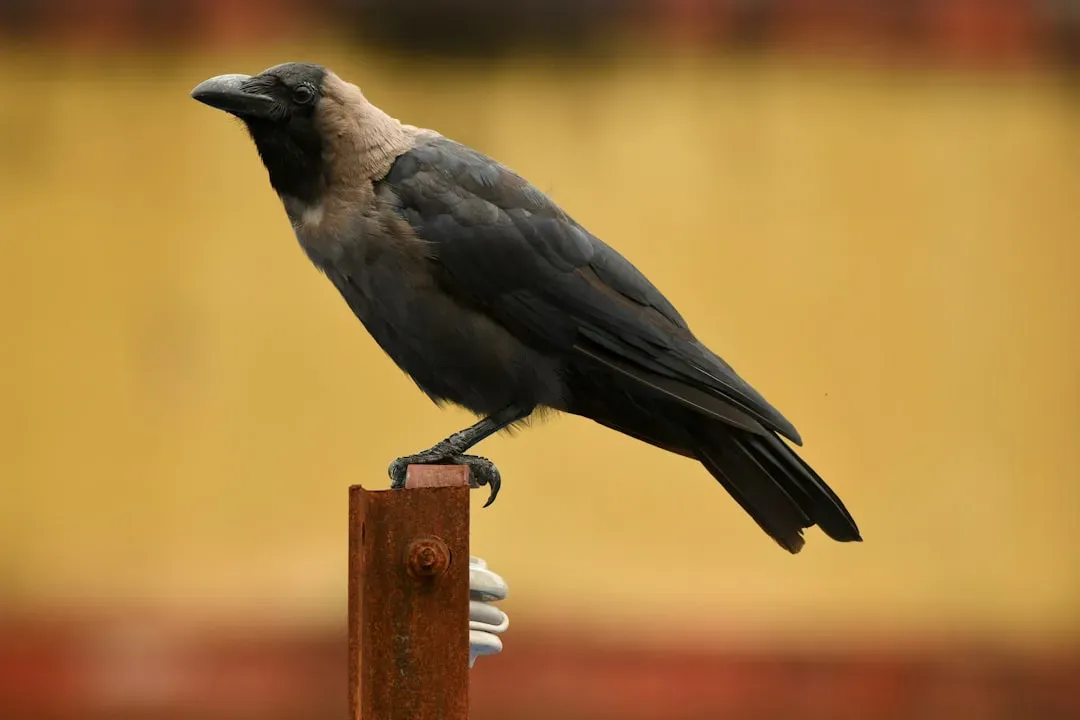
You might think puzzles and tools are your territory, but crows would like a word. You’ll see some species, like New Caledonian crows, bending sticks into hooks to fish insects out of crevices, stacking different tools in the right order, or dropping nuts on roads so passing cars crack them open for an easy snack. In lab tests, some crows can solve multi-step puzzles that require them to remember which tool does what and in which order to use them, something you’d probably need a moment to figure out yourself.
When you watch a crow walk up to a situation it has never seen before and calmly test different options until it finds the one that works, you’re basically watching a feathered engineer at work. You’re not just looking at instinct; you’re looking at planning, memory, and a kind of patient experimentation that feels very human. The next time you see a crow tilting its head at you, it may not be begging for crumbs as much as casually checking out what the slow, tool-using primate is doing today.
Chimpanzees: The Strategists Who Read Minds And Play Politics
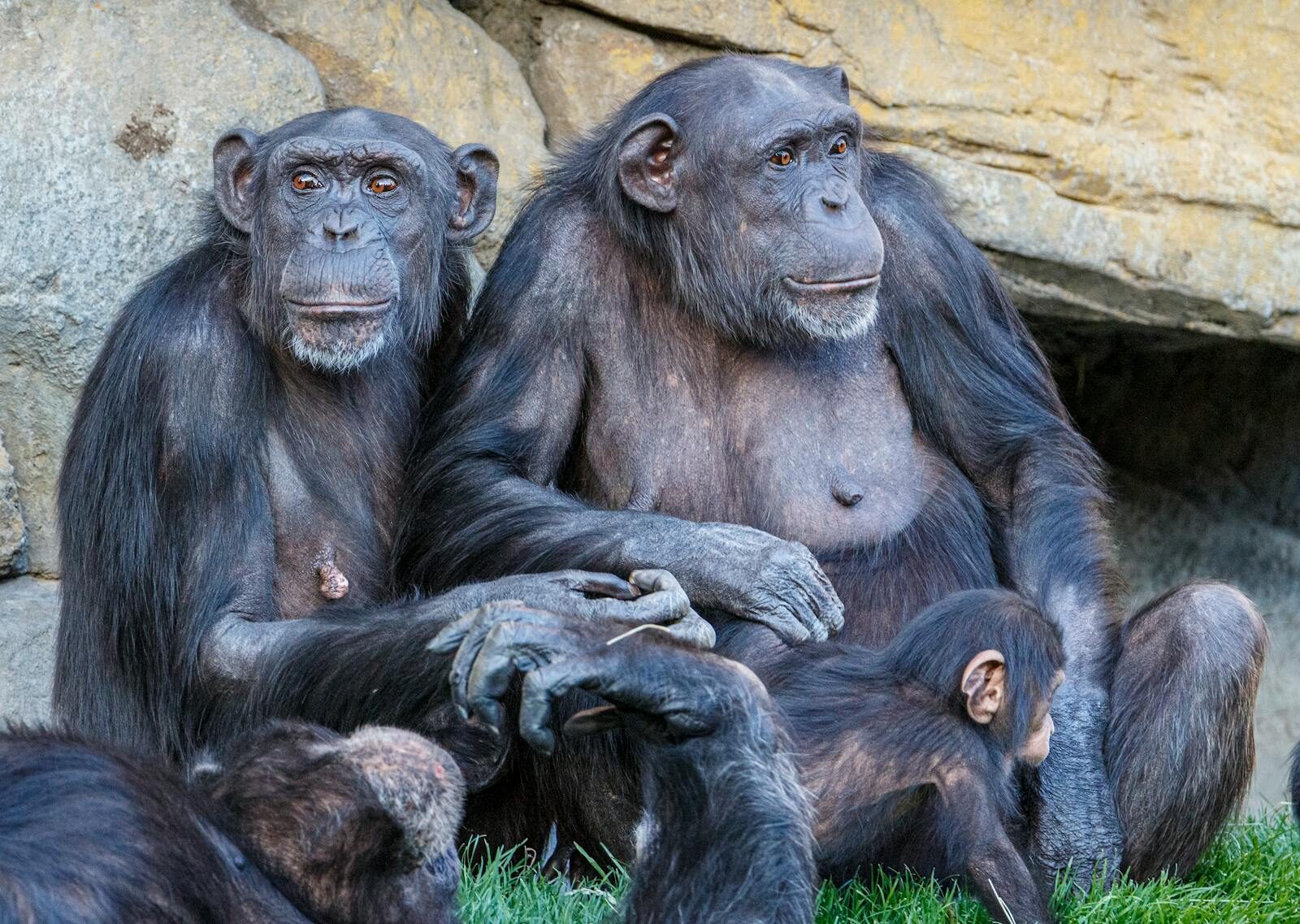
You already know chimps are smart, but you might underestimate how much they operate in a social world that mirrors your own. In the wild, they use sticks to fish termites from mounds, stones to crack nuts, and carefully chosen leaves as sponges to soak up water. Young chimps do not magically know how to do this; they learn through years of watching, imitating, and practicing, just like you learned to tie your shoes or unlock a tricky door.
Where things get even more uncomfortably human is in their social maneuvering. Chimps form alliances, hold grudges, reconcile after fights, and sometimes coordinate group actions against rivals. You can watch a dominant chimp checking who is on whose side before deciding whether to start a confrontation, a bit like reading the room at a tense family gathering. When you see them doing that, it becomes hard to pretend that complex social planning is your exclusive trick.
Dolphins: The Underwater Culture Builders
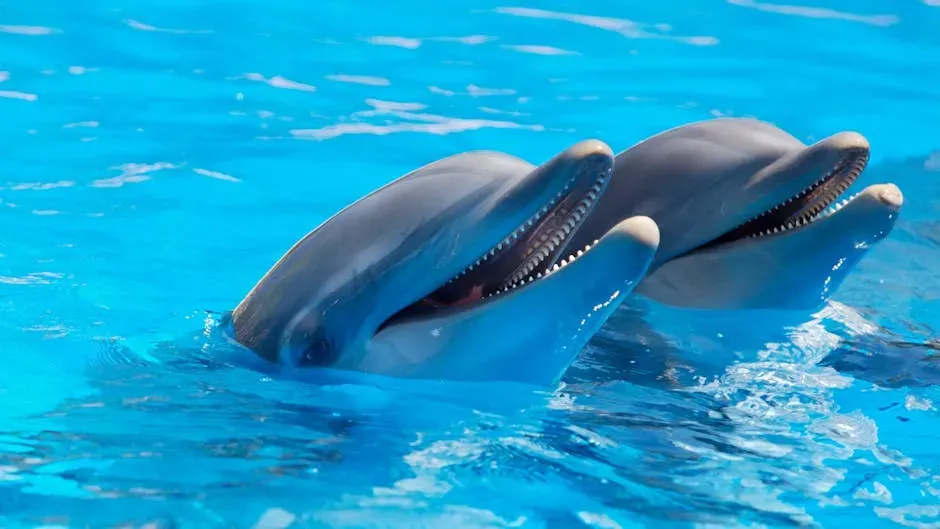
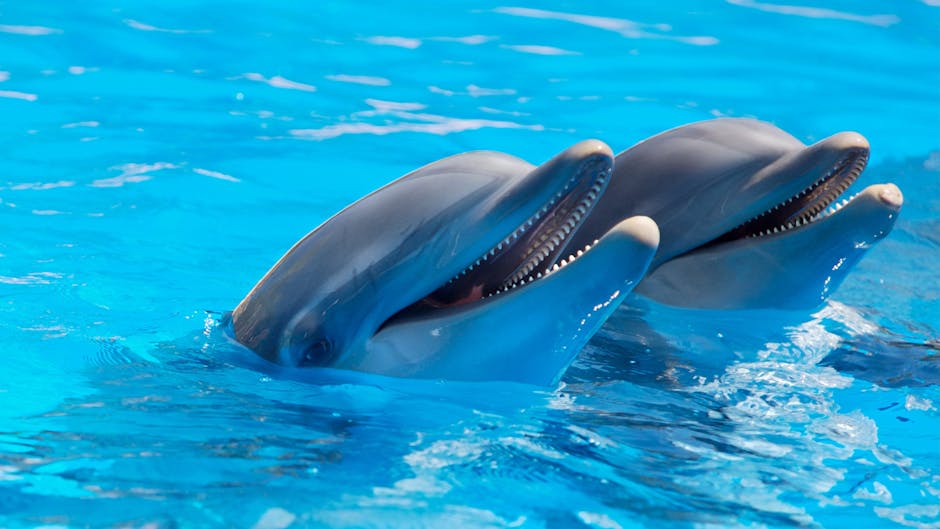
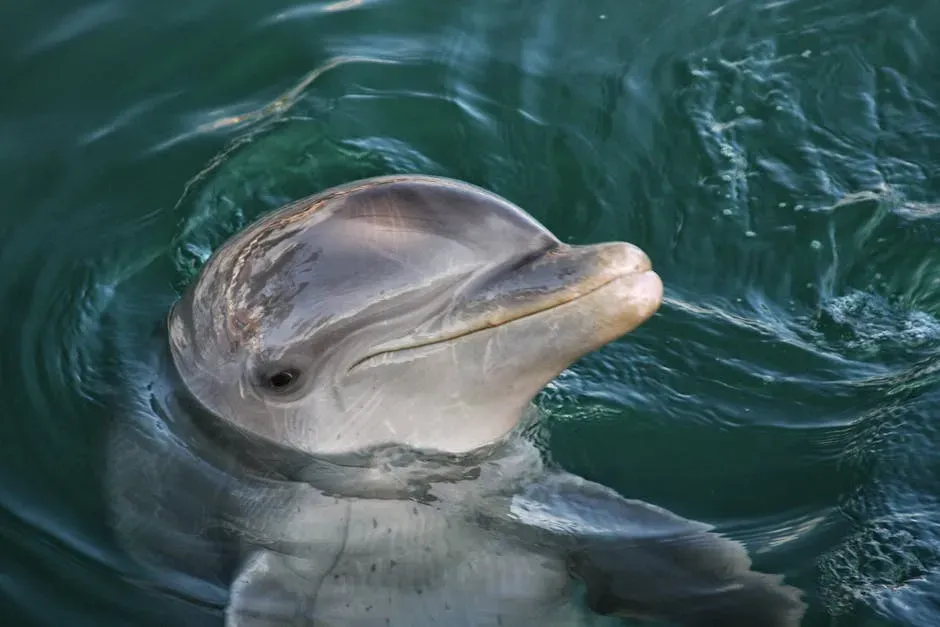
If you’ve ever felt amazed by how quickly a friend picks up a new game, you’ll recognize that same spark in dolphins. Some wild dolphins have been seen placing sponges over their snouts as protective gear while foraging over rough seafloors, a behavior that seems to spread through certain family lines like a cultural tradition. Others use shells as improvised bowls, shaking them to trap fish and then tipping the catch into their mouths, turning kitchen-style improvisation into an underwater art.
What really makes you rethink your special status is how dolphins pass these tricks on. Calves learn by closely shadowing their mothers, copying movements, and practicing until they get it right, almost like kids learning a craft from older relatives. You’re watching knowledge move from one generation to another, not through books or videos, but through living demonstration and memory – a quiet reminder that culture is not just a human thing, it is a shared pattern of life wherever minds are paying attention to each other.
Elephants: The Empaths Who Remember And Reflect
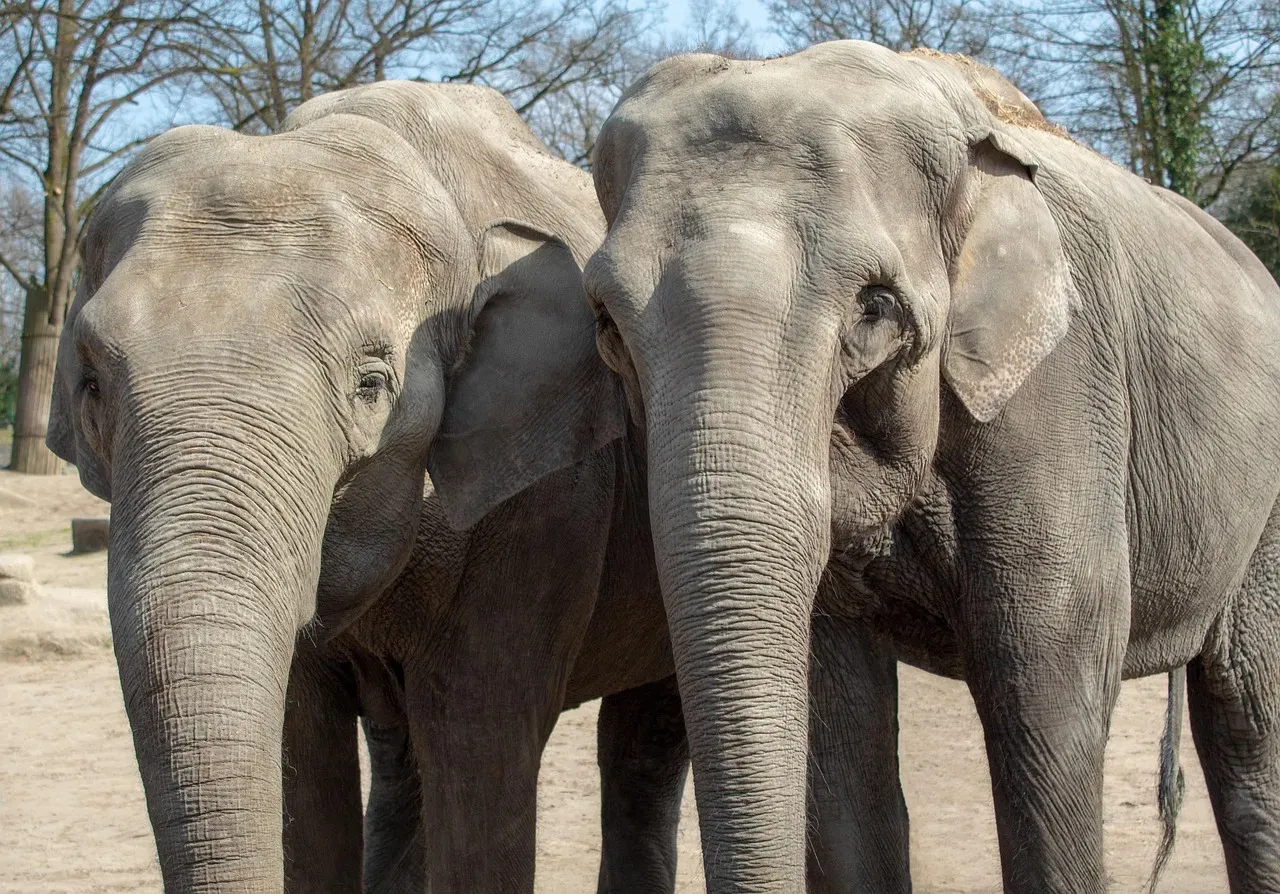
When you think of memory, you might picture yourself recalling faces or places from years ago, but elephants give you serious competition. They can remember the locations of water sources across huge landscapes and recognize individuals after long separations, including humans they have not seen in many years. This kind of long-term memory shows up in their movements and decisions, and it can mean the difference between life and death during droughts.
They do not just remember; they feel in ways that look hauntingly familiar to you. Elephants have been seen gently touching the bones of dead elephants, pausing as if in some kind of quiet recognition. They help injured herd members, stand guard over calves, and sometimes alter their routes around places where they have had bad encounters. When you watch them respond to loss, protect the weak, or celebrate reunions, it is hard not to see versions of your own emotional life moving through a much larger, slower body.
Octopuses: The Escape Artists That Redefine Intelligence
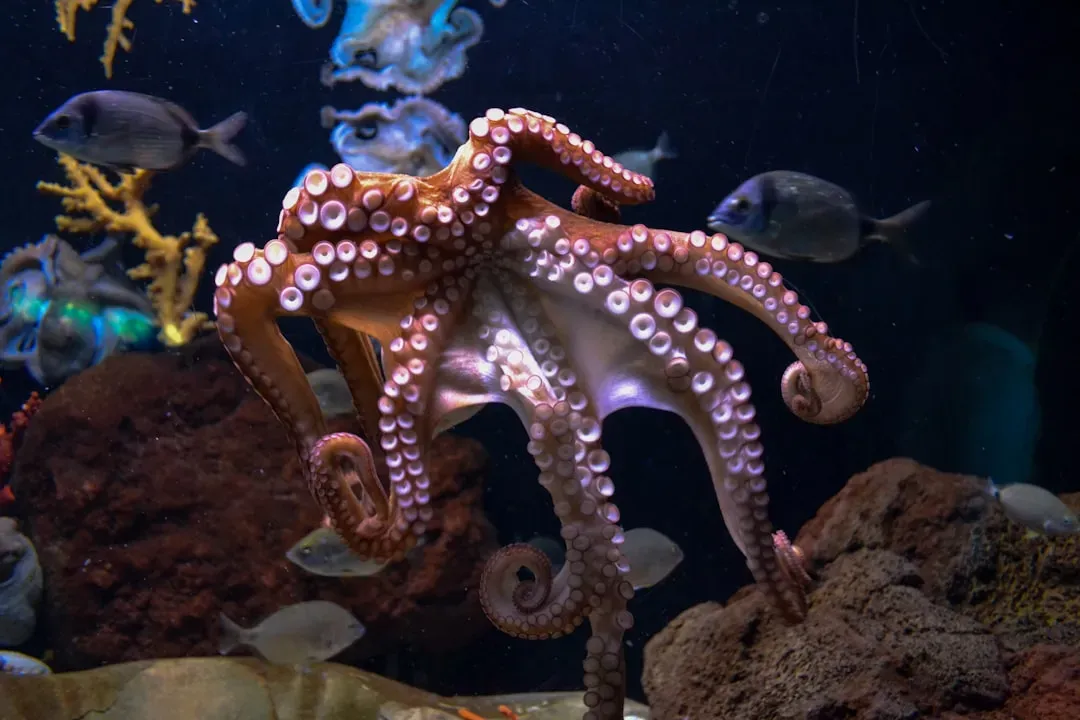
If you’re convinced that a big brain like yours is the only path to complex thinking, an octopus will cheerfully ruin that idea for you. With a nervous system spread through its arms and a body built for squeezing through gaps, an octopus can open screw-top jars, navigate mazes, and solve puzzles it has never seen before. In aquariums, some have been known to unscrew lids, sneak into neighboring tanks to grab fish, then return before anyone notices, like tiny, boneless burglars with a talent for stealth.
What really messes with your assumptions is how flexible their behavior is. You can watch an octopus test, explore, and adapt to changing conditions in real time, as if it is running experiments with its surroundings. They show individual quirks – some bolder, some shyer, some more curious – reminding you of people you know. For an animal so evolutionarily distant from you, their creative problem-solving feels like a message from another branch of intelligence, one that proves thinking does not need a familiar face.
Parrots: The Talkers Who Understand More Than You Think
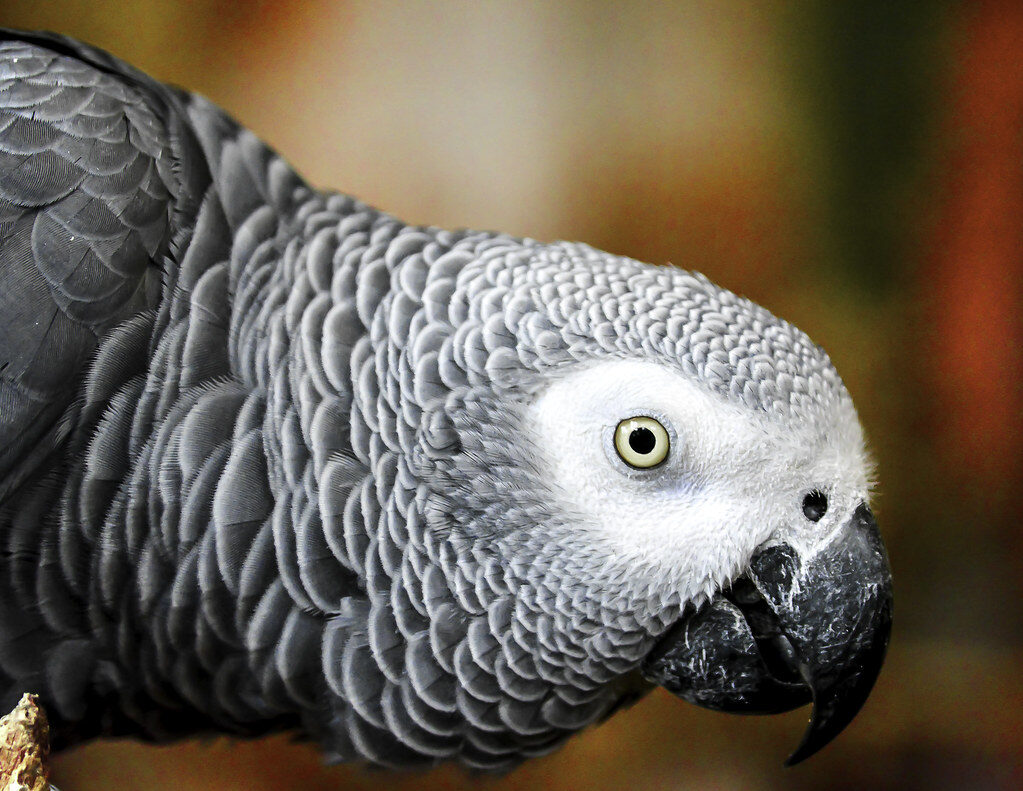
You might have laughed at a parrot mimicking a ringtone or a familiar phrase, but there is far more going on than simple copy-and-paste. Some parrots can learn to associate words with objects, actions, and even categories like color or shape, using the right word in the right context. When you ask for a specific toy and the bird reliably picks it out, you are not just hearing echoing noise; you are seeing actual understanding of labels and choices.
Living with a parrot can feel like living with a very opinionated toddler. They demand attention, negotiate through sounds and gestures, and sometimes deliberately refuse to cooperate when they are annoyed. When you see a parrot apparently requesting a favorite treat, rejecting another, or calling for a familiar person at specific times, you start to realize their vocal and social world is layered with meaning. Their gift for sound is not just entertainment for you; it is a gateway into a different style of language-like communication.
Rats: The Tiny Planners That Show You Hidden Depth
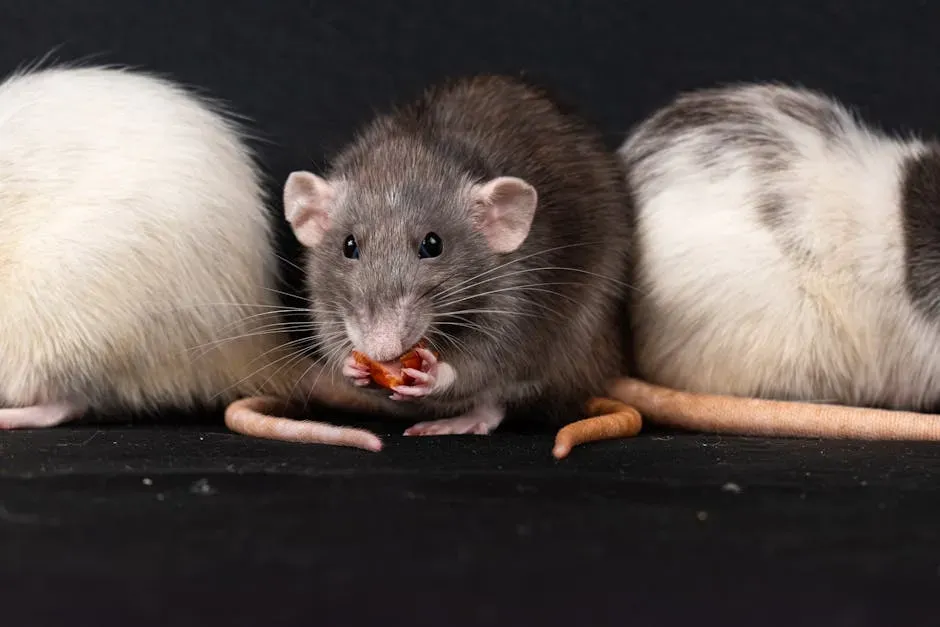
Rats probably are not the first animals you think of when you picture human-like abilities, but you might want to upgrade your opinion. In controlled experiments, rats can navigate complex mazes, remember optimal routes, and even adjust their decisions when circumstances change, a little like you rerouting your commute when you spot traffic. Their brains seem to replay paths they have taken, as if mentally rehearsing or planning future movements.
They also live in rich social worlds that force them to make subtle choices. You can see rats choosing to help a trapped companion, even when there is no immediate personal reward, hinting at a capacity for something that looks like empathy. They communicate through ultrasonic calls, respond to the emotional states of others, and show signs of stress when their social bonds are disrupted. When you look past the stereotypes and actually watch how they behave, rats start to feel less like background pests and more like small, busy minds trying to make sense of their world, just like you.
Conclusion: Sharing The Stage With Other Minds
When you add up the crows solving tool puzzles, the chimps scheming in social networks, the dolphins passing on traditions, the elephants grieving, the octopuses escaping, the parrots reasoning about words, and the rats planning future moves, you are forced to redraw the map of intelligence you grew up with. You are not standing alone on some bright peak looking down at empty valleys; you are on a crowded hillside, surrounded by other minds, each adapted to its own niche, each showing glimmers of the skills you once claimed as uniquely yours. That realization can feel humbling, but it is also strangely comforting.
Seeing animals this way changes how you move through the world. You might find yourself pausing a second longer when a crow watches you, or wondering what an octopus is thinking behind the glass. You start to see that being human is less about owning certain abilities and more about how you choose to use them, knowing others share pieces of your mental toolbox. So the next time you look at an animal and feel that flicker of recognition, you might ask yourself: which of your “human” skills are you really seeing reflected back at you?