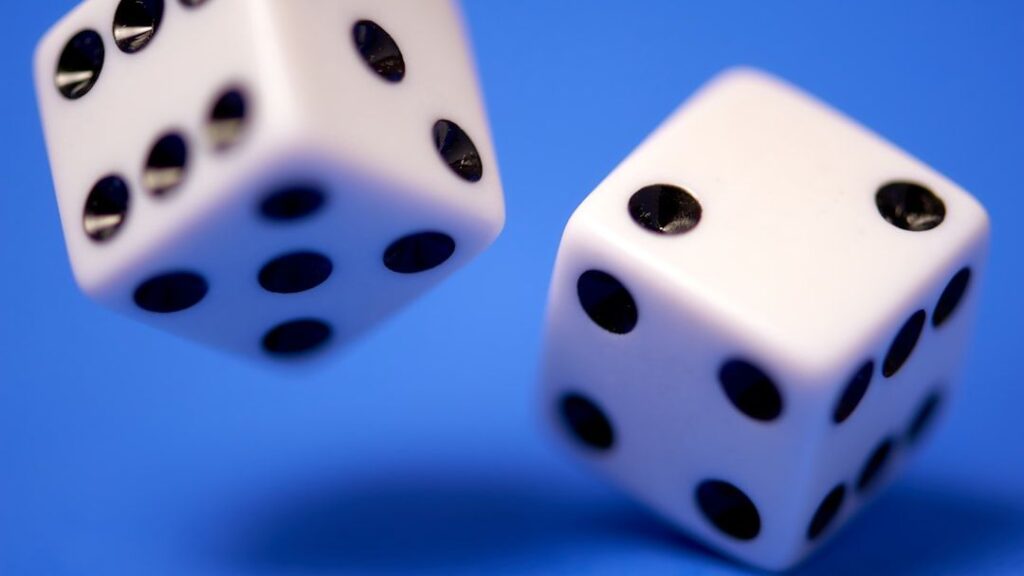
You know that strange feeling when life seems to line things up too perfectly, like the world is winking at you? Maybe you think of an old friend you have not seen in years and, out of nowhere, they text you within minutes. Part of you shrugs it off, but another part quietly wonders if something deeper is at work. That tension between “it is just chance” and “this means something” is exactly where synchronicity lives.
Synchronicity is a word people toss around a lot, but when you look closer, it sits right on the edge between psychology, probability, and personal meaning. You are not just dealing with numbers or raw odds; you are dealing with your story, your memories, and your emotional state in that moment. When those collide with a seemingly unlikely event, it can feel uncannily precise, like a puzzle piece snapping into place. The real question is not just whether it is “real,” but what it reveals about how you experience your life.
What Synchronicity Actually Is (And What It Is Not)

At its core, synchronicity describes a meaningful coincidence: two or more events that are not linked by obvious cause and effect, yet feel deeply connected to you. You are thinking intensely about changing careers, and that same day you randomly meet someone working in the exact field you are considering. From a purely physical standpoint, your thoughts and that encounter may not be directly causing each other, but subjectively, it feels like they belong to the same story. That sense of inner–outer alignment is what makes synchronicity so gripping.
It is important to separate synchronicity from superstition or magical thinking. You are not required to believe the universe is sending you scripted messages for synchronicity to be meaningful. Instead, you can see it as a psychological pattern: your inner world of concerns and questions colliding with external events that match them. When you stop demanding a mystical explanation and instead pay attention to how these moments highlight what matters most to you, synchronicity becomes less about predicting the future and more about revealing your present.
Why Your Brain Is Wired To Notice “Meaningful Coincidences”

Your brain is a pattern-detection machine, constantly scanning for connections that help you make sense of the chaos around you. If you had no pattern recognition at all, everyday life would feel like static, and you would struggle to learn anything. But because your brain is tuned to notice patterns, it sometimes sees meaningful order in situations where randomness would actually explain things just fine. This is not a flaw; it is the same ability that lets you read faces, understand language, and anticipate danger.
When something lines up perfectly with what you are already thinking or feeling, your brain lights up and tags it as important. You remember the one time you dreamed about an old song and then heard it the next morning, but you forget the many mornings when nothing like that happens. Over time, this memory bias makes coincidences feel more frequent and more impressive than they mathematically are. You are not dumb or gullible for feeling this; you are simply running on hardware that was built to favor meaningful stories over cold statistics.
The Role Of Probability: How Rare Is “Too” Rare?
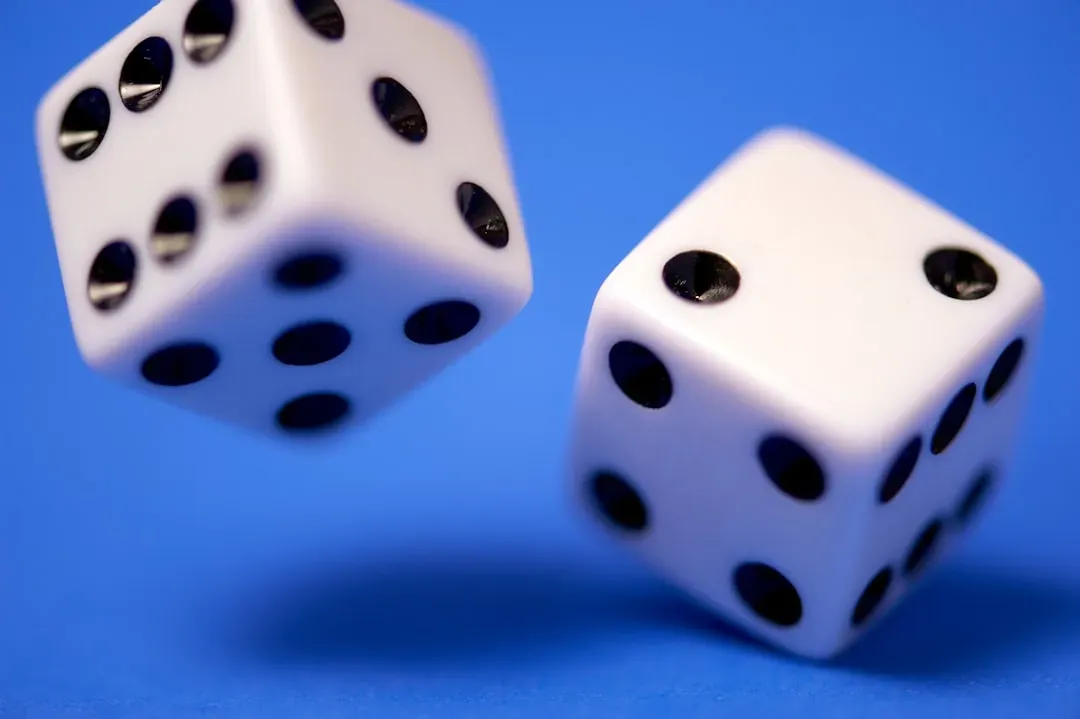
If you want to understand synchronicity without getting lost in mysticism, you have to bring probability into the conversation. In a world with billions of people, endless conversations, and countless daily events, strange overlaps are not just possible, they are guaranteed. You might bump into a former classmate in another country and feel stunned, but from a statistical angle, given enough travel, social connections, and time, oddly specific meetings will occasionally happen to someone. You just notice them more when you are the one in the story.
That does not mean all synchronicities are trivially explained, but it does mean you should be careful before declaring “this could never be random.” Often, what feels astronomically unlikely is less rare than it seems once you zoom out and count how many chances existed for something similar to occur. When you combine the vast number of daily events with your tendency to remember only the hits, you start to see how powerful plain randomness can be. Understanding this does not kill the magic; instead, it lets you appreciate that meaning is something you bring to an event, not just something built into the math.
How Your Emotions And Focus Shape What Feels Meaningful

Synchronicity is not just about timing; it is about your emotional state when it happens. When you are going through a breakup, a health scare, or a major life decision, you are much more likely to scan the world for signals. A random song lyric, a line in a book, or a stranger’s offhand comment can suddenly feel charged with significance. In calm periods, the exact same coincidence might slide right past you, but during a crisis, it hits like a message highlighted in neon.
Attention works like a spotlight, and whatever you are currently focused on becomes the filter through which you interpret events. If you are worrying about money, you will notice every mention of finances; if you are thinking about moving cities, you will suddenly spot references to that city everywhere. Synchronicity often shows up where your attention is already burning brightest. In that sense, when the outside world seems to echo your inner world, it may be reflecting your focus more than directing your fate.
Psychological Benefits: When Synchronicity Actually Helps You
Even if you lean entirely on psychological explanations, synchronicity can still be genuinely helpful. When you treat a meaningful coincidence as a prompt rather than a prophecy, it can push you to reflect on what you really want or fear. Maybe you keep seeing references to creative work just as you are secretly debating starting a project you have been avoiding. Those echoes do not guarantee success, but they can nudge you to finally admit to yourself that this truly matters to you.
There is also a sense of comfort and connectedness that can come from feeling your life is threaded with meaning rather than being a random sequence of disconnected events. For some people, noticing synchronicities makes them feel less alone, more held by a larger pattern, even if they cannot define what that pattern is. As long as you are not outsourcing your decisions entirely to “signs,” this sense of symbolic guidance can stabilize you emotionally, give you courage, and help you move through uncertainty with a bit more trust in your own path.
Common Traps: When Synchronicity Becomes Misleading
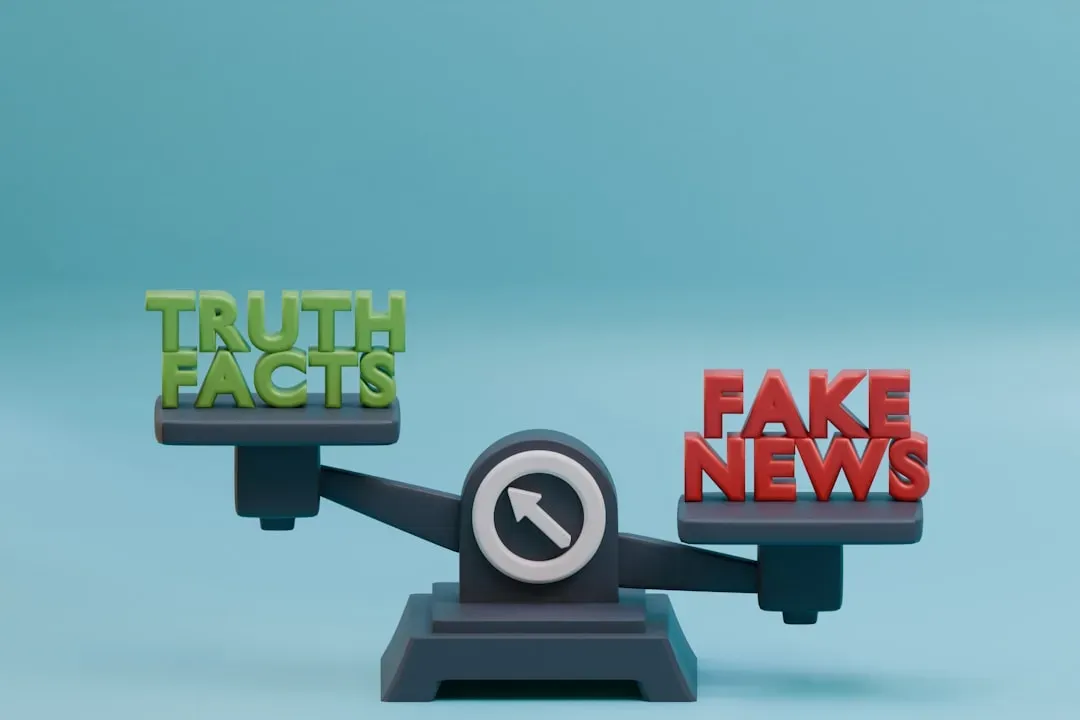
There is a point where a healthy appreciation of synchronicity can slip into something more dangerous. If you start believing that every coincidence is a direct instruction from the universe, you risk ignoring real-world evidence, expert advice, or your own critical thinking. Someone might stay in a harmful relationship because they keep noticing the partner’s name in random places and interpret that as proof they are “meant to be.” In reality, noticing that name could simply reflect how intensely the person is already on your mind.
You also have to watch out for confirmation bias: the habit of noticing and remembering the coincidences that support what you want to believe, while ignoring the ones that do not fit. If you are convinced a particular number is lucky, you will register every time it shows up and gloss over all the times it does not. Over time, this can create a private little echo chamber where your beliefs feel constantly validated, not because the world is obeying them, but because you are selectively interpreting the world through them.
How To Work With Synchronicity In A Grounded Way

If you want to make use of synchronicity without getting lost in it, you can treat these moments as mirrors rather than commands. When a coincidence jolts you, instead of asking what the universe is trying to tell you, ask what your reaction reveals about you. Are you relieved, scared, hopeful, energized? That emotional response is valuable data about your deeper desires, unresolved fears, or buried priorities. The event might be random, but your feelings about it are not.
A simple way to stay grounded is to hold two truths at once: this could be chance, and it still matters to you. You do not have to prove a cosmic plan to let a coincidence inspire you to take a step you already secretly wanted to take. You can stay open to symbolic meaning while also checking your choices against reality: your finances, your health, your relationships, and your long-term goals. In practice, this turns synchronicity into a conversation starter with yourself, not a final verdict handed down by fate.
Synchronicity, Spirituality, And Skepticism: Finding Your Own Balance

How you interpret synchronicity will depend a lot on your broader worldview. If you lean spiritual, you might see these moments as hints of a deeper order, a subtle alignment between you and something larger than you. If you lean skeptical, you might treat them as a fascinating side effect of cognitive biases and probability. Both perspectives can coexist more easily than you might think, especially if you care about meaning as much as you care about mechanism. You do not have to pick one camp forever.
In your own life, you can experiment with a middle path: stay curious about the emotional and symbolic impact of synchronicity while still running your decisions through rational filters. Let the uncanny timing of events wake you up, but not blind you. The goal is not to solve the mystery once and for all; it is to live with it intelligently. In a way, the most honest position is to admit that your experience of meaning is real to you, even if the ultimate cause behind a coincidence remains unknown.
In the end, synchronicity invites you to notice how your inner story and outer circumstances occasionally line up in striking ways. Whether you see that as cosmic choreography or just the human mind weaving meaning from randomness, those moments can still serve as powerful checkpoints. They ask you what you are longing for, what you are ignoring, and what you secretly already know. Maybe the real question is not “Was this a sign?” but “What did this moment reveal about me that I needed to see?”
So the next time life drops a perfectly timed coincidence in your path, you do not have to decide on the spot whether it is fate or fluke. Instead, you can pause, feel the jolt, and use it as a chance to listen more closely to yourself. After all, whether the universe is whispering to you or you are finally hearing your own voice more clearly, are you willing to pay attention to what it is saying?