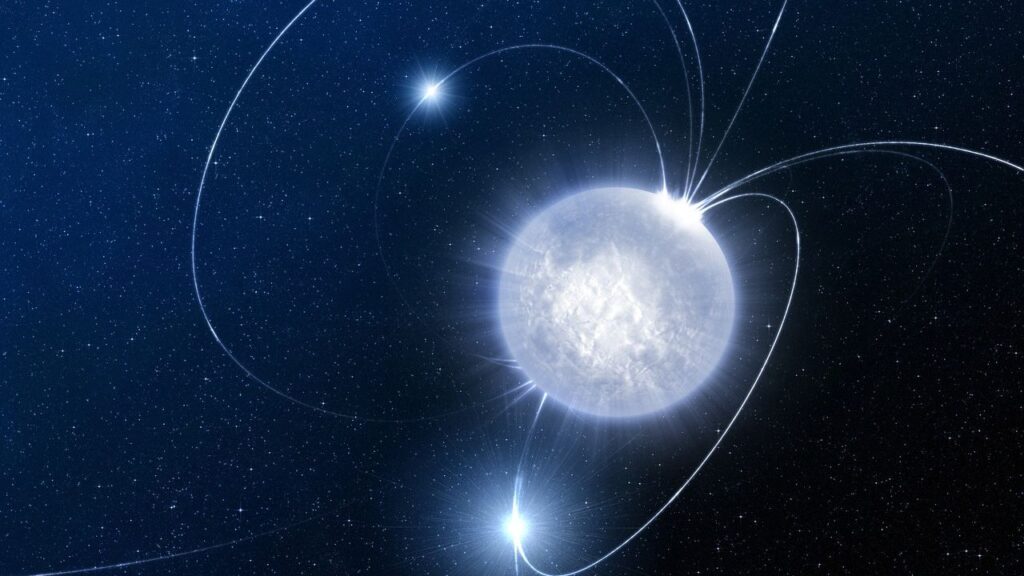
Imagine a dead star, no bigger than a city, spinning so fast it sweeps beams of radiation past you like a cosmic lighthouse. That is what you are looking at when you hear the word pulsar, and once you dig into what these objects really are, they make a lot of science fiction seem tame. In a universe full of weird things, pulsars still manage to stand out as some of the most extreme and mind-bending.
As you get to know them, you’ll see how pulsars help you tell time more precisely than any clock on Earth, map the galaxy like radar, and even test ideas about gravity that Einstein could only write down on paper. By the time you finish this, you will never look at the night sky the same way again, because you will know that somewhere out there, tiny dead stars are ticking away like furious, invisible engines.
1. You Are Listening To The Heartbeat Of A Dead Star
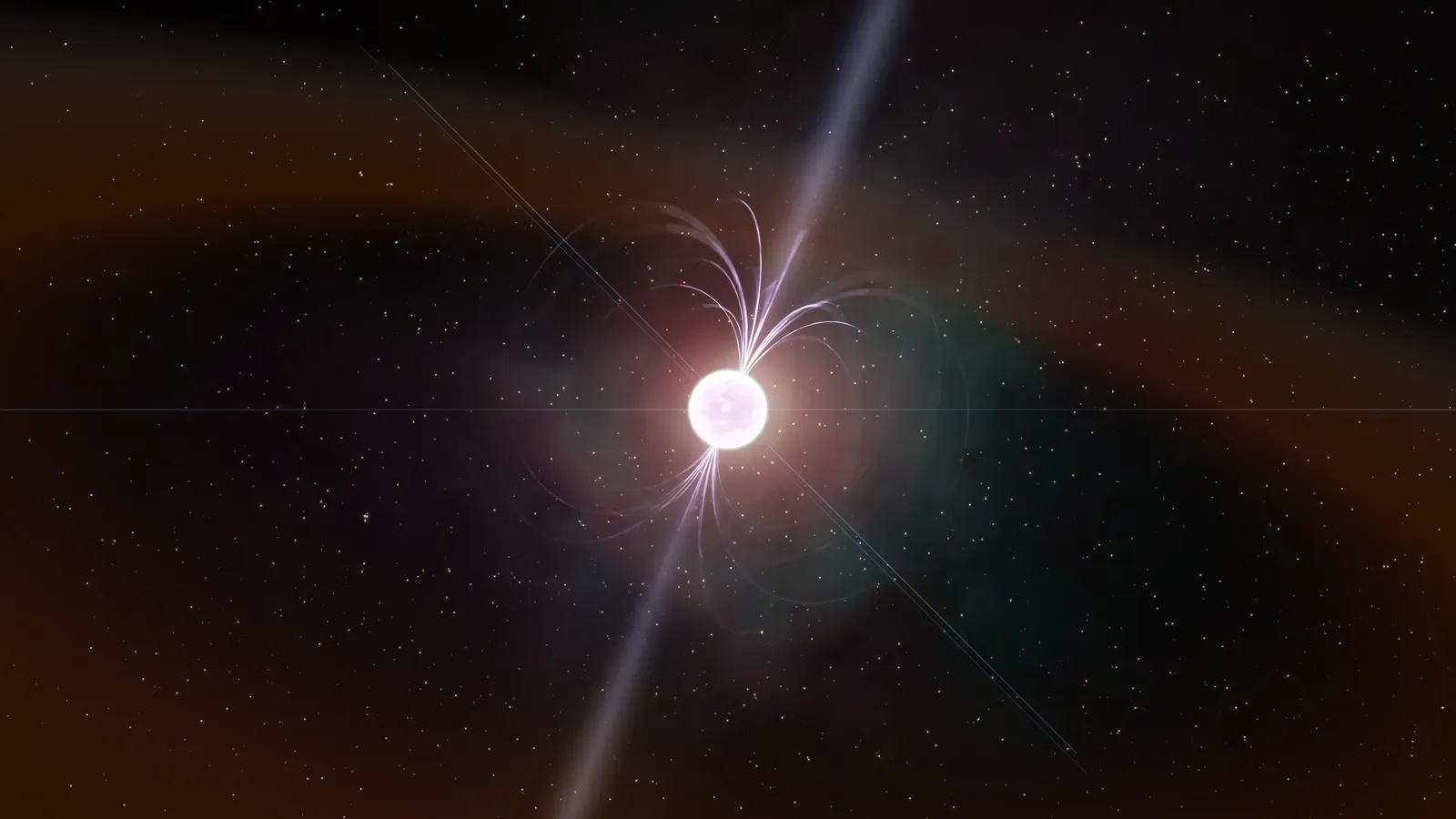
When you learn what a pulsar really is, it feels almost eerie: you are detecting the leftovers of a massive star that exploded and died, yet its core is still spinning and beaming energy toward you. A pulsar is a kind of neutron star, the collapsed core of a once-huge star that ended its life in a supernova, packing more mass than the Sun into a sphere roughly the size of a large city. Instead of shining steadily like a normal star, it rotates and sends out narrow beams of radio waves, X‑rays, or gamma rays, and you only see a flash when one of those beams sweeps across your line of sight, like the beam of a lighthouse.
You can think of it as listening to the heartbeat of something that technically should not even be alive anymore, yet refuses to fade quietly. Every pulse you detect is a rotation of that ultra‑dense star, a spin of a corpse that nature turned into a precision beacon. Once you understand that, those repeating radio blips in a graph are not just data; they are a reminder that even stellar death can be loud, rhythmic, and strangely beautiful.
2. A Pulsar Packs Sun-Like Mass Into A City-Sized Sphere
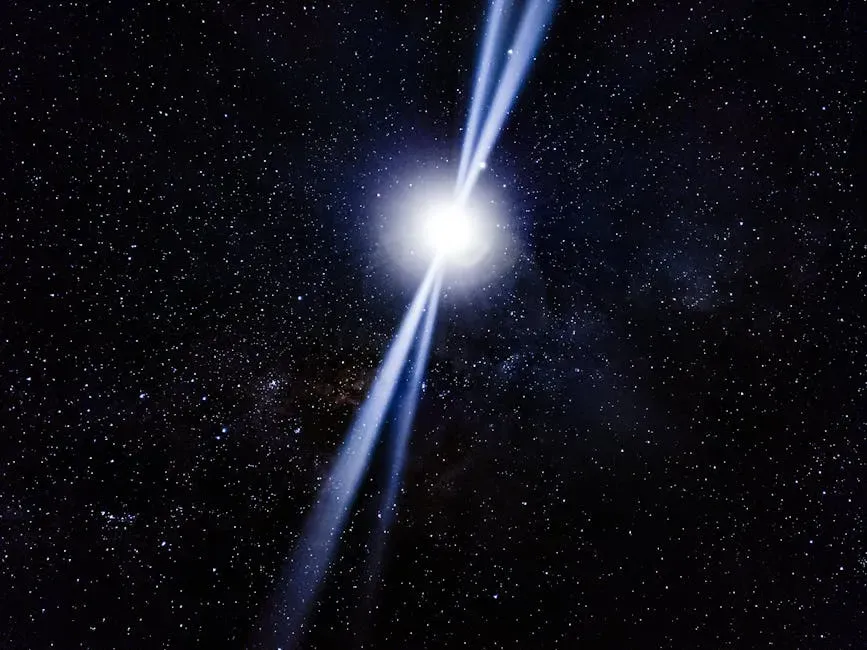
If you like mind-bending numbers, a pulsar will not disappoint you. You are dealing with an object that can cram about the mass of the Sun, sometimes a bit more, into a ball only about twenty kilometers wide, closer to the distance of a daily commute than anything cosmic sounding. The density is so extreme that if you could somehow scoop up a sugar-cube sized piece of neutron-star matter, it would weigh as much as a mountain on Earth, far beyond anything you can really picture in everyday life.
You are not just reading about a heavy object; you are confronting the limits of what matter can be before gravity crushes it into a black hole. Inside a pulsar, you have neutrons squeezed together like an impossibly tight atomic crowd, creating a state of matter you cannot reproduce on Earth except in small, indirect ways. When you picture a city-wide ball with that kind of mass, you start to grasp how wild it is that something so tiny on a cosmic scale can warp space, bend light, and fling itself around at staggering speeds without tearing apart.
3. Pulsars Spin Faster Than A Kitchen Blender
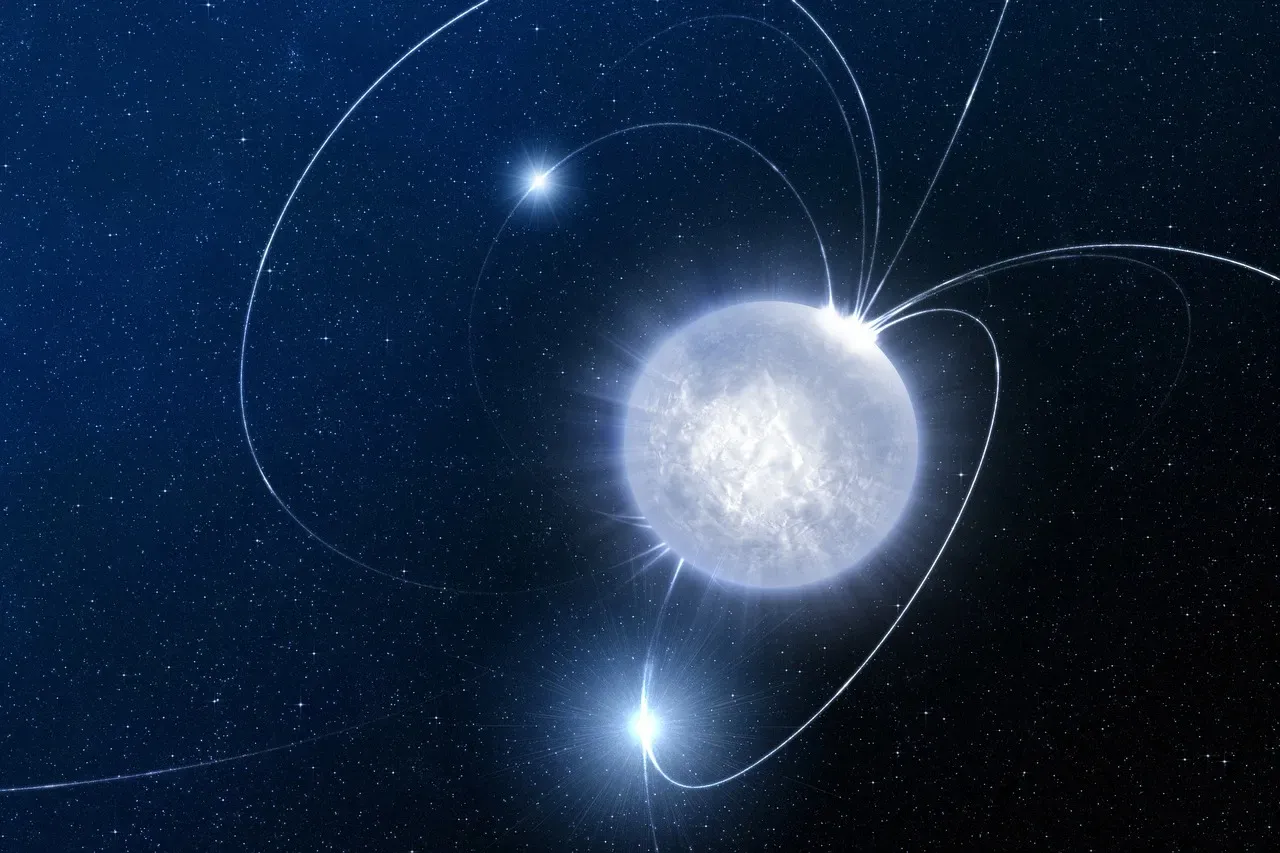
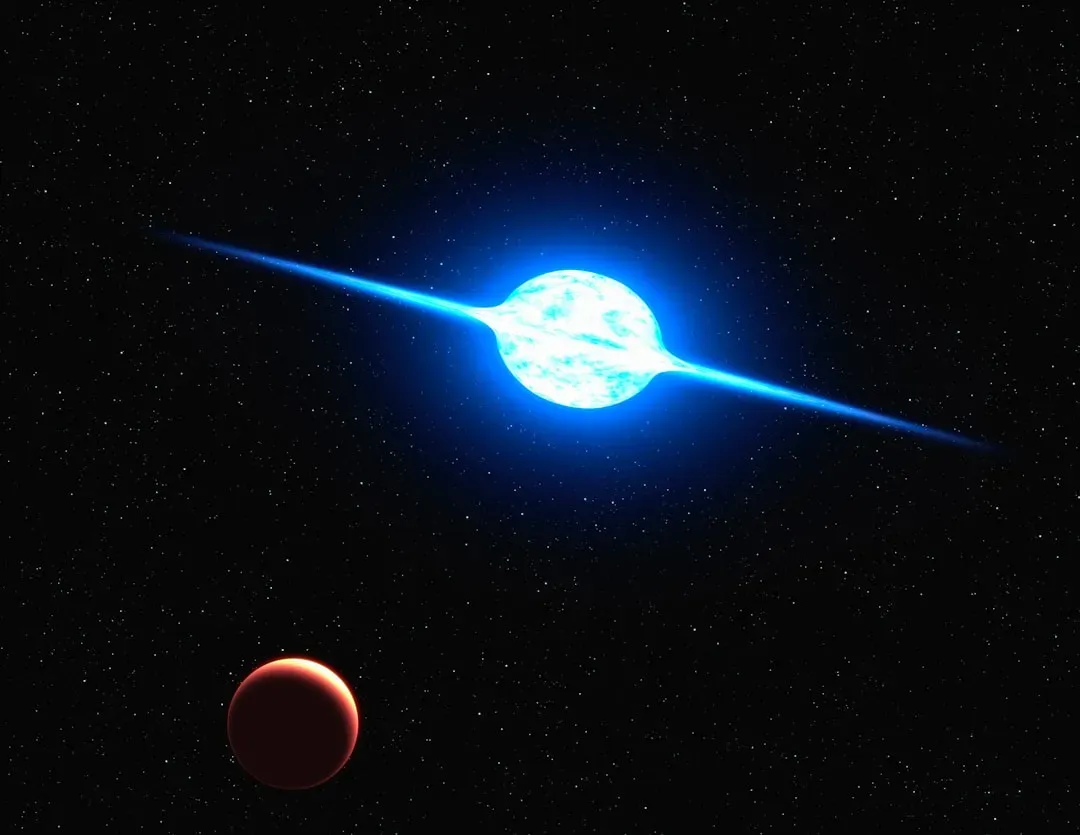
You might think of a spinning star as a slow, majestic rotation, but a pulsar makes your sense of speed feel laughably small. Some pulsars spin a few times per second, which already sounds fast for a stellar corpse, but then you run into millisecond pulsars that can rotate hundreds of times in one second. If you compare that to your kitchen blender or a car engine, those look frozen in slow motion, because you are watching a star’s entire surface whip around at a fraction of the speed of light.
The reason you see this insane spin is that when the original star’s core collapses, it shrinks dramatically while conserving angular momentum, just like a figure skater pulling in their arms to spin faster. You are basically looking at cosmic figure skaters that took this trick to a brutal extreme, turning a gentle stellar rotation into a violent, rapid spin. Every single pulse you detect is one full spin of that object, and as you see the timing remain unbelievably regular, you get a sense of how stable and relentless that rotation is, even after millions or billions of years.
4. You Can Use Pulsars As Ultra-Precise Cosmic Clocks
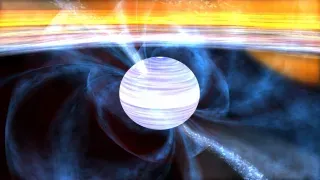
If you care about precision, pulsars are your kind of object, because some of them keep time better than the best atomic clocks humanity has built. When you measure the pulses from a very stable millisecond pulsar, you find that the spacing between those pulses can be predictable to an astonishing degree over years. You are essentially watching a natural clock made by a dead star, one that ticks with a regularity you can rely on to test physics, track motions, and even look for tiny disturbances in spacetime itself.
This precision lets you do things you might not guess just from looking at a radio signal on a screen. You can combine observations from many pulsars in a so-called pulsar timing array and treat them like a galaxy-scale detector, hoping to spot the subtle signature of passing gravitational waves stretching and squeezing the timing slightly. When you imagine using dead stars spread across thousands of light‑years as the gears of a massive clockwork instrument, you realize you are already turning the galaxy into a laboratory, with pulsars acting as your most disciplined timekeepers.
5. You Are Seeing Dead Stars Act Like Giant Magnets
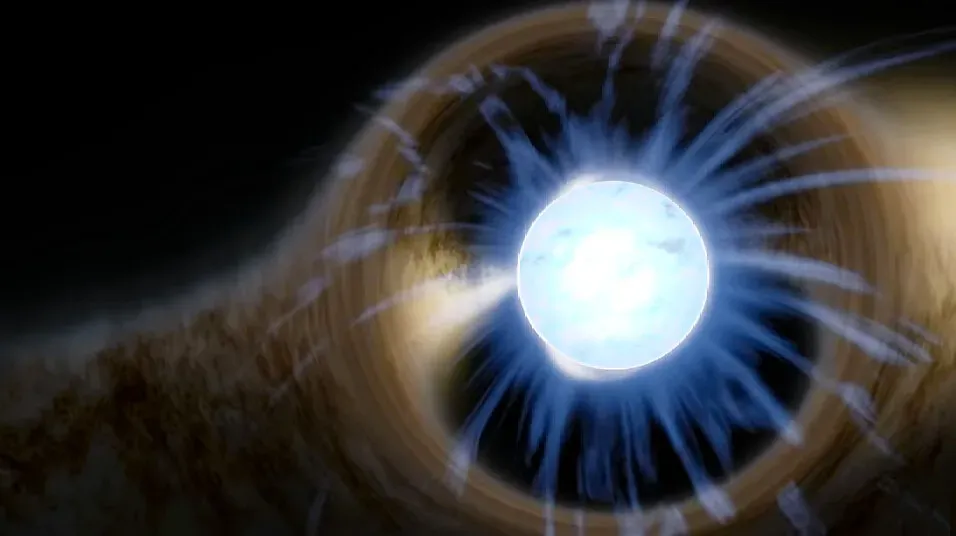
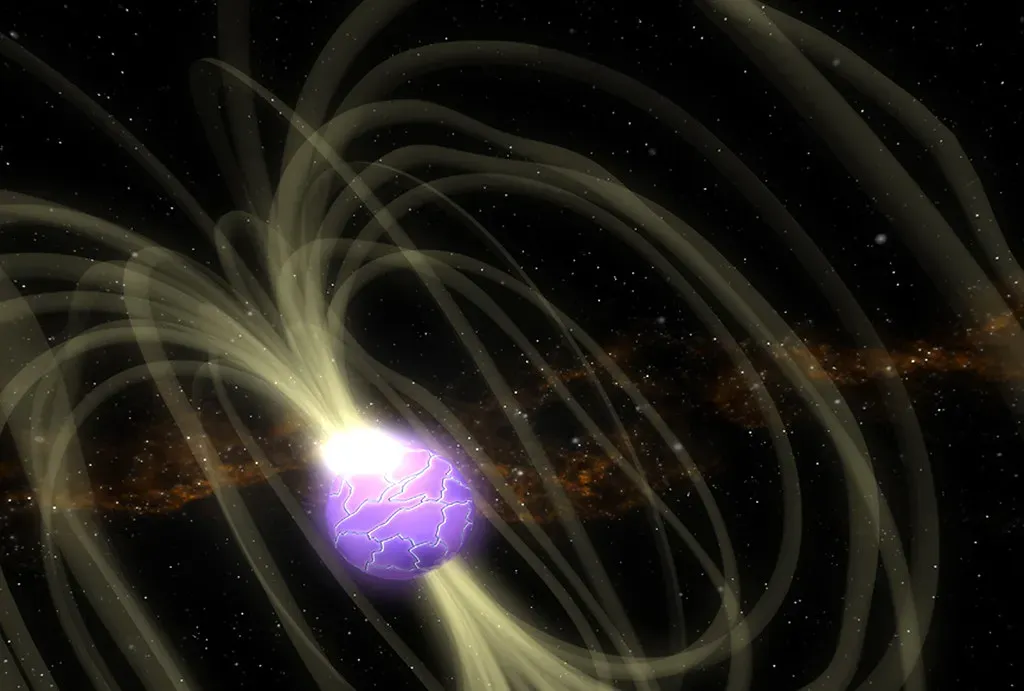
When you encounter a pulsar, you are not only meeting a spinning corpse; you are also dealing with one of the strongest magnets known in the universe. A typical pulsar’s magnetic field can be trillions of times stronger than Earth’s, and that huge field funnels charged particles along its lines, creating beams that shoot out from the magnetic poles. As the star spins, those beams sweep through space, and when they cross your line of sight, your radio telescopes pick up rapid, repeating bursts that trace the rotating magnetic axis.
You can picture this like a colossal bar magnet that is spinning so fast its magnetic poles are painting circles in space with radiation. The misalignment between the pulsar’s magnetic axis and its spin axis is what gives you the lighthouse effect, turning a static magnetic field into a blinking beacon. When you understand that you are detecting a star-sized magnet spinning in a vacuum, whipping plasma around and accelerating particles to extreme energies, the simple idea of a magnetic field on Earth suddenly feels very tame.
6. The First Pulsar Discovery Almost Looked Like Alien Contact
If you had been in the shoes of the first astronomers who found pulsars in the late nineteen-sixties, you might have wondered whether you were seeing a message from another civilization. The initial radio signals looked incredibly regular, more precise than anything naturally known at that time, and they came in pulses separated by a fixed, short interval. For a brief period, the team studying the signal seriously considered whether they had picked up artificial transmissions, because it seemed hard to imagine a natural object keeping such perfect time.
When more pulsars were discovered with different pulse periods, the picture shifted from alien beacons to a brand‑new class of star. You can probably relate to the mixture of excitement and caution they must have felt, trying to avoid overhyping the discovery yet stunned by how strange the data looked. Today you know that those signals come from spinning neutron stars, but the story still reminds you how easy it is to underestimate nature’s ability to produce patterns that feel almost too neat to be natural. It also shows you how pulsars sit right on that boundary where science and imagination both fire at full strength.
7. Pulsars Help You Test Einstein’s Theory Of Gravity
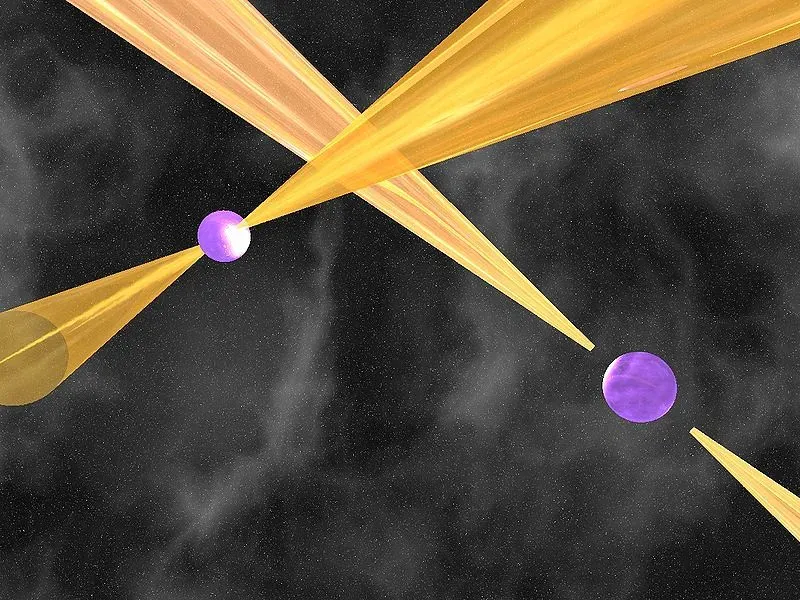
When you use pulsars as tools rather than just curiosities, you realize they are some of your best allies in checking whether Einstein’s ideas about gravity really hold up. In particular, binary pulsars, where a pulsar orbits another star or another neutron star, give you a cosmic laboratory with conditions you cannot reproduce on Earth. By tracking the timing of the pulses as the pulsar swoops around its companion, you can measure how their orbit slowly changes in a way that matches what general relativity predicts when the system loses energy to gravitational waves.
You, as an observer, get to watch the orbit shrink and the pulses arrive ever so slightly earlier or later than they would without this energy loss, and those tiny shifts line up with Einstein’s equations. This lets you confirm that gravity behaves in strong fields and high speeds the way the theory says it should, not just in the weak field around Earth and the Sun. When you realize that a dead spinning star tens of thousands of light‑years away is quietly helping you test century‑old equations, it makes gravity feel less like an abstract idea and more like a living story you can keep checking against the sky.
8. Some Pulsars Change Their Rhythms Like Cosmic Mood Swings
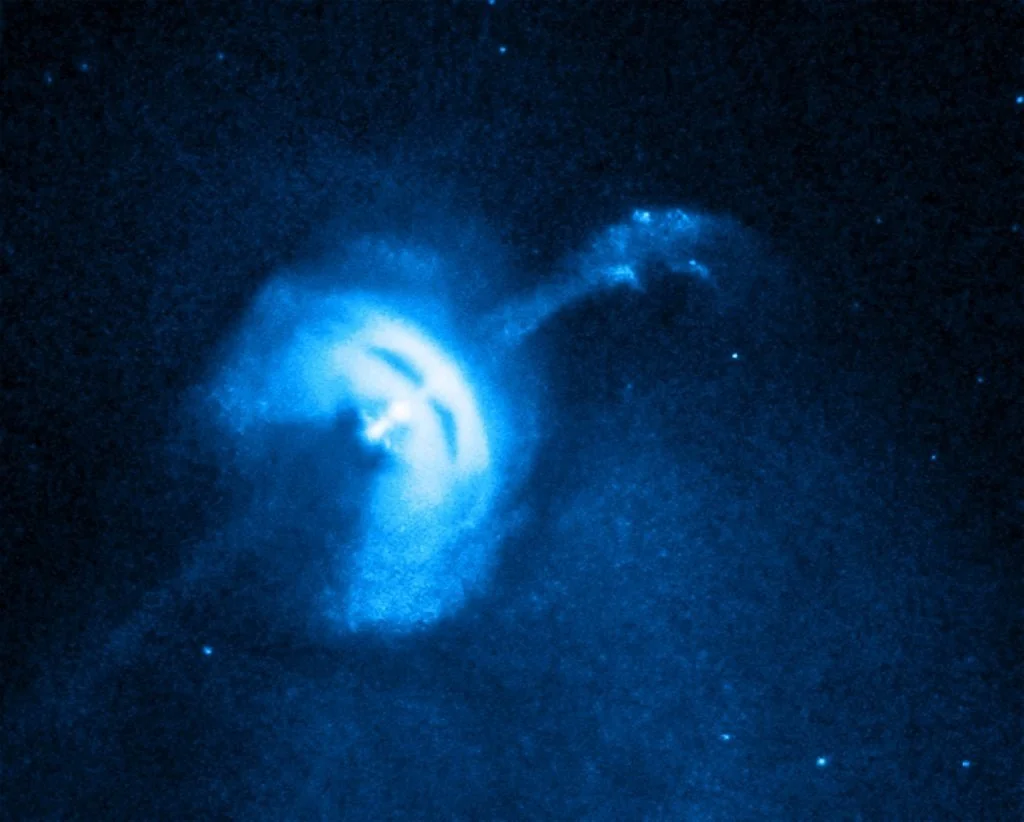
Even though many pulsars are famous for their precision, you also run into ones that remind you nature does not like being too predictable. Some pulsars suddenly slow down a bit or even glitch, jumping to a slightly different rotation rate in an instant, as if something inside them had cracked or shifted. You can think of these glitches as the star’s crust, an ultra‑dense nuclear lattice, re‑arranging under extreme stress, like a gigantic tectonic plate suddenly slipping in a starquake.
When you monitor a pulsar over months or years and see these changes, you are actually probing the strange physics of matter at nuclear densities hidden deep inside. You are not just watching a ticking clock drift; you are getting clues about how superfluids, crusts, and extreme pressures interact under conditions that would destroy any normal material. These cosmic mood swings make pulsars feel more alive, in a way, because they remind you that even a dead star can have internal drama you only notice if you pay very close attention.
9. You Can Use Pulsars To Map The Galaxy Like A GPS System
Once you accept that pulsars act like stable cosmic beacons, it becomes natural to imagine using them the way you use GPS satellites around Earth. Each pulsar you detect has its own unique position in the sky and its own pulse pattern, a kind of signature that does not easily get confused with anything else. By timing those pulses very precisely, you can figure out where you are relative to multiple pulsars, much like your phone triangulates its position using several satellites broadcasting time signals.
Space agencies and researchers have already explored the idea of using X‑ray pulsars as navigation aids for spacecraft traveling far from Earth, where traditional radio tracking becomes weaker or slower. If you were piloting a deep‑space probe, you could, in principle, use pulsars as natural lighthouses to figure out your location in the galaxy with no help from home. This turns pulsars into more than nice astronomical curiosities; they become part of a potential interstellar navigation toolkit that future explorers like you might depend on, the way sailors once depended on lighthouses and stars on the horizon.
10. Pulsars Hint At Even Stranger Objects Lurking Out There
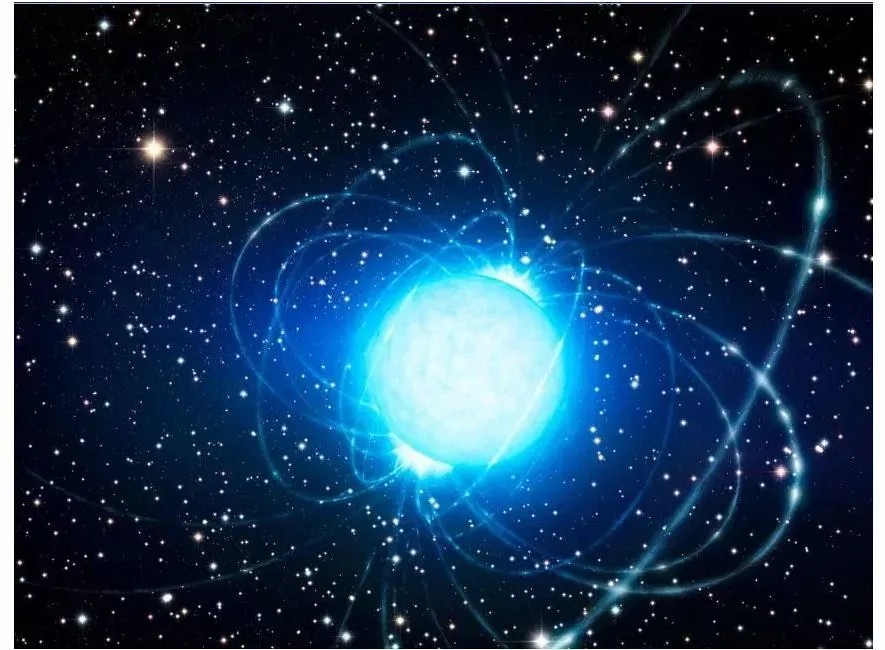
As you follow the trail of pulsar research, you start to see that they might just be the visible edge of an even stranger world of compact objects. Some neutron stars show magnetic fields far stronger than standard pulsars, leading you into the realm of magnetars, where bursts and flares can dwarf anything a normal pulsar does. Other systems push right up against the boundary where a neutron star would collapse into a black hole, forcing you to ask how close you can get to that limit before matter simply gives up.
By studying pulsars across different wavelengths, from radio to X‑ray and gamma ray, you are piecing together a family portrait of stellar remnants that transitions smoothly from familiar to deeply alien. Pulsars become stepping stones that help you understand how gravity, nuclear physics, and magnetic fields behave at their absolute extremes. When you look at it that way, every new pulsar you detect is a hint that the universe still has layers of weirdness waiting to be uncovered, and you are only just getting started.
Conclusion: Listening To The Universe’s Most Extreme Clocks
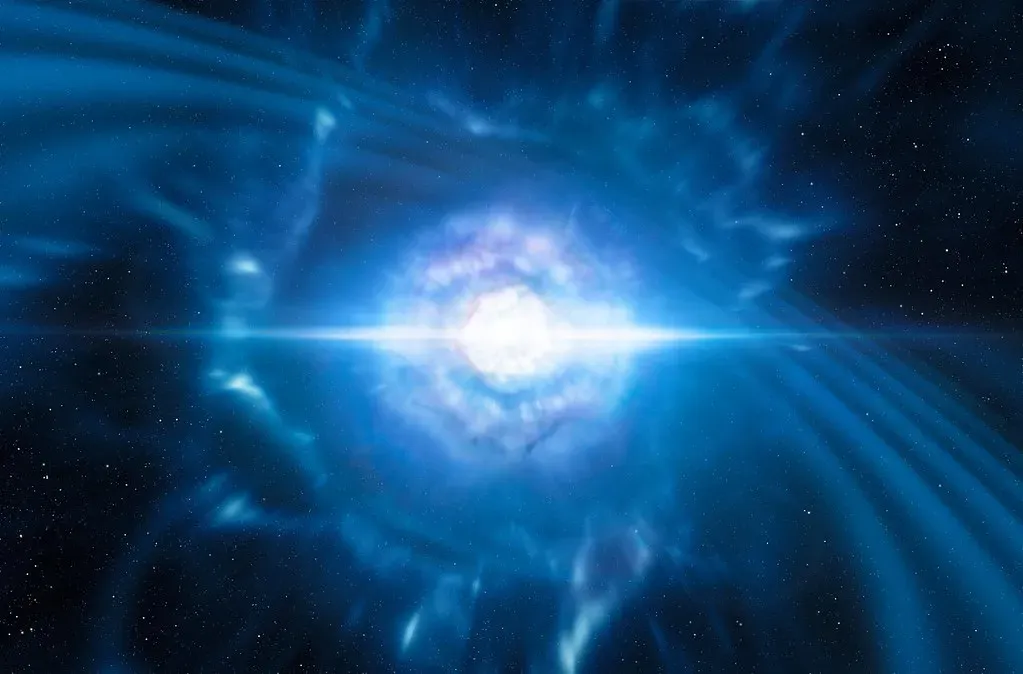
By now, you can probably feel why people become a little obsessed with pulsars once they learn what they are really looking at. You are not just collecting distant blips on a radio screen; you are listening to dead stars spinning with ridiculous speed, acting as clocks, magnets, laboratories, and lighthouses all at once. Each pulse is a tiny drumbeat of the universe at its most extreme, carrying information about gravity, matter, and space itself that you cannot get any other way.
As telescopes improve and surveys cover more of the sky, you are going to see more pulsars added to the map, including exotic systems that challenge what you think you know about physics. In a sense, every new one is an invitation to refine your picture of how stars live, die, and leave behind these dense, twitching remnants. The next time you look up at the night sky, it is worth remembering that beyond the calm twinkle, some of those invisible points are spinning like insane, cosmic power tools, quietly keeping time for the universe – did you ever imagine a dead star could be that busy?