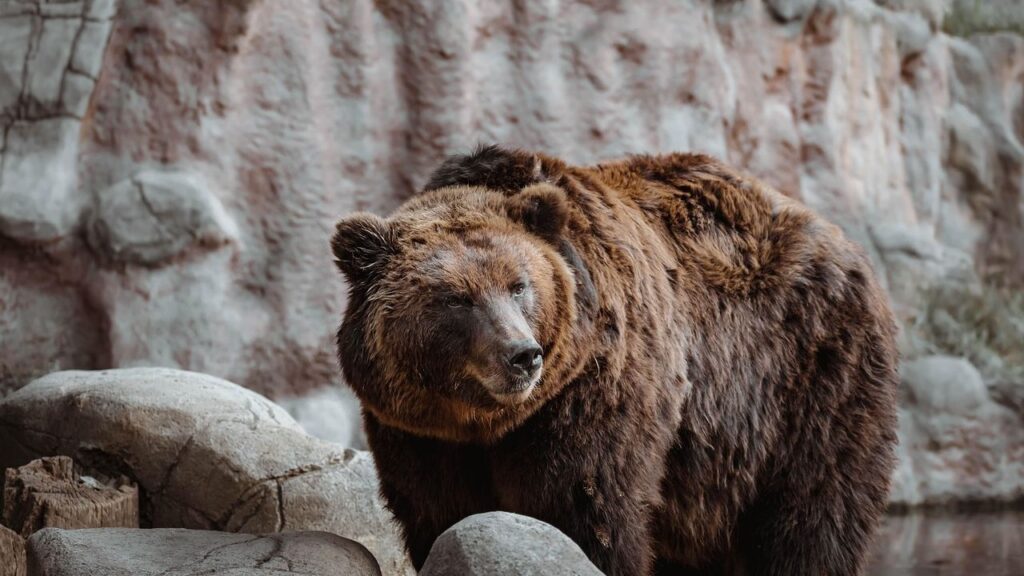
You live in a country whose very identity is wrapped up in the image of a grizzly bear, yet in most of the American West you will never see one. Not on a hike, not on a back road, not even as a shadow on a far-off ridge. A couple of centuries ago, grizzlies roamed from the Pacific Coast across the Great Plains; today, in the lower forty‑eight states, only a few pockets of bears remain, separated by highways, ranches, and sprawling towns. When you look at that iconic bear on the California flag, you are looking at a symbol of an animal that no longer exists there at all.
That loss did not happen by accident, and neither will recovery. You are living through a long, messy experiment in how people and big carnivores share space in a crowded, warming world. Grizzlies in the lower forty‑eight are still officially listed as threatened under the Endangered Species Act, and debates rage over whether they are “recovered enough” to hand more control to states. As you unpack those arguments, you start to see that conservation is not just about counting bears; it is about land, culture, fear, money, and your own willingness to make room for an animal powerful enough to kill you and vulnerable enough to vanish if you will not.
From Fifty Thousand to a Few Thousand: How Grizzlies Nearly Disappeared
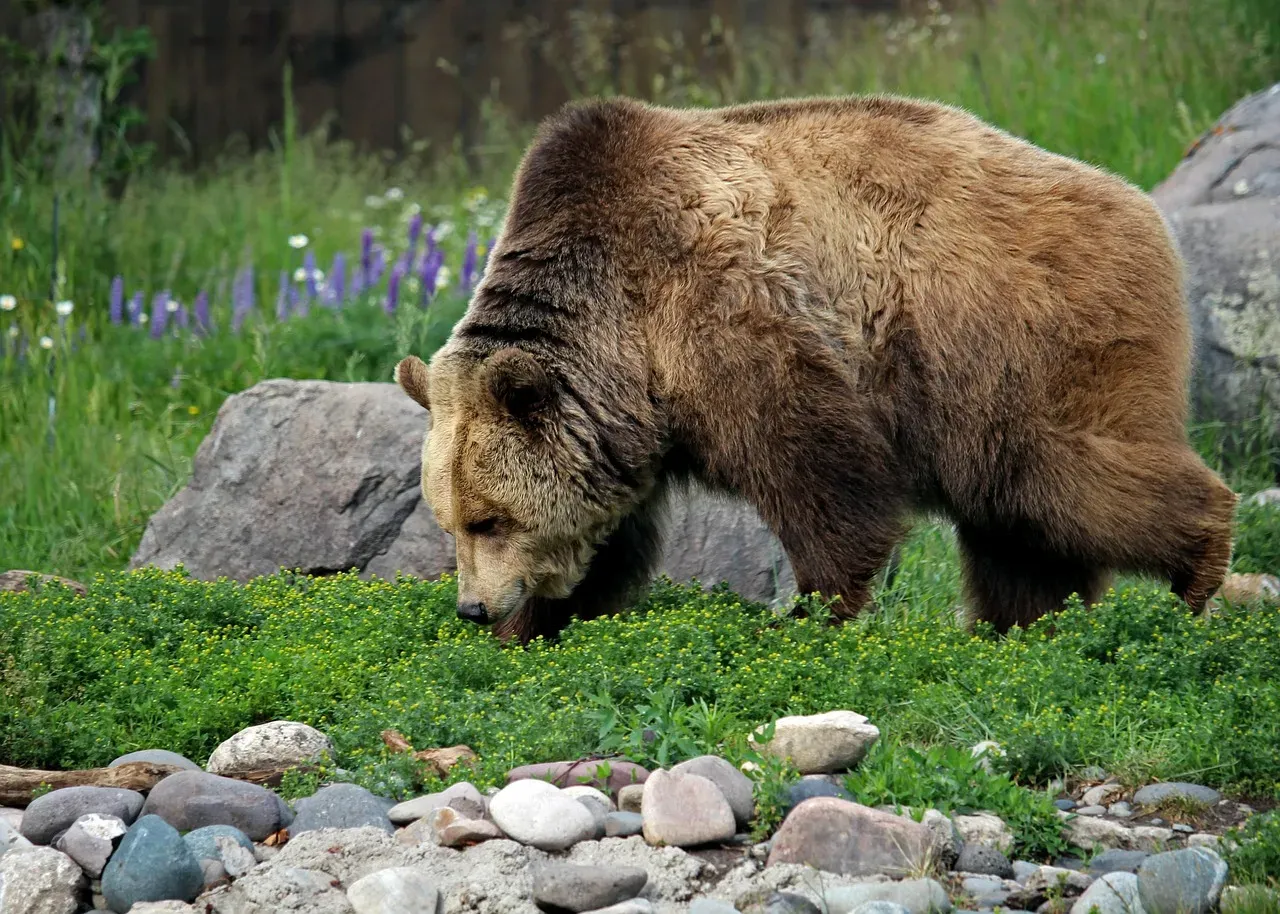
If you could time-travel back to the early eighteen hundreds, you’d be stepping into a continent where an estimated tens of thousands of grizzlies ranged from California’s coastal hills to the prairies of the Dakotas. As European settlement spread, those bears were trapped, poisoned, and shot out of almost all of that range within barely more than a century. By the time grizzlies were listed as threatened in 1975, you were down to fewer than a thousand animals in the lower forty‑eight, clinging to less than a tiny sliver of their original habitat. In human terms, that is like taking a bustling metropolis and shrinking it to a few remote villages separated by vast hostile territory.
When you picture that collapse, do not imagine some distant wilderness drama; imagine deliberate campaigns to wipe out predators so cattle could graze and towns could grow. Bounty programs, government trappers, and private landowners all helped turn grizzlies into ghosts across most of their former range. That legacy still shapes how people around you talk about bears: as threats to stock, to hunters’ elk herds, or to human safety. If you live in the West, your own attitudes – whether you see grizzlies as dangerous nuisances or as a rightful part of the landscape – are part of that long story of persecution and, more recently, uneasy protection.
What “Threatened” Really Means for Grizzlies Today
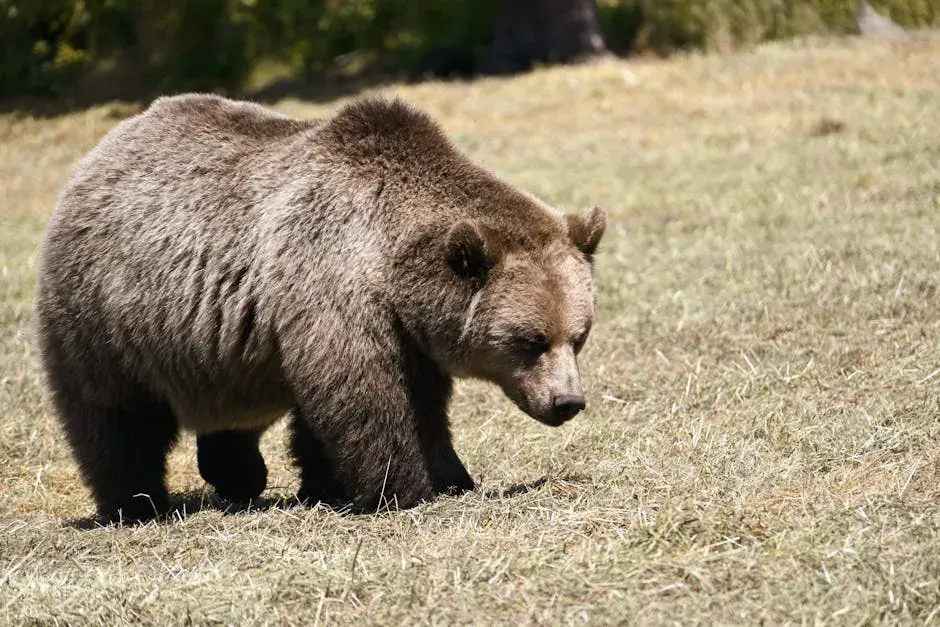
When you hear that grizzly bears are listed as “threatened” under the Endangered Species Act, it can sound abstract, like legal wallpaper. In practice, it defines almost everything about how you can, and cannot, treat these animals. That status means it is illegal to kill, harass, or significantly harm grizzlies or their critical habitat, with only narrow exceptions, and it forces federal agencies to consider bears in their decisions about roads, logging, energy projects, and recreation. You might not see those rules day-to-day, but they quietly shape the trails you hike, the logging plans you read about, and even where new subdivisions pop up.
Recently, wildlife officials have reaffirmed that grizzlies in the lower forty‑eight, outside Alaska, will stay under that “threatened” umbrella, even as some regional populations have grown. If you follow the debates, you see a sharp divide: many conservation groups and Tribal nations argue that overall numbers are still low, fragmented, and vulnerable, while some Western states push to delist and open the door to state-managed hunting. When you peel back the rhetoric, you are really weighing two questions: how much risk you think is acceptable for a species that almost vanished, and how much you trust states versus federal agencies to keep grizzlies on the land for your grandchildren.
The Patchwork Map: Recovery Zones and Fragmented Populations
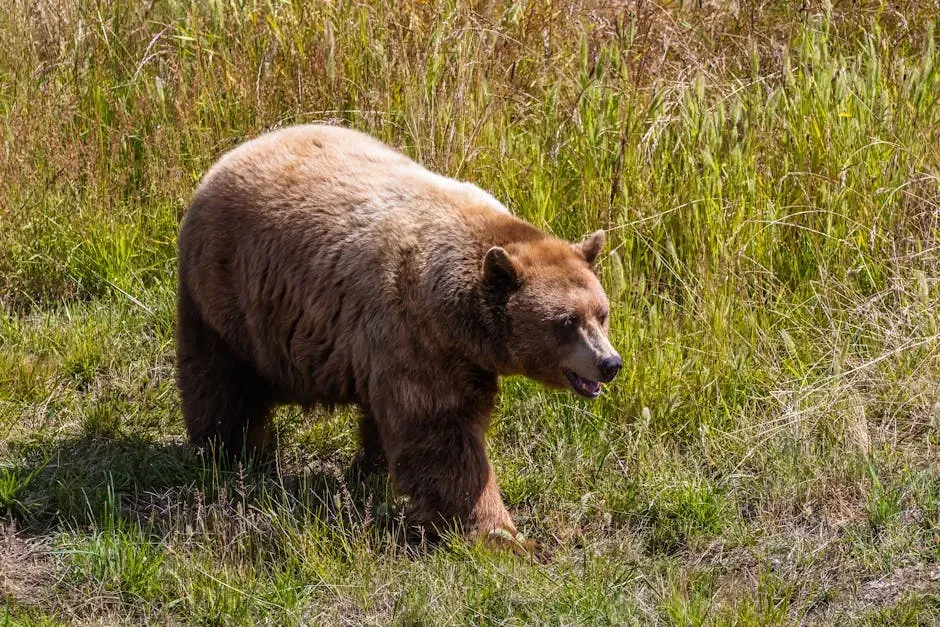
Pull up a map of grizzly bear range in the lower forty‑eight, and you are not looking at a broad swath of wild country; you are looking at scattered islands. Federal recovery plans divide the landscape into several core “recovery zones,” such as the Greater Yellowstone Ecosystem and the Northern Continental Divide around Glacier National Park. Each of these zones has targets for how many bears, how much habitat, and what level of human-caused deaths can be tolerated before populations slide backward again. When you zoom out, these zones look like stepping stones scattered across the northern Rockies, separated by highways, towns, and industrial lands.
For you, that patchwork has big consequences. Fragmented populations can become inbred, more vulnerable to disease, and less able to adapt to a changing climate, especially if bears cannot safely move between mountain ranges. Conservation biologists talk a lot about “connectivity,” but you live with what that really means: underpasses beneath highways, wide riparian corridors along rivers, and rural communities willing to tolerate the possibility that a dispersing young male might pass near their ranch. When you support or oppose projects that slice up open country – or restore it – you are, in a very literal way, deciding whether those recovery zones will ever reconnect into something like a functional bear landscape.
Living Next Door to a Predator: Conflict, Fear, and Coexistence
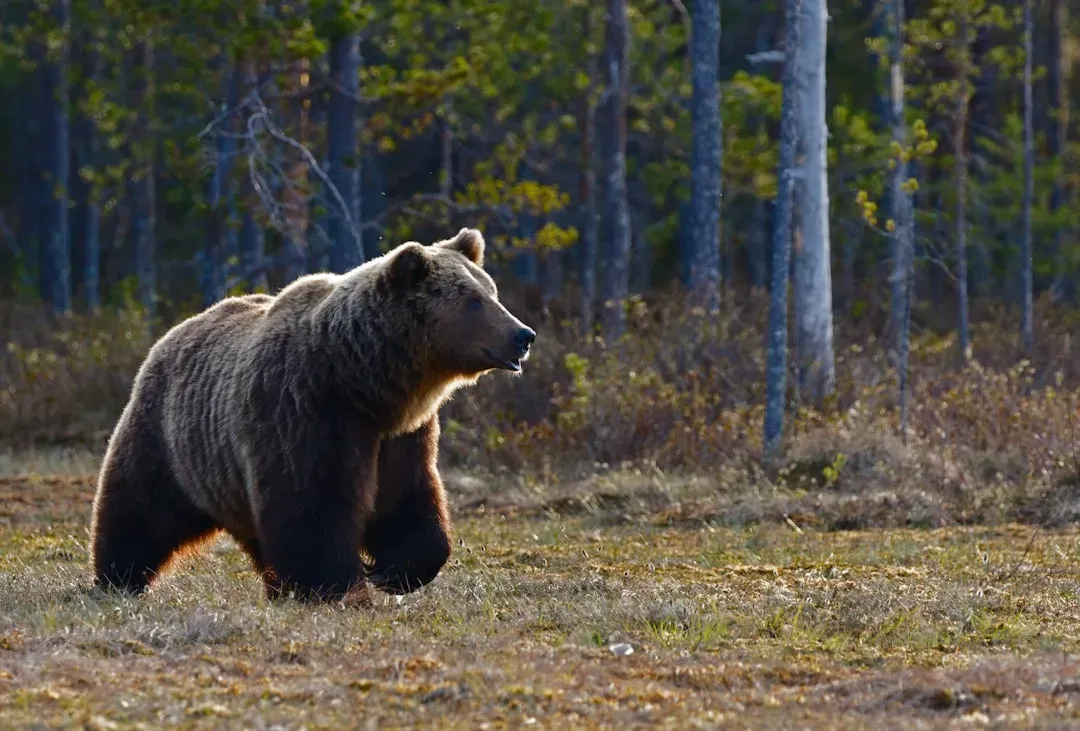
If you ranch, hunt, or camp in grizzly country, you know conservation is not an abstract moral choice; it is a daily calculation of risk. A single bear killing a few calves can hit your finances hard, and a surprise encounter on a dark trail can turn into your worst nightmare. As grizzly populations slowly expand out of their core strongholds, they inevitably bump into more people, garbage, chickens, orchards, and trailheads. When you hear about a “problem bear” being removed or shot, you are usually seeing the end of a chain of small failures: unsecured attractants, poor planning, and a landscape never really designed for sharing with a big omnivore.
The encouraging part is that you are not powerless in this. Electric fencing around beehives and small livestock, bear-resistant trash cans in rural communities, carcass removal programs for dead cattle, and simple habits like carrying bear spray and making noise on the trail all dramatically cut conflict. In places where these measures are widely used, ranchers report fewer depredations and communities experience fewer dangerous encounters. If you choose to invest time, money, or political support into these tools, you are choosing a version of the West where people keep doing what they do – and grizzlies still have a place on the same landscape.
Climate Change, Whitebark Pine, and a Shifting Food Web
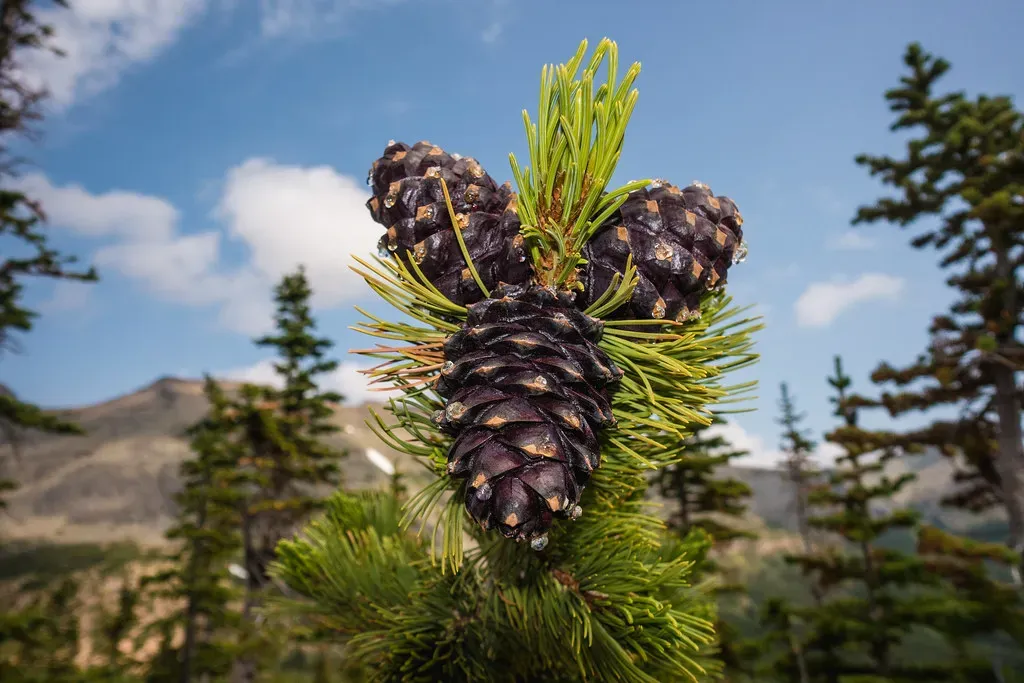
It is tempting to think of grizzlies as invincible omnivores that will simply “eat something else” if their favorite foods disappear, but your changing climate is testing that assumption. In high mountain country, whitebark pine historically dropped fat-rich seeds that were a crucial pre-hibernation feast for many bears, especially in the Greater Yellowstone region. Warmer temperatures, insect outbreaks, and disease have hammered these slow-growing trees, leaving grey skeletons where living forests once stood. When you walk through those stands now, you are not just seeing dead trees; you are looking at a frayed safety net for bears trying to gain enough weight to survive winter and raise cubs.
Grizzlies can and do shift diets – toward meat, insects, roots, or human-related foods – but that flexibility comes with strings attached. When you remove high-calorie wild foods from the system, bears often spend more time seeking out carcasses, livestock, or lower-elevation foods that bring them into closer contact with you. That means more bears near ranches and roads, and more chances for lethal outcomes labeled as “management removals.” If you care about grizzly recovery, climate work and high-elevation forest restoration are not side issues; they are part of making sure bears are not pushed into conflict-prone behavior just to stay alive in a warming West.
Tribal Nations, History, and the Sacred Story of the Bear
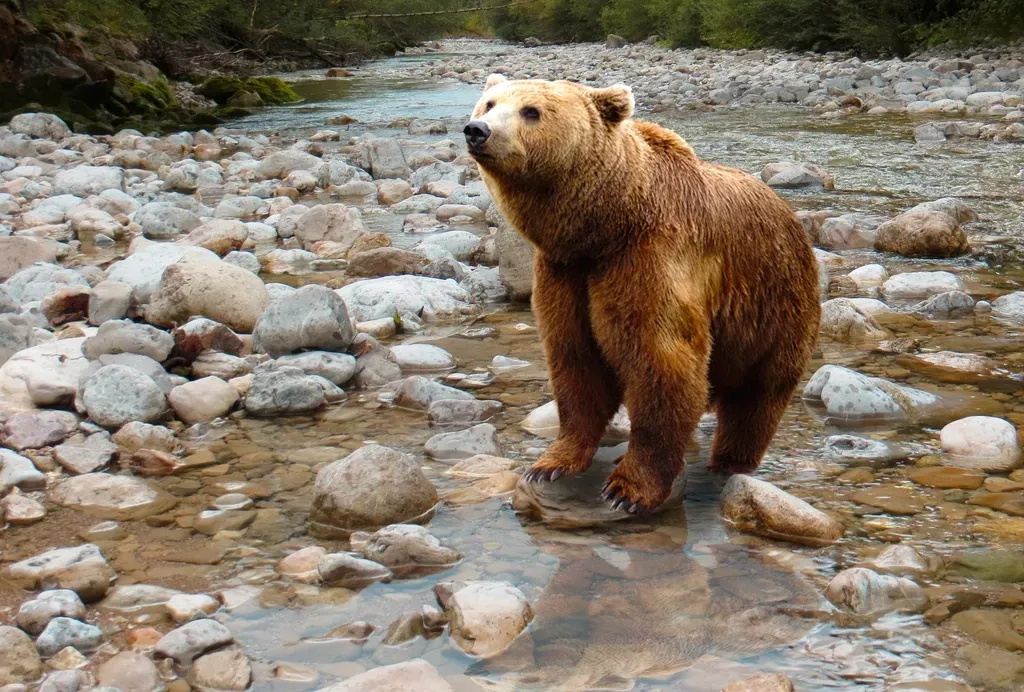
When you talk about grizzlies in the American West only as a wildlife management problem, you erase a deeper human story that Indigenous nations have carried for generations. Long before federal agencies drew recovery zones on maps, Tribal communities had relationships with bears as powerful relatives, teachers, and guardians. Many Tribal governments today argue forcefully against premature delisting, not just as a policy stance but as a defense of a being they consider sacred. If you take a moment to listen, you notice how different this language sounds from the usual talk of “resource management” and “harvest quotas.”
As Tribes push for co-management roles, greater say over hunting proposals, and restoration of grizzlies to parts of their ancestral range, you are being invited into a more complicated, and more honest, conversation. Whose values shape the future of the West – those of state game commissions fixated on big game numbers, or those of Indigenous nations who see the bear as integral to cultural survival? When you support Tribal sovereignty and knowledge in conservation decisions, you are not just checking a box for inclusion; you are helping rebuild a relationship between people and grizzlies that predates the very borders you now take for granted.
Your Backyard Choices: How You Quietly Shape Grizzly Futures
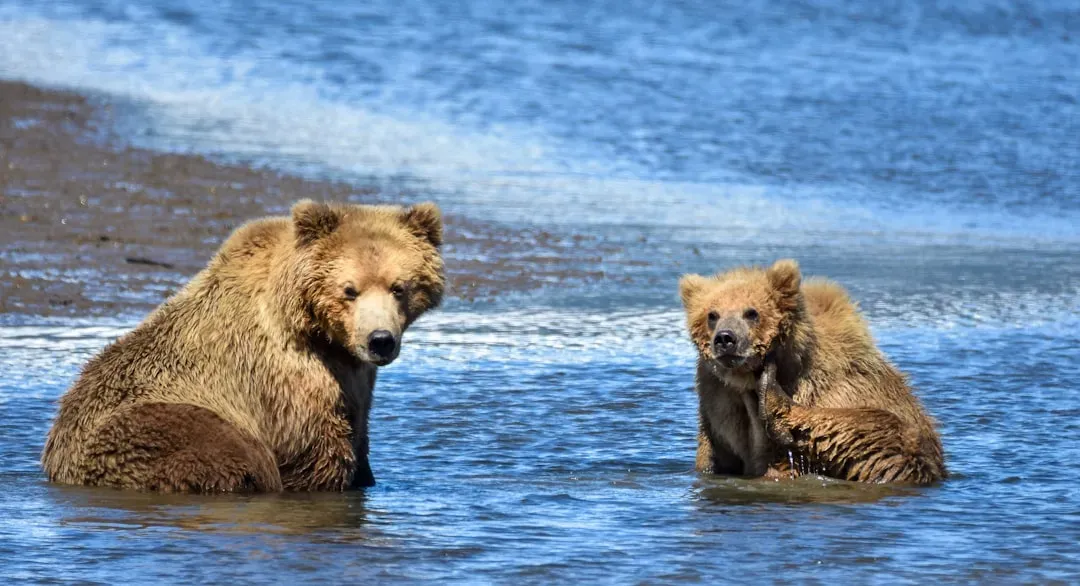
It is easy to assume that grizzly conservation happens far away, in national parks and remote wilderness, decided by biologists and politicians you will never meet. In reality, your daily choices ripple outward into grizzly country more than you might expect. If you live in or visit bear habitat, how you manage trash, pet food, bird feeders, livestock carcasses, and compost can spell the difference between a bear that passes unnoticed and one that becomes conditioned to human food, then eventually killed. Even small gestures – like supporting a local ordinance for bear-resistant bins or volunteering to help install electric fencing – are surprisingly powerful levers.
Even if you are a city person hundreds of miles from the nearest grizzly, your influence shows up in other ways. The way you vote on public land funding, the kind of outdoor brands and ranching operations you support, and the media narratives you share all help set the social climate around these animals. If you demand simple stories about “good” or “bad” bears and “for” or “against” hunting, you end up flattening a complex issue into a shouting match. When you stay curious, ask harder questions, and back solutions that reduce conflict on the ground, you quietly become part of the constituency that keeps grizzlies from slipping back toward the edge.
Science, Politics, and the Tug-of-War Over Delisting
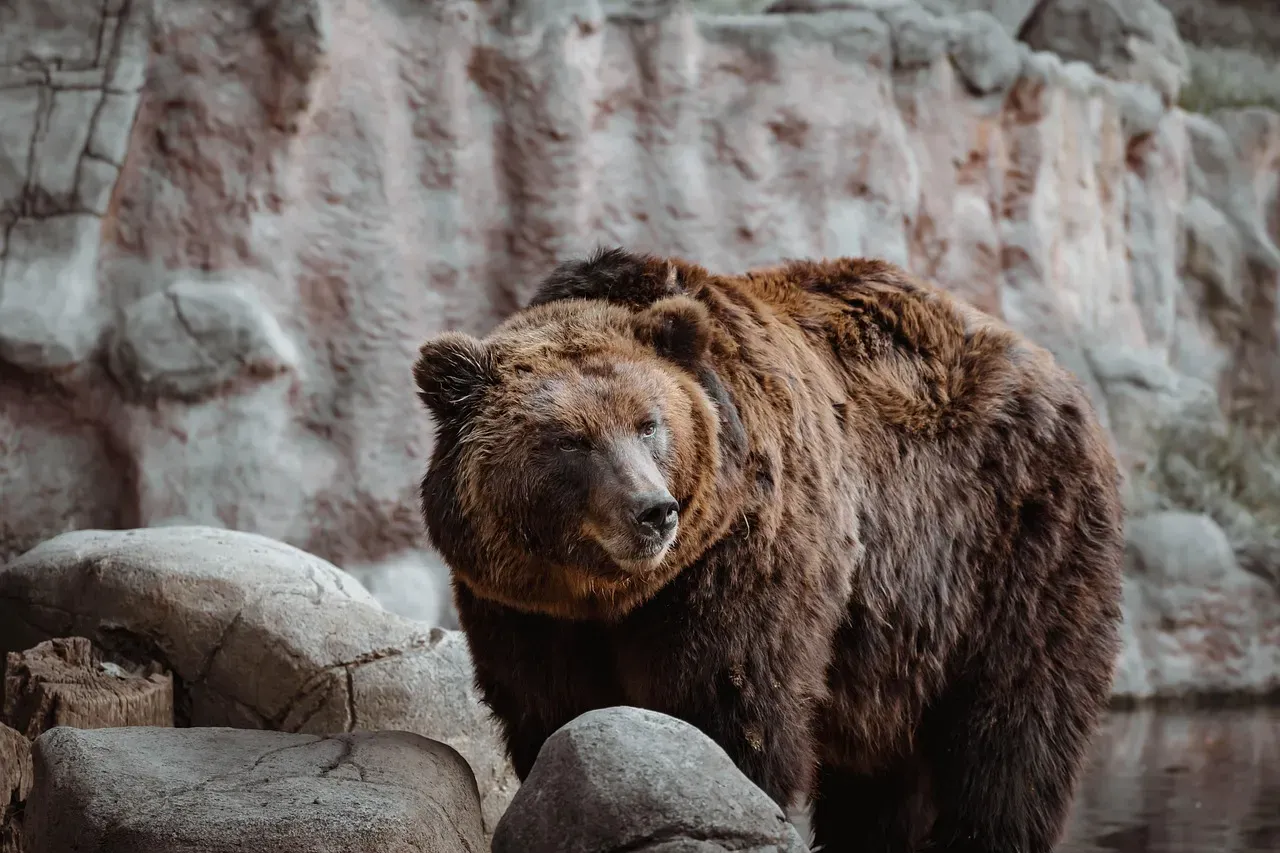
If you have ever tried to follow a grizzly delisting proposal, you know how fast your head can spin. On one side, some biologists and state agencies point to growing numbers in places like the Greater Yellowstone and Northern Continental Divide ecosystems, arguing that population targets set decades ago have been met or exceeded. On the other side, many scientists and advocates warn that overall numbers across the lower forty‑eight are still small, isolated, and dependent on fragile legal protections. You are left staring at two sets of charts, each claiming to be “the science,” while the real battle often plays out in courtrooms and legislatures.
For you, the important thing is not to memorize every technical argument, but to recognize that delisting is not a neutral milestone. Once grizzlies lose federal protection in a region, primary authority shifts to states whose political priorities can change election by election. That can mean new hunting seasons, more liberal rules for killing bears that conflict with livestock, or less stringent requirements to protect habitat on state lands. When you hear talk about “returning management to the states,” ask yourself what actual safeguards will remain in place – and whether you are comfortable trusting the long-term fate of a once‑nearly‑extirpated species to shifting political winds at the statehouse.
Rewilding the Map: Should Grizzlies Return to More of the West?
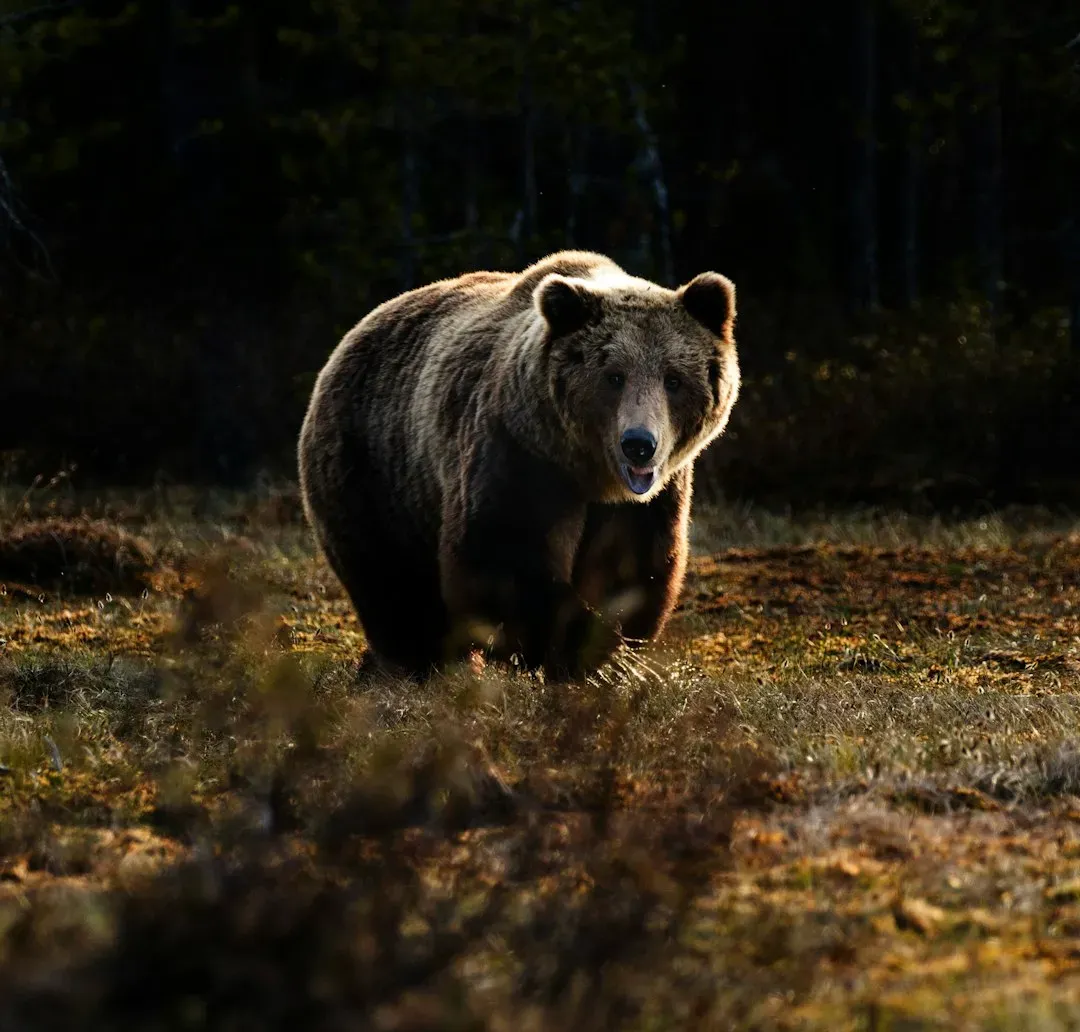
At some point, you have to confront an uncomfortable question: is it enough to stabilize grizzlies in a few mountain strongholds, or should they return to more of the places they once roamed? Proposals to reintroduce or restore bears to regions like the North Cascades or other suitable wild landscapes often run into fierce opposition from nearby communities. If you live there, your fears are understandable – more bears can mean more risk, more regulations, and more uncertainty about your livelihood. Yet if you limit the species to a handful of strongholds, you may be locking in a future of small, isolated populations highly vulnerable to disease, climate shifts, and political reversals.
Rewilding with grizzlies is not a romantic fantasy; it is a practical design challenge for the next century of Western land use. That means you would need robust community engagement, compensation programs for ranchers, conflict-prevention infrastructure, and clear, transparent rules about when problem bears will be removed. When those pieces are in place, the idea of seeing a grizzly track on a distant trail becomes less a source of dread and more a sign that a living, functioning ecosystem is still hanging on. Whether you support or oppose such efforts, your voice shapes whether the future West will be a simplified, safer version of itself or a wilder, more complicated place that still makes room for big bears.
Conclusion: What It Really Means Not to Let Grizzlies Vanish
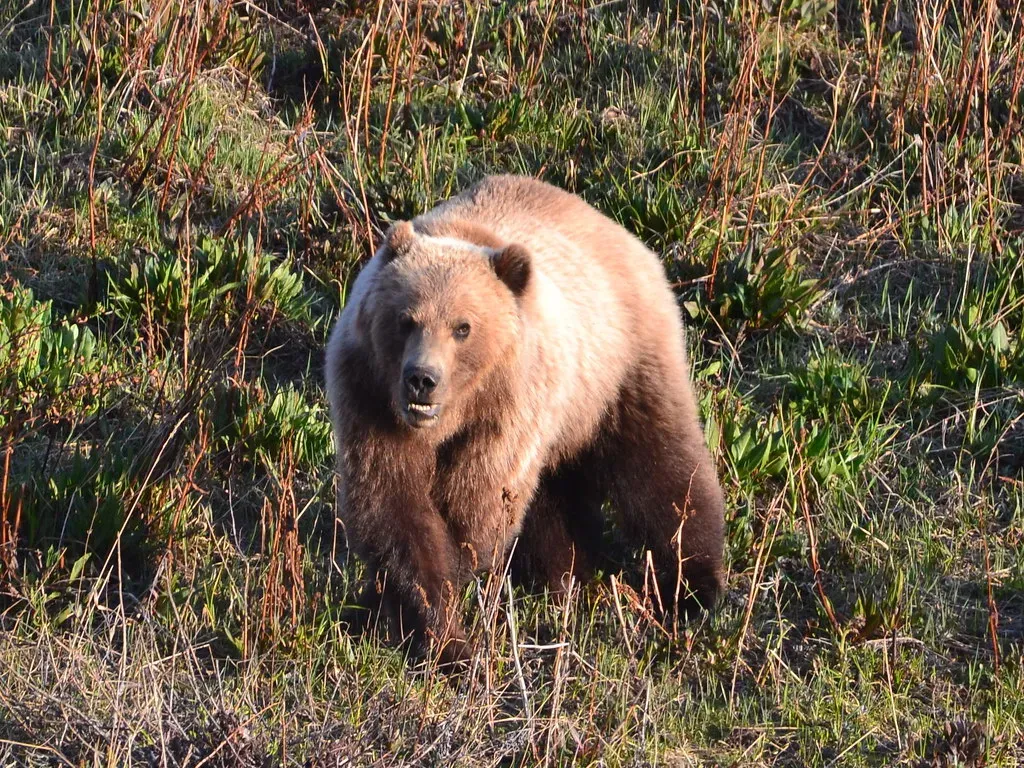
When you strip away the policy jargon and heated social media arguments, the story of grizzlies in the American West comes down to what kind of neighbor you are willing to be. You are sharing a continent with an animal that can injure or kill you, take a calf from your pasture, or disrupt your sense of safety on the trail. At the same time, its presence signals that your landscapes still hold room for something bigger than human convenience alone. To keep that presence alive, you have to accept trade‑offs: more planning, more adaptation, and sometimes more cost, in exchange for a future where the bear does not exist only on flags, sports logos, and faded photographs.
Grizzly conservation will never be neat or unanimous, and you should probably be skeptical of anyone who sells you an easy answer. But if you commit to real coexistence – backing proven conflict‑reduction tools, listening to Tribal voices, defending key habitats, and staying engaged when delisting fights flare – you help ensure the story does not end with a slow, quiet disappearance. One day, if you or your children see a distant hump‑backed shape moving across a high meadow, you will know that moment exists because enough people decided the West was not truly itself without the great bear. In your heart, which version of the West would you rather be responsible for?