If you have ever stared out of a plane window and felt that strange mix of awe and smallness, the Nazca Lines take that feeling and turn it up to the maximum. Imagine looking down and realizing the desert below you is a gigantic canvas, covered in animals, shapes, and arrow‑straight paths drawn over many centuries by people who never saw their work from the sky. You are not just looking at art; you are staring at a message that has been whispering across the sand for almost two thousand years, and we still do not fully understand what it is trying to say.
When you dig into the story of the Nazca Lines, you quickly notice something: the more you learn, the stranger and more human the mystery becomes. You are dealing with a culture that turned an empty pampa into a sacred stage, lining up animals, spirals, and geometric forms on a scale your own body can barely grasp. Yet the tools were simple, the method was straightforward, and the genius lies not in lost technology but in patience, organization, and belief. As you walk through their story, you end up asking less “How did they do this?” and more “What did this mean to them – and what does it say about you?”
Where on Earth Are You Standing? The Nazca Desert in Context
To understand the Nazca Lines, you first have to picture exactly where you would be standing. You are in southern Peru, on an arid plateau between the towns of Nazca and Palpa, a few hundred kilometers south of Lima, squeezed between the Andes and the Pacific coast. The ground under your feet is a reddish‑brown desert crust made of pebbles and oxidized rock, and just a few centimeters below that lies a lighter, almost whitish soil. That simple color contrast is the secret that makes the lines visible from above.
This landscape is not just dry; it is one of the driest places you will ever experience. Rainfall is minimal and winds are relatively gentle, which is exactly why these geoglyphs have survived for so long without being washed away. When you look out across the Pampa Colorada, you are seeing an environment that acts like a museum case: stable, harsh, and oddly protective. In a more forgiving climate, the same drawings would have eroded away in a few decades; here, they have lasted for centuries, waiting for your eyes – and your questions.
How Old Are the Lines, and Who Actually Made Them?
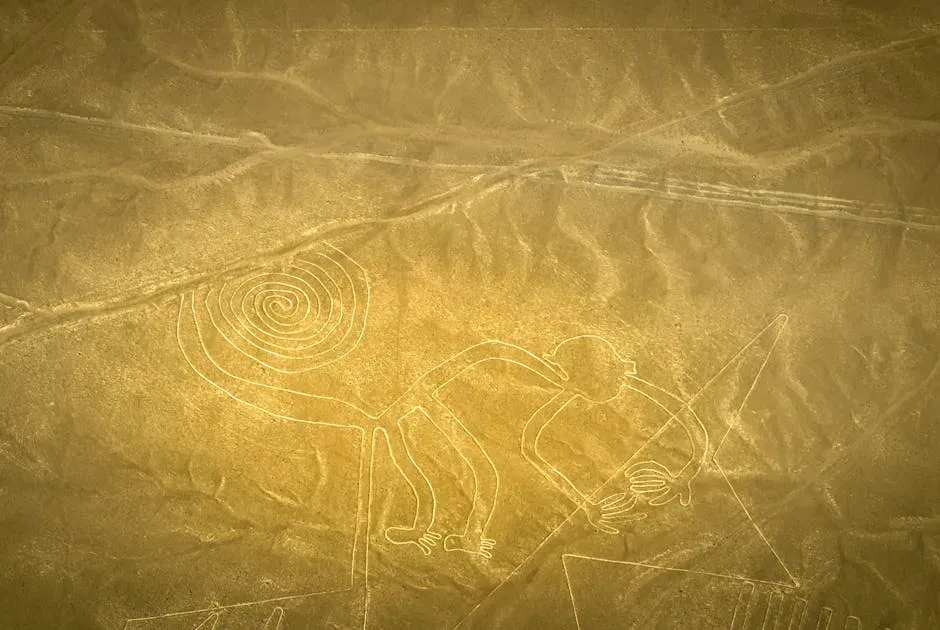
When you first see photos of the Nazca Lines, it is tempting to throw them into a vague “ancient mystery” box, as if they could be almost any age. In reality, you can link them quite clearly to real people: the Nazca culture, which flourished roughly between a few centuries before the Common Era and the first several centuries after it. Radiocarbon dating of wooden stakes found at the ends of some lines shows that many of the geoglyphs were made during this period, overlapping with what archaeologists call the Early Intermediate Period in Andean history. You are not dealing with a vanished super‑civilization, but with a complex, well‑organized society that also built irrigation systems and created vivid pottery.
What might surprise you is that the “Nazca Lines” are not the work of a single moment or a single group alone. Evidence suggests they were created over several hundred years, possibly even close to a thousand, as religious ideas, political power, and artistic styles changed. Some designs are associated with the Nazca culture, others with earlier groups in the region, such as Paracas communities that left their own geoglyphs in nearby valleys. When you look at the desert floor, you are seeing layers of human intention piled on top of one another, like faint pencil sketches and final ink drawings sharing the same page.
How Do You Draw a Giant Hummingbird Without Seeing It from the Sky?
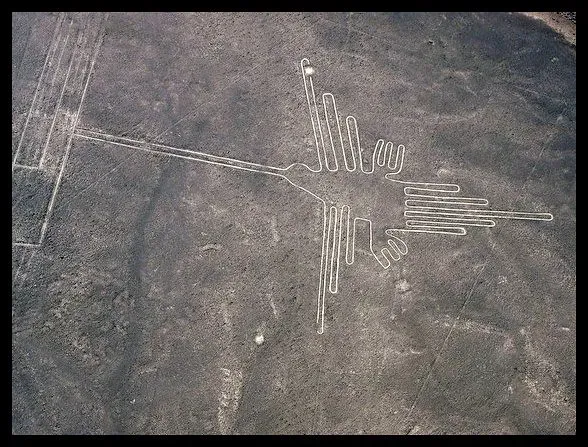
If you are imagining some kind of lost flying machine or high‑tech surveying device, you can put that aside right now. You could have made a Nazca line yourself with the tools available at the time: simple wooden stakes, rope, and a clear plan. The makers removed the dark, sun‑baked stones on the surface and scraped them aside to expose the lighter soil beneath, creating a kind of reverse drawing. For straight lines, they likely used stakes and ropes to keep things aligned; for curves and animal outlines, they probably scaled up smaller drawings using grid systems and careful pacing.
What makes these designs feel so uncanny to you is not mystery technology but the scale and discipline involved. Some figures stretch hundreds of meters, and many straight lines run for kilometers, maintaining surprising precision over uneven ground. When you imagine people walking in teams, measuring with ropes, and checking alignments from nearby hills, the work becomes impressive in a more relatable way. You start to see not aliens or impossible tricks, but a community willing to invest enormous collective effort into something no everyday task could justify. That commitment is part of the mystery you are really trying to solve.
What Do You Actually See? From Straight Lines to Giant Animals
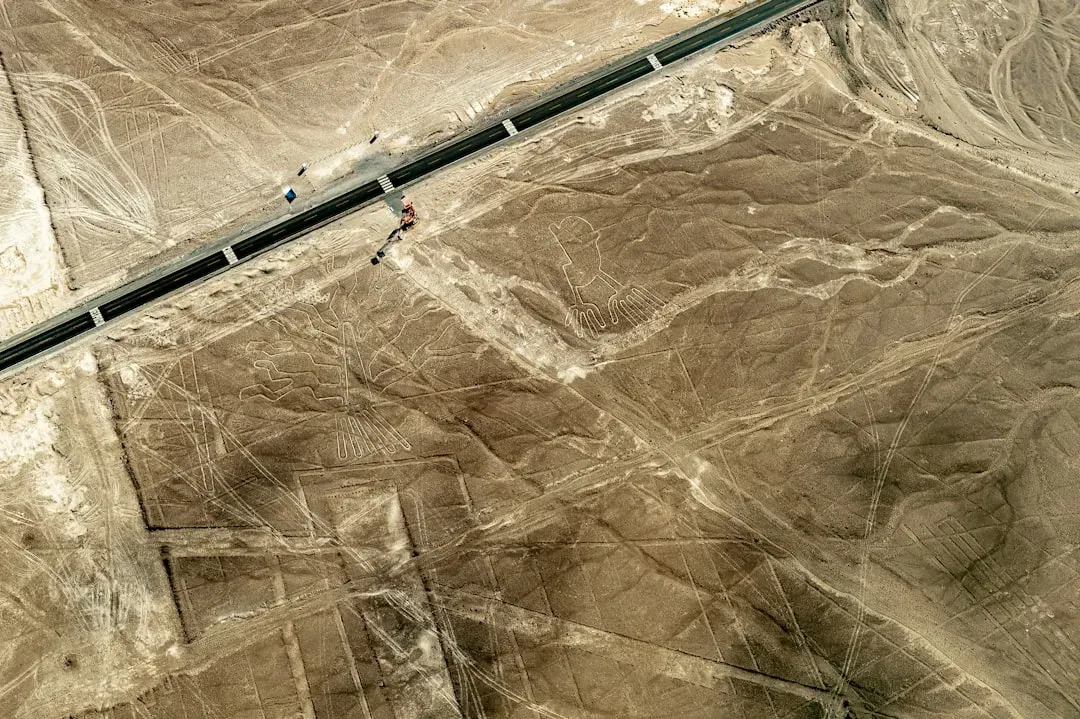
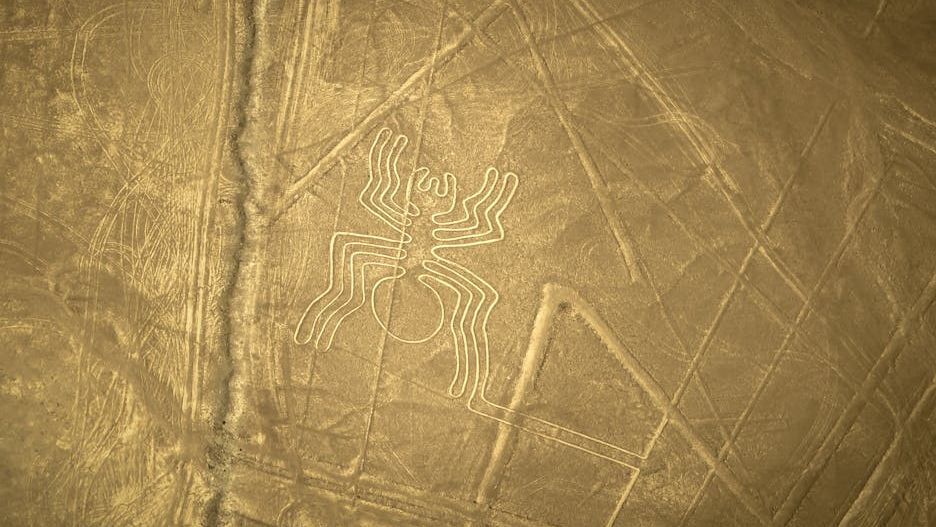
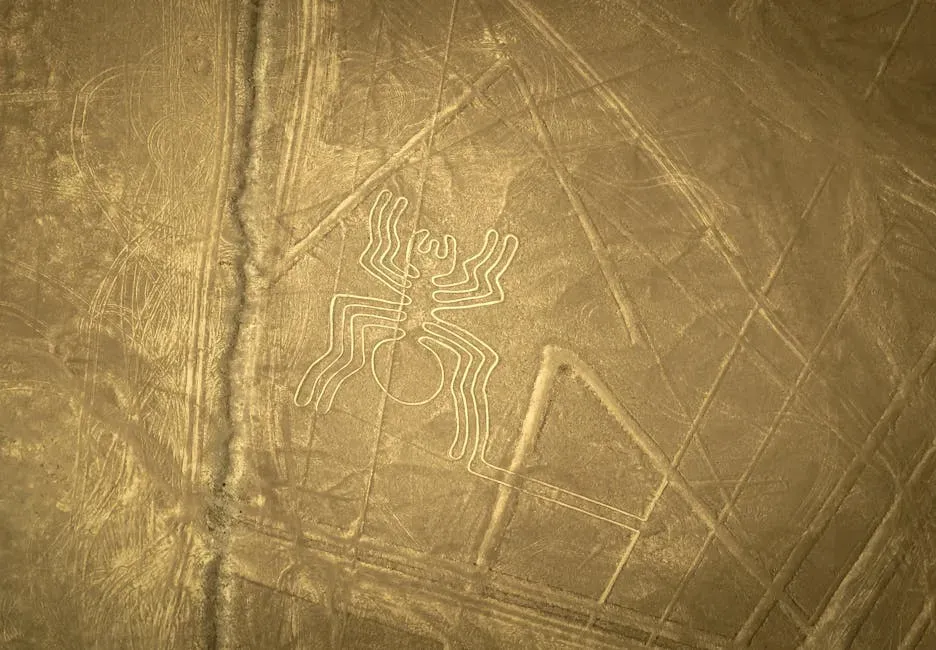
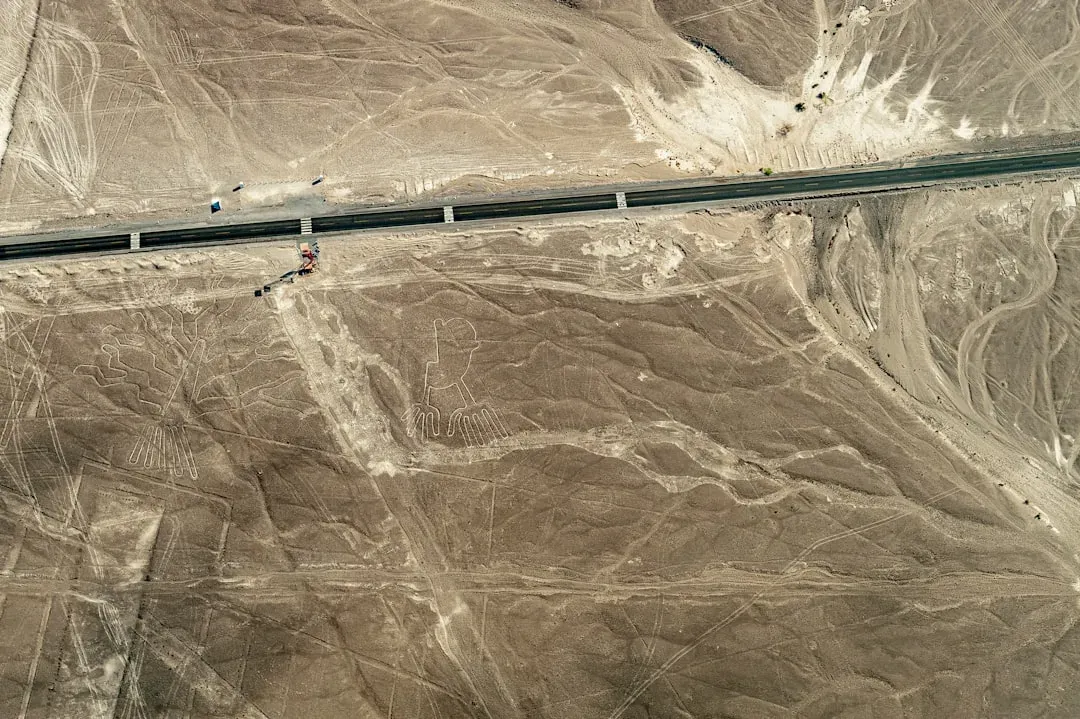
From ground level, many of the Nazca Lines look like ordinary tracks or pale scratches. It is only when you gain some height – on surrounding hillsides, observation towers, or from a small plane – that your brain finally clicks into place. You begin to spot long, arrow‑straight lines that seem to shoot toward the horizon; wide trapezoids and triangles; spirals and zigzags; and then, suddenly, the showstoppers: a hummingbird with a needle‑thin beak, a spider stretching across the pampa, a monkey with a spiral tail, a vast condor, a whale, and other creatures. Altogether, researchers have identified hundreds of geometric shapes and many dozens of recognizable figures, and new ones are still being found with drones and AI‑assisted surveys.
When you look closely, you notice that not all geoglyphs work in the same way. Some animal designs are “single‑line” figures, meaning you could walk into them at one point, follow the line, and exit at another without crossing your path. Others are more filled‑in, using broad bands of cleared soil to define bodies or wings. Many straight lines appear to radiate from hills or cluster around ancient settlements and water sources, while trapezoids often seem to “point” toward something in the landscape. Once you see this variety, you stop thinking of the Nazca Lines as a single puzzle and start treating them as a whole gallery of related but distinct projects, each with its own possible purpose.
Why Were the Nazca Lines Made? Rituals, Water, and the Sky
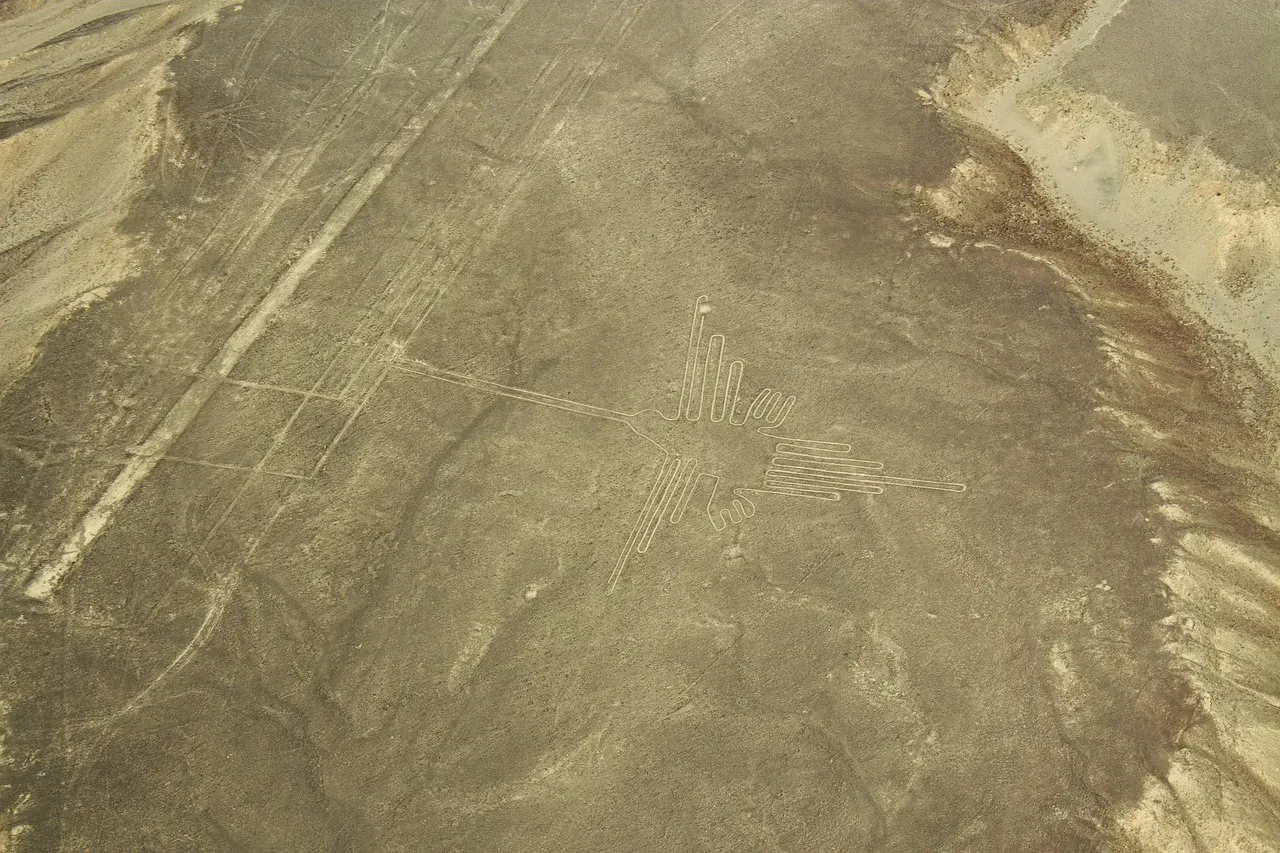
This is the question you probably came in with, and it is also the question you will not fully answer. Over the years, people have suggested everything from astronomical calendars and ritual pathways to markers of underground water and symbolic offerings to deities. You can find alignments between some lines and solstice sunsets, which suggests that at least a few had a relationship to the movements of the sun. You can also find patterns where lines converge on hills or areas associated with ancient aqueducts and springs, supporting the idea that water – so precious in this desert – was a central theme behind many geoglyphs.
Archaeologists increasingly see the Nazca Lines less as a single grand code and more as a set of overlapping ritual landscapes. In that view, you would not stand off to the side admiring them like a museum visitor; you would participate, walking along lines during processions, making offerings at nearby sites, and treating the desert floor as a space where you and the gods could interact. Different communities and time periods may have emphasized different meanings: sometimes sky and calendar, sometimes fertility and water, sometimes social identity or pilgrimage. The honest answer for you is that there was likely no one explanation, and that complexity is exactly why the Lines still feel so haunting.
From Aliens to Archaeology: The Theories You Should Treat with Caution
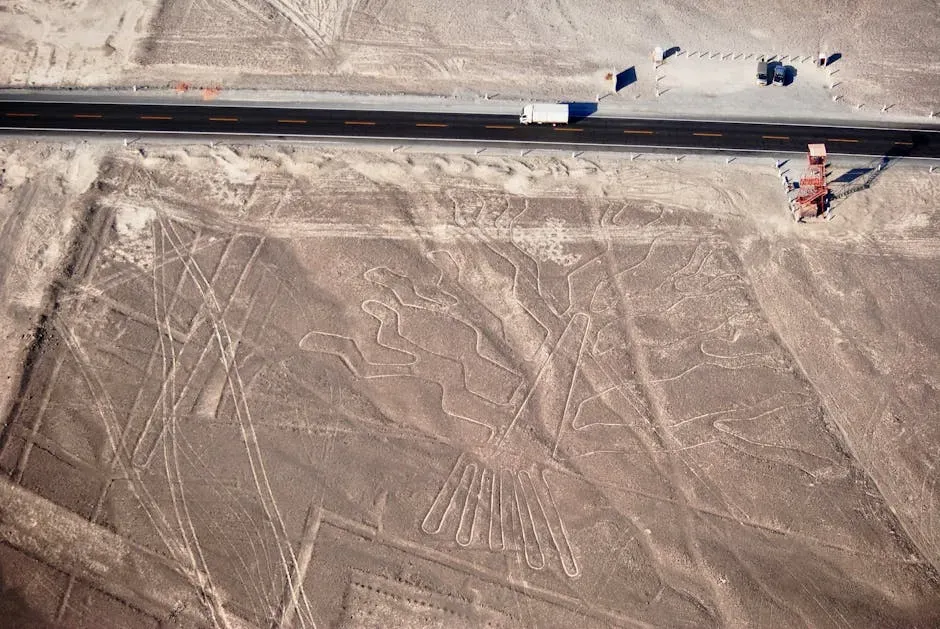
If your first exposure to the Nazca Lines came from late‑night documentaries or sensational videos, you have probably heard that they are alien landing strips, proof of ancient astronauts, or evidence of some lost global science. Once you understand how the lines were made and when they were created, those ideas fall apart very quickly. The techniques match what you would expect from human societies of the region, and there is no credible physical evidence for advanced technology or visitors from elsewhere. These stories are entertaining, but they also distract you from the real achievements of the Nazca people by turning their work into someone else’s.
More subtle but equally shaky are theories that pick one explanation and try to force every geoglyph into it, whether that is astronomy, agriculture, or anything else. When you look at the current state of research, you see that some lines seem to fit certain functions but many do not, and new surveys keep expanding the variety of forms and locations. Instead of searching for a single master key, you are better off accepting that ancient cultures, like your own, did things for multiple reasons at once: practical, symbolic, political, spiritual. The Nazca Lines remind you that the past does not owe you a neat, one‑sentence answer just because you find tidy stories comforting.
How Do the Lines Survive – and What Threatens Them Now?
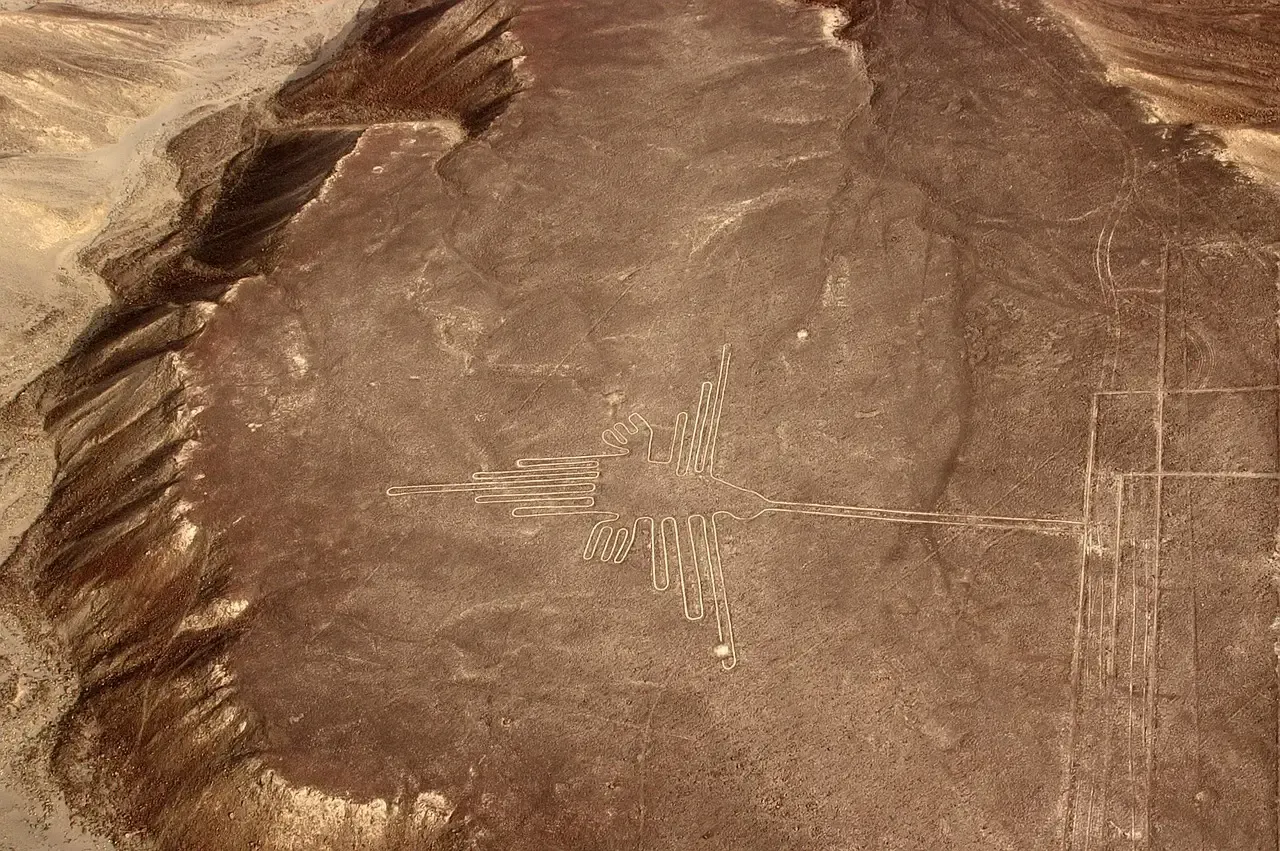
One of the strangest things, when you stand near a geoglyph, is realizing how fragile it looks and how long it has actually survived. The preservation of the Nazca Lines depends on that hyper‑dry climate, the lack of heavy rain, and the relatively stable winds that do not constantly rearrange the surface stones. As long as the dark gravel remains in place around the cleared lines, the contrast stays sharp. In a way, you are looking at a design that has been frozen in time not by magic, but by a combination of geology and weather that just happens to favor long‑lasting scars in the ground.
Modern life is a much bigger threat than nature has been. Vehicle tracks, careless tourism, construction, and even political stunts have already damaged parts of the site, leaving tire marks and footprints across designs that had endured for centuries. You also have to factor in larger pressures: expanding towns, new infrastructure, and the long‑term risk of climate shifts altering the delicate balance that protects the lines. When you look at aerial photos showing fresh scars from trucks or vandalism, the message is uncomfortable but clear: it took generations to create these figures, and it only takes one reckless moment to erase them.
Seeing the Nazca Lines for Yourself: What You Experience as a Visitor
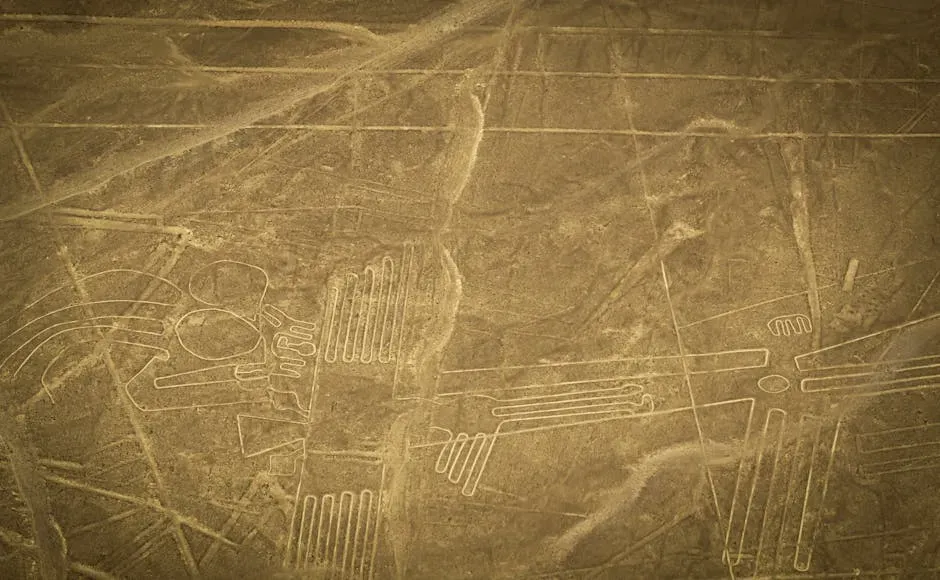
If you decide to go, your first real encounter with the Nazca Lines will probably be from the air. You board a small plane, buckle into a seat that suddenly feels a little too close to the window, and then the pilot begins banking left and right so everyone can see. From up there, the lines snap into focus: the hummingbird, the spider, the monkey, the long, clean trapezoids fading into the horizon. You might feel a little dizzy from the sharp turns, but you also feel that jolt of recognition when a shape you have only seen in photos suddenly appears beneath you, etched in real earth.
On the ground, you can climb simple viewing towers or hike to surrounding hills that overlook parts of the pampa. From these vantage points, you do not see every figure, but you get something else: a sense of scale and context. You notice the Pan‑American Highway cutting through the landscape, the patchwork of modern fields and settlements, and the way ancient lines and modern roads sometimes almost talk to each other. As a visitor, you carry a responsibility too: following marked paths, respecting restrictions, and remembering that your experience of wonder should not come at the cost of further damage to the very thing you came to admire.
Why the Nazca Lines Still Matter to You Today
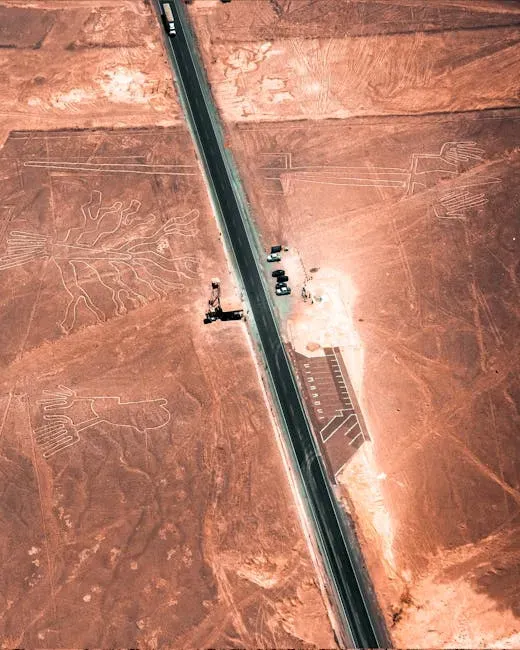
You might wonder why you should care so much about giant drawings in a remote desert, especially when you are surrounded by digital images and satellite maps every day. The Nazca Lines matter because they force you to confront the scale of human imagination and effort outside your own cultural bubble. A society with no metal planes, no satellite views, and no modern surveying equipment still chose to shape its landscape in a way that speaks across millennia. When you realize that, you start to see your own built environment – your cities, highways, and monuments – as part of a much longer story of humans marking the earth to express who they are.
They also challenge your assumptions about what counts as sophisticated or meaningful. It is easy to praise towering stone temples or intricate writing systems and overlook a desert full of lines as somehow “simpler.” But once you understand the planning, coordination, and symbolic thinking involved, you see that you are looking at a different kind of monument: one that uses empty space and distance as its main material. In that way, the Nazca Lines hold up a mirror, asking you what kinds of marks you are leaving on your own world, and whether anyone centuries from now will stand where you stand and feel even a fraction of the same wonder.
Conclusion: Listening to the Desert’s Quiet Message
By the time you step back from the Nazca Lines – whether from a plane window, a desert hillside, or the pages of a book – you realize the real mystery is not that they exist, but that they still speak to you so powerfully. You have learned that they were made by real people with understandable tools and complex beliefs, that they likely served many overlapping purposes, and that their survival rests on a fragile balance of climate and care. Yet for all that knowledge, something in you still stirs when you imagine those processions across the sand, those careful hands laying out stakes and ropes, those eyes turned toward the sky or the distant mountains.
In the end, you are left with a kind of quiet invitation. The Nazca Lines ask you to respect a past that does not always offer clear explanations, to protect a heritage that can vanish with one careless act, and to remember that meaning often lives in patterns you can only fully see from a different vantage point. As you think about those vast animals and endless lines stretching across the Peruvian desert, you might find yourself wondering: if someone flew over your own life from a great height, what kinds of lines would they see etched into the landscape you leave behind?