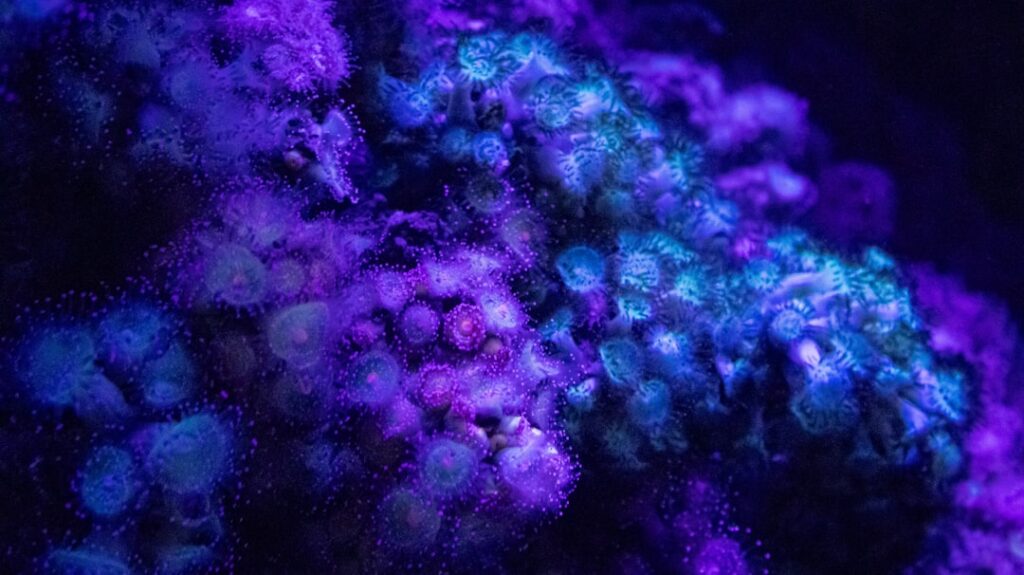
Imagine drifting in total darkness, miles below the surface, when suddenly the black water around you comes alive with eerie blue flashes and ghostly green glows. That is the everyday reality in the deep ocean, where sunlight never reaches and life has evolved its own light shows. When you picture the deep sea, you might think of emptiness, but in truth, it is one of the most visually dramatic places on Earth – just in a color palette and intensity your eyes are not used to seeing.
As you explore the science behind this natural glow, you start to see deep-sea creatures not as monsters, but as problem solvers with some very clever tricks. Light becomes a tool: a way to hunt, hide, flirt, and even talk. The more you learn, the more it feels like walking backstage at a cosmic theater, where every flash, flicker, and glow has a purpose. Let’s dive into ten of the most fascinating facts about this living light, and what it reveals about a world you almost never see.
Bioluminescence Is a Chemical Reaction, Not Magic
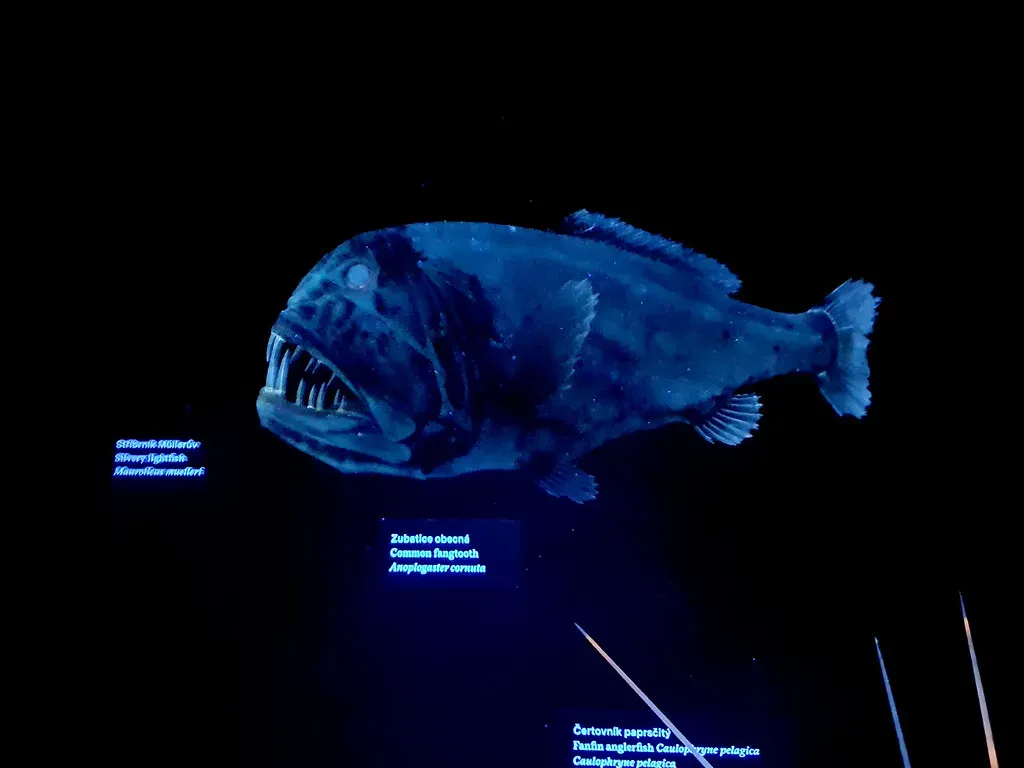
When you first see images of glowing fish and jelly-like blobs lighting up the deep, it can look almost supernatural. But what you are really seeing is chemistry in action: a reaction between a light-producing molecule called luciferin and an enzyme called luciferase, often in the presence of oxygen. When these ingredients meet inside a specialized light organ, they release energy in the form of visible light instead of heat, which is why scientists call it “cold light.”
You can think of it a bit like a glow stick you crack and shake, except the animals control the timing, intensity, and sometimes even the color of the glow. In many deep-sea creatures, the reaction is triggered by nerves or by changes in chemicals inside the cell, so the animal can switch its light on or off in a split second. That level of control turns light into a precise survival tool, not just a pretty effect.
Most Deep-Sea Light Is Blue for a Very Practical Reason
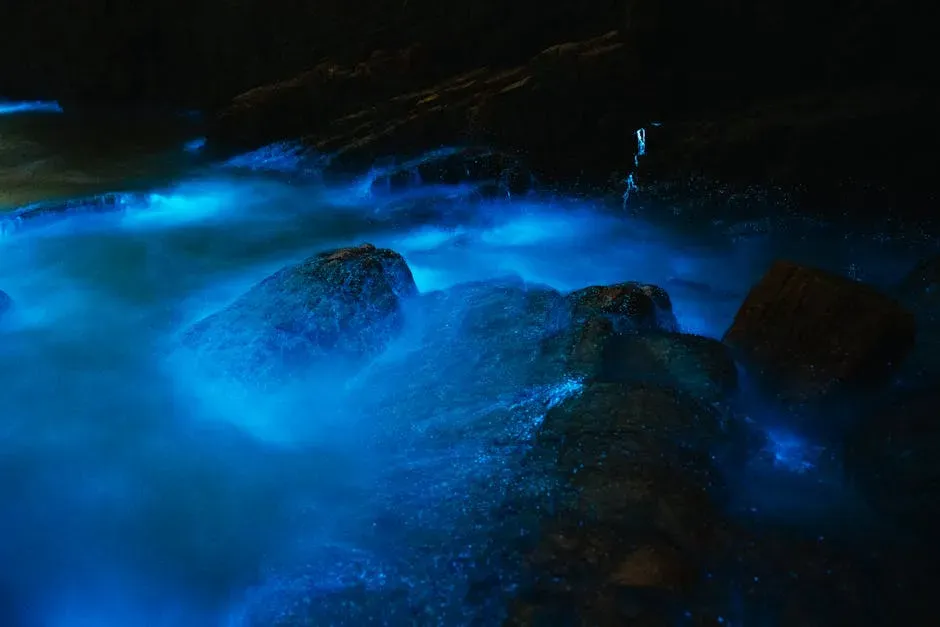
As you go deeper in the ocean, sunlight disappears in a predictable order: reds vanish first, then oranges and yellows, until only blue light can travel any meaningful distance. Deep-sea life has evolved in response to this rule of physics, so the vast majority of bioluminescent light you see down there is blue or blue‑green. Your own eyes are also most sensitive to blue, which means if you somehow ended up at those depths, the faint glows you could see would almost all be in that narrow slice of the color spectrum.
Animals are not just glowing blue randomly; they are tuned to the environment they live in. Blue light travels the farthest in seawater, so it is the best choice if you want to signal a mate a few meters away, lure in prey from the gloom, or startle a predator at just the right moment. Some species have evolved to see only in that narrow blue range, while a few have pushed in the opposite direction and use red light as a secret channel, invisible to most of their neighbors.
Some Fish Use “Invisible” Red Light as a Secret Spotlight
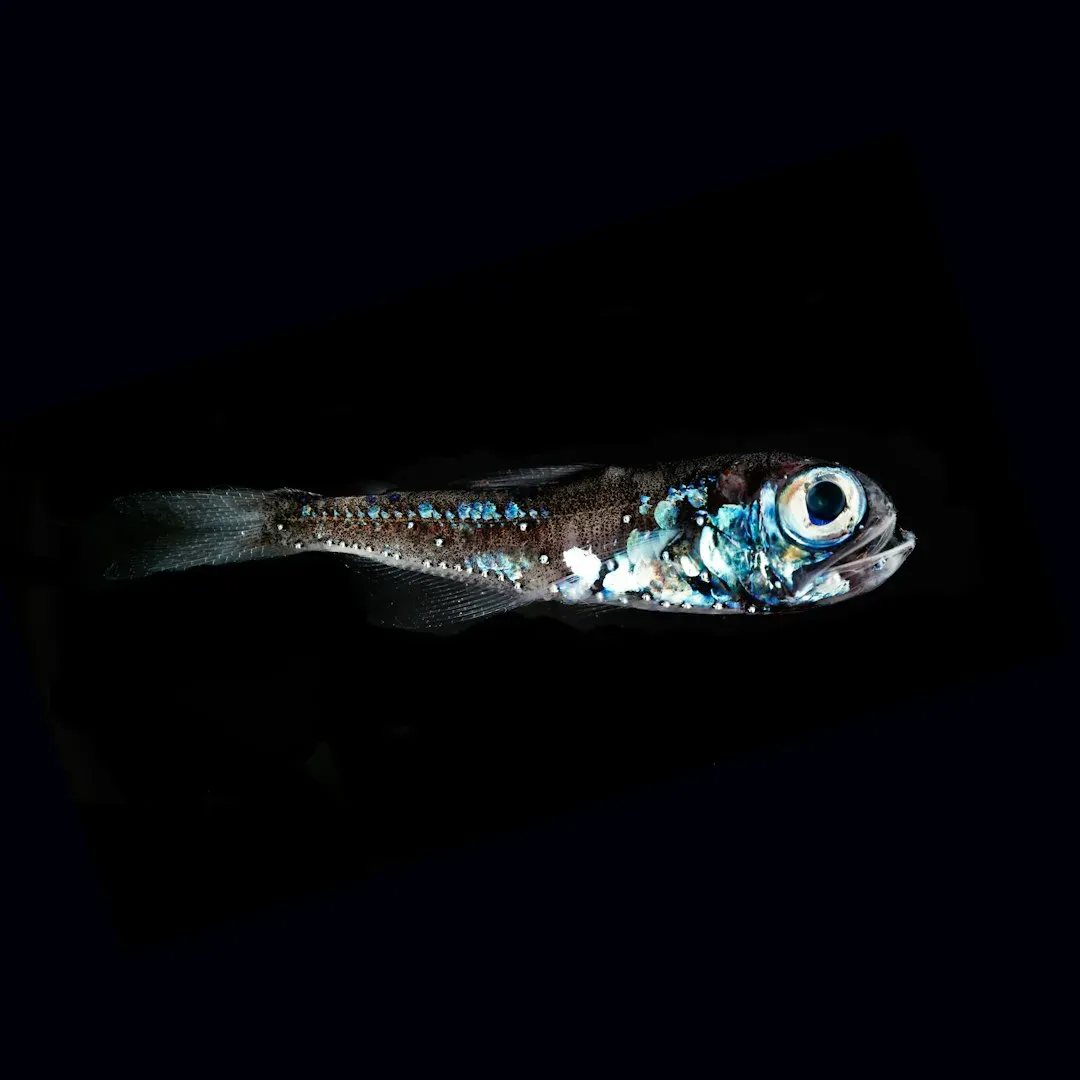
You might assume that red light is useless in the deep sea because it gets filtered out quickly as you descend, and in most situations, you would be right. But a few deep‑sea fish flip this limitation into an advantage by producing their own red bioluminescent light and having eyes that can see it. To almost every other creature around them, the red beam is essentially invisible, since many deep-sea animals have eyes tuned only to blue wavelengths.
From your perspective, that means these fish are carrying around a built‑in night‑vision flashlight that only they can see. They can scan nearby water for prey, check out potential mates, or navigate without broadcasting their presence to larger predators. It is a bit like you wearing infrared goggles in a dark room while everyone else stumbles around blind, completely unaware that you can see them clearly.
Bioluminescence Can Work as a High-Tech Camouflage
At first, light and hiding seem like opposites – how could glowing possibly help you disappear? But if you picture yourself floating just below the surface, looking up at the faint glow of water above, you start to see the trick. Many midwater animals use bioluminescence on their undersides to match the dim, bluish light filtering down from above, a strategy known as counter‑illumination. To a predator looking up, the animal’s body blends into the background glow instead of appearing as a dark silhouette.
Some squids and fishes can adjust the brightness of their light organs depending on how much light is coming from above, almost like dimming a set of underwater LED panels. From your point of view, it is as if the ocean handed them a built‑in adaptive camouflage suit, constantly updating to keep them invisible. In a place where being seen often means being eaten, that kind of precise light matching can make the difference between life and death.
Other Creatures Weaponize Light in Dazzling Attacks
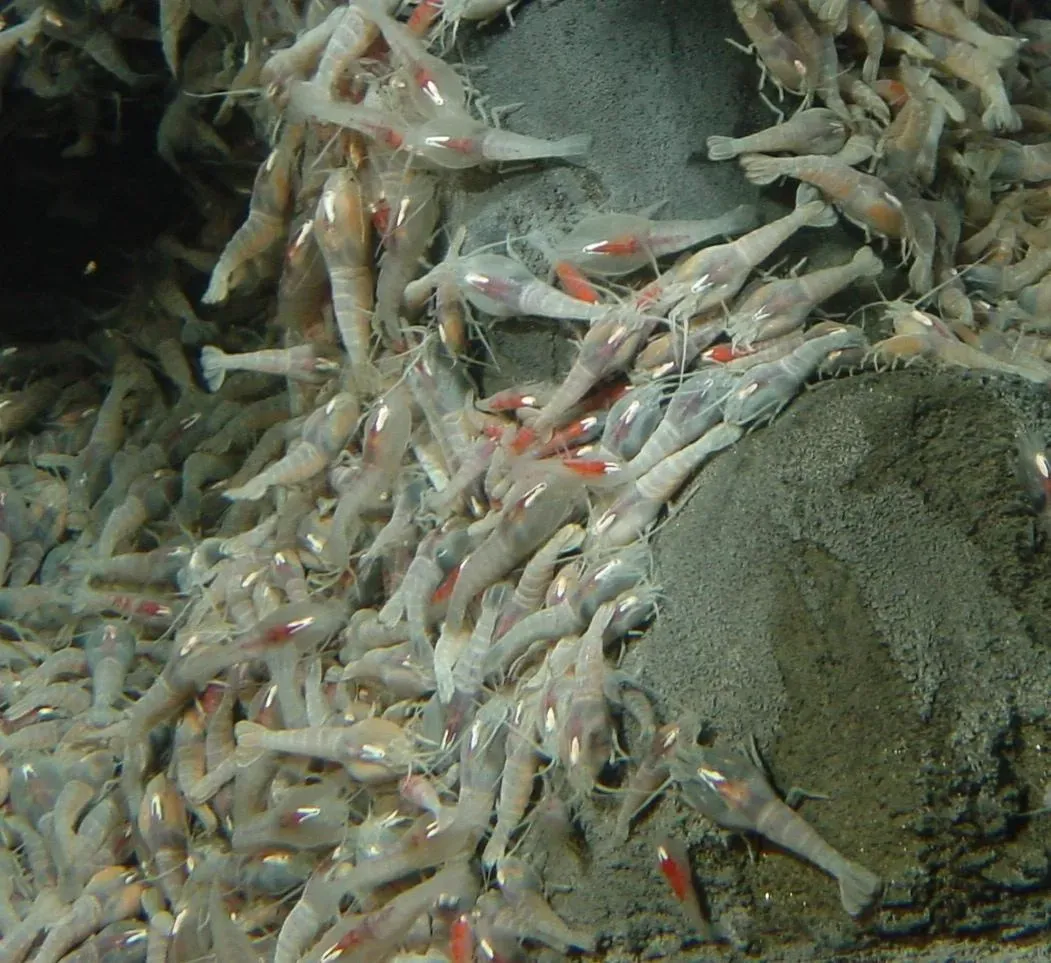
Not every glowing display is subtle; some are more like underwater flash grenades. When you imagine being a small, soft-bodied animal surrounded by hungry mouths, startling your attacker can be as valuable as out‑swimming it. Certain deep‑sea shrimp, for instance, release clouds of glowing fluid into the water when threatened, creating a bright, confusing flare that can distract or temporarily blind predators long enough for an escape.
You also find fish and squids that use sudden bursts of light as a kind of shock tactic. A quiet, dark animal might suddenly pulse bright flashes directly toward a predator’s eyes, throwing off its aim or making it hesitate. If you were the predator, it would be like having someone fire a camera flash in your face right as you were lunging for a meal. In the deep sea, small visual tricks often buy just enough time to survive another day.
The Famous Anglerfish Uses Living Lures to Hunt
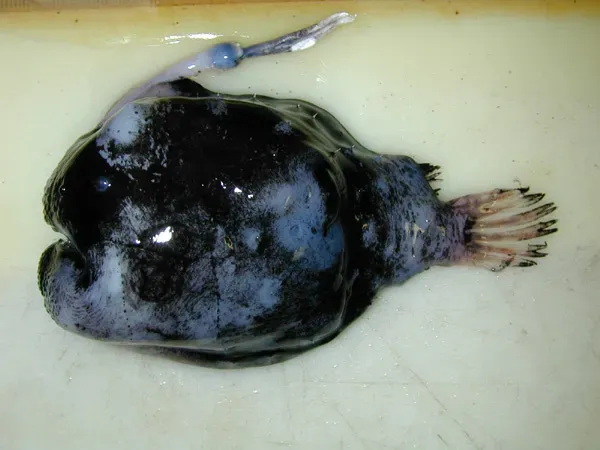
If you have ever seen an image of a deep‑sea anglerfish, you probably remember that bizarre glowing lure dangling in front of its enormous teeth. What you might not realize is that the light at the tip is often produced by symbiotic bacteria living inside the lure, rather than by the fish’s own cells. You can imagine it as the fish hosting a tiny colony of light‑making partners that get a safe home and nutrients in exchange for powering the flashlight.
From your perspective as potential prey, that glow looks like a tempting snack or a small, harmless animal to investigate. As you approach, the anglerfish barely moves, conserving energy in a world where meals are rare. Then, at the perfect distance, it snaps its jaws shut with terrifying speed. It is a brutal but efficient system: the bacteria create the lure, the fish supplies the body and ambush, and together they turn darkness into a hunting advantage.
Many Deep-Sea Animals Talk With Light Instead of Sound
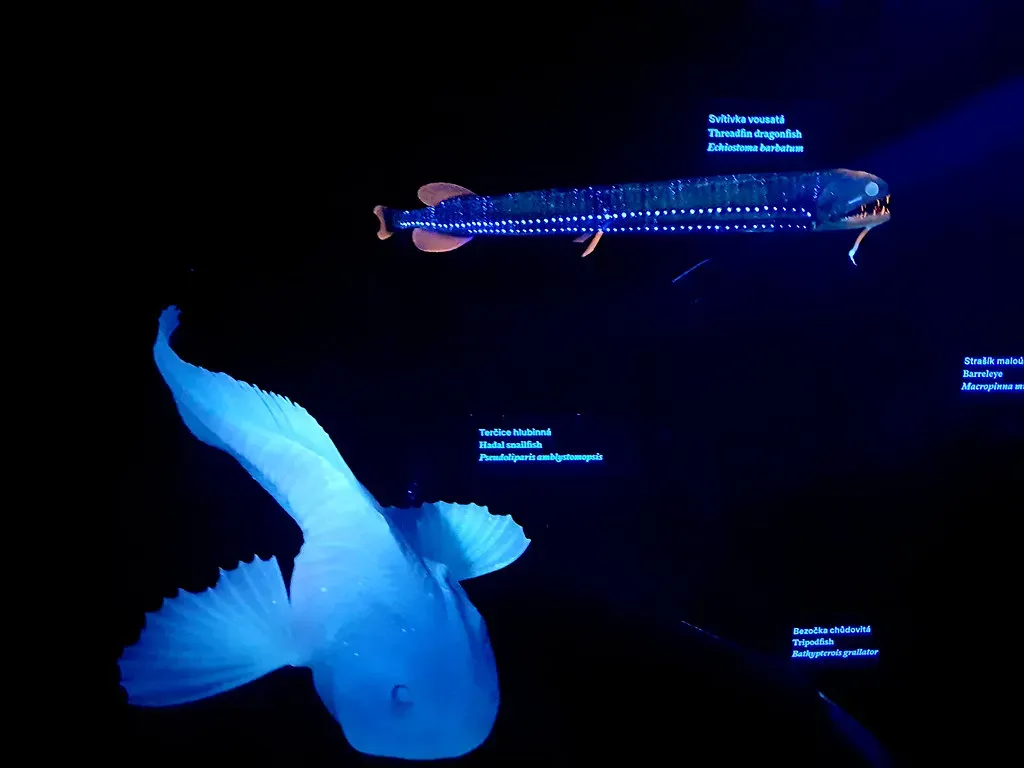
When you picture animal communication, you probably think of noises, scents, or body language. In the deep sea, where water pressure is immense and visibility is limited, bursts and patterns of light become a powerful way to send messages. Some fish and crustaceans produce repeated flashes or specific sequences, which may signal things like mating readiness, territory, or even distress. You can think of it like an underwater Morse code, written in light instead of sound.
Because these signals are short‑range and directional, they let animals communicate without alerting every predator in the neighborhood. Two individuals can exchange information in the gloom while anything a little farther away just sees faint flickers or nothing at all. If you were down there watching with the right equipment, you would see the dark ocean suddenly filled with silent, momentary dialogues – tiny conversations written in blue sparks.
Jellyfish and Other Gelatinous Creatures Put on Massive Light Shows
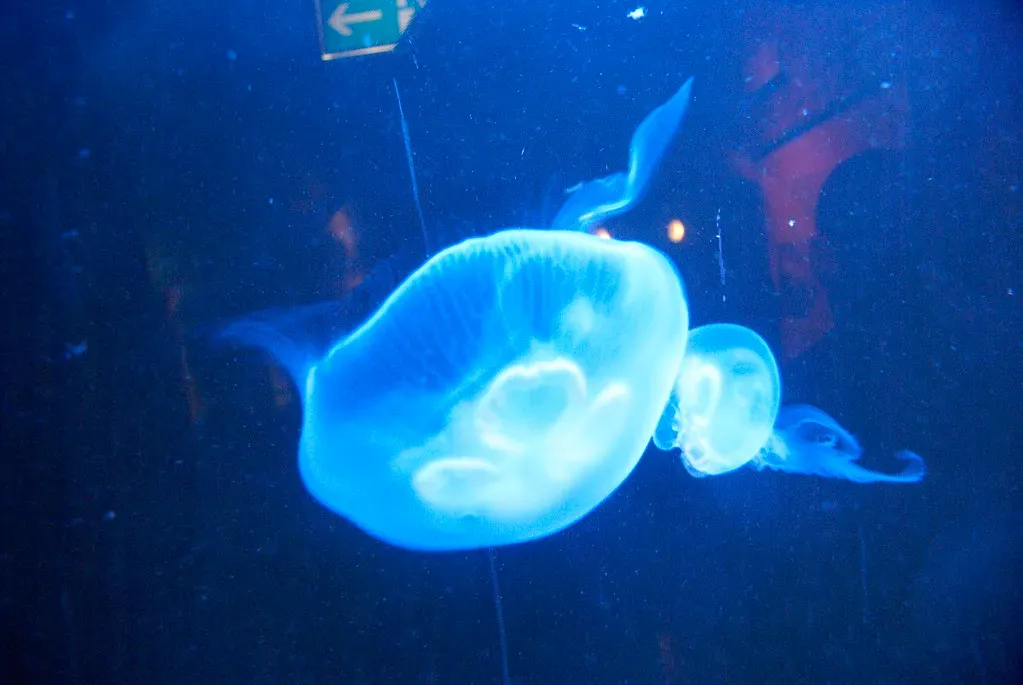
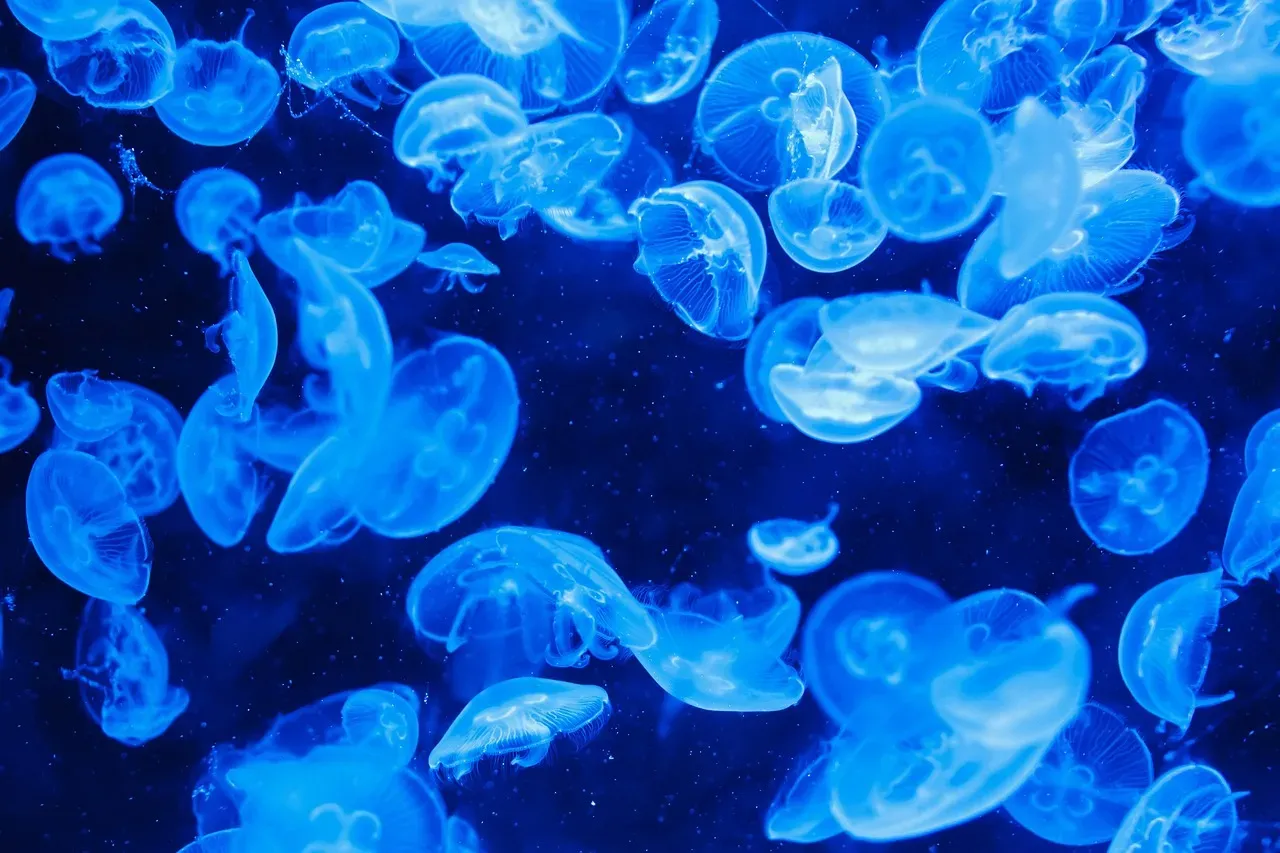
When you look at footage of glowing jellyfish drifting through the dark, it almost feels unreal, like a computer effect layered onto the water. Many of these gelatinous animals produce sweeping waves of light that travel along their bodies or cascade down their tentacles. In some species, the display might start at one edge and ripple across like a stadium wave, creating a moving, flowing band of color that stands out dramatically against the black surroundings.
For you, watching such a display would be breathtaking, but for the jellyfish, it has practical uses. Those expanding pulses of light can startle would‑be predators, attract animals that might accidentally tangle with the jelly’s stinging cells, or serve as a kind of visual warning. In some cases, parts of a jellyfish might even break off and continue to glow as a decoy, luring attackers away from the more vital parts of the body. It is an eerie mix of beauty and ruthless survival strategy.
Bioluminescent Bacteria Are Tiny, But Their Impact Is Huge
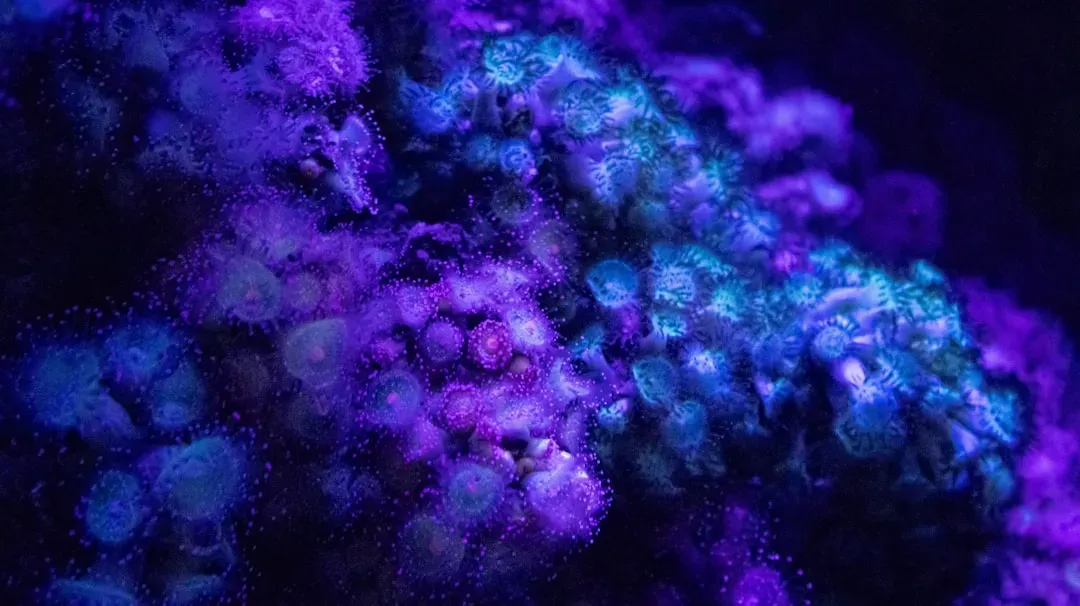
When you think of light in the deep sea, your mind probably jumps to big, dramatic creatures: fish with lanterns, glowing squids, shimmering jellies. But a lot of the glow you would actually see if you went down there comes from something much smaller – bacteria. These microbes can live on the surfaces of animals, inside specialized organs, or even on sinking particles of organic matter, creating faint, star‑like pinpoints of light in the darkness.
Some fishes and squids have evolved special organs that house these bacteria in carefully controlled environments, feeding them and adjusting how much light gets out. From your perspective, it is like watching someone install a custom lighting system made entirely of living bulbs. In return, the bacteria gain a steady supply of nutrients and a safe home. This partnership blurs the line between where one organism ends and another begins, all centered around the power of shared light.
Bioluminescence Helps You Study an Invisible World
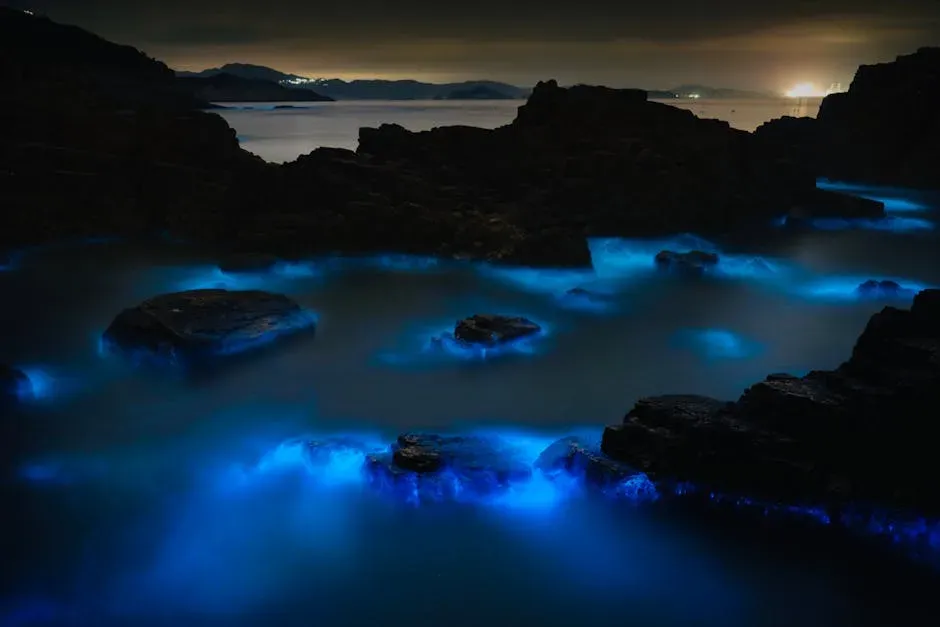
Even though you may never personally journey thousands of meters down into the ocean, bioluminescence has become one of the best tools scientists use to understand that realm. Special cameras and submersibles are designed to detect even faint glows, revealing animals and behaviors that would otherwise stay hidden. When researchers turn off their bright vehicle lights and switch to sensitive low‑light imaging, they suddenly see flashes, glimmers, and steady glows all around, painting a vivid picture of who lives there and what they are doing.
On land, the same basic chemistry that makes deep‑sea creatures glow is helping you, often without you realizing it. Modified versions of luciferase and related proteins are used in medical and biological research as markers that show where certain cells or molecules are active. When scientists watch cells light up in a lab dish, they are tapping into the same family of reactions that an anglerfish or a glowing shrimp uses in the dark. In a way, the deep sea has quietly loaned its secret language of light to modern science and medicine.
We Still Do Not Fully Understand How Much of the Deep Ocean Glows
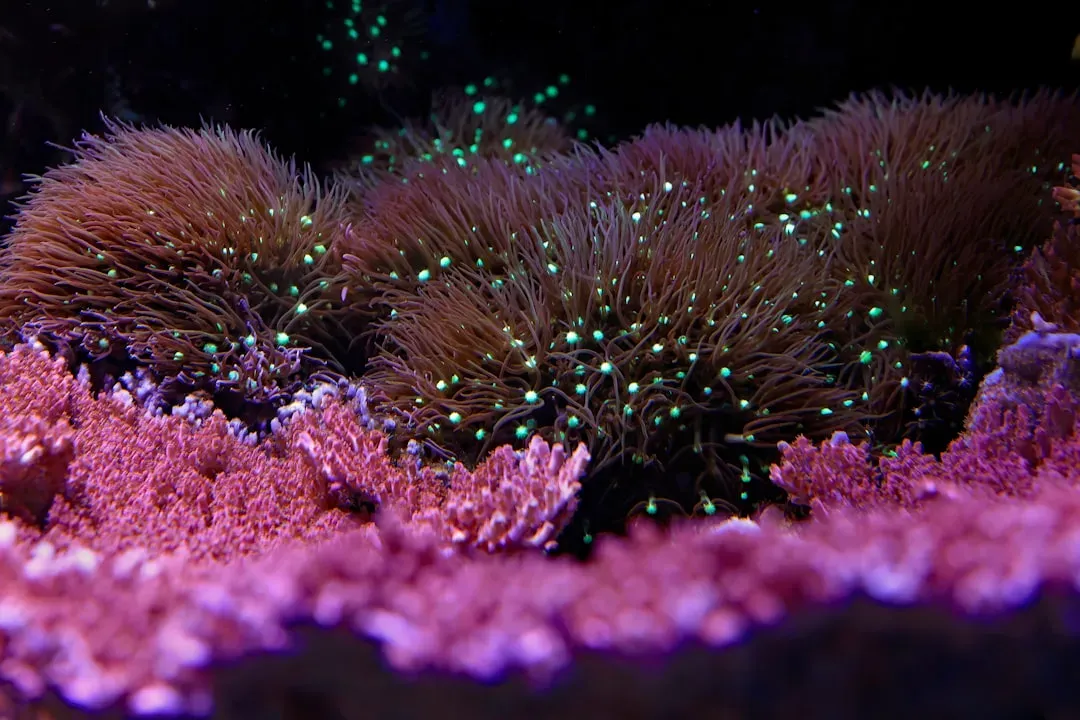
After all of this, you might assume that scientists have mapped deep‑sea light the way city planners map streetlights, but the truth is much murkier. The deep ocean is enormously vast, hard to reach, and difficult to observe without disturbing the very animals you want to study. Each new expedition with better cameras and quieter vehicles tends to reveal more glowing species and more complex behaviors than researchers expected. From your point of view, every dive is a reminder of how little of this world you really know.
Some estimates suggest that a very large share of animals in the midwater depths are capable of producing light in some form, but pinning down exact numbers is still a work in progress. There are likely entire groups of glowing creatures you have never seen photographed simply because they live in places humans rarely visit. That lingering mystery is part of the appeal: you are looking at an ancient, ongoing experiment in how to live without sunlight, and you have only sampled a small corner of it so far.
When you step back and look at all these facts together, bioluminescence stops feeling like a strange trick and starts to look like a core language of the deep ocean. You see creatures using light to hide, to hunt, to talk, and to partner with other species, all in a place where your own senses would fail almost instantly. Personally, the first time I watched real deep‑sea footage, it felt less like looking at Earth and more like peering into an alien city, lit by signals I was only just beginning to interpret.
Yet this world is part of your own planet, connected to the weather you feel, the seafood you eat, and the climate you depend on. As you learn to read these living lights, you are really learning to see another side of Earth that has always been there, just hidden in a different wavelength. The next time you look out over a dark ocean at night, you might find yourself wondering what is glowing far below the surface, sending silent messages in the dark. Which of these deep‑sea light tricks surprised you the most?