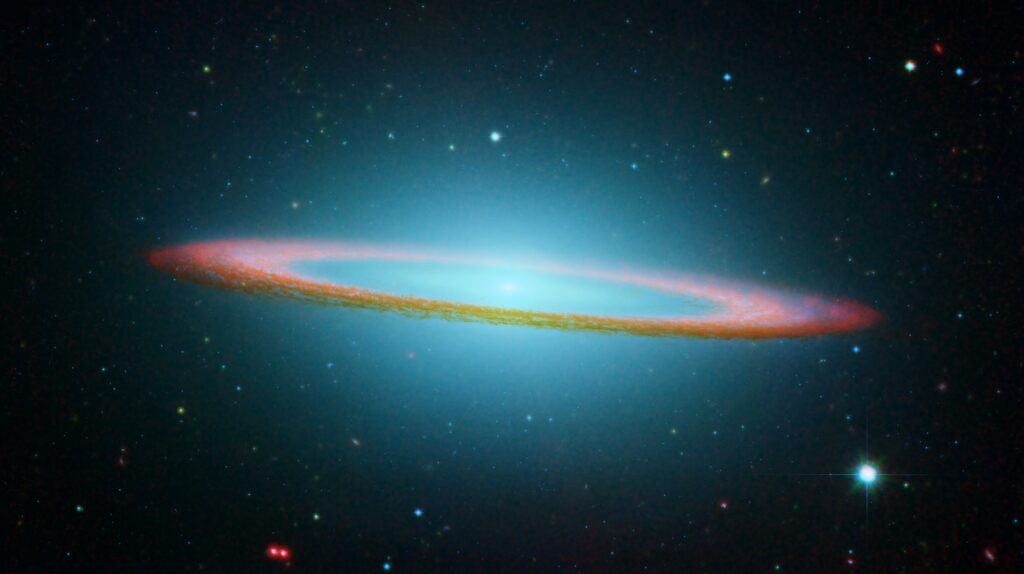
You look up at the night sky and see a quiet ocean of stars, and it just does not add up. With hundreds of billions of galaxies, each holding hundreds of billions of stars, it feels almost inevitable that life should have blossomed many times over. Yet as far as you can tell, the universe is silent. This uncomfortable mismatch between how likely life seems and how alone you appear to be is what pushes you toward one of the strangest and most unsettling ideas in modern science: the Great Filter.
The Great Filter is not a single proven theory but a way of framing a terrifying possibility. Somewhere along the path from lifeless rock to galaxy-spanning civilization, there might be one or more steps that are incredibly hard to pass. If that is true, then you either live in a universe where most potential civilizations never get very far, or you are racing toward a roadblock that almost nobody survives. Once you start to walk through the possibilities, you realize this is not just a question about aliens; it is a mirror held up to your own future.
How the Great Filter Tries to Solve the Fermi Paradox
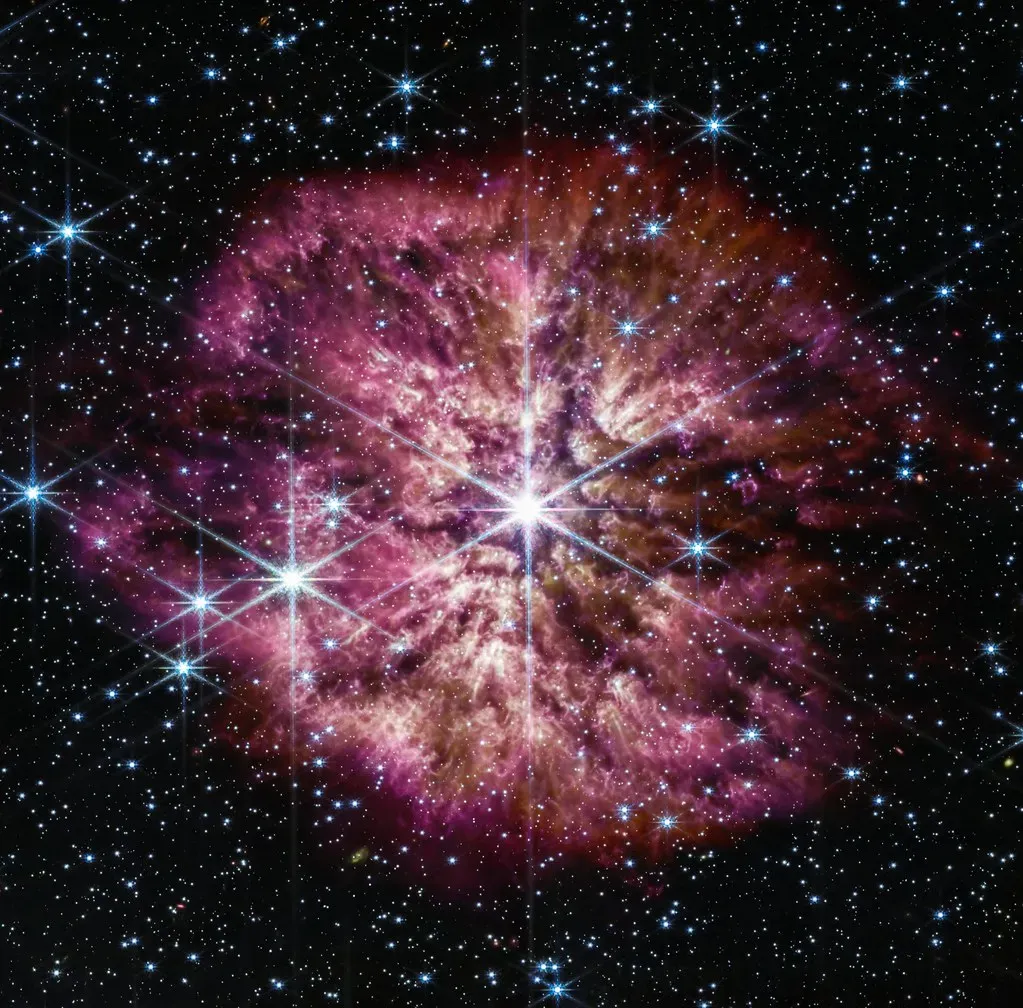
You can think of the Great Filter as a possible answer to a simple but brutal question often called the Fermi Paradox: if intelligent life is likely, where is everybody? Your galaxy is old, your universe is vast, and even with modest technology, a determined civilization could slowly spread across a galaxy over tens of millions of years, which is a tiny slice of cosmic time. Yet you do not see alien megastructures, you do not detect obvious artificial signals, and you do not have alien probes buzzing around your solar system.
The Great Filter idea says that somewhere in the sequence of steps – from forming a hospitable planet, to creating simple life, to evolving complex brains, to building advanced technology, to surviving long term – there is at least one hurdle that is extremely unlikely to be cleared. You can imagine the path as a series of gates, and almost all worlds slam into one gate or another. The eerie part is that you do not know whether the filter mostly lies behind you, somewhere you already passed, or mostly ahead of you, in a future you have not reached yet.
Possibility One: The Filter Is Behind You (And You Are Shockingly Rare)
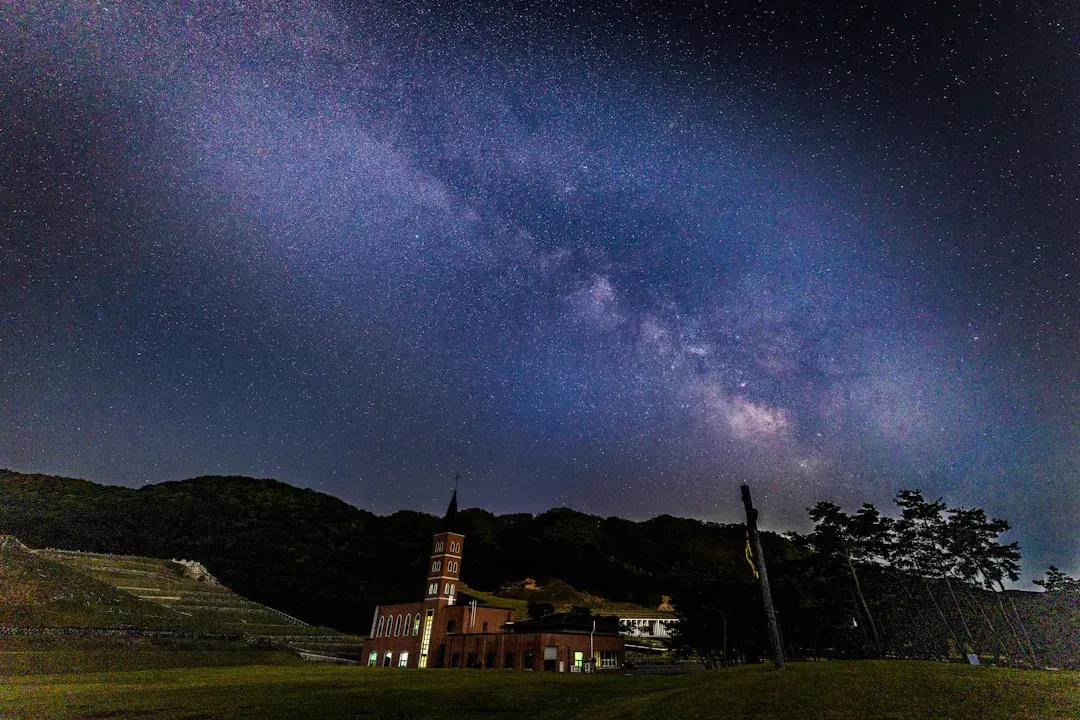
One way to make sense of the silence is to assume you are already a cosmic lottery winner. Maybe the universe is full of planets, but almost none of them ever produce life at all, let alone intelligent life. On this view, the step from non-living chemistry to self-replicating cells might be so absurdly unlikely that it essentially never happens, even in a universe filled with suitable conditions. If that is true, the Great Filter would sit very early, and the fact that you exist at all would already be the miracle.
Another option is that basic life might be fairly common, but the leap to complex, multicellular organisms like animals and plants is the unbelievably rare event. On Earth, simple life appears fairly quickly once the planet cools, but the evolution of complex animals takes an enormous amount of time and several unlikely transitions. If intelligence and technology only arise on a tiny fraction of the worlds that manage this, you end up with a universe where almost all life is microscopic and stuck in the oceans of their own planets, never building radios or rockets, and never showing up on your telescopes.
Possibility Two: The Filter Is Ahead of You (And That Should Scare You)
The darker reading of the Great Filter is that most of the hard steps still lie in your future. Under this view, many planets may reach something like your current level of technology, but almost all of them crash into some obstacle before spreading beyond their local neighborhood. This could be a self-inflicted catastrophe, like uncontrolled weapons, runaway climate damage, or technologies that backfire in ways their creators did not anticipate. It could also be external, like rare but devastating cosmic events, yet those would need to be common enough to repeatedly wipe out advanced civilizations.
If the major filter is ahead of you, then your current feeling of being alone is not a sign of safety but a warning. You would be living in a universe where civilizations commonly reach the brink of greatness and then disappear, leaving behind no obvious trace visible across interstellar distances. That possibility naturally raises uncomfortable questions about your own ability to manage powerful technologies, cooperate over long timescales, and protect your civilization from threats that do not care about your intentions or ideals.
Why You Do Not See Obvious Signs of Advanced Civilizations
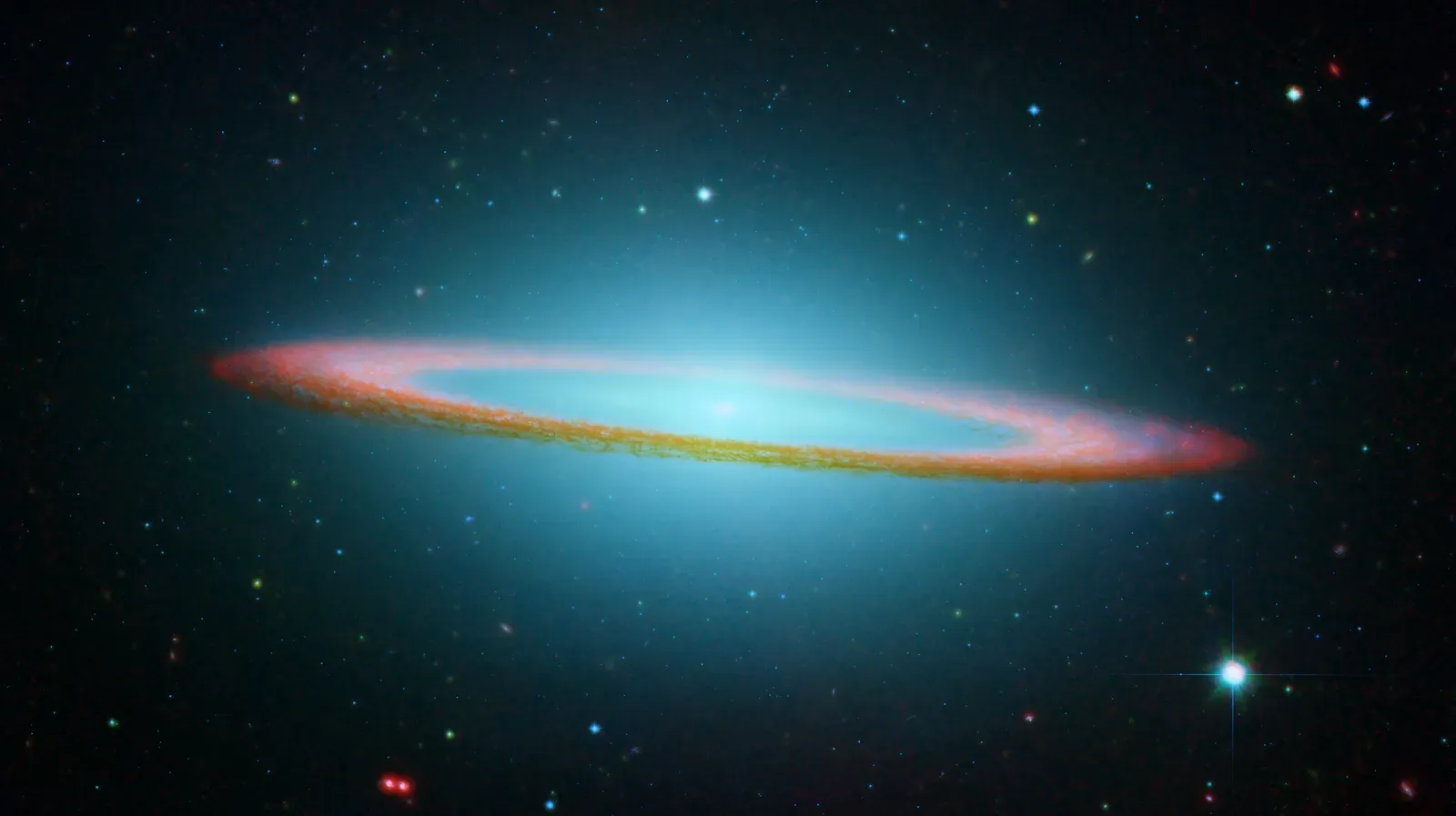
When you imagine advanced aliens, you might picture enormous energy-harvesting structures around stars, dense swarms of satellites, or bright artificial beacons shouting across the void. These kinds of concepts are not just science fiction; researchers have actually looked for unusual signatures in astronomical data that might hint at giant artificial constructions or unnatural energy use. So far, they have not found convincing evidence of galaxy-spanning engineering or deliberate, easily recognizable signals directed at you.
This absence of obvious activity is strange because you would expect at least a few civilizations, over billions of years, to go very big and leave their mark. One explanation is that such civilizations either rarely arise or rarely last, which is exactly the type of world the Great Filter points toward. Another explanation is that advanced life might behave in ways you do not yet understand – hiding, using exotic technologies you cannot detect, or simply not being interested in large-scale expansion. But as things stand, the lack of loud, obvious signs pushes you toward the conclusion that something is limiting how far most civilizations get.
The Role of Time: Maybe You Are Just Early
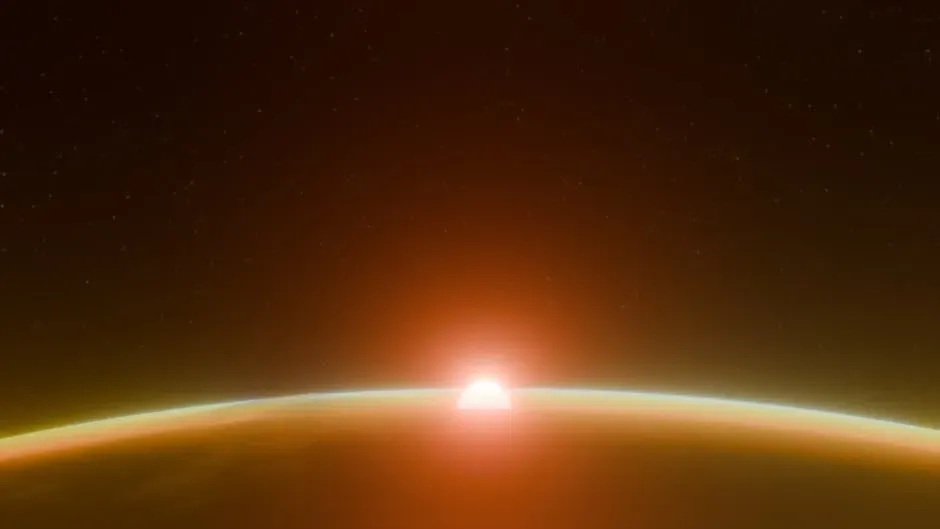
There is another way to think about your loneliness that feels slightly less grim: maybe you live in a universe that is still in its early days for intelligent life. Many stars that are well suited for habitable planets will burn steadily for trillions of years, far longer than the current age of the universe. From that perspective, your appearance now could be compared to someone arriving at a party right when the doors open and then wondering why the room is empty. The answer might simply be that most guests have not arrived yet.
If this is the case, the Great Filter might be less about impossibility and more about timing. You might be among the first wave of technological civilizations, coming online during a cosmic dawn when conditions are just starting to become truly favorable for long-lived, stable life. That would still make you rare, but for a different reason: you would be early adopters in a universe that will eventually get much busier. The challenge is that, from your vantage point, early and doomed can look surprisingly similar for a long time.
What New Discoveries About Exoplanets and Life Might Tell You
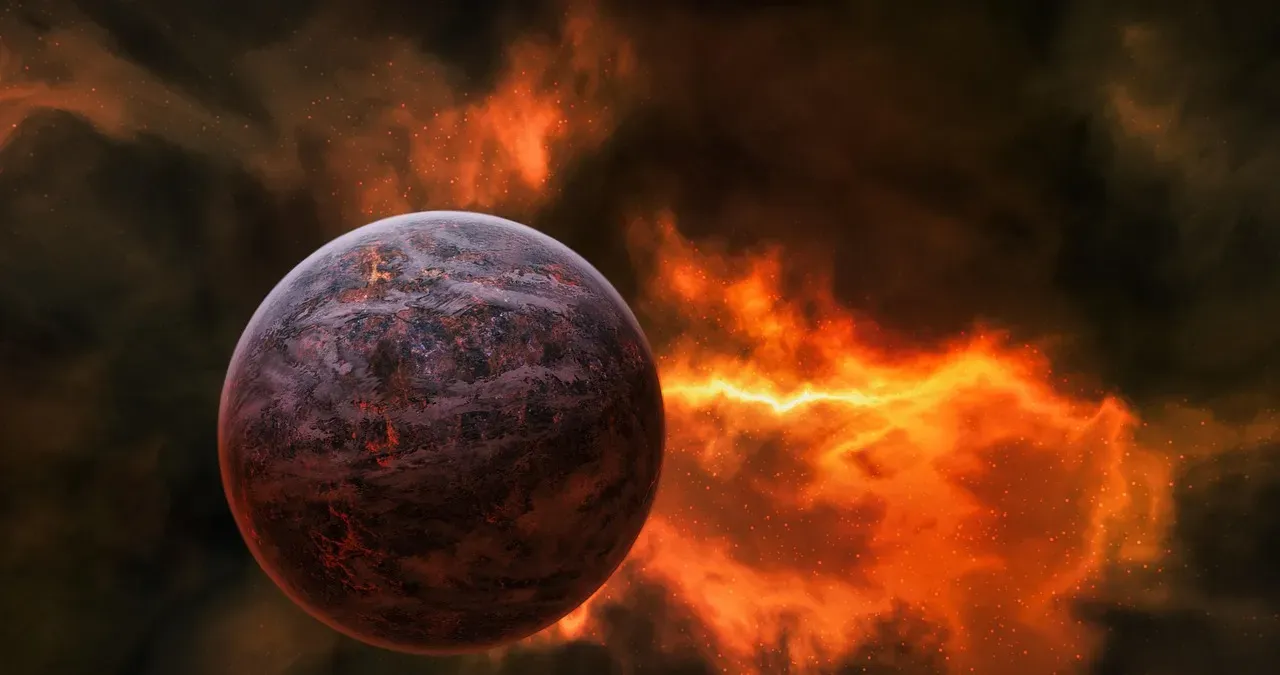
Over the past few decades, you have gone from knowing of zero planets around other stars to knowing of thousands. You now see planets roughly similar in size to Earth, some in zones where liquid water could exist, and you are starting to study their atmospheres. If you eventually detect clear chemical signs of life on multiple worlds, that would suggest that at least the early steps – forming planets and developing simple organisms – are not exceptionally rare. In that scenario, the Great Filter, if it exists, might lie later in the path.
On the other hand, if you spend many decades carefully examining promising planets and consistently fail to find any sign of biology, that would hint that even the first step from chemistry to life is an enormous hurdle. That would push the Great Filter toward the starting line and make your existence as a technological species feel even more extraordinary. Either way, each new exoplanet studied, each attempt to read the chemical fingerprints of distant atmospheres, gives you a little more information about where the truly unlikely moments in the story of life might be hiding.
What the Great Filter Means for Your Future
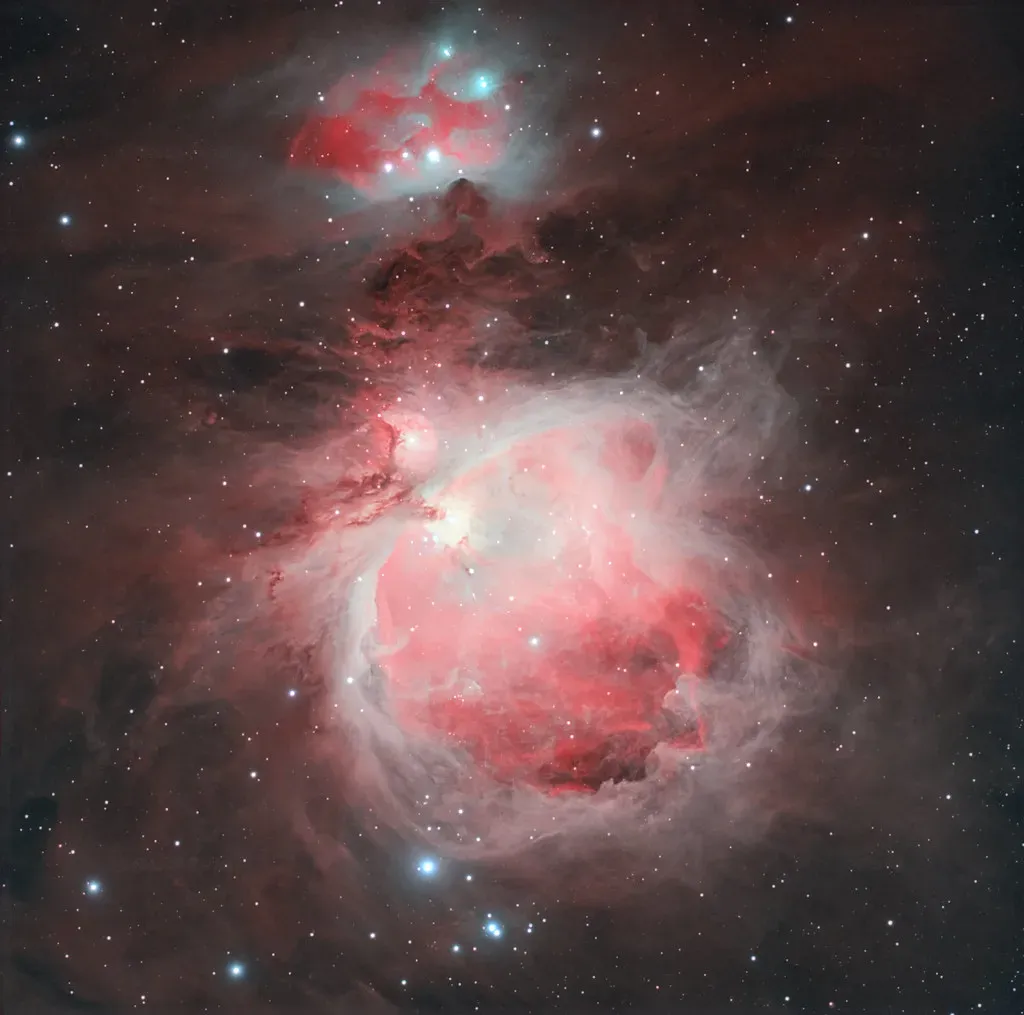
Once you take the Great Filter seriously, you start to see your own choices differently. If it is true that only a tiny fraction of civilizations ever make it to a stable, long-lived state, then every decision you make about existential risks carries far more weight than it might seem in daily politics or business. Managing advanced technologies safely, avoiding large-scale self-destruction, and keeping the planet habitable over long spans of time stop being abstract ideals and start looking like the minimum conditions for joining the very small club of species that pass the hardest test in the universe.
At the same time, the Great Filter concept can be oddly motivating. If you accept that you might be one of the few species to even reach this level of awareness, then protecting and extending your civilization becomes not just a local project but a cosmic responsibility. You are not just trying to make the next century better; you are trying to see whether intelligent life can survive its adolescence at all. In that light, your efforts to cooperate, to plan wisely, and to reduce catastrophic risks are not just about you – they are part of answering the biggest question of all: does any civilization ever make it through?
Conclusion: Living With the Silence of the Stars
When you put all of this together, the Great Filter is less a single theory and more a way of organizing your uncertainty about the universe. It forces you to confront the fact that, for now, you have no clear evidence of other technological civilizations, despite conditions that seem to favor their existence. You might be the beneficiary of earlier, incredibly rare steps; you might be standing in front of daunting future obstacles; or you might simply be early in a universe where the real drama of life has barely begun. You just do not know yet, and that ignorance cuts both ways.
Still, the silence does not have to leave you paralyzed. You can treat the Great Filter as a reminder that your civilization is fragile, your future is not guaranteed, and your actions actually matter on a scale that is hard to wrap your mind around. In a universe that currently feels quiet, the way you handle knowledge, power, and planetary stewardship could determine whether intelligent life becomes a brief cosmic spark or a lasting presence among the stars. When you look up at the night sky, knowing that, what kind of story do you want your species to write next?