

You live in an age of space telescopes, computer simulations, and satellites constantly watching the sky. It’s easy to assume that means you automatically understand the cosmos better than anyone who lived thousands of years ago. But when you look closely at what some ancient cultures actually did with naked eyes, stone tools, and a terrifying amount of patience, you start to realize something unsettling: in a few very practical ways, they might have understood the rhythms of the sky more intimately than you do today.
They used the stars to plant crops, sail oceans, build calendars, legitimize kings, and predict eclipses with precision that still makes modern astronomers raise an eyebrow. You might have better instruments, but they had something you probably lack: constant, disciplined attention. When you see how deeply they read the sky, you may find yourself wondering whether technology has made you wiser – or just more distracted.
You Don’t Just See the Stars – You Inherit Ancient Eyes
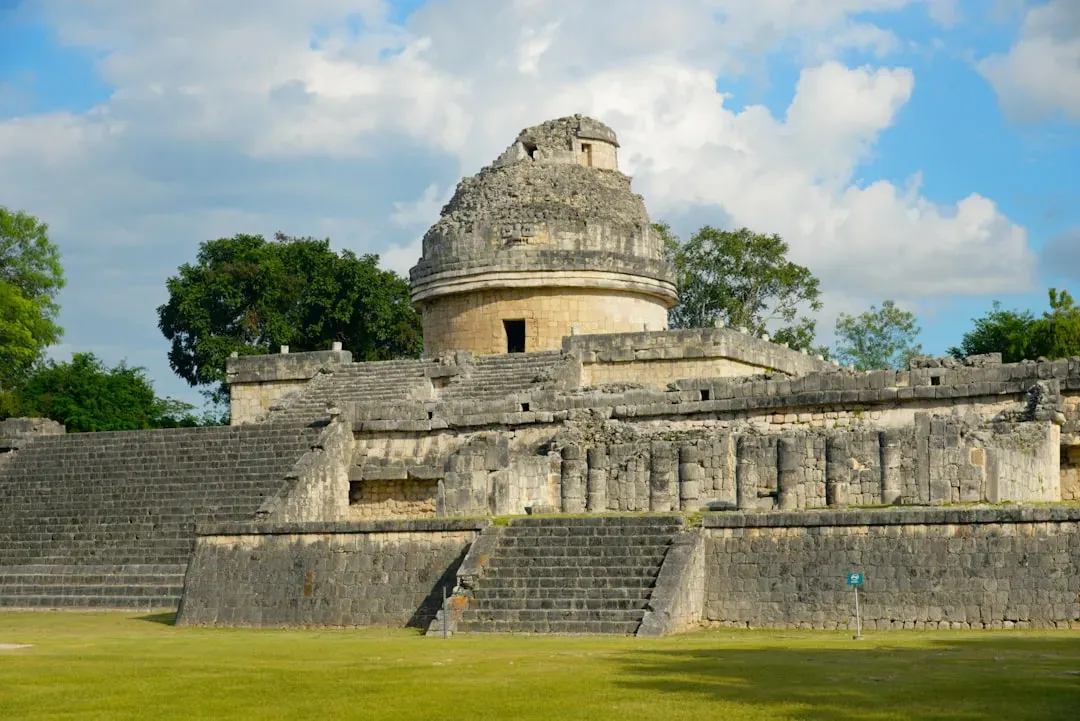
Imagine stepping outside on a perfectly dark, cloudless night with no streetlights, no phones, and no noise. If you stayed there every single clear night for years, logging every rising star, every shift in color, every strange object that showed up where it “shouldn’t” be, your sense of the sky would change completely. That’s the world ancient skywatchers lived in, and it shaped everything from religion to politics. The sky, to them, wasn’t a backdrop; it was the main story.
Today, you tend to experience astronomy through apps, cool images from space agencies, and maybe a telescope a few times a year. But for the cultures you’re about to explore, the stars were a clock, a compass, and sometimes a warning system. Their “data set” was generations deep, passed down by word of mouth and ritual. You may have better science now, but their nightly relationship with the heavens gives you the foundation your modern astronomy quietly stands on.
The Babylonians: You’d Recognize Their Star Tables Today
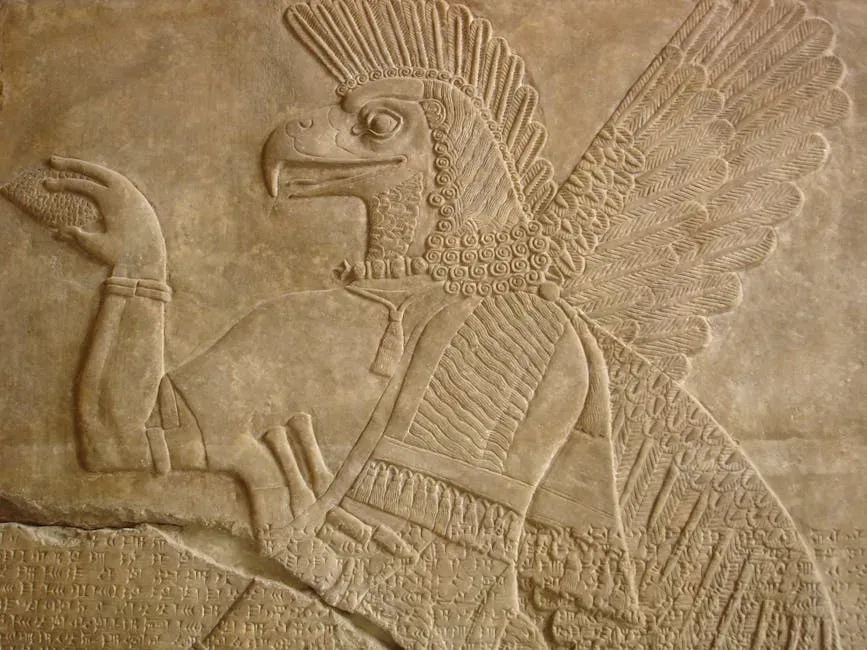
If you kept a sky journal every night for centuries, you’d probably start to notice patterns you never dreamed were there. That’s exactly what Babylonian astronomer–priests did along the Tigris and Euphrates rivers. They tracked the motion of planets, the timing of eclipses, and the rising and setting of important stars so methodically that they built one of the earliest known predictive systems for celestial events. You like your weather app; they had their eclipse app carved into clay.
What might surprise you is how mathematical their understanding was. By the first millennium BCE, Babylonian scholars were using numerical methods and stepwise functions that look oddly similar to modern techniques, just without algebraic notation or calculators. They weren’t “just” staring at omens; they were building a predictive science of the heavens. When you read about modern astronomers reconstructing ancient eclipses and seeing they match Babylonian records almost exactly, you realize you’re looking at a long, unbroken chain of sky knowledge that starts in their hands and ends in yours.
The Ancient Greeks: You’d Be Shocked How Much They Figured Out by Hand
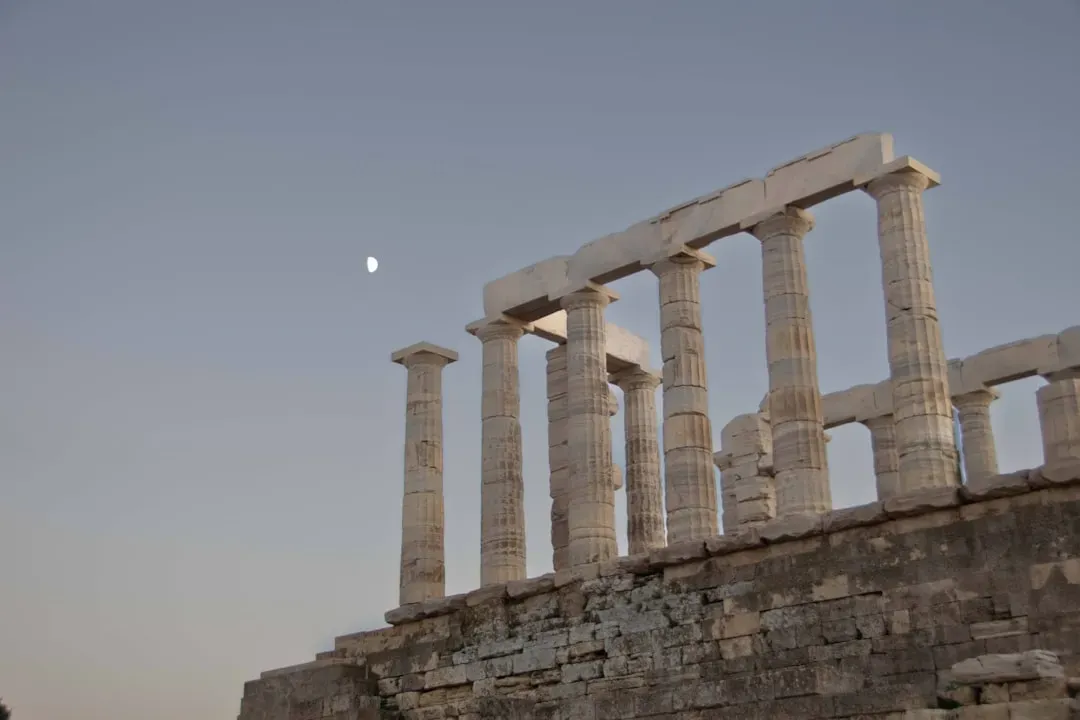
When you hear “ancient Greece,” you probably think of philosophy and drama more than astronomy. But if you look closer, you see a culture that took Babylonian observations, mixed them with geometry and logic, and pushed sky understanding to another level. Greek thinkers deduced that Earth is spherical, estimated its size with impressive accuracy, and understood that lunar eclipses happen when Earth’s shadow crosses the Moon. They did all this without telescopes – only careful reasoning and patient observation.
You might be especially struck by how they tackled the motion of planets. To your eyes, planets wander in strange loops across the sky, sometimes even seeming to move backward. Greek astronomers built elaborate geometric models to explain this retrograde motion, and while those models weren’t fully correct by today’s standards, they showed a powerful idea: you can describe the heavens mathematically, not just poetically. In a way, every time you look at a physics equation about orbits, you’re participating in the same game they started: turning what you see in the sky into numbers, models, and predictions.
The Maya: You’d Struggle to Match Their Calendar With Just Your Eyes
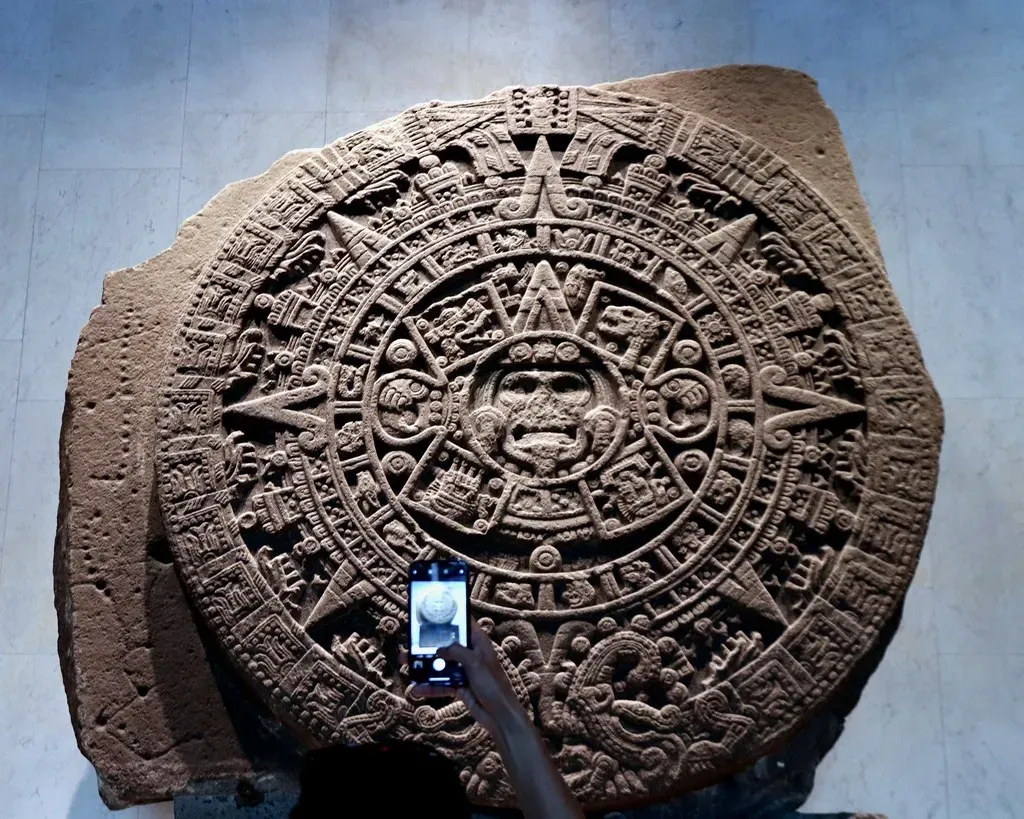
Now picture yourself in the tropical forests of Mesoamerica, where the Maya built cities aligned with specific sunrises, sunsets, and star positions. You probably heard stories about the “Mayan calendar” around the year 2012, but the hype missed the point: their astronomical tracking was incredibly precise. Maya scribes recorded the cycles of Venus, the Moon, and solar eclipses with a level of care that would challenge you even with modern tools – never mind doing it by eye and memory.
Venus, especially, mattered to them. They tracked its appearances and disappearances so closely that they could predict when it would return to the morning or evening sky. These cycles were woven into ritual, warfare, and political life. You might use a digital calendar that tells you the date, but their calendars encoded solar, lunar, and planetary rhythms all at once. When you look at the numbers carved into their stone monuments, you’re not just seeing dates – you’re seeing generations of people watching the sky and refusing to miss a single beat.
The Egyptians: You’d Use the Same Star Tricks to Save Your Crops
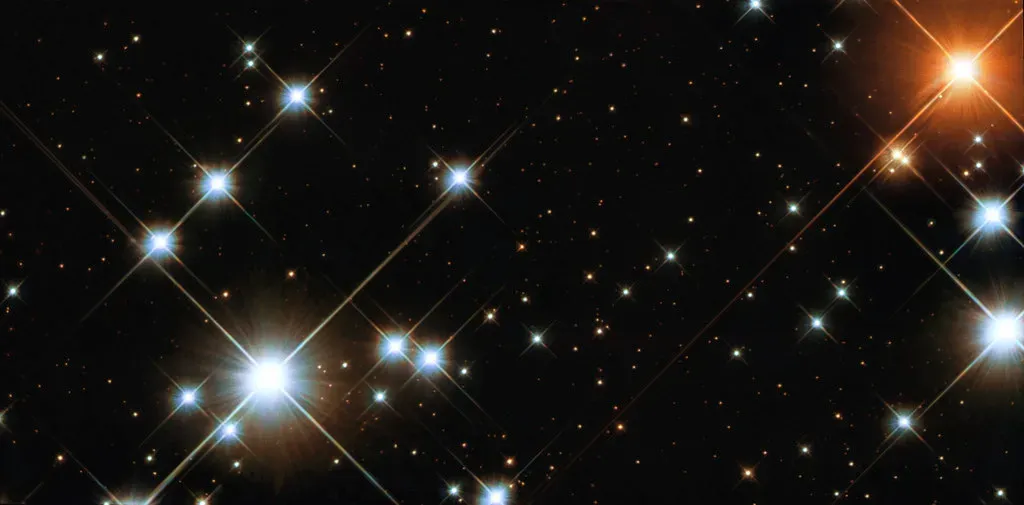
If your food supply depended on a river flooding at the right time each year, you’d care about anything that could help you see that future coming. That’s exactly where the ancient Egyptians found themselves with the Nile. They noticed that just before sunrise at a certain time of year, a bright star (Sirius) would reappear in the morning sky after being hidden by the Sun’s glare for weeks. Soon after, the Nile would rise. That link between a star’s appearance and the river’s behavior became a cornerstone of their calendar.
You might think of constellations as just pretty patterns, but to Egyptians they were woven into the entire structure of their temples and tombs. Many monumental buildings are aligned with solstices, equinoxes, or the rising of specific stars, essentially turning the landscape into a giant, permanent observatory. If you tried to achieve that sort of alignment today, even with surveying gear and computer models, you’d still feel a bit humbled by how cleanly some of their structures track the seasons and the sky.
The Polynesian Navigators: You’d Be Lost Where They Sailed by Memory Alone

Imagine getting into a canoe with no GPS, no magnetic compass, and no maps, then setting out across thousands of miles of open ocean – and actually arriving exactly where you intended. That is what traditional Polynesian navigators did, guided by the stars, waves, winds, and even the flight paths of birds. If you tried to copy them, you’d quickly realize just how incomplete your own sense of direction really is without technology.
They memorized what you might think of as “star paths”: which stars rise and set over which island groups, and how those stars move through the sky over the course of a night and a season. You would see the same sky, but you probably wouldn’t read it as a map. To them, every star carried positional meaning. When you hear modern revival navigators successfully cross huge distances using only those traditional methods, you get a glimpse of a kind of star literacy that’s almost vanished from your day‑to‑day life.
The Chinese Skywatchers: You’d Envy Their Continuous Cosmic Diary
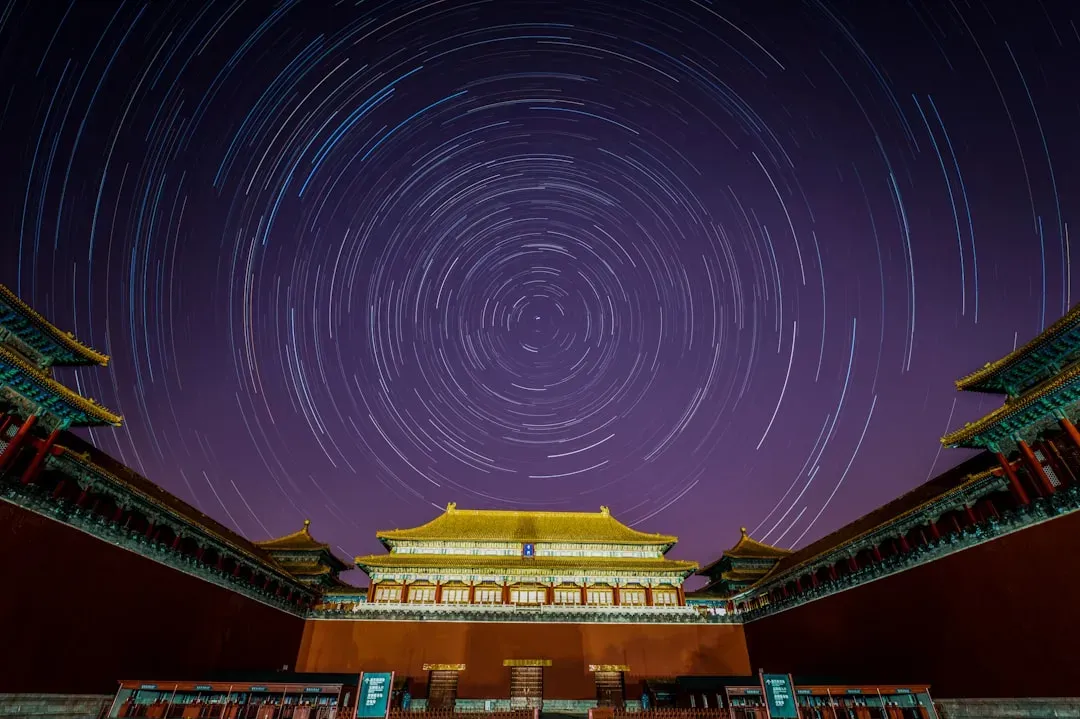
In imperial China, official astronomers were tasked with watching the heavens constantly, because what happened in the sky was seen as a reflection of what was happening on Earth. That might sound symbolic to you, but it led to something you can only admire: a nearly unbroken record of comets, eclipses, novae, and other phenomena stretching across many centuries. If you study astronomy today, you still lean on these records to understand long-term cosmic cycles.
They were particularly skilled at noticing “guest stars” – sudden bright points that appeared where nothing had been visible before. Today you know those as supernovae or other transient events, and modern astronomers still cross-check them against those Chinese reports. Imagine being so devoted to simply paying attention that your night notes keep helping scientists more than a thousand years later. That level of continuity is something your fast-moving, update-obsessed culture rarely manages to sustain.
Indigenous Sky Knowledge: You’re Surrounded by Stories Written in Starlight
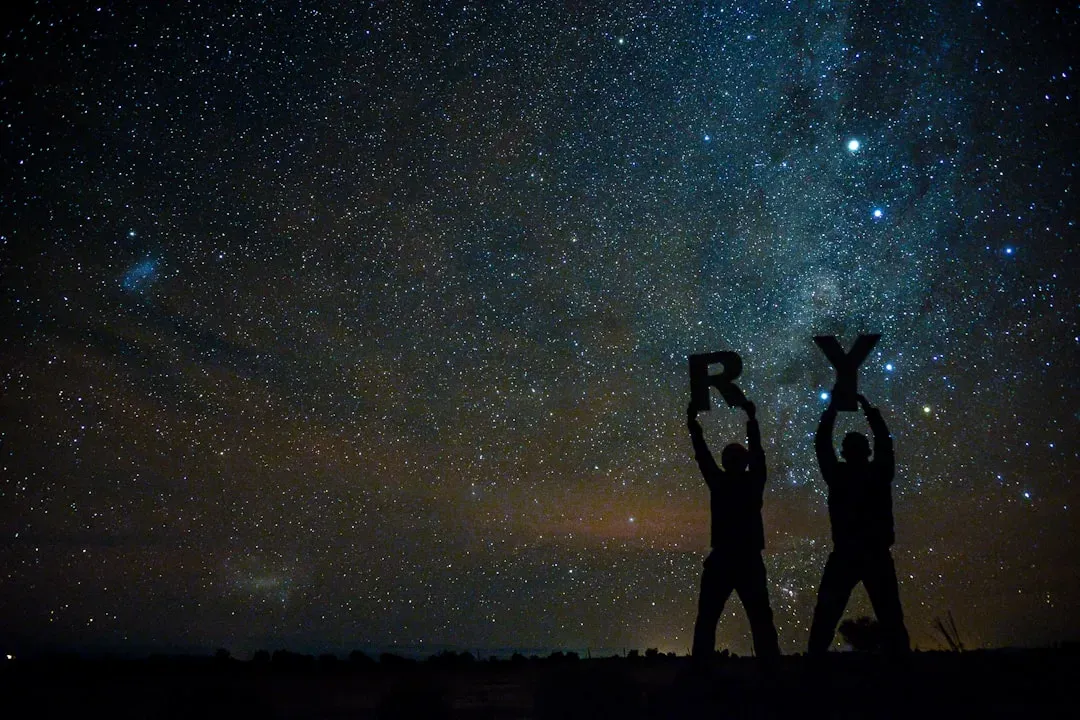
All around the world, Indigenous cultures developed their own detailed, practical ways of reading the sky. In many Aboriginal Australian traditions, for example, you’ll find constellations not just in the stars but in the dark dust lanes of the Milky Way, and those patterns connect directly to seasonal changes, animal behavior, and cultural law. You might see “just” a dark patch; they see an emu in the sky, and that image tells them when emus are laying eggs on the ground.
Across the Americas, Africa, and the Arctic, Indigenous groups aligned ceremonies, migrations, hunting, and agriculture with the movements of the Sun, Moon, and stars. You could call it astronomy, but that word might feel too narrow, because for them it was not separate from ethics, story, and land. When you listen carefully, you notice how often their knowledge anticipates what modern science is only now confirming about seasons, ecology, and even long‑term climate rhythms. The sky, for them, is not just above you – it is braided tightly into how you live.
You Understand Physics – But Do You Still Understand the Night?
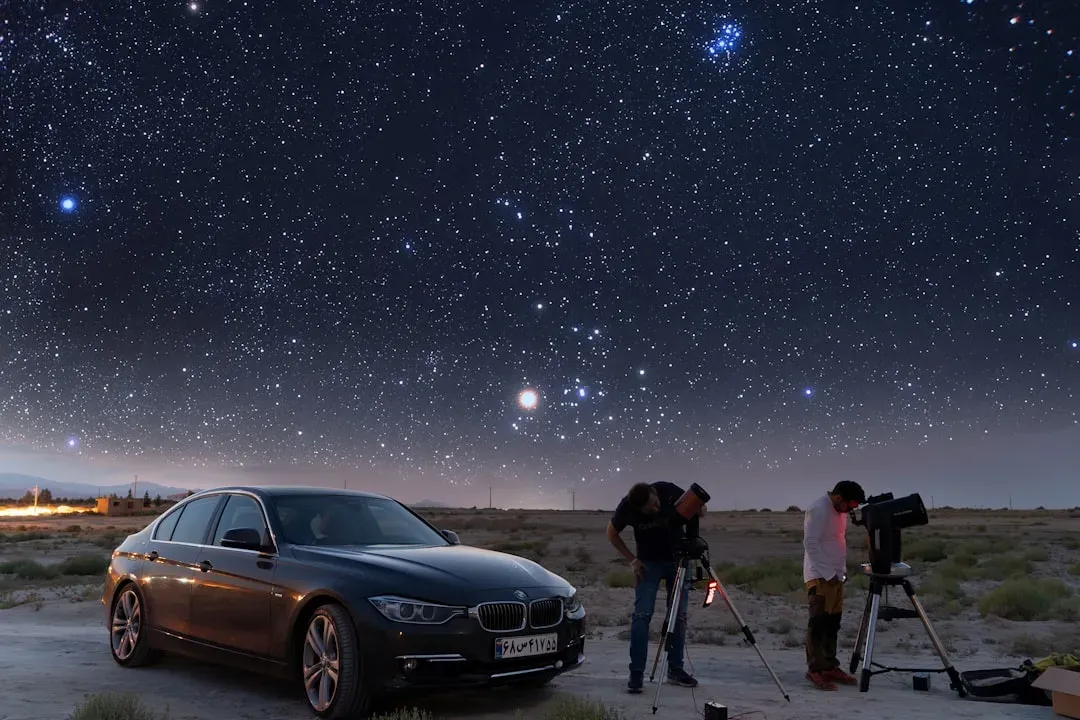
So where does that leave you? On one hand, you absolutely know more about the physical universe than any ancient culture ever did. You can describe nuclear fusion in stars, detect exoplanets, map galaxies, and see light that left its source billions of years ago. No Babylonian or Mayan astronomer could have dreamed of a space telescope or a planetary rover. In that sense, your scientific understanding really is deeper and more accurate.
But in another way, you stand a little poorer. You probably do not know when the next bright planet will rise, or which star marks your cardinal directions from your backyard, or what seasonal shift a particular bright object signals in your local sky. Ancient cultures wired that knowledge into everyday life, while you mostly outsource it to devices. Maybe the most powerful lesson they offer you is not that they were “smarter,” but that sustained, careful attention can turn the night sky from a pretty ceiling into a living, useful companion. Next clear night, you might step outside, look up a bit longer, and ask yourself: if they could do all that with no technology, what might you rediscover if you really started watching again?