
If you have ever wondered why some people stay sharp and active into their nineties while others struggle much earlier, you are not alone. It can feel almost mysterious when you see someone in their late eighties walking briskly, carrying their own groceries, and barely visiting a doctor. You might catch yourself thinking they were simply lucky, or that they must have done something magical that you somehow missed along the way.
What science is gradually revealing, though, is that your genes quietly influence far more than your eye color or whether you can roll your tongue. They help shape how you age, how you respond to food, how well you sleep, how easily you gain weight, and even how you bounce back from illness. The exciting part is that your DNA is not a fixed sentence; it is more like a script you can rewrite through your daily choices. Once you understand how your genes work with your lifestyle, you can stack the odds toward instead of just hoping for the best.
The Genetic Blueprint: How Your DNA Sets the Stage
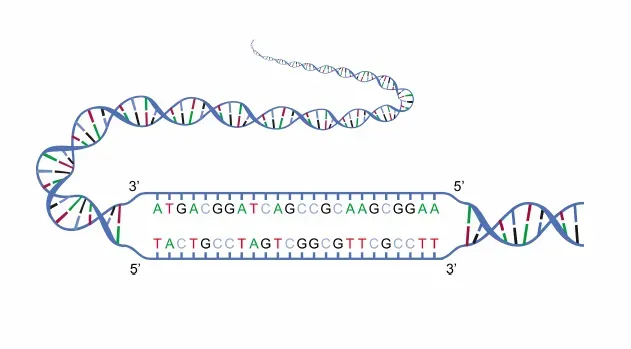
Think of your genes as the basic blueprint for your body, like the architectural plans for a house. They influence how efficiently you repair cells, how you process nutrients, and how vulnerable you might be to conditions such as heart disease, diabetes, or certain cancers. You do not choose this blueprint at birth, but you do live inside it every day, and it quietly shapes how you respond to the world around you.
That said, your genes are not destiny in a rigid, hopeless way. Most common chronic diseases arise from a mix of genetic predisposition and lifestyle factors, not from one single “bad gene” flipping a switch. In many cases, having a genetic risk simply means you have to be more deliberate about your habits, not that you are doomed. Once you recognize that your DNA sets the stage but does not dictate the whole performance, you can start to see your choices as powerful tools rather than afterthoughts.
Epigenetics: Turning Genes On and Off with Your Choices
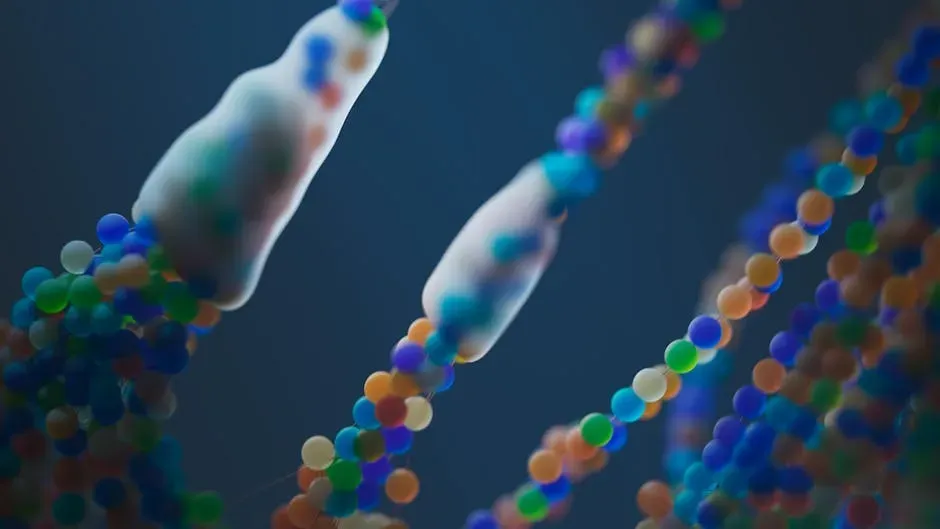
Here is where things get truly surprising: the field of epigenetics has shown that your environment and behavior can switch certain genes on or off, like dimmers on a light. Chemical tags can attach to your DNA or its packaging and change how strongly specific genes are expressed, without altering the underlying genetic code. In everyday terms, this means two people with similar risk genes can age very differently depending on how they live.
Your diet, stress level, sleep quality, exposure to toxins, and even social connections can all influence these epigenetic marks over time. For example, long-term smoking can activate pathways that promote inflammation and cancer, while sustained healthy habits can nudge the body toward repair and resilience. You cannot edit your raw DNA at home, but through epigenetics, you are constantly sending signals that tell your genes how loudly to speak. Once you see your lifestyle as a way of talking to your genes, skipping healthy habits starts to feel less harmless and more like a direct instruction you are giving your own cells.
Longevity Genes: What We’re Learning from Long-Lived Families

When researchers study families in which many members live well into their nineties or beyond, they often find clusters of genetic variants that seem to protect against age-related diseases. Some of these variants are involved in how your body handles fats and cholesterol, how it manages inflammation, and how well it repairs damaged DNA. If you have ever met someone whose parents and grandparents all lived to very old ages, you have probably seen this kind of genetic advantage in action without realizing it.
But even in these long-lived families, lifestyle still matters a great deal. People who inherit favorable longevity genes can lose much of their advantage if they smoke heavily, barely move, or eat ultra-processed foods all day. On the flip side, you may not come from a family of centenarians but still gain years of healthy life by borrowing the lifestyle patterns that show up again and again in long-lived populations. In effect, you can act “as if” you had those genes by cultivating similar habits that support the same protective pathways in your own body.
Nutrition and Your DNA: Eating in Sync with Your Biology

Your genes affect how you respond to different foods, from how quickly you metabolize caffeine to how efficiently you handle carbohydrates and fats. That is why some people feel wired after a single cup of coffee while others can drink it late and sleep fine, or why certain diets seem to work brilliantly for your friend but not at all for you. Nutritional genomics, sometimes called nutrigenomics, explores these patterns and helps explain why one-size-fits-all diet advice often falls flat.
While you may not have access to a full genetic nutrition panel, you can still pay attention to how your body responds to different eating patterns and make adjustments. Emphasizing whole foods, plenty of fiber, healthy fats, and a wide range of plant colors supports many of the same pathways linked to healthy aging, such as reduced inflammation and better blood sugar control. You can think of each meal as either nudging your genes toward repair and balance or constantly asking them to put out fires. When you frame food as daily gene communication, saying yes to a plate of vegetables and no to a second sugary drink starts to feel like a smart investment rather than a sacrifice.
Movement, Muscles, and the Aging Genome

Regular physical activity does far more than burn calories; it sends powerful signals to your genes that you intend to stay strong and functional. Exercise can increase the activity of genes involved in DNA repair, improve insulin sensitivity, and help maintain healthy blood vessels. Strength training in particular helps preserve muscle mass, which tends to decline with age and is strongly linked to mobility, independence, and even survival.
What might surprise you is how quickly your body responds when you start moving more, even later in life. Studies of older adults show that beginning a walking routine or light strength training can shift markers related to inflammation and metabolic health in a matter of weeks. You do not need to train like an athlete to reap genetic benefits; regular, moderate activity is enough to send a clear signal. Every time you choose to take the stairs, go for a brisk walk, or do a few squats at home, you are giving your genes a gentle reminder that your body is still in use and worth maintaining.
Stress, Sleep, and the Wear and Tear on Your Genes

Chronic stress and poor sleep do not just make you feel tired and irritable; they leave fingerprints on your biology. Long-term stress is linked to accelerated shortening of telomeres, which are protective caps at the ends of your chromosomes that help keep your DNA stable. As telomeres shorten with age and strain, your cells become less able to divide and repair themselves effectively, which is associated with faster aging and higher disease risk.
Sleep is when your body handles much of its cellular housekeeping, including clearing waste products from the brain and regulating hormones that affect appetite, blood sugar, and immune function. When you consistently cut sleep short or toss and turn all night, many of these processes become dysregulated. By creating routines that protect your sleep and finding ways to manage stress, such as light exercise, breathing practices, or spending time with people you trust, you help preserve the structures that keep your genes functioning smoothly. In a very real sense, a calm mind and regular sleep schedule become tools for slowing down the biological clock.
Personalized Medicine: Using Genetic Insights to Guide Your Care

In recent years, genetic testing has become more accessible, and you now have the option to learn about certain risks and traits written into your DNA. In a medical setting, these tests can help your doctor choose medications that are safer for you, screen you earlier for certain conditions, or tailor treatment strategies more precisely. This approach, often called personalized or precision medicine, aims to move away from averages and toward care that fits you as an individual.
At the same time, it is important to approach consumer genetic tests with a balanced mindset. Not every reported “risk” is meaningful, and raw data can be confusing or even misleading if you interpret it without professional guidance. If you decide to explore your genetic information, partnering with a knowledgeable clinician or genetic counselor can help you focus on the pieces that truly matter for your health and longevity. The real value comes when you combine those insights with practical steps you are willing to take, not when you treat your genome report as a fixed verdict.
Building Daily Habits That Work With Your Genes, Not Against Them

When you put all these pieces together, a clear message emerges: you have more influence over how your genes play out than you might have believed. You cannot erase a family history of heart disease, for example, but you can eat, move, sleep, and manage stress in ways that reduce the chance those genes will fully manifest. Small, consistent changes matter far more than rare bursts of perfection, because your genes are listening to what you do repeatedly, not what you do once in a while.
A practical way to start is to pick one or two areas where you feel most ready to improve, such as walking most days of the week or adding vegetables to every meal. Over time, as these habits become part of your identity, you can layer in more, always remembering that you are shaping your biology with each choice. It can be empowering to realize that is not just a lottery you either win or lose at birth. It is an ongoing conversation between your genes and your daily actions, and you get a say in how that conversation goes.
In the end, your genes may set the opening chapter, but you hold the pen for the rest of the story. By understanding how your DNA interacts with your lifestyle, you can turn vague intentions into targeted strategies that help you stay active, clear-minded, and resilient for as long as possible. The question is not whether your genes matter; they clearly do. The real question is, now that you know they are listening, what will you choose to tell them each day?