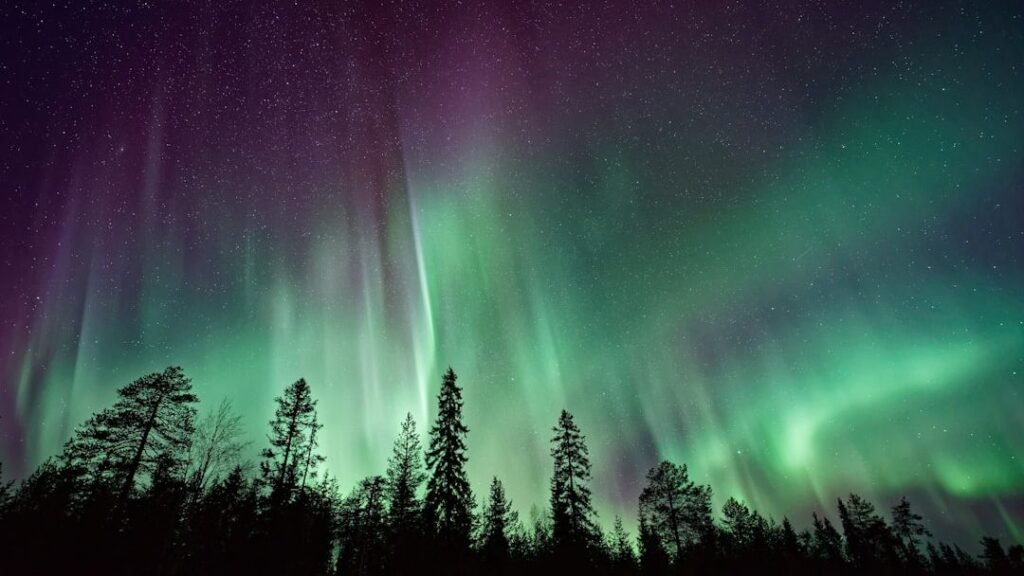
If you think you already know what the northern lights are, you’re only getting the trailer, not the full movie. You’ve probably heard the familiar line: charged particles from the Sun hit Earth’s atmosphere, atoms glow, and you get those soft green curtains in the sky. That simple story is true as far as it goes – but it leaves out a whole universe of strange physics, unanswered questions, and genuinely weird side effects happening above your head.
Right now, during an active phase of the Sun’s roughly eleven–year cycle, you’re actually living in one of the best times in decades to rethink what you thought you knew about auroras. Powerful solar storms over the last few years have pushed the northern lights far beyond their usual polar haunts, sparked new research, and forced scientists to admit that some long-dismissed “aurora legends” might not be imaginary after all. Let’s pull that curtain back together – and you may never look at the night sky the same way again.
You Are Living Through a Once-in-a-Generation Aurora Boom
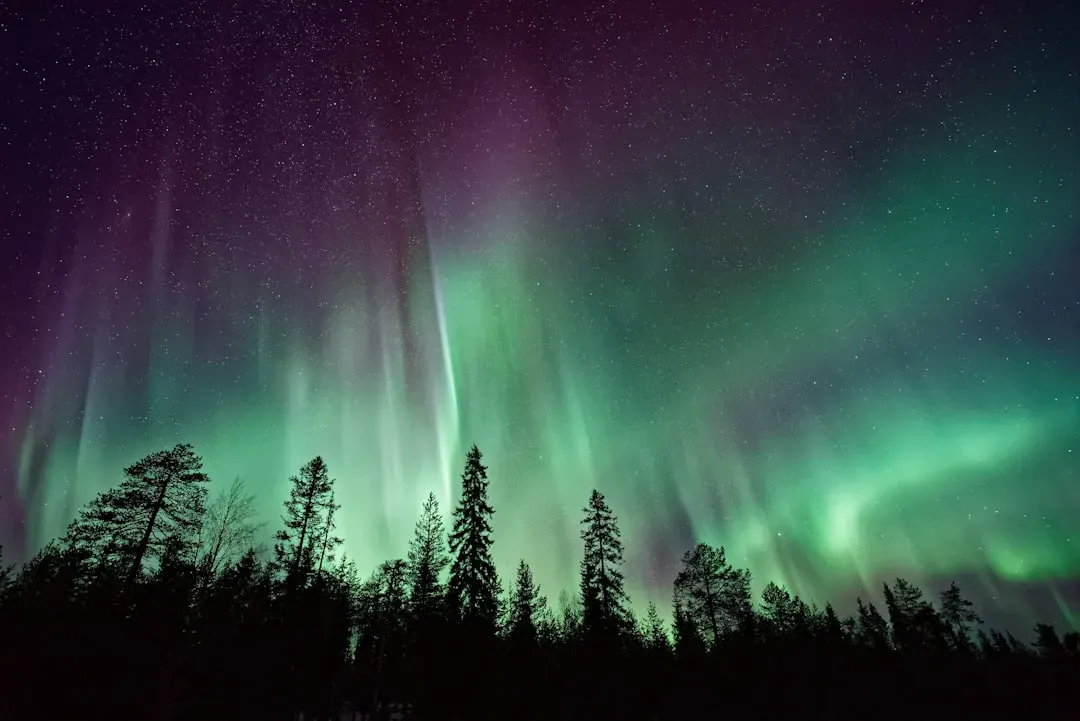
You might assume the northern lights are a steady background feature of the polar sky, like snow or pine trees, but they actually come in pulses driven by the Sun’s moods. The Sun runs on a kind of heartbeat known as Solar Cycle 25, and its recent peak around late 2024 has already triggered some of the strongest geomagnetic storms since the late nineteen eighties. Those storms have pushed auroras far into places where people almost never see them, including much of Europe, the continental United States, and parts of Asia that usually only read about the lights in travel brochures.
That shift alone changes your relationship with the aurora. Instead of something distant and exotic, it becomes something that might quietly appear over your own backyard, reflecting in a local lake or glowing behind city high-rises. Strong geomagnetic events in 2023, 2024, and 2025 produced curtains and rays at unusually low latitudes, surprising both skywatchers and researchers who are still trying to understand why some “moderate” storms light up the sky so dramatically while others do not. When you step outside during one of these events, you’re not just sightseeing; you’re standing inside a living experiment in space weather.
The Simple Schoolbook Explanation Leaves Out the Wildest Physics
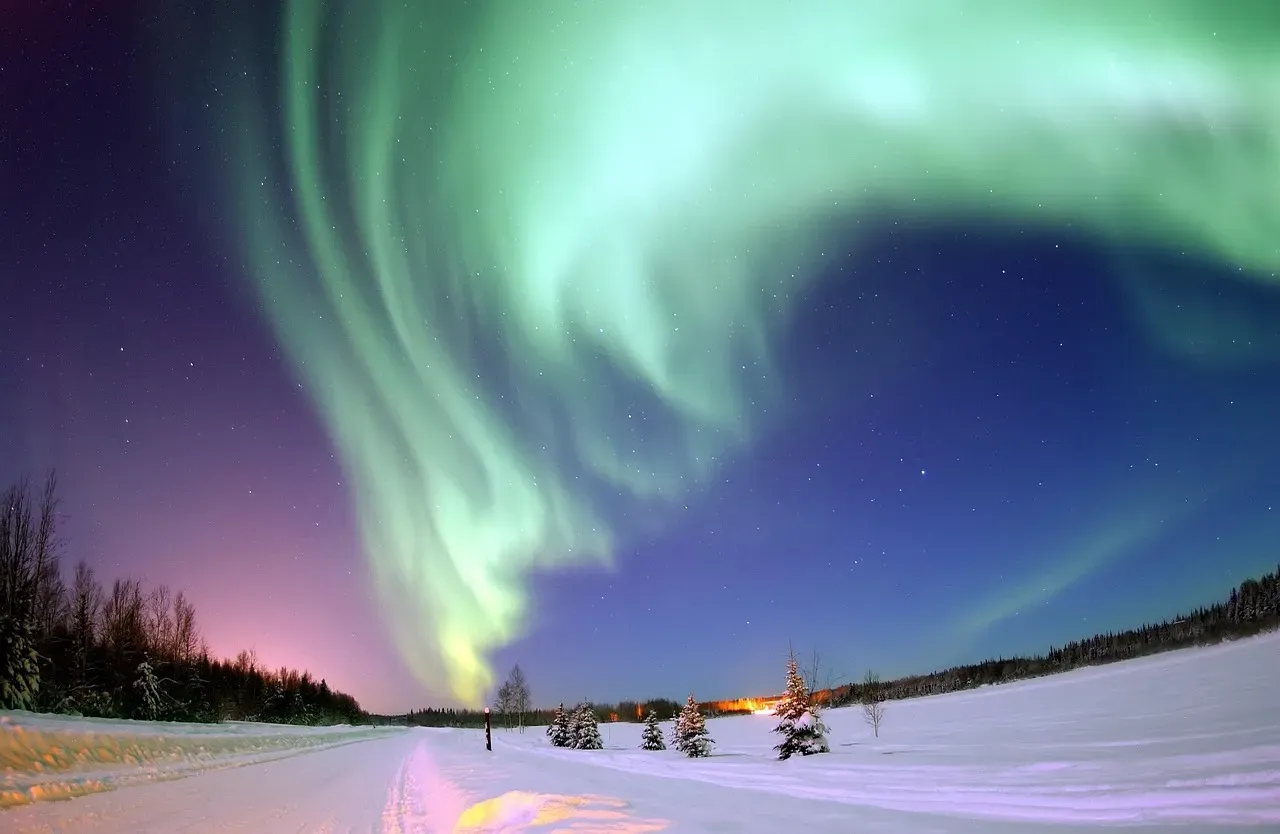
You were probably taught a neat little formula: solar particles stream toward Earth, get funneled by the magnetic field toward the poles, smack into the atmosphere, and make oxygen and nitrogen glow. That’s not wrong, but it hides the crazy complexity in between. Above your head, there’s a vast structure called the magnetosphere where charged particles surf along invisible magnetic highways, pile up into huge energy reservoirs, and then crash toward Earth in violent bursts. The elegant arcs you see are really just the thin, glowing skin of a chaotic electrical system wrapped around the planet.
Researchers now think that waves moving through this plasma – especially a type called Alfvén waves – play a central role in whipping electrons into the intense beams that create sharp auroral arcs. Instead of particles simply “falling” toward the atmosphere, they’re often being accelerated like surfers catching the perfect wave. In some substorms, that system flips from a slow buildup into a sudden explosive phase, turning a calm sky into a pulsing, racing spectacle in a matter of minutes. When you watch a band of aurora suddenly ripple and expand, you’re seeing a vast electrical circuit snap from one state into another, like a cosmic power grid blowing and then rebalancing itself.
Sometimes You Don’t Just See the Lights – You Might Hear Them
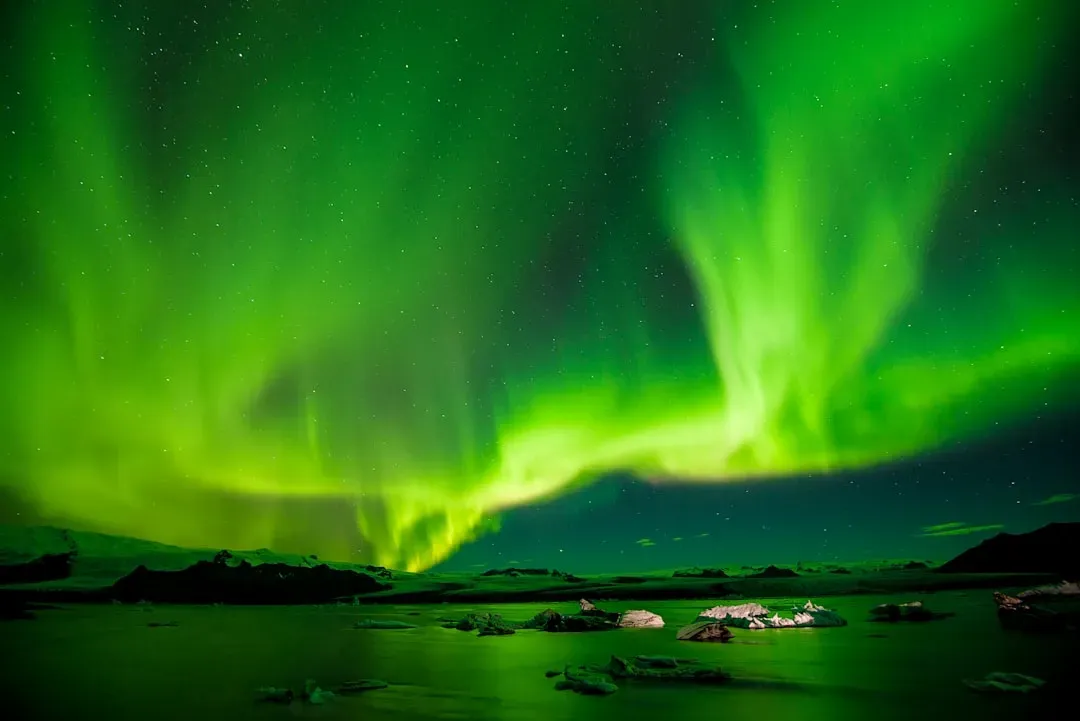
If you’ve ever heard stories of the northern lights whispering or crackling, you may have filed them in the same mental folder as ghost tales and campfire myths. For a long time, many scientists did the same thing, assuming people were mishearing distant sounds or letting their imaginations run wild. But in the last couple of decades, careful recordings during strong auroras have captured real, faint popping and rustling sounds that seem to match intense displays overhead, especially when the lights are directly above and rapidly changing.
One leading idea is that these sounds are triggered much lower than the lights themselves, in thin layers of air only a few hundred feet above the ground. During very still, cold nights, temperature inversions can trap electric charges in these layers. When a powerful geomagnetic disturbance moves overhead, those charges may suddenly discharge, creating small sparks and crackles right in the air around you. That means if you ever find yourself under a bright, overhead aurora on a dead–quiet Arctic night, you’re not crazy if you think you hear a soft hiss or faint crackle. Your ears might be picking up the atmosphere’s tiny electrical shivers responding to a storm in space.
Auroras Can Show Up Where You Least Expect Them

You might have grown up thinking you have to travel to places like northern Norway, Iceland, or Alaska to see the lights, but recent years have blown that idea apart. During some of the strongest storms of this solar cycle, auroras have been visible much farther south than usual, painting skies over central Europe, the United States, and East Asia in eerie reds and purples. In a few cases, people standing at surprisingly low latitudes saw the sky brighten, not realizing they were looking at the outer edge of a massive auroral oval stretching across the night side of Earth.
What makes this more mysterious is that not all strong storms behave the same way. In late 2023, for example, auroras were reported at mid-latitudes during what instruments labeled as only a moderate magnetic storm, puzzling researchers who dug into the particle data afterward. Some studies suggest that certain configurations of the incoming solar wind and Earth’s magnetic field can funnel energy into the upper atmosphere more efficiently than basic storm strength alone would predict. For you, this means that the traditional aurora maps and latitude rules are guidelines, not absolute walls; when the Sun decides to rearrange the game board, the lights can show up on your doorstep with very little warning.
The Northern Lights Quietly Affect Technology You Rely On
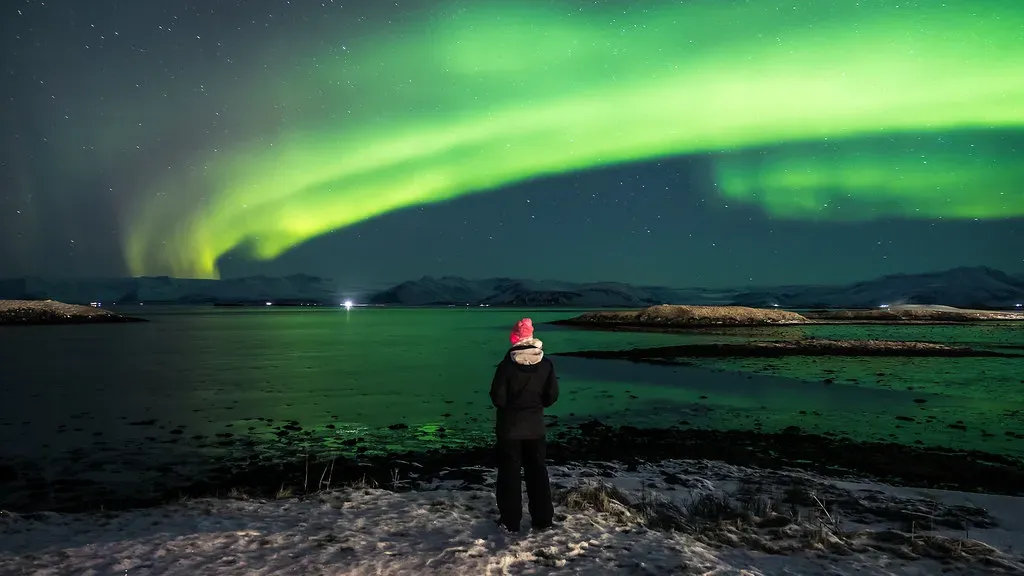
It’s easy to think of the northern lights as harmless beauty – something you photograph and then forget – but the same storms that delight your eyes can quietly stress the technology you depend on. When charged particles pour into Earth’s upper atmosphere, they can disturb radio communications, especially the high-frequency signals used by aircraft flying polar routes. Navigation systems, including satellite-based ones, can briefly lose accuracy as the ionosphere gets stirred and reshaped by incoming energy.
On the ground, powerful geomagnetic storms can induce electric currents in long power lines and pipelines, producing subtle extra loads that grid operators now watch carefully. Satellites in low Earth orbit also feel the effects as the upper atmosphere heats and expands, increasing drag and gradually changing their orbits unless corrections are made. So when you look up at the shimmering curtains and think it’s all romance and magic, there’s a very practical side most people never see: engineers and forecasters quietly tracking indices and solar wind data to keep planes, satellites, and power systems safe while the sky puts on a show.
Auroras Reach Deeper into Earth’s Atmosphere Than You’d Guess
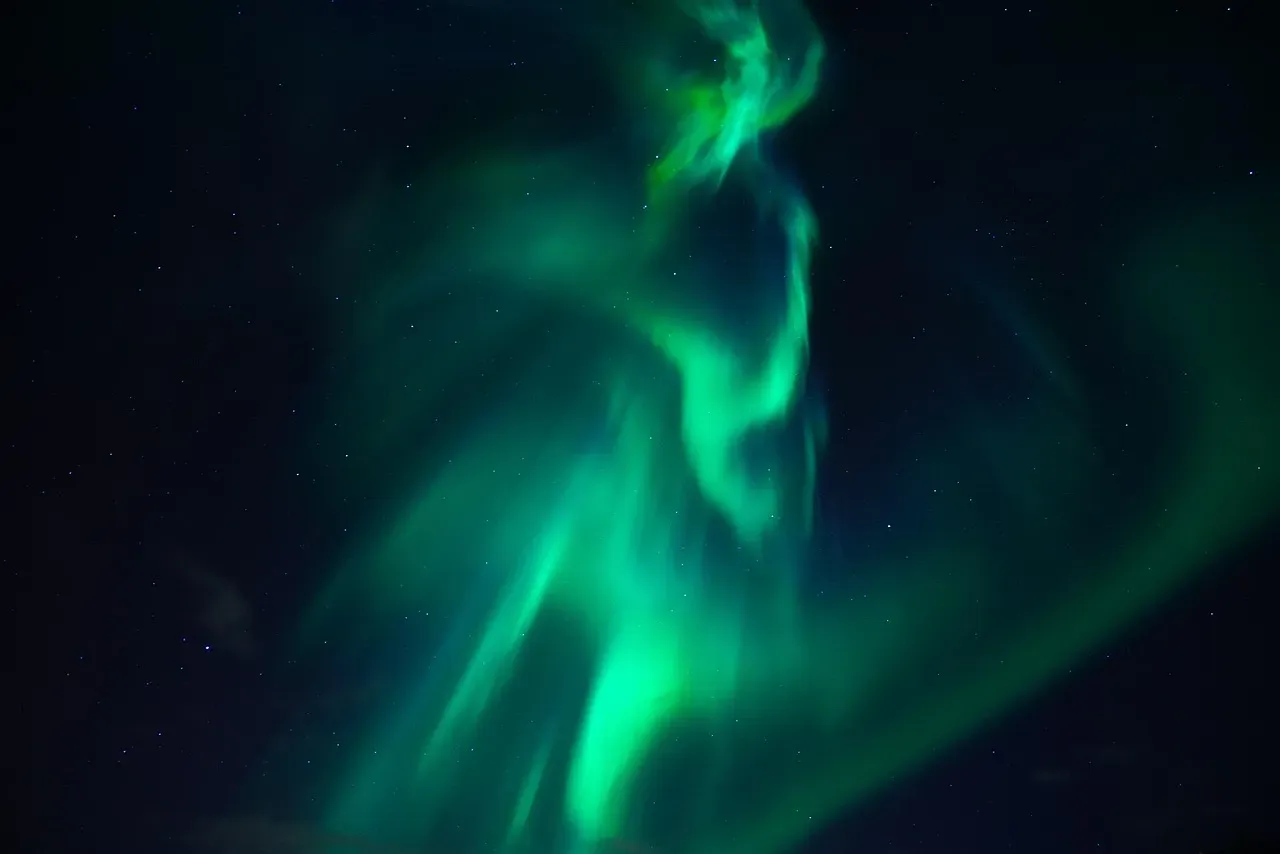
You usually picture the northern lights comfortably “up there,” far above weather and day-to-day life, but their fingerprints reach much deeper than the glowing arcs you see from the ground. Most visible auroras happen between roughly sixty and a few hundred miles up, in the region where the upper atmosphere and near–space blend into each other. When energetic particles dive into this zone, they not only make atoms glow but also change the chemistry of the air, creating reactive molecules that can slowly alter the balance of ozone and other constituents over time.
That might sound abstract, but models and observations suggest that repeated bursts of particle precipitation during active space weather can subtly influence circulation patterns that eventually propagate downward. Some studies hint that over long periods, this “top-down” forcing from auroras and related processes could nudge certain weather patterns or contribute to slight shifts in climate behavior, especially at high latitudes. You are not talking about dramatic overnight changes, but a gentle, long-term whisper from space into the atmosphere below. When you feel the wind on your face on a polar winter day, there’s a non-trivial chance that, somewhere in the story of that air, auroral processes played a quiet role.
The Colors Hide Clues About Invisible Particles
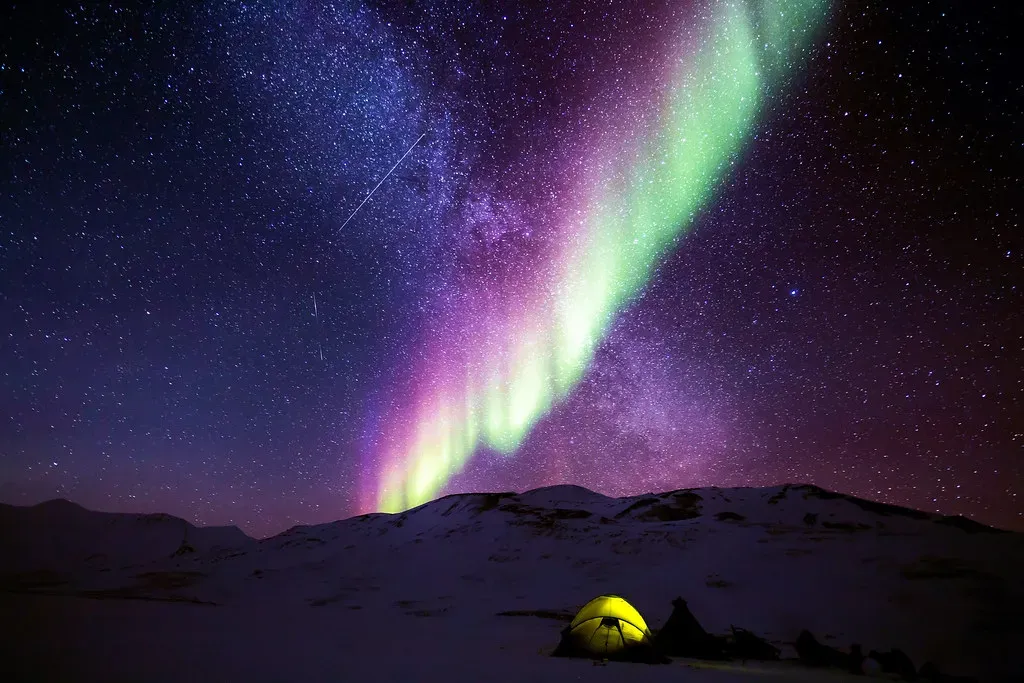
When you stand under the lights, you probably notice the familiar soft green first, but the aurora’s color palette is really a kind of secret code about which particles are hitting which atoms, and at what heights. That classic green glow usually comes from oxygen atoms roughly between sixty and one hundred and fifty miles up, excited by energetic electrons pouring down magnetic field lines. Higher still, individual oxygen emissions can shift toward a deep red, often turning the sky into a slow-moving crimson haze during intense storms that push the aurora to unusual latitudes.
Mixed in with those are violet and pink tones from nitrogen molecules, especially when more energetic particles are involved. On top of that, there’s a whole separate branch of auroral science focused on proton auroras, where incoming protons from space steal electrons in the upper atmosphere and then emit light at different wavelengths, including parts of the ultraviolet you can’t see at all. Recent satellite-based measurements of these emissions have helped scientists estimate proton energies and trace where in the magnetosphere they came from. When you notice subtle shifts in color dancing across the sky, you’re actually reading a live display of invisible particle physics translated into light your eyes can catch.
The Northern Lights Are a Front-Row Seat to Space Weather’s Future
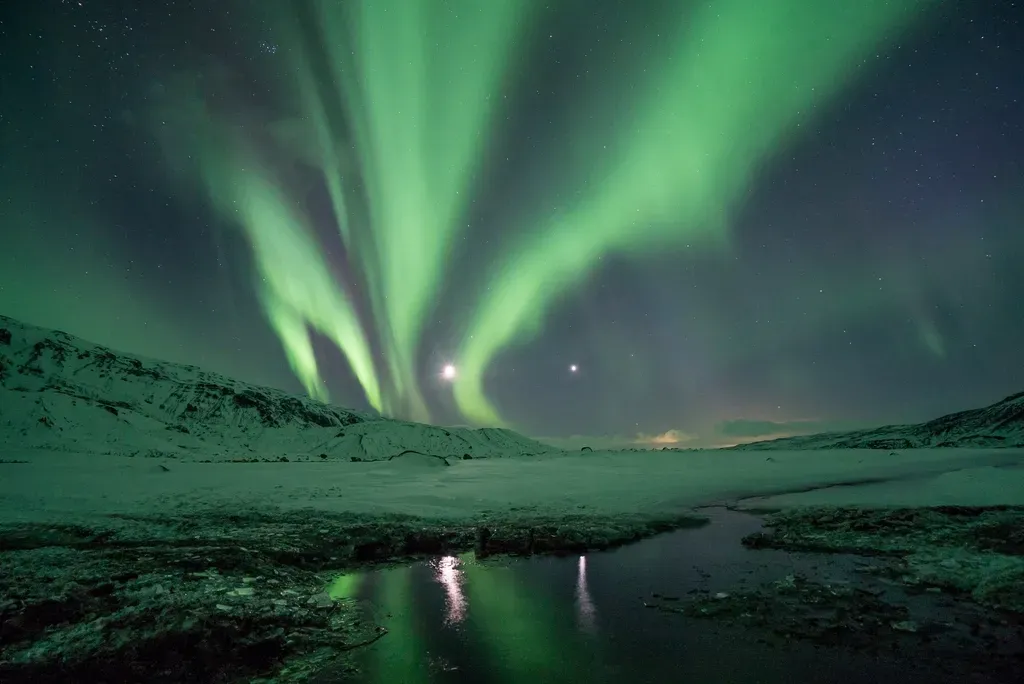
As your world becomes more wired, dependent on satellites, and interconnected over polar routes, the aurora is turning from a curious side effect into a crucial forecast signal. Agencies in North America and Europe now treat severe space weather with the same seriousness they reserve for major storms and hurricanes, building systems to monitor the solar wind and predict geomagnetic disturbances hours or days ahead. The auroral oval is effectively the glowing edge of that system, giving you a visible hint that currents and fields high above the planet are changing in ways that matter for everyday technology.
You’re also living in an era when both instruments and computer models have finally become powerful enough to track the entire Sun–Earth system as a single, coupled machine. Satellites stationed between Earth and the Sun now watch eruptions as they launch, while constellations in Earth orbit and networks on the ground monitor how those events play out as auroras and magnetic storms. Every big display teaches researchers a little more about where energy flows, how quickly it moves, and how it might surprise you next time. When you step out to admire a bright auroral night, you’re not just watching nature’s light show; you’re peeking into the control room of space weather that will shape your digital future.
Standing Under the Lights Changes How You See Your Place in the Universe
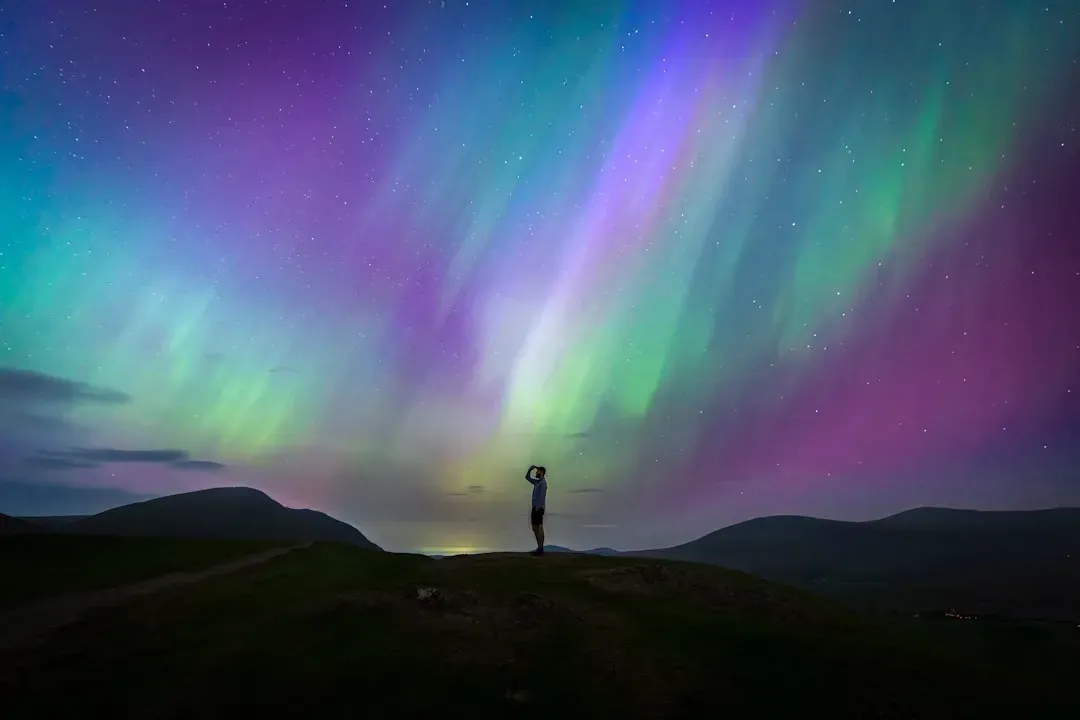
All the science in the world still does not quite prepare you for the first time you actually stand under a sky alive with aurora. You might think you’re ready because you’ve scrolled past countless photos online, but when the lights start moving like slow fire across the stars, something deeper tends to hit you. The colors feel both close and impossibly far away, and the quiet motion makes you aware that your planet is not a static backdrop but a participant in a huge cosmic interplay between the Sun, magnetic fields, and a thin shell of air you happen to be breathing.
I remember my own first encounter in the far north: the temperature was so cold that every breath felt like broken glass, and then – without warning – a pale arc overhead exploded into rapid curtains that seemed to fall toward us and then snap back upward. In that moment, the usual divide between “space” and “Earth” dissolved, and it felt like standing on the edge of a giant engine you could suddenly see working. When you finally experience that for yourself, you may find that the northern lights quietly rearrange your sense of scale. You’re no longer just a person on the ground looking up; you’re part of a planet wired into the Sun’s heartbeat.
Conclusion: The Sky Is Telling You More Than You Realize
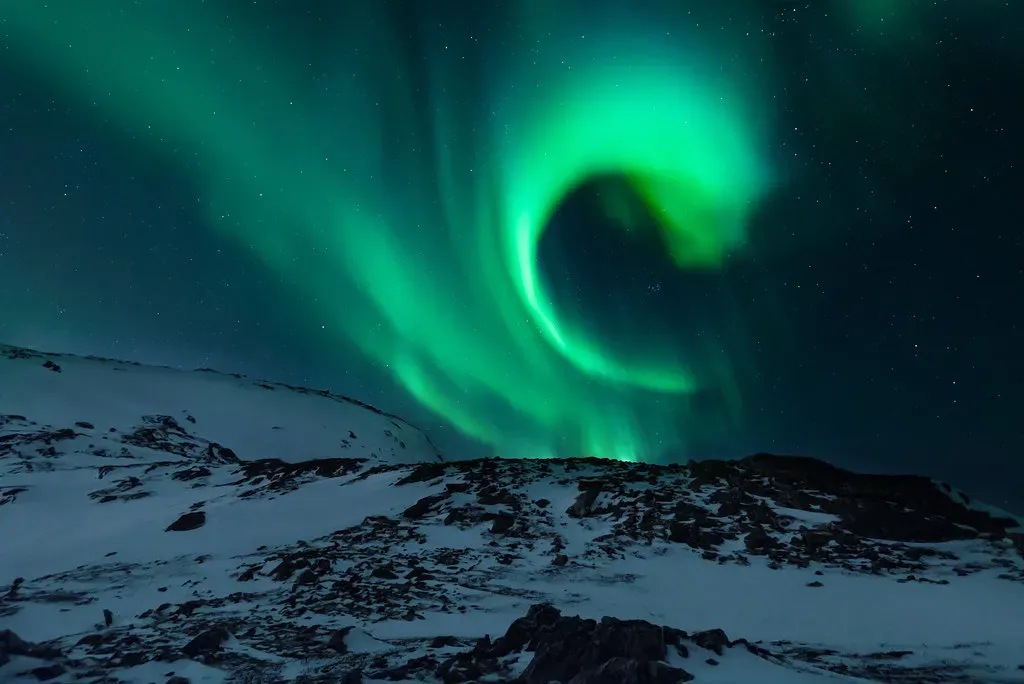
When you put all these pieces together – the strange sounds, the deep-reaching atmospheric effects, the surprising low-latitude appearances, the hidden waves and currents – you start to see that the northern lights are far more than a pretty polar sideshow. They are a living interface between your everyday world and the violent, restless environment of near space. Every time the sky erupts, you’re watching invisible energy circuits light up, satellites feel the drag, radio waves bend, and your planet quietly negotiate with the Sun. The fact that your eyes translate all of that into silent color is almost a cosmic kindness.
If you ever get the chance to travel north (or south, into aurora country in the other hemisphere) during an active solar spell, take it seriously. Check space weather alerts, find dark skies, and give yourself time just to stand there and let the strangeness sink in. You’ll walk away with photos, sure, but more importantly with a new awareness that your world is not isolated at all – it’s plugged into a vast electric web that stretches from the solar surface down to the air in your lungs. Next time you see a green arc creep over the horizon, will you still think of it as a simple “light show,” or will you feel the hidden machinery behind the glow?