You probably grew up with the idea that history moves in a straight, simple line: cave people, then “primitive” farmers, then Greeks and Romans, and finally you with your smartphone and streaming apps. But when you start looking at what archaeologists, engineers, and historians have actually uncovered over the last few decades, that neat little story starts to fall apart. In area after area – from city planning to astronomy to materials science – ancient civilizations keep surprising you with how much they knew and how cleverly they used it. You are not looking at secret laser weapons or spaceships hidden under the Sphinx; that stuff belongs in late‑night TV, not real research. What you do see, though, is a growing body of hard evidence showing that many ancient societies solved complex problems in ways that still impress experts today. In some niches they even outperformed modern practice, only for their techniques to be forgotten for centuries and then painfully rediscovered. Once you see those patterns, you may never again use the word “primitive” for the people who came before you.
When “Primitive” Cities Turn Out Smarter Than Modern Ones
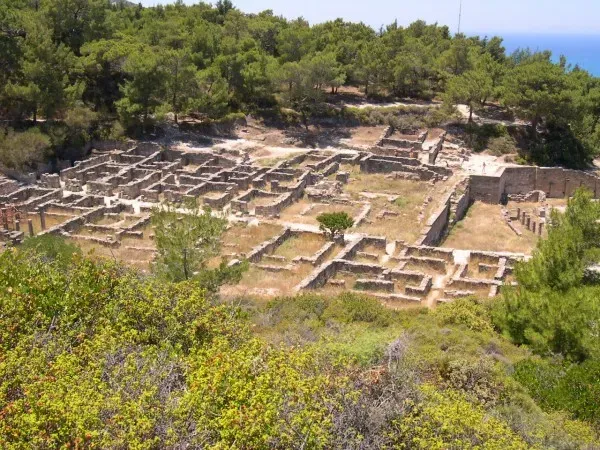
You have probably walked through a modern city that feels chaotic: flooding when it rains, traffic jams everywhere, neighborhoods slapped together with little thought. Then you look at places like the Indus Valley cities of Mohenjo‑Daro and Harappa, laid out thousands of years ago with straight, well‑aligned streets, standardized brick sizes, and carefully planned residential and public zones. Archaeologists keep pointing out how those cities included remarkably sophisticated drainage and sanitation, with covered sewers and household toilets channeling waste away from living spaces. You are looking at urban planning that many modern cities still struggle to match in basic hygiene and layout.
When you shift to Mesoamerica, you find the Maya building cities that were not only monumental but also astronomically aligned and functionally zoned. Elevated causeways, water reservoirs, and distributed marketplaces suggest a deep understanding of how crowds, resources, and climate all interact over time. Even in the Americas’ Southwest, ancestral Pueblo sites like Mesa Verde and Chaco Canyon show careful site selection, road networks, and ceremonial complexes that required surveying skills and long‑term planning. You are not seeing random stone piles; you are seeing engineers who thought in systems, just without concrete mixers and CAD software.
Lost Supermaterials: Roman Concrete, Metallurgy, and More
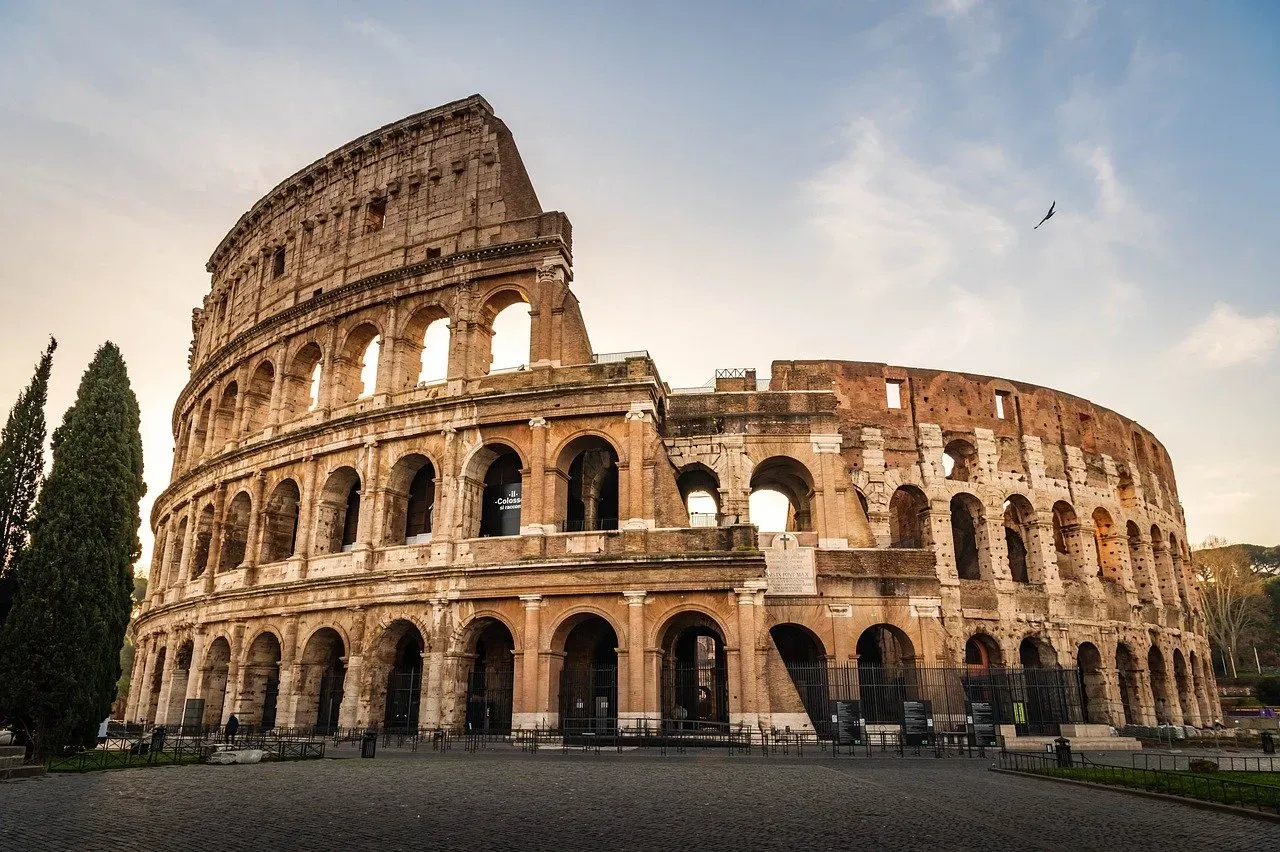
If you have ever watched a modern bridge or apartment block start crumbling after a few decades, Roman concrete will mess with your sense of progress. Researchers studying ancient harbor structures have found that Roman marine concrete, made with volcanic ash, lime, and seawater, actually grows stronger over time as crystals form and lock the material together. Some of those piers and breakwaters have survived for nearly two thousand years of waves and storms, while modern Portland cement in similar conditions can degrade in a fraction of that time. You would never guess that “old” concrete could outperform “new” until you see the chemistry under a microscope.
Metallurgy tells a similar story. From high‑quality steel in parts of the ancient Indian subcontinent to pattern‑welded and crucible steels in the Near East, you see metalworkers hitting combinations of composition and heat treatment that took modern science a very long time to fully explain. Even more humbly, mass‑produced bronze tools, standardized weapon heads, and elaborate metal artwork show that people operating furnaces with nothing but fire, bellows, and patient observation still managed to control temperatures and alloy mixtures with impressive precision. When you judge them on outcomes instead of equipment, you realize you are looking at practical materials science in action, not guesswork in the dark.
Ancient Plumbing, Water Systems, and Hygiene You’d Be Happy to Have at Home
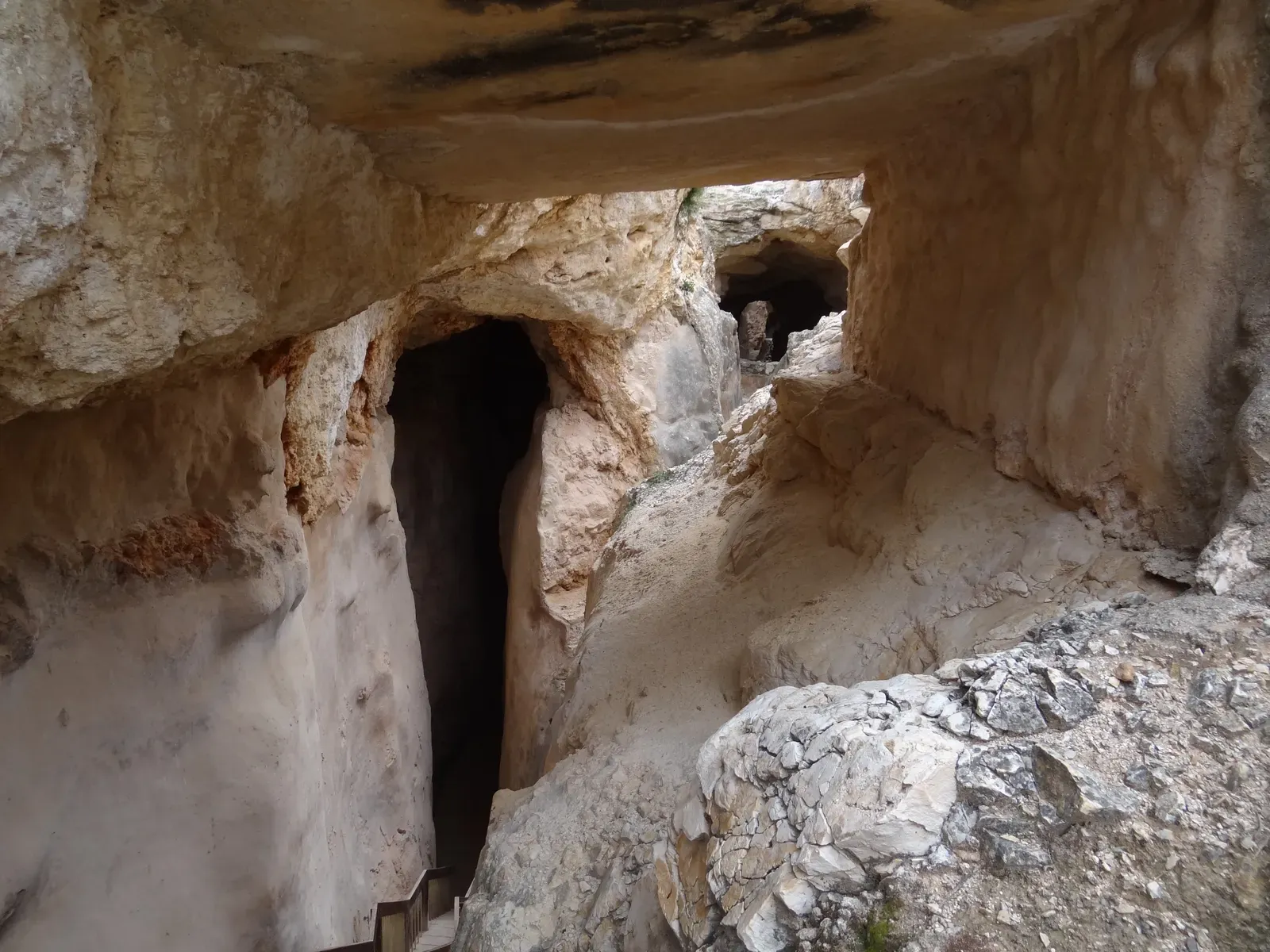
If you have running water and a flushing toilet, you might assume that you live at the pinnacle of sanitary technology. Then you meet the Indus Valley again, where many homes had private bathing areas connected to a city‑wide drainage network, complete with inspection covers and sediment traps. You picture yourself thousands of years ago in a brick house, washing with water that drains away cleanly instead of pooling in the street. For daily life, that kind of quiet infrastructure matters far more than fancy palaces, and its existence shows an advanced understanding of public health long before microbes were ever named.
Look to ancient Rome and you see huge aqueducts bringing in fresh water across long distances, gravity‑fed distribution systems, and extensive public bath complexes that doubled as social hubs. In Persia and surrounding regions, underground qanat systems tunneled water from distant highlands to dry plains with minimal evaporation, using a mix of geology, engineering, and careful maintenance. What you are really seeing is a pattern: again and again, ancient societies invested enormous brainpower and labor into taming water. For you today, that translates into a lesson about priorities: they were not just building monuments to look impressive; they were designing infrastructure to keep people alive and cities functioning.
Star Maps, Calendars, and Geometry Written Into Stone
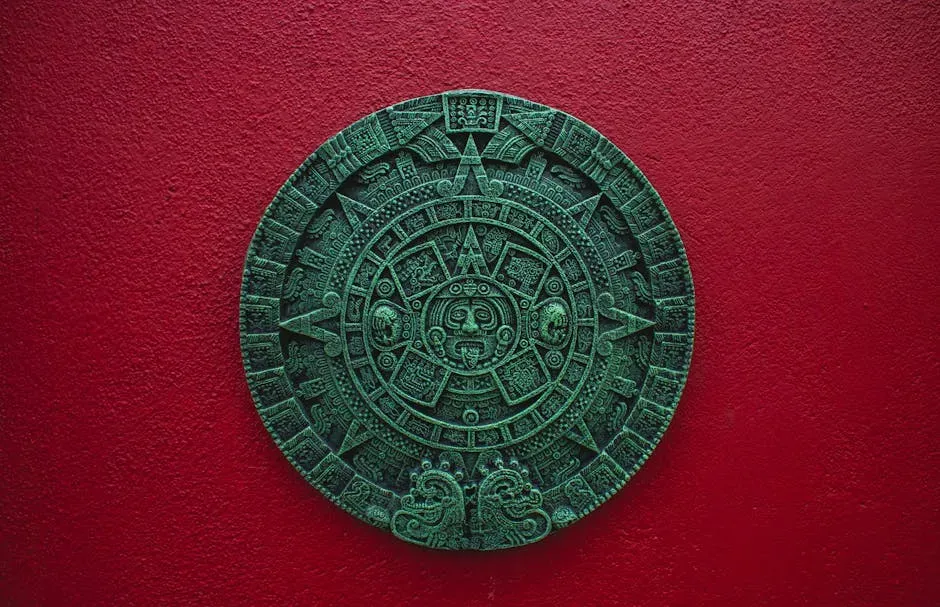
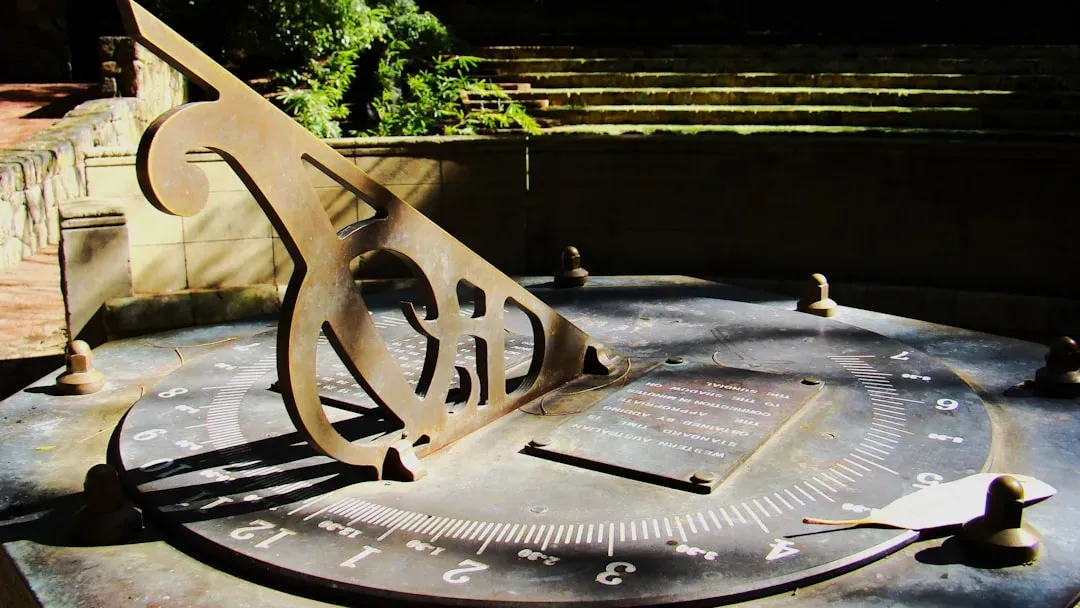
You might think of astronomy as something that begins with telescopes, but early civilizations were tracking the sky with a patience and accuracy that still surprises researchers. In Mesopotamia, scribes recorded planetary motions and eclipses on clay tablets, developing mathematical tools to predict celestial events. In Egypt, alignments of temples and pyramids line up with cardinal directions and certain star risings so precisely that engineers today still marvel at the surveying required. When you stand in one of those ancient structures at sunrise and see the light do exactly what it was “supposed” to do on a solstice, you feel the ambition behind it.
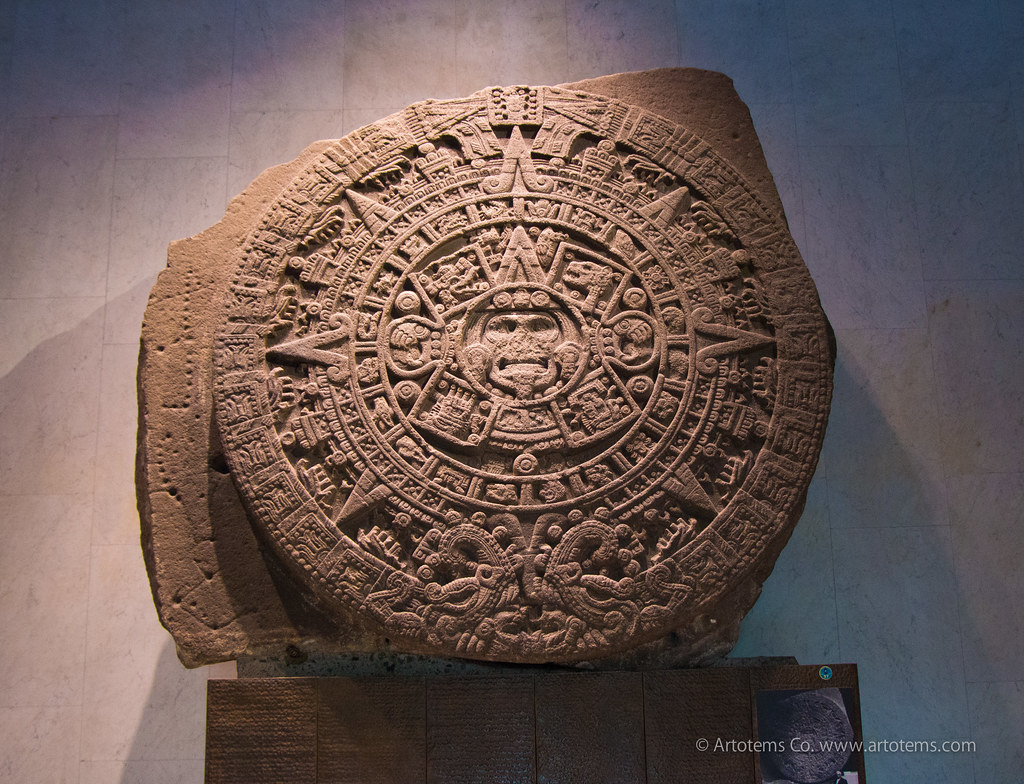
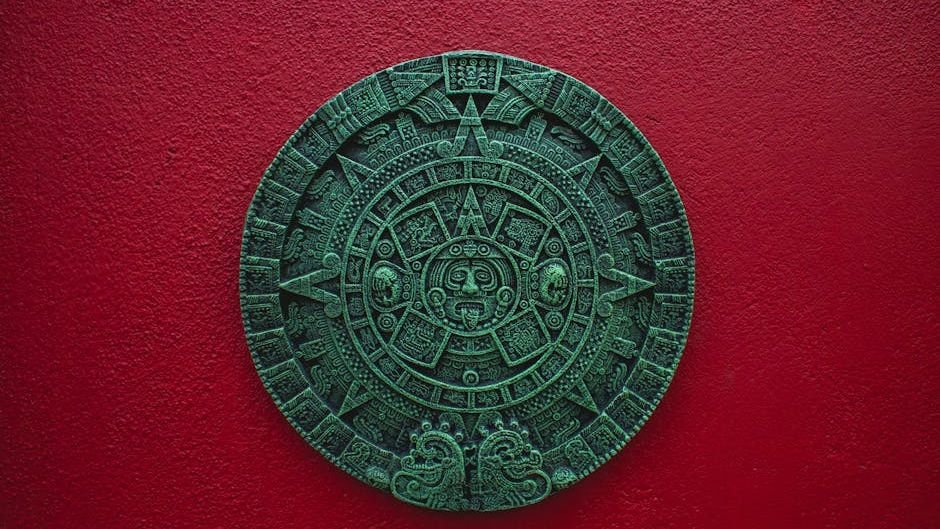
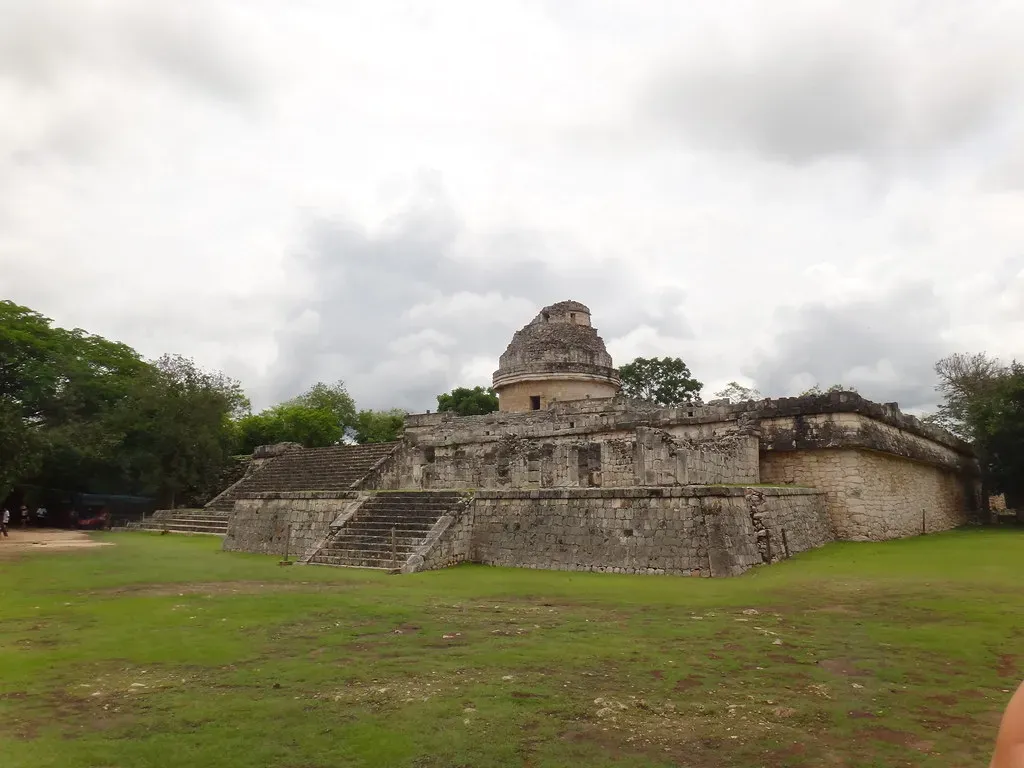
Across the ocean, the Maya built observatories and pyramid‑temples whose stair counts, orientations, and shadow effects encode complex calendrical cycles. In parts of North America, analysis of ancestral Pueblo sites has uncovered the use of advanced geometric constructions – concepts like golden rectangles and right triangles – embedded in ceremonial layouts even without written numerals. You may never have heard of those details in school, but they push you to rethink what “scientific knowledge” really means. It is not just equations on paper; it is also generations of sky‑watching turned into stone, ritual, and buildings that work as giant instruments.
Medicine, Surgery, and Public Health That Might Surprise You
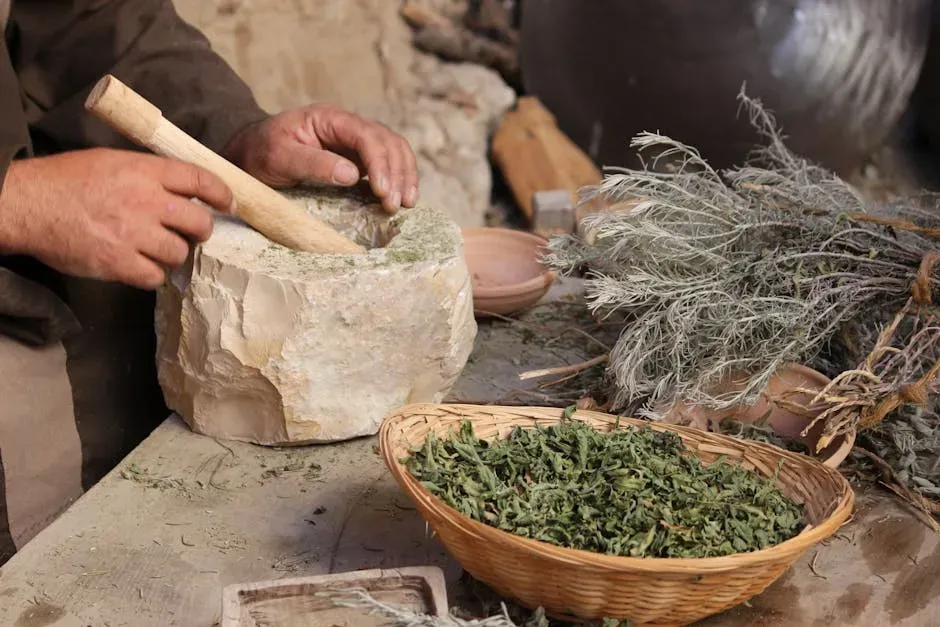
It is easy to imagine ancient medicine as nothing but superstition, but archaeological evidence suggests a more complex story. Egyptian medical papyri, for example, include practical treatments, anatomical observations, and instructions for wound care, fractures, and even dentistry. Skeletal remains show healed surgical interventions, meaning patients survived procedures long enough for bones to knit. In other regions, trepanation – drilling or scraping holes in skulls – appears in evidence with surprisingly high survival rates, pointing to techniques that were at least careful enough not to kill most patients outright.
In South and East Asia, traditional medical systems emerged that integrated herbal knowledge, surgery, and preventive care. Texts describe cataract surgeries and sophisticated classification of illnesses long before modern hospitals existed. The real shock comes when you realize that some of what you think of as “alternative” medicine today has roots in detailed empirical traditions, not loose guesswork. You would not trade modern antibiotics or imaging for those ancient toolkits, but you can recognize that people in the past were running their own experiments on the body, tracking outcomes, and pushing medical practice forward with the methods they had.
Engineering Megastructures With Simple Tools and Serious Brainpower
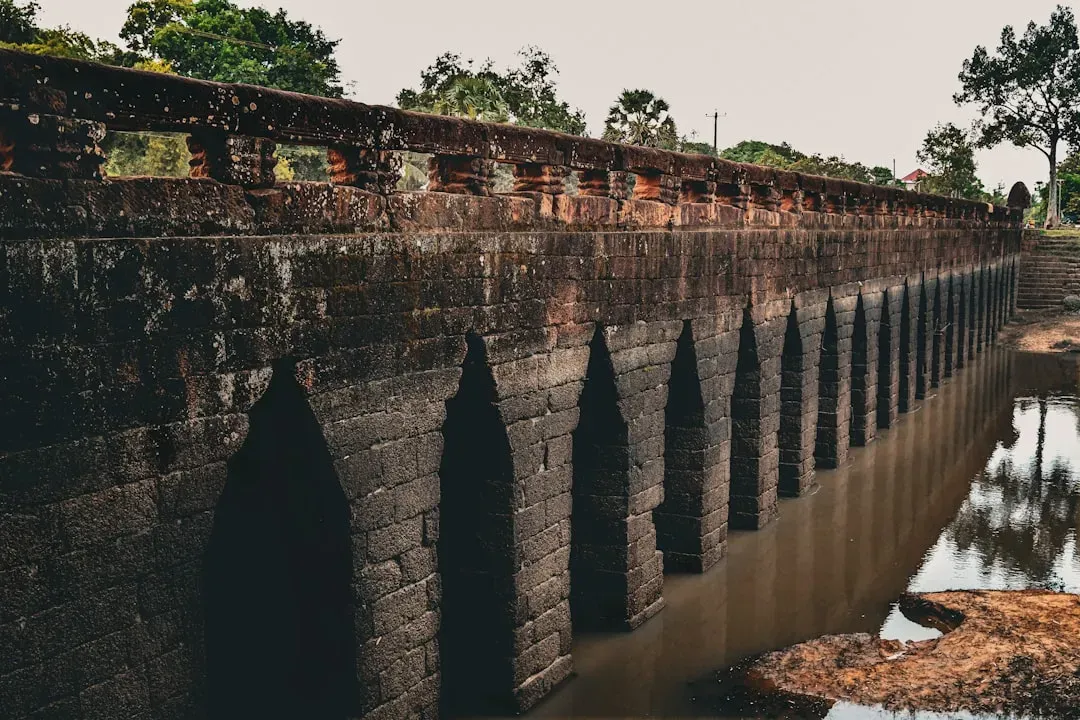
When you stare at the Great Pyramid, Machu Picchu, or huge stone platforms across Polynesia, your brain almost automatically jumps to “How on earth did they do that?” Modern experiments and analyses keep showing that, with enough organization, labor, and clever use of simple machines, those feats are physically possible with the tools available at the time. But “possible” does not mean trivial. To quarry, transport, and place thousands of massive stones with such precision demands logistics, project management, and quality control on a scale that would challenge you even with spreadsheets and heavy machinery.
Roman road networks stretching across Europe and the Near East, with standardized construction layers and drainage, reveal a repeatable engineering recipe that held up for centuries. In the Americas, Inca roads, terracing, and suspension bridges show similar mastery of terrain and load‑bearing design without written manuals. Even when you strip away all the myths and fringe claims, you are left with a stark reality: ancient builders were not winging it. They observed, tested, improved, and passed on techniques in a way that looks very much like the “engineering mindset” you recognize today, just encoded in apprenticeship and tradition instead of textbooks.
Rethinking “Advanced”: What These Discoveries Really Mean for You
Once you absorb all this, you face an uncomfortable but liberating thought: your era is not a clean break from everything that came before. In many domains, you are standing on top of layers of forgotten experiments, local breakthroughs, and lost techniques that rose and fell with empires. In a few areas – like Roman concrete or certain metallurgical and agricultural practices – modern science has had to reverse‑engineer what your ancestors already figured out empirically. Progress starts to look less like a straight staircase and more like a spiral, where ideas are gained, lost, and sometimes rediscovered in new forms.
That realization changes how you see both the past and your own time. If an ancient city could prioritize sanitation and walkability better than some modern megacities, what stops you from slipping backward in your own blind spots? If sky‑watchers tracking stars with the naked eye could build precise calendars that guided entire civilizations, what insights might you be missing today because you rely too heavily on black‑box technology? Instead of treating ancient people as background characters to your story, you start seeing them as peers in a very long, unfinished experiment in being human.
Conclusion: Respecting the Ancients Without Romanticizing Them
When you hear that new evidence suggests ancient civilizations were more advanced than you thought, the temptation is to leap into wild theories about vanished super‑cultures. You do not need those stories to feel awe. The real, documented achievements of societies in Mesopotamia, the Indus Valley, Egypt, China, the Americas, and beyond are already astonishing once you give them your full attention. They mastered city planning, water control, astronomy, construction, and medicine to a degree that still teaches you lessons today, even when you have satellites and supercomputers.
At the same time, you keep your feet on the ground. These civilizations did not have smartphones or space travel; they also faced diseases, inequalities, and collapses you would never want to copy. The point is not to crown them as “more advanced” in every way, but to admit that in key areas, they were far ahead of what most people imagine. If you let that sink in, you may walk through both ancient ruins and modern streets with fresh eyes, asking yourself a better question: what might people in the far future find shockingly advanced about your world, and what might they shake their heads at in disbelief?