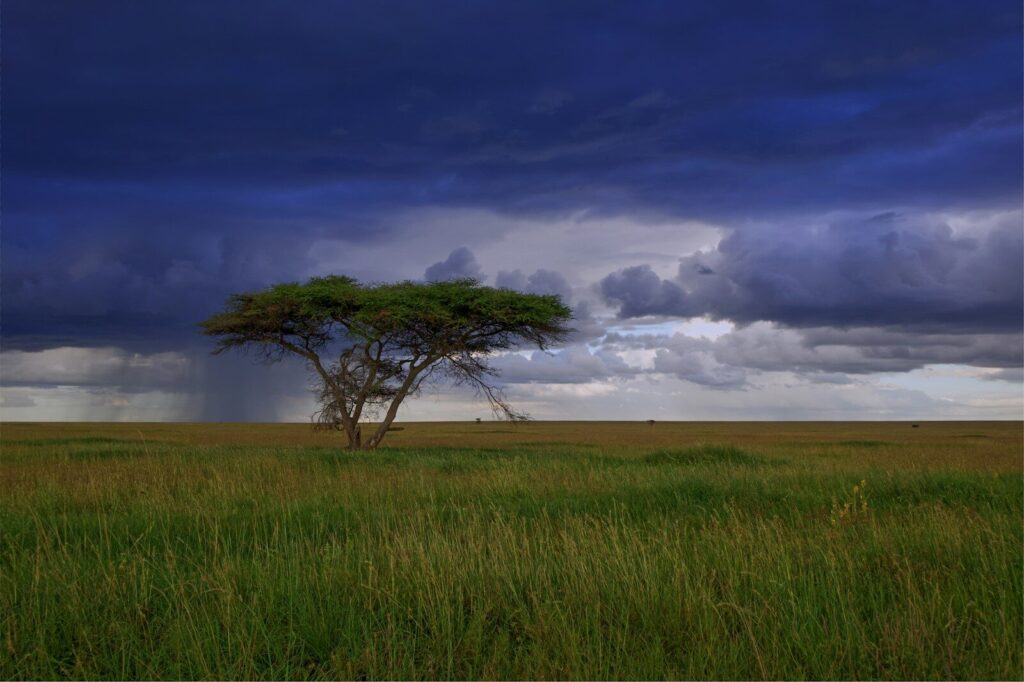
You grow up hearing that the universe is huge, but it does not really hit you until you realize there are more stars out there than grains of sand on all the beaches on Earth. When you let that sink in, the idea that your planet is the only place where life ever happened starts to feel almost too small, too cramped for such a vast cosmos. You are left with a simple but electrifying question: if the universe is this big, where is everybody?
Scientists, philosophers and everyday curious people like you have been wrestling with that question for decades. Out of that struggle, a handful of big, competing ideas have emerged about how alien life might exist, why you have not met it yet, and what it could look like if you ever do. As you read through these theories, you will notice something strange: they say as much about your assumptions, fears and hopes as they do about aliens themselves.
The Fermi Paradox: If the Galaxy Is Crowded, Why Do You Feel Alone?

Imagine you walk into a giant stadium you were told would be packed with people, but when you get there, every seat is empty and the silence is almost loud. That is basically the feeling behind the Fermi Paradox: when you look at the numbers, your galaxy should be full of advanced civilizations, and yet you do not see clear signs of anyone. Your telescopes pick up stars, planets, and signals from human-made devices, but nothing that undeniably screams “someone else is out there.” The paradox lives in that mismatch between expectation and reality.
When you break it down, the math that drives this paradox is not wild science fiction but simple probability. Your Milky Way has hundreds of billions of stars, and a large share of them are now known to host planets, including many that seem roughly Earth-like in size and temperature. You know life arose on Earth relatively quickly once conditions were right, which hints that biology may not be extremely rare. Yet despite all those potential homes and all that time, you still have no confirmed alien signal, no unmistakable spacecraft, no cosmic neighbors dropping by. The Fermi Paradox is not really saying aliens must exist; it is pushing you to face how weird it is that you have not seen any if they do.
The Rare Earth Hypothesis: You Might Live in a Cosmic Luxury Suite
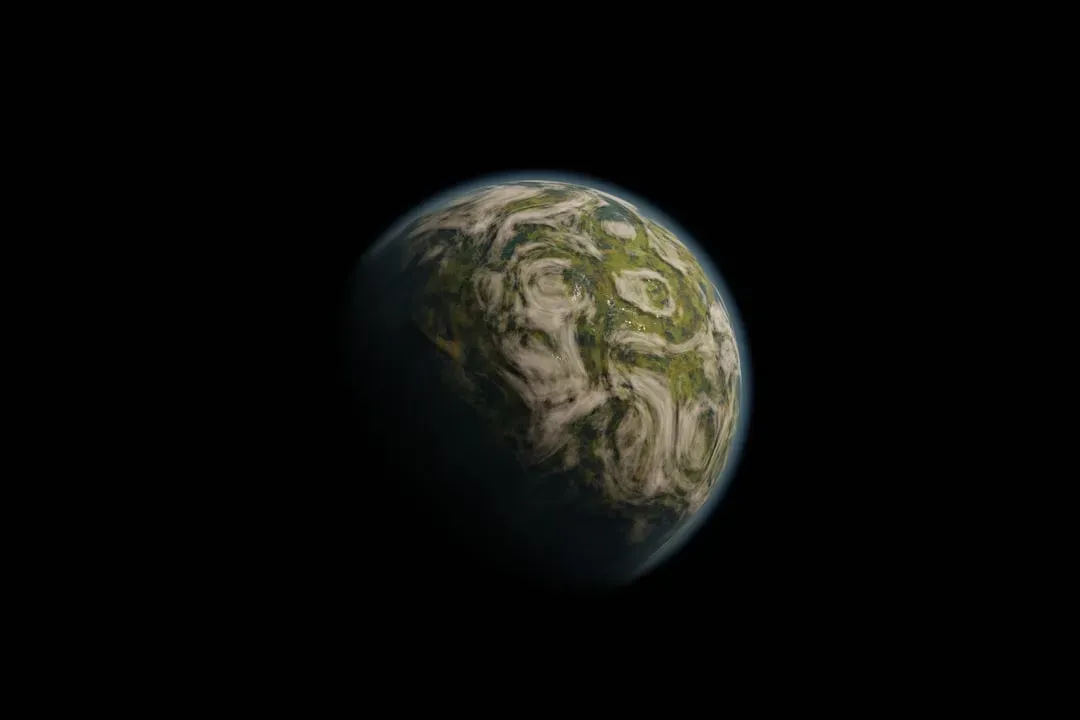
According to the Rare Earth hypothesis, you are not just on a habitable planet; you might be in an absurdly lucky sweet spot that almost never happens. You are orbiting a stable star that does not flare too violently, at just the right distance for liquid water, with a big Moon that helps stabilize your planet’s tilt, a magnetic field that shields you from deadly radiation, and plate tectonics that recycle nutrients. When you list out all those conditions, you begin to see Earth less as a generic rock and more as a highly customized setup for complex life. In that view, simple microbes might be common, but beings like you could be incredibly scarce.
If you follow this idea all the way, it offers you a kind of bittersweet comfort. On one hand, it explains why you have not heard from anyone: advanced civilizations might be so rare that the odds of two existing at the same time and within communication range are tiny. On the other hand, it quietly tells you that your world is fragile and special in a way you might not fully appreciate in daily life. You are not just spinning around an ordinary star; you might be sitting in a cosmic penthouse that only forms once in a very long while, and that realization can make your planet’s future feel a lot more personal.
The Great Filter: A Dangerous Obstacle Between You and the Stars
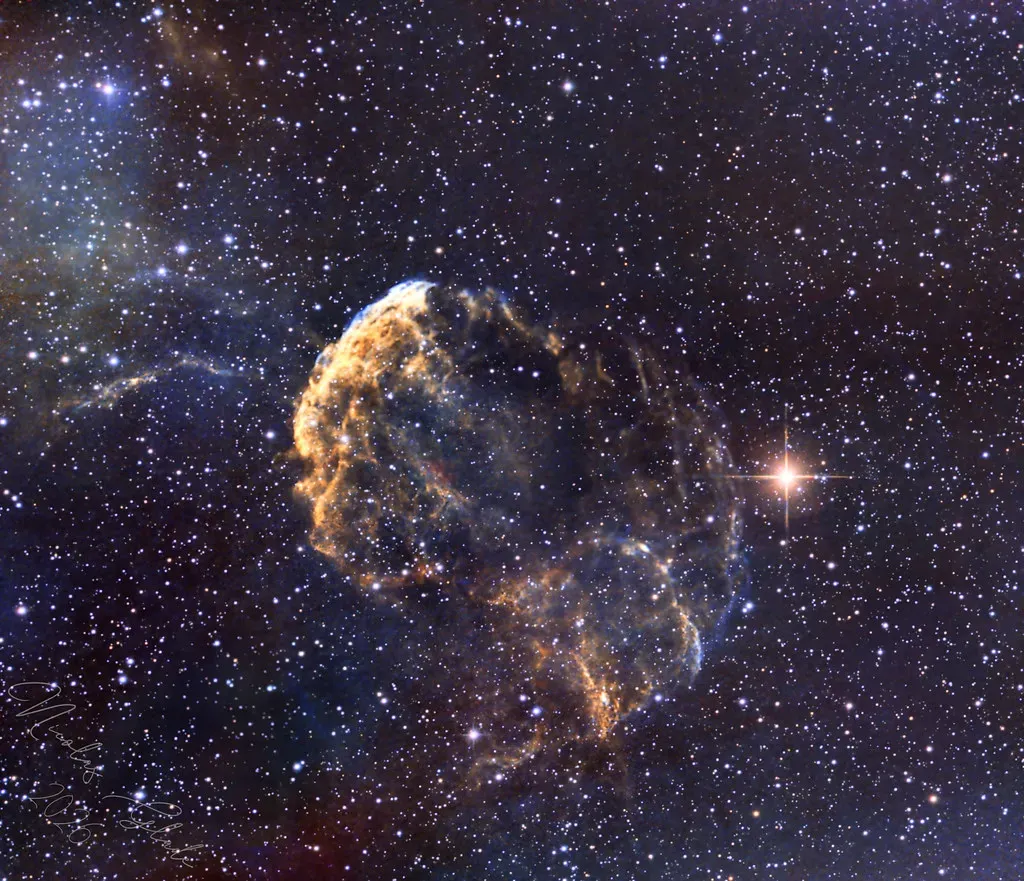
The Great Filter idea hits you in a different, more unsettling way. It says that somewhere along the path from dead matter to star-hopping civilization, there are brutally hard steps that almost nobody gets past. You could think of it like a series of exams, and almost every would-be species fails long before the final test. Maybe it is very hard for life to start at all, or for cells to get complex, or for intelligence and technology to emerge. Alternatively, maybe the hardest step lies ahead of you: surviving your own power, weapons, pollution and mistakes long enough to spread into space.
When you look at your world through this lens, your newspapers and history books suddenly feel like early chapters in a survival story whose ending is not guaranteed. You see that if the Great Filter is behind you, you might be one of the rare winners of a cosmic lottery, already past the worst. If it is still in front of you, then nuclear war, uncontrolled climate change, engineered pandemics or runaway technologies could be exactly the kinds of barriers that stop most civilizations from ever reaching the stars. This theory does not just speculate about aliens; it quietly asks you what kind of species you plan to be in the next century.
Zoo and Simulation Theories: Are You Being Watched or Played?
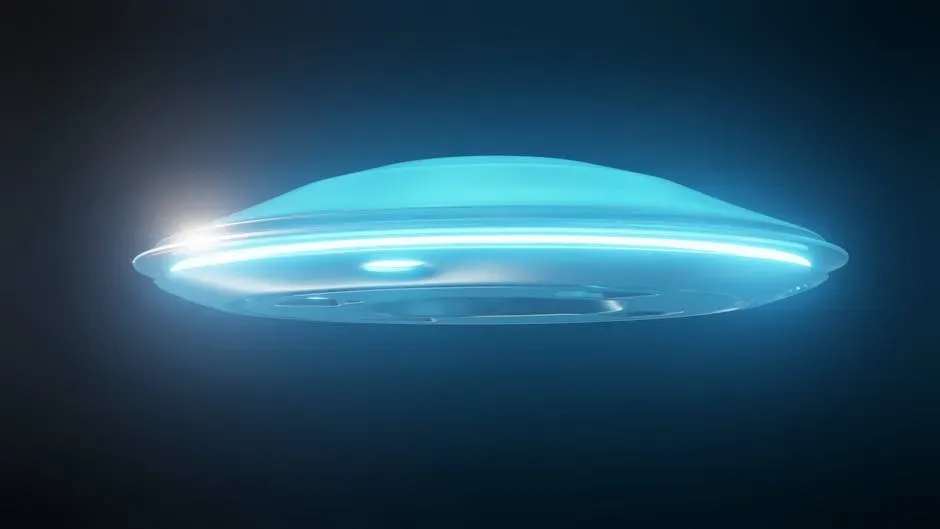
The Zoo hypothesis suggests something oddly humbling: maybe you are not alone, you are just not invited. In this picture, advanced civilizations already know about you but deliberately keep their distance, the way you might observe animals in a protected reserve without interfering. Your radio signals and early rockets might be nothing more than the first signs that the zoo exhibit is getting interesting. You look out at a quiet sky, but from their side, there might be a clear, agreed rule not to reveal themselves until you reach a certain level of maturity.
The Simulation idea goes even further and pulls the ground out from under your feet. It says that what you call the universe could be an artificial environment created by some higher-level civilization, and your inability to detect aliens might simply reflect the limits or choices of that simulation. Under that lens, the laws of physics you measure would be the rules of the program, and your search for extraterrestrials would be like a character in a video game looking for the player holding the controller. Whether you believe these ideas or not, they force you to question the assumption that what you see is all there is, and that can be both dizzying and strangely liberating.
Microbial Life and Extremophiles: Aliens Might Be Tiny and Tough, Not Tall and Talkative

When you picture aliens, your mind usually jumps to big-eyed beings and shiny spacecraft, but the universe might be full of something much less dramatic and far more realistic: microbes. On your own planet, you can find life clinging to boiling hot springs, buried deep under Antarctic ice, or thriving in acidic lakes and radiation-soaked environments that would kill you instantly. These extremophiles show you that life does not demand comfortable, Earth-like living rooms; it can survive in conditions you once thought were completely sterile. That flexibility widens the range of alien worlds that could quietly harbor life.
As space probes sample Martian soil, scan the icy crust of moons like Europa and Enceladus, and sniff the atmospheres of distant exoplanets, they are mostly looking for hints of simple biology, not advanced cities. You might one day find traces of fossilized microbes on Mars or signs of chemistry shaped by life in a subsurface ocean far from sunlight. If that happens, the discovery will not look like a spaceship descending from the sky; it will look like a chemistry puzzle finally solved in a lab. Still, finding even a single independent example of microbial life elsewhere would transform your place in the universe overnight, proving that biology is not unique to Earth.
Technosignatures and the Search for Signals: How You Might Actually Detect Aliens
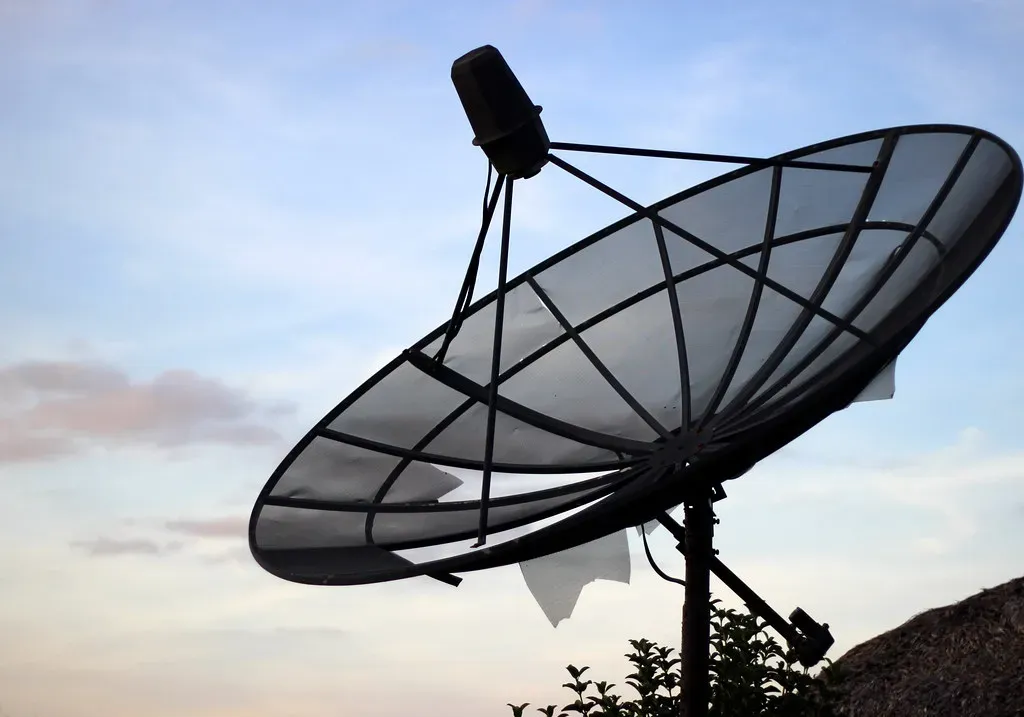
Despite the silence so far, you are not just waiting around for a flying saucer to show up unannounced. Through projects that scan the sky for unusual radio waves, strange patterns of light, or odd heat signatures, you are actively hunting for technosignatures, the telltale fingerprints of technology. You can think of this as eavesdropping on the universe: you point your instruments at distant stars and ask whether any of them look like they are hosting power-hungry civilizations or broadcasting in ways nature does not normally produce. Most of what you find turns out to be pulsars, gas clouds, or human interference, but each false alarm teaches you how to look better.
More recently, your search has expanded beyond old-fashioned radio listening. You now consider the possibility of megastructures that might dim a star in a suspicious way, or strange chemical mixes in an exoplanet atmosphere that do not easily arise without industry. You even look at your own planet from space as a test case, asking what an alien astronomer would see when they aim their telescopes at Earth. Every time you sharpen those tools, you increase the odds that if anyone out there is loud, wasteful, or careless with their technology, you will eventually notice. In a sense, you are writing a cosmic missing-person report and slowly improving the description.
Conclusion: What These Theories Really Tell You About Yourself
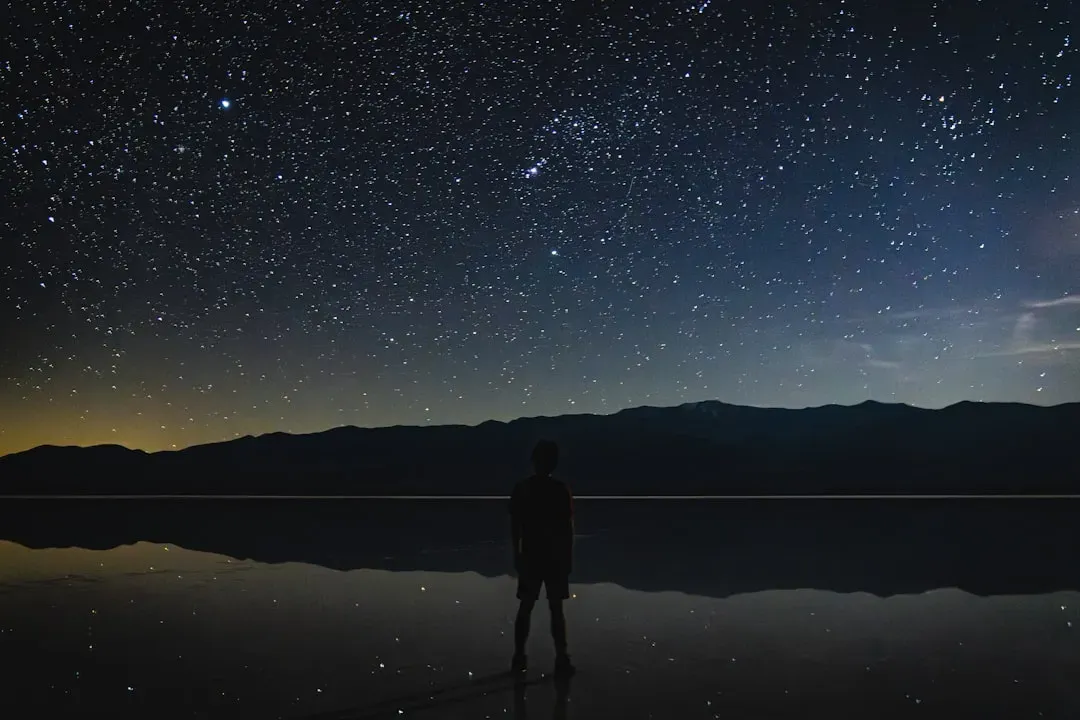
When you step back from all these theories, you notice something surprising: each one is less about some distant alien culture and more about how you understand risk, rarity and responsibility here at home. The Fermi Paradox challenges your assumptions about probability, the Rare Earth idea reminds you how delicate your world might be, the Great Filter forces you to think seriously about long-term survival, and the Zoo and Simulation ideas poke at your deepest beliefs about reality itself. Even the focus on microbes and technosignatures reflects your tendency to search first for what you know how to recognize.
You may never get a neat, final answer about extraterrestrial life in your lifetime, but you are already living in an era when that question is moving from philosophy into testable science. As telescopes get sharper, probes travel farther, and your understanding of life broadens, the old boundary between “out there” and “down here” keeps eroding. In the end, wondering whether you are alone might be less about curing cosmic loneliness and more about deciding what kind of civilization you want to be if you are not. If someone out there is quietly watching, what kind of story do you hope they see unfolding on this small blue world?