You probably grew up with a fairly simple story of human history: small bands of hunter‑gatherers slowly invent farming, build villages, then cities, and eventually you get to smartphones and streaming. Over the last few decades, though, that tidy timeline has been quietly falling apart. New digs, new lab techniques, and especially ancient DNA are revealing a past that’s stranger, older, and far more interconnected than you were ever told in school. As you walk through these seven discoveries, you’ll notice a pattern: almost every time researchers think they’ve nailed down a “first” or a clean beginning, evidence pops up that people were there earlier, thinking more deeply, building more complex societies, or mixing with more relatives than anyone expected. By the end, you might feel less like you’re looking at a straight line of progress and more like you’re staring at a twisting, branching river you never knew you were standing in the middle of.
1. Ancient Hilltop Temples That Came Before Farming
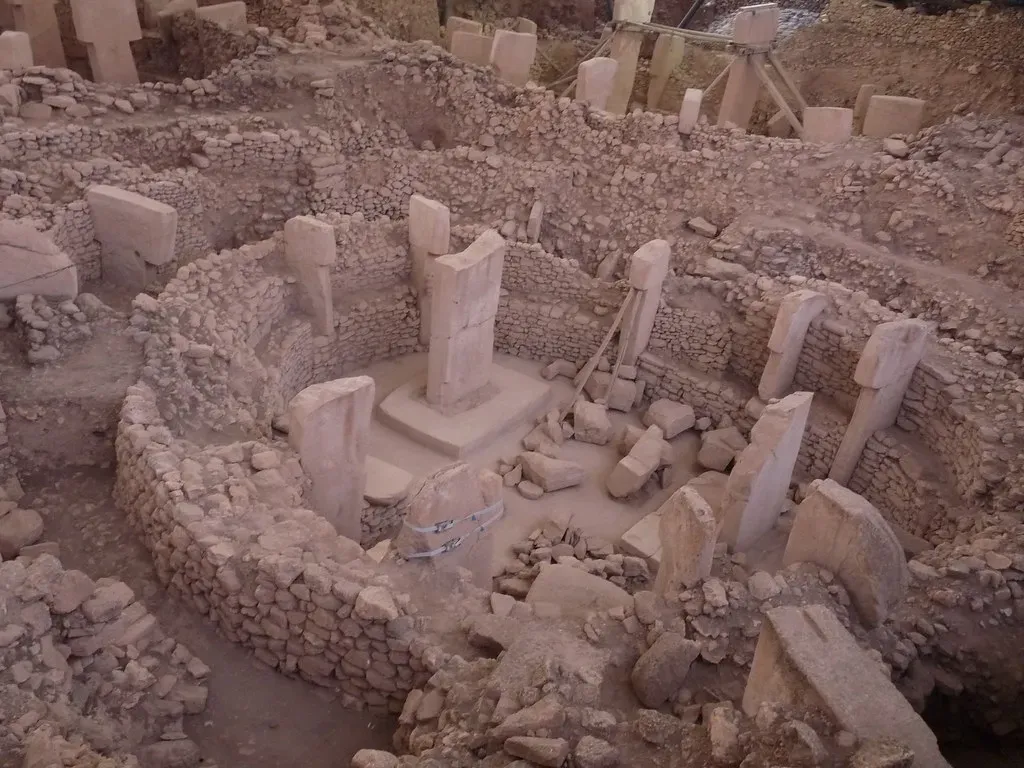
Imagine stumbling across a stone temple complex older than the pyramids, Stonehenge, and agriculture itself. That’s what you’re looking at when you read about Göbekli Tepe in southeastern Turkey, a site that started going up over eleven thousand years ago, at the very end of the last Ice Age. Instead of simple camp circles, you find huge T‑shaped pillars weighing tons, arranged in circular enclosures, carved with lions, snakes, birds, and abstract symbols that look like a silent stone language.
For you, the unsettling part is the timing. You’ve probably been taught that only settled farmers with big food surpluses could organize large‑scale building projects, yet here you have monumental architecture built by hunter‑gatherers. Nearby “sister” sites like Karahan Tepe and Sefer Tepe show similar pillars and sculptures, hinting that this was not a one‑off experiment but part of a wider sacred landscape. When you picture your distant ancestors at this moment in history, you are not just seeing small bands tracking gazelles; you’re seeing people capable of planning generations‑long projects and gathering in the hundreds for rituals on a windswept hill.
2. Footprints in the Desert That Push Humans Deeper into the Ice Age
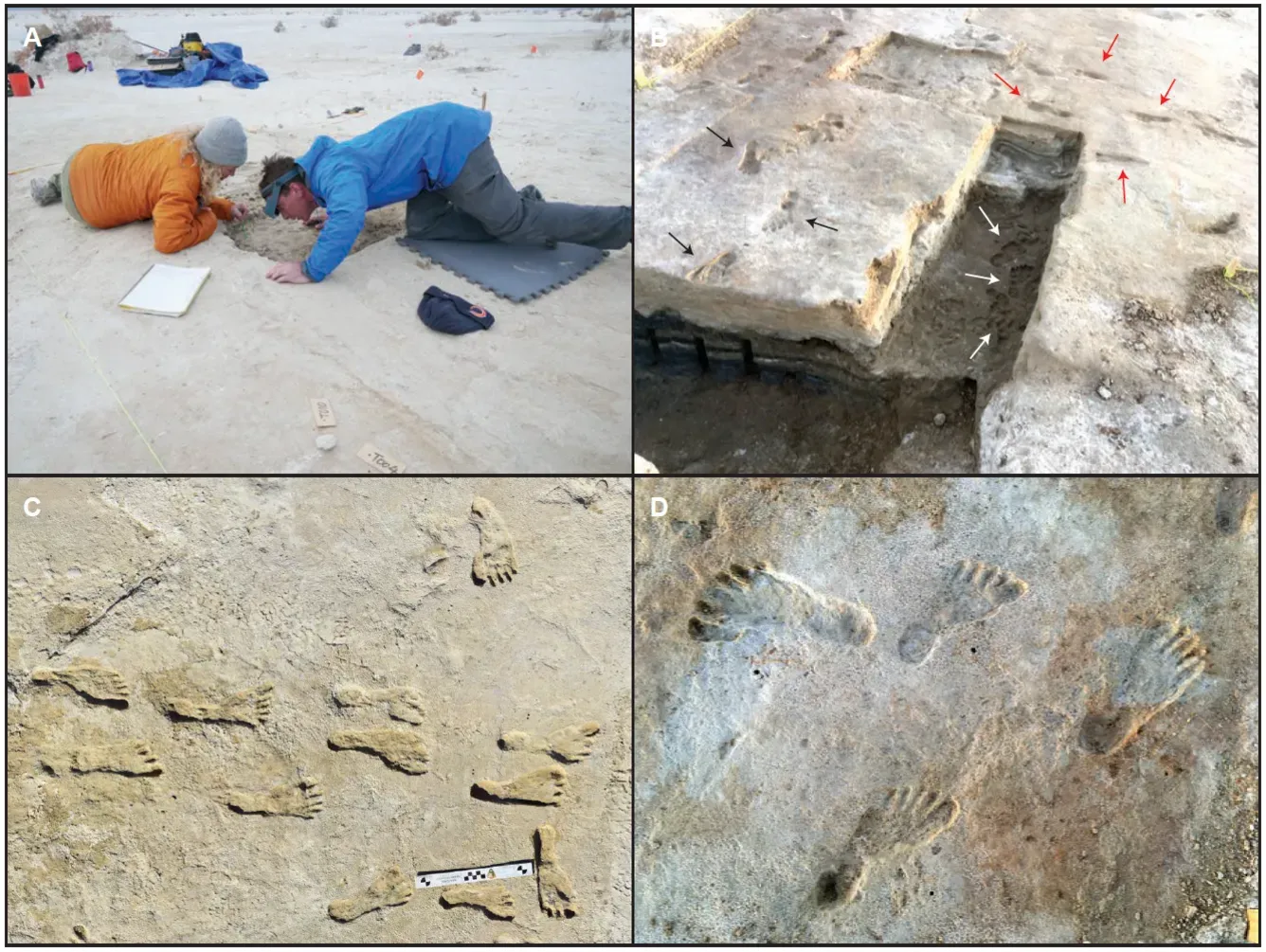
If you were asked when people first reached the Americas, you might still think of dates around thirteen or fourteen thousand years ago. Now picture yourself walking across a dry lakebed in New Mexico, and realizing the faint tracks beneath your feet were made by humans more than twenty thousand years ago, when massive ice sheets still smothered much of North America. That is what the White Sands footprints represent: layers of fossilized human tracks preserved in ancient mud, now carefully dated using multiple techniques that converge on a timeframe between roughly twenty‑one and twenty‑three thousand years ago.
What makes this so disruptive for you is not just the age, but the clarity. Instead of fragmentary bones or disputed stone flakes, you’re looking at direct evidence of people moving, running, and even children playing alongside mammoths and giant ground sloths. This forces you to rethink the tidy idea of a single migration that sweeps in after the ice melts. You now have to hold a messier picture in your mind: small groups arriving earlier than expected, probably skirting coastlines or exploiting ice‑free pockets, and then weaving into later waves. The continent you stand on today turns out to have been a human landscape through far more of the Ice Age than you were ever told.
3. DNA Revealing a Hidden Web of Lost Human Relatives
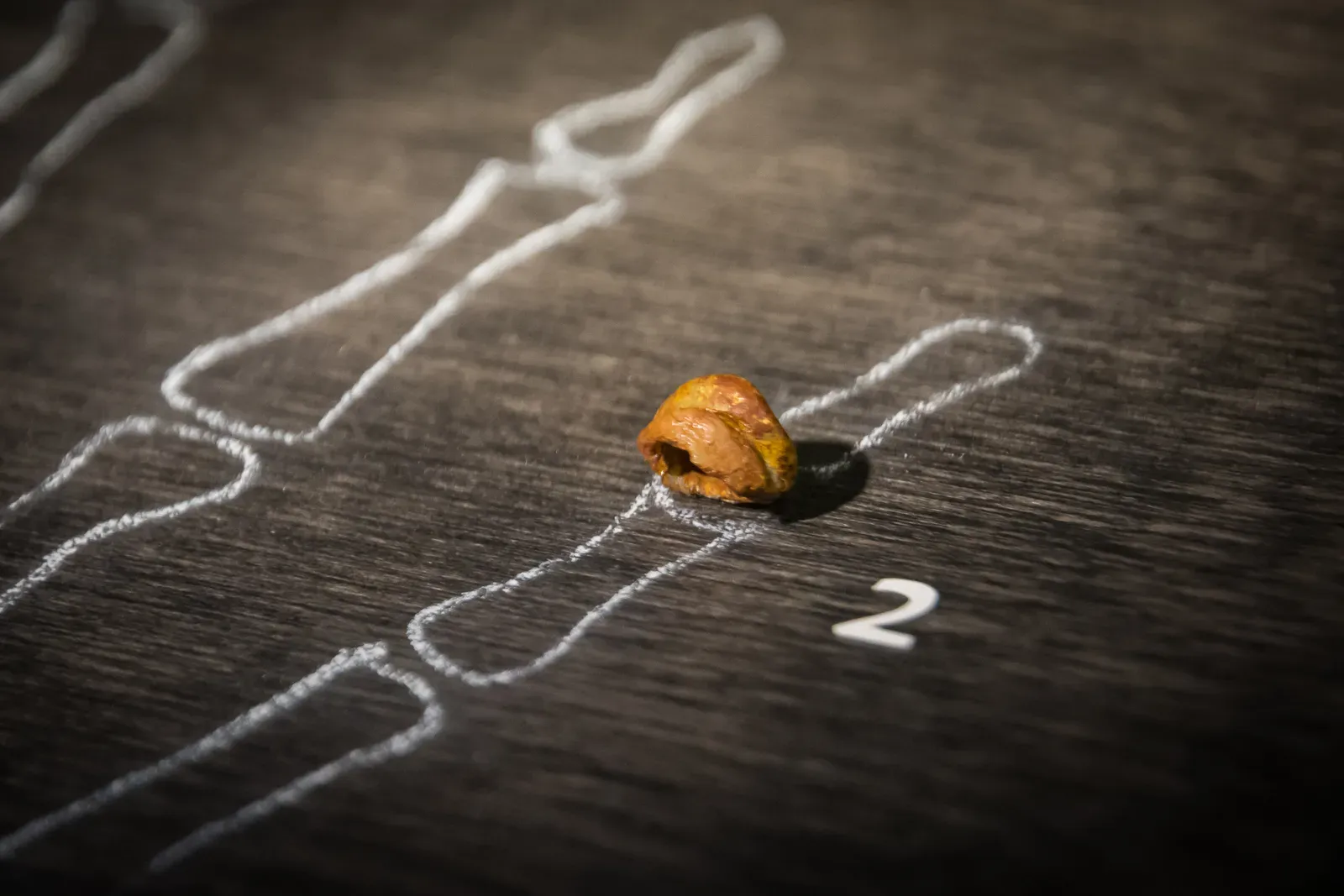
When you think of your distant cousins in deep time, you probably picture Neanderthals as the only real supporting cast. Over the last decade, ancient DNA has quietly blown that idea apart. From a single finger bone and a few teeth found in a Siberian cave, researchers pieced together the genome of the Denisovans, an entire population of archaic humans that left almost no obvious skeletons behind but a huge genetic legacy in modern people across Asia and Oceania. If you carry ancestry from places like Tibet, parts of East or Southeast Asia, or Melanesia, there is a decent chance you still carry Denisovan DNA – some of it linked to traits that help you cope with high altitude or local diseases.
As more bones and sediments from Denisova Cave and elsewhere have been analyzed, you can now picture a complicated neighborhood: Neanderthals, Denisovans, and early Homo sapiens overlapping in space and time, sometimes interbreeding, sometimes replacing one another. A single cave can show Neanderthal remains separated by thousands of years that still turn out to be distant relatives when you look at the genomes. For you, human evolution stops looking like a ladder and starts to feel like a tangled family tree, where branches split, reconnect, and leave traces in your own body that you would never guess were there without a sequencer and a patient geneticist.
4. A Small‑Brained Ancestor That May Have Buried Its Dead
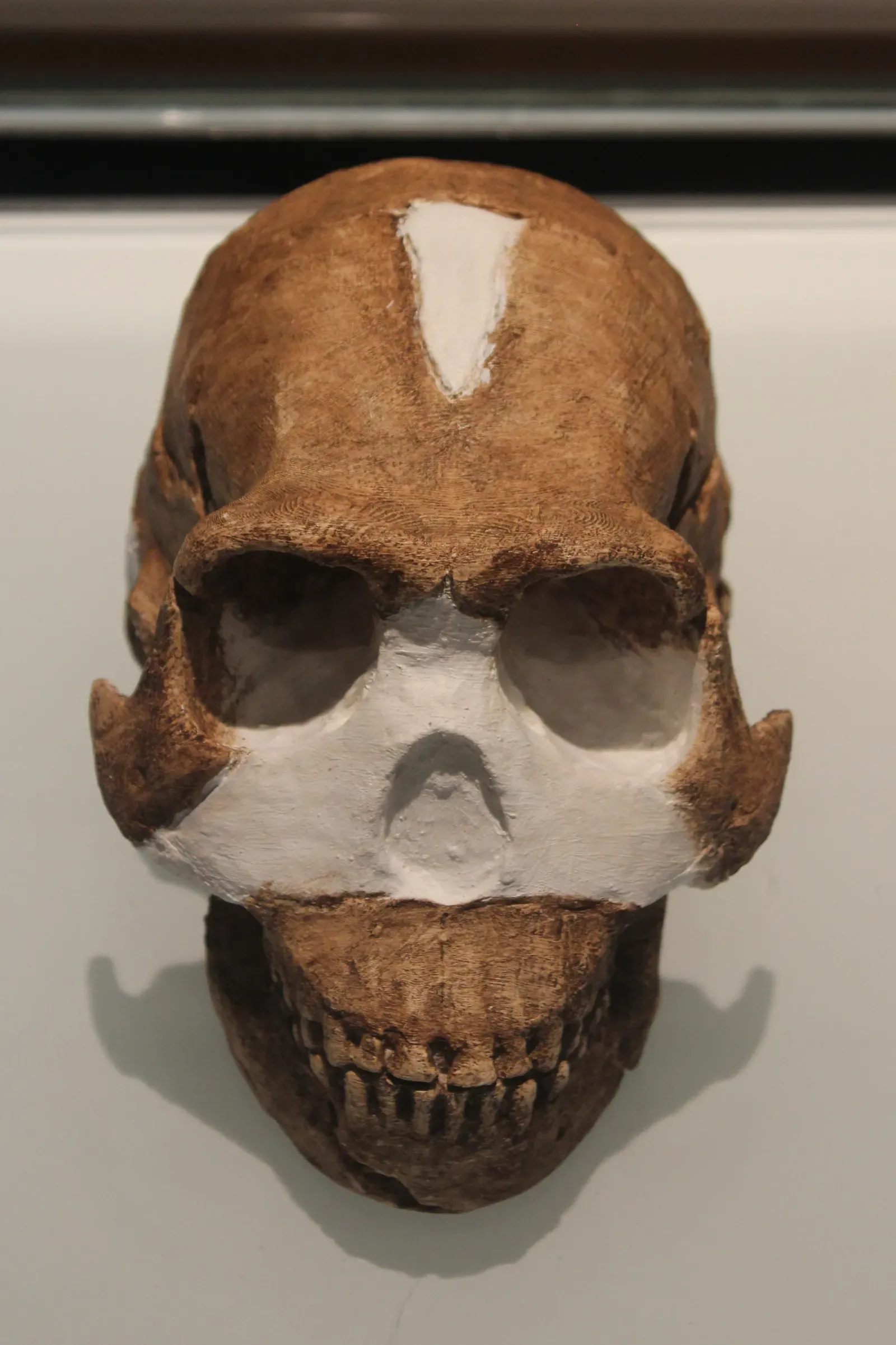
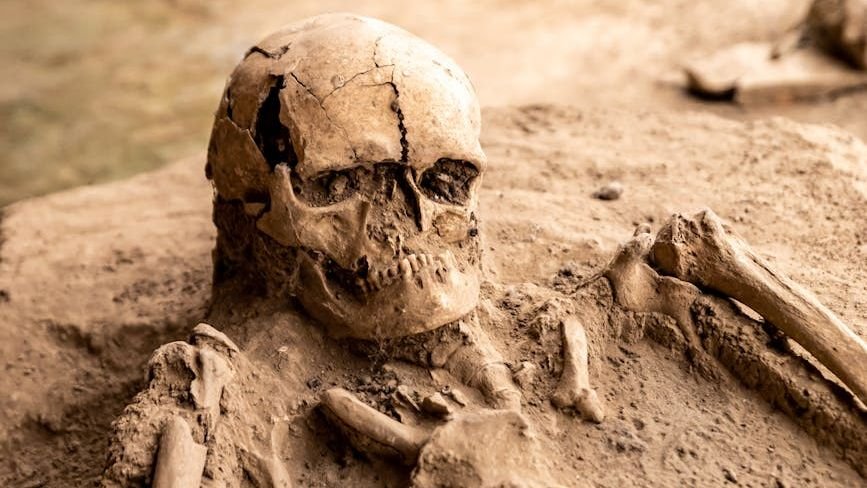
You’ve probably been told that deliberate burial and symbolic treatment of the dead are hallmarks of modern human minds. In South Africa’s Rising Star cave system, the species Homo naledi is challenging that assumption in the most uncomfortable way. These hominins had brains closer in size to those of earlier human species, yet their remains appear in deep, hard‑to‑reach chambers that show no clear signs of daily living, only clusters of bodies. Some recent work argues that you’re looking at intentional placement of the dead, possibly even grave‑like pits and markings on nearby walls.
If those interpretations hold up – and they are still hotly debated – you are forced to widen your definition of what kind of mind can create rituals. Instead of a single, clean threshold where symbolic thought suddenly flips on with Homo sapiens, you would be dealing with parallel experiments in meaning and mourning across different human relatives. Even the controversy itself is instructive for you: it shows how much your understanding of “human” behavior rests on probabilities and patterns rather than simple checklists. The more you hear about Homo naledi, the more you have to accept that sophisticated social and emotional lives might not have been unique to brains shaped exactly like your own.
5. Ancient Genomes Redrawing the Map of the First Americans
For most of the twentieth century, you were given a simple story of the Americas: a single founding population crosses a land bridge from northeast Asia toward the end of the Ice Age, then fans out across two empty continents. Ancient and modern DNA has turned that into a far richer, more dynamic saga. When researchers sequence genomes from early burials and compare them to Indigenous communities today, you see evidence for multiple waves of movement, temporary isolation in Ice Age refuges, and later mixing between lineages that had diverged thousands of years earlier.
Recent large‑scale studies of Indigenous genomes have even revealed signals of ancestral groups in Asia that you do not yet have in the fossil or archaeological record, almost like ghost branches of the family tree that only show up in the DNA. At the same time, early sites in both North and South America, from pre‑Clovis camps in Alaska to bone pendants in Brazil, are showing people present earlier and adapting to wildly different environments – from coastal kelp forests to high Andean plateaus – faster than you might expect. When you listen to Indigenous scholars describe these findings, you’re reminded that the scientific story is finally catching up, in a small way, to long‑held oral histories that always described deep time depth and movement, not a single, simple arrival.
6. Hunter‑Gatherers Building Monuments and Landscapes of Meaning
If you picture Ice Age or early Holocene hunter‑gatherers, you might imagine them as endlessly roaming, leaving few permanent traces behind. Yet along with Göbekli Tepe and its sister sites, more evidence is telling you that mobile foragers could dramatically reshape landscapes and build enduring monuments. In parts of the world, you see complex stone alignments, earthworks, and ritual gathering places that predate full‑scale agriculture, suggesting that the urge to create fixed sacred spaces came before permanent villages, not after them. In some cases, it even looks as if the social pull of these places may have helped nudge communities toward more settled lives.
For you, this flips the usual line that economic change drives culture in a straight progression. It becomes plausible that shared myths, seasonal ceremonies, and the need to coordinate large groups pushed people to experiment with new ways of storing food, managing animals, and returning to the same places year after year. When you stand in a modern city square watching a festival or a protest, you can trace a faint line back to those early gathering grounds. The same impulse to turn a patch of earth into a stage for shared meaning might have been there long before anyone planted the first field of wheat.
Across Europe, Africa, and Asia, new discoveries of rock art, carved figurines, and modified landscapes are filling in this picture. You are not just dealing with scattered camps; you are looking at networks of places people revisited for generations, layered with memory and story. In that light, early hunter‑gatherers start to feel less like temporary visitors to their environments and more like careful curators of sacred geographies that only now are finally being mapped.
7. Sediment, DNA, and Tiny Clues That Rewrite Big Timelines
One of the most dramatic changes you are living through in archaeology is methodological rather than tied to a single site. Instead of waiting for spectacular skeletons or obvious stone tools, researchers now routinely pull DNA from cave sediments, analyze microscopic plant remains, and apply ever more precise dating methods to tiny fragments of charcoal, shells, or pollen. That shift has already upended timelines in multiple regions, from confirming the age of those White Sands footprints to refining when different human groups overlapped in key caves and rock shelters.
For you, this means your mental timeline of human history is now subject to rapid updates, a bit like a software patch that installs overnight and quietly changes how you see the world. The same layer of mud that once looked empty can suddenly reveal the presence of people or animals through genetic traces alone. At the same time, some earlier bold claims of extremely ancient human sites in the Americas and elsewhere are being re‑examined and sometimes scaled back as more careful geological and dating work is done. You are watching, in real time, how science corrects itself: some sensational claims fade, others get stronger, and your picture of the past slowly sharpens, pixel by pixel.
Conclusion: Living with a Past That Refuses to Sit Still
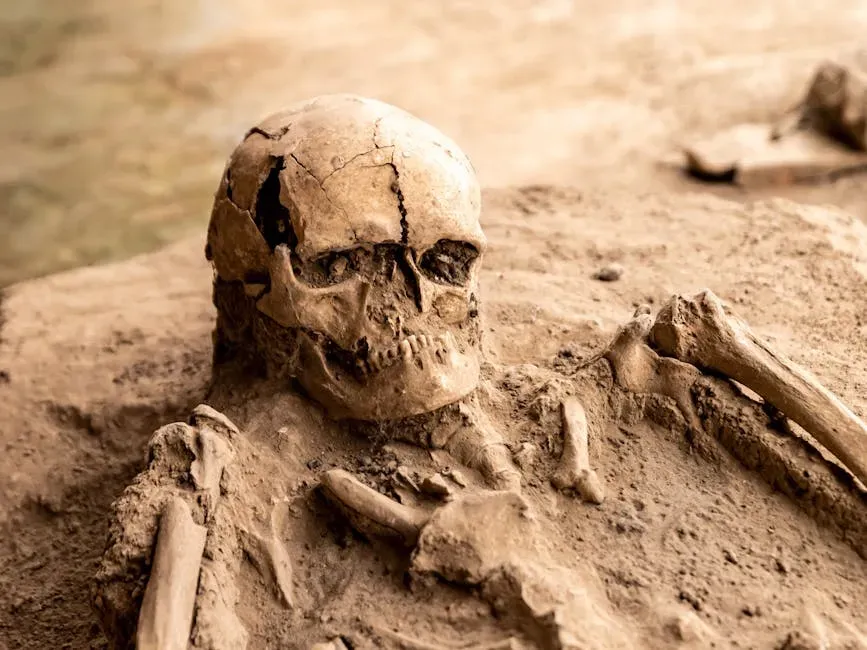
When you pull these threads together, you end up with a past that is far less tidy, but much more alive. You see hunter‑gatherers raising megaliths, small‑brained relatives possibly caring for their dead, hidden human cousins leaving fingerprints in your genome, and people exploring the Americas in ways and at times that would have sounded impossible a generation ago. Instead of a staircase of progress, you’re standing in front of a sprawling mural full of experiments, dead ends, and surprising bursts of creativity, many of which still echo in your body and your culture.
The catch is that this mural is unfinished: new digs, new scans, and new lab techniques are constantly painting in fresh details and sometimes erasing old ones. If you stay open to that, you get to watch your own origin story evolve in real time, not as a threat to what you learned before, but as a deeper, richer version of it. So next time you hear about a dusty footprint, an obscure cave, or a strange twist in ancient DNA, ask yourself: is this just another data point, or is it about to nudge your sense of who you are, and where you came from, in a direction you never expected?