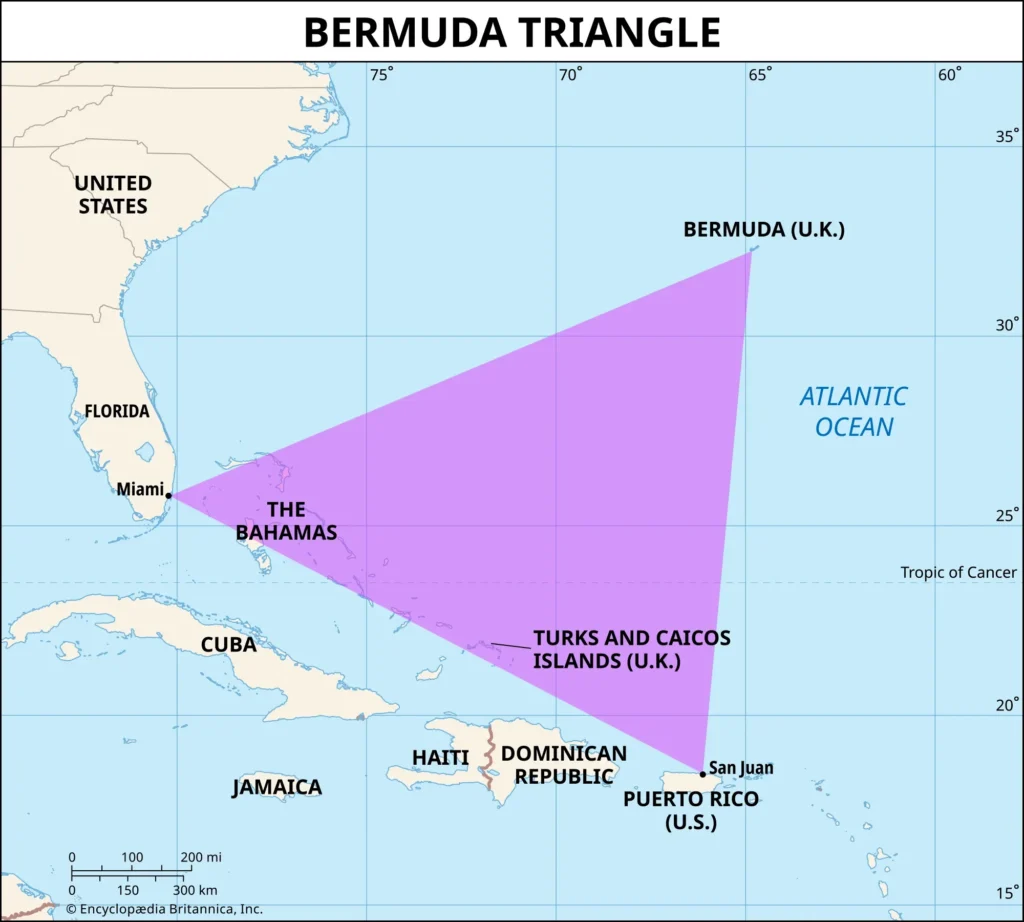
You grow up hearing whispers about ships that never send a final message and planes that simply vanish from the sky. The Bermuda Triangle sits in your imagination like a blank patch on the map, a place where logic supposedly breaks down. But when you step back from the chilling stories and look at what scientists, pilots, and coast guards actually know, a very different picture starts to form.
Instead of an otherworldly death trap, you find a busy, rough, and sometimes unforgiving part of the Atlantic Ocean. You also find something more uncomfortable than any ghost story: you may have been sold a mystery that was carefully built out of half-truths, selective reporting, and a lot of marketing. And oddly enough, the truth of the Bermuda Triangle is both less magical and far more interesting than the legends.
How the Bermuda Triangle Legend Was Really Born
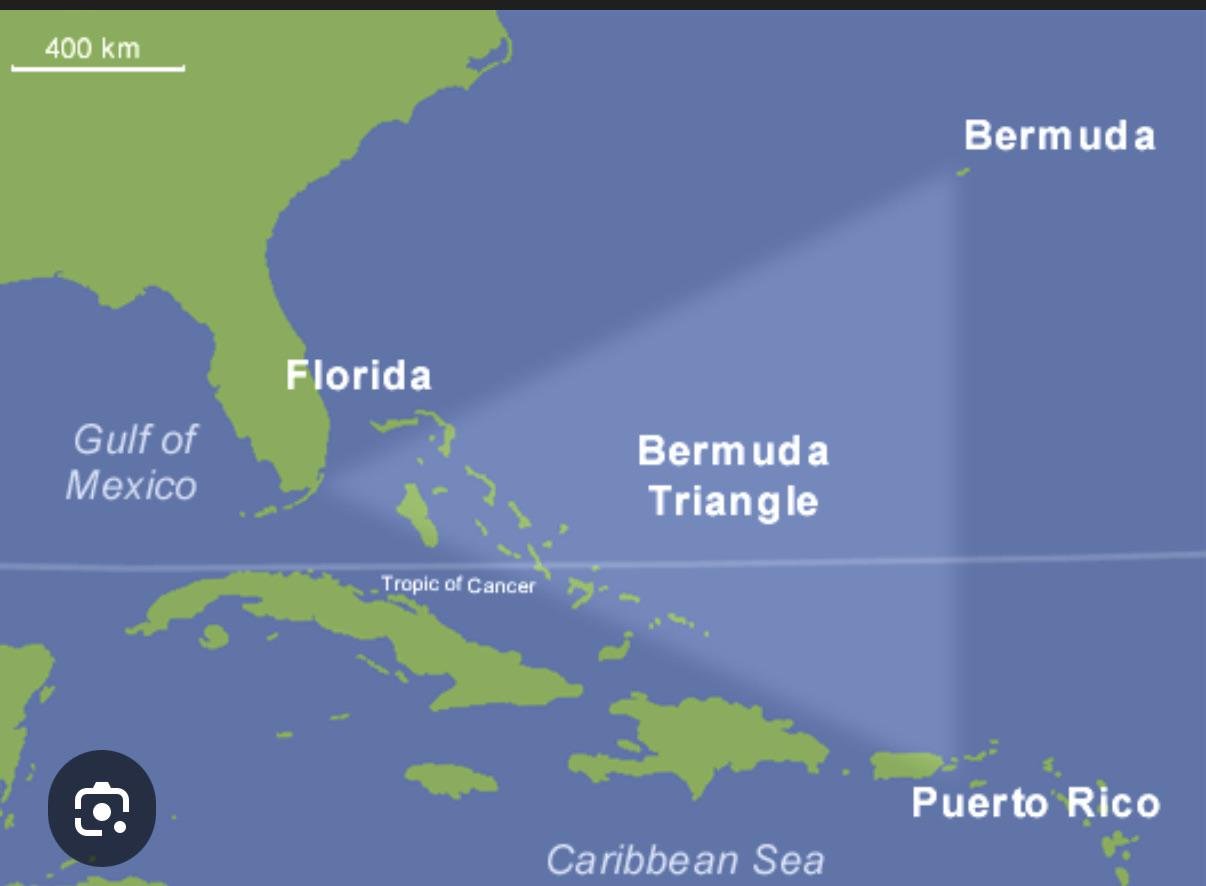
When you hear about the Bermuda Triangle, it sounds ancient, like some cursed stretch of ocean sailors have feared for centuries. In reality, the modern legend you know is younger than your grandparents. The term “Bermuda Triangle” only really took off in the 1960s and 1970s, when magazine articles and bestselling books started stitching together scattered incidents into one big, ominous story. You are not dealing with a centuries-old maritime taboo; you are dealing with a mid‑twentieth‑century media creation.
Authors took shipwrecks, plane crashes, and missing vessels from a wide area of the western North Atlantic and grouped them under one dramatic label. Many of these events happened in bad weather, involved navigational problems, or were already explained in official investigations. But by stripping away the boring context and leaving mainly the eerie parts, writers made you feel like something uniquely sinister was going on. The triangle itself is not even an official geographic region; no scientific or maritime body recognizes it as anything more than a nickname on a pop‑culture map.
Is the Triangle Actually More Dangerous Than Anywhere Else?
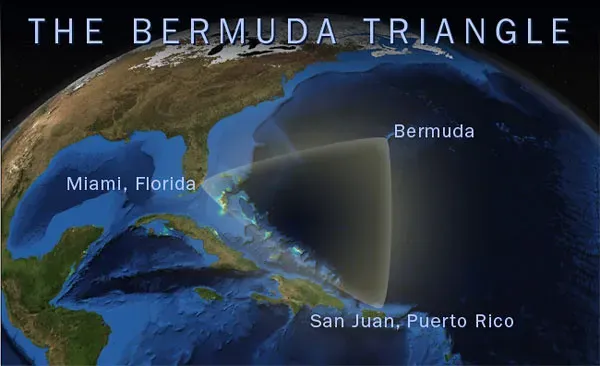
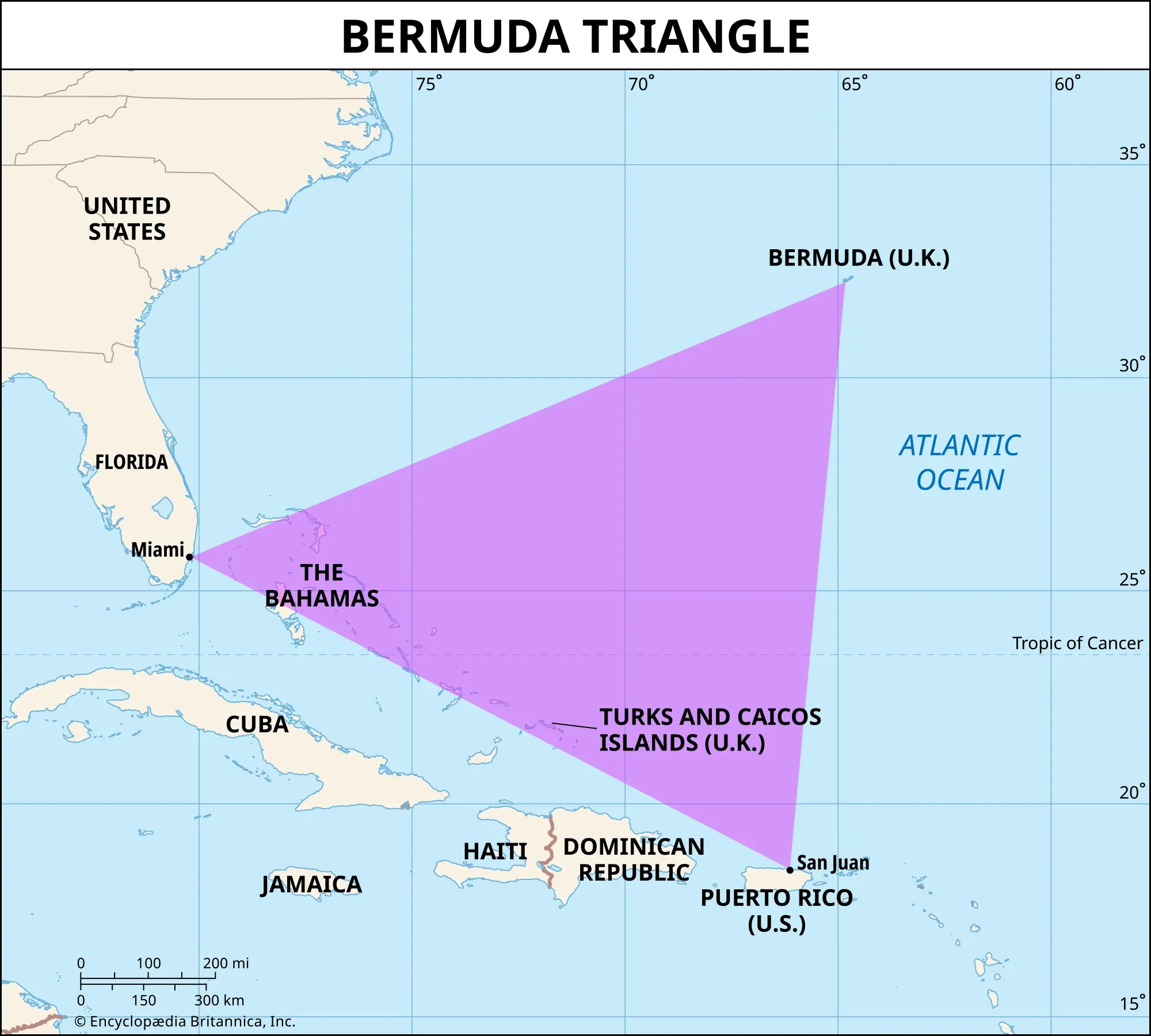
If there really were something special about this patch of sea, you would expect cold, hard numbers to show it. When you look at those numbers, though, they pull you in the opposite direction. The Bermuda Triangle lies along some of the busiest shipping lanes and flight routes in the world, between North America, the Caribbean, and Europe. When that much traffic moves through a region year after year, you will naturally see accidents, mechanical failures, and storms taking their toll, just as you would expect more fender‑benders on a crowded highway than a country road.
Researchers and insurance analysts who compare loss rates per mile traveled find that this region does not stand out once you account for how heavily it is used. You are basically looking at a busy stretch of ocean with risks that match the traffic and the weather, not a supernatural hot spot. Even agencies like the U.S. Coast Guard and scientific organizations have stated plainly that they see no pattern beyond what you would expect for such a heavily traveled, storm‑prone area. In other words, the most “mysterious” thing about the Bermuda Triangle may be how stubborn the myth has been in the face of very ordinary statistics.
Weather, Waves, and Currents: The Harsh Reality Beneath the Myth
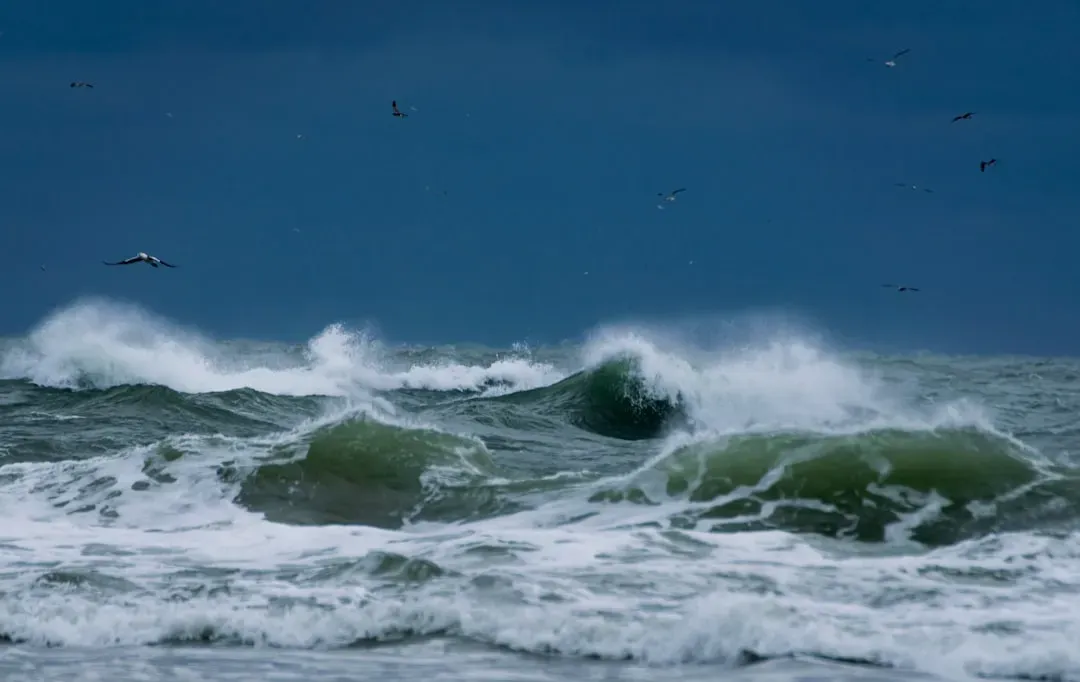
If you strip away aliens and lost civilizations, you are left with an ocean that can be brutally unforgiving – especially where the Bermuda Triangle is drawn on the map. You are right in the path of hurricanes and tropical storms, some of the most violent weather systems on Earth. Sudden squalls, towering thunderclouds, and rapid visibility changes can challenge even experienced pilots and captains. If you have ever been caught driving in a sudden whiteout or severe thunderstorm on land, imagine that with no roads, no safe shoulder, and nothing but open water in every direction.
Then you have the Gulf Stream, a fast‑moving, powerful ocean current slicing through the region. This current can drag wreckage far from where an accident actually happened, which makes it look like a ship “vanished” when, in reality, debris was simply carried away. Shallow banks, shifting sandbars, and reefs around the Bahamas add another layer of danger. If your navigation is even slightly off, your vessel can strike submerged obstacles without warning. When you put all of that together – intense storms, strong currents, tricky topography – you get a place where accidents are tragic but entirely predictable without invoking anything paranormal.
Methane Gas, Magnetism, and Other “Scientific-Sounding” Theories
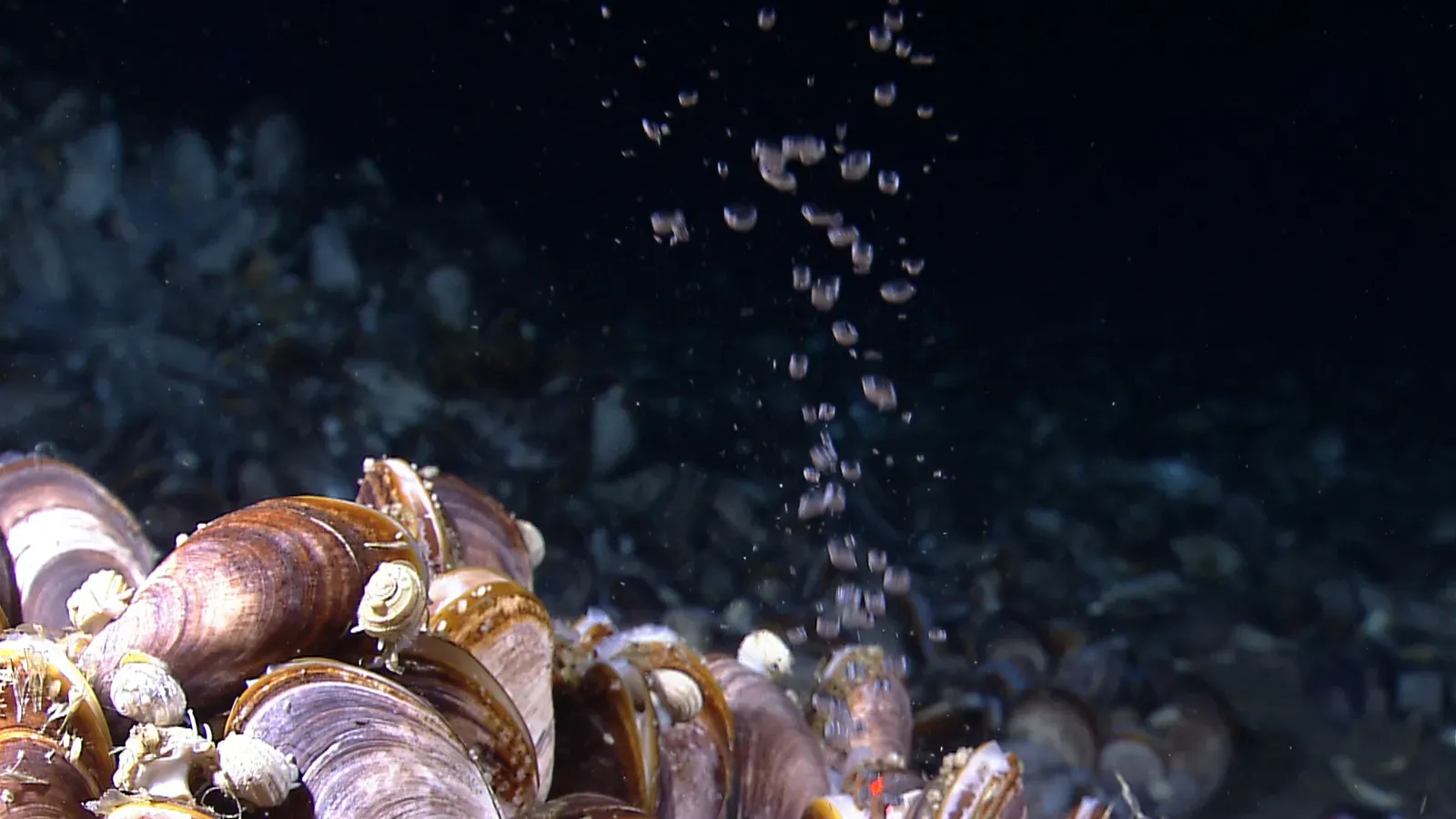
Because you crave explanations that feel both scientific and dramatic, the Bermuda Triangle has become a magnet for half‑understood scientific buzzwords. One of the most famous examples is methane hydrates – ice‑like deposits of methane buried under the seafloor that can, under certain conditions, release large bubbles of gas. In controlled experiments and computer models, such gas eruptions can reduce water density and in theory cause ships to lose buoyancy. It sounds perfect for the Triangle: invisible, sudden, and deadly. The problem is that while methane hydrates definitely exist and can be dangerous in some regions, there is very limited direct evidence tying them to actual disappearances in this particular area.
Magnetic anomalies are another idea that gets thrown at you. Stories claim compasses spin wildly or suddenly point to true north instead of magnetic north in the Triangle, confusing navigators and dooming voyages. But when you look at modern navigation charts and magnetic field maps, you see that the Earth’s magnetic field varies smoothly, and the few places where true and magnetic north line up are well known and not unique to this region. Pilots and ship captains are trained to account for magnetic variation everywhere, not just near Bermuda. So while methane bursts and magnetism make for gripping documentary scripts, the evidence that they play a special role in Bermuda Triangle incidents is weak at best.
Human Error, Technology Limits, and the Power of a Good Story
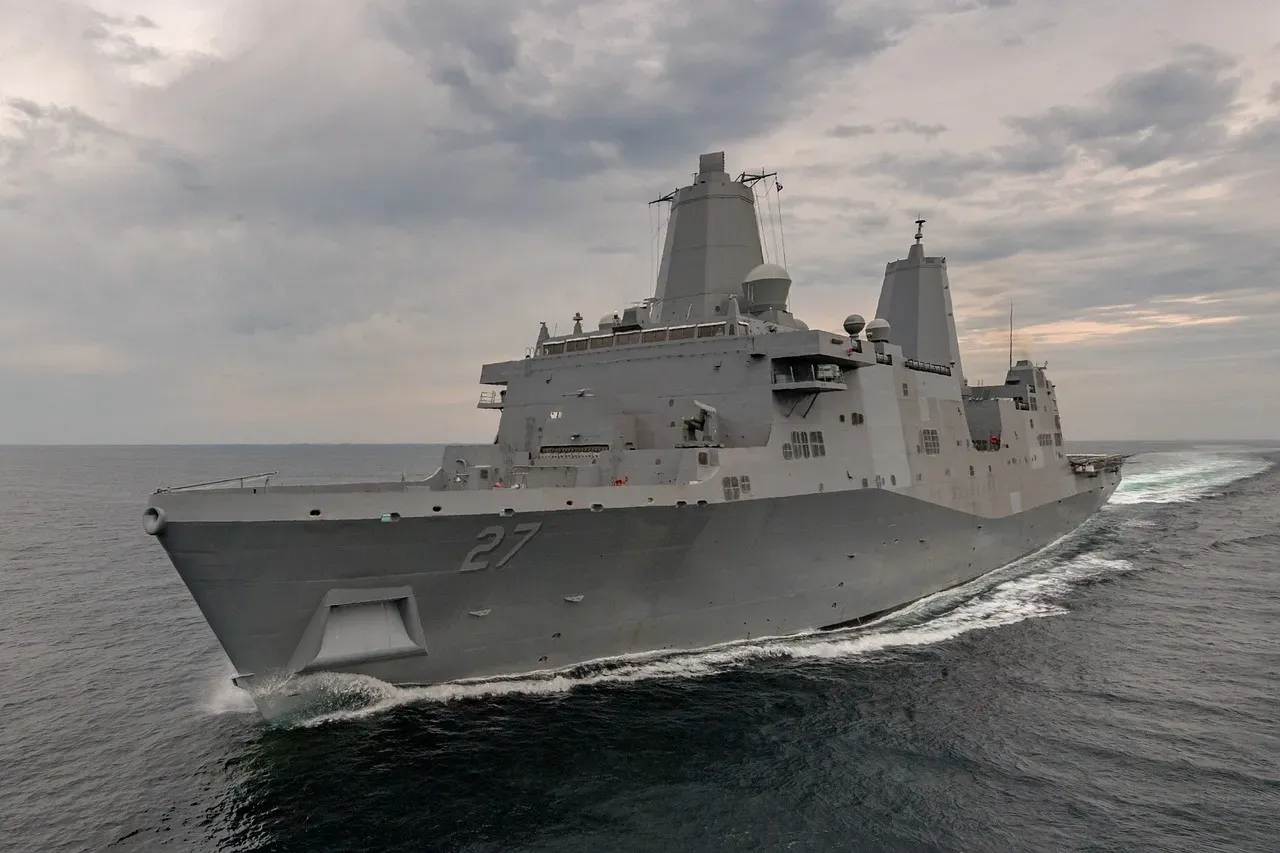
When you examine individual Bermuda Triangle cases closely, you often find something very down‑to‑earth: human beings making mistakes under pressure, in bad conditions, with limited tools. You have pilots flying long distances over open water with basic instruments and little room for error, or captains pushing ships and cargo hard on tight schedules. Fatigue, miscommunication, outdated charts, poor maintenance, and overconfidence all creep in. If you have ever taken a wrong turn with a GPS in your pocket, you can imagine what happens when a crew tries to navigate at night, in a storm, with far less accurate equipment.
The real twist is how powerfully a good story shapes what you remember and what you forget. Once you have the idea of a cursed triangle in your head, every incident in that rough patch of the Atlantic becomes another “mystery,” and every similar event elsewhere is just an accident. You are more likely to hear about the spooky cases than the thousands of ordinary, uneventful crossings. Over time, the pattern you think you see is not in the ocean; it is in the way stories are selected, told, and repeated. The Triangle lives more in your mind and in pop culture than in the shipping logs.
What Science Can Explain – and What It Honestly Cannot
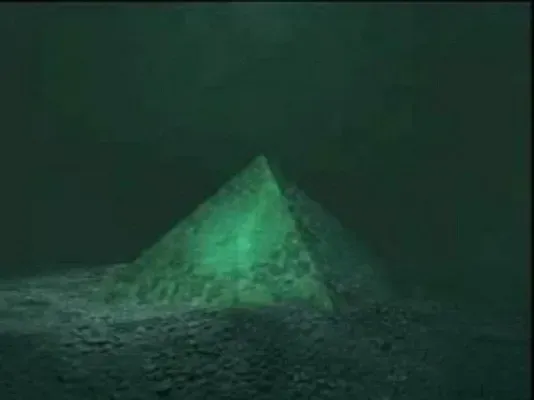
Science can give you solid explanations for many of the ingredients that show up again and again in Bermuda Triangle tales. It can describe how storms intensify, how waves combine into rogue giants, how currents scatter wreckage, and how navigational errors spiral into catastrophe. It can tell you that methane hydrates are real but not convincingly linked to any specific incident here, and that magnetic oddities are not especially strong or unique in this part of the Atlantic. When you demand proof that this region is more dangerous than similar oceans, science brings you data that says, quite calmly, that it just is not.
What science cannot do for you is retroactively solve every historical disappearance in perfect detail. Records are incomplete, wreckage is sometimes never found, and logs can be inconsistent or missing. For some cases, you are left with educated guesses rather than absolute certainty. It is tempting to plug “unknown” with something extraordinary, but the more you learn about meteorology, oceanography, and human factors, the more you realize that “we do not know all the details” does not mean “something supernatural happened.” It usually just means the ocean is vast, evidence is fragile, and nature does not keep neat files for you to check later.
So Should You Still Be Afraid of the Bermuda Triangle?
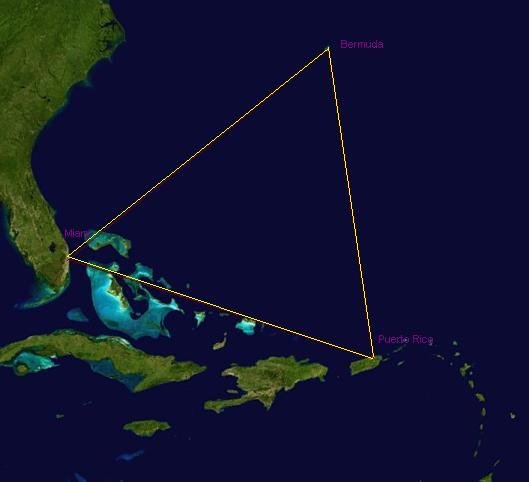
If you picture yourself on a boat or a plane crossing that region, you might still feel a twinge of unease. That is normal; stories you absorbed as a kid are stubborn. The good news is that modern ships and aircraft cross this area constantly and safely. Sophisticated weather forecasting, satellite navigation, better communication systems, and strict safety protocols have reduced risks dramatically compared to the mid‑twentieth century. The biggest dangers you face in those waters come from the same things that threaten you in any major ocean corridor: storms, mechanical failures, and the occasional human mistake.
At the same time, there is nothing wrong with letting a little mystery color how you look at the map, as long as you keep it in perspective. You can enjoy the eerie documentaries and campfire stories while also knowing that the most likely explanation behind the “mysteries” is a mix of rough weather, busy traffic, and selective storytelling. In a way, the real lesson of the Bermuda Triangle is not about a cursed ocean at all – it is about how easily your brain can be led by entertaining narratives and how powerful it is when you start asking for evidence instead of just atmosphere.
Conclusion: A Mythical Triangle in a Very Real Ocean
When you finally pull the curtain back on the Bermuda Triangle, you do not find an underwater gateway or a glitch in reality. You find a normal, if hazardous, ocean region wrapped in decades of hype, misreporting, and speculation. You see how authors stitched unrelated incidents together, how weakly supported ideas like giant methane bubbles or strange magnetism were pushed as sweeping explanations, and how rarely anyone checked whether this patch of sea is actually more dangerous than others like it. Once you look at the data, the mystery shrinks, and the ordinary forces of nature and human fallibility step into the spotlight.
That does not kill the sense of wonder; if anything, it redirects it. You can marvel at how powerful hurricanes grow, how complex ocean currents are, and how your own mind craves patterns and legends even when the evidence points elsewhere. The Bermuda Triangle turns out to be less a hole in the laws of physics and more a mirror for how you think about risk, coincidence, and storytelling. Knowing that, the next time someone mentions a place the map supposedly cannot explain, you might feel a little thrill – and then quietly ask yourself what the numbers, the weather, and the human element really say. Did you expect the scariest part of the Triangle to be how easily a good story can pull you in?