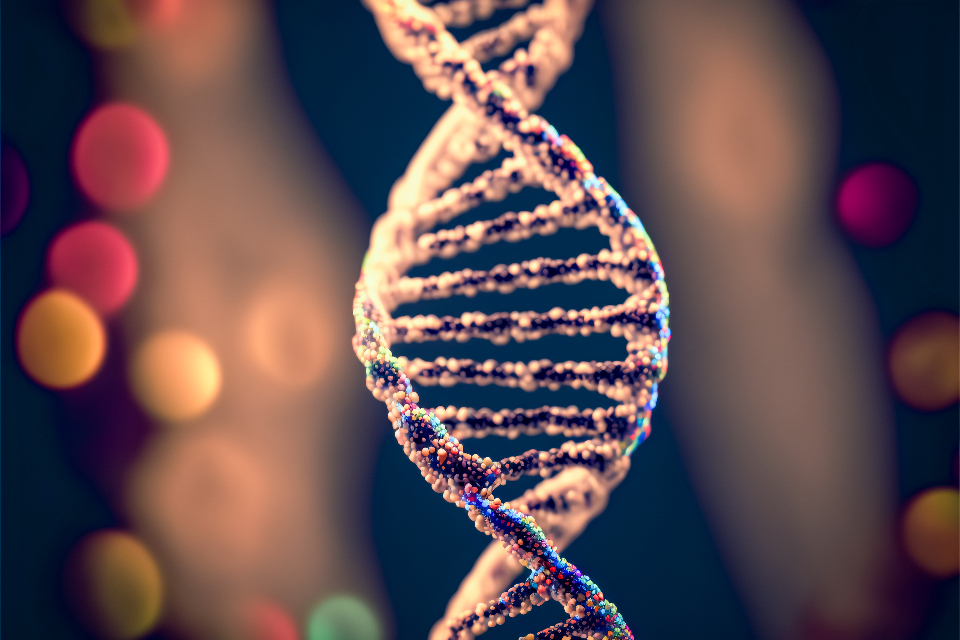

If you woke up this morning without a sore throat, a fever, or a pounding headache, you already benefited from something you probably rarely think about: your immune system. Every single day, without asking for credit, it quietly blocks invaders, repairs damage, and keeps tiny threats from turning into big problems.
Once you start to really understand what your immune system does for you, it changes how you think about your health. Instead of seeing it as something that fails you when you get sick, you begin to see illness as a sign that this hidden defense force has been working overtime, usually successfully, for years. And the best part: there’s a lot you can do to support it, starting right now.
The Secret Army Working For You 24/7
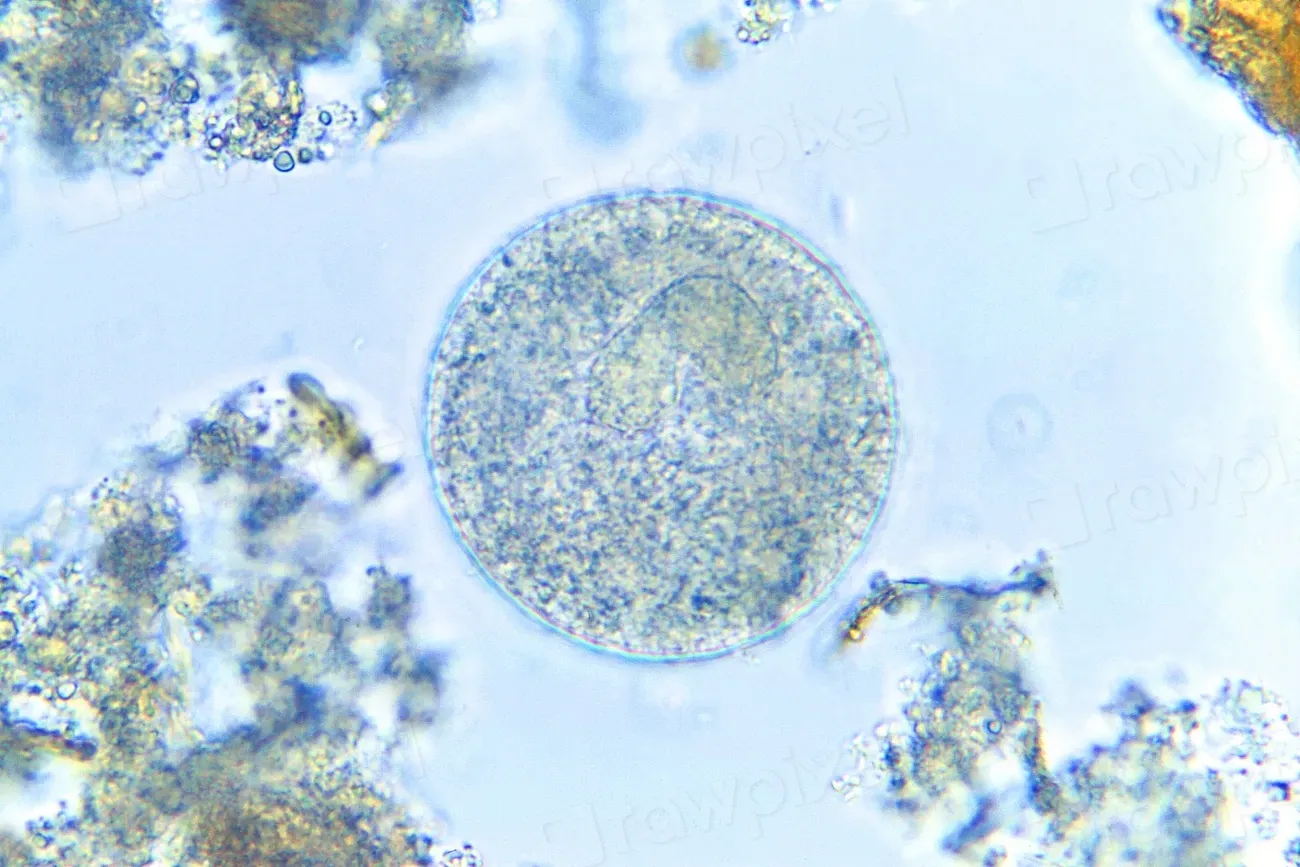
You carry a living, breathing security system that never sleeps, and you barely notice it until something goes wrong. Your immune system is a network made up of cells, tissues, and organs that constantly scan your body for trouble, asking one key question over and over: is this friend or enemy? Every time you breathe in air, touch a doorknob, or scratch your skin, that system jumps into action without you having to think about it.
Instead of one single “thing,” your immune system is more like a military with branches: frontline soldiers like white blood cells, intelligence units that remember past invaders, and communication messengers that coordinate attacks. When it works well, you move through crowded places, handle stressful weeks, and bounce back from minor cuts with barely a blip on your radar. You only really notice it when it’s overwhelmed, confused, or out of balance, which is exactly why paying attention before that happens matters so much.
Your Two Shields: Innate and Adaptive Defenses
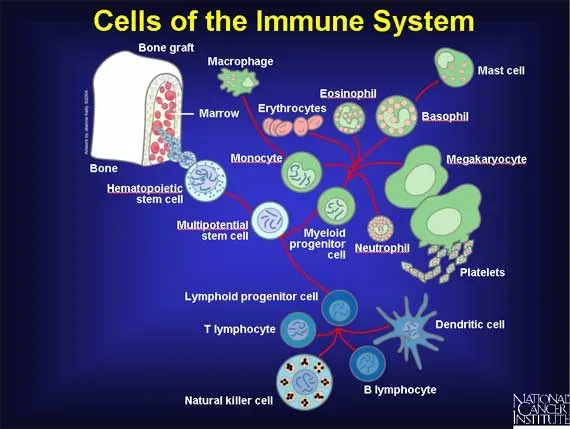
You actually have two major shields protecting you, and they work together like a fast bouncer and a seasoned detective. Your innate immune system is the first shield: it reacts quickly and broadly to anything that looks suspicious. Your skin, the mucus in your nose, the acid in your stomach, and certain fast-acting immune cells all belong to this rapid-response team that tries to stop invaders before they settle in.
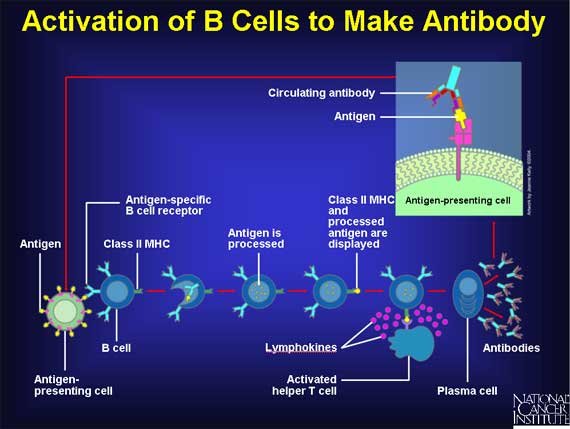
Then you have your adaptive immune system, which is slower at first but much more precise. When a new virus or bacterium shows up, special cells study it, figure out its weaknesses, and build tailored weapons such as antibodies. The beautiful part is that once your adaptive system has seen that invader, it remembers, sometimes for years or even for life. That’s why, after certain infections or vaccinations, you either don’t get sick again or you get a much milder version next time.
The Front Lines: Skin, Mucus, and Microbial Bodyguards
Your skin is not just a covering; it’s your first physical fortress. The outer layers form a tight barrier that keeps most microbes out, and the natural oils and slightly acidic surface make it harder for many germs to thrive. When your skin is broken, even by a tiny cut, your immune cells rush to that spot, causing redness and warmth as they work to seal the breach and clear potential invaders.
Inside, you have other front-line defenses that do just as much heavy lifting. The mucus in your nose and lungs traps particles and microbes, while tiny hair-like structures help sweep them away. In your gut, you host a vast community of microbes that act like friendly neighbors, taking up space and resources so more harmful organisms struggle to gain a foothold. When you care for your skin and your gut – by not over-scrubbing, staying hydrated, and eating in a way that supports healthy bacteria – you’re protecting your castle walls more than any expensive “detox” product ever could.
Your White Blood Cells: The Specialists on Patrol
![Your White Blood Cells: The Specialists on Patrol ([1], Public domain)](https://nvmwebsites-budwg5g9avh3epea.z03.azurefd.net/dws/84d9b0ce6ae3e2c91732a5ffd30a6cba.webp)
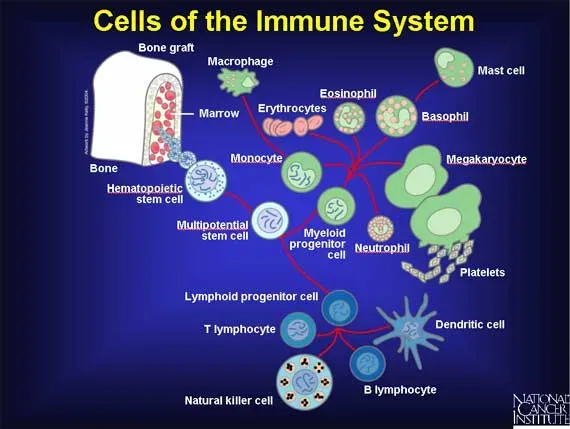
When you hear about your immune system, what you are really hearing about most of the time is your white blood cells. These cells travel through your blood and tissues, constantly checking for signs of infection or damage. Some act like hungry Pac-Man characters, swallowing and digesting invaders, while others act more like officers who coordinate attacks and send out chemical signals to call for backup.
Different types of white blood cells take on different roles. Some focus on parasites, others on viruses, and some help calm things down once a battle is over so the damage to your own tissues stays limited. You might never see them, but you can feel their work when you get swollen lymph nodes during an infection or feel tired while your body diverts energy to healing. The next time you feel run-down during an illness, you can remind yourself that your energy is not gone; it is simply being redirected to fuel a microscopic war on your behalf.
Inflammation: When Your Body’s Fire Helps and Hurts
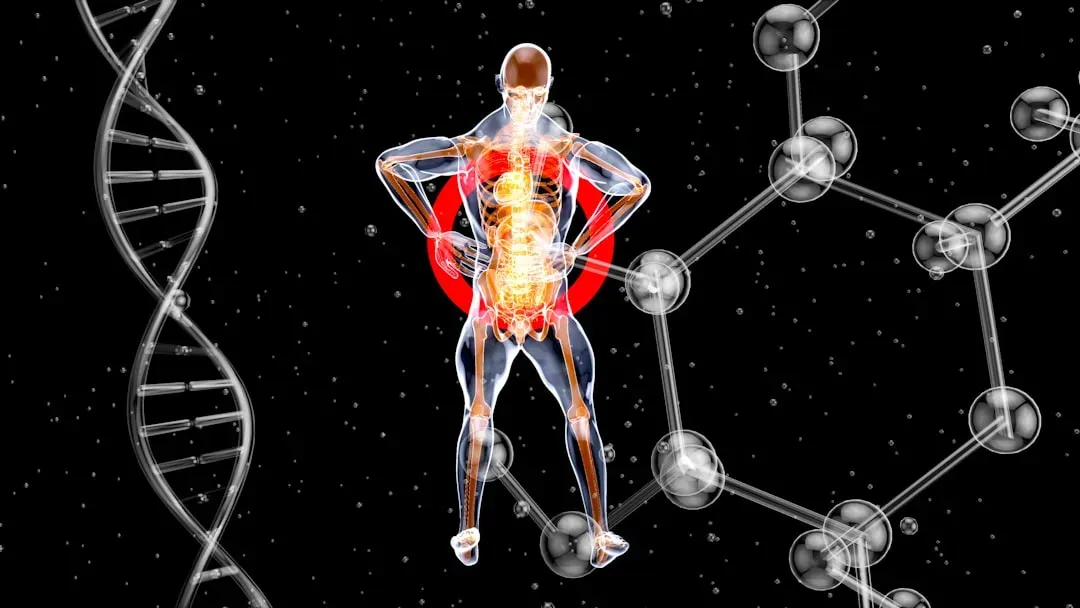
You often hear inflammation talked about like it is always a villain, but without it, you would be in serious trouble. Inflammation is your body’s emergency response: blood vessels widen, more immune cells rush to the scene, and chemical signals trigger swelling, heat, and sometimes pain. When you sprain your ankle or cut your finger, that puffiness and warmth are signs that your immune system is doing exactly what it is supposed to do – protect, repair, and clean up.
The problem starts when that short, sharp burst of inflammation never fully switches off. Long-term, low-level inflammation has been linked with a wide range of health issues, from heart disease to certain metabolic and autoimmune conditions. You cannot see it directly, but you influence it every day through your sleep, stress, activity, and what you eat and drink. Supporting your immune system is not about shutting down inflammation altogether; it is about helping your body light the fire when needed and then let it die down again instead of smoldering in the background.
How Your Daily Habits Quietly Rewire Immunity

You may think of your immune system as something mostly decided by your genes, but your daily choices shape it more than you might assume. Sleep is a huge one: when you regularly cut it short, you interfere with the way your immune cells communicate and respond. After several nights of poor sleep, you are not imagining that you catch colds more easily; your body’s defenses really do become less coordinated and less effective.
Food, movement, and stress also act like dials that turn your immune response up or down. A pattern of whole foods, especially colorful plants, healthy fats, and enough protein, gives your immune cells the vitamins, minerals, and building blocks they need to grow and repair. Moderate, consistent physical activity supports better circulation, helping immune cells move where they are needed, while chronic, unmanaged stress can disrupt immune balance and increase background inflammation. You do not have to live perfectly; even small, steady improvements in these habits can give your immune system a noticeable nudge in the right direction.
Vaccines and Immune Memory: Training Without the Trauma

Vaccines are one of the clearest examples of how you can work with your immune system instead of waiting helplessly to see what happens. When you receive a vaccine, your body is exposed to a harmless version or piece of a germ. Your adaptive immune system studies it, learns its patterns, and builds specific antibodies and memory cells, just as it would during an actual infection – only this time without the same level of risk or damage.
Later, if the real germ shows up, your immune system does not need a long introduction. Those memory cells recognize it much more quickly and respond with a faster, stronger, and more precise defense. That is why vaccinated people often experience milder illness or avoid it altogether when exposed to certain diseases. You are not “overloading” your immune system by vaccinating; you are giving it a carefully guided training session so it is ready when it truly counts.
When Defenses Misfire: Allergies, Autoimmunity, and Overreactions
Sometimes your immune system’s power becomes a double-edged sword. With allergies, your body reacts strongly to something that is usually harmless, such as pollen, dust, or certain foods. Your immune system mislabels these as threats, and the release of histamines and other chemicals leads to the sneezing, itching, or swelling you know all too well if you deal with seasonal or food allergies.
In autoimmune conditions, the problem runs deeper, because your immune system starts targeting your own tissues as if they were foreign invaders. This can affect joints, the nervous system, the gut, the skin, and more, depending on the condition. These issues are complex and influenced by genetics, environment, infections, and other triggers, and they often require medical treatment and careful management. What they really highlight, though, is just how powerful your immune system is – and how important it is to work with professionals when its aim shifts from protecting you to accidentally attacking you.
Building a Respectful Partnership With Your Immune System

Once you see your immune system as a team you live with instead of a mysterious force that just “fails” sometimes, your relationship with your own body starts to change. You stop looking for quick fixes and miracle cures, and you start focusing on what actually helps those hidden defenders work better: consistent sleep, nourishing food, movement you enjoy, stress outlets that suit your personality, and staying up to date on medical care and vaccinations that make sense for you. You move from fear of every germ to a more grounded confidence in your body’s built-in defenses.
On a personal level, you may even notice that when you treat your body with care, you feel more aligned and less at war with yourself. You will still get sick sometimes; everyone does. But instead of seeing that as proof that your immune system is weak, you can recognize it as part of a long-running, mostly successful partnership between you and your internal army. The real question is this: now that you know how much your immune system does for you, what are you willing to do for it in return?