You can feel it in the strange winters, the smoky summers, the endless headlines about record heat. Climate change can seem like a distant, abstract force, but for some of America’s most iconic animals, it is painfully real and dangerously close. The bison that once thundered across the plains, the polar bears pacing across melting ice, the salmon fighting their way upstream – they are all being pushed to adapt faster than nature ever intended.
As you follow the stories of these wild giants, you start to see a pattern: rising temperatures, shifting seasons, and extreme weather are not just inconveniences. They are rewriting the rules of survival. In this article, you’ll explore how climate change is reshaping the lives of seven emblematic American animals – and what that really means for you, your future, and the wild world you might one day tell your grandchildren about.
Polar Bears: Stranded on a Melting Edge
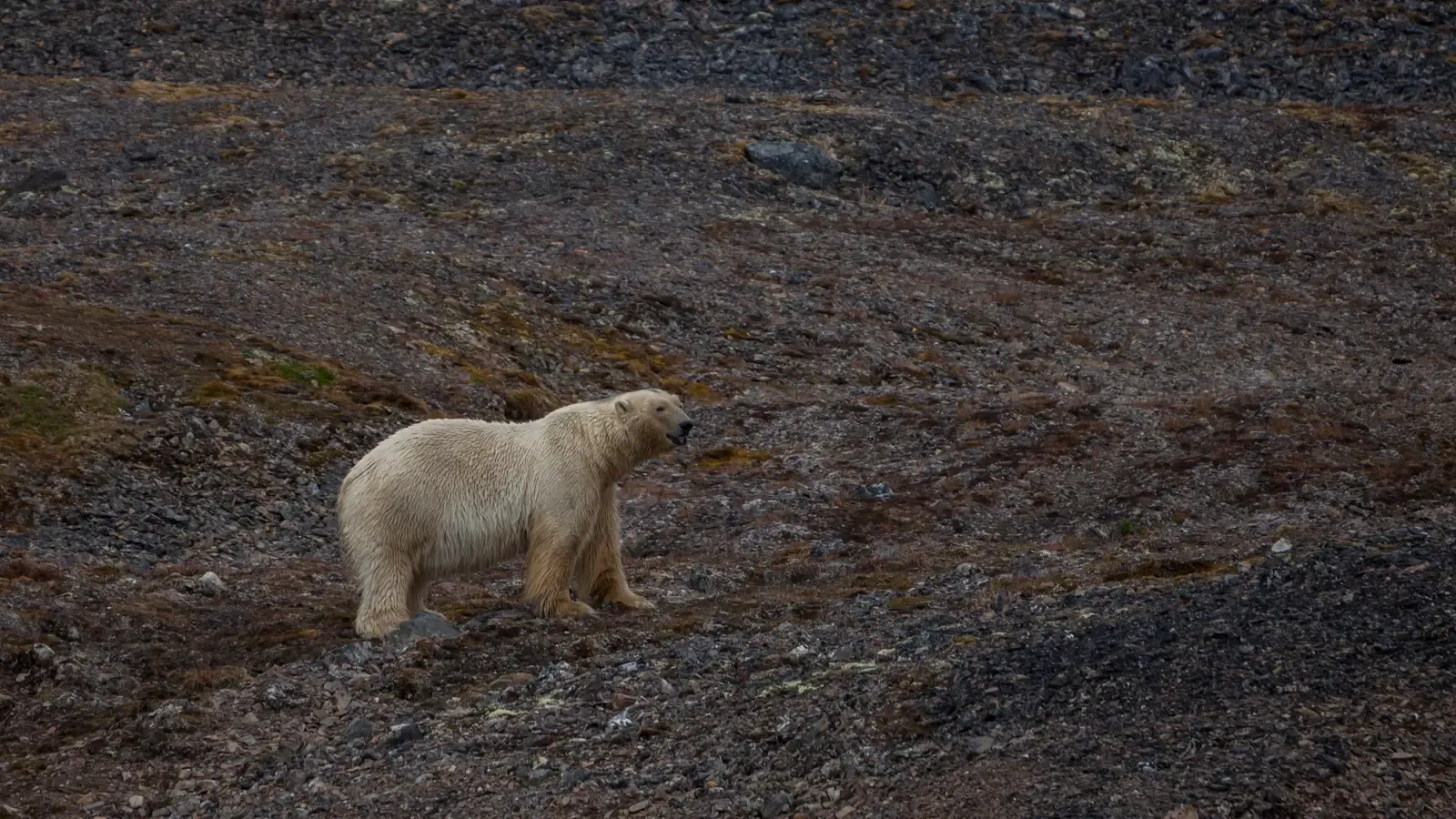
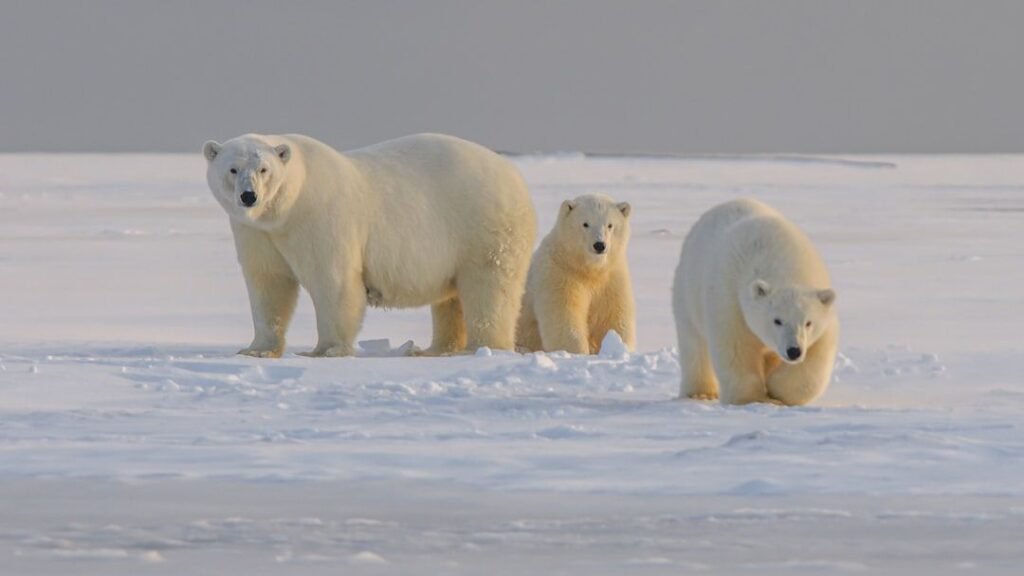
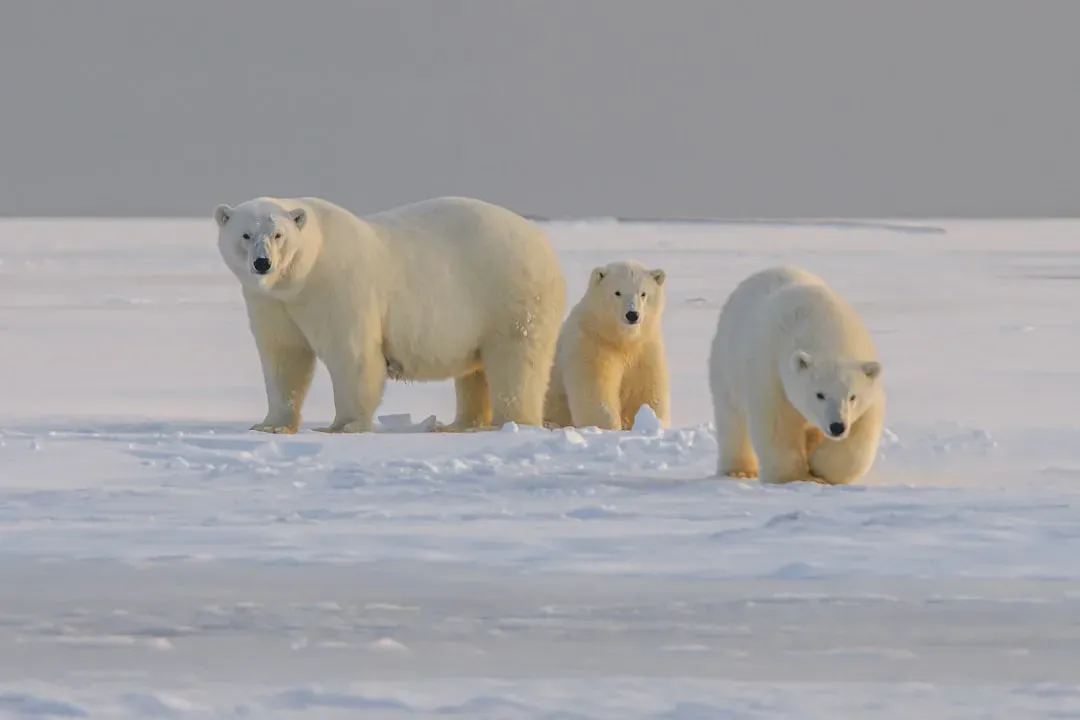
If you picture climate change as a single animal, you probably see a polar bear standing on a shrinking piece of ice. That image is not just symbolic; it’s brutally literal. As sea ice in the Arctic melts earlier in the spring and forms later in the fall, you see polar bears losing the hunting platform they depend on to catch seals, their primary food source. With less time on the ice, they have fewer opportunities to build up the fat reserves they need to survive long, food-scarce seasons on land.
For you, it helps to imagine trying to do a year’s worth of grocery shopping in a few rushed trips that are getting shorter every year. That’s the corner polar bears are being pushed into. As they spend more time on land, you see them wandering closer to human communities, scavenging for food in dumps or near towns – risky behavior driven by hunger. You might feel a mix of awe and sadness when you realize that an animal built to rule a frozen world is now caught between disappearing ice and the expanding footprint of human activity.
American Bison: Grasslands on the Firing Line
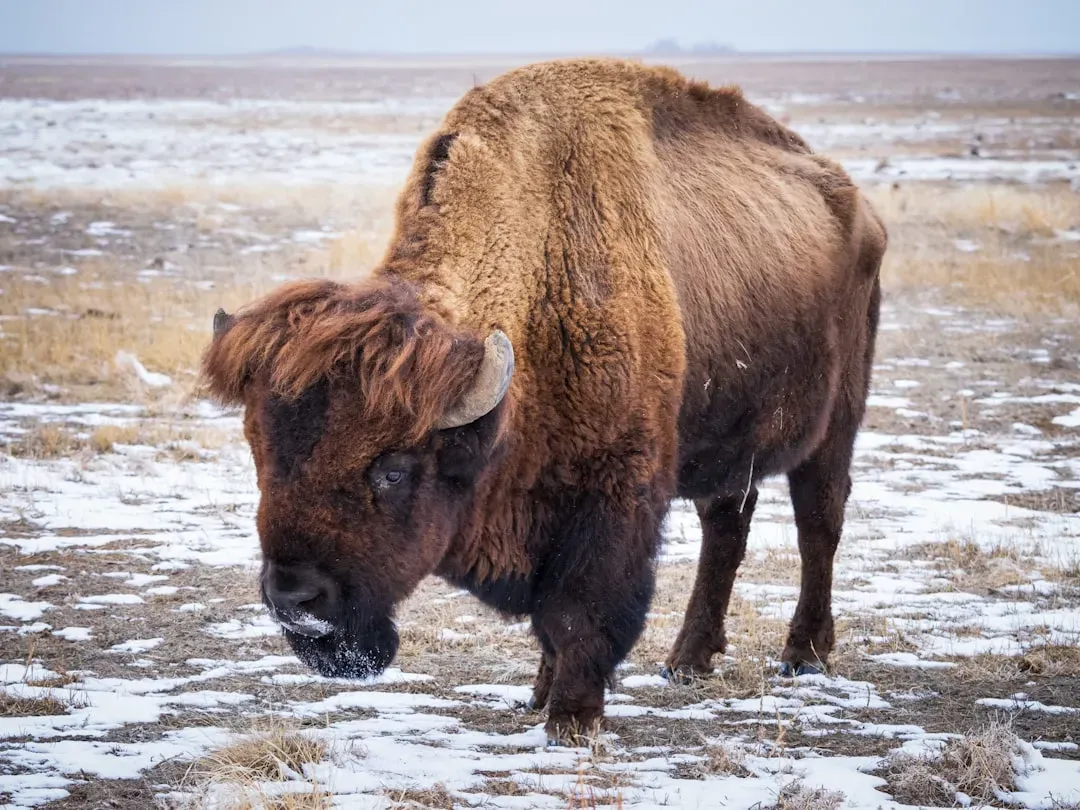
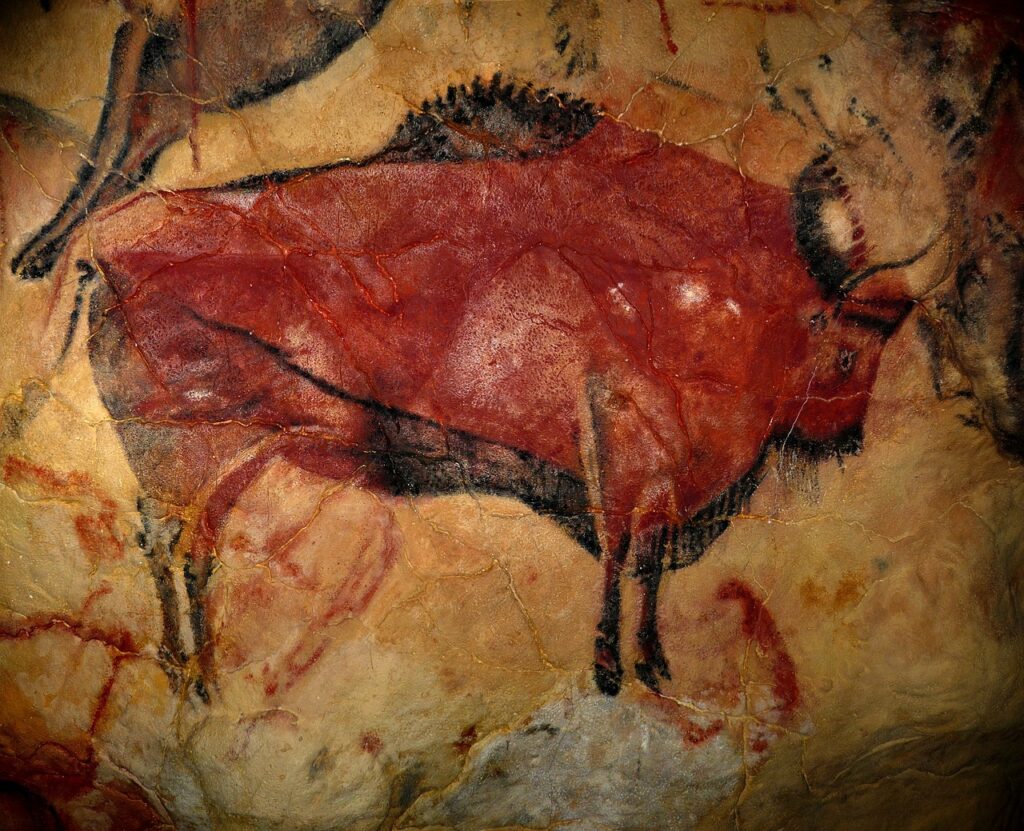
When you think of the American West, you probably imagine massive herds of bison silhouetted against a wide, endless sky. Today, the bison is a rare conservation success story, brought back from the brink of extinction. But as the climate warms, the prairies and grasslands that bison need are getting hit by more frequent droughts, intense heat waves, and unpredictable storms. The grasses they graze on dry out faster, grow at different times, or get replaced by more heat-tolerant but less nutritious plants.
Now picture trying to live off a buffet that keeps shrinking and swapping out your favorite foods for bland, low-energy options. That’s the reality you’re watching unfold for bison. On top of that, hotter summers increase the risk of heat stress and reduce access to water sources that can dry up or become contaminated. You see bison pushed into smaller, fragmented areas, and when extreme events hit those places – wildfire, deep drought, sudden blizzards – entire herds can suffer. The “return” of the bison is not as secure as it might look from a distance.
Alaskan Salmon: Swimming Against a Warmer Current
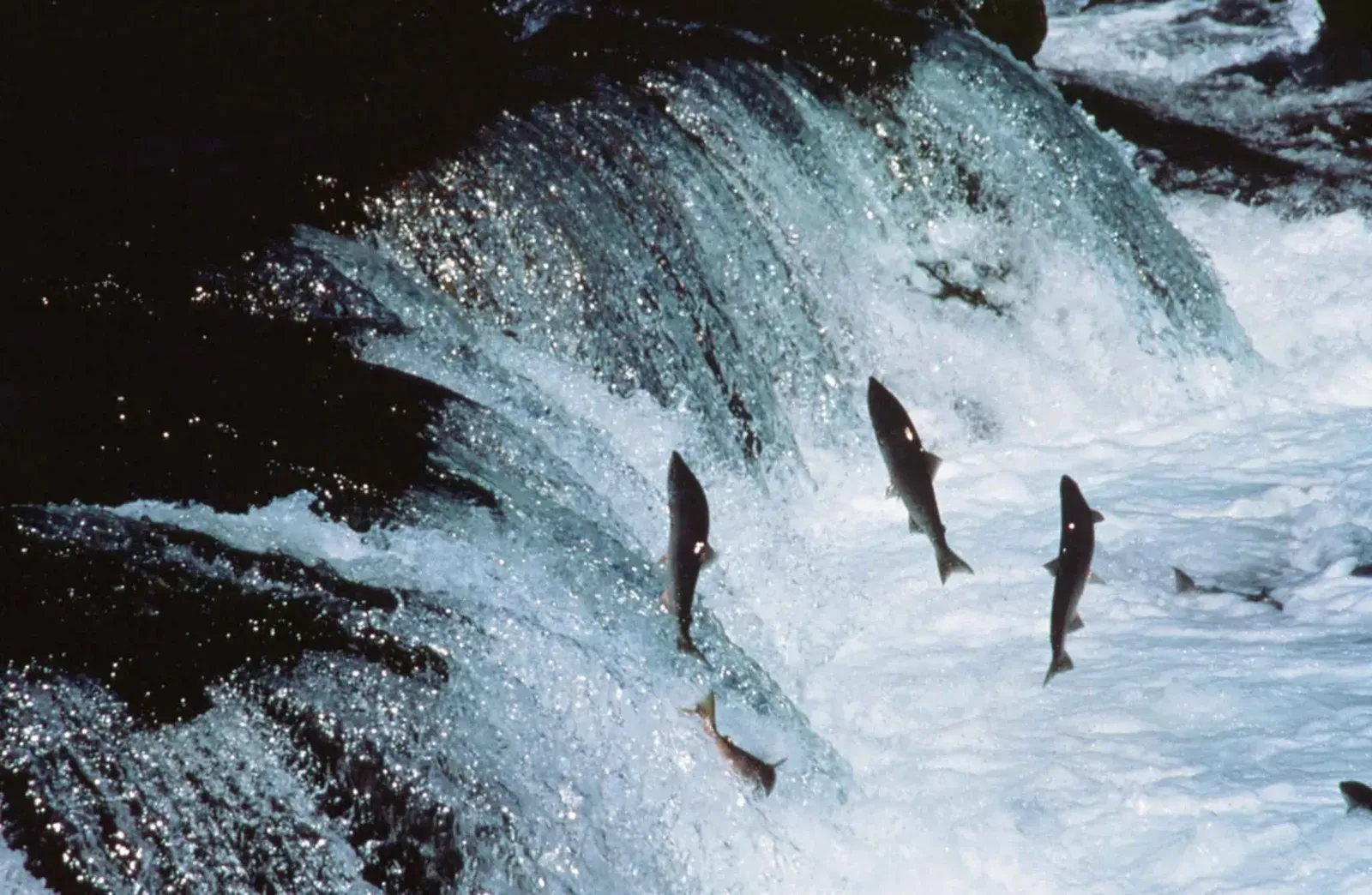
If you have ever watched footage of salmon hurling themselves up waterfalls, you know they are built for struggle – but you may not realize how finely tuned they are to cold, clean water. Rising river and ocean temperatures are quietly rewriting their odds of survival. Warmer water holds less oxygen, which means that when you see salmon packed into shallow streams, they are more easily stressed, more prone to disease, and less able to complete their upstream journey to spawn.
You can think of it like trying to run a marathon while breathing thinner air and wearing a heavy coat. In addition, shrinking glaciers and changing snowpack alter the timing and volume of river flows, so the cues salmon use to know when to migrate become less reliable. In some places, you see mass die‑offs during heat waves or low‑flow years, when fish simply cannot handle the conditions. For coastal communities and Indigenous nations that rely on salmon for culture, food, and livelihoods, you are not just losing fish; you are watching a thread of identity and history get frayed.
Monarch Butterflies: A Fragile Migration in a Turbulent Climate
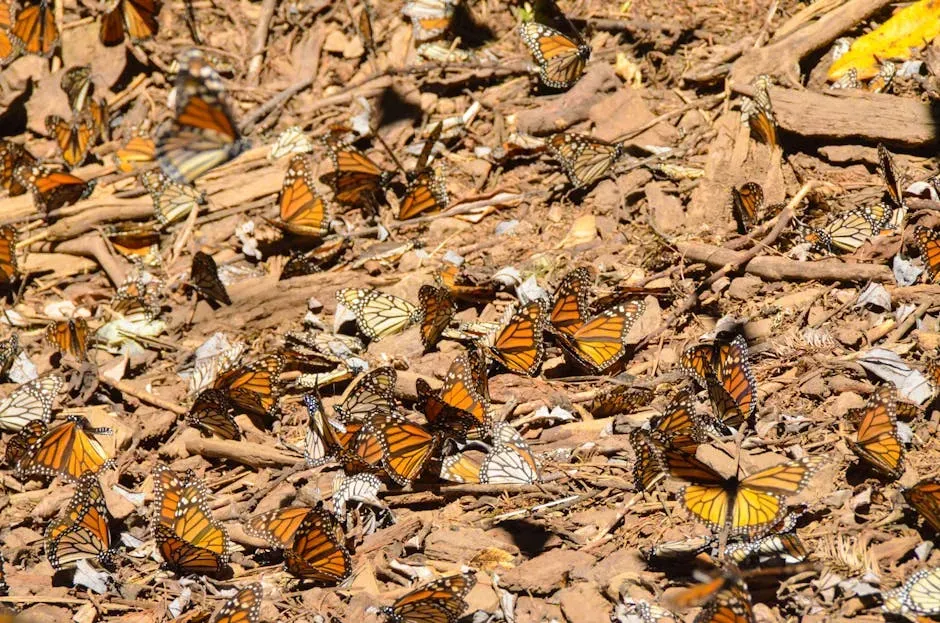
Monarch butterflies look delicate, almost weightless, but their journey across North America is one of the most astounding migrations on Earth. You watch them travel thousands of miles, crossing countries and generations, guided by cues in temperature, daylight, and seasonal plant growth. Climate change is scrambling all of those signals. Warmer springs can cause monarchs to arrive too early or too late for peak milkweed availability, the only plant where they can lay eggs and where their caterpillars can feed.
Imagine planning a road trip where every gas station schedule keeps changing without notice – eventually, you run dry. That’s the trap monarchs are slipping into. Extreme weather events like late frosts, heat waves, and heavy storms can wipe out large numbers of butterflies in a single season. Meanwhile, warmer conditions can fuel the spread of parasites and diseases that you now see showing up more often in monarch populations. You might see a few fluttering through your garden and feel reassured, but the bigger migratory spectacle that once darkened the skies is growing thinner and more fragile every year.
Grizzly Bears: Living Between Seasons That No Longer Make Sense
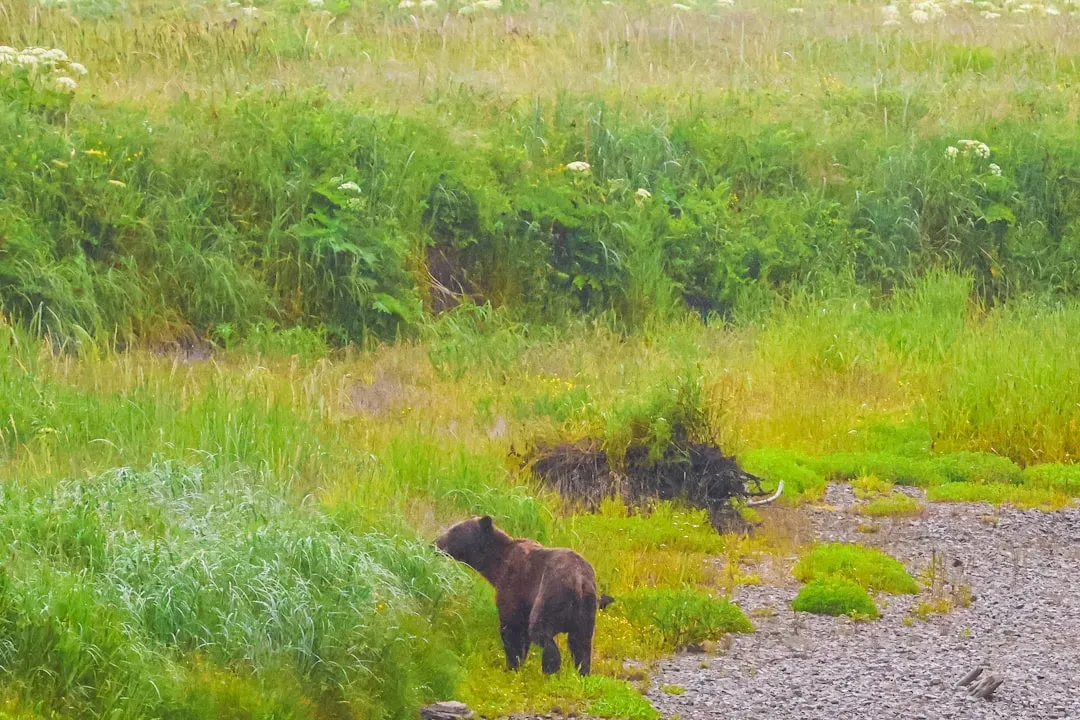
Grizzly bears have always had to read the seasons like a book: when to fatten up, when to den, when to emerge with cubs. Climate change is messing with that rhythm. Warmer springs and milder winters can cause bears to come out of hibernation earlier, before natural food sources like berries or new plant growth are abundant. If you were forced to wake up weeks before your pantry was restocked, you might go looking anywhere for calories – dumps, camps, backyards.
You now see grizzlies expanding into new areas, sometimes at higher elevations or farther north, following shifting food availability. At the same time, drought and heat can damage key food sources such as whitebark pine seeds and salmon runs where those overlap with grizzly territory. That combination is a recipe for more encounters between bears and people, with outcomes that are often fatal for the bears. When you look closely, you realize grizzlies are not just fearsome predators; they are also barometers for how badly the mountain and forest ecosystems around them are being thrown off balance.
Manatees: Gentle Giants in a Heating, Starving Sea
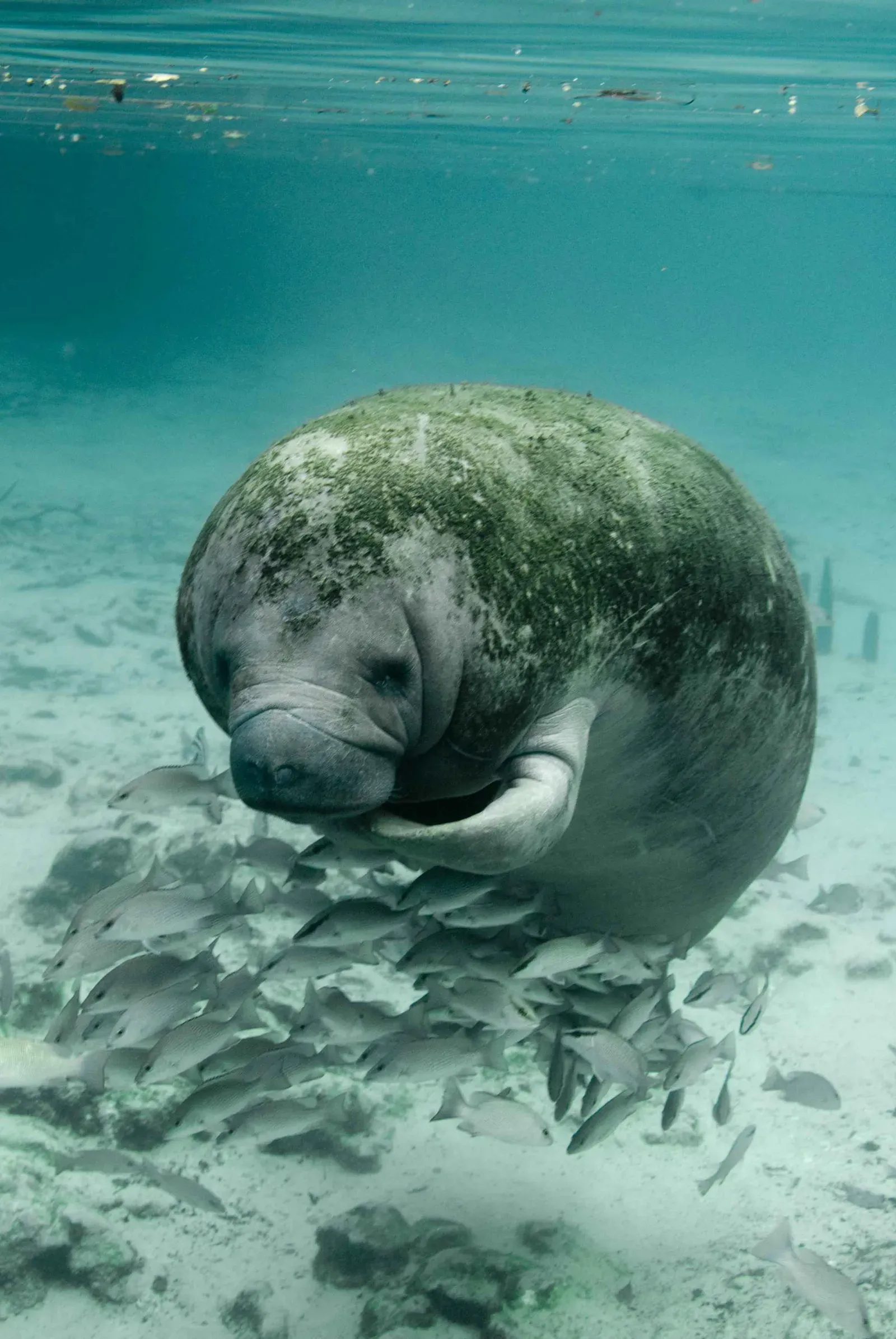
In Florida’s warm coastal waters, you might have been lucky enough to see a manatee gliding slowly beneath the surface, scarred by boat strikes yet still impossibly serene. These gentle giants depend on stable warm‑water refuges and abundant seagrass beds to survive. As climate change heats up coastal waters and contributes to harmful algal blooms, you see those seagrass meadows dying off, leaving manatees with less to eat. In recent years, there have been heartbreaking die‑offs where large numbers of manatees starved because their traditional feeding grounds collapsed.
For you, it’s like watching a beloved neighbor’s pantry get slowly emptied by forces they can’t control. At the same time, more frequent and intense storms stir up sediments, reducing water clarity and further harming underwater vegetation. Warmer waters can also support more frequent disease outbreaks that these already stressed animals struggle to withstand. When you connect the dots, you see manatees caught in a tightening vise: habitat loss from human development on one side, and the cascading impacts of a warming ocean on the other.
Sea Turtles: Nesting on Uncertain Shores
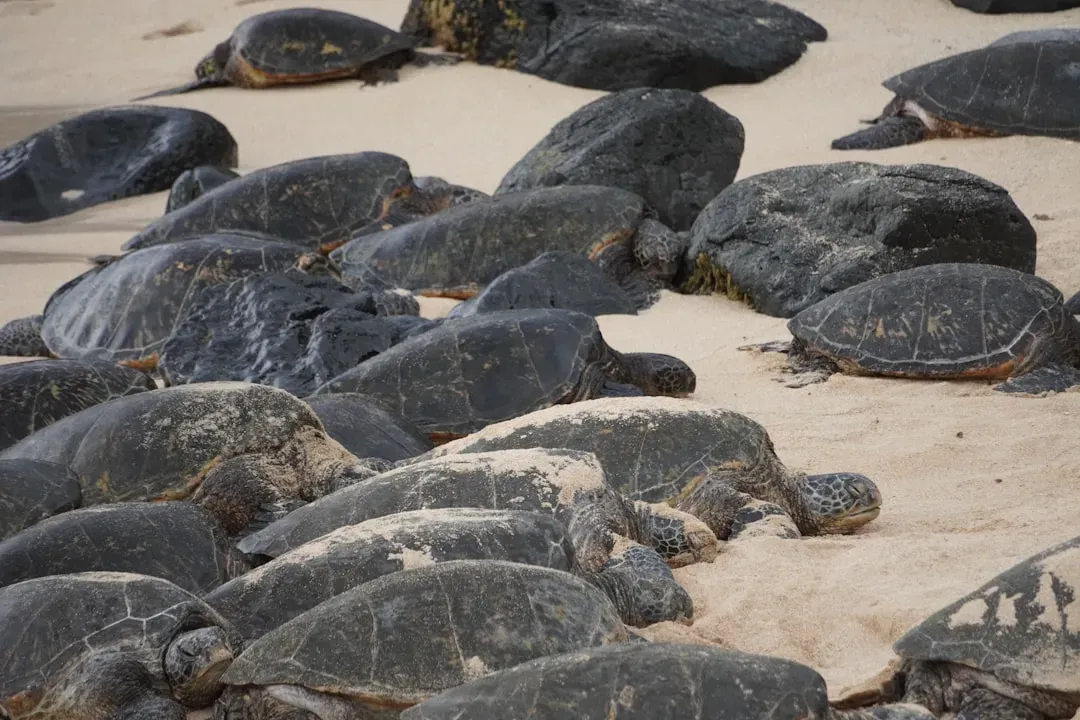
Sea turtles might feel almost mythical to you: ancient creatures that return to the same beaches decade after decade to lay their eggs. Climate change is quietly reaching into their nests. Sand temperature plays a crucial role in determining the sex of hatchlings – generally, warmer sand produces more females, cooler sand more males. As beach temperatures climb, you see nesting sites producing heavily female‑skewed broods, which could create long‑term imbalances in population structure.
On top of that, rising sea levels and stronger storms erode nesting beaches, wash away nests, or flood them with seawater. You might walk along a coastal stretch that looks beautiful today without realizing that many of the suitable nesting areas are shrinking year by year. Warmer oceans also affect the distribution of turtle food sources and migration routes, sometimes pushing turtles closer to busy shipping lanes and fishing areas. When you step back, you understand that a single turtle’s journey now crosses not just vast distances, but a gauntlet of climate‑driven obstacles that did not exist a few generations ago.
What You Can Do While the Giants Still Remain
As you think about polar bears on thinning ice, salmon gasping in warmer streams, or manatees searching for vanished beds of seagrass, it is easy to feel overwhelmed. But you are not just a bystander in this story. Every bit of climate action you take – from cutting your own emissions to backing policies that speed up the shift toward clean energy – directly shapes the future these animals face. You are living in a narrow window of time when your choices still matter enough to change the ending.
On a practical level, you can support wildlife groups that protect and restore habitats, push for stronger protections in national parks and marine areas, and advocate for climate‑smart planning in your city or state. You can pay attention to what you eat, how you travel, and where your money goes, and tilt those everyday decisions toward a cooler, more stable planet. Maybe the most powerful step is this: you keep talking about these vanishing giants, teaching kids their names and stories, and refusing to let them fade quietly into the background. When you picture the America you hope exists in fifty years, do you see these animals still there – and what are you willing to do today to make that vision real?