When you really stop and look at the animals around you, it can feel a bit unsettling to realize how much might be going on behind those eyes. For a long time, people told themselves that humans were uniquely smart, and that every other creature just ran on instinct, like a biological machine. Modern science has been quietly dismantling that idea, showing you, piece by piece, that animal minds are richer, stranger, and more flexible than you were probably taught in school.
As you dive into what researchers are finding, you start to see patterns: clever workarounds, surprising social strategies, even behaviors that look uncomfortably close to what you’d call culture or morality. You are not just looking at party tricks; you are looking at memory systems, problem-solving strategies, and emotional lives that force you to rethink what intelligence even means. By the end, you may find yourself looking at your dog, a passing crow, or even a fish at the aquarium with a new kind of respect.
The End of the “Dumb Animal” Myth
One of the most shocking things you discover from recent research is how wrong the old picture of animals as simple, instinct-driven beings really was. For most of modern history, scientists avoided talking about animal thoughts or feelings because it sounded too humanizing and unscientific. You were told that animals reacted, while humans thought. Today, experiments in cognition, neuroscience, and behavior are steadily showing that this neat line between “us” and “them” just does not hold up.
When you watch animals solve new problems, remember specific events, or adapt their behavior based on what others know, you start realizing that intelligence is not all-or-nothing. It looks more like a toolbox, and different species have built different tools depending on their ecological needs. You might see a crow using a twig to fish out food, a rat navigating a maze in a way that suggests planning, or a dog reading your body language better than some people. Once you let go of the “dumb animal” stereotype, you open up to the idea that there are many kinds of minds sharing the planet with you.
Problem-Solving and Tool Use: Not Just a Human Thing
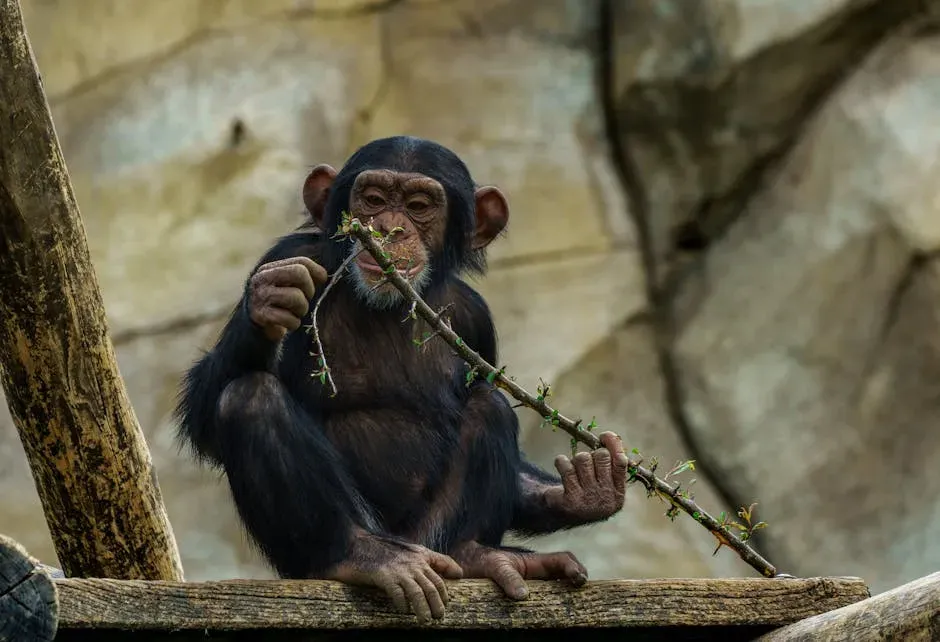
If you think of tools, you probably picture human hands building things, but science keeps finding animals that can improvise solutions in ways that look remarkably inventive. You have birds bending bits of wire into hooks, primates stacking boxes to reach food, and even marine mammals using objects in their surroundings to protect themselves or access hard-to-reach prey. Instead of mindless repetition, you are seeing flexible, step-by-step reasoning that lets them adjust when the situation changes.
What makes this so striking is that many of these animals are figuring things out on the first try or after only a few attempts, which suggests you are watching genuine understanding, not just trial and error. You can imagine yourself in their place, staring at a puzzle box or a barrier and trying to mentally test options before acting. When an animal suddenly does something new that solves a fresh problem, it challenges the idea that only humans can think ahead or mentally combine old experiences in new ways.
Memory, Planning, and the Sense of “Future You”
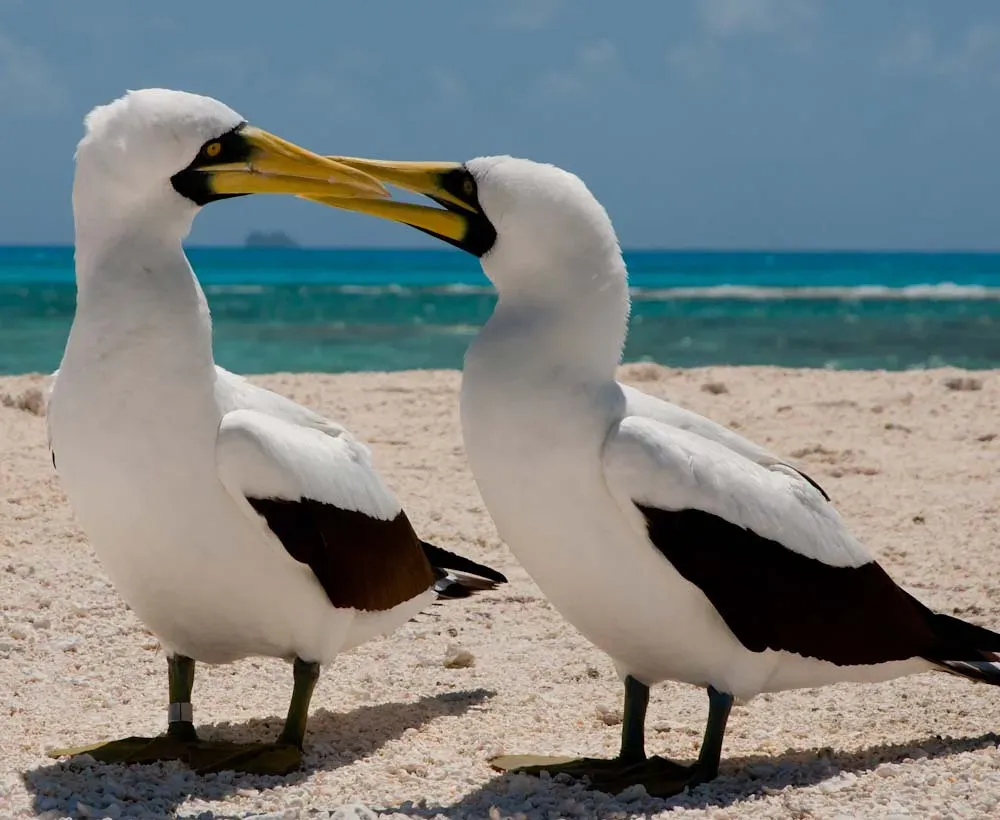
You probably take it for granted that you can plan dinner tomorrow or remember what you did on your last birthday, but for a long time, people assumed animals lived only in the present. Research has started to show that this is far too simple. When certain birds hide food and later choose which stash to revisit based on how quickly each type of food spoils, you are seeing a kind of mental time travel. They are not just acting; they are anticipating, in a way you can easily relate to when you plan ahead for a trip or a work deadline.
Other experiments suggest that some animals can delay gratification, choosing a larger reward later over a smaller one right now, especially when the situation is familiar or socially important. If you have ever tried not to eat all the snacks in one go, you know how hard that is. Watching a creature with a much smaller brain wait patiently for a better payoff forces you to rethink how special you really are when it comes to self-control and long-term thinking. It nudges you toward a more honest view: intelligence comes in layers and flavors, not in a simple ladder with humans at the top.
Social Intelligence: Reading Minds Without Words
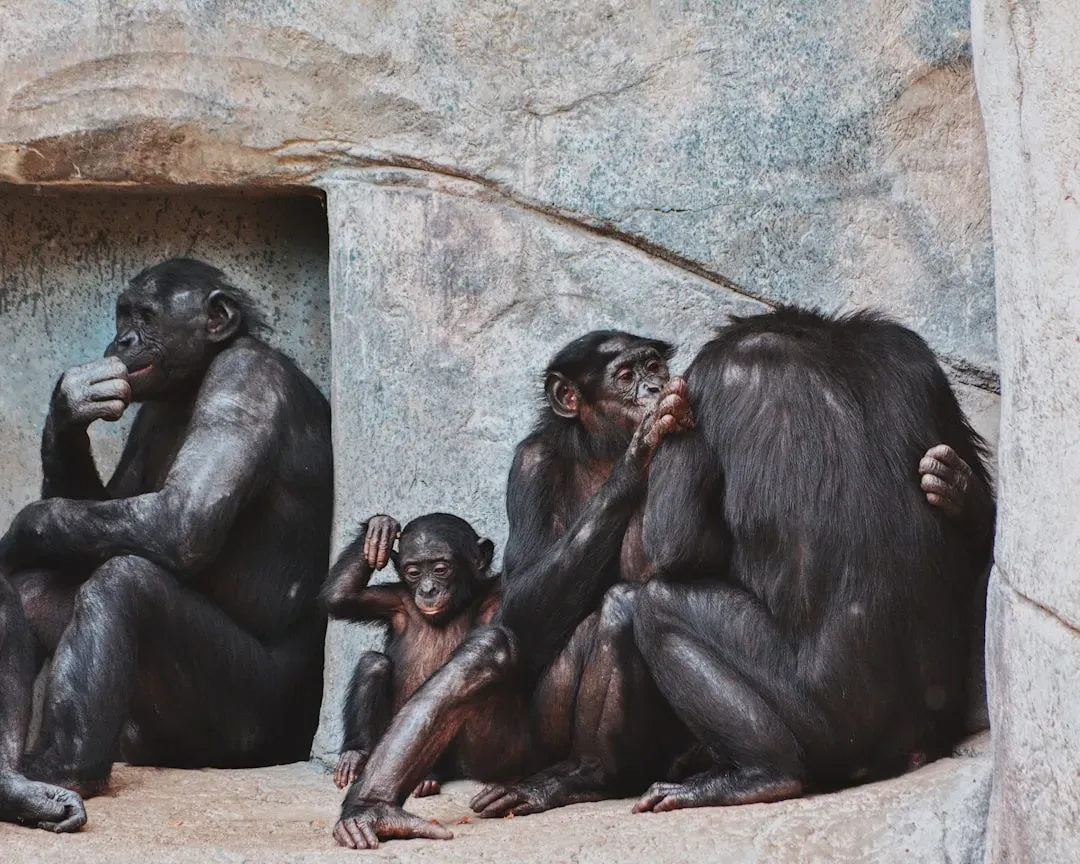
Where animal intelligence really starts to feel eerie is in the social world, where individuals track who knows what, who did what, and who can be trusted. When you see a chimpanzee deceive a rival by hiding its true intentions, or a bird quietly stash food out of sight of a competitor, you are watching a kind of perspective-taking. They are not just acting at random; they are factoring in what others can see or guess. That is a basic form of what psychologists call theory of mind, and you rely on it constantly in your own social life.
You can also look at cooperative hunts, alliances, and reconciliation behaviors across different species. In many social animals, individuals change tactics based on their partners’ past behavior, almost like keeping a mental scorecard. If someone helped before, they are more likely to get help in return; if someone cheated, they might be avoided or punished. When you realize that similar social calculations are happening in other species, it starts to feel less like you are observing “instinct” and more like you are watching a different version of the same social game you play every day at work, in friendships, and even in your family.
Emotion, Empathy, and the Question of Animal Feelings
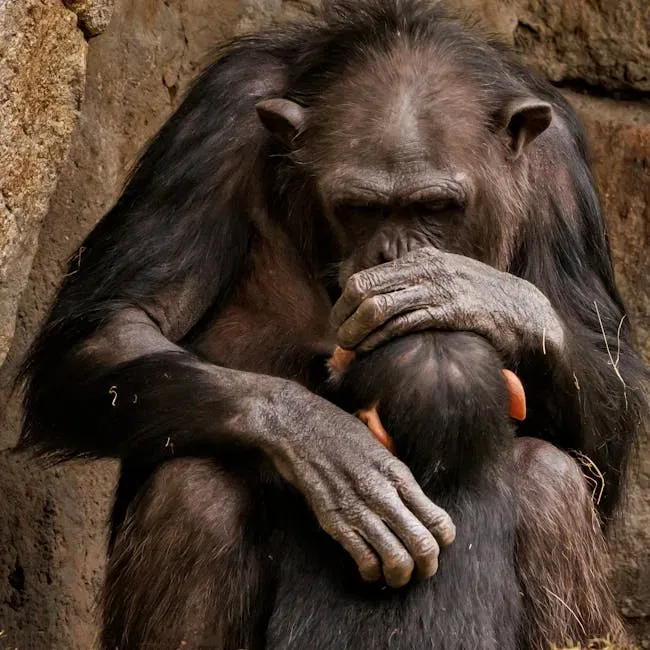
For many years, you were told not to talk about animal emotions because it sounded sentimental, but data from behavior and brain studies have made that wall hard to maintain. When an animal shows clear signs of fear, joy, frustration, or relief, and those signs match changes in hormones and brain activity, it becomes difficult to say there is nothing “real” going on there. You may never know exactly what it feels like to be a dog, an octopus, or a parrot, but it is no longer credible to pretend they are emotionless robots.
Even more intriguing, you see hints of empathy and concern for others. There are cases where animals console distressed companions, share resources they could easily monopolize, or seem distressed by the suffering of others. If you have ever felt your own mood shift when someone you love is upset, you recognize this pattern instantly. This does not mean every animal is secretly a tiny moral philosopher, but it does mean that caring, attunement, and emotional connection are not uniquely human achievements. They appear again and again in different forms across the tree of life.
Language, Communication, and the Edges of Conversation
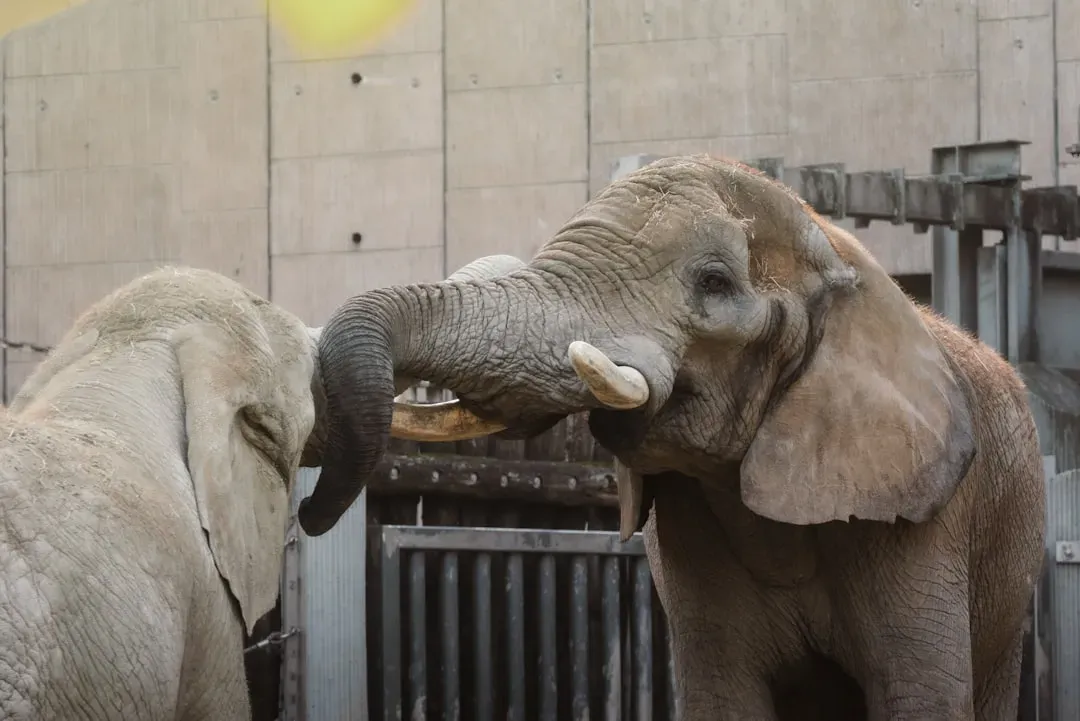
Spoken language in the human sense still seems to be your species’ speciality, but you are not the only one sending complex messages. Many animals use combinations of sounds, gestures, expressions, or chemical signals to share surprisingly specific information. You can see calls that identify particular predators, signals that negotiate social rank, or vocal patterns that change depending on who is listening. When you slow down and analyze those signals, you find structure and flexibility that start to echo the building blocks of language.
In some research settings, a few animals have learned to use symbols, boards, or gestures to communicate with humans in basic ways. They can label objects, make simple requests, or respond consistently to combinations of cues. You should be careful not to exaggerate these abilities; they are limited and often require heavy training. Still, they show you that under the right conditions, other species can latch onto new systems of meaning. It is like discovering that your neighbor speaks a different dialect, not that they are incapable of thought altogether.
Brains, Bodies, and Many Paths to Being Smart
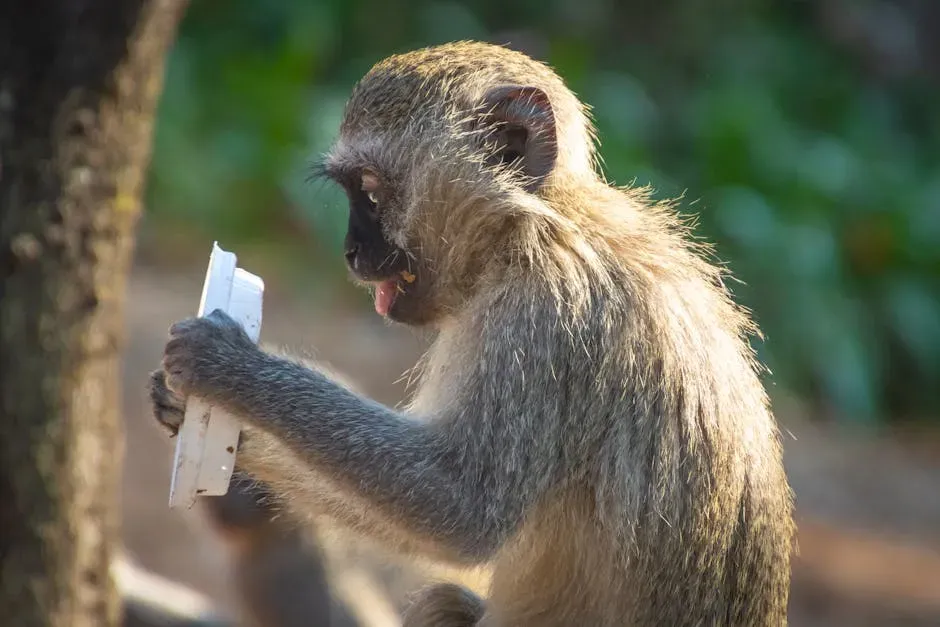
One of the biggest lessons you get from studying animal intelligence is that there is no single recipe for a smart mind. You might be tempted to equate bigger brains with better thinking, but that rule breaks down as you look across species. Some birds with relatively small brains, once you adjust for body size, solve puzzles as quickly as many primates. Certain marine mammals have brain structures strongly tuned for social and acoustic processing. Even insects, with tiny nervous systems, can navigate, learn patterns, and sometimes show surprising flexibility.
What really matters is how a brain is wired to match the challenges an animal faces in its environment. If you need to remember hundreds of hiding places for food, you will invest heavily in memory systems. If your life depends on tracking social alliances, your species will evolve brain regions that handle social signals well. When you look at it that way, human intelligence starts to look less like the pinnacle and more like one branch of a huge, tangled tree. You are one type of specialist among many, shaped by your own evolutionary pressures rather than placed on a universal throne.
Why Animal Intelligence Changes How You Live With Them

Once you accept that animals think, feel, and strategize in their own ways, it gets harder to treat them as mere background objects in your life. If a dog can read your emotions, a pig can learn complex tasks, or a bird can remember who treated it well or badly, then your choices about how you house, train, or eat animals become moral questions, not just practical ones. You are dealing with beings that can suffer, adapt, and respond to you in ways that matter for their long-term well-being.
This does not mean you have to stop eating meat, abandon pets, or completely overhaul your life overnight, but it does invite you to be more deliberate. You might choose products from systems that reduce stress for animals, support enrichment in zoos and shelters, or look for training methods that rely on understanding rather than fear. Even small shifts in how you relate to the animals around you – pausing to notice their preferences, their curiosity, their attempts to communicate – can turn everyday encounters into a quiet kind of dialogue instead of a one-sided interaction.
Looking Ahead: What Future Research Might Reveal
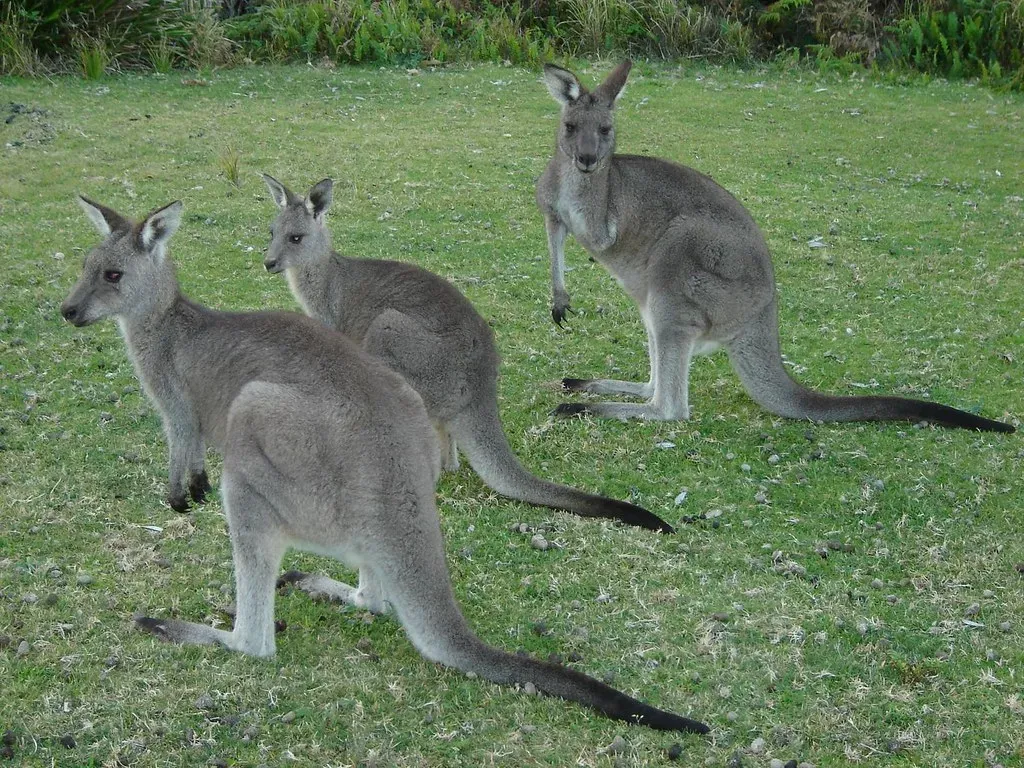
Right now, you are probably only scratching the surface of what animal minds can do. New tools in neuroscience, genetics, and field observation are letting researchers track behavior and brain activity in more natural conditions, rather than only in labs. As those methods improve, you will likely see more examples that challenge your assumptions about which species are “smart” and which are not. Some of the most surprising findings in recent years have come from animals once dismissed as simple, showing that your biases about who is worth studying can blind you to whole worlds of cognition.
In the coming years, you can expect deeper questions to emerge: how consciousness scales across species, whether certain animals have something like a sense of self, and how different minds experience pain, pleasure, and time. You may never get final, tidy answers, but even partial insights will keep reshaping how you see your place among other beings. The more you learn, the harder it becomes to treat intelligence as a single race that humans won, and the easier it becomes to see yourself as part of a vast, ongoing experiment in thinking and feeling on Earth.
In the end, decoding animal minds is really about decoding your own assumptions. When you realize that intelligence can take so many shapes, you are nudged toward humility and curiosity instead of automatic superiority. You start to look at a crow on a power line or a fish weaving through coral and wonder, in a serious way, what the world feels like from their point of view. That question alone can change your behavior, your ethics, and even your sense of wonder about everyday life. So the next time an animal looks back at you, will you still see a mindless creature, or will you pause and consider that someone, not something, might be looking right back?