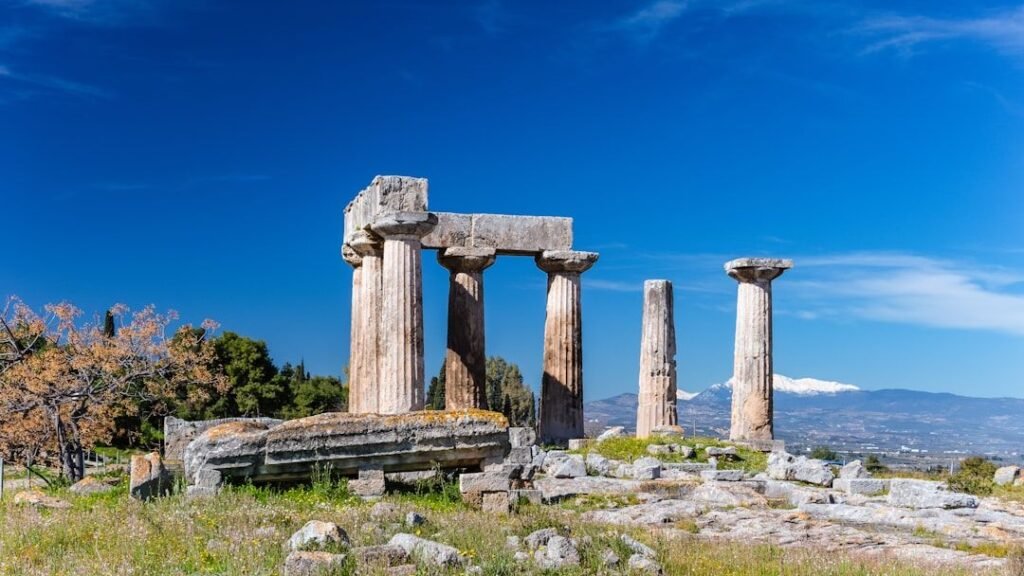

When you think about lost civilizations, you probably picture crumbling temples, buried cities, and mysterious symbols carved in stone. It all feels very far away from your daily life of phones, highways, and supermarkets. But if you look a little closer, you start to notice something unsettling and exciting at the same time: a lot of what you take for granted today was already imagined, tested, or refined thousands of years ago by people whose names you will never know.
You live in a world built on forgotten experiments, vanished empires, and half-deciphered ideas. From the way you measure time to how you organize cities and even how you think about the stars, you are constantly walking through the echoes of ancient choices. Once you see it, you cannot unsee it. History stops being a dusty list of dates and becomes more like a family secret that nobody bothered to tell you properly.
The Roads Beneath Your Feet: Ancient Infrastructure That Still Shapes Your Moves
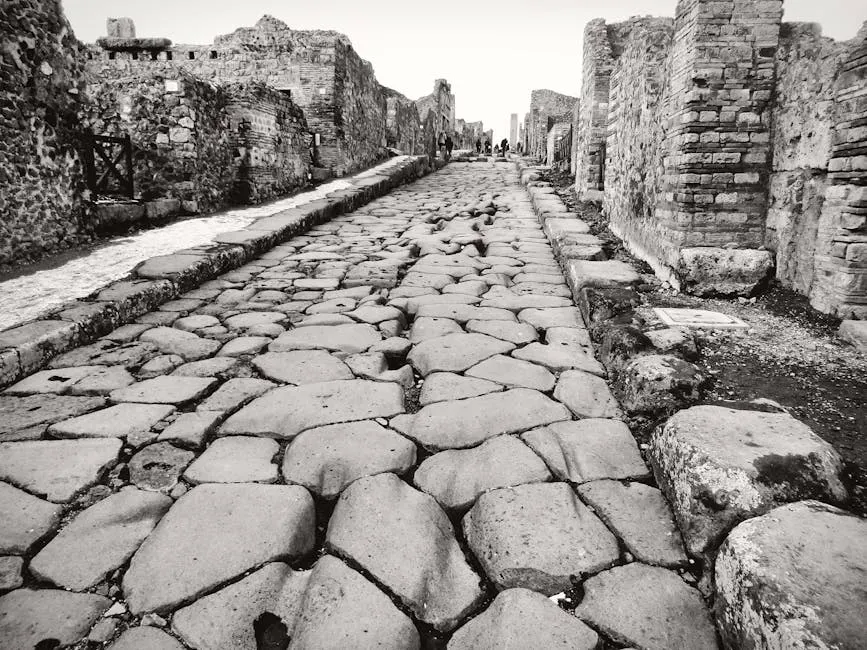
Every time you follow a straight road, a grid of streets, or a logical network of routes, you are stepping into a pattern that goes back thousands of years. You can trace the idea of well-planned, interconnected routes from ancient Mesopotamian cities and Indus Valley grids to the famously organized roads of Roman engineers. You might not be hauling goods in a wooden cart, but the principle is the same: connect important places efficiently, and suddenly trade, culture, and power can move faster than ever.
Modern highways, railroads, and even air routes often mirror older paths that once carried caravans and armies. In many parts of Europe and the Middle East, stretches of modern roads still follow Roman alignments because they were simply that practical. When you drive from one major city to another, there is a decent chance you are gliding along an ancient logic that decided long ago which routes mattered, which hubs would grow, and which places would be left quiet on the margins.
The Way You Count and Write Time: Calendars, Numbers, and Ancient Mental Software
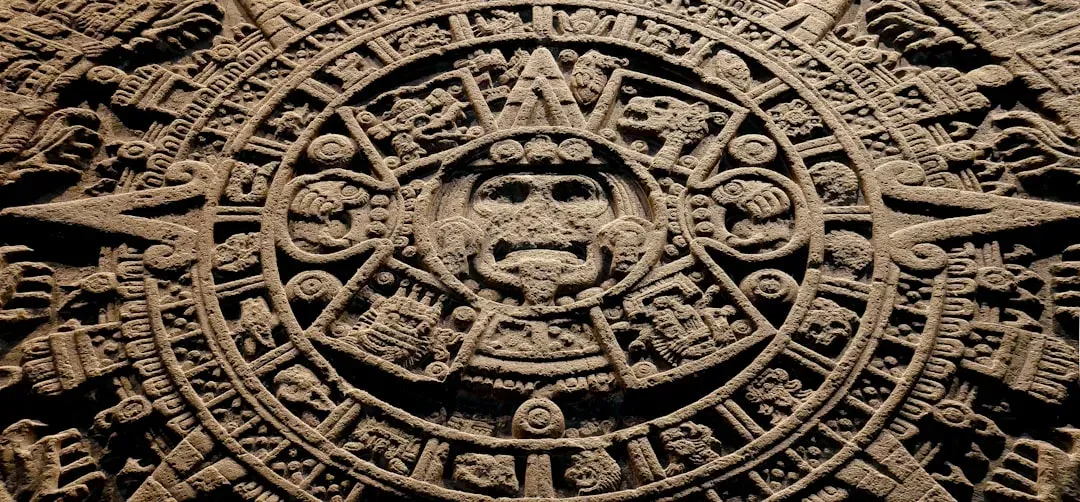
If you check the date, glance at a clock, or balance a budget, you are using systems that owe a lot to civilizations that vanished long before your country even existed. The idea of dividing an hour into sixty minutes and a minute into sixty seconds traces back to a sexagesimal system used in ancient Mesopotamia. The seven-day week, which shapes your sense of work, rest, and weekends, has roots in Babylonian traditions that blended astronomy and ritual. You carry this structure in your head every day, even if you have never once thought about where it came from.
Your basic number symbols, the digits you use to count and calculate, were shaped by ancient Indian mathematicians and transmitted across the Islamic world before becoming standard in Europe. You rely on place value and zero, ideas that were slowly discovered, refined, and argued over by people who lived in a world without calculators or spreadsheets. In a sense, your mind runs on ancient “software”: calendars, number systems, and timekeeping habits that were written and rewritten over centuries, but never fully replaced.
The City You Live In: Urban Design Lessons From Long-Gone Streets
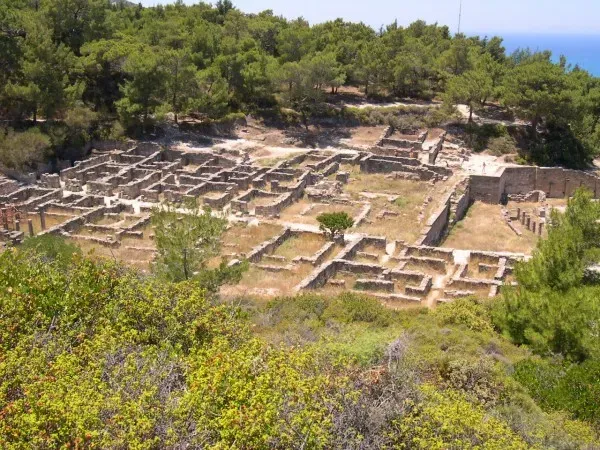
When you walk through a modern city, with its grids, public squares, drainage systems, and zoning rules, you are walking through layers of ancient trial and error. The ancient city of Mohenjo-daro in the Indus Valley had straight streets, standardized bricks, and complex drainage long before modern building codes existed. Ancient Greek and Roman planners experimented with public forums, marketplaces, and theaters placed at the heart of civic life, just like your central plazas and civic centers today.
Even the idea of separating spaces for the powerful, the sacred, and the ordinary is not new to you; it is an echo of older cities that divided palaces, temples, and residential quarters. When you see ring roads, defensive layouts, or carefully planned ports, you are watching a replay of worries that never really changed: how to move goods, control people, protect wealth, and survive attacks. Your city, whether you love it or complain about it, still carries the DNA of vanished streets and buried walls.
The Stories in Your Head: Myths, Religions, and Moral Blueprints
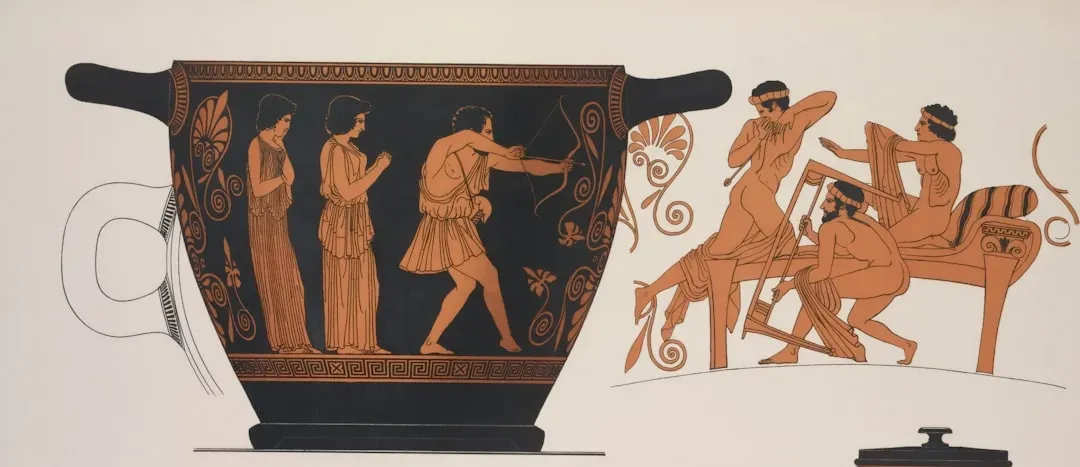
The way you think about right and wrong, heroes and villains, floods and endings, often has surprisingly old roots. Flood myths, for example, appear in Mesopotamian stories carved into clay tablets and in later religious texts that still shape how you imagine divine punishment or renewal. Ancient Egyptian ideas about the afterlife, judgment, and moral balance helped set a template for concepts of reward and punishment after death that echo in later beliefs. You might feel very modern in your spirituality or your skepticism, but you are still wrestling with questions framed long ago.
Even if you are not religious, you live in cultures that have been sculpted by ancient teachings about justice, hospitality, honor, and duty. Greek philosophy, Roman law, and early religious codes influenced how your legal systems work and how you talk about rights and responsibilities. When you argue about fairness, leadership, or the meaning of a good life, you are stepping into debates that started in agora squares, temple courtyards, and palace schools many centuries back. The vocabulary might feel new, but the core concerns are oddly familiar.
The Tech You Love: Ancient Innovation Hiding in Plain Sight
It is easy to look at your phone or laptop and think you live in a totally unique age, but a lot of what feels revolutionary to you is built on foundations poured by ancient hands. The idea of formal medicine, for instance, was pushed forward by Egyptian, Greek, Chinese, and Indian practitioners who cataloged symptoms, herbs, and surgical techniques. When you visit a hospital, you walk into a distant descendant of ancient healing houses and temple clinics where people first tried to separate superstition from observation.
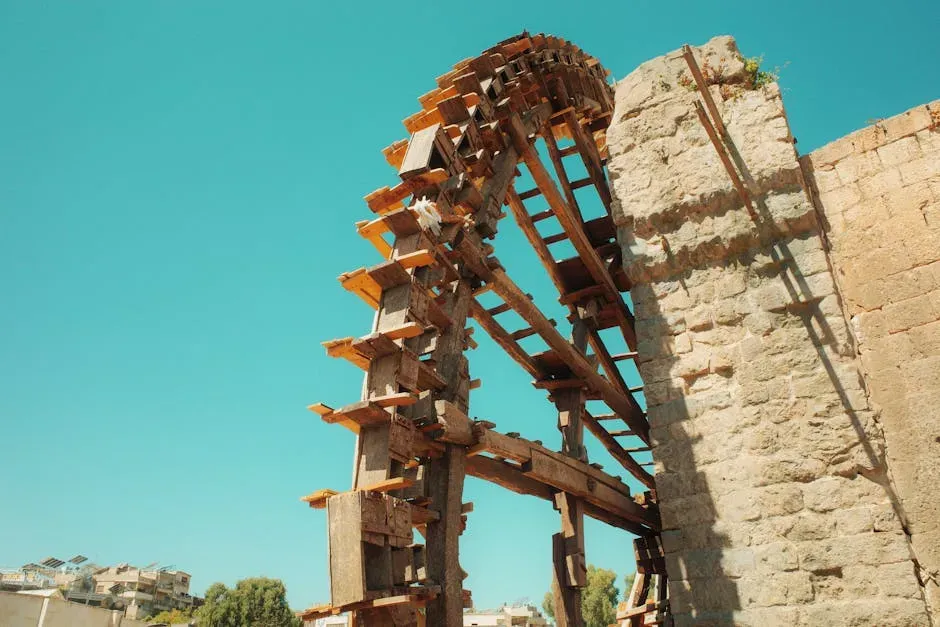
Engineering and science also trace deep roots in earlier civilizations. You can see ancient brilliance in irrigation channels that turned deserts into farmland, in step pyramids and ziggurats that required precise calculations, and in astronomical observatories that tracked planets with impressive accuracy. When you use a GPS or read a weather forecast, you are using tools that extend an old human impulse: to measure the world, predict its patterns, and bend its forces toward your survival and comfort.
The Languages You Speak: Words, Scripts, and Invisible Ancestry
Every time you speak, text, or write, you are borrowing from people who are long gone. Many modern languages carry layers of older tongues inside them, like geological strata. Vast language families, such as those in Europe and parts of Asia, can be traced back to prehistoric speech communities that left no written records but shaped the grammar and vocabulary you use every day. Even if you only speak one language, your words are often built from older roots shared across borders and time.
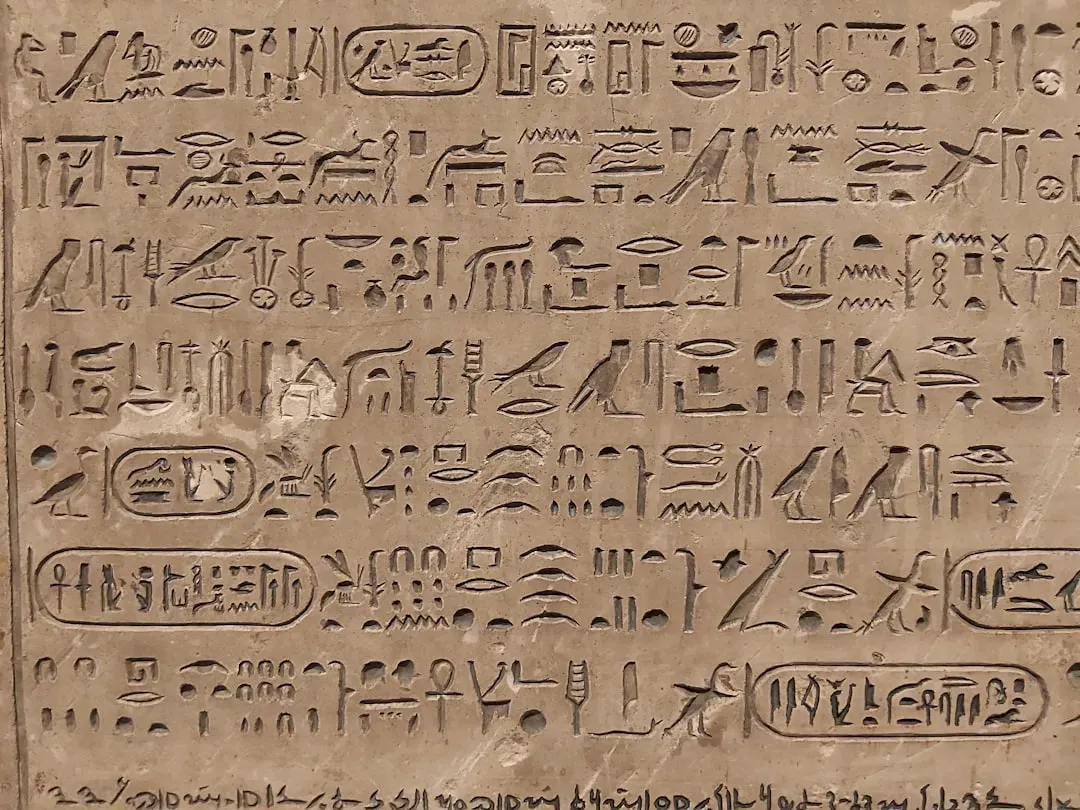
The way you write letters, from left to right or right to left, and the symbols you recognize as vowels and consonants, grew out of ancient scripts born around the Mediterranean and in the Near East. Early alphabetic systems allowed complex ideas to be written quickly and spread widely, which in turn made it possible for laws, literature, and sacred texts to travel farther than any messenger. When you jot down a note or fire off a message, you are using a tool that was sharpened by countless anonymous scribes and merchants over millennia.
The Warnings You Ignore: Collapse, Climate, and Fragile Civilizations
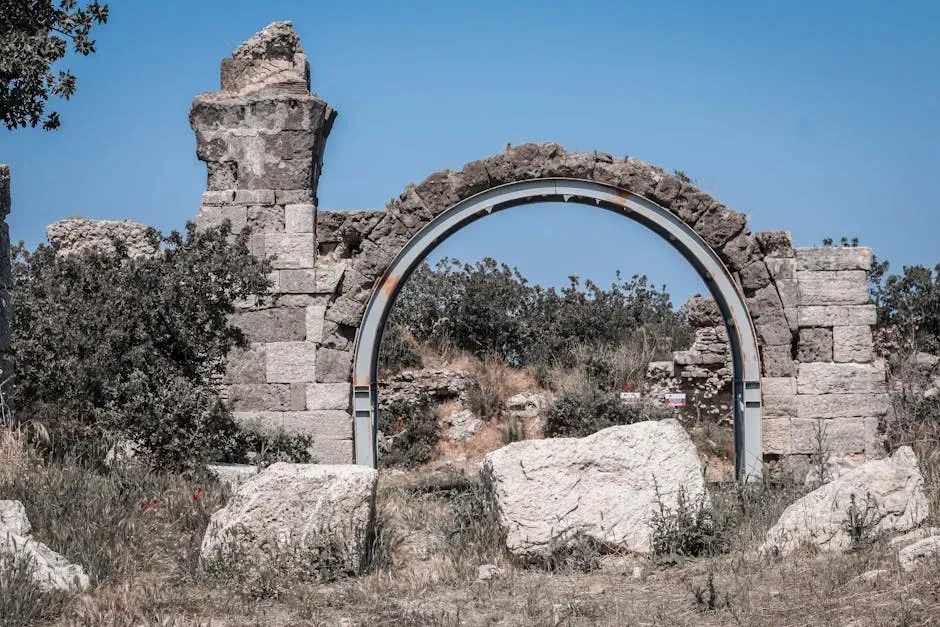
Lost civilizations are not just romantic backdrops for adventure stories; they are also quiet warnings for you. Many complex societies collapsed or shrank dramatically because of a mix of climate stress, resource misuse, political turmoil, and external pressure. Archaeologists have found evidence of droughts, soil exhaustion, and deforestation playing a role in the decline of places like the Maya cities and parts of Mesopotamia. When you hear about current worries over climate change and ecosystem damage, you are hearing an old story with new actors.
If you pay attention, these ancient collapses show you how tightly your survival is tied to water, soil, forests, and social stability. Elites ignoring warning signs, short-term gain beating long-term security, and fragile trade routes snapping under pressure are themes you can still recognize in your own news feeds. The ruins you admire today were once busy, noisy, ambitious places whose people believed their world would last. Seeing that gap between confidence and reality can be sobering, but it also gives you a chance to choose differently.
Conclusion: Living With the Echoes
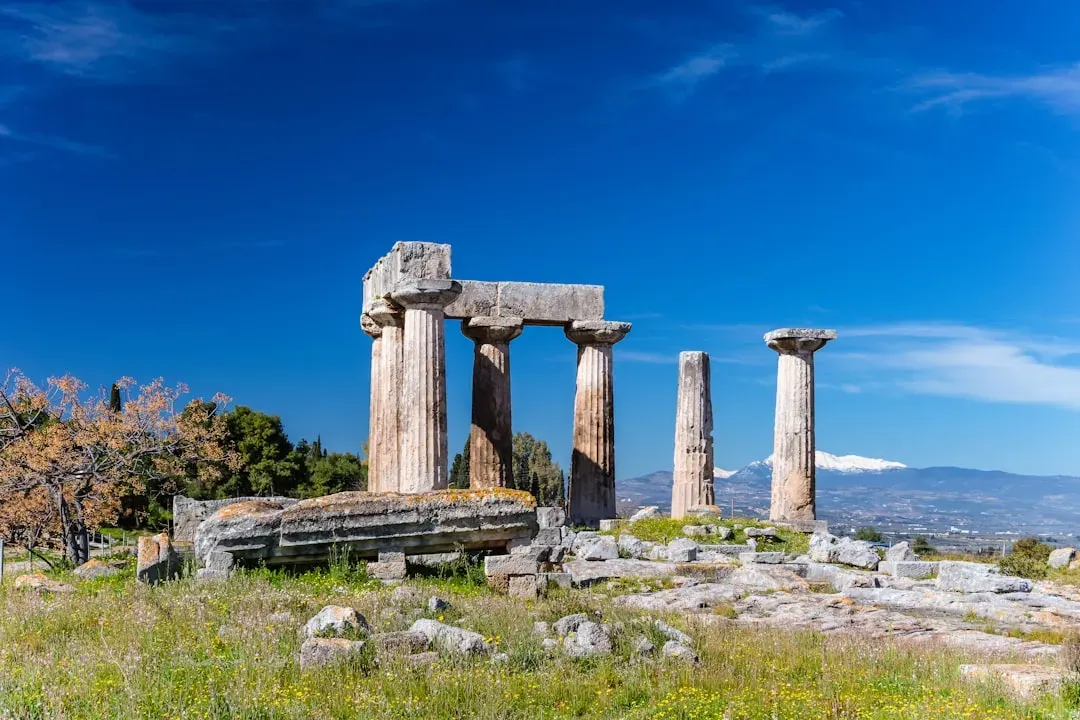
Once you notice how deeply lost civilizations have shaped your world, everyday life starts to feel different. Your calendar, your commute, your city layout, your moral debates, your technology, your words, and even your biggest global dangers all carry fingerprints from people who have been dust for thousands of years. You are not standing apart from history, looking back at it like a museum exhibit; you are standing inside a story that began long before you were born and will continue after you are gone.
You do not need to worship the past or pretend it was perfect to learn from it. You only need to admit that you are not as original as you might like to think, and that this can actually be comforting. If earlier societies managed to solve problems you still face, you can look to them for clues, not just curiosities. Maybe the real question is not whether the ancient echoes are still there, but what you choose to do now that you can finally hear them. What will you do differently, knowing how many worlds have risen and fallen before yours?