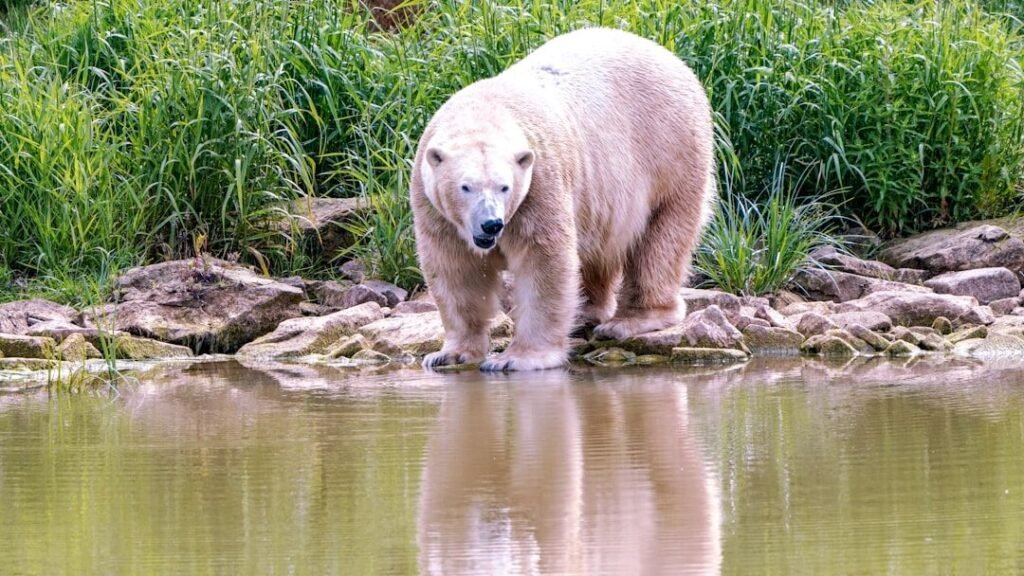
When you look closely at animals, you start to notice something unsettling and strangely comforting at the same time: they often act a lot like you. They comfort each other, sulk when things feel unfair, mourn their dead, and even form unlikely friendships that look like something out of a movie. For a long time, you were told that only humans could do things like this. Science has been steadily, and sometimes awkwardly, proving that idea wrong.
As you explore these seven research-backed examples, you are not just looking at cute stories. You are peeking into a deeper truth about your own mind and where it came from. Each case forces you to wonder how special human behavior really is, and how much of it is shared with other species that think, feel, and choose in ways that echo your own. By the end, you may never look at a rat, an elephant, or even a crow the same way again.
1. When Rats Choose Compassion Over Food
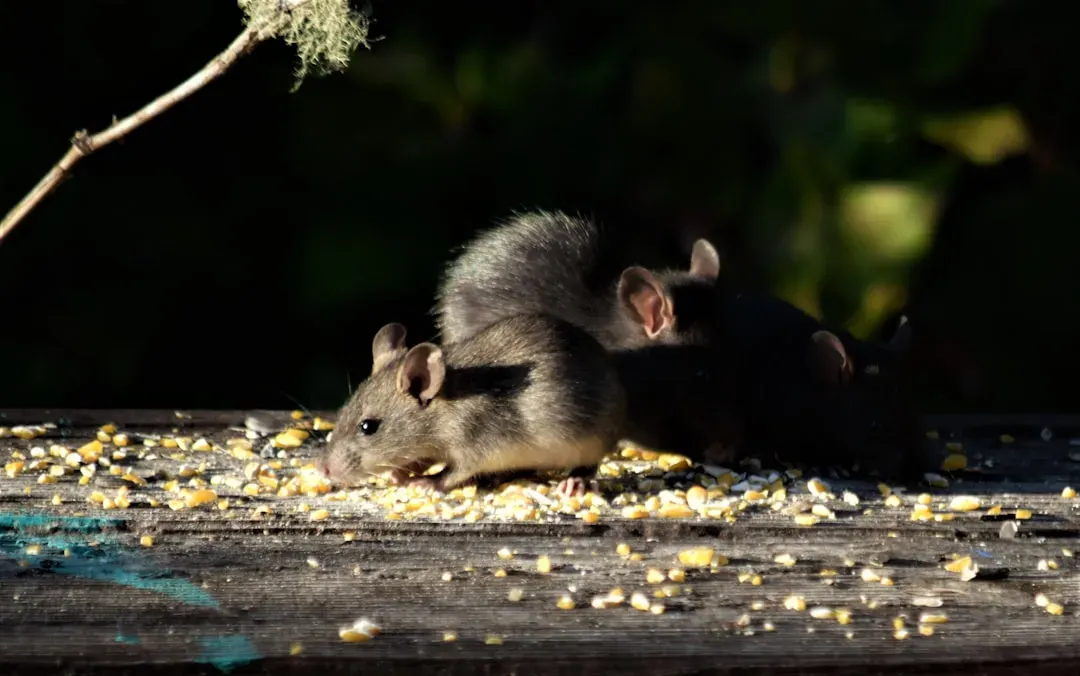
You probably do not instinctively think of rats as gentle souls, but experiments have pushed you to reconsider that. In controlled studies, researchers put one rat in a clear tube or restrainer and gave another rat a simple choice: ignore the trapped companion and enjoy food rewards, or work to free the other animal. Over and over, many rats chose to help, sometimes even sharing treats afterward instead of keeping everything for themselves.
When you watch this behavior, it looks a lot like a basic form of empathy. The free rat seems distressed when the other is trapped, and once it figures out how to open the door, it repeats that action in later trials. You are seeing an animal give up immediate gratification to relieve another’s stress, which is exactly the kind of trade-off you recognize in human kindness. It does not prove rats feel empathy in the exact same way you do, but it does show that helping a companion – even at a cost – is not uniquely human.
2. Monkeys That Get Angry About Unfair Pay
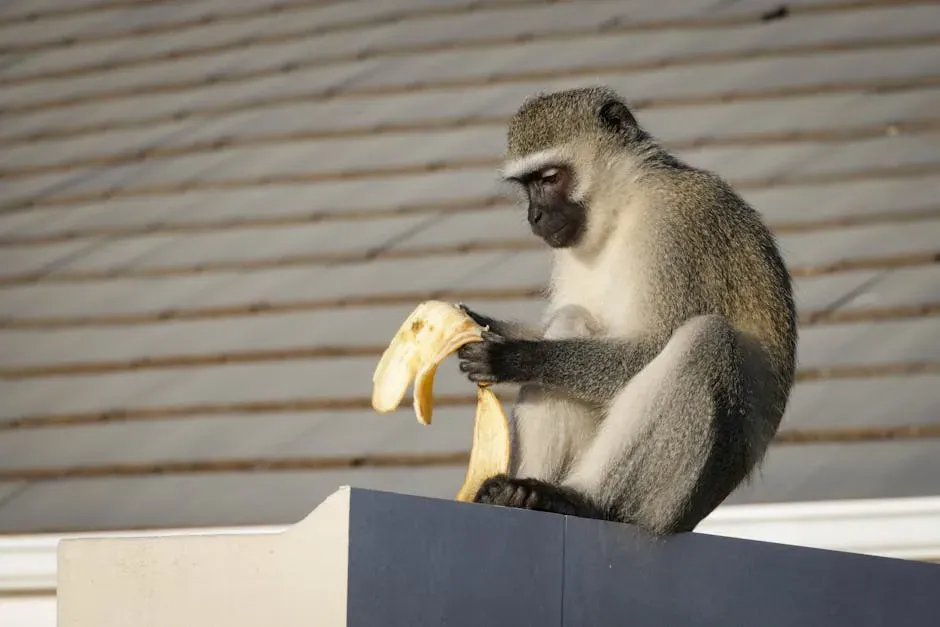
If you have ever felt irritated because a coworker got a better deal for doing the same job, you already understand what some monkeys seem to experience in lab tests. In a famous setup, two monkeys perform the same simple task. At first, both get a basic reward, like a slice of cucumber. Then one suddenly starts getting a far better treat, such as a grape, while the other still receives the plain option. The shortchanged monkey often throws the cucumber away, protests, or simply refuses to keep playing.
What you are watching looks like a sense of fairness and resentment, something you usually associate with small children or office politics. Follow-up research with different primate species has found similar reactions: when you are treated worse than your partner for doing the same thing, you tend to push back, and so do they. Scientists call this response “inequity aversion,” and its presence in animals suggests that your own hatred of unfairness may have deep evolutionary roots, rather than being purely cultural or learned.
3. Elephants That Seem to Mourn and Remember
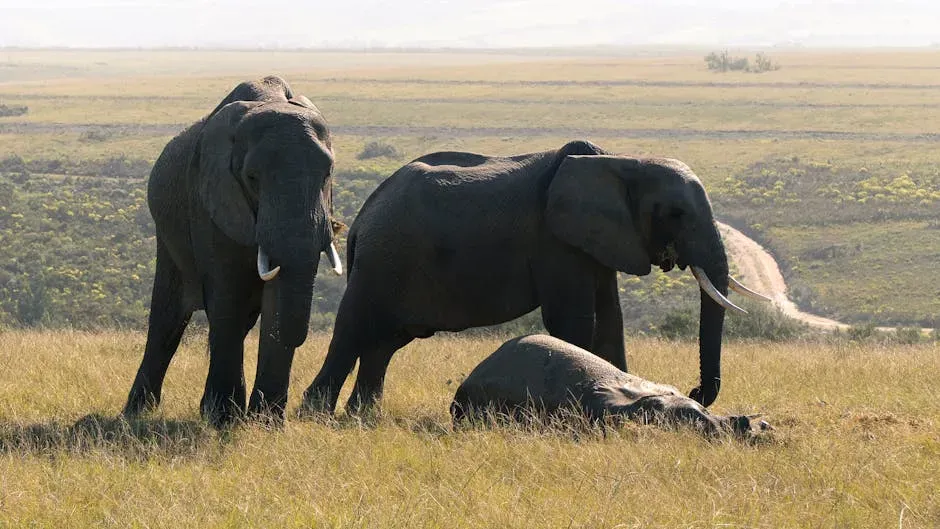
When you hear stories of elephants lingering over bones, touching them with their trunks, or standing quietly around a fallen herd member, it is hard not to see grief. Field observations have documented elephants revisiting carcass sites and paying particular attention to skulls and tusks, especially if those remains belonged to a close relative. At the same time, research on elephant cognition has shown that these animals recognize individuals, remember past events, and navigate social networks that are as complex as many human communities.
You need to be careful not to project human-style mourning too confidently onto them, because scientists cannot simply ask an elephant how it feels. But when you combine their strong family bonds, long memory, and these repeated, ritual-like behaviors around death, it becomes difficult to brush everything off as random curiosity. You see a pattern that looks uncomfortably similar to your own way of marking loss – staying near the body, touching it gently, and sometimes altering daily routines for days or weeks. Even if their inner experience is different, the outward behavior feels strikingly familiar.
4. Dolphins That Rescue and Support One Another
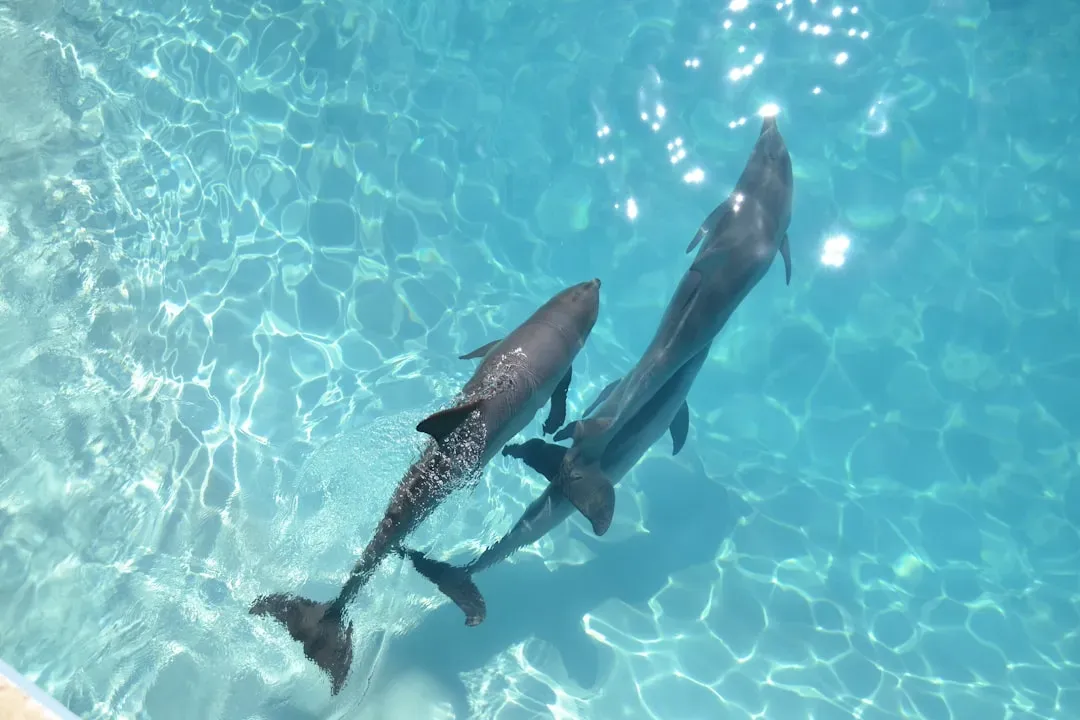
Out in the open ocean, you can watch dolphins doing things you usually only expect from lifeguards or first responders. There are documented cases where groups of dolphins support an injured or sick individual at the surface so it can breathe, adjust their swimming speed to stay with a weak member, or surround a vulnerable animal in a protective ring when predators show up. In some reports, wild dolphins have even appeared to guide human swimmers or sailors toward safety, though those stories are harder to study in a controlled way.
Scientists describe a lot of this as “prosocial” behavior, meaning actions that help others with no obvious immediate payoff. When you picture friends forming a human chain to pull someone from a river, you are effectively imagining a human-scale version of what you often see in dolphin pods. They live in tight-knit social groups, communicate with complex vocal patterns, and navigate relationships over many years, which all mirror aspects of your own social life. When they stick by a struggling companion, you cannot help but recognize a version of the loyalty you value in people.
5. Apes That Use Tools and Solve Problems Like You Do
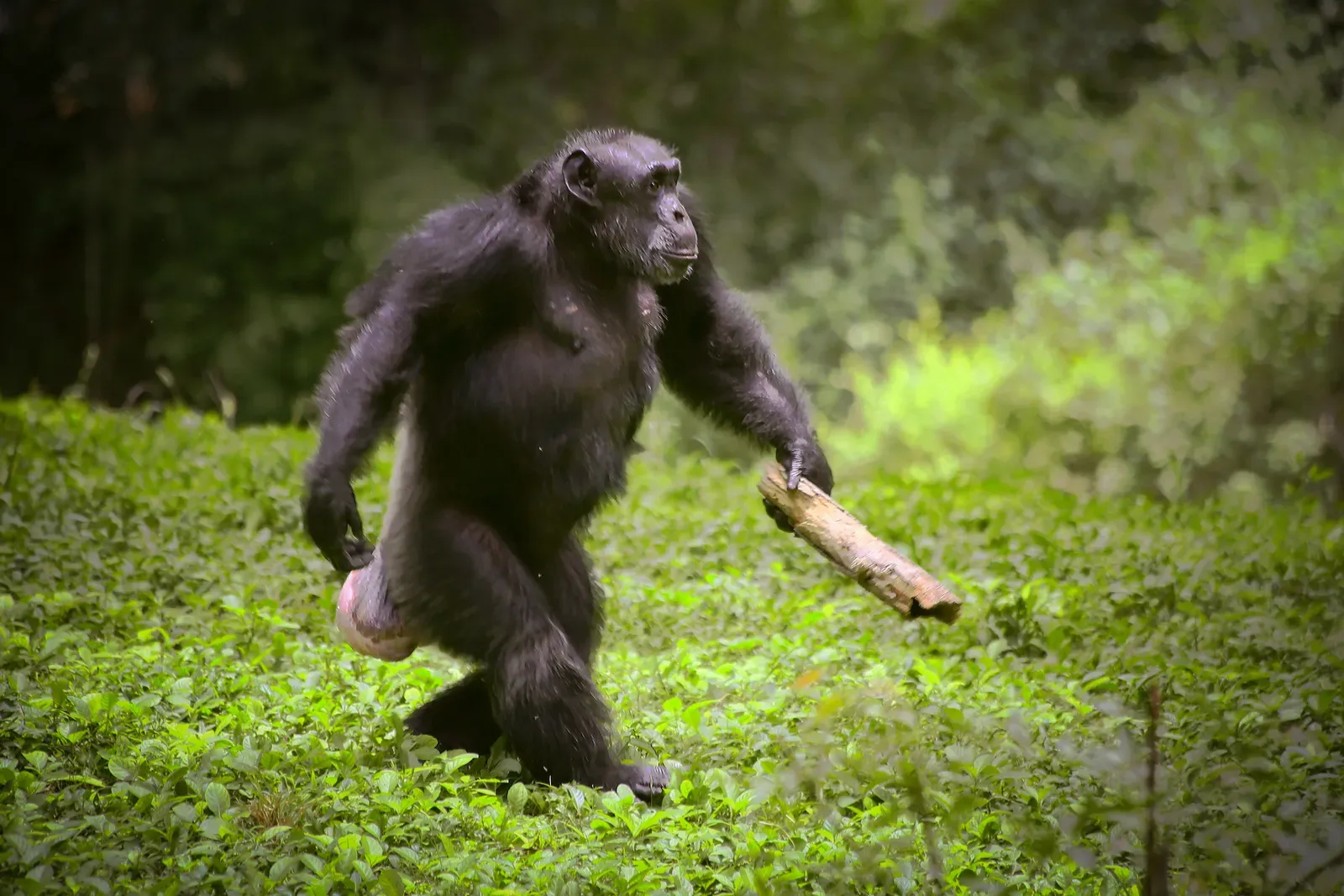
Long ago, you might have been told that tool use was a defining human trait. That idea collapsed as researchers documented chimpanzees fishing termites with sticks, cracking nuts with stones, and using leaves as sponges to soak up water. Orangutans in the wild have been seen shaping branches into makeshift hooks or scrapers, and in experimental setups, great apes figure out multi-step tasks where they must choose and use the right tool in the right order to get a reward.
When you watch those experiments, the apes do not look like instinct-driven robots – they look like problem solvers. They hesitate, explore, fail, try again, and eventually succeed in ways that feel eerily human. Some cooperative tasks even show two apes needing to coordinate pulling ropes at the same time to move a platform, a miniature version of you and a friend pushing a car out of a snowbank. These studies do not erase the differences between you and them, but they make it hard to pretend that reasoning, planning, and learning through insight belong to humans alone.
6. Animals That Form Unlikely, Lasting Friendships
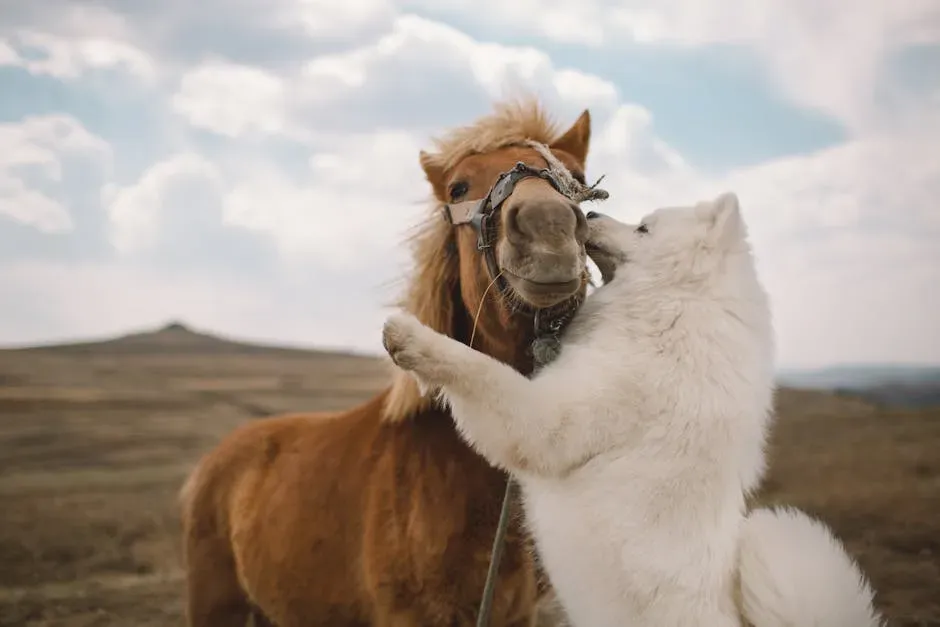
You have probably seen viral videos of a dog befriending a duck or a goat bonding with a horse, and it is easy to dismiss them as cute flukes. But researchers who study interspecies relationships argue that, in some cases, you really are looking at something that behaves like friendship. Animals kept together in sanctuaries, farms, or zoos sometimes seek out particular companions repeatedly, rest together, play together, and show signs of stress when they are forced apart, even when they are from different species.
From a scientific perspective, you can interpret these bonds in terms of shared comfort, compatible play styles, reduced stress, and the basic mammalian drive for social contact. Yet when you step back, it feels very similar to your own friendships that cross cultural or personality lines. You may not share a language or background, but you share routines, emotions, and mutual reassurance. The same thing can happen when a lonely horse settles only when a specific goat is nearby, or when a cat and a dog choose to sleep curled up together night after night.
7. Crows and Other Birds That Plan, Remember, and Even Hold “Funerals”
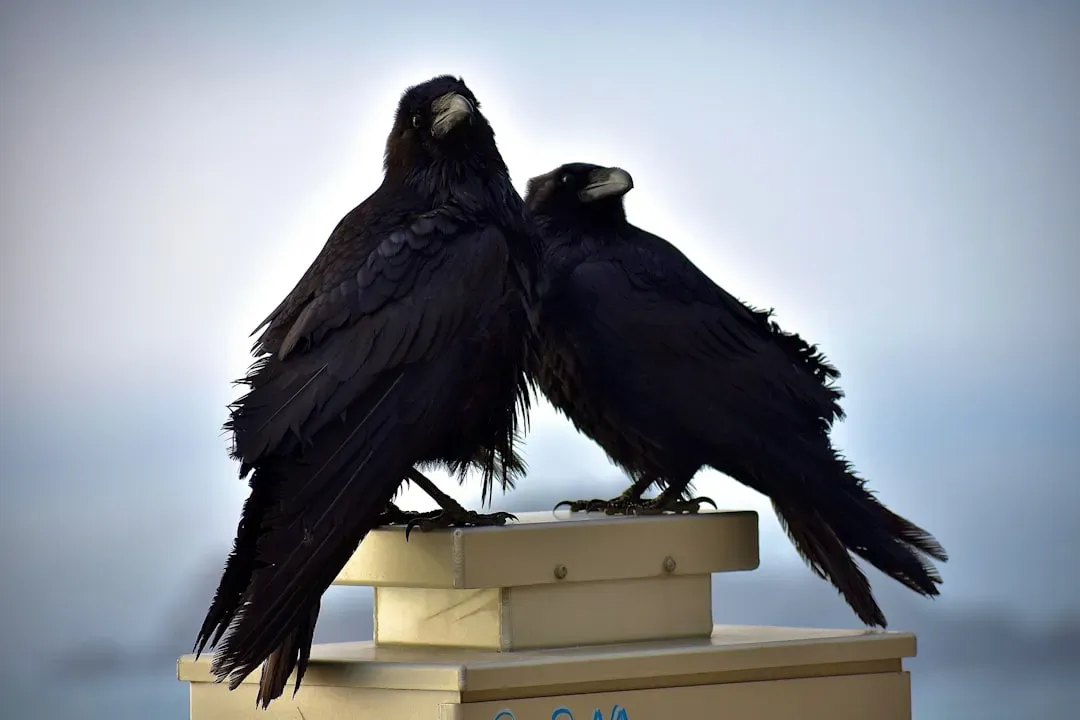
If you want an animal that quietly undermines your sense of superiority, you should spend time with crows and other corvids. Experiments have shown that some corvids store food and later re-hide it if they realize another bird was watching, which suggests they keep track of what others might know. They can bend wires into hooks to pull up treats, solve multi-step puzzles, and remember human faces that treated them kindly or harshly, reacting differently to each person even years later.
On top of that, observers have reported gatherings around dead crows or ravens where nearby birds become unusually vocal and alert. Researchers think these “funeral-like” events may help the group learn about dangers, but from your perspective, they echo sombre human rituals: pausing normal life, clustering around a body, and reacting with what looks like heightened emotion. Even if their motives are practical, the resulting scene looks a lot like the way you stop and come together when someone in your community dies.
Conclusion: What These Stories Really Say About You
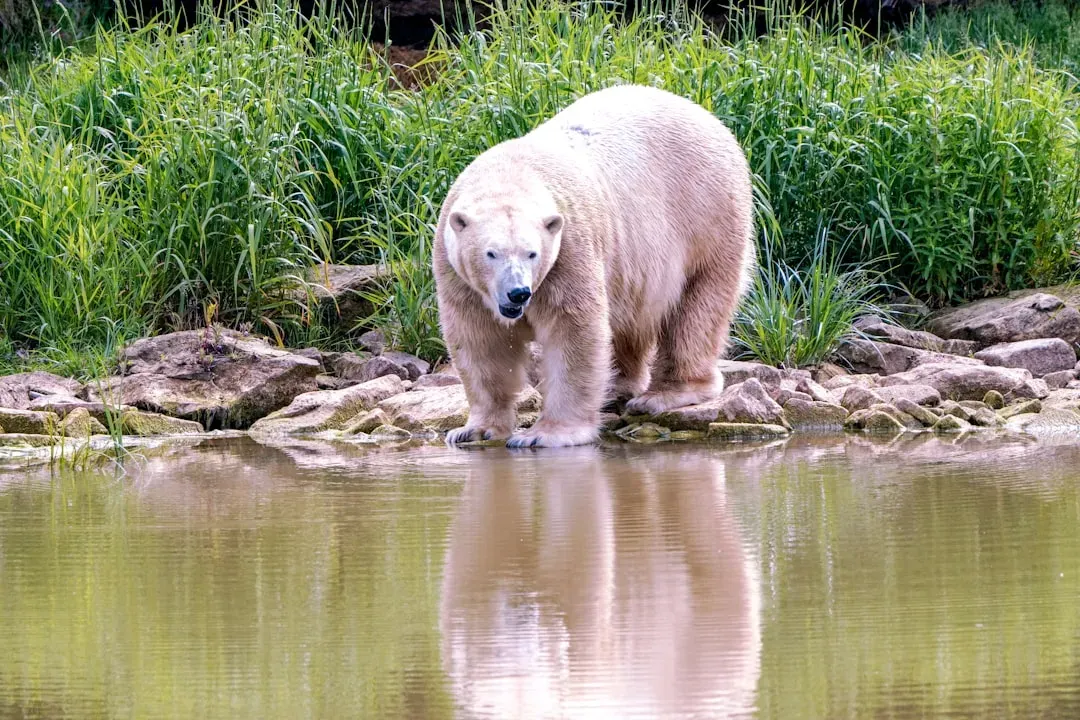
When you line up these seven examples – the empathetic rat, the outraged monkey, the grieving elephant, the loyal dolphin, the crafty ape, the cross-species friends, and the scheming crow – a clear pattern emerges. You are not staring at clumsy copies of humanity; you are seeing shared threads that run deep through the animal world. Cooperation, fairness, attachment, problem-solving, and even responses to death do not start with you. Instead, you inherit and reshape them in a more elaborate cultural frame.
If anything, these findings ask you to adjust your posture toward other species. Rather than imagining a sharp wall between human minds and animal minds, you can picture a spectrum, with you anchored at one point and a lot of other creatures scattered nearby. That shift will not answer every hard question about animal rights or ethics, but it does make one thing harder to deny: when you look at many animals, in some important ways, you are looking into a cracked but recognizable mirror. Knowing that, how differently might you choose to treat them the next time they cross your path?