

Most of us know that strange moment when something just feels right or wrong, and we can’t explain why. Maybe you turned down a job that looked perfect on paper, or you crossed the street a little earlier than usual and later realized you avoided an accident. These aren’t movie moments; they’re everyday flashes of intuition that can feel almost magical.
But what’s actually going on in those moments? Is intuition just a romantic word for guessing, or is there a real science behind that mysterious gut feeling? In the last two decades, neuroscientists and psychologists have taken intuition seriously, and what they’re finding is far more interesting – and more grounded – than mystical explanations.
The Surprising Speed of the Brain’s “Fast Track” System
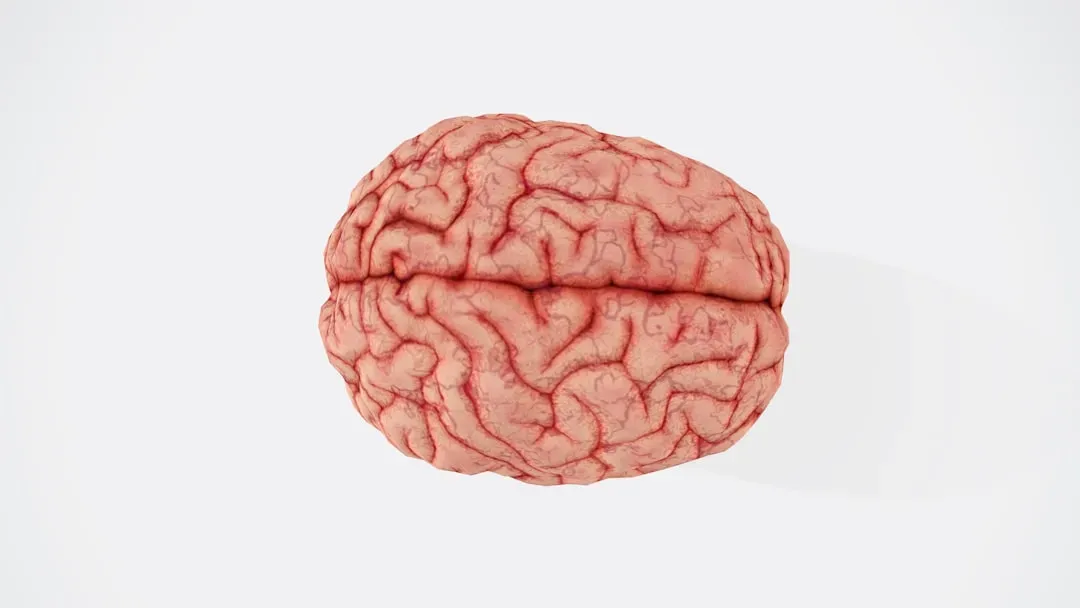
Have you ever known what you were going to say “no” to before you even finished hearing the question? That instant knowing comes from the brain’s fast, automatic system, the one that works behind the scenes before conscious thought catches up. It scans patterns, compares them against past experience, and spits out a reaction in fractions of a second.
Researchers often talk about two broad modes of thinking: a quick, intuitive one and a slower, deliberate one. The intuitive mode leans on shortcuts and pattern recognition; it’s not carefully reasoning through every step, it’s jumping to a conclusion based on what feels familiar. That’s why you can “just know” someone is upset from a tiny change in their voice – even if you couldn’t list exactly what changed.
Pattern Recognition: When Experience Becomes a Feeling
One of the most solid scientific explanations for intuition is pattern recognition. Over time, your brain quietly absorbs an enormous amount of information – faces, tones of voice, typical outcomes, tiny environmental cues – and stores them as patterns. When you face a new situation, your brain rapidly checks: have I seen something like this before?
This process is so quick and automatic that the final result often arrives as a feeling rather than a conscious thought. Think of an experienced firefighter sensing a building is about to collapse, or a chess player “seeing” the right move without calculating every line. They’re not using magic; they’re drawing on thousands of previous exposures that have been compressed into an instant, intuitive signal.
The Gut–Brain Connection: Why You Literally Feel It in Your Stomach

There’s a reason we talk about a “gut feeling.” Your digestive system is heavily wired to your brain through the vagus nerve, and your body can react before your conscious mind has a story to explain it. Heart rate, muscle tension, and even stomach sensations may shift when you pick up subtle signs of threat or opportunity.
Researchers sometimes refer to the gut as a kind of “second brain” because of the dense network of neurons involved in regulating digestion and reacting to stress. When something feels off, your body may send alarm signals even when you can’t yet articulate why. That anxious twist in your stomach isn’t mystical; it’s physiological data, delivered in a language that feels emotional rather than logical.
Intuition vs Instinct: Not the Same Thing

People often mix up intuition and instinct, but they’re not identical. Instinct is hardwired and biological: the newborn’s urge to cry, the flinch when something comes flying toward your face, the basic drive to avoid pain. These responses show up even without learning or experience.
Intuition, on the other hand, is shaped heavily by what you’ve lived through and what you’ve learned, even if that learning never became conscious. It’s built on memory, exposure, and pattern detection. That means your intuition about relationships, money, or risk is not universal; it’s heavily influenced by your upbringing, culture, and personal history – and it can be both remarkably wise and deeply biased.
When Intuition Is Shockingly Accurate

There are certain situations where intuition shines. Fast-moving, complex environments, where you’ve built up lots of experience, are prime territory. A nurse who has seen countless patients might sense something is wrong before the numbers on the monitor change, simply because the patient’s breathing or skin tone “doesn’t look right” in a familiar way.
Studies in fields like medicine, sports, and emergency response suggest that seasoned experts often make highly accurate snap judgments in their domain of expertise. Their brain has, in effect, compressed years of practice into quick, reliable impressions. This is why your friend who has dated every type of walking red flag may spot trouble in a partner long before you notice a thing.
When Intuition Misleads Us (And Badly)

For all its strengths, intuition can be disastrously wrong, especially in unfamiliar situations or those loaded with emotion. Our brains use mental shortcuts that can distort reality: we notice what fits our expectations, remember what confirms our beliefs, and ignore what challenges them. That can make a bad hunch feel just as vivid as a good one.
We’re also poor at separating a genuine pattern from noise. Fear, stress, and wishful thinking can all masquerade as intuition. You might feel “sure” a risky investment will work out because you’re excited, or you might “just know” someone dislikes you because you’re anxious and self-protective. The feeling is real – but the conclusion doesn’t have to be.
Emotion and Intuition: Friends, Not Enemies

Intuition is not the opposite of rational thought; it’s more like a fast emotional summary of what you’ve already learned. Emotions act as tags on memories, helping your brain quickly pull up what matters. When something feels familiar in a good or bad way, that’s your emotional history whispering in the background.
Because of this, emotionally charged experiences tend to feed intuition more strongly. If you’ve been hurt in a certain way before, you’ll notice the warning signs faster next time, sometimes as a vague sense of unease. But the flip side is that strong emotion can drown out quieter, more accurate signals – making it crucial to pause and ask: is this intuition, or is this fear?
Training Your Intuition: It’s Not Just a Gift

Some people seem naturally intuitive, but much of what we call intuition can be trained. The key ingredients are repeated exposure, feedback, and reflection. The more you see similar situations and learn what actually happens, the better your internal pattern detector becomes. It’s a bit like training a muscle you didn’t realize you had.
You can deliberately sharpen intuition in a specific area by doing three things: immerse yourself in it regularly, make predictions, and then check those predictions against reality. Over time, your hunches become less about vague vibes and more about fast, quiet expertise. This is why a seasoned mechanic can “hear” what’s wrong with a car while a beginner hears only noise.
Balancing Gut Feelings With Clear Thinking

Intuition isn’t meant to replace rational thinking; the real power comes from using both together. Your gut can offer quick, rough guidance, especially when time is short or data is incomplete. Your slower, more analytical mind can then step in to ask questions, check for bias, and look for evidence.
One simple habit is to notice when a strong intuitive reaction shows up – an instant yes, a hard no, a sudden unease – and then pause. Instead of blindly obeying or dismissing it, treat it as a hypothesis: what might my brain be picking up on? By giving your intuition a voice, but not absolute power, you turn it from a mysterious force into a useful partner in decision-making.
So, Is Intuition Something More Than a Gut Feeling?
Intuition might feel mystical, but most evidence points to something deeply human and surprisingly ordinary: your brain quietly crunching patterns, your body sending signals, and your emotions tagging what matters. It’s not fortune-telling, and it doesn’t break the rules of science – it works within them, just mostly below the surface of conscious awareness.
In that sense, intuition really is more than “just” a gut feeling, but it’s also less than an infallible inner voice. It’s a fast, rough draft of wisdom, built from your past and filtered through your limits. The art is in learning when to trust it, when to challenge it, and how to let it guide you without letting it rule you. Next time your gut speaks up, will you ignore it, follow it blindly, or pause long enough to understand what it might really be saying?