Some animals in America aren’t just surviving in brutal places – they’re quietly rewriting the rules of what life can handle. From scorching deserts that bake the ground like a cast-iron pan to pitch-black caves and crushing ocean depths, these species have evolved tricks so strange and brilliant they almost feel like science fiction. Yet they’re real, living right now, often hiding in plain sight.
Once you start looking closely, it’s hard not to feel a mix of awe and humility. We humans build air conditioners and insulated jackets; these animals build solutions into their bodies. They turn scarcity into strength, and danger into opportunity. Below are twelve of the most astonishing adaptations from some of the harshest corners of the United States – and the stories they tell about persistence, creativity, and sheer stubborn life.
1. Kangaroo Rats: Desert Survival Without Ever Drinking Water
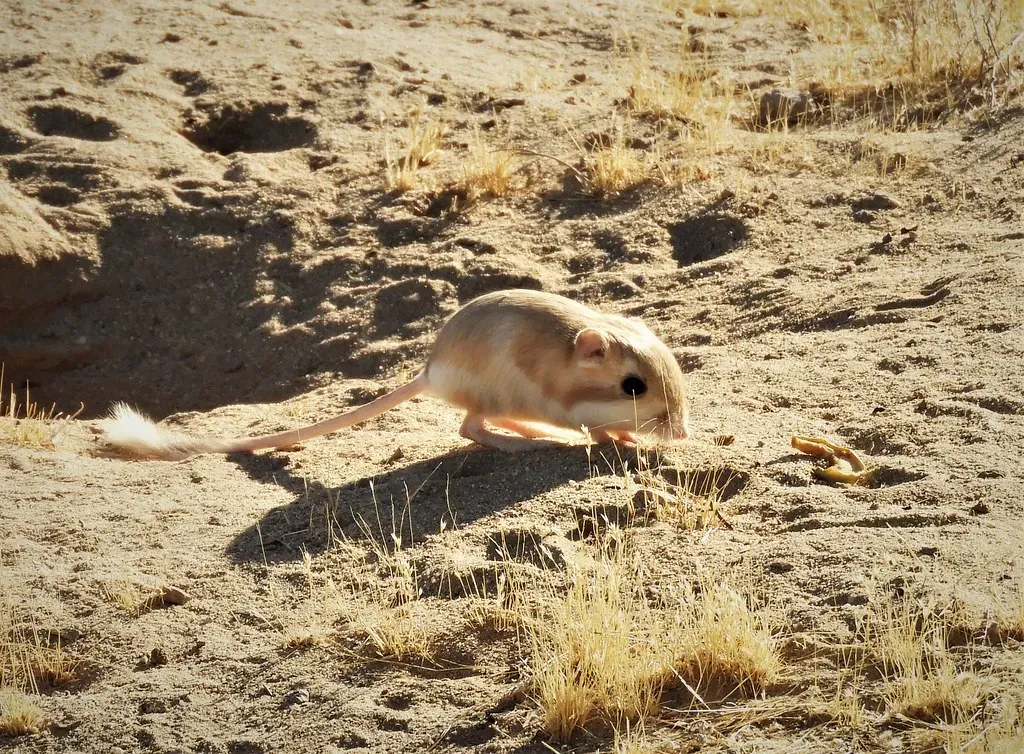
Imagine living your entire life in the baking deserts of the American Southwest and never taking a single sip of liquid water. Kangaroo rats pull off that trick every day in places like the Mojave and Sonoran deserts, where daytime temperatures can soar and moisture is almost nonexistent. Instead of drinking, they extract water from the seeds they eat, wringing out every drop through incredibly efficient kidneys that concentrate their urine to an extreme degree.
They also avoid the worst of the heat by becoming creatures of the night. During the day, kangaroo rats stay in deep burrows that buffer temperature swings and trap humidity, almost like a tiny underground climate-controlled bunker. Their large hind legs let them hop quickly in zigzag patterns to escape predators, while their cheeks can expand to store seeds, turning them into little mobile pantries. It’s like they solved heat, thirst, and hunger with one clever desert lifestyle package.
2. Gila Monsters: Venom, Fat Storage, and Desert Patience
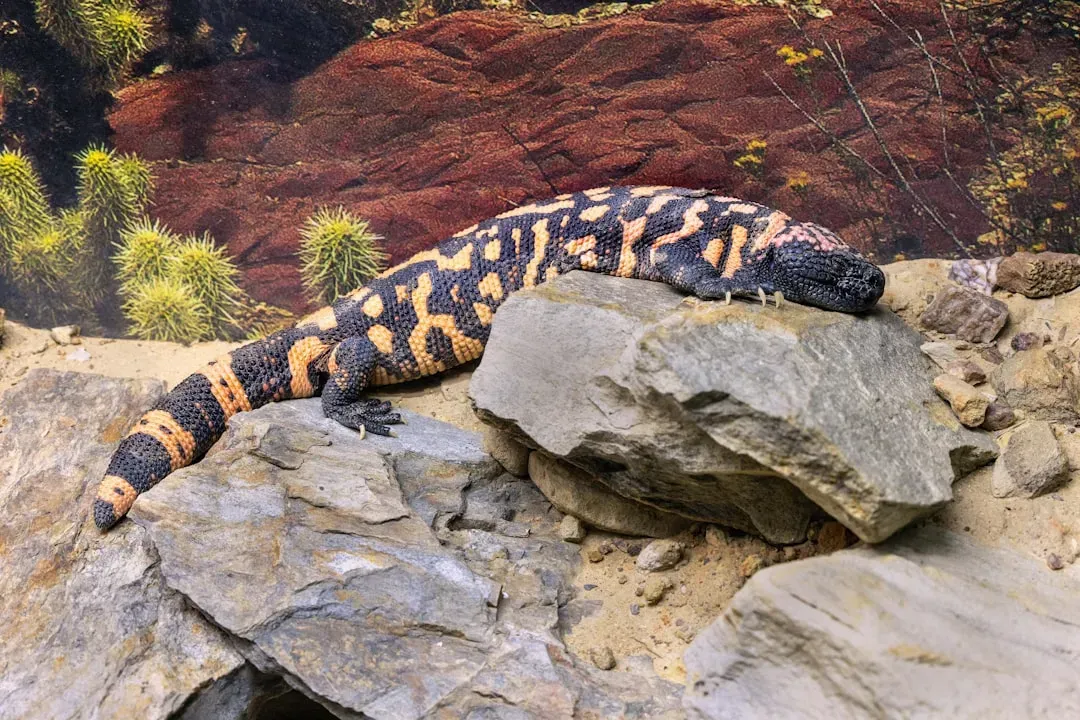
The Gila monster, found in parts of the Sonoran and Mojave Deserts, looks like a slow-moving beadwork sculpture that someone left out in the sun too long. But beneath that bumpy, colorful skin is a cocktail of desert-ready adaptations. It’s one of the very few venomous lizards in the world, and that venom gives it a powerful edge when hunting in a place where meals are rare and unpredictable. When it does catch prey – often bird eggs, small mammals, or nestlings – it makes the calories count.
Gila monsters carry much of their energy reserves in thick stores of fat in their tails and bodies, like wearing an emergency backpack you can never lose. This lets them go long stretches without food when the desert offers nothing up. They also spend the vast majority of their lives underground in burrows, away from deadly heat and evaporation, coming out mainly in the milder hours of the morning or evening. It’s a lifestyle built on patience, conservation, and making every hard-won meal last.
3. Roadrunners: High-Speed Hunters with Solar-Powered Warm-Ups
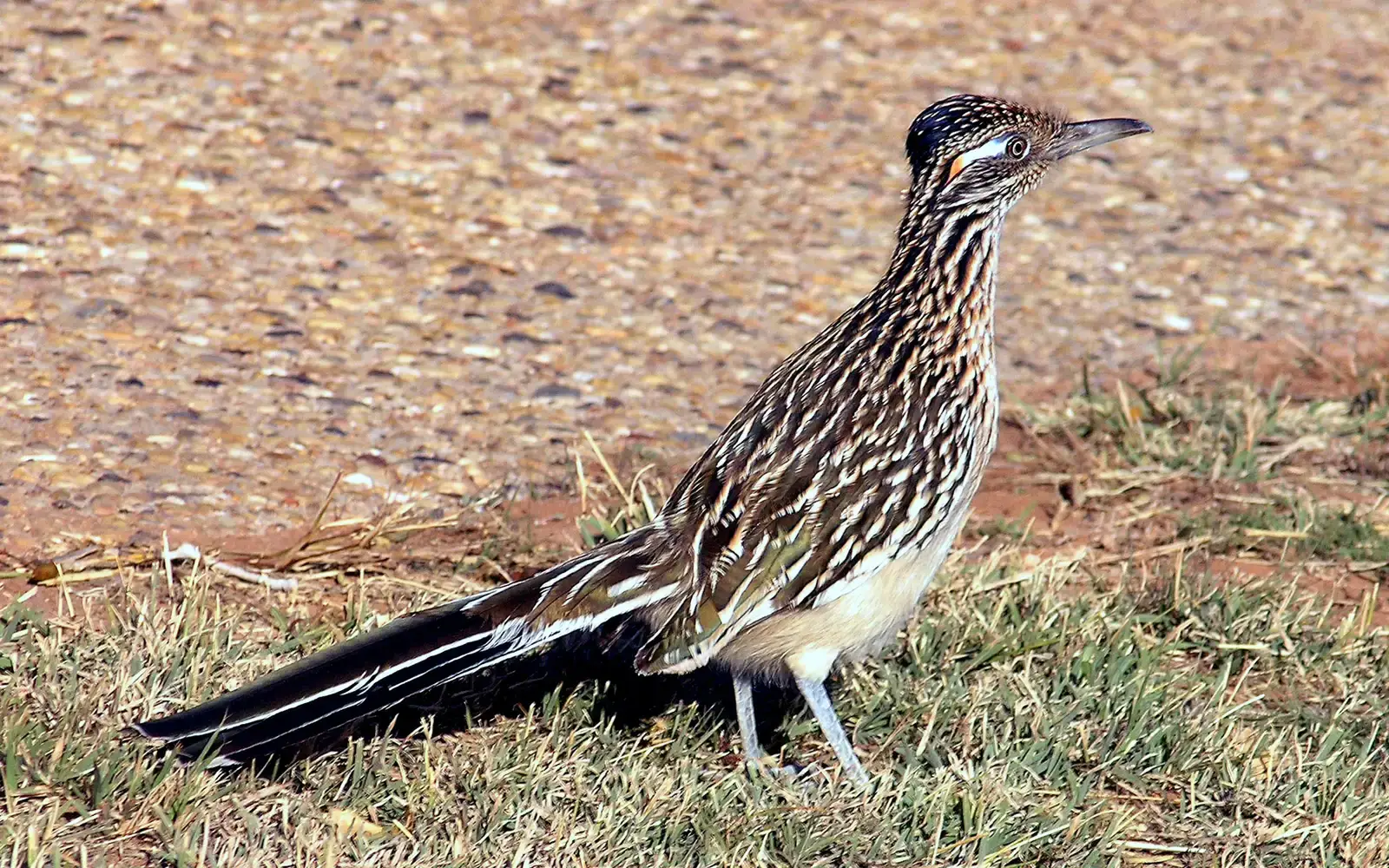
Real-life roadrunners, especially the greater roadrunner of the Southwest, are nothing like the cartoon except for one thing: they really are outrageously fast on their feet. They can sprint across hot sand at impressive speeds, allowing them to chase down lizards, insects, and even small snakes, including rattlesnakes. In harsh desert environments, being able to quickly grab food and retreat to cover can be the difference between thriving and barely scraping by.
What’s even wilder is how they use the sun itself to fine-tune their body temperature. On chilly desert mornings, roadrunners will stand facing the rising sun, fluffing the feathers on their dark backs to expose skin that soaks up heat like a built-in solar panel. This warm-up session lets them get active faster, without burning precious energy shivering. They also have specialized nasal passages that help reduce water loss when breathing, turning every breath into a tiny exercise in conservation.
4. Polar Bears of Alaska: Insulation, Camouflage, and Salty Seas
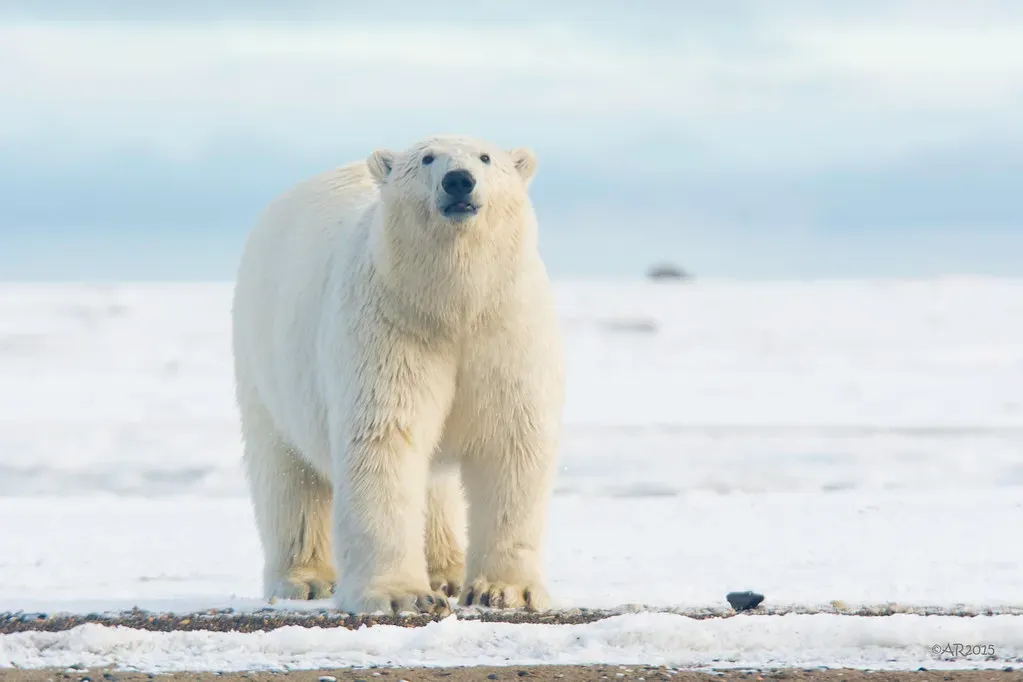
In the coastal Arctic of northern Alaska, polar bears push the limits of what a land mammal can handle in terms of cold, wind, and ice. Their fur looks white, but the hairs are actually transparent and hollow, trapping air for insulation while reflecting light so well that they blend almost perfectly with snow and sea ice. Under that insulating coat lies a thick layer of fat, sometimes several inches deep, turning the bear into something like a living sleeping bag with claws.
Their paws are enormous and covered in fur, helping them walk across thin ice without breaking through, and giving them traction on slippery frozen surfaces. They’re also surprisingly comfortable swimming in frigid ocean water, using their front paws almost like paddles while their fat acts as buoyancy and insulation. As sea ice patterns shift with a warming Arctic, these adaptations are being tested in new ways, and their future depends on how much their frozen world continues to change.
5. Arctic Ground Squirrels: Supercooling to Temperatures Below Freezing
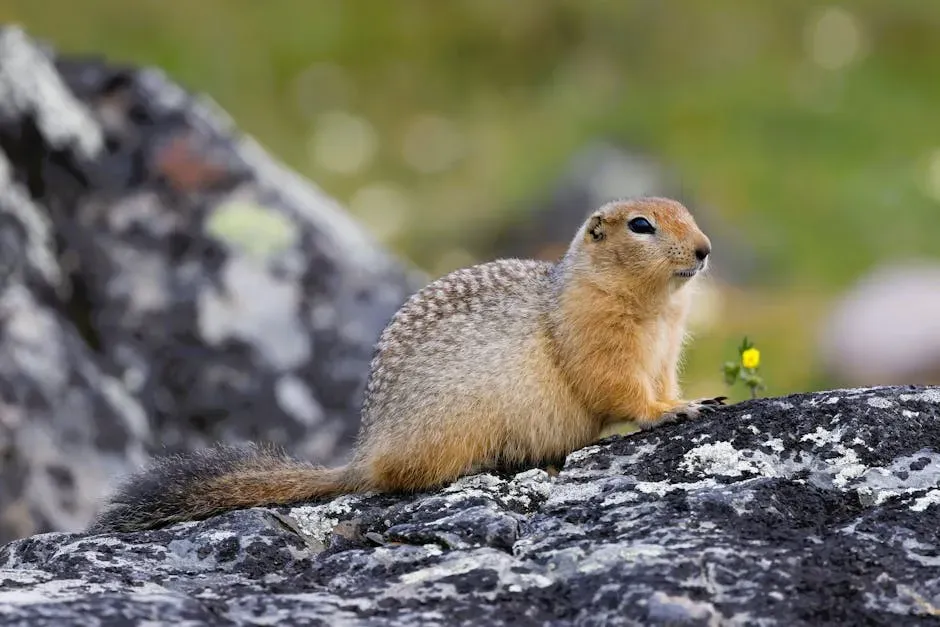
Most mammals would die if their body temperature dropped much below the point where water freezes, but Arctic ground squirrels in Alaska bend that rule almost unbelievably. During hibernation, their body temperature can fall below the typical freezing point, yet they somehow avoid ice crystals forming inside their tissues. They manage this by carefully controlling where and how water is distributed in their bodies, combined with special proteins that help prevent damaging ice formation.
Throughout long, dark winter months, these squirrels cycle between extremely low body temperatures and short warming periods, like a thermostat carefully nudging them just above the line of danger. This extreme hibernation dramatically reduces their energy needs in an environment where food simply doesn’t exist for months at a time. Come spring, they re-emerge and zip around as if nothing happened, a living reminder that some of nature’s most radical experiments happen in small, easily overlooked bodies.
6. American Pikas: Heat-Sensitive Specialists of High Mountain Rocks
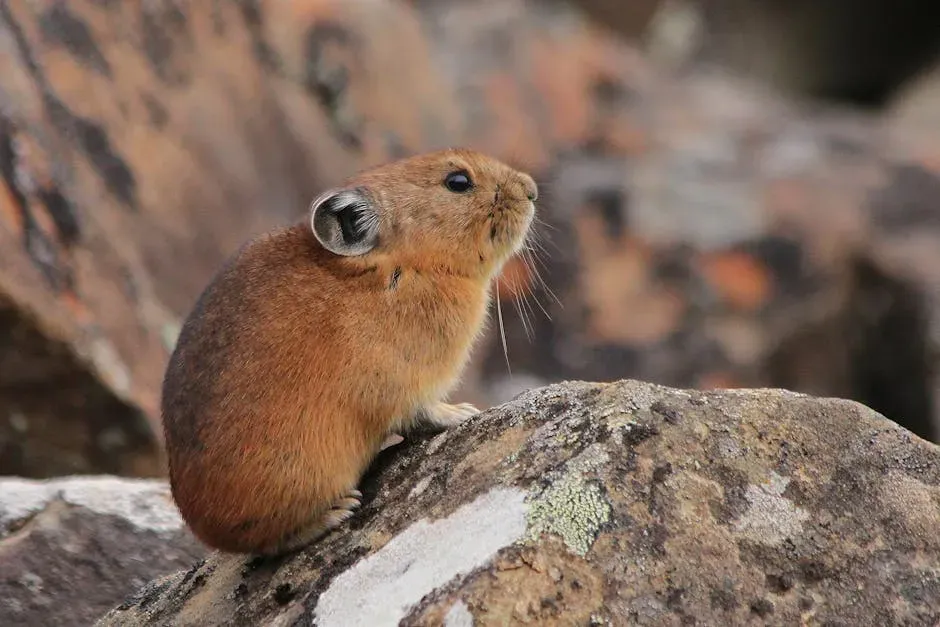
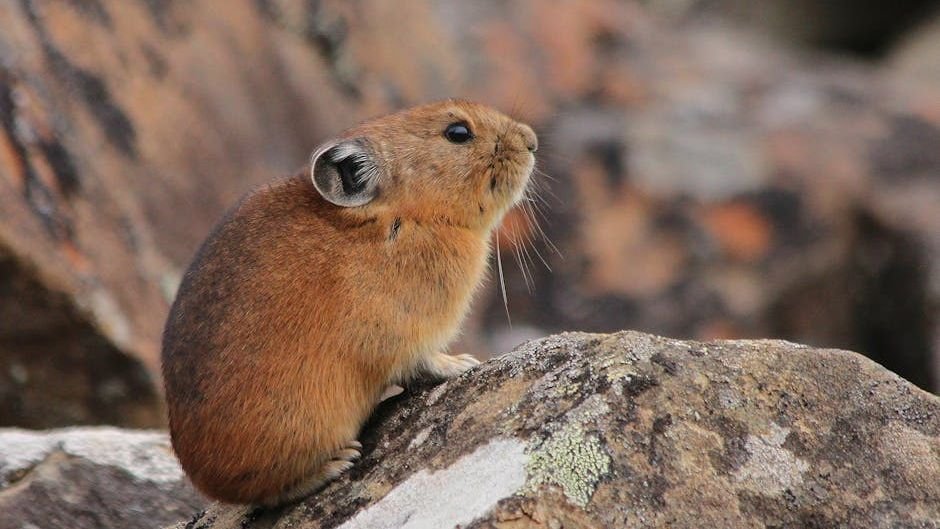
American pikas live in cold, rocky talus slopes high in the mountains of the western United States, including the Rockies and Sierra Nevada. They look cute and harmless, but their lives are tightly balanced on the edge of climate and food availability. Pikas are extremely sensitive to heat; sustained warm temperatures can actually kill them because they’re built for cold, not for cooling down. Their dense fur and small, rounded ears help retain heat in brutal winters but become risky as summers warm.
To make it through snow-heavy seasons, pikas spend summer and fall tirelessly gathering grasses and wildflowers, drying them in the sun, and stacking them under rocks in hay-like piles. These carefully built caches become their entire winter pantry. Because they don’t hibernate, they rely completely on this stored food, tucked away in crevices that also provide shelter from predators and storms. Their adaptation isn’t just physical; it’s also behavioral, like a tiny mountain farmer racing the first snows.
7. Blind Cavefish: Living Without Light in Underground Waters
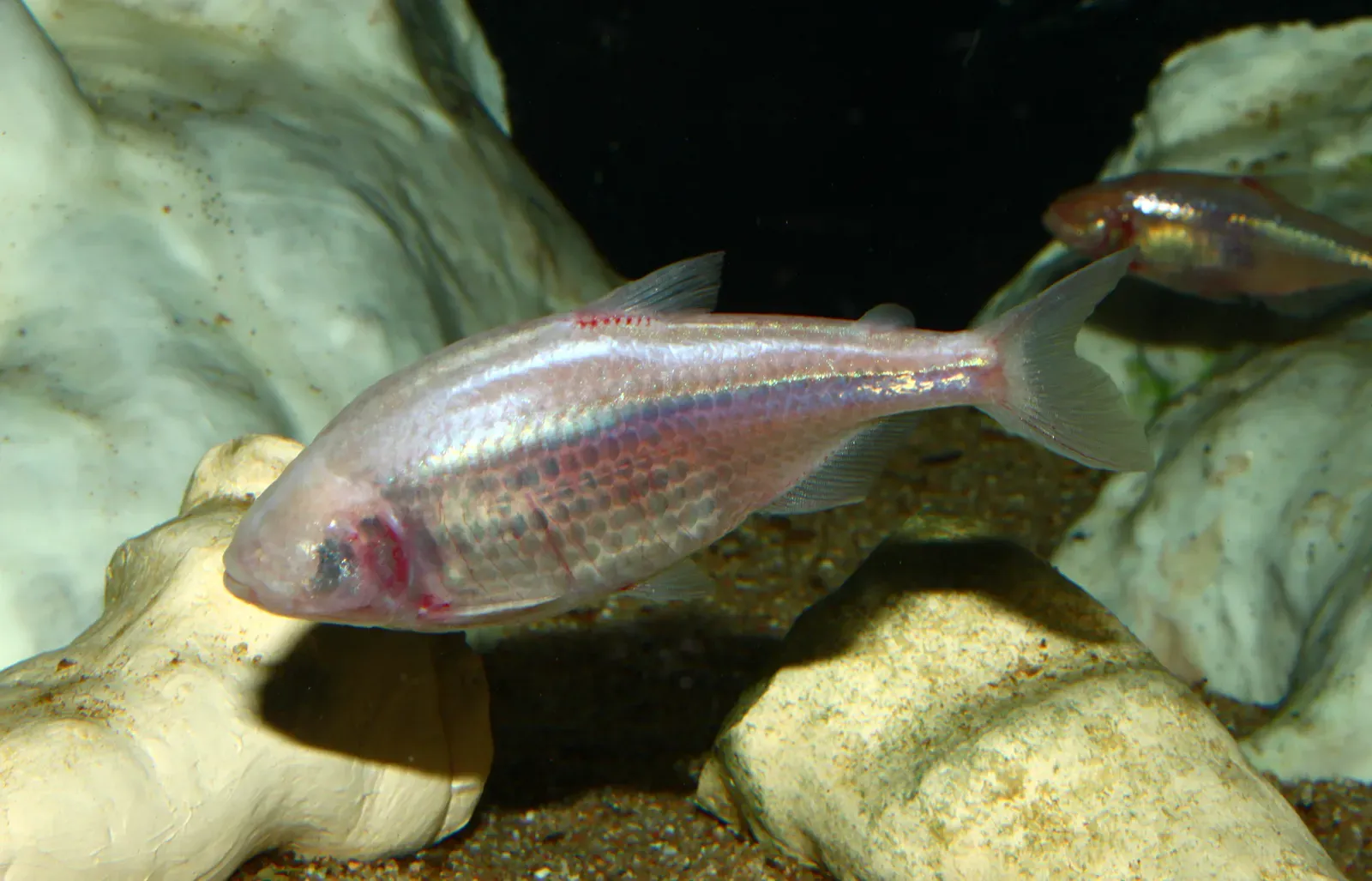
Hidden in underground caves in parts of the United States are populations of fish that have taken a radical step: they’ve essentially given up on eyesight. Over generations, some cavefish species have lost functional eyes entirely, replacing them with skin-covered bumps where eyes once were. In pitch-black water where light never reaches, eyes become a costly luxury that bring no benefits, so evolution quietly deletes them from the blueprint.
Instead, these fish have ramped up other senses. They rely heavily on sensitive cells along their bodies that detect vibrations and slight changes in water flow, turning the surrounding water into a constantly updated map. Their metabolism is also adjusted for a world where food can be extremely scarce, allowing them to survive on very little for long stretches. In a way, they feel like a reminder that when one door (or sense) closes, others can swing wide open.
8. Tardigrades: Microscopic Tanks Surviving Extreme Extremes
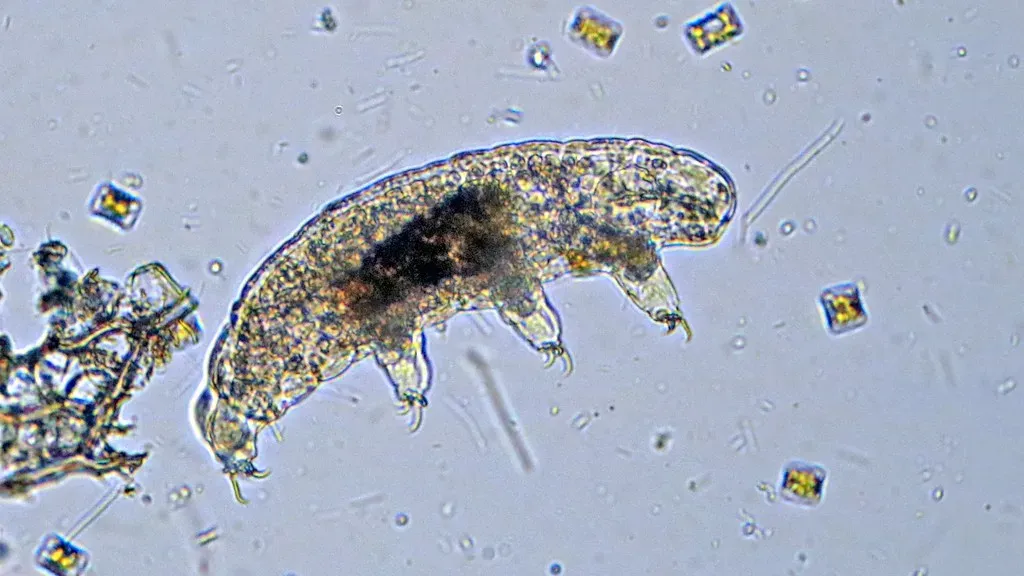
While they’re tiny and not exactly famous, tardigrades – sometimes called water bears – are some of the toughest animals known, and many species live in American environments ranging from mossy forests to high mountains and coastal regions. Under normal conditions, they’re just slow-moving, chubby micro-animals crawling through droplets of water. But when things get harsh – freezing temperatures, extreme heat, severe drought, or intense radiation – they can switch into an almost science-fiction mode.
Tardigrades curl up into a dried-out, seed-like state called a tun, shutting down most biological processes. In this form, they can tolerate conditions that would kill nearly every other animal, then “reboot” when water returns. They’re not invincible in a superhero sense, but their resilience pushes the boundaries of what scientists thought life could tolerate. It’s like they carry a personal pause button that lets them sit out the worst disasters and come back when the world becomes habitable again.
9. Alligators in Freezing Swamps: The Strange Art of “Snorkeling” Ice
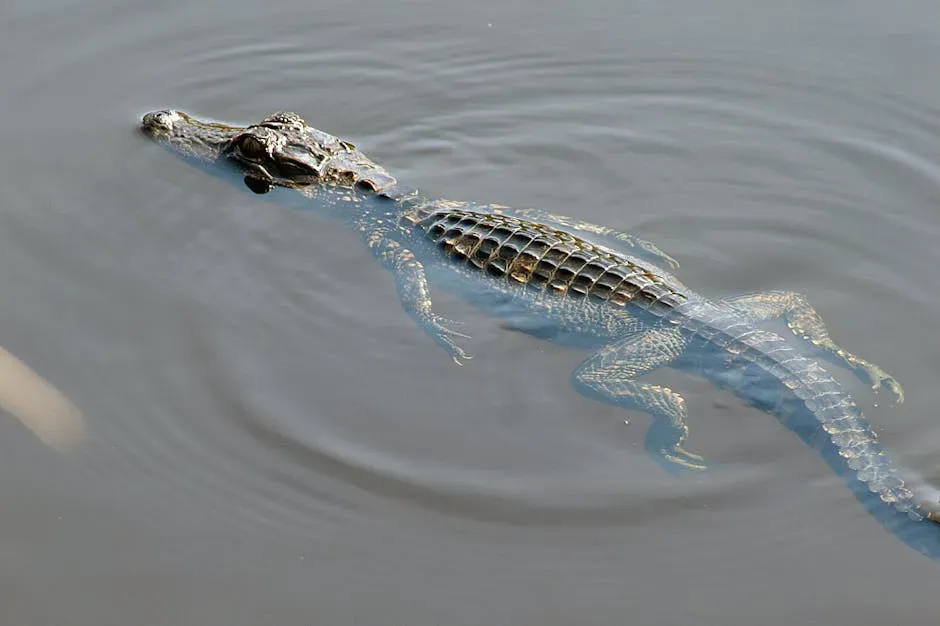
American alligators mostly live in warm wetlands of the Southeast, but those in the more northern parts of their range face occasional hard freezes. When surface water begins to ice over, alligators engage in a bizarre and brilliant behavior often called “icing” or “snorkeling.” They stick their snouts above the water right before it freezes, letting ice form around their noses while the rest of their bodies stay submerged and still. To someone stumbling on the scene, it looks like a row of dead reptiles, but they’re very much alive.
By slowing their metabolism way down and keeping only their nostrils above the surface, they can ride out cold snaps they’d never fully outrun otherwise. The water beneath the ice is often slightly warmer than the air, making it a safer bet than staying out in the open. Once temperatures rise and the ice melts, they simply thaw out and resume their usual business. It’s a risky strategy, but it lets them push the boundaries of where a “warm-climate” reptile can realistically survive.
10. Desert Bighorn Sheep: Vertical Cliffs as Escape Routes
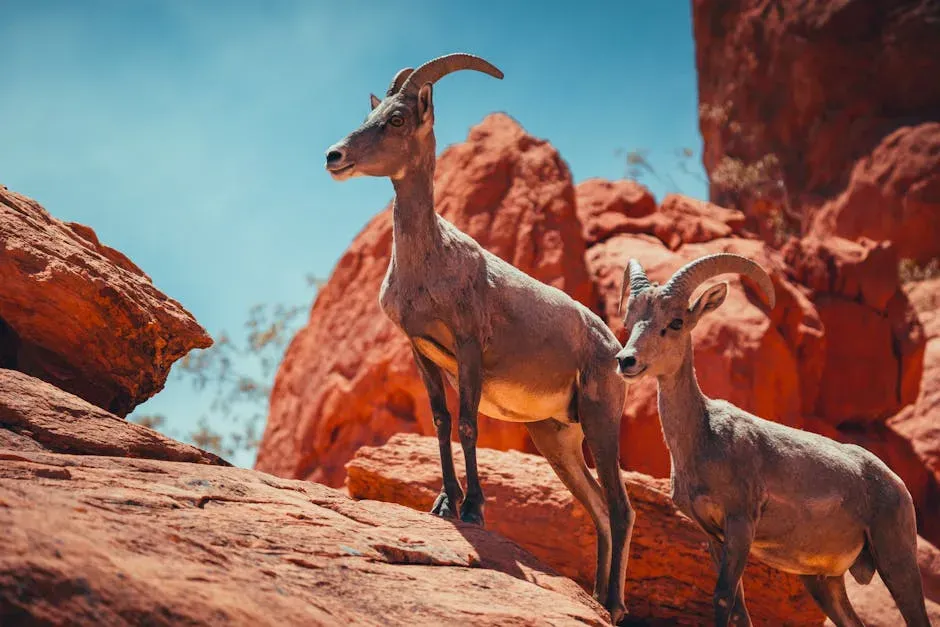
In some of the hottest, driest, and most rugged parts of the American West, desert bighorn sheep navigate cliffs that would make most of us freeze in place. Their hooves are split and rubbery on the bottom, giving them incredible grip on rough rock and narrow ledges. What looks like reckless cliff-scaling is actually a carefully tuned partnership between anatomy and instinct, allowing them to escape predators like mountain lions by simply going where almost nothing else can follow.
These sheep are also adapted to handle long stretches with limited water. They can go for days without drinking, especially when plants contain at least some moisture, and when they do find water, they can rehydrate quickly. Their light-colored coats help reflect desert sunlight, which may reduce heat absorption during long exposures on bare rock faces. Watching them move along a vertical wall in a blistering canyon feels like watching athletes of a world where gravity and thirst are constant, unforgiving opponents.
11. Mangrove Killifish: Breathing Air and Living in Tree Hollows
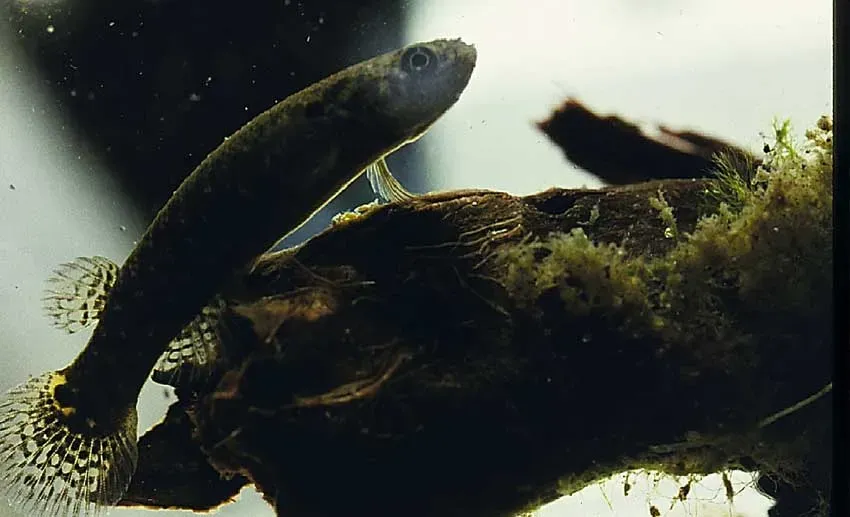
In the brackish, salty mangrove habitats of Florida and parts of the Gulf Coast, the mangrove killifish has found a truly strange solution to unstable, low-oxygen waters. When puddles or small pools become unlivable, these fish can actually leave the water for periods and survive on land. They can breathe through their skin and the lining of their mouth and throat, taking oxygen directly from the air when needed, like an emergency backup system.
In some cases, mangrove killifish have been found living inside damp tree hollows or crab burrows, squeezing into tight spaces that stay moist enough to keep them from drying out. Their bodies adjust to changes in salinity as well, allowing them to tolerate shifts between fresh and saltier water that would overwhelm many other fish. It’s as if they refused to pick a lane between being a land animal and a water animal and chose to dabble in both just enough to stay alive in an unpredictable world.
12. Deep-Sea Sablefish off Alaska: Pressure-Proof and Long-Lived
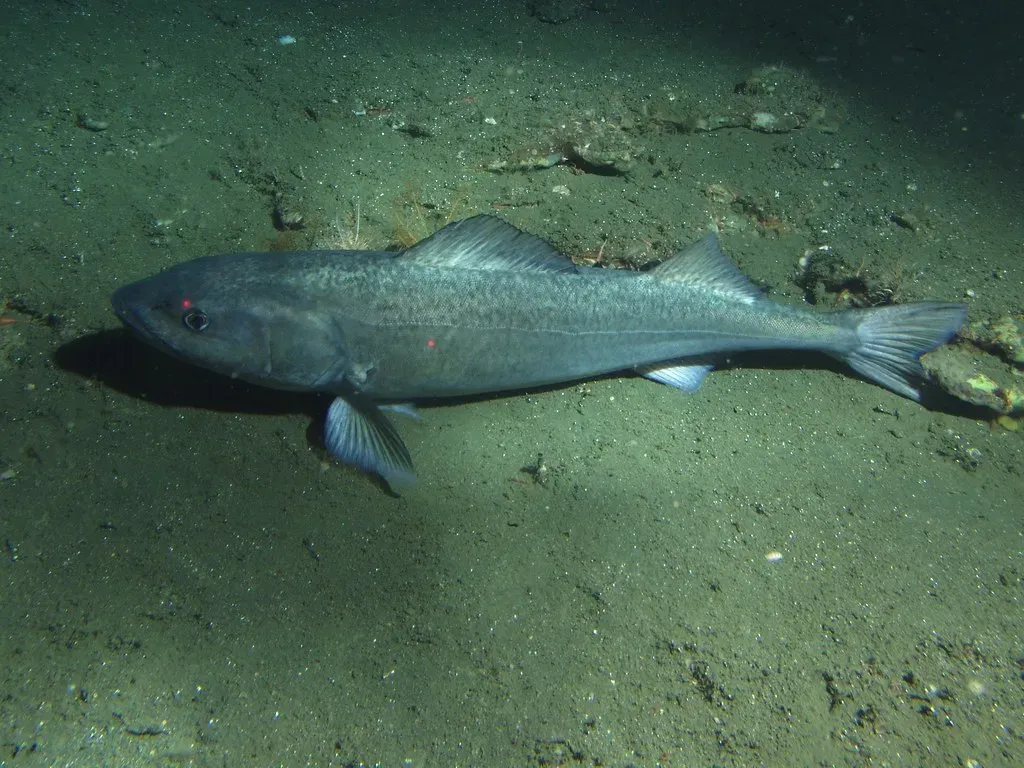
Far off Alaska’s coast, sablefish – sometimes called black cod in seafood markets – live in cold, dark depths where pressure is crushing and sunlight never reaches. Their bodies are adapted to handle immense pressure that would wreck the organs of shallow-water fish, with flexible structures and specialized cell chemistry that keep everything functioning smoothly. The cold temperatures slow their overall metabolism, contributing to surprisingly long lifespans that can stretch for many decades.
These fish also accumulate rich stores of fat, which helps them stay buoyant and provides energy reserves in a place where meals can be unpredictable. That high fat content is one reason their meat is so prized by chefs. In the deep ocean, where storms above barely matter and light is a rumor, sablefish are part of a food web that depends on faint, drifting resources rather than abundant plants. They’re a quiet reminder that “America” as an ecosystem doesn’t end at the coastline – it plunges straight down into a largely invisible, alien world.
Conclusion: What Extreme Animals Teach Us About Possibility
Looking across deserts, ice, caves, cliffs, and deep oceans, a pattern starts to emerge: life rarely admits defeat easily. Each of these animals has turned a brutal constraint into a kind of superpower, whether it’s the kangaroo rat’s waterless existence, the pika’s frantic haymaking, or the tardigrade’s astonishing pause button. None of these adaptations came quickly; they’re the result of countless generations navigating razor-thin margins between survival and collapse.
When I think about these species, I’m struck by how different they are from us and yet how familiar their dilemmas feel: scarce resources, unstable conditions, threats from every angle. Their solutions are extreme, but the core idea is simple – adapt, or fade out. As our own world changes, fast and sometimes unpredictably, these animals are less like curiosities and more like guides, showing the range of what’s biologically possible. Which of these survival tricks surprised you the most, and which one will you remember the next time life feels a little too harsh?