
History loves a good mystery, and few stories are more unsettling than entire civilizations fading from the map. Whole cities that once rang with markets, music, arguments, and everyday life are now just dust and stone. What happened to them? War? Plague? Climate? Or something we still don’t fully understand?
Archaeologists have been quietly rewriting these stories over the last few decades. New dating methods, satellite imagery, DNA analysis, and even ancient pollen trapped in lake mud are revealing what really went wrong. It’s rarely one single disaster. More often, it’s a slow unravelling: bad harvest after bad harvest, trade routes shifting, elites fighting, people voting with their feet and walking away. Let’s look at eight famous “lost” civilizations – and what we actually know now about why they disappeared.
The Maya: Cities in the Jungle That Went Quiet
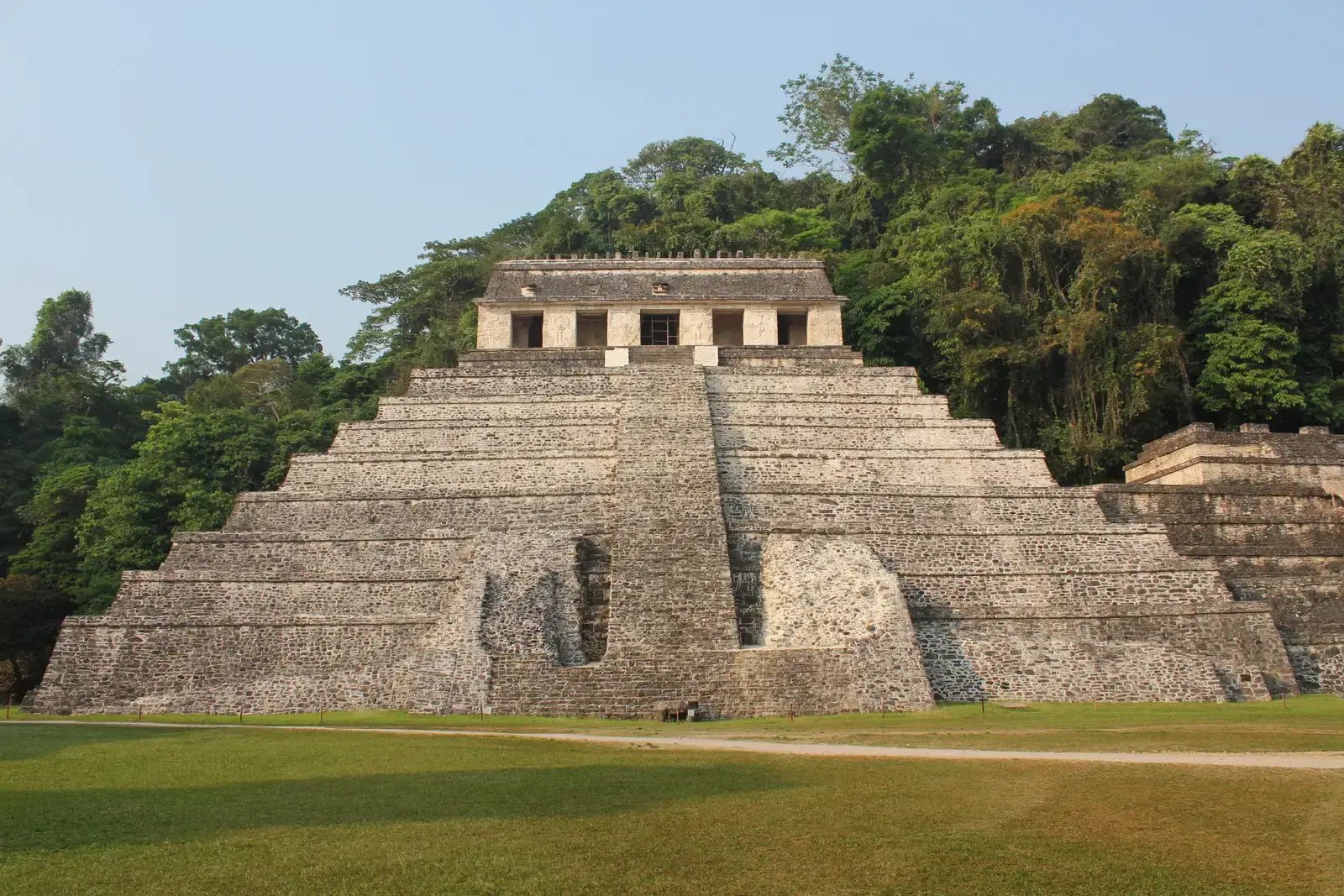
Imagine walking through a rainforest and suddenly realizing the hills around you are actually pyramids buried in trees. That’s the Maya lowlands today: collapsed temples swallowed by jungle, from Mexico’s Yucatán to Guatemala and Belize. For a long time, people spoke about a single sudden “Maya collapse,” as if some apocalyptic event wiped everyone out all at once. It sounded dramatic, but it turns out reality is more complicated – and in some ways, more human.
New climate studies from lake cores show that the Classic Maya cities were hit by a series of severe droughts between roughly the seventh and tenth centuries. At the same time, rulers were building ever-bigger monuments and waging more wars, even as crops failed and water reservoirs ran low. Instead of one big collapse, archaeologists now see staggered declines: some cities fell apart earlier, others adapted for a while, and people gradually moved north or into smaller communities. The Maya people themselves didn’t vanish at all – their political systems did. Millions of Maya descendants still live across the region today, speaking related languages and practicing traditions that quietly link them to those once-mighty cities.
Indus Valley Civilization: The Quiet Giants of Harappa and Mohenjo-daro
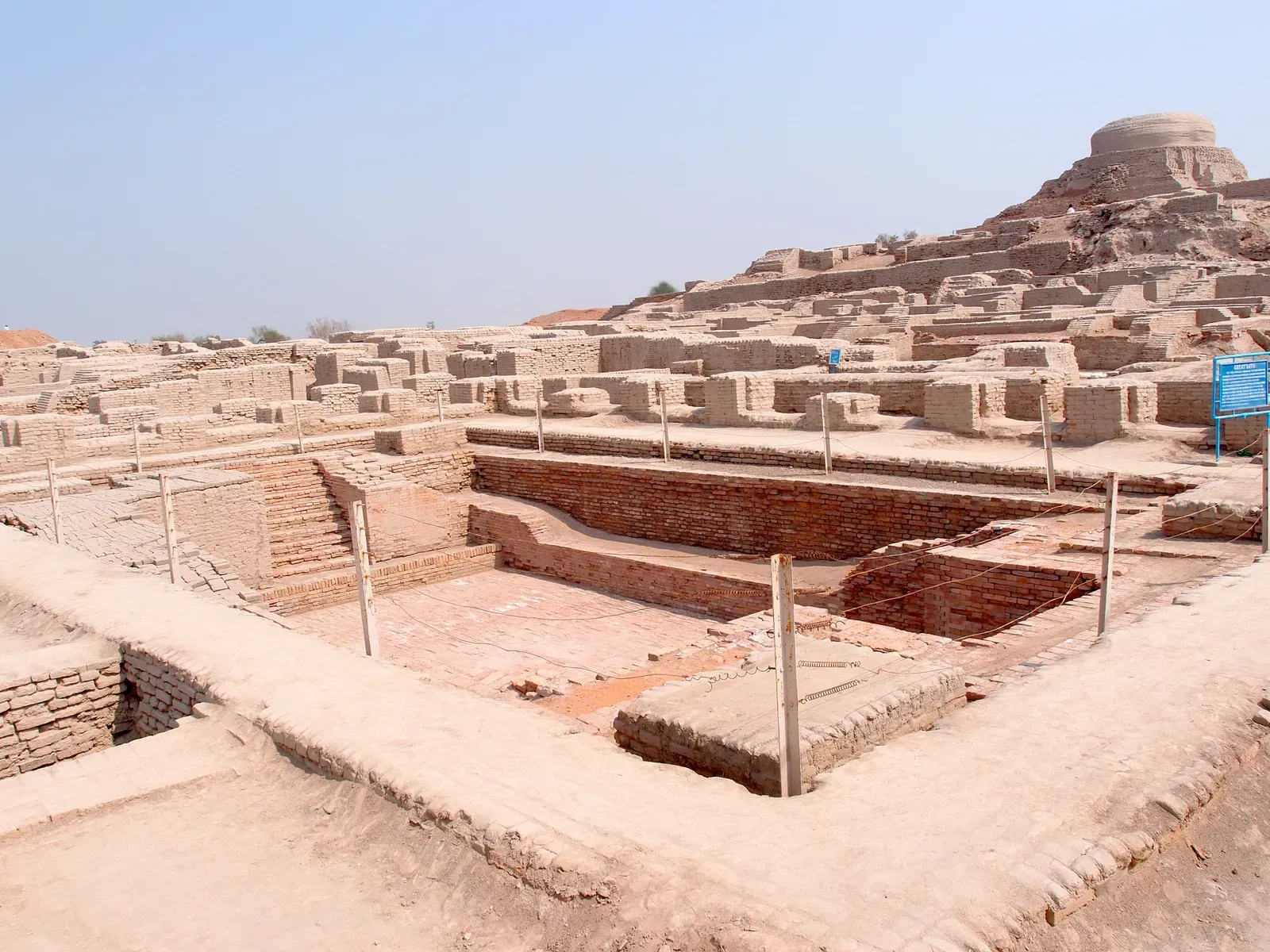
Few civilizations are as impressive – and as strangely understated – as the Indus Valley culture of ancient South Asia. Their cities, like Harappa and Mohenjo-daro, had straight streets, drainage systems, standardized bricks, and public baths, while much of the world was still figuring out basic urban life. Yet there are no giant pyramids, no carved triumph scenes, and no clear evidence of kings. It feels almost unsettling: a civilization that did advanced city planning but left behind no self-glorifying story carved on stone.
For a long time, their disappearance around the second millennium BCE was blamed on invasions from the north. That theory has largely fallen out of favor. Climate and environment seem to have played a much bigger role: the once-mighty rivers that fed the Indus heartland shifted course or dried, and evidence points to increasingly unreliable monsoon rains. Fields turned less productive, trade with Mesopotamia weakened, and people slowly moved east and south into smaller, more rural settlements. They did not vanish in a dramatic war so much as dissolve and reorganize, leaving behind a script we still haven’t fully deciphered and a haunting sense of a society that chose practicality over monuments to ego.
Bronze Age Mediterranean: When Empires Fell Together
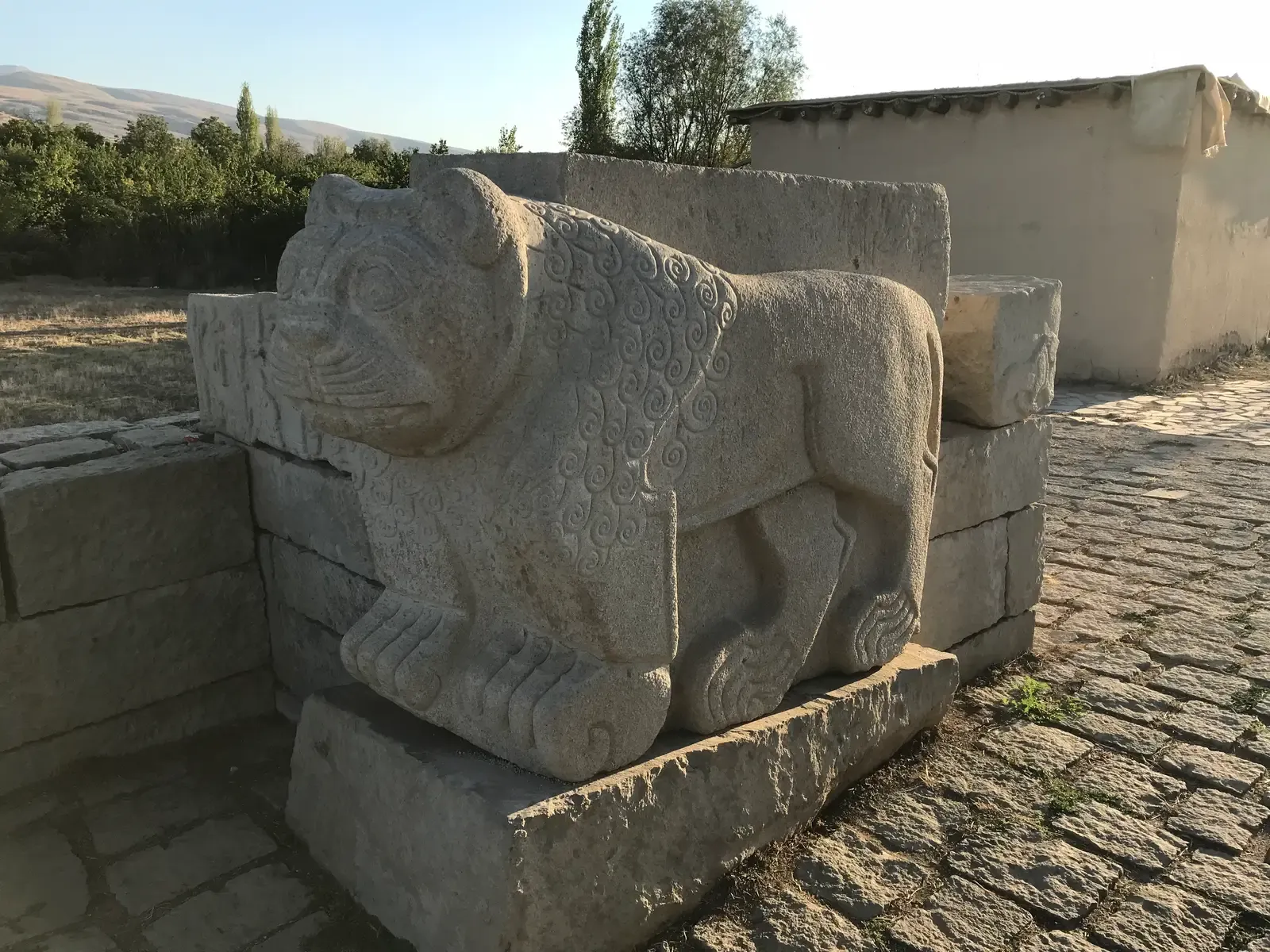
Around the late second millennium BCE, something went terribly wrong around the eastern Mediterranean. Great powers like the Hittite Empire, the Mycenaean kingdoms of Greece, and city-states along the Levant all crashed within a relatively short time. For older generations of historians, this was the age of mysterious “Sea Peoples” sweeping in and burning everything. The image is cinematic: unknown raiders arriving like a storm and tearing civilization to shreds.
Recent research suggests a much messier, multi-layered crisis. Drought evidence from tree rings and sediments shows prolonged climate stress; written tablets hint at grain shortages and desperation long before some cities burned. Trade networks that tied everyone together became a double-edged sword – when a few key links broke, everyone felt it. There were invasions and migrations, but also rebellions from within, earthquakes, and leadership failures. Rather than a single villain, the late Bronze Age collapse looks like a perfect storm where fragile, highly interconnected states could no longer absorb shock. Out of that rubble, new cultures and languages eventually emerged, but the old world of palaces and palace-based trade never fully came back.
Easter Island (Rapa Nui): Rethinking a Famous Collapse
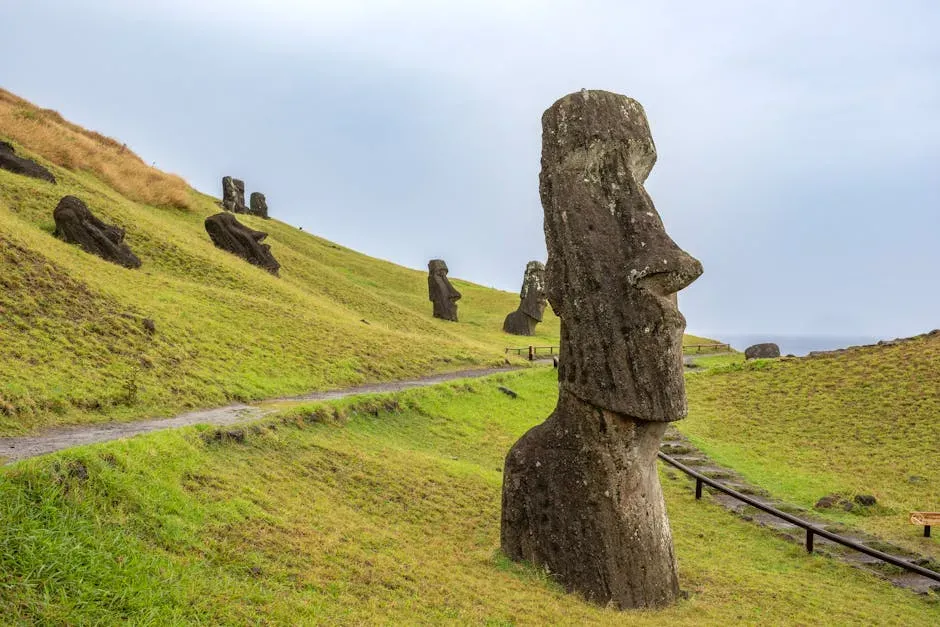
For years, Easter Island was held up as the ultimate morality tale: people supposedly chopped down every tree to move their giant stone statues, destroyed their own environment, and spiraled into chaos. It sounded neat, almost too neat – like a warning story invented for a textbook. But when archaeologists and environmental scientists went back and took a harder look at the evidence, the picture shifted in an important way.
Studies of pollen, bones, and soil show that the island’s environment did change dramatically, with forests disappearing over centuries. But instead of reckless destruction, signs point to the Rapa Nui people adapting as best they could, building rock gardens, mulching soil, and experimenting to keep growing food. The real devastation seems to have accelerated after European contact: diseases, slave raids, and violent encounters shattered a society already living on a small, fragile island. The civilization on Rapa Nui didn’t simply “suicide” ecologically in isolation; it was resilient for an impressively long time until outside pressure hit like a hammer. That doesn’t erase the environmental lessons, but it does give the islanders more credit for ingenuity and survival.
Ancestral Puebloans of the American Southwest
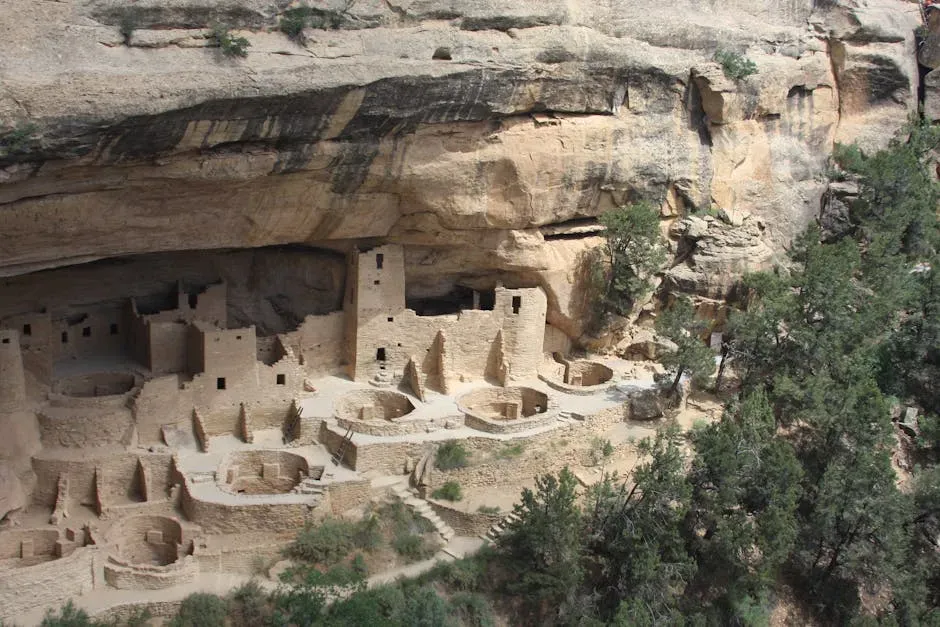
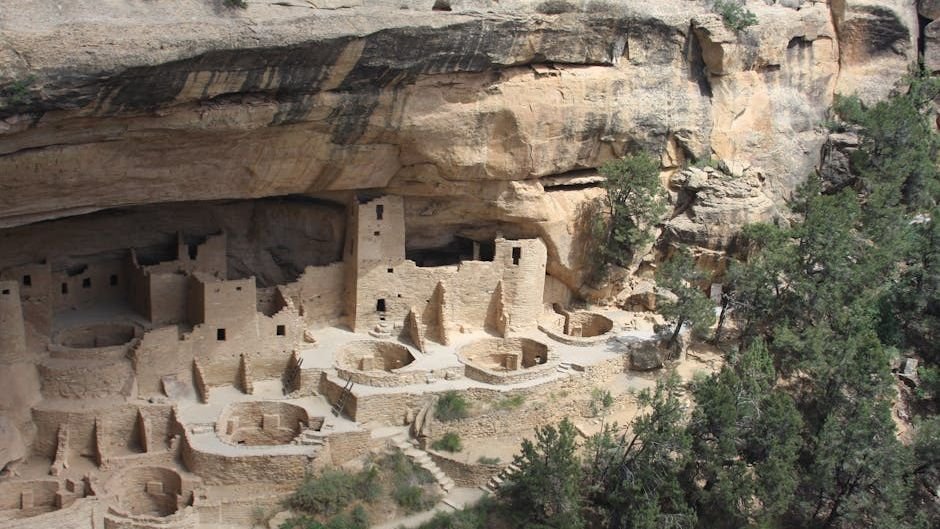
If you’ve ever seen photos of cliff dwellings tucked into canyon walls in the American Southwest, you’ve seen the remains of the Ancestral Puebloans. Places like Chaco Canyon and Mesa Verde feel almost theatrical: huge multi-story stone complexes, ceremonial kivas, and roads stretching across the desert. For a long time, people spoke of this culture as if it simply “disappeared” around the thirteenth century, leaving behind ghost cities in the rock.
Now, archaeologists talk less about disappearance and more about migration and transformation. Tree-ring data clearly shows periods of intense drought that made farming corn extremely difficult. At the same time, social tensions and maybe even religious or political splits seem to have been building. Instead of dying off, many groups moved south and east, becoming ancestors of modern Pueblo communities in places like Hopi and along the Rio Grande. Those cliff dwellings weren’t the end of the story; they were one chapter in a longer, moving narrative that continued in new villages and new alliances.
Nabataeans: The Hidden Power Behind Petra
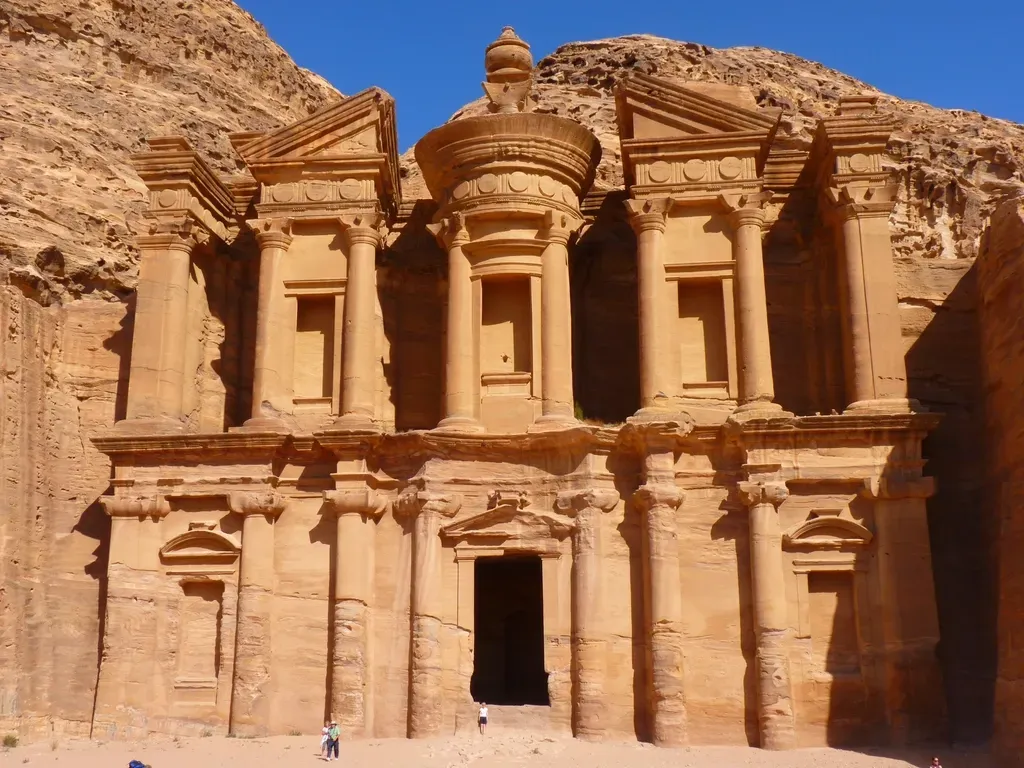
Petra, carved into the rosy cliffs of modern Jordan, feels like something out of a movie set: facades taller than many modern buildings, tombs cut straight into rock, and narrow canyon entrances that suddenly open into a stone city. The people who built and controlled this world, the Nabataeans, were masters of something very modern-sounding: logistics. They turned desert crossroads into a profitable trade empire, moving incense, spices, and luxury goods across dangerous terrain that others could hardly cross.
So why did such a clever desert kingdom fade from view? Part of the answer is the same boring force that crushes many middle powers: bigger empires. Rome annexed Nabataea in the first century CE, gradually absorbing its routes, cities, and culture. Later, changes in trade patterns and sea routes undercut the value of Petra’s location. Earthquakes damaged the city, and over time, people simply moved away to more practical hubs. The Nabataeans didn’t vanish overnight; they were folded into wider regional cultures, their script and language merging with others, leaving Petra behind as a phantom capital carved in stone.
Minoans of Crete: Between Volcano and Palace Intrigue
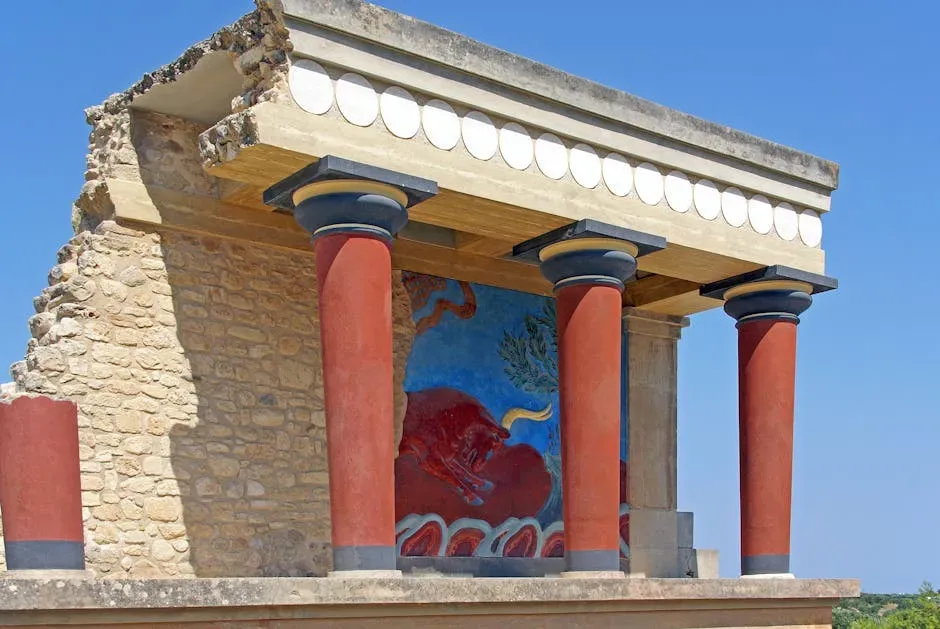
The Minoans of Crete are often painted as the “first Europeans,” with their grand palaces at Knossos and colorful art showing dancers, bulls, and seafaring life. Their world seems vibrant and almost strangely modern: complex administration, long-distance trade, and decorative art that feels playful rather than strictly formal. Then the story usually jumps to a spectacular end – linked to the massive eruption of the Thera volcano (on today’s Santorini), which blasted a huge hole into the Aegean and sent tsunamis crashing through the region.
That eruption was indeed huge and likely devastating for coastal communities and fleets, but it probably wasn’t the single final blow. Archaeologists now see multiple destruction layers in Minoan sites, suggesting waves of crisis: disasters, rebuilds, internal upheavals, and growing influence from mainland Mycenaean Greeks. By the late second millennium BCE, palaces were abandoned or taken over, writing styles shifted, and the culture we label “Minoan” blurred into something else. Their disappearance feels less like a sudden volcanic doomsday and more like a long, uneven decline where natural disaster, outside political pressure, and probably internal instability all tangled together.
Cahokia: The City of Mounds Near the Mississippi
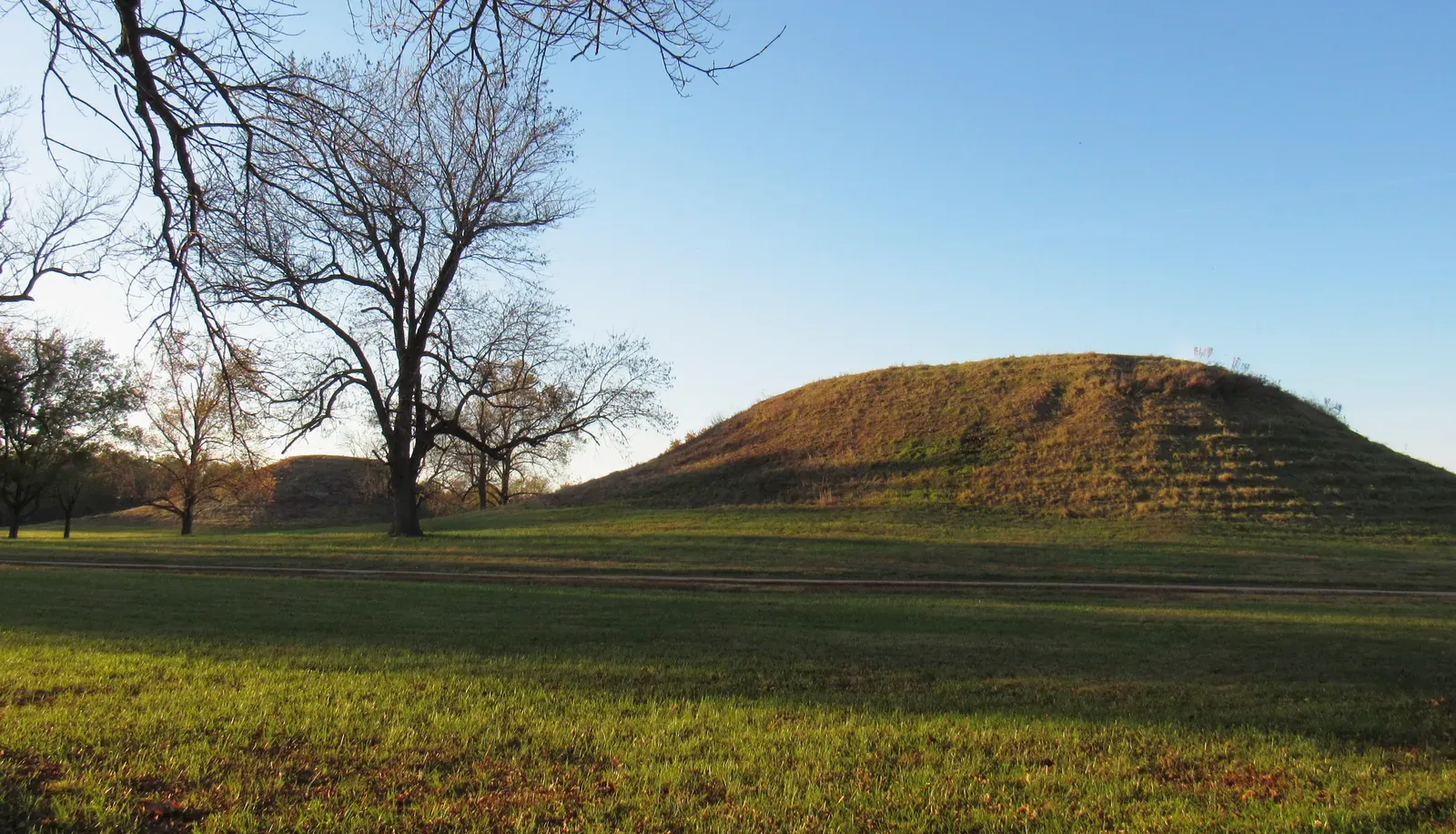
About a thousand years ago, near today’s St. Louis in the United States, there was a city that rivaled some European towns in size. We call it Cahokia, and its most striking features are massive earthen mounds, including one so big it dominates the landscape even today. At its peak, tens of thousands of people may have lived there, farming corn, building wooden palisades, playing games, and holding ceremonies under towering wooden posts aligned with the sun. It’s startling to realize this existed in North America long before Europeans showed up – yet most people never hear about it in school.
By around the fourteenth century, Cahokia was largely abandoned. The reasons appear to be layered: environmental stress from deforestation and soil erosion, frequent flooding of the Mississippi bottomlands, and changing climate conditions tied to what scientists call the Little Ice Age. There are hints of social strain too, like fortifications and evidence of inequality in burials. Instead of a neat story of conquest, the end of Cahokia looks like a slow unraveling of a complex urban experiment. Many descendants likely joined or influenced later Native nations in the region, carrying stories and cultural threads with them even as the mounds quietly grassed over.
Conclusion: Civilizations Rarely Just “Vanish”
Looking across these eight stories, one theme jumps out: disappearances are rarely as clean and dramatic as we imagine. Civilizations don’t usually fall like a dropped glass; they fray like an old rope – here a drought, there a trade route gone quiet, somewhere else a war or a lost harvest. What we call a “collapse” often feels, from the inside, like a series of tough decisions: stay or move, fight or adapt, cling to old ways or try something new. People rarely vanish; they merge, migrate, and remake themselves under new names.
Modern tools are giving us new eyes on these old worlds, and the stories keep shifting as fresh evidence comes out of the ground, the lab, and even the bottom of ancient lakes. At the same time, the echoes feel uncomfortably close to home – climate stress, fragile global connections, growing inequality, leaders in denial. Maybe that’s why these lost civilizations tug at us so hard: they’re both distant and eerily familiar. When you think about our own world map, with its megacities and sprawling networks, which of today’s centers would you least expect to ever become tomorrow’s ruins?