
You probably know the big scientific celebrities: Einstein’s wild hair, Curie’s glowing lab, maybe Newton and his apple. But there’s a quieter side to scientific history, full of people whose work shapes your life every single day, even though you might barely recognize their names. Their breakthroughs feed you, protect you from infections, guide your GPS, and even sit inside your own cells.
Once you start looking at these “hidden figures,” the story of science becomes less about lone geniuses and more about a messy, human tapestry of persistence, bias, luck, and sometimes outright theft of credit. As you meet these eight unsung heroes, you’ll see how easily history forgets the people who do the heavy lifting – and you may never look at a hospital, a farm, or even your phone’s map app the same way again.
1. Ignaz Semmelweis: The Doctor Who Begged You To Wash Your Hands
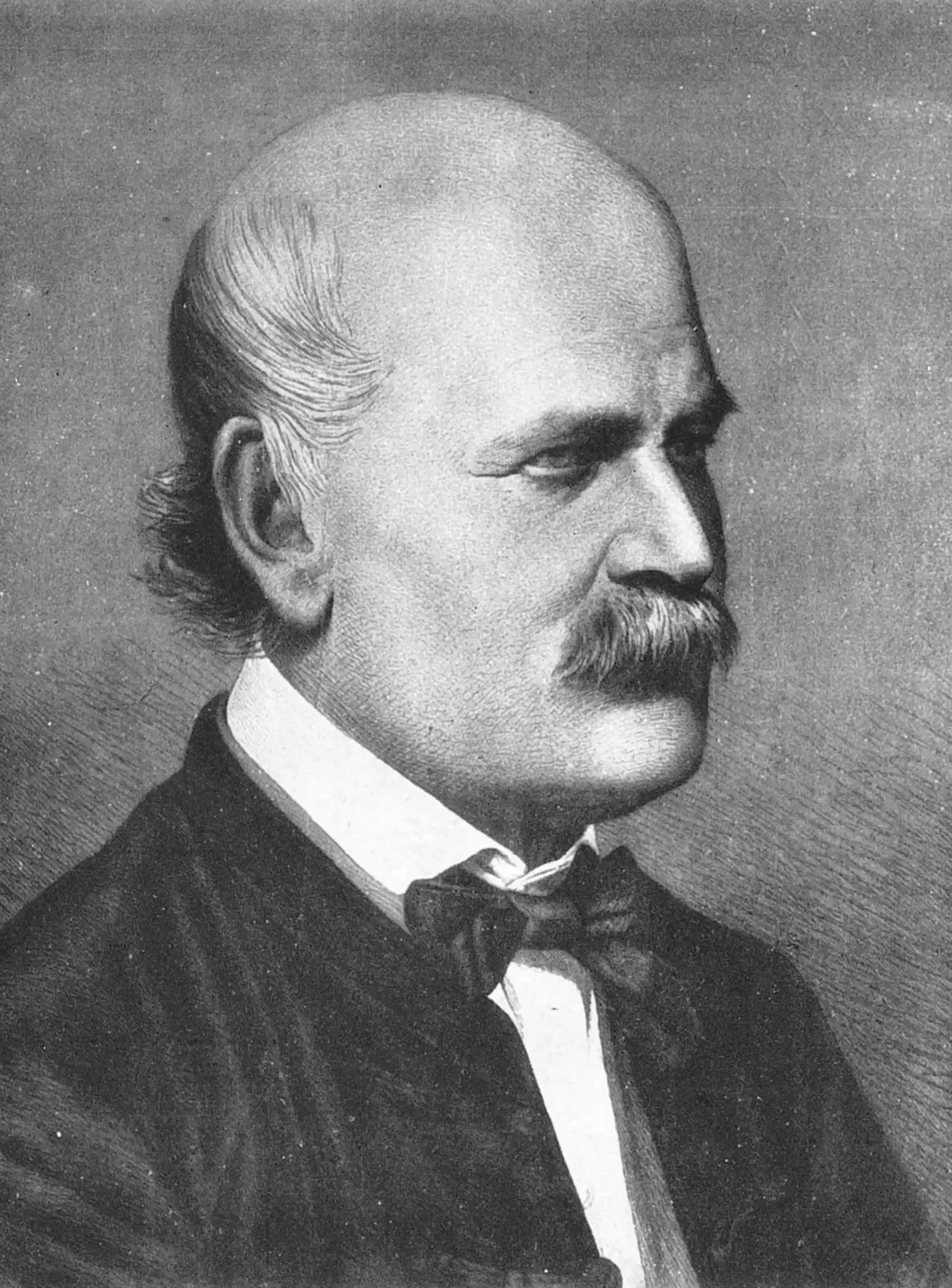
Imagine you walk into a hospital in the mid‑1800s to have a baby, and roughly one out of every ten mothers dies shortly afterward from a terrifying fever. That was the reality in Vienna when Ignaz Semmelweis, a young Hungarian physician, noticed something deeply disturbing: women treated in the doctors’ clinic died at a far higher rate than those in the midwives’ clinic. You would probably assume the doctors’ ward was safer – but his statistics showed the exact opposite, and that contradiction gnawed at him.
Semmelweis realized doctors were going straight from autopsies to the delivery room without washing their hands, carrying invisible “particles” from corpses to living patients. When he forced his clinic to use a simple chlorinated lime handwash, deaths from childbed fever plummeted dramatically. Today, you casually pump a bit of sanitizer and move on; back then, his colleagues mocked him, resisted him, and ultimately helped drive him to ruin. You now treat handwashing as common sense, but for that to become normal, Semmelweis had to be ignored, ridiculed, and only honored long after his death.
2. Rosalind Franklin: The Sharp Eye Behind the Double Helix
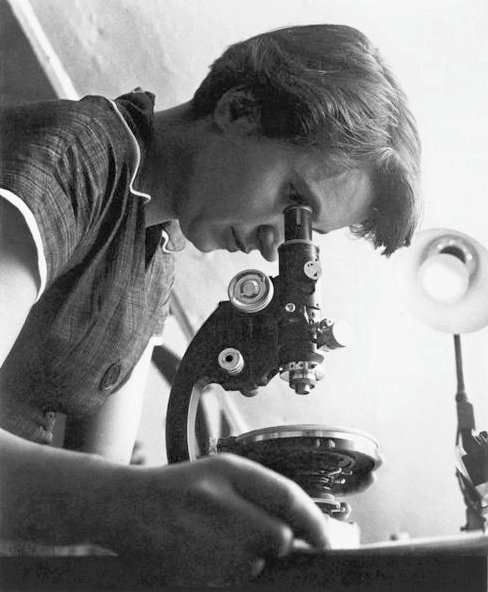
When you learned about DNA in school, you probably met Watson and Crick as the stars of the story. What you likely did not hear is how much of that famous double‑helix model rested on data produced by Rosalind Franklin, a brilliant chemist and X‑ray crystallographer. She brought a fierce, almost stubborn precision to her lab work, and those careful habits gave her an X‑ray image of DNA so clear that, if you had seen it yourself, you might have guessed it was helical even without a PhD.
That single image – often called “Photo 51” – and her meticulous measurements were shown to Watson without her knowledge or consent, and they directly guided the model that made him and Crick scientific legends. You grew up in a world where DNA fingerprints catch criminals, genetic tests reveal health risks, and ancestry kits chart your family tree, yet the woman whose work underpinned the structure rarely gets a full sentence in the story. When you think about how credit is handed out in any workplace, Franklin’s experience is a sharp reminder: being right and being recognized are not the same thing, especially if you are a woman in a male‑dominated lab.
3. Henrietta Lacks: The Woman Whose Cells Wouldn’t Die
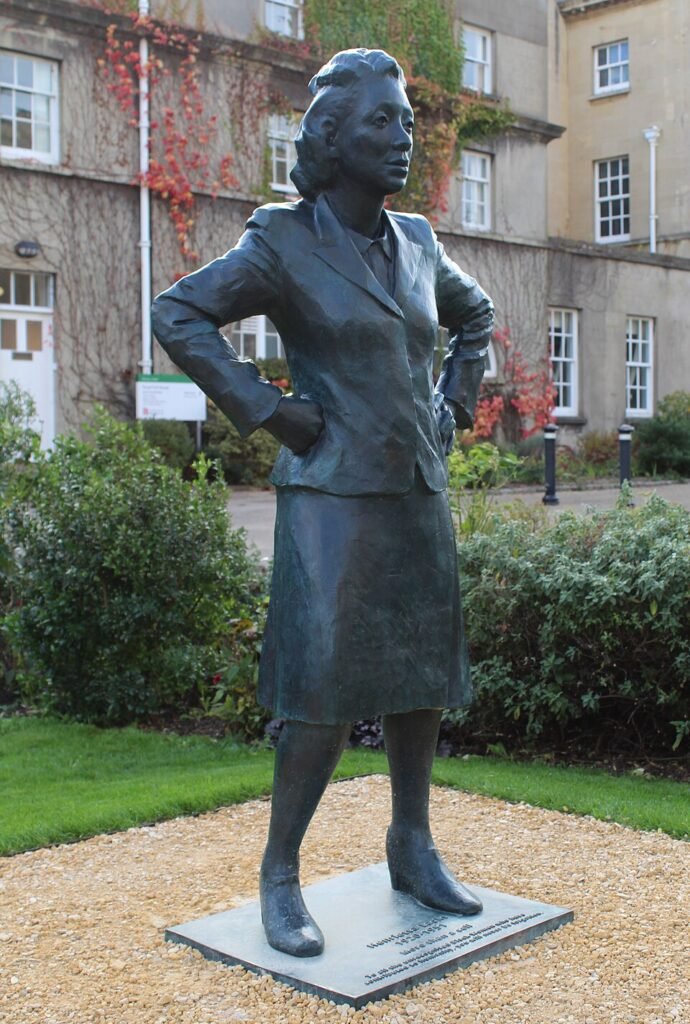
Picture going into a hospital with severe pain, trusting the doctors, and never imagining that a piece of your body would become one of the most important tools in modern medicine. That is what happened to Henrietta Lacks, a Black woman treated for cervical cancer at Johns Hopkins Hospital in 1951. Without her knowledge or consent, doctors took a sample of her tumor and passed it to researchers who had been desperately trying – and failing – to keep human cells alive in the lab.
Her cells did something no others had done: they kept dividing, over and over, apparently without limit. You might know them today by the name scientists gave them, “HeLa” cells, not realizing they are literally her living tissue line. Those cells have been used to develop vaccines, test chemotherapy, study viruses, and support countless breakthroughs that touch your life every time you roll up your sleeve for a shot or take a modern drug. Yet while labs bought and sold HeLa cells for decades, her family remained in poverty and in the dark, forcing you to ask a hard question: how do you balance scientific progress with basic respect for the people whose bodies make it possible?
4. Norman Borlaug: The Quiet Farmer Who Helped Feed Billions
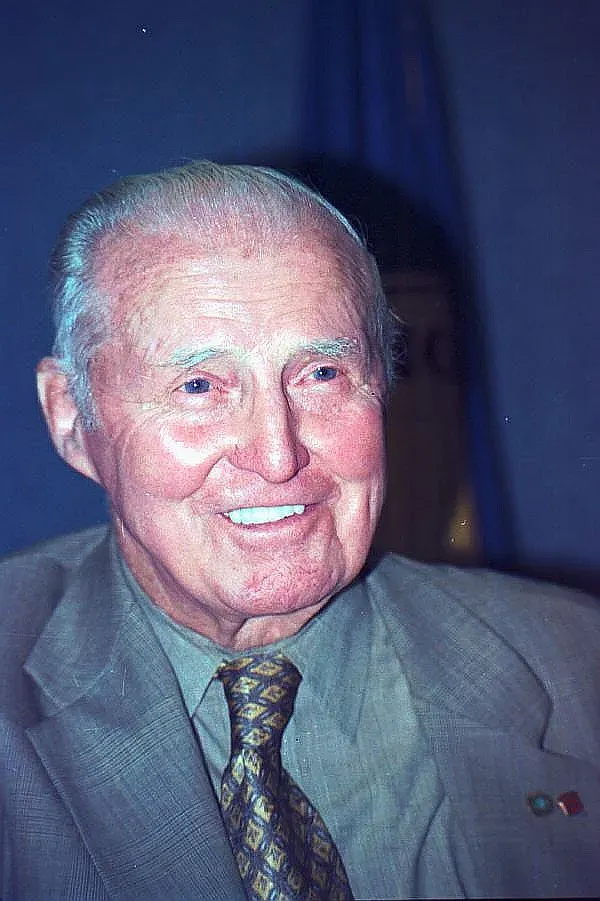
When you walk into a supermarket and see mountains of rice, wheat, and corn, it is easy to assume that abundance is normal – that of course there will be enough grain to go around. In the mid‑twentieth century, that was far from guaranteed. Many experts expected massive famines as populations grew, especially in countries like India and Mexico. Norman Borlaug, an American agronomist who grew up on an Iowa farm, refused to accept that starvation was inevitable and moved to the fields to prove it wrong.
By developing high‑yield, disease‑resistant wheat varieties and combining them with improved farming techniques, Borlaug helped spark what’s now called the Green Revolution. You benefit from his work every time cheaper bread appears on your table, or when global grain shortages you never even hear about are quietly averted. Some critics point out the environmental and social downsides of intensive agriculture, and they are right to push for smarter, more sustainable systems. But if you imagine a world where his seeds never existed, you are also imagining a world where hundreds of millions more people might have gone hungry or died.
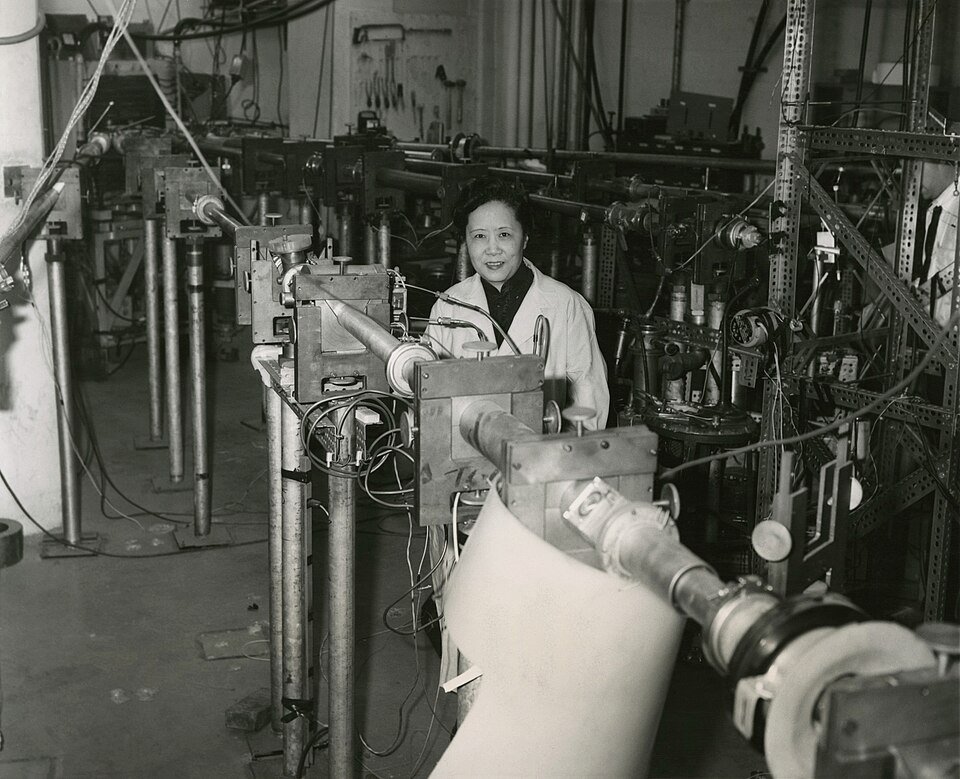
5. Chien‑Shiung Wu: The Physicist Who Proved Nature Plays Favorites
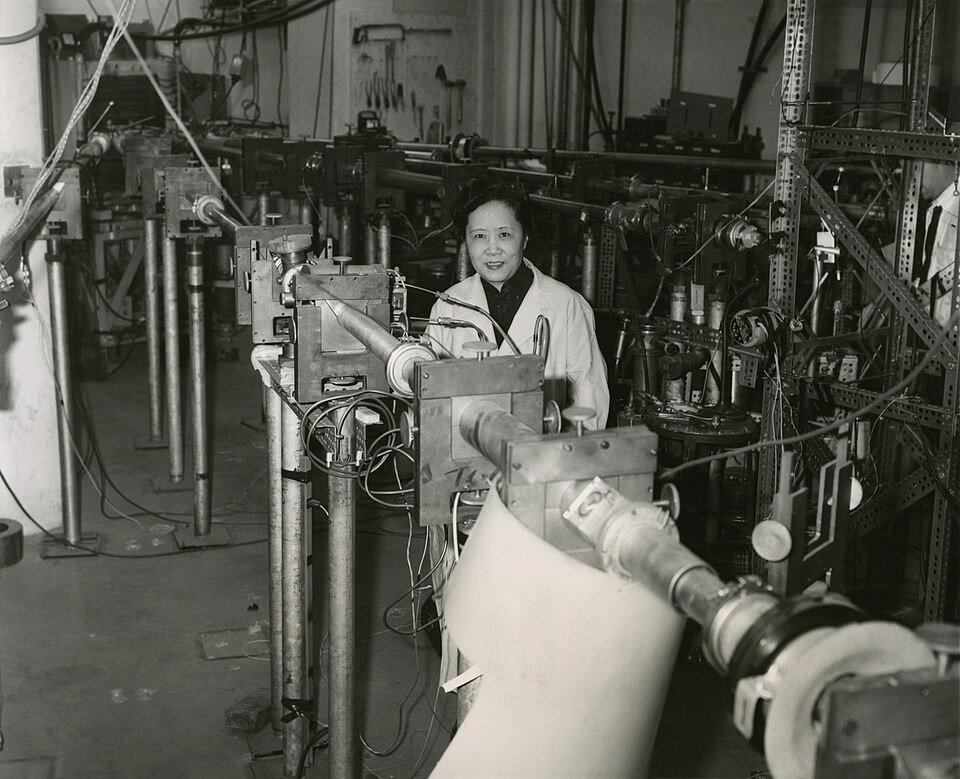
If you have ever assumed that nature is perfectly symmetrical – that left and right, mirror and original, should behave the same – you are not alone. For a long time, even top physicists took that for granted. Chien‑Shiung Wu, a Chinese‑American experimental physicist, shattered that comfort when she designed a bold experiment on the radioactive decay of cobalt atoms. While others argued on chalkboards, she spent lonely nights in a lab coaxing ultra‑cold atoms to reveal their secrets.
Her results showed that in certain weak nuclear interactions, nature does not treat left and right equally; a principle called “parity conservation” simply fails. You may never consciously think about this when you swipe a contactless card or read about fundamental particles, but your entire modern picture of physics had to be rewritten because she dared to test what everyone else assumed. The Nobel Prize that followed honored the theorists who proposed the idea, not the woman who proved it with grueling, meticulous work. When you see how often women’s contributions are framed as supporting roles, Wu’s story hits close to home: even when you rewrite the laws of nature, recognition is not guaranteed.
6. Fritz Haber: The Brilliant Chemist Behind Your Dinner Plate – and Darker Things
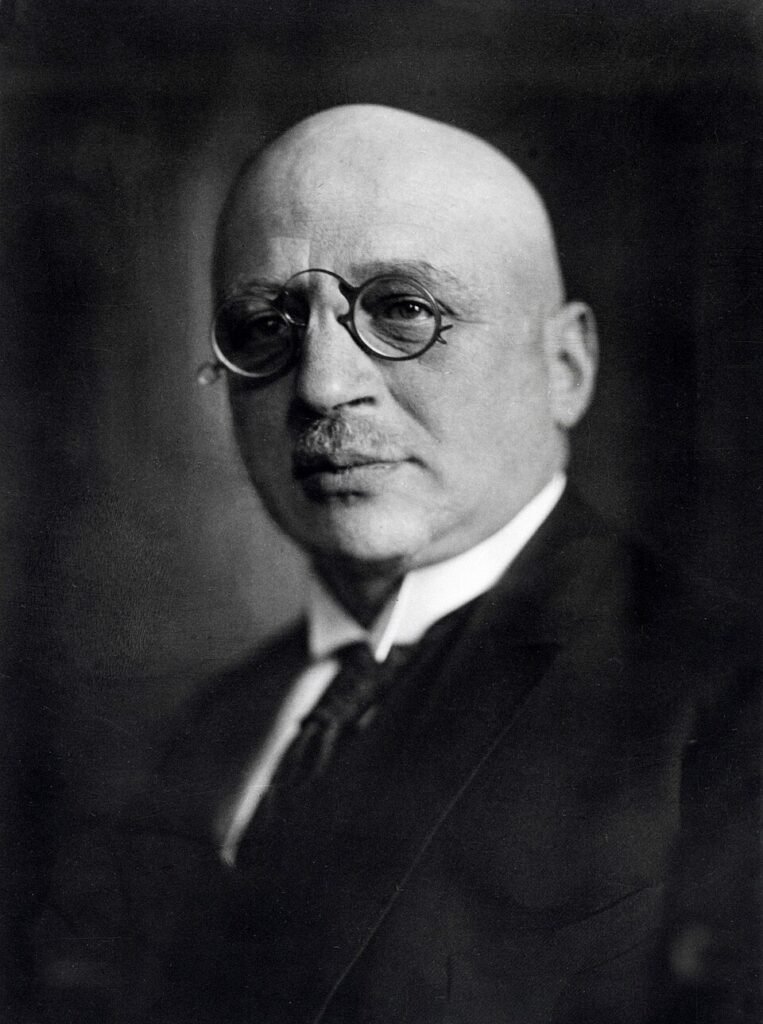
Every time you eat a bowl of pasta, or bite into a burger, you are living off nitrogen that did not exist in usable form before the twentieth century. Plants need nitrogen to grow, but the atmosphere’s nitrogen gas is locked away chemically, useless to crops. Fritz Haber, a German chemist, figured out how to pull nitrogen from the air and turn it into ammonia using high pressure, high temperature, and a metal catalyst. Combined with industrial scaling by engineer Carl Bosch, that process allowed factories to churn out synthetic fertilizer at massive scale.
Roughly about half of the nitrogen atoms in your body today likely came from Haber‑Bosch fertilizer, which is a staggering thought: your very muscles and brain cells depend on this invisible industrial alchemy. Yet Haber’s legacy is painfully complicated. During World War I, he championed and helped develop chemical weapons, personally overseeing gas attacks that killed thousands. When you look at his life, you are forced to wrestle with a tough truth: the same scientific genius that helps feed the world can also be turned toward horrifying destruction, and you cannot cleanly separate the two sides.
7. Gladys West: The Hidden Mathematician Behind Your GPS
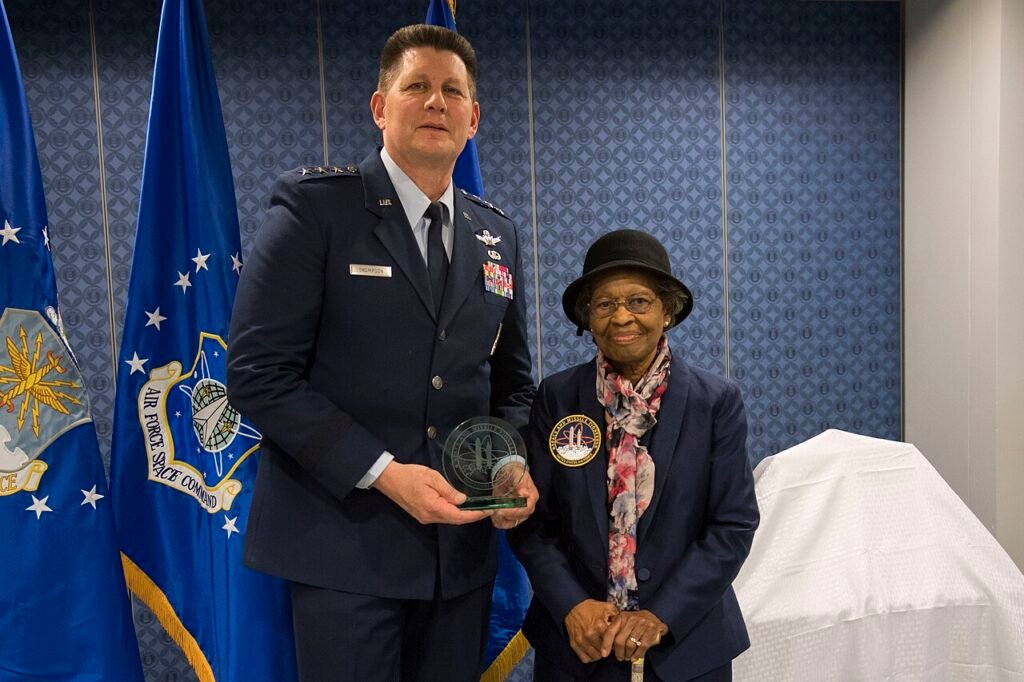
Think about how casually you rely on GPS: you tap an address, follow a blue line, and trust that your phone somehow knows exactly where you are on a spinning, lumpy planet. Behind that quiet miracle sits the work of Gladys West, an African‑American mathematician who spent decades at a U.S. Navy research facility. Her job was anything but glamorous: she crunched satellite and geodetic data to refine mathematical models of Earth’s shape, which is not a perfect sphere but a slightly squashed, uneven “geoid.”
Those models helped satellites and navigation systems pin down locations with ever‑greater accuracy, forming a crucial foundation for the GPS you now use to find coffee shops, call a ride, or track a run. For years, her name barely appeared outside internal reports, even as your phone, your car, and entire industries leaned on her work. When you realize that your daily life depends on people like West – quiet professionals who patiently refine equations and correct tiny errors – you start to see technology less as magic and more as the cumulative effort of minds you were never taught to admire.
8. Nils Bohlin: The Engineer Who Saved You With a Simple Belt
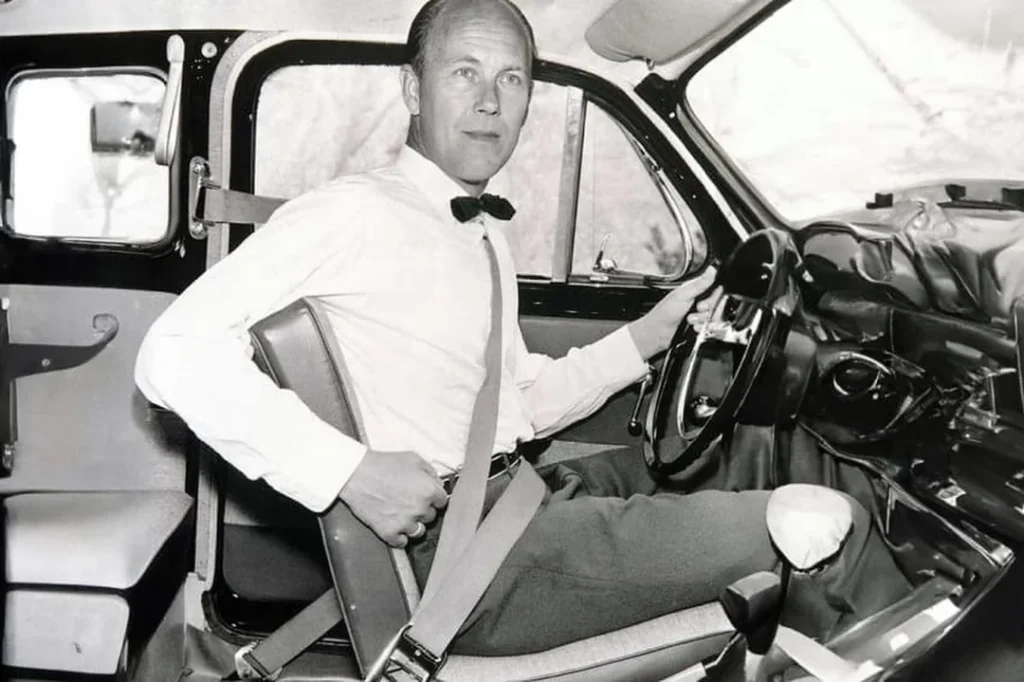
Getting into a car, you probably snap your seat belt without thinking, maybe even a little annoyed by the chime that will not stop until you click it. That ordinary three‑point seat belt, the one that crosses your chest and lap, is one of the single most effective life‑saving devices ever invented. Nils Bohlin, a Swedish engineer who once designed ejection seats for fighter jets, created it in the late 1950s after joining Volvo. He understood from aviation that in a crash, your upper and lower body need to be restrained in a way you can use quickly and correctly every time.
Instead of locking the design away, Volvo made the patent open so other carmakers could adopt it freely, and Bohlin’s belt spread around the world. Road‑safety researchers estimate that over the decades, this humble strip of webbing has saved well over a million lives, possibly several million, including – statistically speaking – people you know and love. When you compare that impact to how rarely his name is mentioned, you see how unevenly your culture assigns fame. You remember flashy tech CEOs and forget the quiet engineer whose design stands between you and a windshield at sixty miles an hour.
When you zoom out and look at these eight lives together, a pattern jumps out at you: world‑changing science is rarely neat, fair, or properly credited. Some of these people fought prejudice, some were exploited, some contributed to both life‑saving and life‑destroying technologies, and almost all of them were sidelined in the stories you were told. Yet you carry them with you in your blood, your food, your maps, your safety belt, and even the way your doctor washes their hands.
If there is a takeaway for you, it is this: the next time you hear about a big breakthrough or see one name splashed across the headlines, remember the hidden network of minds behind it. You can choose to be the kind of person who looks for those quieter figures, asks who is missing from the story, and gives credit where it was long denied. After all, if people like Semmelweis, Franklin, Lacks, Borlaug, Wu, Haber, West, and Bohlin reshaped your world from the shadows, who might be doing the same thing right now without you even realizing it?