Most of us picture life as something that needs warmth, clean water, and sunlight to survive. It’s a reasonable assumption, shaped by the world we see around us every day. Yet scattered across our planet are places where the ground boils, the air is poisonous, the pressure could crush a steel vessel, and water itself has essentially ceased to exist. Life not only survives in these places. In many cases, it flourishes.
Extremophiles, organisms adapted to survive and thrive under extreme conditions, have fascinated scientists for decades. These extraordinary organisms inhabit some of the harshest environments on Earth, from Antarctic ice to deep-sea hydrothermal vents and hypersaline lakes. Their existence keeps forcing biologists to redraw the map of what’s possible. Each new discovery in an impossibly hostile corner of the Earth raises the same quiet, persistent question: where else might life be hiding?
Deep-Sea Hydrothermal Vents: Where the Ocean Floor Boils
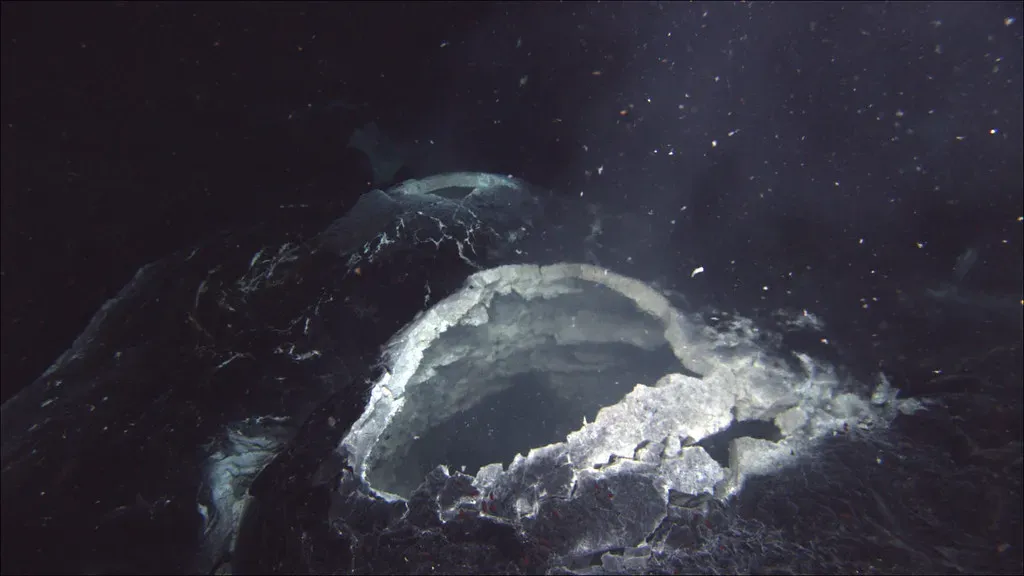
Thousands of meters beneath the ocean’s surface, in absolute darkness and under crushing pressure, cracks in the Earth’s crust release jets of superheated, mineral-rich water. As seawater percolates through cracks in the seafloor, chemical reactions produce hot, acidic fluids that eventually rise back up, forming hydrothermal vents that provide the energy to sustain lush communities of life in some very harsh environments. It’s one of the most genuinely alien-looking ecosystems on the planet, and it’s entirely real.
Although most living organisms cannot survive in the plumes of superheated hydrothermal fluids where temperature can range between 250 and 400°C, hydrothermal bacteria and archaea are able to thrive in the temperature gradients surrounding hydrothermal vents. The hyperthermophilic archaeon Methanopyrus kandleri was shown to effectively grow at 122°C and hydrostatic pressure of 20 MPa, equivalent to about 200 times the standard atmospheric pressure at sea level, which represents the highest recorded temperature at which any organism has been found to grow.
The primary energy source for these ecosystems is chemosynthesis, performed by bacteria that convert inorganic chemicals into organic matter, forming the base of the food web. Within these communities, various extremophiles thrive, showing remarkable adaptations to extreme conditions such as high temperatures, pressure, and chemical concentrations. Notable species include tubeworms, which rely on symbiotic bacteria for nourishment, and vent crabs, which have developed unique sensory adaptations to navigate their environment.
Some of the earliest evidence for microbial life on Earth comes from rocks that formed within hydrothermal vent environments around 4 billion years ago. The hostility of the planet’s surface at that time suggests that life is more likely to have begun within the Earth’s crust or in the deep sea. Research also indicates that early life relied on chemosynthetic processes, like those seen in the ocean today, making hydrothermal vents a likely candidate for the origin of life on Earth.
The Mariana Trench: Life Under Impossible Pressure
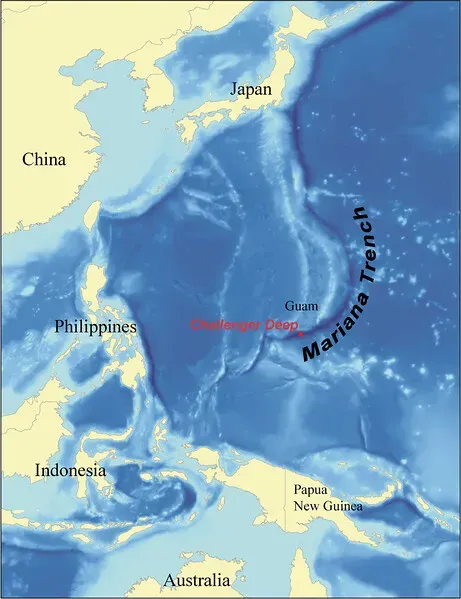
The ocean floor plunges into trenches so deep that Mount Everest could fit within them and still remain submerged. In the Mariana Trench, nearly 11 kilometers down, the pressure is over a thousand times greater than at sea level. For any human-built vessel, that kind of pressure represents a serious engineering challenge. For the organisms living there, it’s simply home.
Barophilic microorganisms, also called piezophiles, are tiny entities that can live in very deep parts of the ocean floor. Pressure increases with depth due to the weight of the water column above, and values above 1,000 atmospheres can be reached at the deepest zones of the oceans, such as the Mariana Trench in the Western Pacific Ocean, with a depth of up to 11,000 meters.
The cell membranes of deep-trench organisms are more fluid due to a higher proportion of unsaturated fatty acids and unique lipids, preventing them from solidifying under pressure. Their enzymes and ribosomes are structured to maintain function and conformation under extreme pressure. Their metabolic pathways are optimized for the low temperatures and nutrient scarcity often found alongside high pressure in the deep sea.
Within the lightless confines of the Mariana Trench, where photosynthesis is impossible, microbial communities rely on alternative energy sources to fuel their existence. Chemosynthetic microorganisms, utilizing the chemical energy derived from inorganic compounds such as hydrogen sulfide and methane, form the foundation of the trench’s food web. You’d find an astonishing variety of life down there: bacteria, archaea, amphipods, and even fish specially adapted to the crushing dark.
Antarctica’s Dry Valleys: Frozen, Lifeless – Except They’re Not
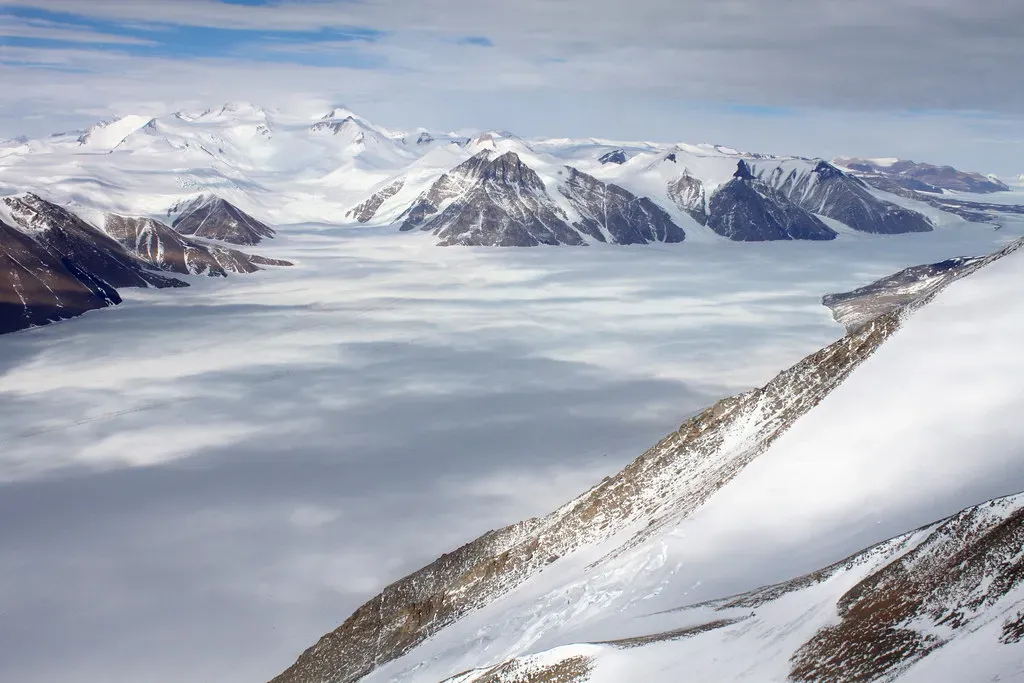
The Antarctic dry valleys are the coldest, driest places on Earth. Despite environmental extremes, life exists there in the form of microbes: cyanobacteria, algae, lichens, and fungi. Most visitors to this region would see nothing but bare rock and frozen emptiness. The life is there, though, often hiding just beneath the surface of translucent stones.
Psychrophiles – “cold lovers” – have evolved enzymes that remain flexible in freezing conditions, where most proteins would lock rigid and cease functioning. They alter their cell membranes to remain fluid and produce antifreeze proteins that prevent deadly ice crystals from forming inside them. Beneath thick layers of ice, microbial communities persist in liquid brines sealed off for millennia.
University Valley, one of Antarctica’s Upper Dry Valleys, presents a unique challenge: it receives more regular precipitation than the Atacama Desert, but it’s so cold that any precipitation falls as snow and remains frozen. Yet microbes have found ways to extract that locked water and survive on the margins of what chemistry allows.
Similar to other extreme deserts, such as the Dry Valleys of Antarctica, life in the harshest environments seeks refuge within rocks as conditions become increasingly dry. This endolithic strategy – literally living inside rock – represents one of biology’s more elegant workarounds. The rock provides insulation, traps moisture, and offers just enough diffuse light for photosynthesis to proceed at a glacial pace.
The Atacama Desert: Earth’s Driest Place, Still Alive
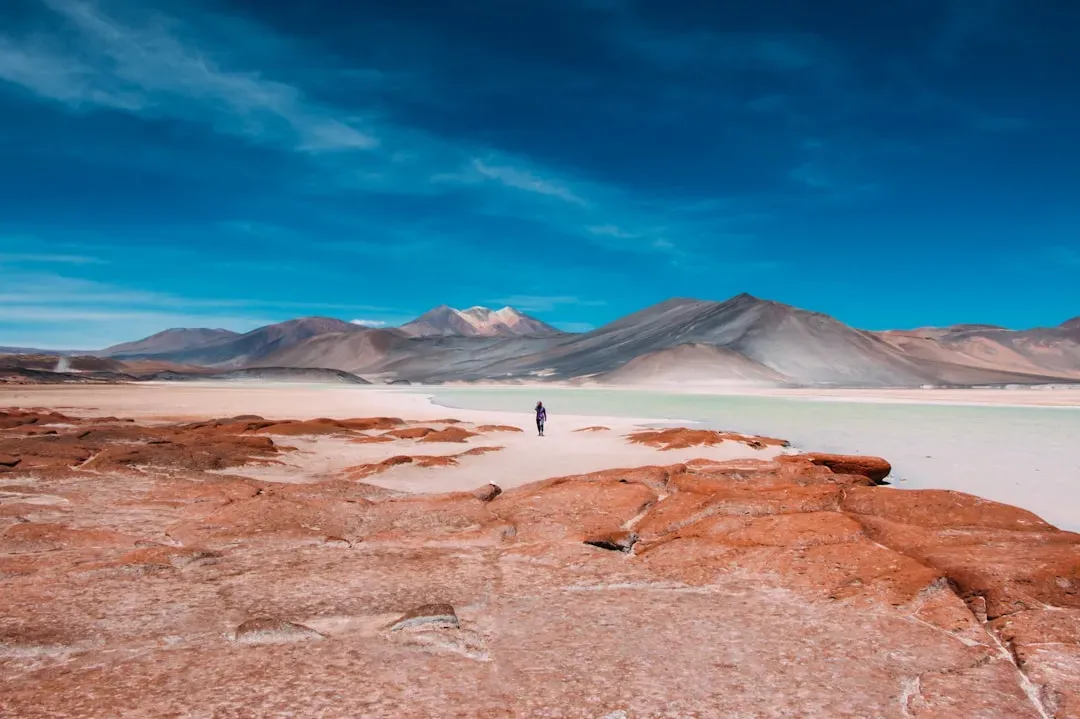
The Atacama Desert, located in northern Chile, is the driest and oldest desert on Earth. Some sections of it haven’t seen measurable rainfall in decades. Precipitation in the hyperarid core averages less than 1 millimeter per year, and geological evidence suggests these conditions have persisted for the past 3 to 4 million years. That’s an almost incomprehensible span of unbroken dryness.
The extremophiles found in the Atacama Desert are extreme in two independent ways. They are able to live in environments that are both extremely arid and extremely salty. As such, these microbes must expend much of their metabolic activity, genomic resources, and cellular machinery on repairing the ongoing severe damage they experience from their arid, salty environment.
Researchers dug deep – four meters down – in a search for life beneath the Atacama Desert in northern Chile. While earlier research found microbes at depths of about a meter, the new study documented rich, previously unknown bacterial communities at depths of four meters. The Atacama keeps revealing new layers of hidden biology. What looks dead on the surface is anything but.
Habitats as different as the underside of quartz rocks, fumaroles at the Andes Mountains, and the inside of halite evaporates and caves of the Coastal Range have all shown that life has found ingenious ways to adapt to extreme conditions such as low water availability, high salt concentration, and intense UV radiation. The desert, it turns out, is less a wasteland than a very challenging neighborhood with very specialized residents.
Hypersaline Lakes and Salt Flats: Too Salty for Almost Everything
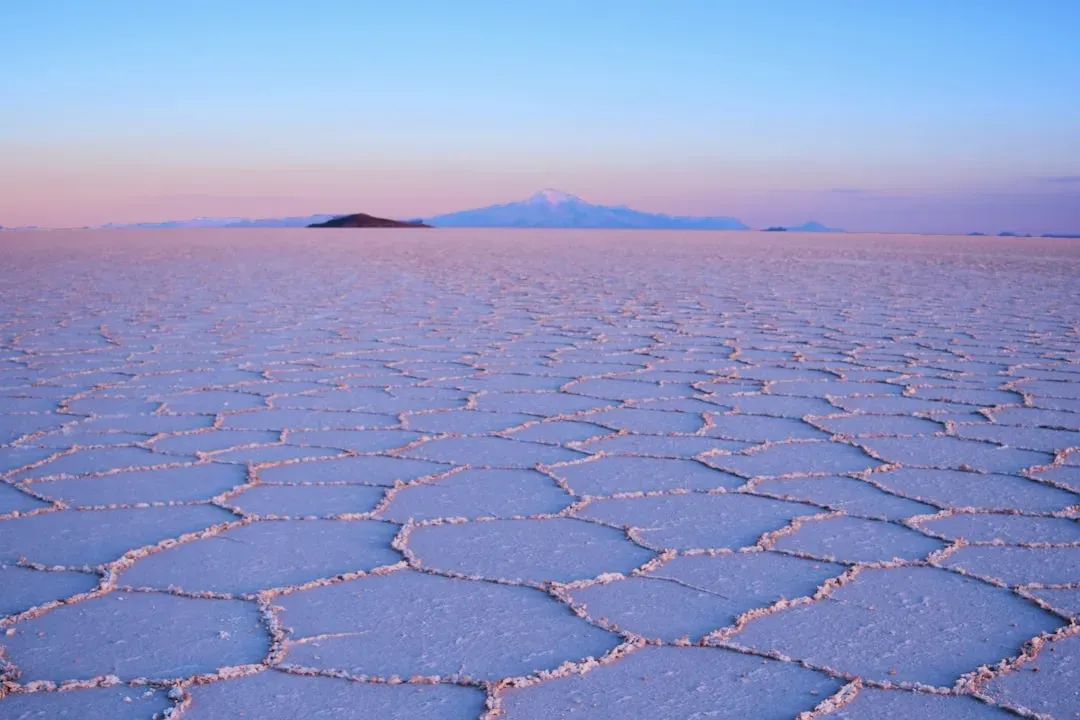
Across the globe, salt flats and hypersaline lakes present a formidable extreme. The Dead Sea, the Great Salt Lake, and Ethiopia’s Danakil Depression contain salt concentrations that can exceed ten times that of the ocean. To most organisms, such salinity is lethal, drawing water out of cells until they collapse. Yet halophiles – “salt lovers” – not only endure these conditions but depend on them.
These microorganisms have evolved specialized proteins and membranes that resist the dehydrating pull of salt. Some produce vivid pigments – reds, oranges, and purples – that turn salt ponds into surreal landscapes of color. These pigments also protect cells from intense solar radiation, allowing survival under a double assault of salt and light. You’ve probably seen satellite images of those brilliantly colored salt pans near the Dead Sea. That color is life, painting itself across one of the world’s least habitable surfaces.
Halophiles are “salt-lovers,” flourishing in environments with high salt concentrations, often much higher than seawater. They typically require at least a certain concentration of salt for growth, with extreme halophiles thriving in conditions up to saturated brine. Their habitats include salt lakes such as the Dead Sea and the Great Salt Lake, salterns, and natural brines.
Halophiles require environments with extremely high salt content, such as the Dead Sea, and have developed adaptations to maintain their cellular structure in these hostile settings. Those cellular adaptations are remarkably sophisticated – internal chemistry is reshuffled to match the osmotic pull of the surrounding brine, effectively letting the outside world’s saltiness become a manageable part of the organism’s biology.
Boiling Hot Springs: Life That Sparked a Revolution in Genetics
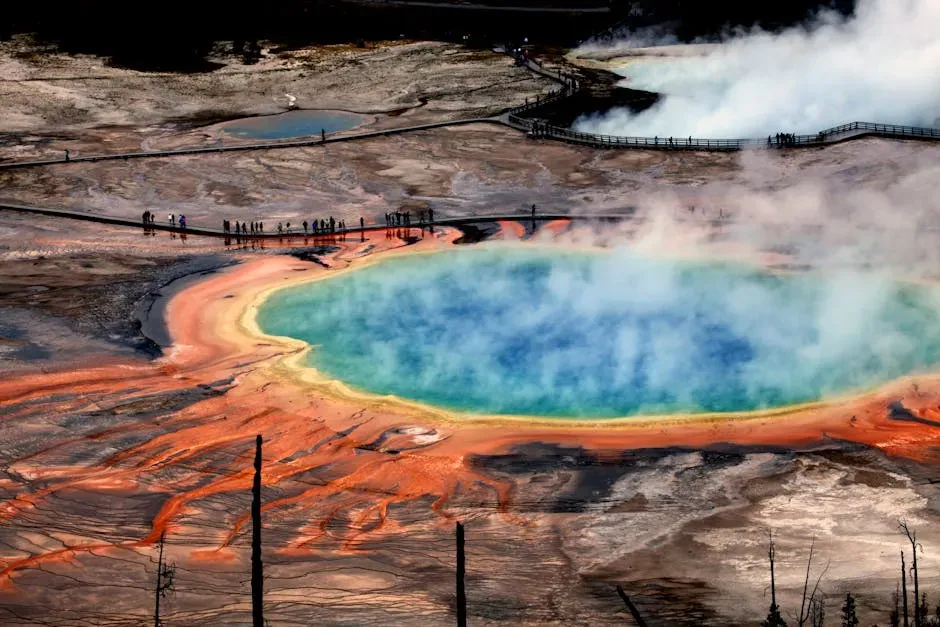
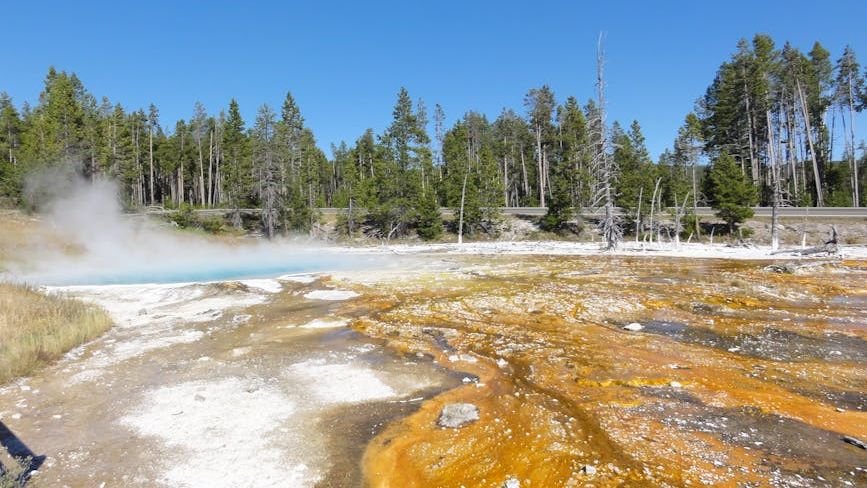
Scientists isolated a new bacterium, Thermus aquaticus, which can survive in temperatures of 60 to 80°C. The discovery of such extremophiles changed scientists’ way of looking at life, as the microbes were found in environments where nobody expected life to survive, let alone thrive. Studies on extremophiles have since reshaped some of our ideas on the origin, fundamental features, and limits of life. That single hot spring discovery rippled through all of modern biology.
The polymerase chain reaction (PCR), an experimental technique that is so indispensable today in the fields of medicine, industrial biotechnology, and genetics, owes itself to Thermus aquaticus. Every COVID-19 test, every forensic DNA analysis, every genetic sequencing run – all trace their lineage back to a bacterium scooped out of a boiling pool in Yellowstone. That’s an extraordinary legacy for an organism living in what looks like a death trap.
Thermophiles thrive at very high temperatures – like those in geysers or hot springs – enduring more than 100°C without their vital functions being affected. Several extremophiles contain unique biomolecules that are relatively stable in extreme temperatures and enable metabolic reactions to proceed unhindered. Thermophiles have enzymes known as thermozymes, which are catalytically active at high temperatures.
Some microbes are adapted to survive more than one type of extreme environment, earning them the name “polyextremophiles.” Hot springs, for example, are not only incredibly warm, but can also be highly acidic or alkaline, whereas the deep sea features both extreme cold and high pressure. This stacking of challenges is where polyextremophiles genuinely earn their reputation. They don’t just tolerate one impossible condition – they thrive under several at once.
Radiation-Blasted Environments: The Toughest Organisms Known to Science
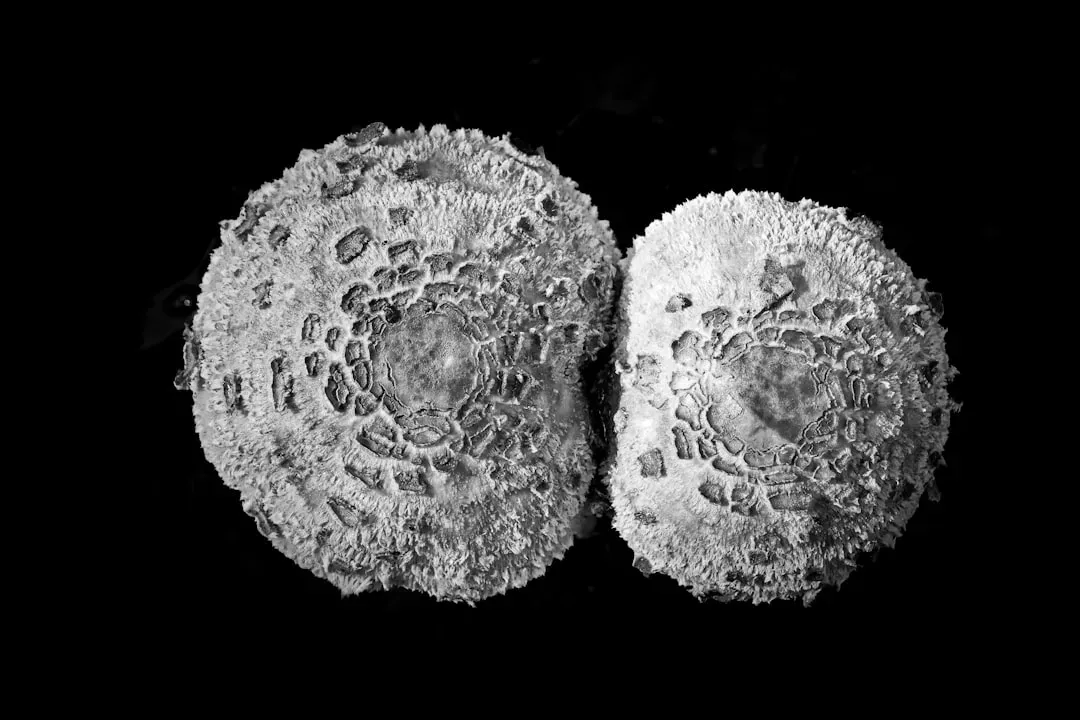
There are also acidophiles, capable of surviving in environments more acidic than battery acid, and alkaliphiles, which tolerate environments as basic as ammonia. Lastly, organisms like Deinococcus radiodurans – whose name literally means “terrible berry that can withstand radiation” – are able to withstand very high levels of radiation. That last organism deserves its dramatic name. It survives radiation doses that would destroy almost any other form of life.
The bacterium Deinococcus radiodurans is one of the most radioresistant organisms known. This bacterium can also survive cold, dehydration, vacuum, and acid, and is thus known as a polyextremophile. Its ability to repair its own shattered DNA with remarkable speed is what sets it apart. Where radiation causes irreversible damage in most organisms, Deinococcus simply stitches itself back together.
Tardigrades, also known as water bears or moss piglets, being in a state of cryptobiosis or a hibernation mode, can survive a wide range of temperatures from −272°C to 151°C, vacuum conditions and associated extreme dehydration, high pressure of 6,000 atmospheres, and exposure to X-rays and gamma rays. These tiny, eight-legged creatures are barely visible to the naked eye, yet their resilience puts them in a category of their own.
There are even organisms such as Geobacter metallireducens that can survive immersion in high levels of organic solvents such as those found in toxic waste dumps. Others thrive inside the cooling water within nuclear reactors. Some environments that humans created by accident have turned out to be, for certain organisms, surprisingly hospitable. Life has a tendency to find opportunity in the most inconvenient places.
Conclusion: What Extreme Life Teaches Us About Life Itself
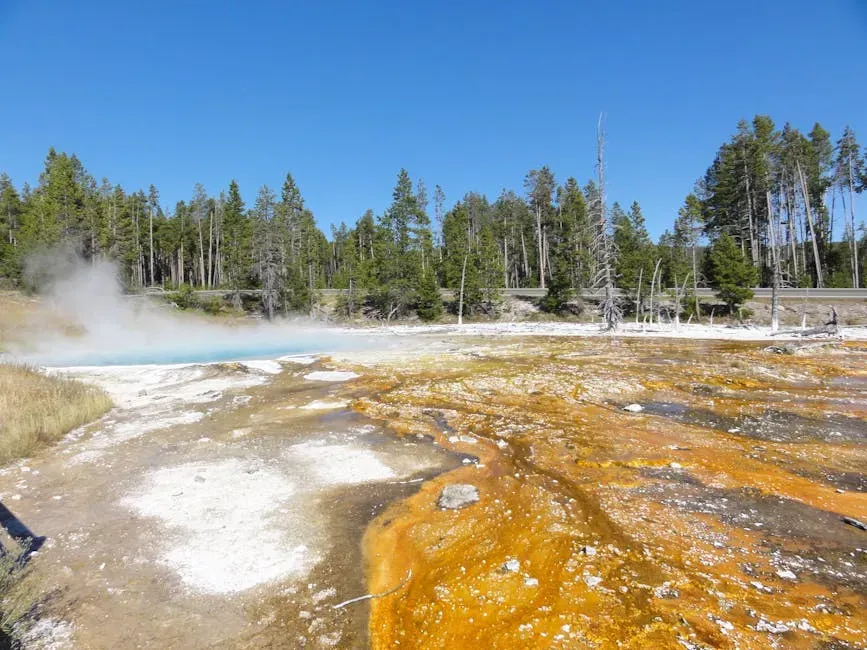
The study of extremophiles is genuinely one of the more humbling areas of modern science. You look at boiling acid pools, frozen Antarctic valleys, and the crushing dark of the world’s deepest trenches, and expect to find nothing. What you find instead is a thriving, inventive, chemically creative cast of organisms that have been there for millions of years, unbothered by conditions that would end a human life in seconds.
Their ability to overcome environmental extremes has made them models for studying evolution, adaptation, and the biochemical basis of life. Furthermore, extremophiles are emerging as a cornerstone of biotechnological advancements, with applications in medicine, industry, environmental management, and even space. Their practical contributions to human technology are already substantial, and researchers believe the surface has barely been scratched.
Thanks to these discoveries, astrobiology no longer focuses solely on Earth-like planets. It now also considers worlds with supervolcanoes, underground oceans, frozen giants, or atmospheres rich in toxic substances, opening new possibilities for the existence of life forms in extreme environments among the millions of planets that exist in the universe. Every extreme environment mapped on Earth becomes, in a sense, a proof of concept for what might exist elsewhere.
Perhaps the most quietly profound lesson is simply this: life isn’t fragile. It’s opportunistic, adaptive, and astonishingly durable. The boundaries we draw around what counts as a “habitable” environment keep getting redrawn, because life keeps showing up on the wrong side of those lines. Wherever there’s energy and chemistry, something has usually figured out how to use it.