Every species that disappears takes something irreplaceable with it. Not just a name struck from a list, but an entire thread pulled from an ecosystem that took millions of years to weave. More than one third of US wildlife is currently at risk of extinction, and every animal, from the largest predator to the smallest insect, plays an essential part in its ecosystem. The loss of just one species has a significant impact on countless others.
The US endangered species list shows that over 1,677 species are currently protected under federal law, with the Fish and Wildlife Service updating this list quarterly to reflect new research and population assessments. The picture is urgent, and in many cases, the window for action is narrowing fast. Here are eight species whose stories deserve your attention right now.
1. The North Atlantic Right Whale: Racing Against the Clock
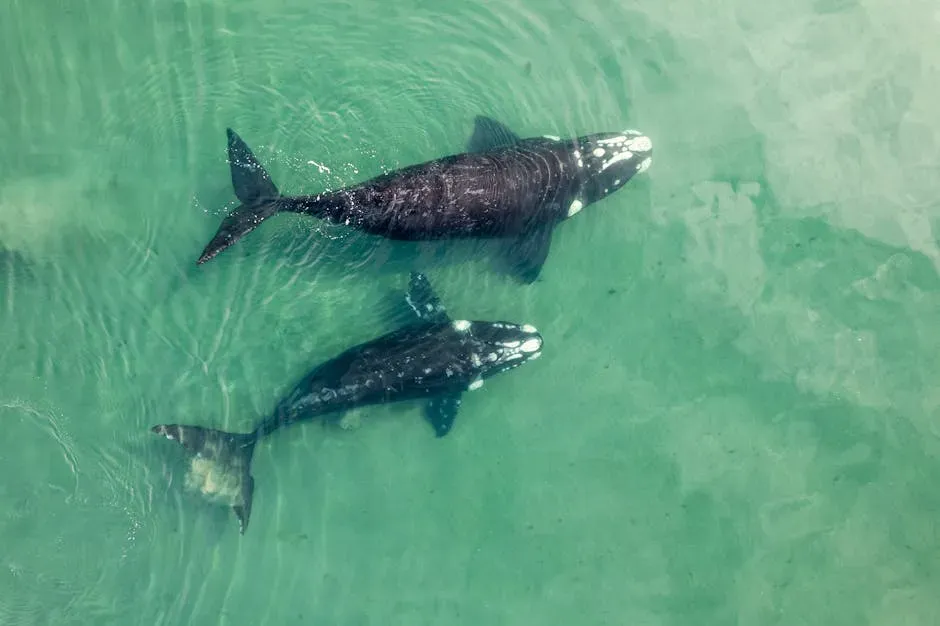
As of 2025, only around 380 North Atlantic right whales are left, with just 70 reproductive-age females. Think about what that means for a moment. A species of massive ocean mammal, capable of growing nearly 50 feet long, is now down to a breeding pool smaller than the crowd at a local school play.
The North Atlantic right whale leads marine endangered animals with fewer than 340 individuals remaining, facing threats from ship strikes and fishing gear entanglement. You can help by supporting organizations that push for slower ship speeds in whale habitats and by advocating for fishing gear modifications that allow whales to escape entanglement. NOAA Fisheries is responsible for the protection, conservation, and recovery of endangered and threatened marine and anadromous species under the Endangered Species Act, and public support for their work matters more than many people realize.
2. The Florida Panther: Losing Ground in Its Last Stronghold
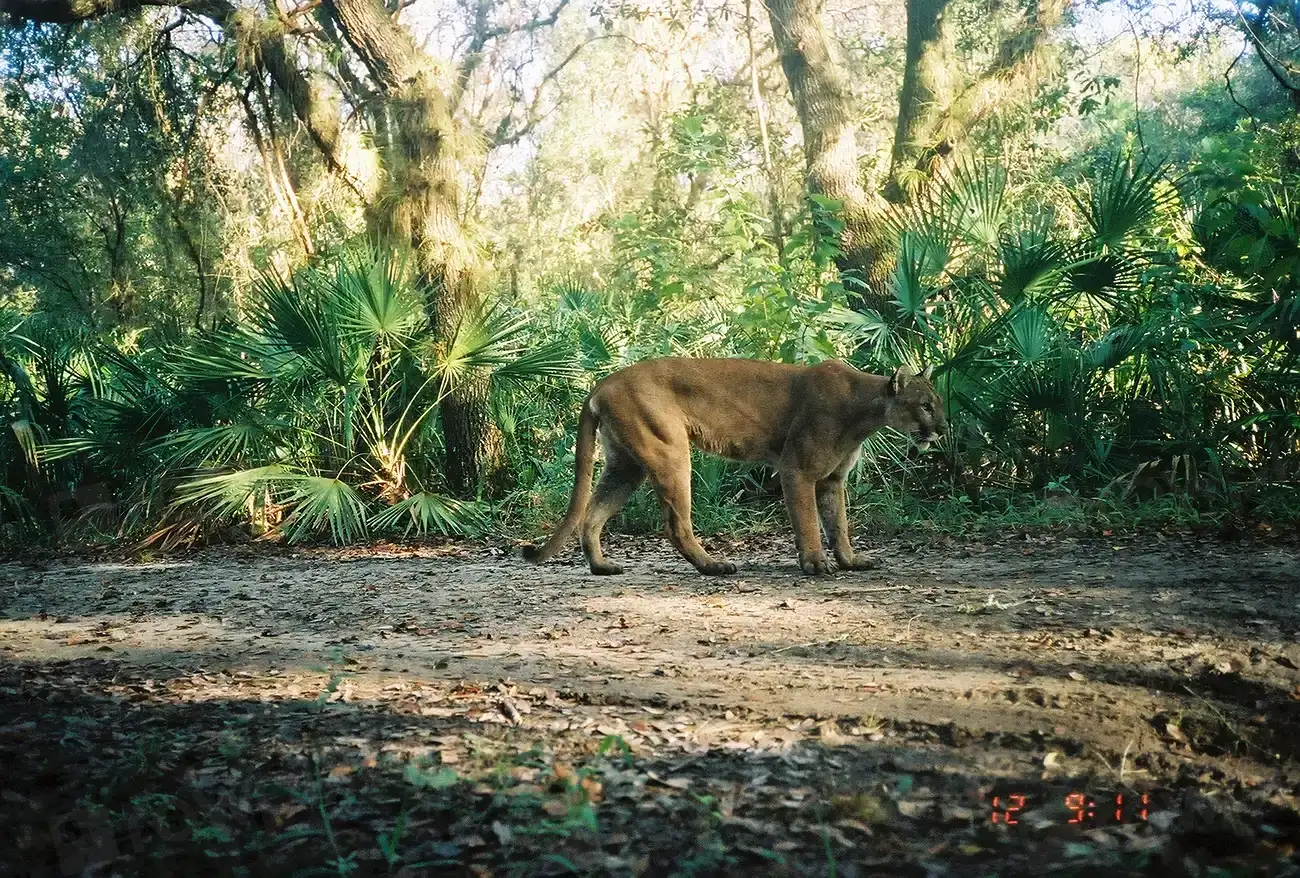
The Florida panther is the only puma population remaining east of the Mississippi and one of the most endangered mammals in the United States. Because of habitat degradation beginning with European settlers in the 1600s and overhunting that lasted until the 1950s, the species now occupies less than five percent of its historic range. Today, the wildcat’s survival hangs on a razor’s edge in the swamps and forests of South Florida.
Each year, a significant number of Florida panthers are killed by vehicles. In 2023 alone, more than 20 documented panthers died from vehicle collisions, an unsustainable rate for a population that numbers around 200 individuals. After one of the deadliest years on record for the Florida panther, funding from state and federal agencies will build three new wildlife crossings in 2025. You can back this kind of progress by supporting wildlife crossing initiatives in your state and contacting your representatives about habitat corridor protections.
3. The Red Wolf: The World’s Most Endangered Wolf
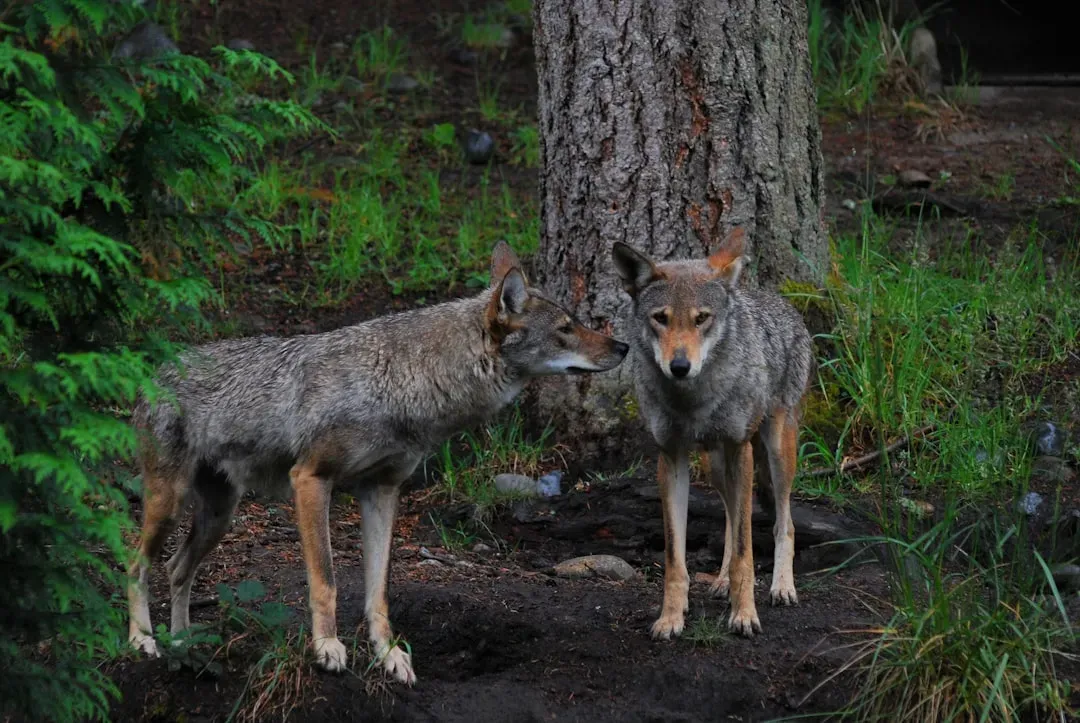
Red wolves are the most endangered wolf species in the world. Although they once roamed across much of the Eastern United States, red wolves were hunted almost to extinction by the 1970s. Their story is one of dramatic collapse followed by careful, hard-won recovery efforts that now face fresh political and ecological pressures.
As of February 2025, the entire confirmed population of red wolves in the wild consists of 16 individuals. Red wolves play a critical role in their ecosystems, serving as a check on prey populations that may otherwise grow out of control. The loss of carnivore species like the red wolf has already proven disastrous, with deer populations increasing dramatically across the Eastern United States, causing trouble for humans and animals as deer consume plants and spread disease-carrying ticks. You can help by donating to the Red Wolf Recovery Program and urging support for wildlife crossings that reduce deadly road collisions.
4. The California Condor: A Comeback Story Still in Progress
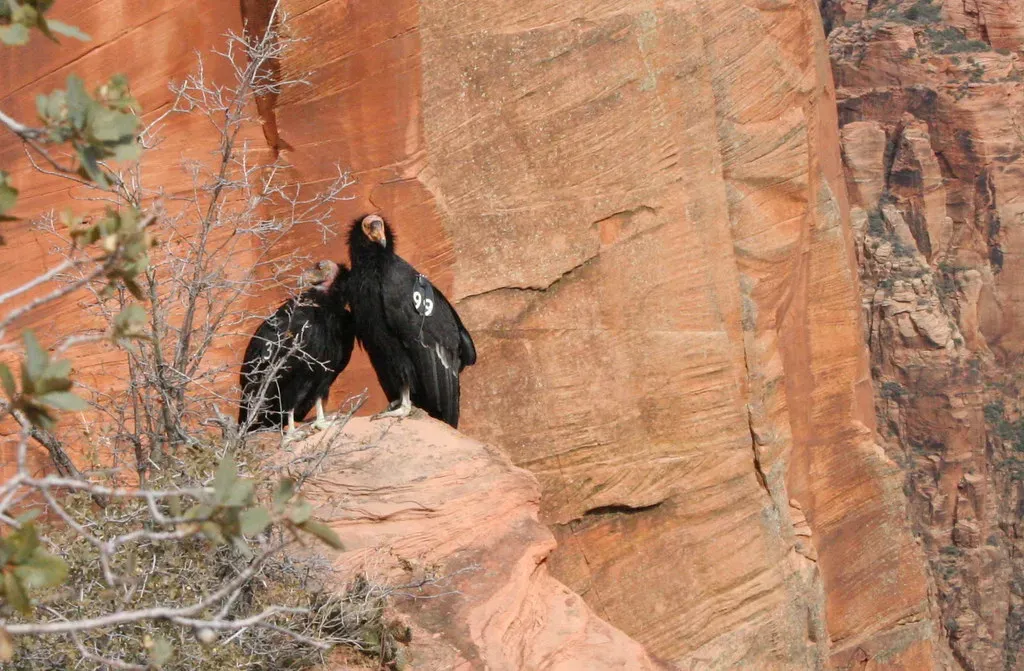
The California condor, with a wingspan of 9.5 feet and weighing up to 25 pounds, is the largest land bird in North America. These majestic creatures historically ranged from California to Florida and Western Canada to Northern Mexico. By the mid-20th century, condor populations had dropped dramatically, and by 1967 the California condor was listed as endangered by the federal government.
In December 2025, the Fish and Wildlife Service updated the world population to 607. That number is genuinely encouraging, but the species is far from safe. As long as lead remains in the environment, wild condors cannot reproduce fast enough to ensure the long-term survival of the species. You can make a real difference by choosing non-lead ammunition if you hunt, supporting condor recovery programs financially, and advocating for lead ammunition bans on public lands.
5. The Black-Footed Ferret: Rebuilt From Zero
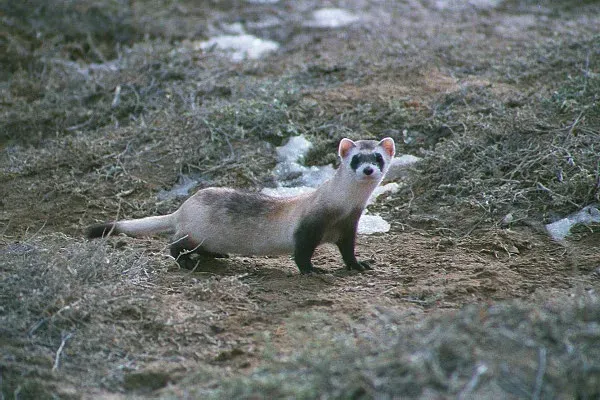
Black-footed ferrets are the only ferret species native to the Americas and depend exclusively on prairie dog burrows for food and shelter. Conversion of native grasslands to agricultural land, widespread prairie dog eradication programs, and non-native disease have all contributed to a reduction of black-footed ferret populations to less than two percent of their original range. It’s a striking example of how eliminating one species can quietly unravel another.
An intensive captive breeding program began at the National Black-footed Ferret Conservation Center in Colorado, with the first reintroductions to the wild occurring in Wyoming’s Shirley Basin in 1991. The ferrets’ recovery has been complicated by their specialized diet of prairie dogs, which have themselves declined by over 95% due to habitat conversion, poisoning campaigns, and sylvatic plague. Today, about 300 black-footed ferrets live in the wild across multiple reintroduction sites in the Great Plains and intermountain West. Supporting prairie dog conservation and opposing unnecessary poisoning programs is one of the most direct ways you can help this species survive.
6. The Florida Manatee: Starving in Plain Sight
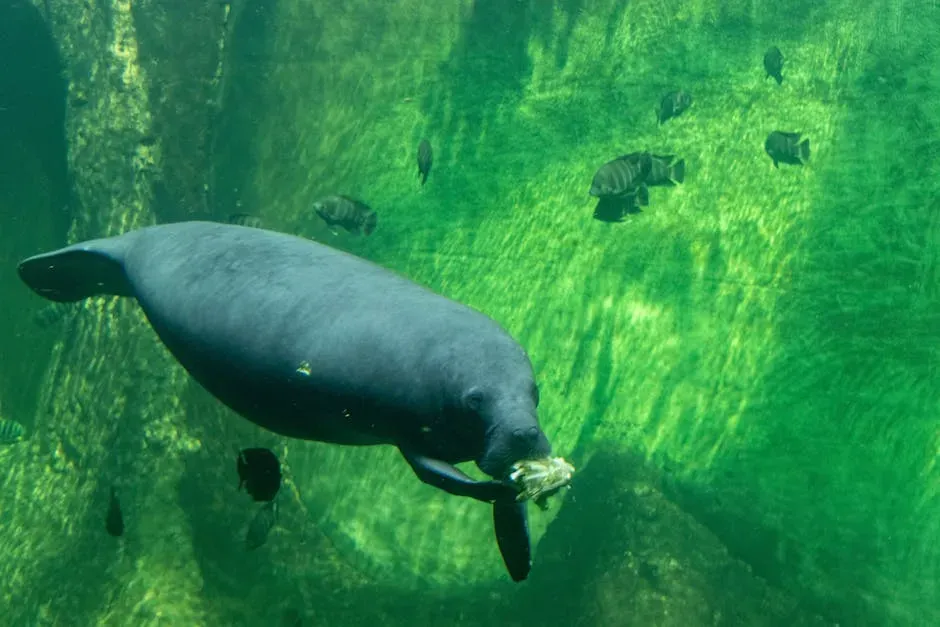
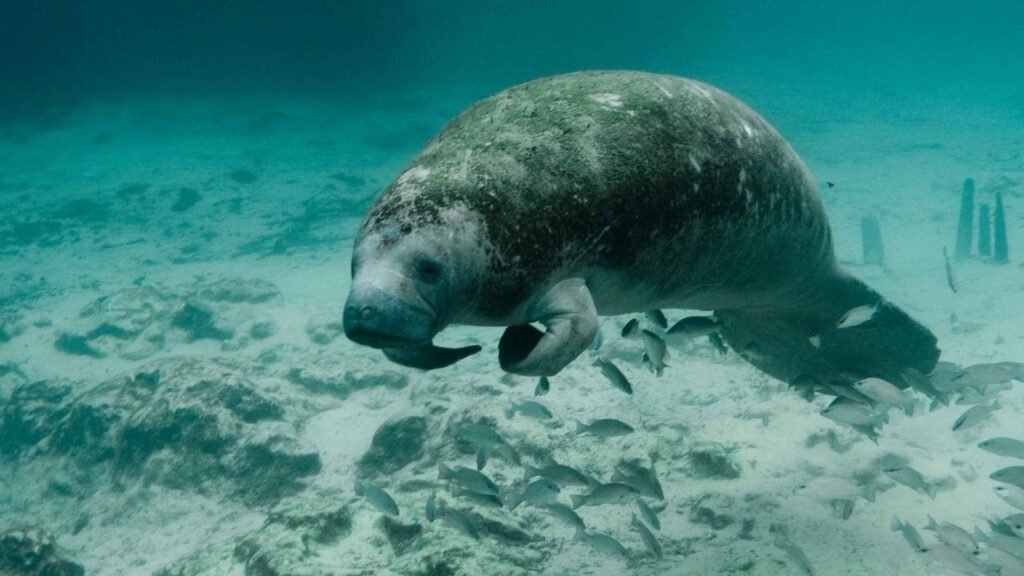
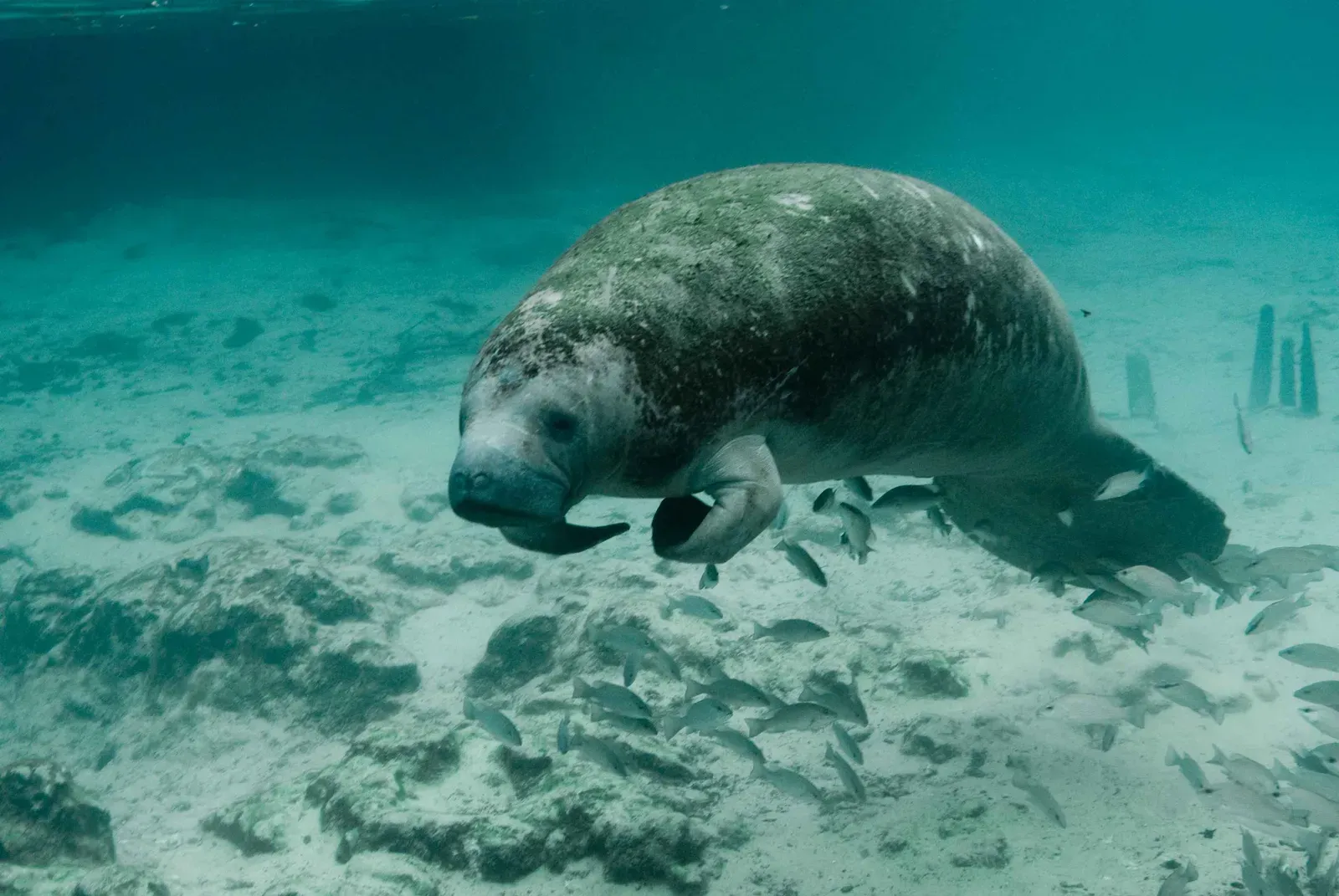
Florida’s lovable sea cows are one of the state’s signature animals, but these gentle giants are facing an existential threat. Today, fewer than 10,000 manatees survive in the waters of Florida. The species has experienced a horrific die-off in recent years. Between 2020 and 2022, more than 2,500 manatees died, mostly from starvation because of the decline of seagrass, manatees’ favorite food.
In 1967, the manatee was among the first wildlife species to be protected under the newly-created Endangered Species Preservation Act. Thanks to decades of conservation efforts, manatee numbers recovered, prompting the US Fish and Wildlife Service to downlist the species from endangered to threatened under the ESA in 2017. You can act by reducing fertilizer runoff from your yard, which pollutes Florida’s waterways and kills the seagrass manatees need. Supporting local water quality advocacy organizations is equally important.
7. The Monarch Butterfly: A Migration Under Threat
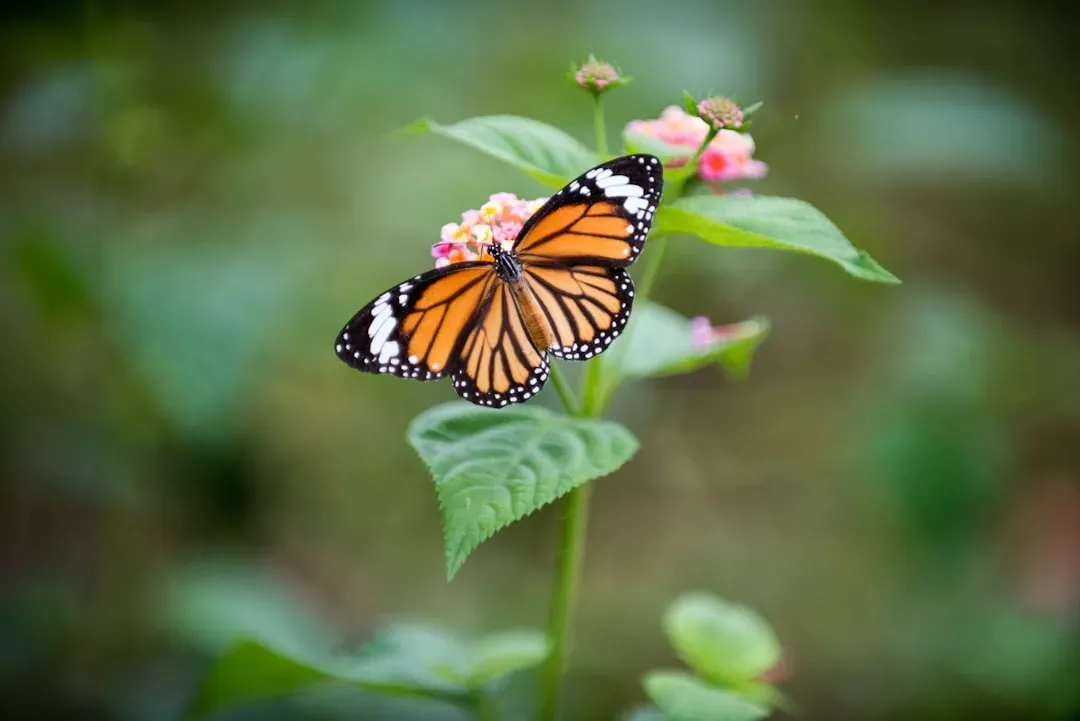
Every year, America’s orange and black monarch butterflies embark on an epic migration to Mexico. The journey lasts longer than any monarch’s lifespan, so the butterflies lay their eggs on native milkweed plants in hopes that their children will continue the journey. Unfortunately, the decline of native milkweed has hit the monarch butterflies hard. Their numbers have fallen by over roughly four fifths since the 1990s, with fewer monarchs gathering in their Mexico valley winter homes.
Endangered species are animals, plants, or other organisms that face a high risk of extinction in the wild due to factors like habitat loss, climate change, and human activities. For the monarch, all three of those forces are at work simultaneously. You can take direct action right now by planting native milkweed in your garden, avoiding pesticide use, and joining local conservation groups that create pollinator corridors along roadsides and in public parks. Conservation groups are joining local communities in encouraging governments to plant more native milkweed and create a highway for these creatures to travel on their miraculous migration.
8. The American Burying Beetle: A Small Creature With a Big Role
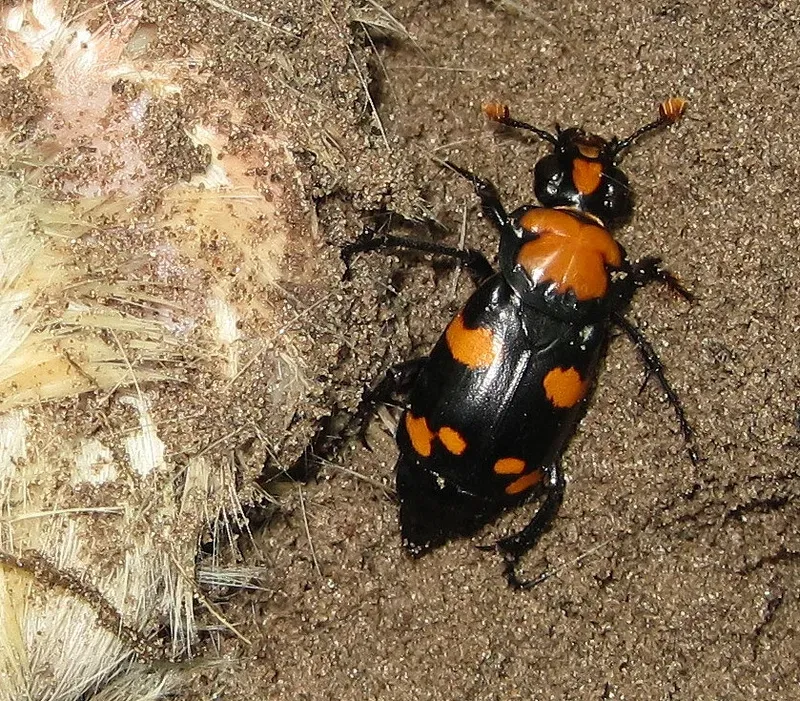
The American burying beetle exemplifies the challenges facing endangered species recovery programs in the United States. Once found across 35 states, this distinctive insect now inhabits only small populations in Nebraska, South Dakota, Oklahoma, and Rhode Island. Recent conservation efforts have increased population stability through habitat restoration and captive breeding programs.
These endangered animals serve as crucial ecosystem indicators, recycling nutrients through carrion consumption. The species requires specific soil conditions and carrion availability, making them particularly vulnerable to habitat fragmentation and agricultural practices across their historical range. Habitat loss represents the primary threat to American burying beetles, with agricultural conversion eliminating roughly nine tenths of their historical habitat. Pesticide use, artificial lighting, and competition from other scavenging species further reduce their survival rates. You can help by supporting sustainable farming practices, reducing outdoor light pollution, and contributing to citizen science programs that track insect populations.
Conclusion: Your Choices Are Part of the Story
Enacted in 1973, the Endangered Species Act continues to be a powerful and effective tool for conserving species and their habitats. Less than one percent of the species listed under the ESA have gone extinct, and others have been recovered to the point where they no longer need protections under the Act. That track record matters. It shows that effort, properly directed, actually works.
Despite the scale of the present crisis, conservation efforts have seen real successes. Since 1993, conservation actions have prevented the extinction of at least 15 critically endangered bird species and nine mammal species. Since 1980, 59 formerly critically endangered species have seen their conservation status improve enough to no longer qualify in that category. The difference between a species that makes it and one that doesn’t often comes down to whether enough people decided it was worth fighting for. That decision, it turns out, is still yours to make.