There’s something quietly humbling about standing in front of a stone block the size of a small house, knowing it was placed there without a crane, a blueprint on a computer screen, or a single piece of modern machinery. Across every inhabited continent, ancient civilizations raised structures so massive, so precisely executed, and so durably built that they’ve outlasted every empire that came after them.
What makes these sites genuinely fascinating isn’t just their scale. It’s the specific details: joints so tight you can’t slide a sheet of paper between them, stones transported over impossible terrain, astronomical alignments accurate to fractions of a degree. You don’t need to reach for supernatural explanations to feel the weight of the question. The engineering itself is extraordinary enough.
The Great Pyramid of Giza: A Monument That Held the World’s Record for Nearly Four Millennia
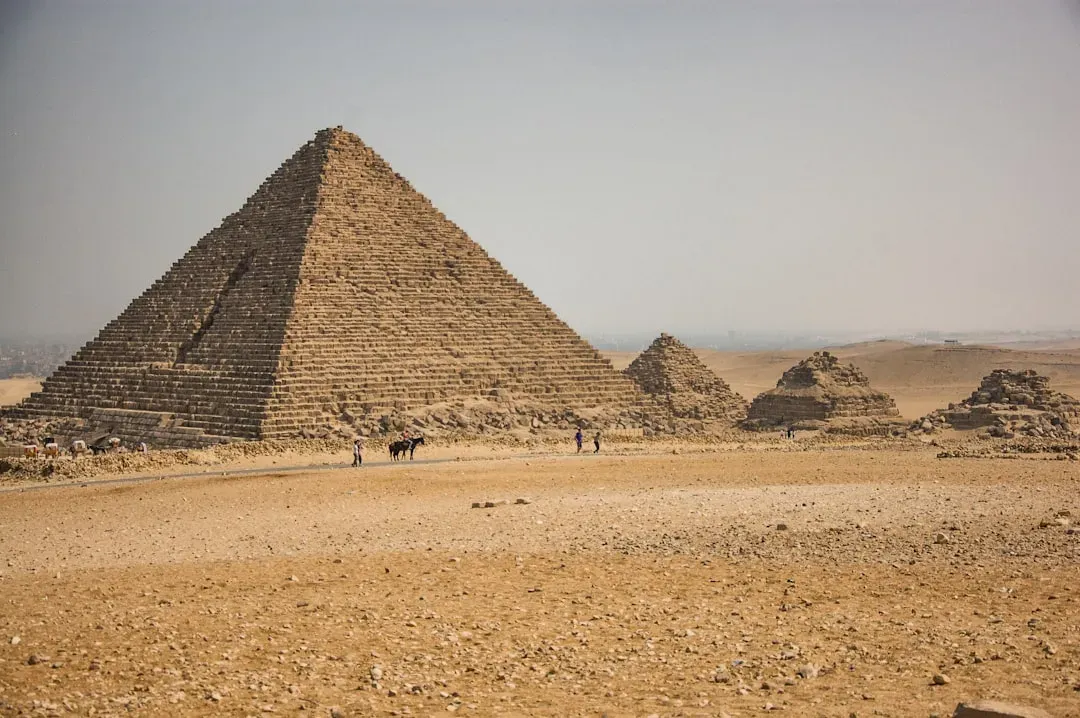
Standing tall for over four and a half thousand years, the Great Pyramid of Giza continues to challenge our understanding of ancient engineering. Built as a tomb for Pharaoh Khufu, it was once the tallest man-made object on Earth, holding that title for an astonishing thirty-eight centuries. That record alone says something about the ambition and execution behind it.
What truly baffles experts is the pyramid’s precision. Its base is level to within just over two centimeters, and its sides are aligned to the cardinal directions with an accuracy of up to a fraction of a degree. The method used to transport and stack the massive limestone blocks, some weighing up to eighty tons, remains a subject of heated debate among archaeologists and engineers. You’d be hard pressed to replicate that base levelness even with modern laser surveying equipment on a first attempt.
Göbekli Tepe: The Site That Rewrote Everything We Thought We Knew
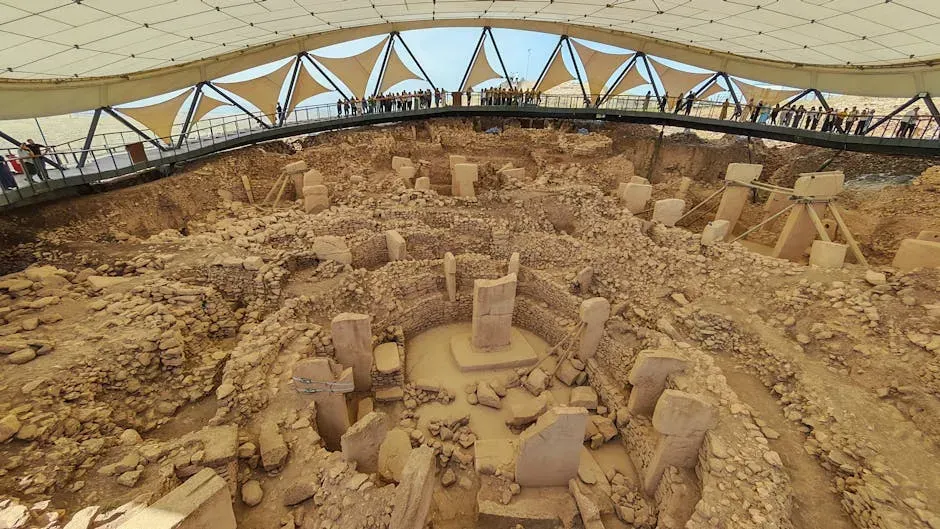
Göbekli Tepe, a prehistoric site located in modern-day Turkey, captured the attention of archaeologists and historians since its discovery in 1994. Dated to approximately 9600 BCE, this remarkable site predates Stonehenge by over six thousand years, making it the world’s oldest known temple complex. That date alone is worth pausing on.
The builders were hunter-gatherers, not settled farmers. This discovery revolutionized our understanding of early human societies. It suggests that complex religious or social gatherings may have preceded and perhaps even encouraged the development of agriculture. The site was intentionally buried in antiquity, preserving it for millennia. The site comprises multiple circular enclosures, each containing several large T-shaped pillars, some of which reach heights of up to five and a half meters and weigh up to twenty tons. Someone organized all of that before humanity had even figured out the plow.
Stonehenge: More Than a Circle of Stones in a Field
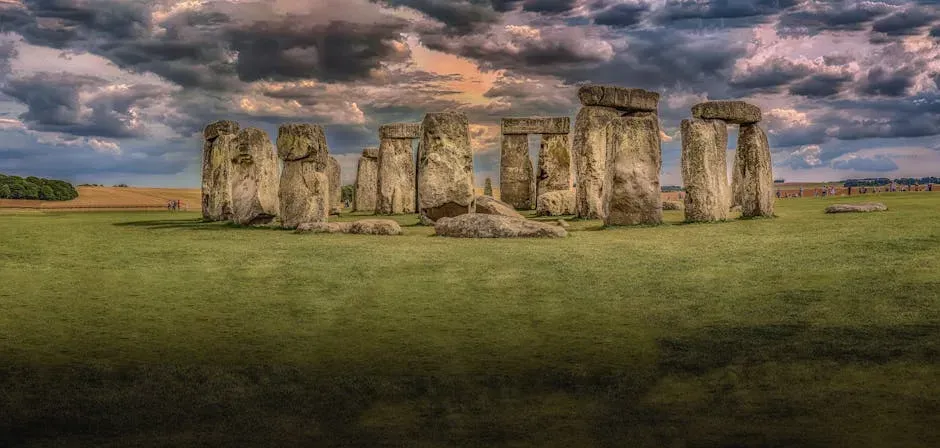
Rising from the rolling plains of southern England, Stonehenge is perhaps the most famous megalithic monument on Earth. Its massive sarsen stones, arranged in circles and horseshoe shapes, were erected in stages between roughly three thousand and two thousand BCE. You might know the shape well from photographs, but the logistics behind it are something else entirely.
Archaeological research shows that the bluestones at Stonehenge were transported from the Preseli Hills in Wales, more than two hundred kilometers away. Whether they were dragged over land, floated along rivers, or moved through a combination of methods remains debated, but experimental archaeology demonstrates that human labor and simple tools could accomplish such feats. Stonehenge’s alignment with the sunrise on the summer solstice and the sunset on the winter solstice suggests astronomical significance. Excavations have uncovered cremated remains, indicating it also functioned as a burial site.
Puma Punku: Precision Stonework in the Bolivian Highlands
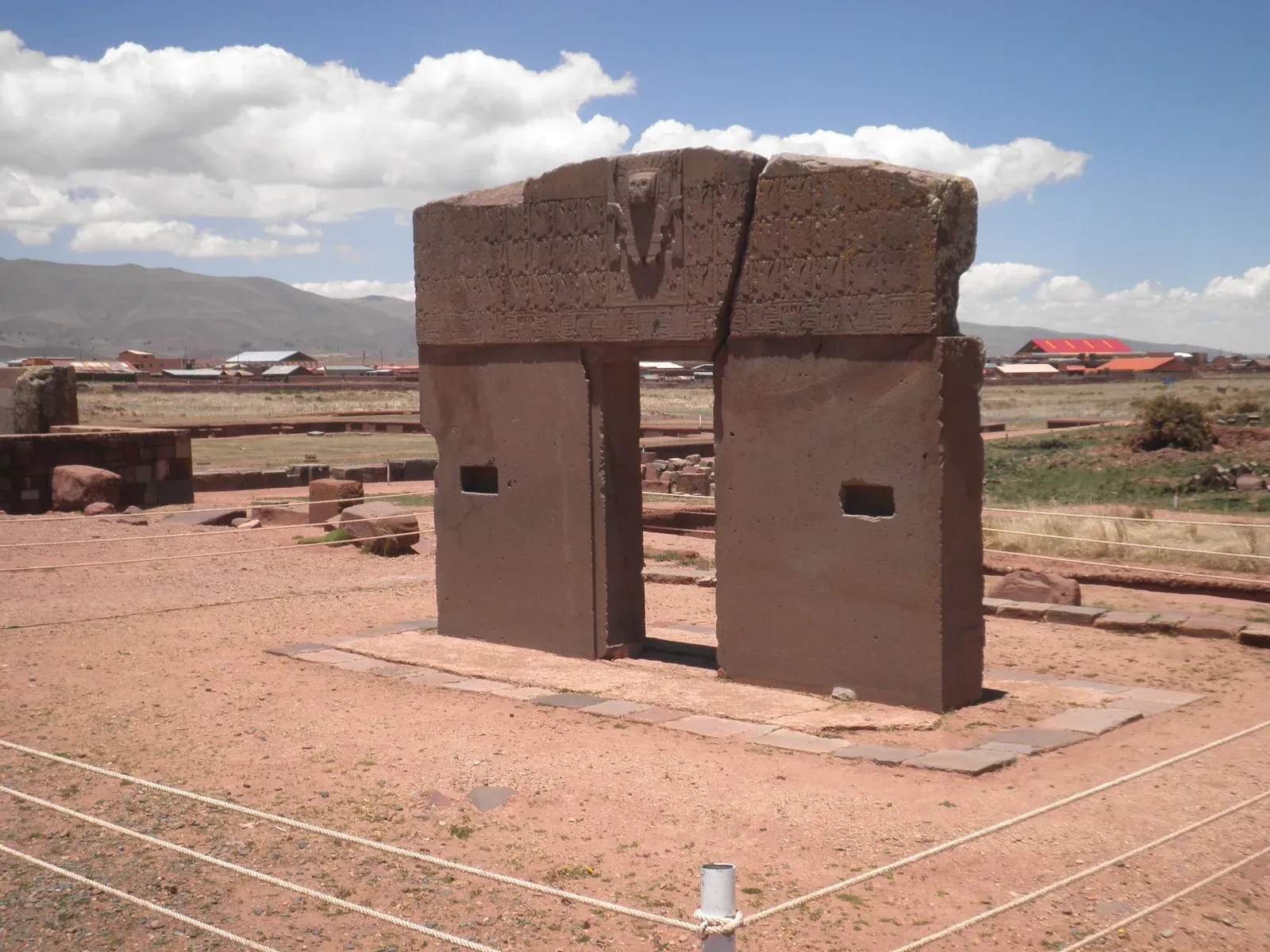
High in the Andes mountains, nearly thirteen thousand feet above sea level, sits an ancient site that continues to baffle modern engineers and historians alike. In the thin air of western Bolivia lies a mysterious complex built from some of the hardest rock on Earth. The legendary Puma Punku stones are scattered across this high-altitude plateau like a giant’s forgotten puzzle, featuring a level of craftsmanship that defies traditional history.
The red sandstone and andesite stones were cut in such a precise way that they fit perfectly and lock with each other without using mortar. The technical finesse and precision displayed in these stone blocks is astounding. Not even a razor blade can slide between the rocks. The ancient builders used andesite, a volcanic stone so incredibly hard it typically requires advanced modern tools to carve, yet they supposedly accomplished this feat long before the invention of the wheel. It’s a detail that still stops researchers mid-sentence.
Baalbek: When Even Naming the Stones Becomes Overwhelming
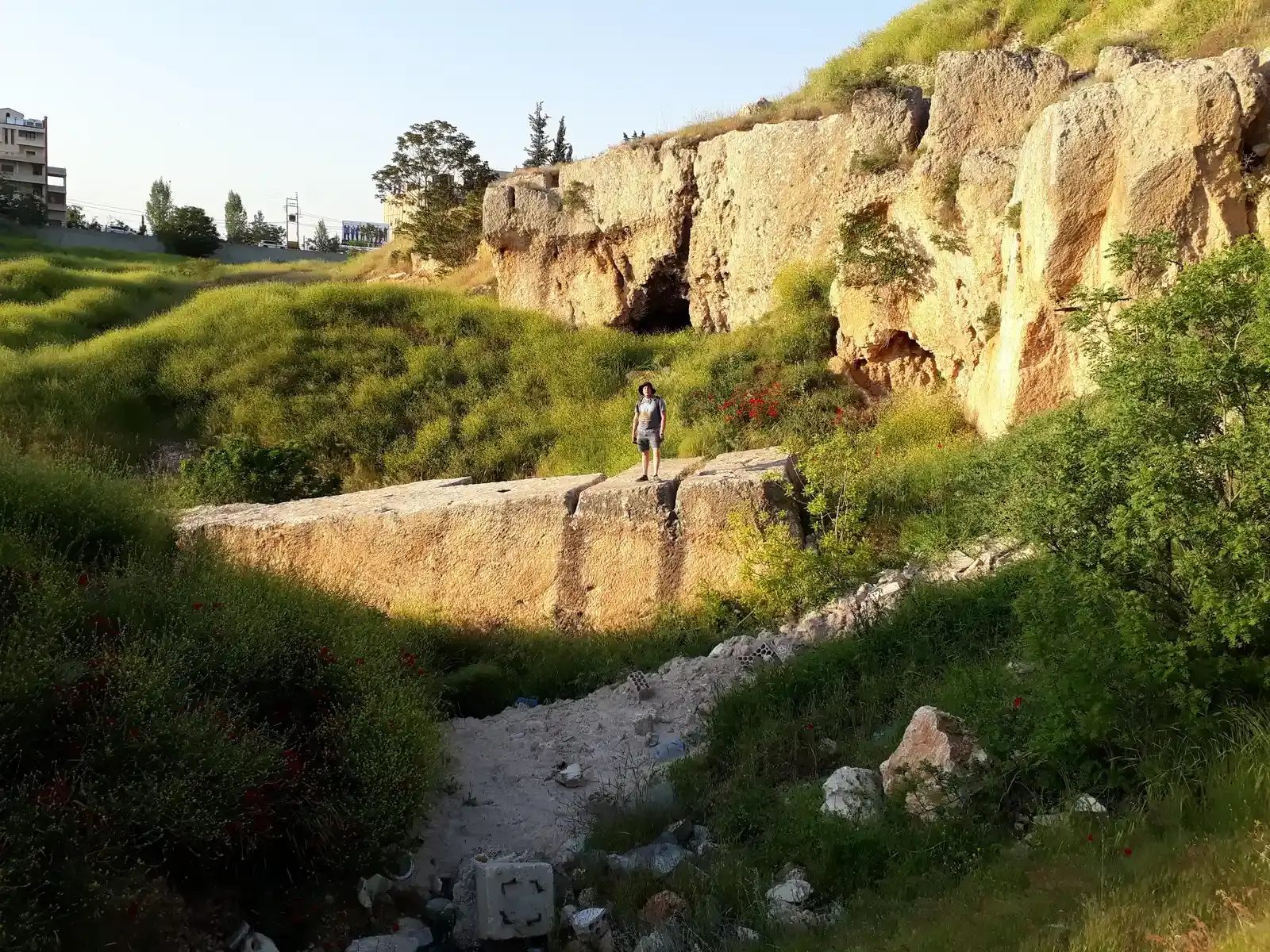
The Baalbek Stones, located in the ancient city of Baalbek in Lebanon, are some of the most awe-inspiring and mysterious megaliths in the world. Some of these colossal stones weigh over fifteen hundred tonnes, defying our understanding of ancient engineering and construction techniques. To get a sense of scale, that’s roughly equivalent to the weight of two fully loaded Boeing 747 aircraft, resting on a single block of stone.
The Trilithon, a key feature of the Temple of Jupiter, stands as a testament to ancient engineering, with three massive stones each weighing between seven hundred fifty and eight hundred tonnes. Alongside it, the thousand-tonne Stone of the Pregnant Woman further demonstrates the extraordinary capabilities of ancient builders, whose methods remain a puzzle for modern scholars. Just nine hundred meters away, the recently uncovered Forgotten Stone, weighing an astounding fifteen hundred tonnes, amplifies the mystery. Despite extensive archaeological exploration, the methods used to transport and position these stones remain mysterious, as no modern explanation fully accounts for them.
Sacsayhuamán and the Moai: Two Worlds, One Impossible Question
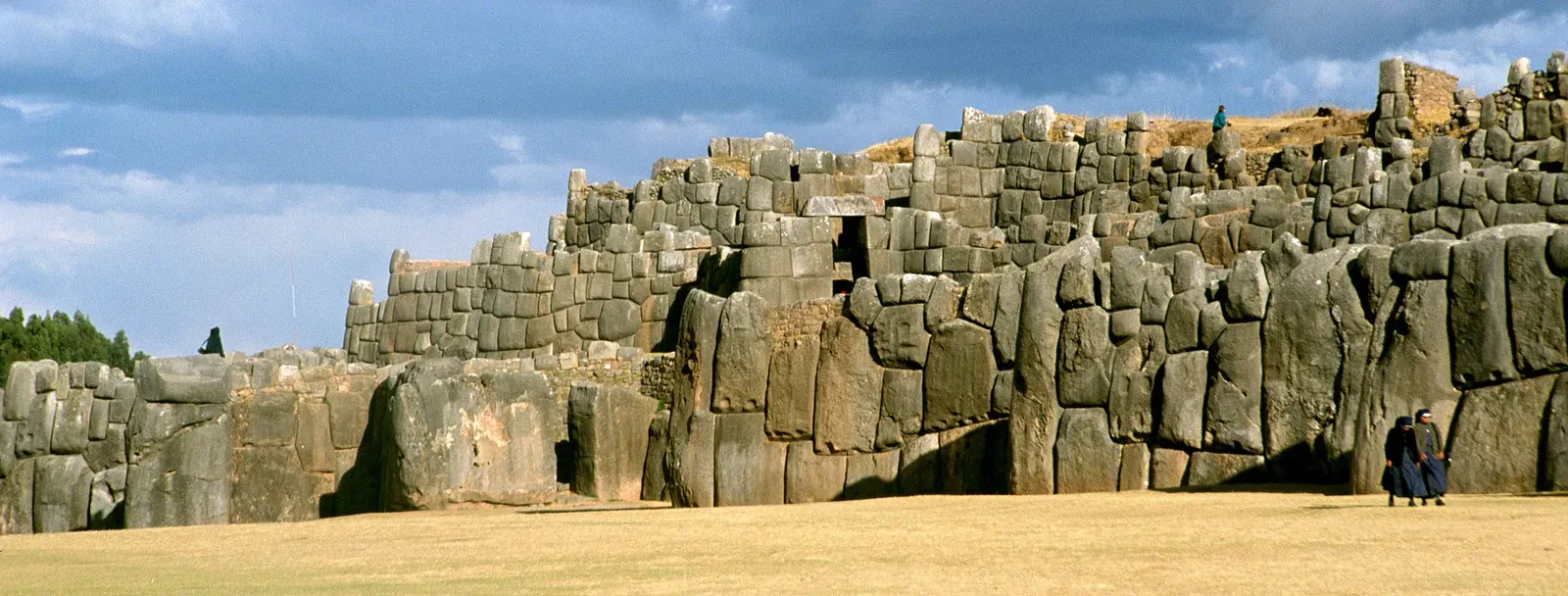
Near Cusco stands Sacsayhuamán, a fortress complex built by the Inca in the fifteenth century. Its zigzagging walls are composed of enormous limestone blocks fitted together without mortar. Some stones weigh more than one hundred tons and are shaped with multiple angles to interlock tightly. The precision of the stonework allowed the walls to withstand earthquakes. That last detail is remarkable: the lack of mortar wasn’t a limitation, it was a seismic engineering advantage.
The remote Easter Island, or Rapa Nui, is home to one of the world’s most recognizable yet enigmatic ancient wonders, the Moai statues. These massive stone figures, averaging thirteen feet in height and weighing up to eighty-six tons, have captivated explorers and researchers for centuries. The creation and transportation of these colossal statues by a small, isolated population with limited resources continues to baffle experts. Archaeologists have demonstrated that the statues could be “walked” upright using ropes and coordinated rocking motions, a method supported by oral traditions. The Rapa Nui people likely told their descendants exactly how it was done. We just needed to listen more carefully.
Nan Madol: The Venice of the Pacific Built on an Open Ocean
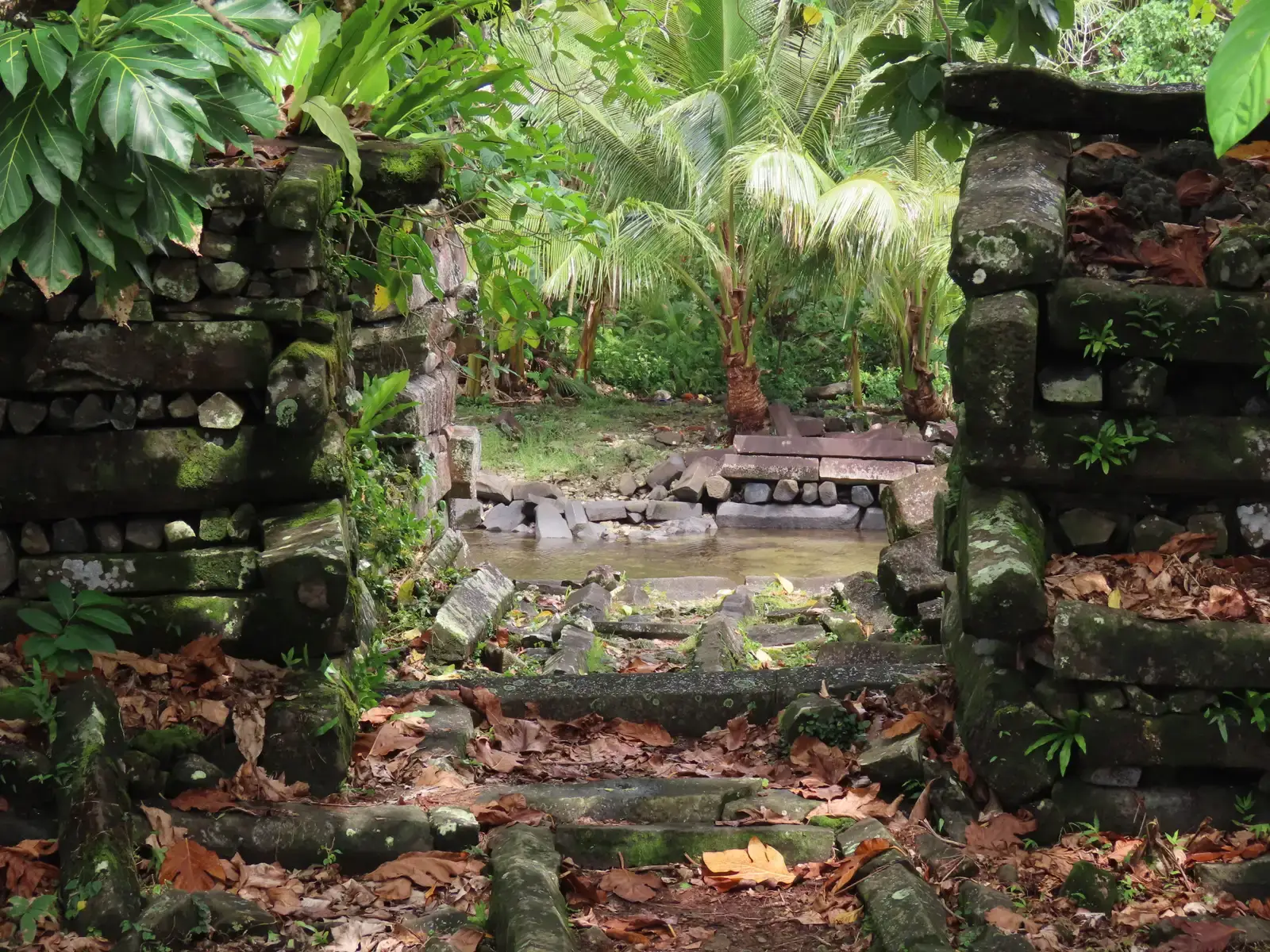
Off the coast of Pohnpei Island in Micronesia lies Nan Madol, a city built entirely on artificial islands. Constructed between 1200 and 1500 CE, this megalithic complex consists of ninety-two man-made islets spread over two hundred acres. What makes Nan Madol truly baffling is the sheer scale of its construction materials. The city is built from massive basalt logs, some weighing up to fifty tons, stacked like cordwood to create walls up to twenty-five feet high.
This ceremonial city was constructed as the religious and political center of the Saudeleur Dynasty. The construction uses basalt columns and coral boulders stacked without mortar to form temples, residences, and burial chambers. This monumental stone architecture demonstrates the engineering capabilities of early Micronesian civilization and represents one of the most significant archaeological complexes in the Pacific. The effort required to transport the basalt stones, some weighing up to fifty tonnes, is staggering, especially with no evidence of advanced tools or large-scale human populations at the site. It earned the nickname “Venice of the Pacific” for a reason, though the engineering challenge was arguably far greater than anything the Venetians faced.
What These Structures Tell You About Human Capability
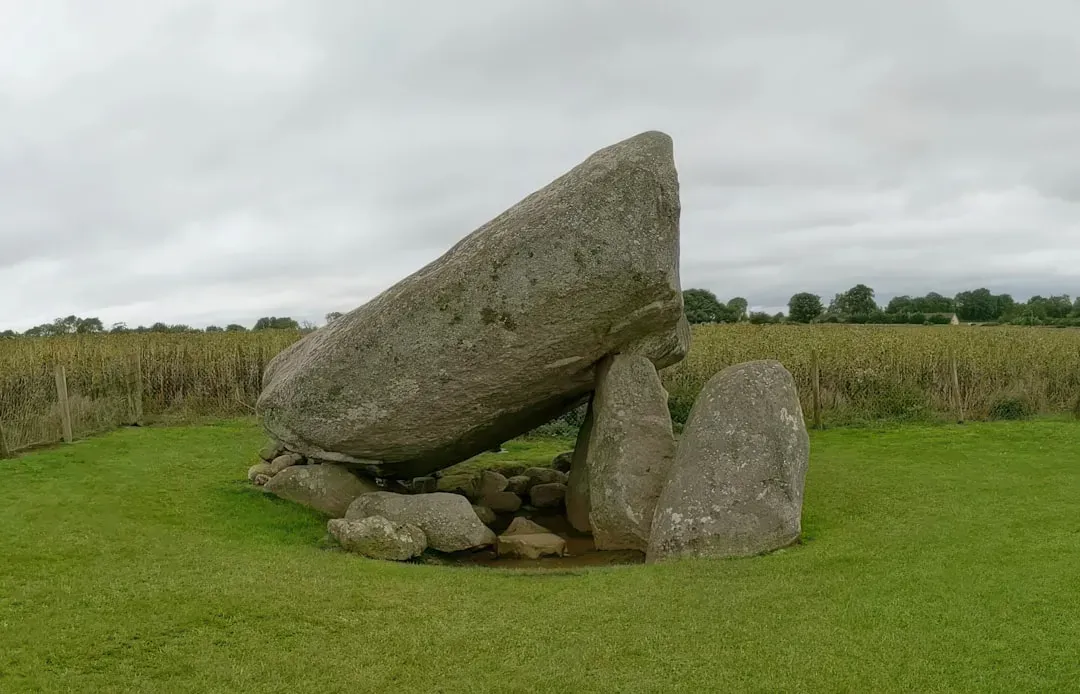
Taken together, these seven sites form a pattern that runs across time and geography. They were built by different peoples, in different climates, using different materials, toward different purposes. Yet all of them share one quality: they push against the boundaries of what their era was supposed to be capable of.
Far from being primitive, these builders demonstrated remarkable knowledge, planning, and cooperation. Their achievements challenge modern assumptions about ancient technology. Studies of precisely cut megalithic blocks reveal evidence of advanced sawing and drilling methods that would have required specialized tools and engineering knowledge. Chemical analysis of stone surfaces has identified traces of complex binding agents and treatments that enhanced durability, suggesting these civilizations had developed sophisticated material science understanding.
Megaliths were not just technical achievements; they held deep cultural and spiritual meaning. Many were used as burial sites, ceremonial spaces, or markers of important events. The construction of megaliths required large groups of people working together. This implies organized societies with leadership, planning, and shared goals. Building such structures may have strengthened social bonds, reinforcing a sense of community and purpose.
Conclusion: The Evidence Has Always Been There in the Stone
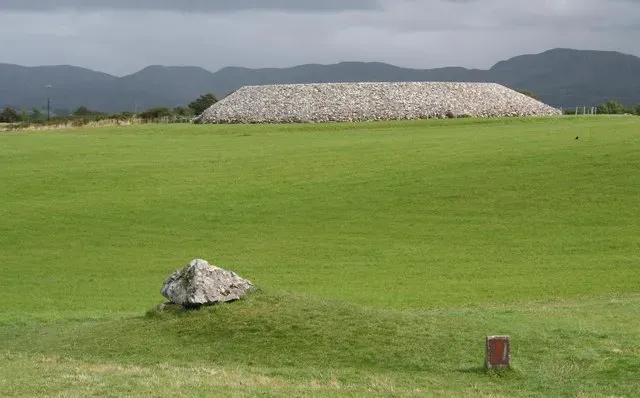
You don’t need to subscribe to fringe theories to find these structures genuinely extraordinary. The mainstream archaeological record, taken on its own terms, is already stunning. Ancient peoples moved impossible weights over vast distances, cut volcanic rock with near-mechanical precision, and oriented their monuments toward celestial events with accuracy that took modern astronomers years to fully confirm.
What these sites keep asking you is a simpler, quieter question than you might expect. Not how did they do it without our tools, but rather: what do you assume is impossible until someone goes ahead and does it anyway? The ancient builders had no precedent to follow. They worked it out from first principles, left the evidence in stone, and walked away. The stones are still standing. The rest is still being figured out.