When you look up at the night sky, it feels distant and quiet – almost harmless. But over billions of years, space has slammed into Earth’s story like a wrecking ball, steering climate shifts, mass extinctions, and even the rise of complex life. Our planet hasn’t just evolved in isolation; it’s been pushed, nudged, and occasionally sucker-punched by the cosmos.
Some of these events were slow, subtle background influences that reshaped the climate over millions of years. Others were violent, sudden shocks that changed life on Earth in a geological instant. Once you see how deeply space has shaped our world, it gets really hard to think of Earth as a closed system. Let’s walk through seven of the most powerful astronomical events that rewired our climate and life itself.
The Giant Impact: How a Violent Collision Gave Us the Moon
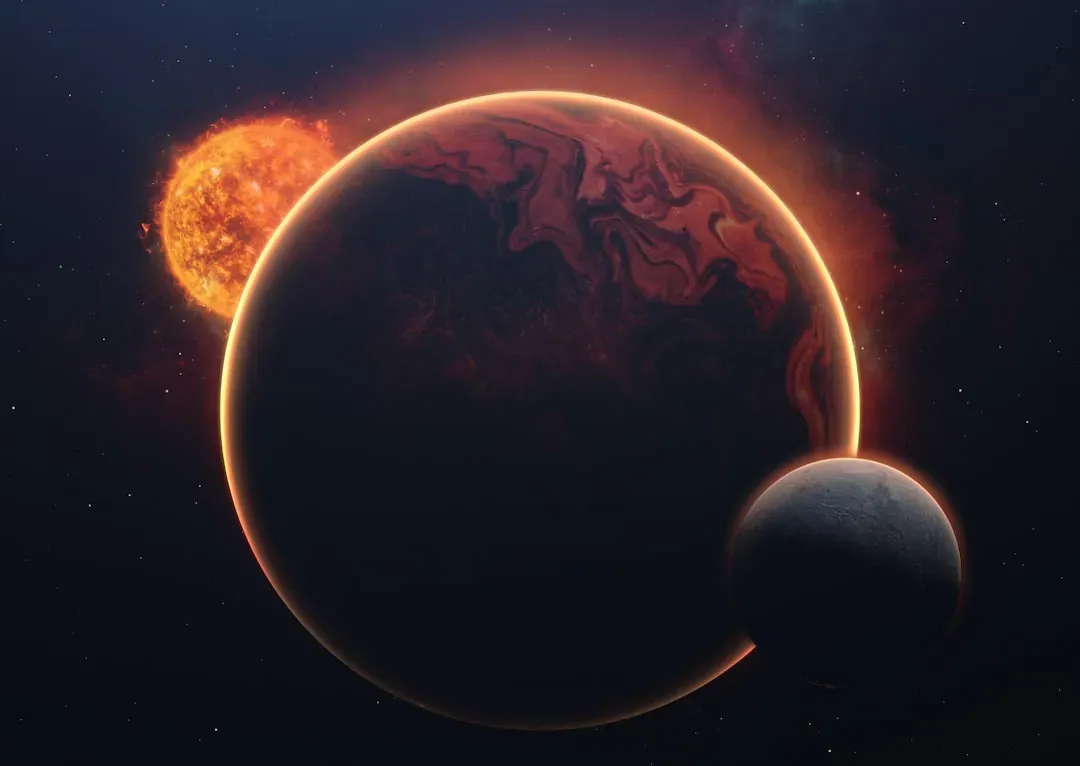
It’s hard to imagine now, but early Earth was probably hit by a Mars‑sized body often called Theia, in a collision so intense it literally melted rock and flung debris into orbit. That debris eventually coalesced into the Moon, giving us tides, stabilizing our spin, and creating the world we actually recognize today. The evidence for this is surprisingly strong: Earth and Moon rocks share strikingly similar compositions, and computer simulations show that such an impact can produce a system like ours.
The climate impacts of this event were enormous, even if we can’t reconstruct every detail. The collision likely vaporized parts of Earth’s crust and atmosphere, creating a hellish, super‑heated world for a time. But the long‑term outcome was stabilizing: the new Moon helped keep Earth’s axial tilt relatively steady, smoothing out wild climatic swings that could have made long‑term habitability much harder. Without that catastrophic impact, Earth might have had chaotic seasons, extreme tilts, and maybe a much harder path to complex life. It’s a pretty wild thought that a single violent crash might have been the ticket to a more stable, life‑friendly climate.
Solar Brightening: A Faint Young Sun and a Surprisingly Warm Earth
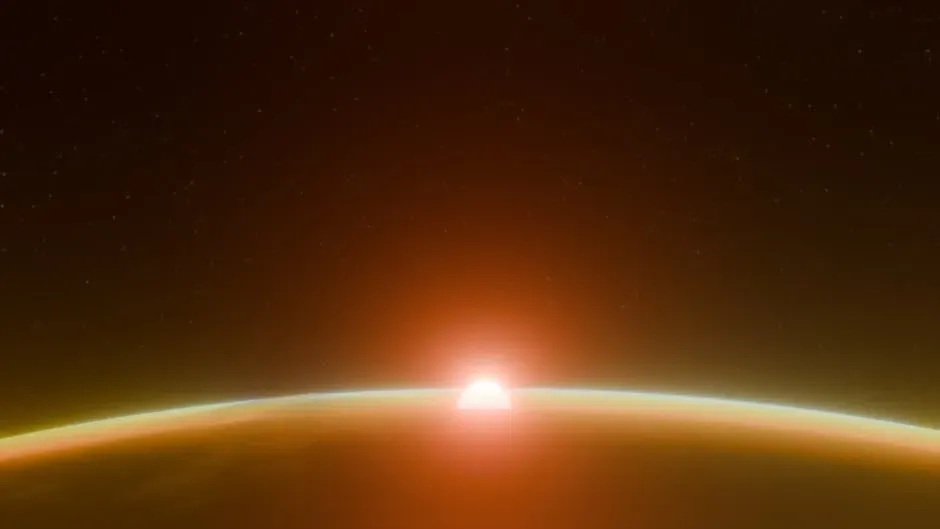
There’s a puzzle that still feels slightly magical when you first hear it: billions of years ago, the Sun was significantly dimmer than it is today, yet geological evidence shows Earth had liquid water and wasn’t a frozen snowball the whole time. This is often called the “faint young Sun paradox.” If sunlight was weaker, something else had to step in to keep Earth warm enough for oceans and early life.
The main suspects are greenhouse gases like carbon dioxide and methane, which likely existed in much higher concentrations in the early atmosphere. Volcanic outgassing and primitive microbial life could have helped trap more heat, balancing the weaker Sun. Over billions of years, as the Sun slowly brightened, Earth’s climate had to adjust – through rock weathering, changes in atmospheric composition, and biological feedback loops. That long, slow brightening of the Sun didn’t just warm the planet; it forced Earth’s climate system to become self‑regulating, a kind of planetary thermostat that allowed life to hang on and diversify instead of being boiled or frozen out of existence.
Snowball Earth Episodes Triggered by Orbital and Solar Shifts
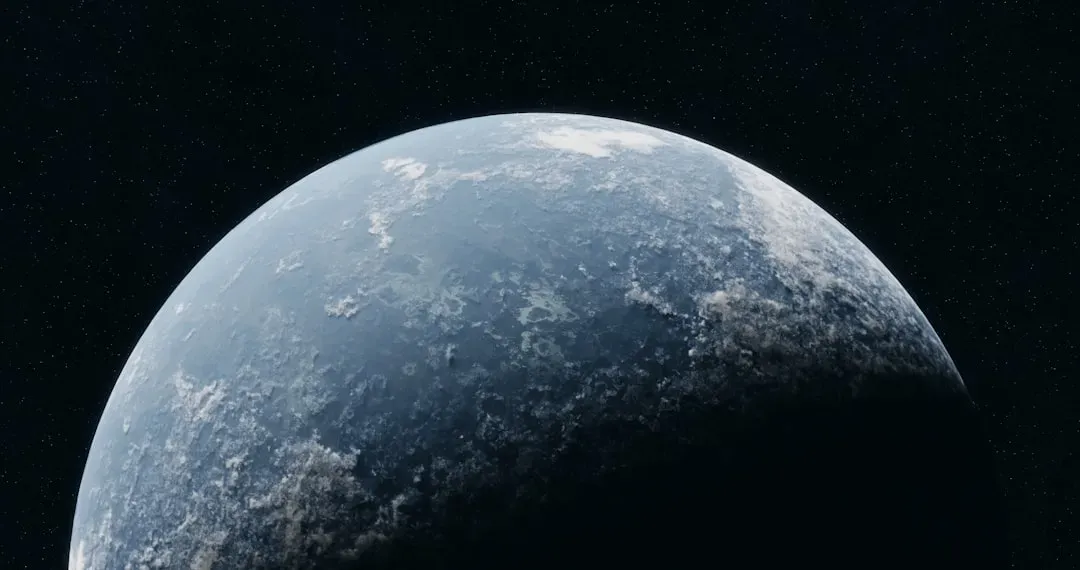
Several times in deep time, Earth seems to have come perilously close to freezing over from pole to pole – periods known as Snowball Earth events. During some of these episodes, ice sheets may have extended nearly to the equator, turning the planet into something that, from space, would have looked more like a shining white marble than the blue world we know. The triggers weren’t a single smoking gun, but astronomical factors like changes in solar output and subtle shifts in Earth’s orbit likely played a role.
When orbital variations or lower solar energy coincided with changes in greenhouse gases and continental positions, the climate system could tip into a runaway icing scenario. Sea ice reflects far more sunlight than open ocean, so once ice spread, it reinforced even more cooling. Escaping from this deep freeze likely required massive volcanic carbon dioxide emissions to build up greenhouse warming over millions of years. Those violent exits from Snowball Earth may have flooded the oceans with nutrients and energy, setting the stage for bursts of evolutionary innovation. It’s a strangely poetic pattern: near‑total global ice cover, followed by explosive life and new complexity once the ice retreated.
Milankovitch Cycles: Subtle Orbital Wiggles That Build Ice Ages

Not all astronomical influences are dramatic collisions or planetary‑scale deep freezes. Some are gentle nudges that, over time, carve out entire eras of climate. Milankovitch cycles are a set of repeating changes in Earth’s orbit and tilt: how stretched our orbit is, how much our axis tilts, and how our axis wobbles over tens to hundreds of thousands of years. On their own, these changes are small. But when they alter how sunlight is distributed between seasons and latitudes, they can kick off ice ages or melt them away.
Ice core records and deep‑sea sediments show strong patterns that match these orbital cycles, especially during the last few million years of repeated glaciations. For example, when northern summers receive less solar energy, ice sheets can survive and expand, subtly pushing the planet toward a colder state. When orbital conditions reverse, ice retreats. Life responded to these cycles in all sorts of ways: species shifted ranges, ecosystems migrated, and humans themselves evolved in a world where climate never sat still for long. In a way, orbital wobbles taught life on Earth to be adaptable, mobile, and stubbornly creative.
The Chicxulub Impact: The Day the Dinosaurs Lost the Sky
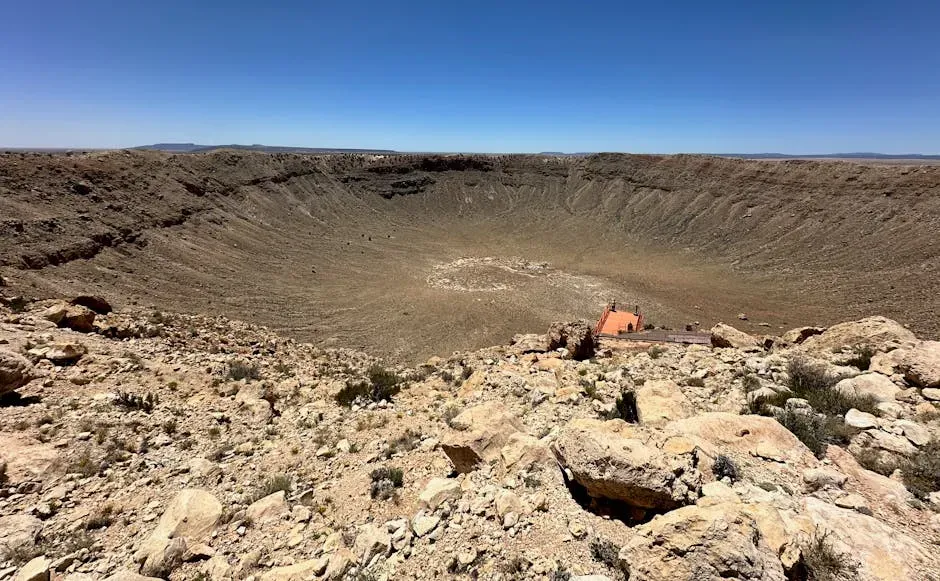
About sixty‑six million years ago, a large asteroid slammed into what is now the Yucatán Peninsula, carving out the Chicxulub crater and triggering one of the most famous mass extinctions in Earth’s history. The energy released was far beyond anything humans have ever produced, instantly vaporizing rock, igniting forests, and sending a plume of debris high into the atmosphere. It wasn’t just the immediate blast that mattered; it was the climate chaos that followed.
The impact likely threw huge amounts of dust, sulfur, and aerosols into the upper atmosphere, blocking sunlight and plunging the planet into a short, intense “impact winter.” Photosynthesis crashed, food webs collapsed from the bottom up, and large animals – especially non‑avian dinosaurs – simply couldn’t cope. Yet that same catastrophe cleared ecological space for mammals, birds, and eventually primates to diversify. I still remember staring at a simple diagram of this event as a kid and feeling both horrified and weirdly grateful: if that rock hadn’t hit, it’s very unlikely humans would be here wondering about it.
Long‑Term Cosmic Ray Variations and Subtle Climate Links
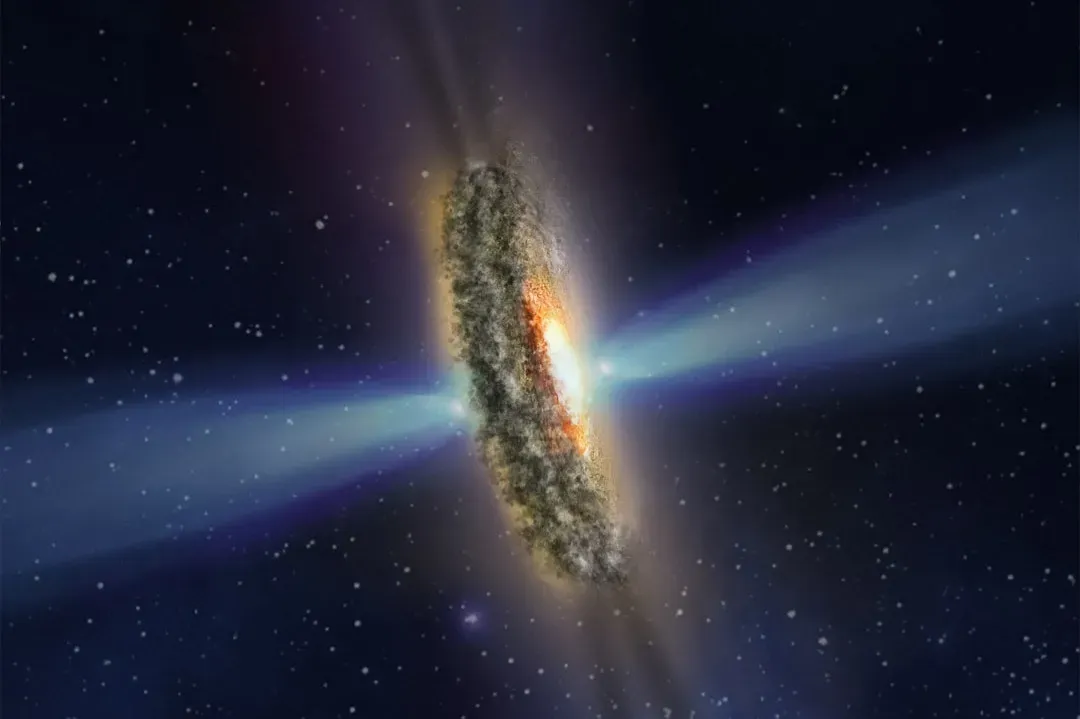
Cosmic rays – high‑energy particles streaming in from space – seem almost too small and exotic to affect something as vast as climate. But over millions of years, variations in cosmic ray flux, shaped by solar activity and our position in the galaxy, may have had subtle effects on clouds and temperature. Some researchers propose that when cosmic rays increase, they help seed more cloud droplets in the atmosphere, possibly reflecting more sunlight and cooling the planet a little.
The evidence here is more mixed and far less solid than for impacts or orbital cycles, so it’s important not to overstate it. Some studies find intriguing correlations between cosmic ray changes and climate shifts, while others see weak or inconsistent links. Still, even the possibility is fascinating: it suggests Earth’s climate might be influenced not just by the Sun’s brightness or our orbit, but also by our journey through different regions of the Milky Way. If true in any meaningful way, it would mean climate is partly written in the star‑stuff we pass through, not just in the air and ocean wrapped around our planet.
Future Solar Evolution: A Slow March Toward an Uninhabitable Earth
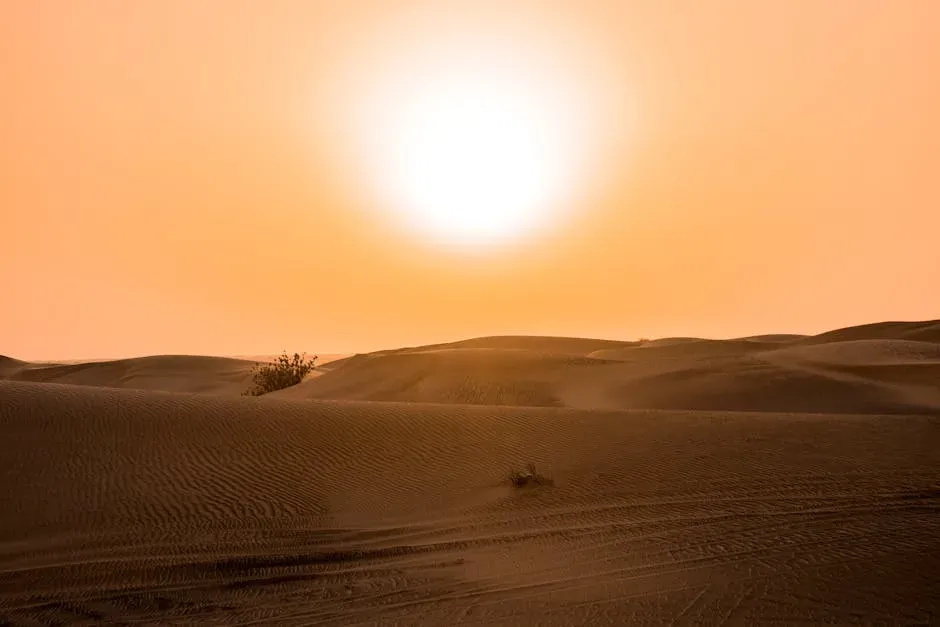
Although we tend to think about climate change in terms of decades and centuries, astronomy forces us to zoom way out. The Sun will continue to brighten over the next hundreds of millions of years, slowly increasing the amount of energy Earth receives. At some point – likely hundreds of millions to a couple of billion years from now – this extra energy will be enough to trigger a runaway greenhouse effect, boiling away oceans and stripping away the conditions that make complex life possible.
Long before the Sun becomes a red giant, Earth will drift out of the traditional habitable zone simply because it will be too hot for liquid water on the surface. Geological and biological feedbacks might delay that fate, but they can’t prevent it forever. It’s a sobering reminder that even if humanity solves its current climate crises, there is an expiration date built into the larger cosmic architecture. To me, that doesn’t feel depressing so much as clarifying: if life on Earth wants a very long‑term future, at some point it will have to look up and think beyond this single world.
Conclusion: A Climate Written in the Stars
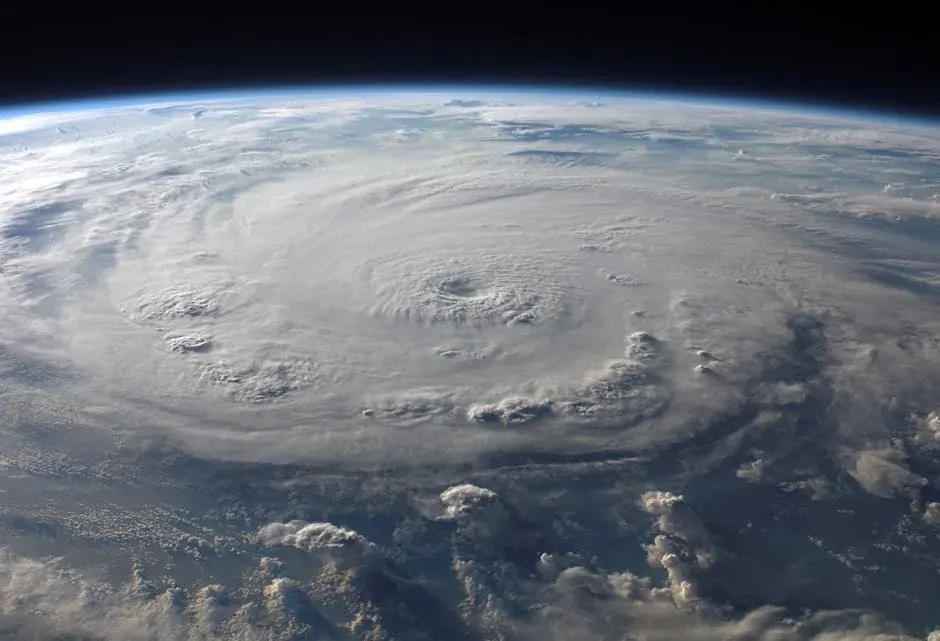
From the Moon‑forming impact to the distant future when the brightening Sun will bake away our oceans, Earth’s climate and life story has never been purely local. Astronomical events – collisions, orbital wobbles, solar changes, and even possible cosmic ray shifts – have pushed our planet into ice ages, melted it out of deep freezes, and wiped out entire lineages while giving others a chance to rise. The line between “space” and “Earth” turns out to be much blurrier than it looks when you just glance at a globe.
When you step back, a pattern emerges: catastrophe and creativity, shock and adaptation, destruction opening the door to new forms of life. It makes our current view of climate – often reduced to short‑term politics and human emissions – feel strangely narrow, even though those things matter enormously right now. We’re just the latest chapter in a very long cosmic experiment, one that began with ancient impacts and a faint young Sun. Knowing that, the real question becomes: now that we finally understand how much the universe shapes us, what do we choose to do with the tiny sliver of control we actually have?