If you lost your sight tomorrow, how would you find your way through a dense forest, across an open ocean, or in a pitch-black cave? For many animals, that question is not a nightmare scenario but everyday life. They survive, hunt, and communicate in worlds where eyes alone are not enough, so they’ve evolved the astonishing ability to turn sound into a kind of internal map.
This isn’t science fiction or superhero fantasy. From bats threading needles in the dark to dolphins reading the shape of a fish with a click, animals have turned sound into something incredibly close to vision. As someone who once tried walking around my apartment with my eyes closed for a few minutes, I’m still blown away by what they can do. Let’s dive into how hearing, for them, becomes a way of “seeing.”
Turning Echoes into Images: The Basics of Echolocation
Imagine snapping your fingers in a dark room and, instead of just hearing a small sound, your brain instantly paints a three-dimensional picture of everything around you. That’s essentially what echolocating animals do. They send out bursts of sound and then analyze the returning echoes to estimate distance, size, shape, and even texture of objects.
The key is timing and subtlety. The time delay between the outgoing sound and its echo tells the animal how far away something is, while tiny differences between echoes reaching the left and right ear help locate direction. It’s like using sonar and a high-speed calculator at the same time, with the brain doing the math so quickly that the animal experiences it more as perception than as deliberate calculation.
Bats: Masters of Navigating the Night Sky
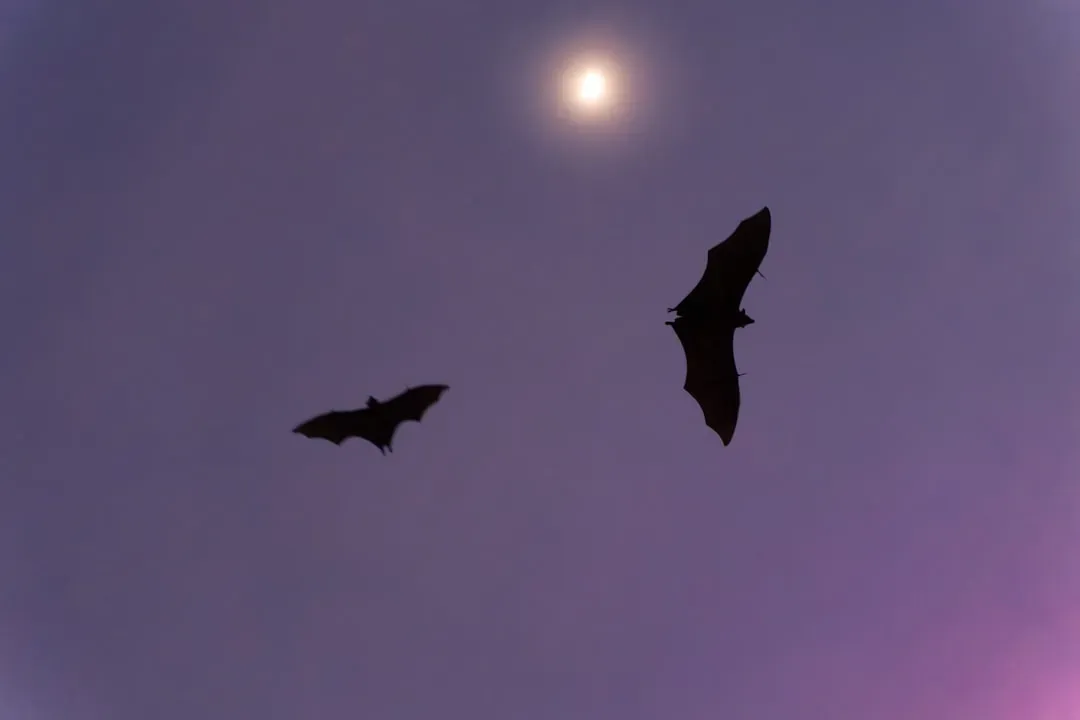
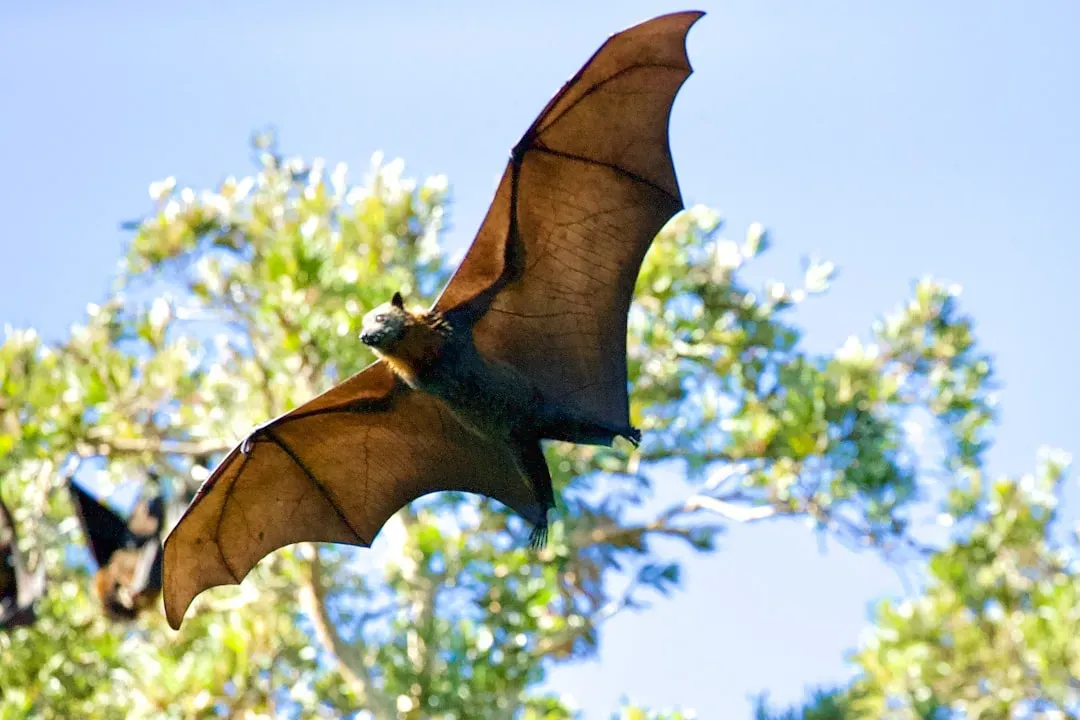
Bats are probably the first animals people think of when they hear the word echolocation, and for good reason. Many bat species emit rapid, high-pitched calls that are far above what human ears can hear, then use the echoes to navigate cluttered forests and track tiny flying insects at night. They’re doing aerial acrobatics in what to us would be total darkness, yet they rarely collide with anything.
What’s wild is how fine-grained their perception can be. Some bats can detect insects as small as a mosquito and distinguish between different kinds of leaves or branches. Their brains have specialized regions dedicated to echo processing, and their faces and ears are often shaped like strange little satellites, all tuned to capture and analyze sound. If eyes are like cameras, bat ears are more like finely tuned radar dishes.
Dolphins and Whales: Painting the Ocean with Clicks

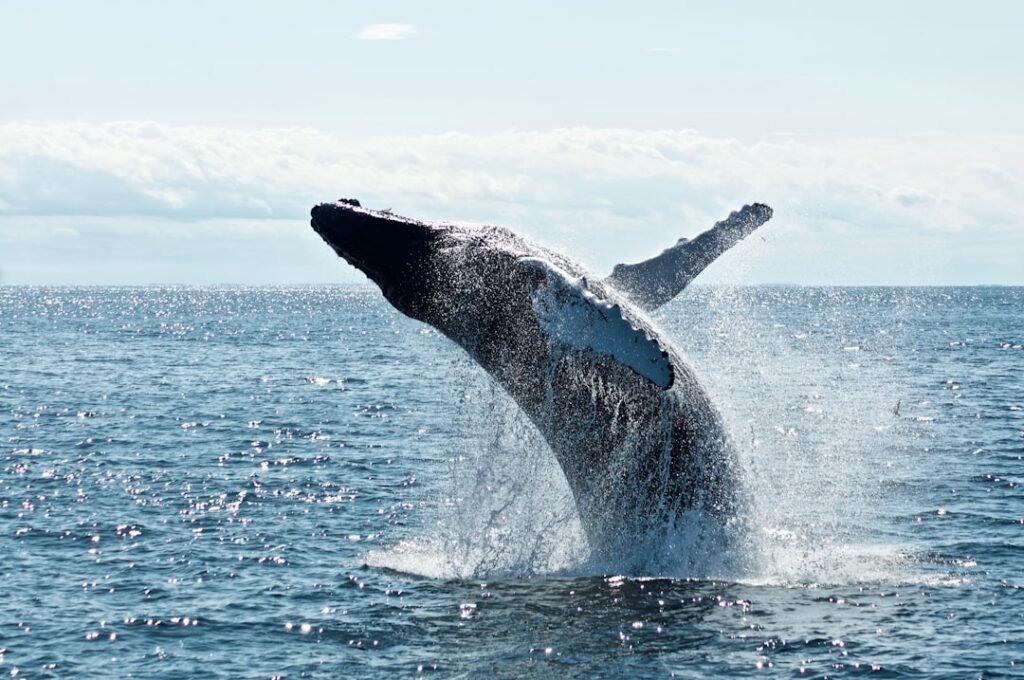
Underwater, where light fades quickly and visibility is often limited, sound becomes the most reliable sense. Dolphins and many toothed whales use bursts of clicks that travel through water far better than light does. They produce these clicks in their nasal passages, send them through a fatty structure in the forehead called the melon, and then listen as echoes bounce off fish, rocks, and even the seafloor.
Experiments suggest dolphins can tell not just the distance of an object but also its internal structure, like whether a fish has air-filled cavities or what shape a hidden object is. They often receive sound through specialized fat-filled channels in the lower jaw that funnel vibrations to the middle ear. In a way, they’re “seeing” through their skulls, creating acoustic snapshots of their underwater world that can be far more detailed than what their eyes alone can provide.
Owls: Silent Flight and Precision Hearing in the Dark
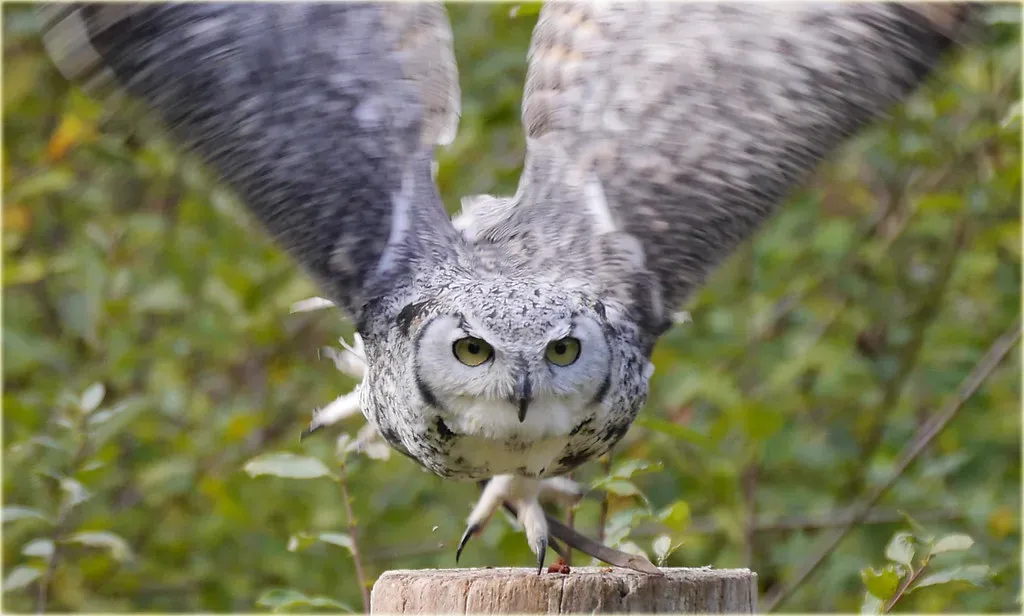
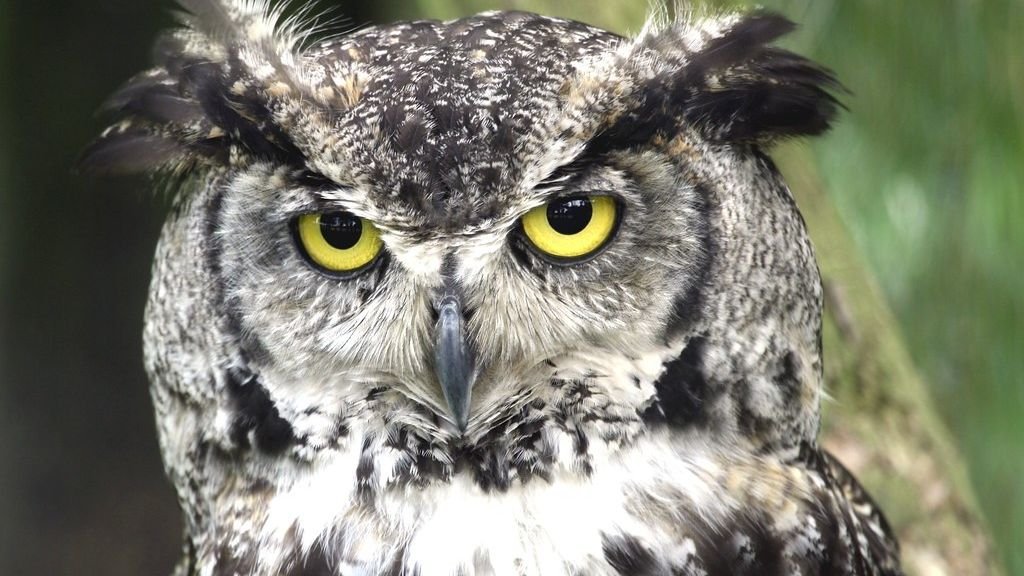
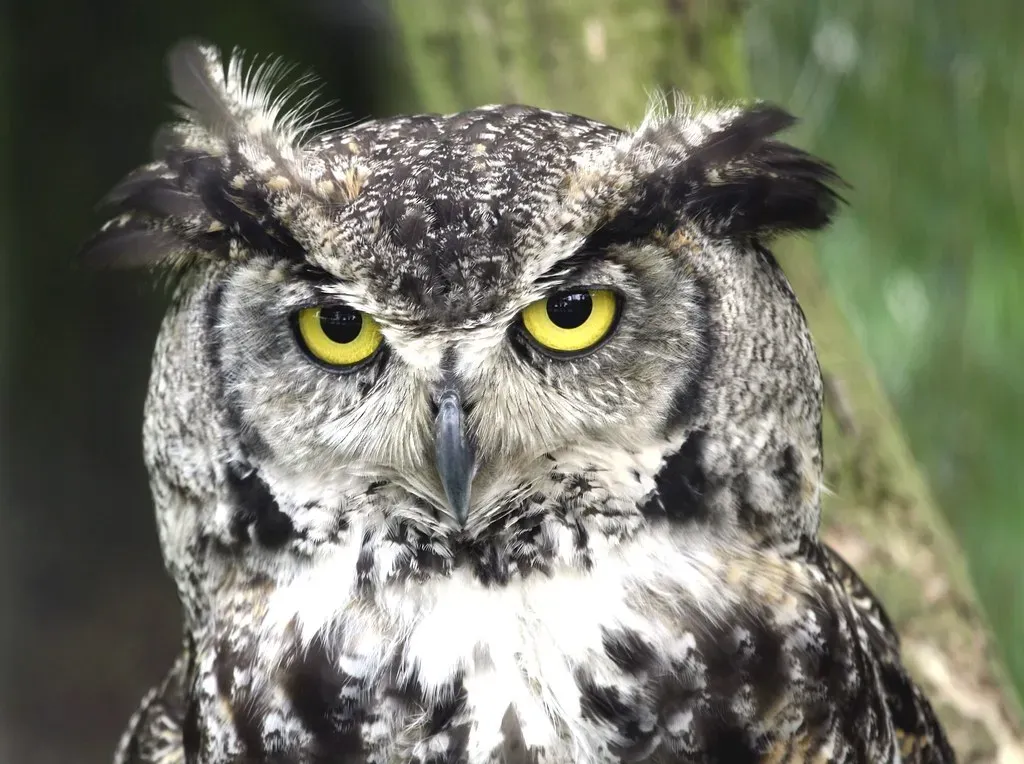
Owls might not echolocate like bats, but they still use sound to “see” with astonishing accuracy. Many owl species hunt at night and can locate a small rodent moving under leaves or snow just by listening. Their ears are often asymmetrical in position or shape, meaning sound reaches each ear at slightly different times and volumes, which gives them a powerful way to pinpoint direction and height.
Their facial feathers work like a satellite dish around the ears, funneling sound into the skull. Combine that with remarkably quiet flight – thanks to special feather structures that dampen noise – and you have a predator that can hear its prey clearly while remaining almost acoustically invisible. It’s like having noise-canceling headphones and a high-end microphone built into your head.
Shrews, Oilbirds, and Other Unexpected Echolocators
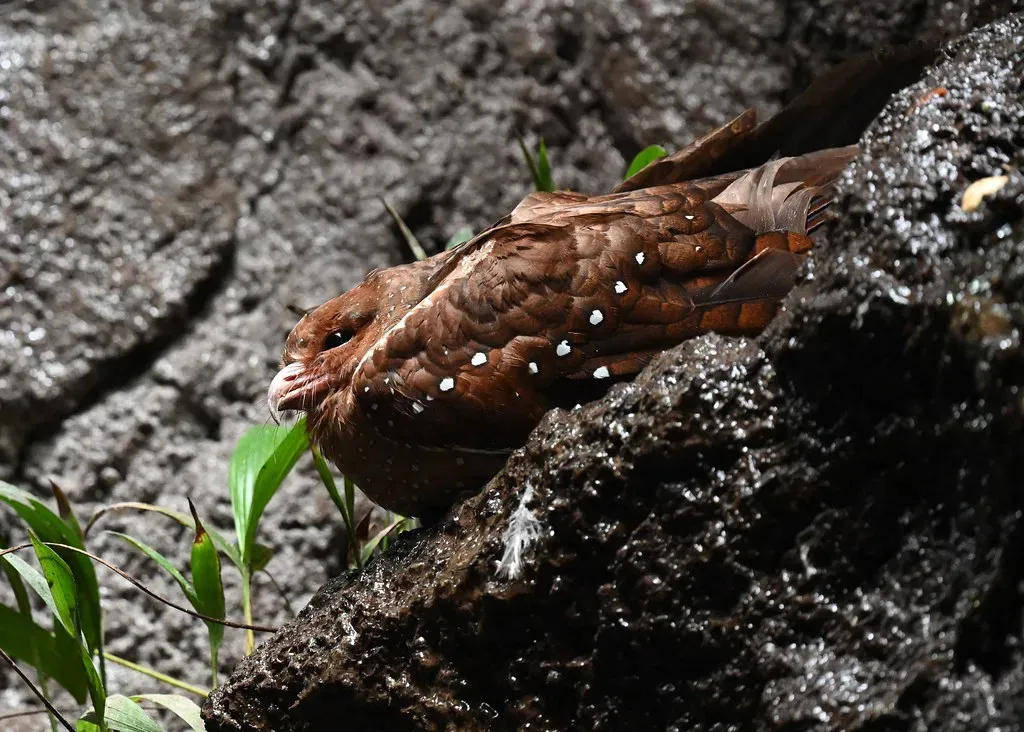
Bats and dolphins tend to steal the spotlight, but they’re far from the only animals using echoes. Certain small mammals, like some shrew species, emit high-frequency squeaks and use the returning sound to get rough information about their surroundings. Their echolocation isn’t as sophisticated as that of bats, but it’s enough to help them navigate dense vegetation and narrow tunnels.
Then there are cave-dwelling birds such as oilbirds and some swiftlets. Living and nesting in dark caves, they use clicking calls to avoid crashing into rocks and to find their way to roosting spots. Their echolocation is cruder and works best at short range, but it shows how evolution often reuses the same basic trick – sound out, echo back, build a map – across very different animals and environments.
How Brains Turn Sound into Space
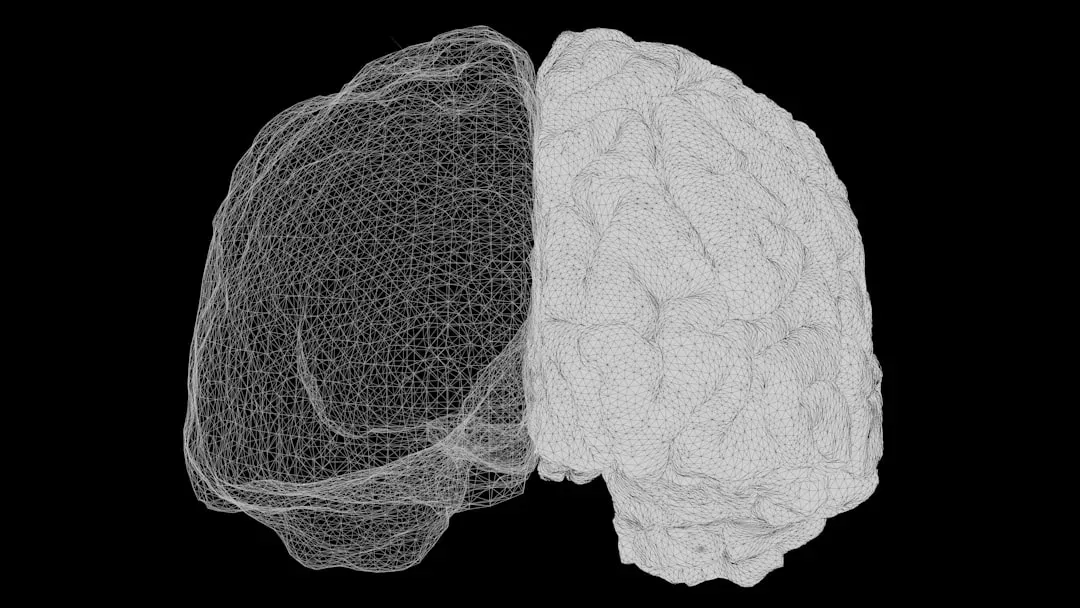
What really makes this all work is not just sharp ears but remarkable brains. When an animal receives an echo, its brain has to compare the outgoing signal and the returning one, measuring tiny differences in timing and frequency. Specialized neural circuits do this so rapidly that the animal experiences a smooth sense of space, not a series of delayed sounds. It’s similar to how our visual brain fuses separate images from each eye into a single three-dimensional scene.
In many echolocators, large portions of the brain are devoted to acoustic processing. Bats, for example, have expanded areas in their auditory cortex tuned to the specific frequencies of their own calls. Over time, these brains have become not just good at hearing but at building internal models of the world from sound. It’s less like reading a radar screen and more like walking through a mental hologram generated from echoes.
Hearing Beyond Human Limits: Ultrasound and Infrasound
Part of why animals can “see” with their ears is that they sense frequencies we can’t. Many echolocating animals use ultrasound, which is sound at pitches too high for human hearing. High frequencies have very short wavelengths, which allows for fine detail, like using a thinner paintbrush on a canvas. Bats and dolphins rely heavily on these ultrasonic signals to get sharp, detailed information, even about tiny prey.
On the other end of the spectrum, some animals use infrasound – very low frequencies below our hearing range – to sense distant events. Large animals like elephants and some whales use low-frequency calls that travel huge distances. While that’s not echolocation in the strict sense, it still turns sound into a kind of extended sense of space, letting them “feel” storms, distant calls, or even shifting ice fields long before they can see them.
What “Seeing with Ears” Teaches Us About Perception
When you step back from the details, one big idea emerges: vision is not the only way to build a picture of the world. Bats, dolphins, owls, and many others show that perception is really about information, not about a particular organ. Their ears and brains are pulling out patterns from sound and turning those patterns into something that feels like a spatial reality. For them, echoes are as meaningful as colors and shadows are for us.
That realization is strangely humbling. It suggests that our experience of reality is only one version among many, a particular “user interface” our brains have built. Thinking about animals that see with their ears nudges us to question what we take for granted about our own senses. If sound can become sight for them, what else might our own brains be capable of, if pushed in the right way?
Conclusion: A Noisy World That’s Secretly Full of Maps

All around us, in forests, oceans, grasslands, and caves, the world is full of invisible soundscapes that animals are quietly turning into maps. Bats sketch the outlines of branches in millisecond bursts of ultrasound, dolphins trace the curves of fish with watery clicks, and owls read the faint rustle of a mouse as if it were a glowing beacon. To them, darkness is not empty; it’s just another canvas for sound to paint on.
Thinking about this has honestly changed the way I listen when I walk outside at night or stand near the ocean. It’s a reminder that our human way of sensing is powerful but not complete, and that other creatures are experiencing a world layered with information we barely notice. The next time you hear a rustle, a chirp, or a distant echo, maybe ask yourself: if you had to, could you learn to see with your ears too?