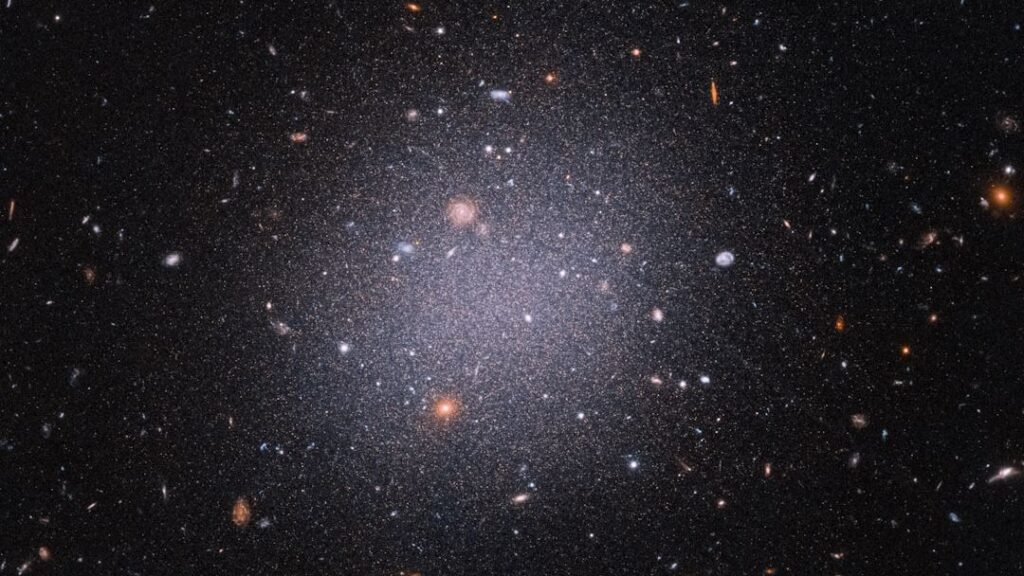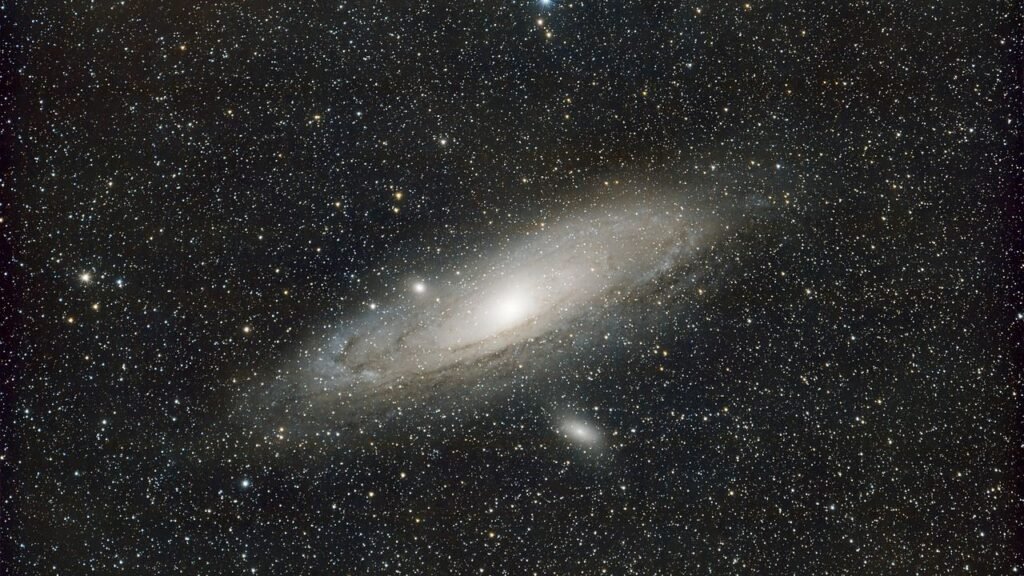

Right now, every galaxy you can’t see with the naked eye is moving away from you. Not because of any explosion pushing things outward from a center point, but because space itself is stretching. The fabric of the cosmos is expanding in every direction, carrying galaxies along for the ride like raisins in a rising loaf of bread. It’s one of the most confirmed and simultaneously confusing facts in all of science.
What makes this even stranger is that the expansion isn’t slowing down, at least according to the dominant picture that has guided cosmology for decades. Something is driving the cosmos to race further apart at an ever-increasing pace. Pinning down what that something actually is, and what it ultimately means for the future of everything, remains one of the most fascinating open questions in modern physics. Here’s what you need to know.
It All Began With a Bang and a Blink
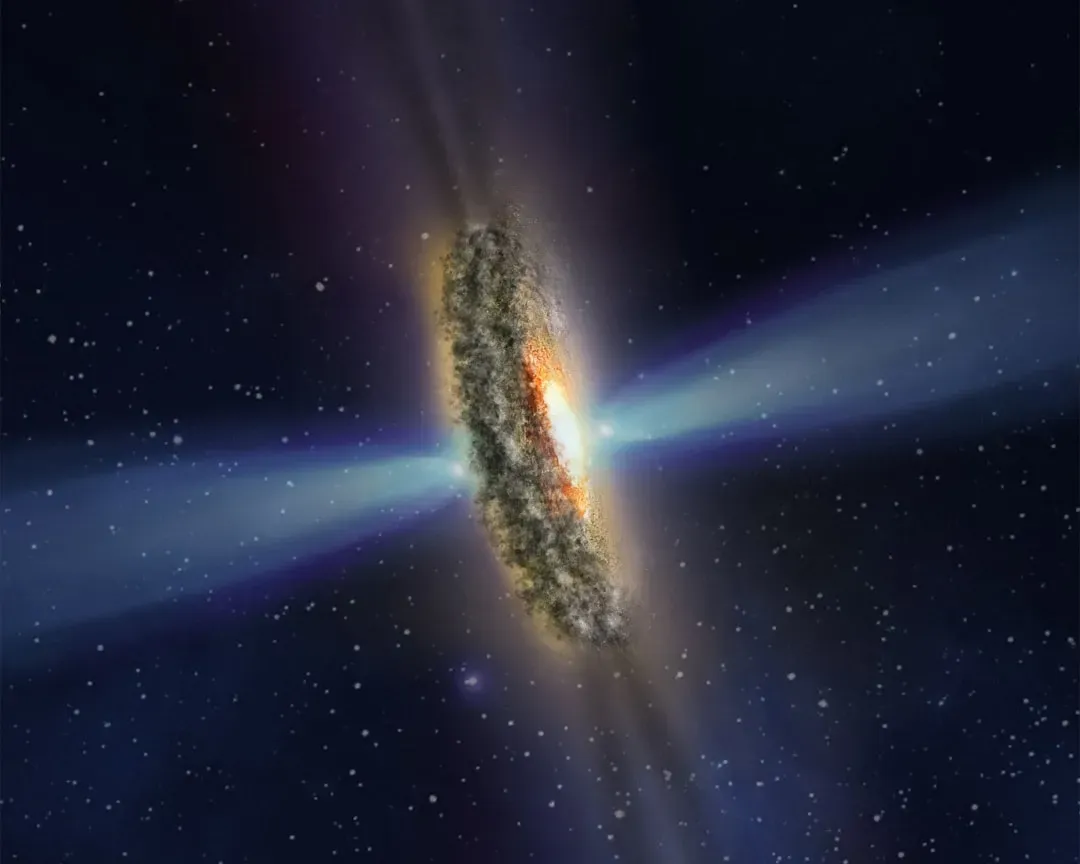
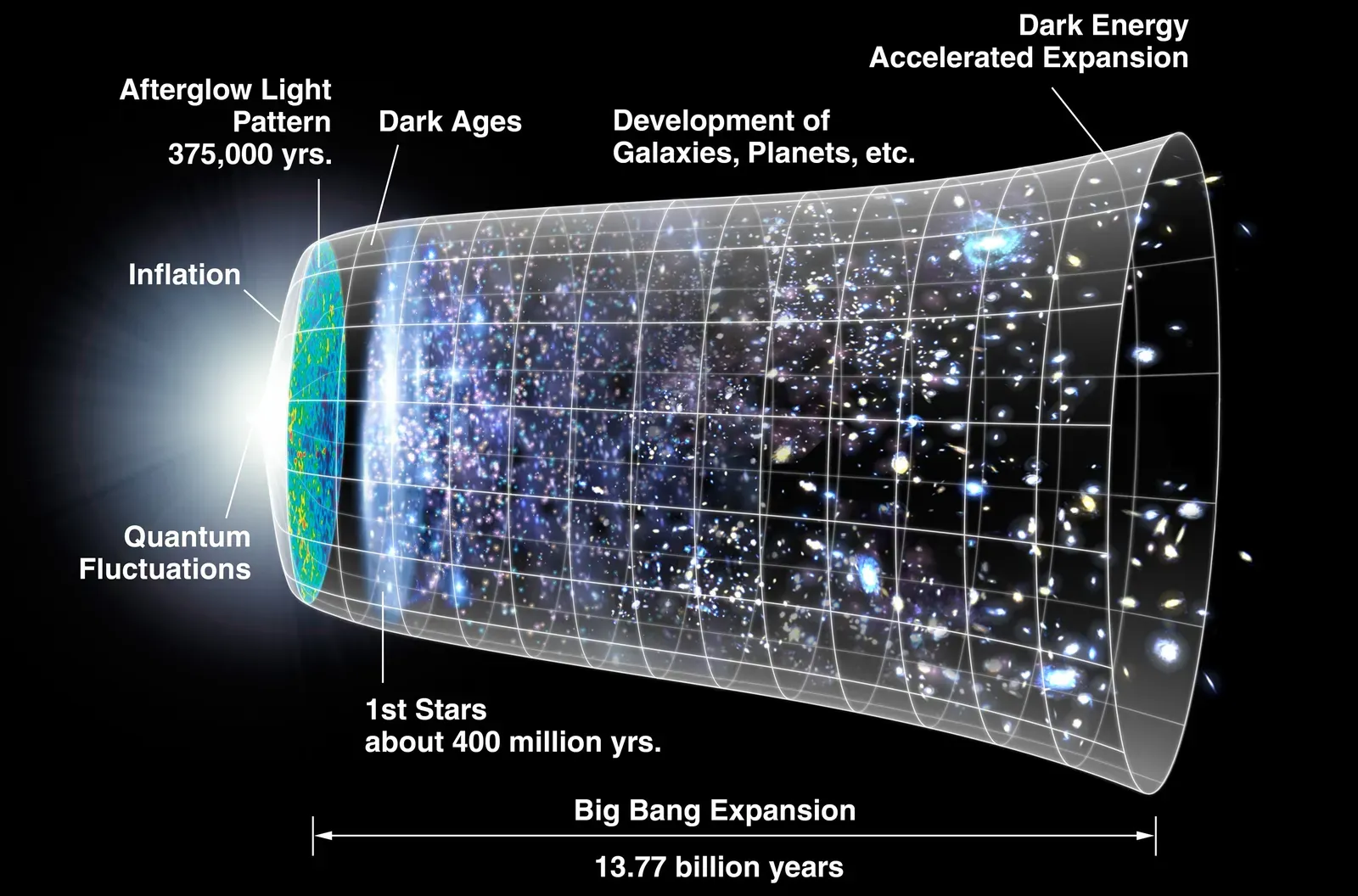
The story of cosmic expansion starts almost incomprehensibly early. Around 13.8 billion years ago, the universe expanded faster than the speed of light for a fraction of a second, a period called cosmic inflation. This wasn’t expansion through space in the usual sense. Space itself was growing, and the scale of it was staggering.
In a billionth of a trillionth of a trillionth of a second, the universe grew by a factor of 10 to the 26th power, comparable to a single bacterium expanding to the size of the Milky Way. Inflation projected infinitesimal quantum fluctuations in the young universe into cosmic scales, leaving some patches with a little more or a little less matter – the seeds that would eventually become galaxies, stars, and everything you’ve ever seen.
From Cooling Plasma to a Universe Full of Stars
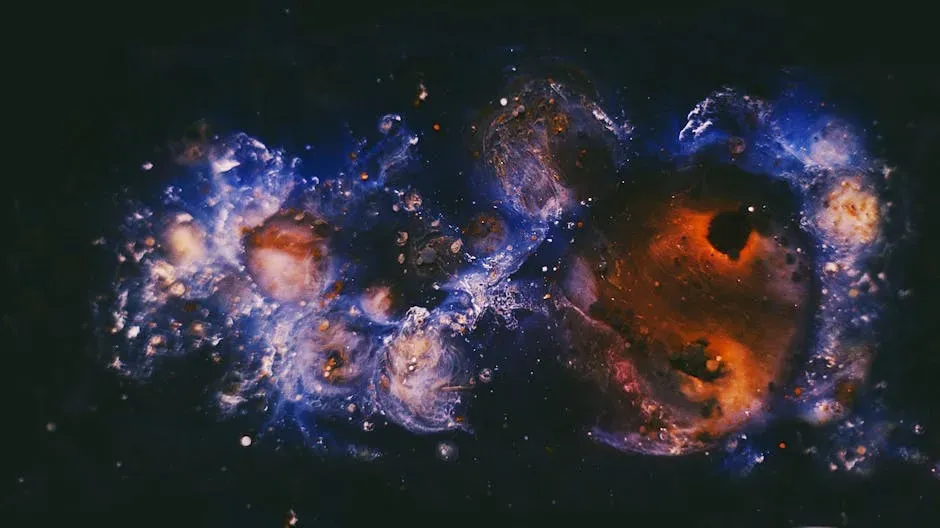
Around 380,000 years after the Big Bang, the universe had cooled enough that atomic nuclei could capture electrons, a period astronomers call the epoch of recombination. This had two major effects on the cosmos. First, with most electrons now bound into atoms, there were no longer enough free ones to completely scatter light, and the cosmic fog cleared. The universe became transparent, and for the first time, light could freely travel over great distances.
The formation of these first atoms produced its own light. This glow, still detectable today, is called the cosmic microwave background. It is the oldest light we can observe in the universe. For the next 200 million years, the universe remained dark. There were no stars to shine. Gravity eventually pulled matter into denser clumps, and out of that darkness, the first stars ignited.
The Discovery That Changed Everything: Accelerating Expansion
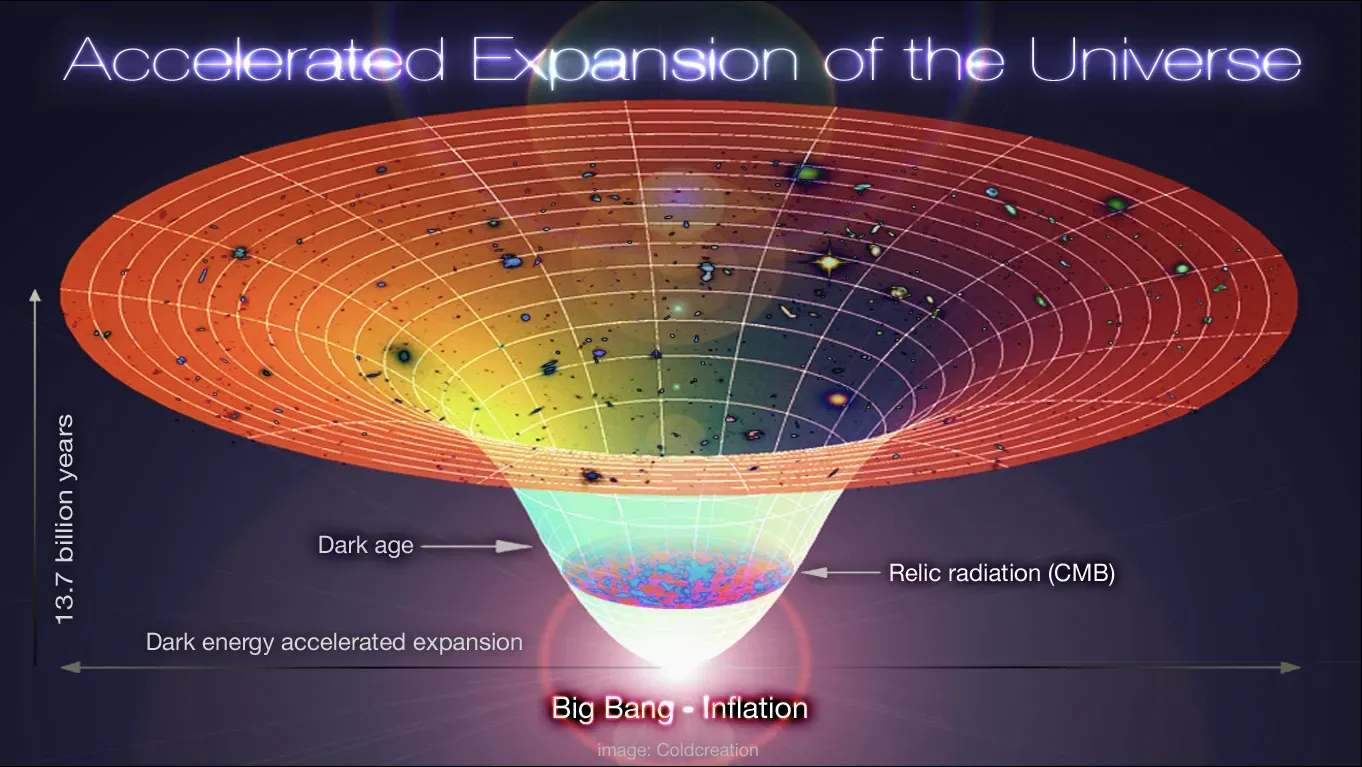
Researchers initially expected that the universe’s expansion would slow down over time due to gravity. However, in 1998, observations of distant supernovae revealed that the universe’s expansion is accelerating rather than slowing down. To explain this surprising result, scientists proposed the idea of dark energy, which is now thought to drive the universe’s accelerated expansion.
The discovery indicated that the speed at which the universe expands is increasing, and dark energy was introduced as a placeholder force to explain this accelerating expansion. Over the following three decades, while scientists have been unable to conclusively determine what dark energy is, they have found that this force is dominant, accounting for approximately 68% of the universe’s total energy-matter budget. It’s a majority stake in the cosmos held by something we still can’t directly detect or define.
The Hubble Constant and a Cosmic Disagreement
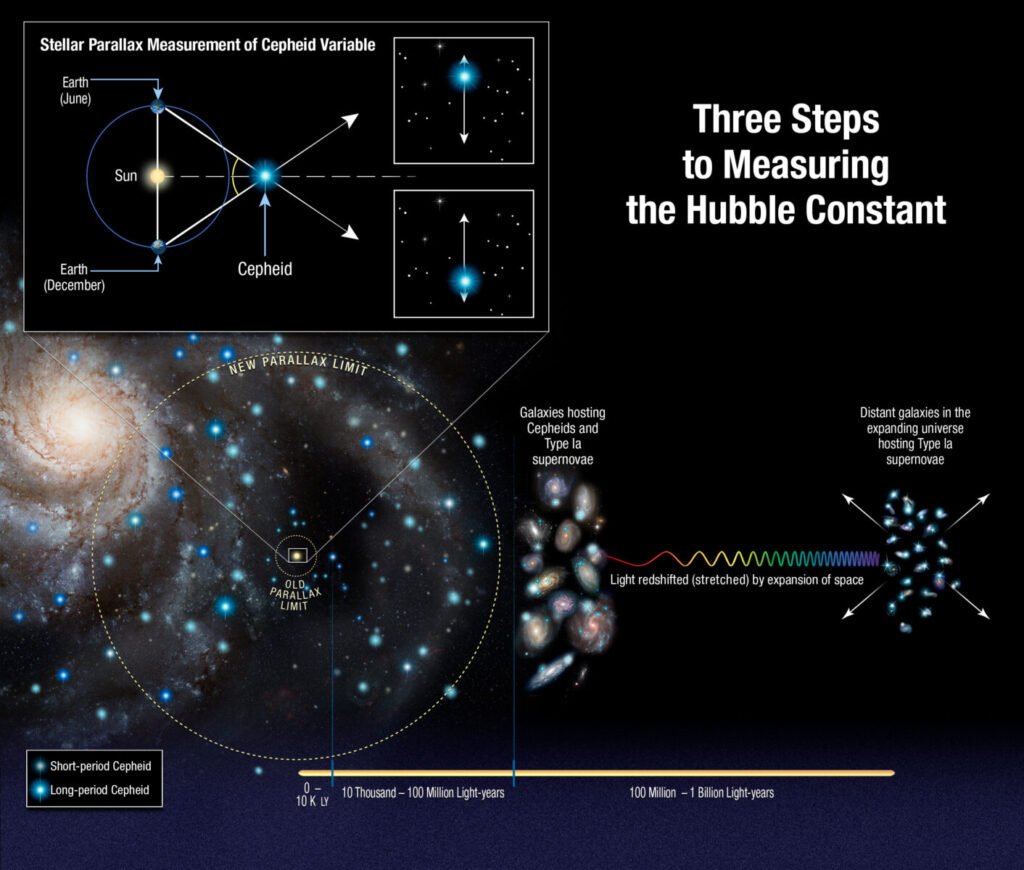
Coined by astronomer Edwin Hubble, who first calculated it in 1929, the Hubble Constant is the rate at which the universe expands. This number reveals not only the universe’s current speed of growth, but also its age and history. Yet nearly a century later, scientists still can’t agree on its exact value. That persistent disagreement has a name, and it’s causing serious headaches across the field.
A major international effort has produced an ultra-precise measurement of the universe’s expansion rate, confirming it’s faster than early-universe models predict. By linking multiple distance-measuring techniques, scientists ruled out simple errors as the cause of the discrepancy. The persistent “Hubble tension” now looks more real than ever. It could mean our current model of the cosmos is incomplete. Their findings place the Hubble constant at 73.50 kilometers per second per megaparsec, achieving a precision slightly better than 1%.
What Webb and Hubble Confirmed Together
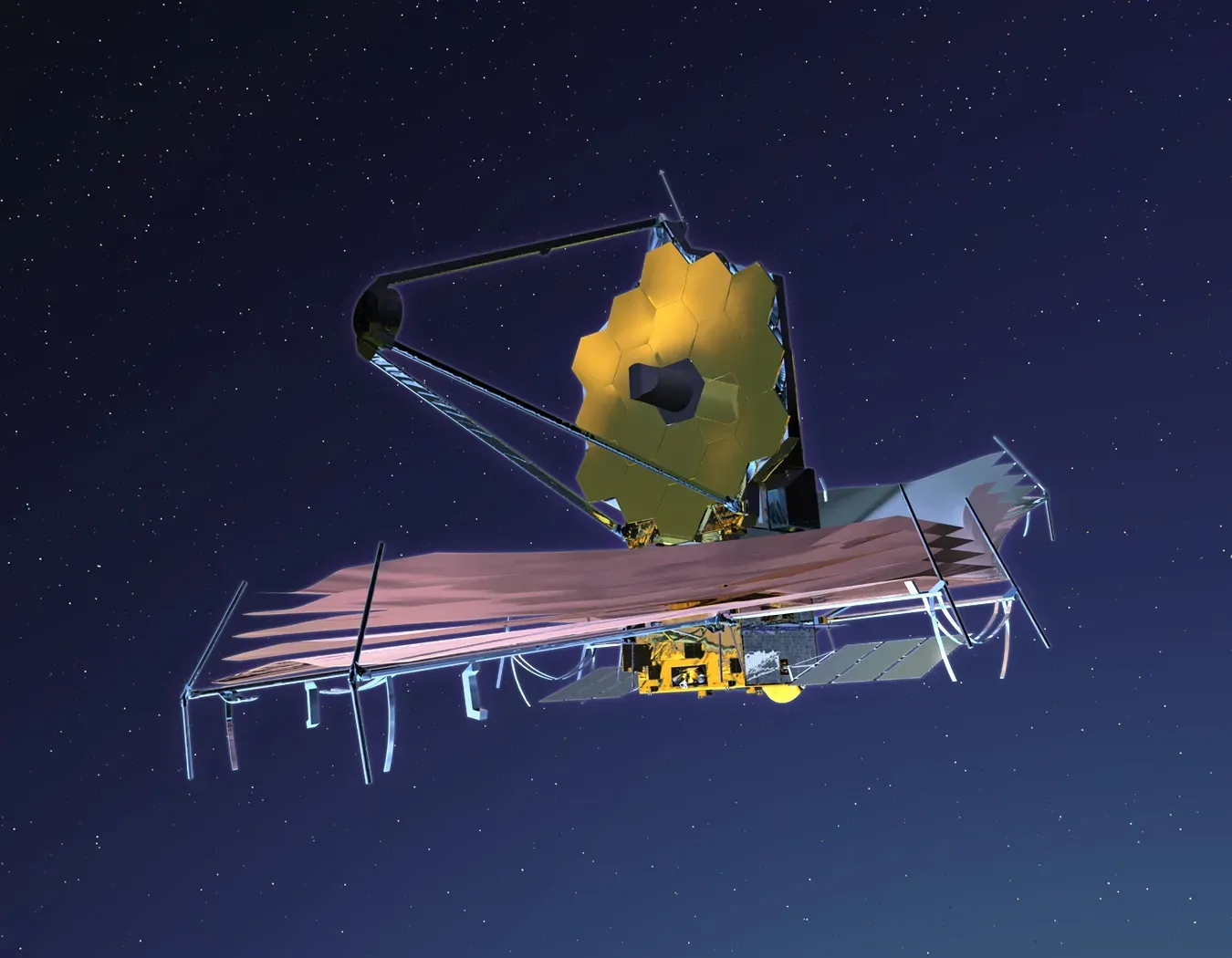
A research team used the largest sample of Webb data collected over its first two years in space to verify the Hubble telescope’s measure of the expansion rate, a number known as the Hubble constant. They used three different methods to measure distances to galaxies that hosted supernovae, focusing on distances previously gauged by the Hubble telescope. Observations from both telescopes aligned closely, revealing that Hubble’s measurements are accurate and ruling out an inaccuracy large enough to attribute the tension to an error by Hubble.
Still, the Hubble constant remains a puzzle because measurements based on telescope observations of the present universe produce higher values compared to projections made using the standard model of cosmology. With measurement errors negated, what remains is the real and exciting possibility we have misunderstood the universe, as physicist Adam Riess of Johns Hopkins University noted. The instruments are in agreement. The universe, apparently, is not cooperating with the theories.
Could Dark Energy Be Changing Over Time?
The accelerating expansion of the universe is usually explained by an invisible force known as dark energy. A new study suggests this mysterious ingredient may not be necessary after all. Using an extended version of Einstein’s gravity, researchers found that cosmic acceleration can arise naturally from a more general geometry of spacetime. It’s a provocative idea, and one that’s still being scrutinized carefully by the wider scientific community.
Findings published in the Monthly Notices of the Royal Astronomical Society question the long-accepted belief that a mysterious force known as dark energy is pushing galaxies apart at an ever-increasing rate. Instead, researchers found no convincing evidence that the universe is still accelerating. If confirmed, the results could reshape scientists’ understanding of dark energy, help resolve the long-standing Hubble tension, and transform theories about the universe’s past and future. These are contested findings, not settled conclusions, and the debate is very much alive.
Where Is All of This Heading? The Far Future of the Universe
The preponderance of evidence to date, based on measurements of the rate of expansion and the mass density, favors a universe that will continue to expand indefinitely, resulting in the Big Freeze scenario. However, observations are not conclusive, and alternative models are still possible. The heat death of the universe, also known as the Big Freeze or Big Chill, is a scenario under which continued expansion results in a universe that asymptotically approaches absolute zero temperature.
The ultimate fate of an open universe with dark energy is either universal heat death or a Big Rip, where the acceleration caused by dark energy eventually becomes so strong that it completely overwhelms the effects of the gravitational, electromagnetic, and strong binding forces. If dark energy can strengthen, weaken, or reverse sign over time, all bets are off, and alternative possibilities, like a Big Crunch or a Big Rip, suddenly abound. The universe’s long-term fate is genuinely still an open question – and the answer depends on understanding something we haven’t fully solved yet.
Conclusion: A Universe That Refuses to Stand Still
What’s remarkable about all of this is how much we’ve managed to piece together from our small vantage point on a pale blue dot orbiting an ordinary star. The most comprehensive findings combine results from 18 separate studies and, for the first time, bring together four major techniques for studying dark energy within a single experiment. That kind of coordinated scientific effort reflects just how seriously researchers are taking these questions.
Dark energy remains one of the great unanswered questions in science. You’re living through a period when our best tools are confirming that something profound is happening to the cosmos, while simultaneously refusing to tell us exactly what or why. The universe is racing away from itself at a speed that even our best equations struggle to fully explain. That tension between what we know and what we don’t isn’t a failure of science. It’s science doing exactly what it’s supposed to do – following the evidence, even when the evidence is unsettling.