Life has a way of showing up where you least expect it. From the pitch-black floors of ocean trenches to the cracked salt flats of hyper-arid deserts, creatures have carved out existence in places that, by any reasonable measure, shouldn’t support life at all. What makes this possible isn’t luck. It’s millions of years of fine-tuned biological engineering, shaped by relentless environmental pressure.
Adaptations are specialized features or behaviors that help animals survive in their specific environments, developing over countless generations as natural selection favors traits that enhance survival and reproduction. Some of these solutions are subtle. Others, as you’re about to see, border on the extraordinary.
The Camel’s Fat-Storing Humps: A Desert Fuel Tank
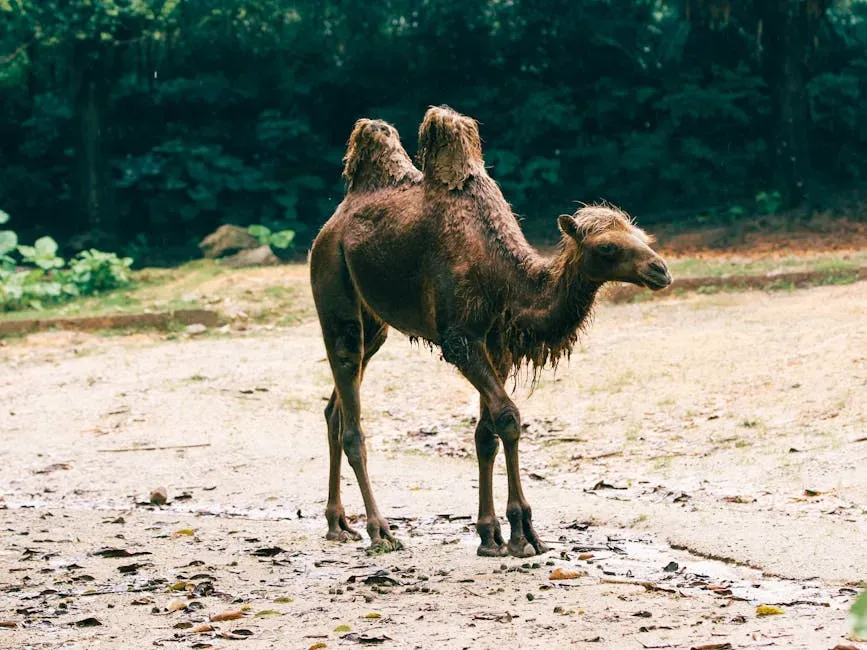
You’ve probably heard that camels store water in their humps. That’s actually a common misconception. What those humps really contain is fat, and the distinction matters enormously. Camels store up to 36 kg of fat in their humps, producing around 10 liters of water through metabolic breakdown, which gives them a remarkable internal water source even in completely arid conditions.
Camels have incredible adaptations, including the ability to tolerate significant dehydration and temperature fluctuations, while their wide feet prevent them from sinking into sand, and their thick fur protects them from both the intense sun and the cold desert nights. It’s a package deal that makes them one of the most comprehensively adapted large mammals on the planet.
The Wood Frog’s Deep Freeze: Surviving by Becoming Ice
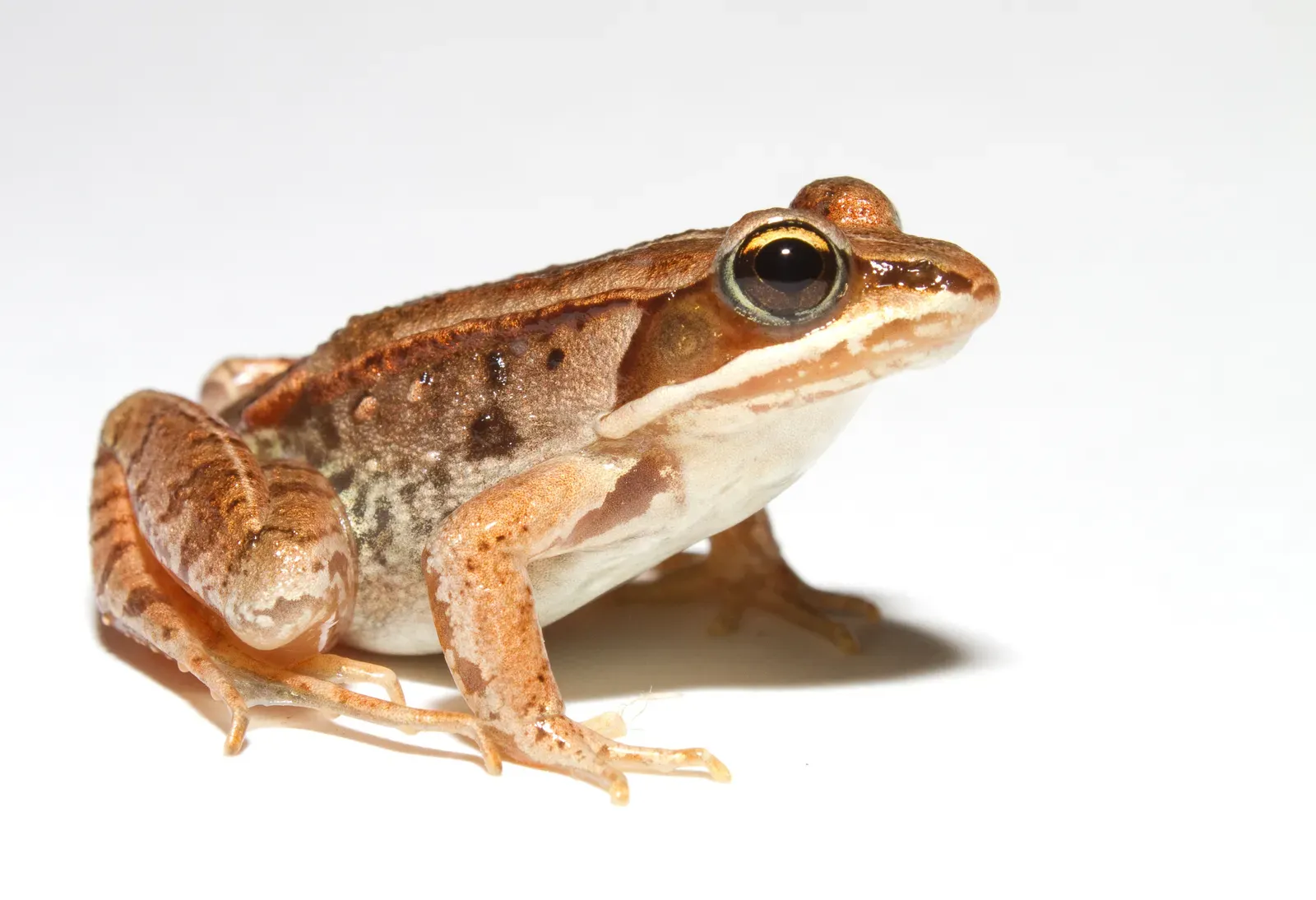
The wood frog performs one of nature’s most remarkable survival feats. As winter approaches in habitats ranging from Alabama to Alaska, these amphibians prepare for something extraordinary: they freeze solid for up to eight months of the year, with up to sixty percent of the frog’s body freezing completely. Its heart stops. Its breathing halts. By most definitions, it ceases to function as a living organism.
The frog enters a state of suspended animation, protecting its tissues with glucose that acts as a natural antifreeze. By studying this species and its unique adaptation, scientists hope to discover a way to successfully store human organs for extended periods for future transplantations, since organs currently cannot last longer than a few hours when refrigerated and are destroyed when frozen. The wood frog is, in a quiet way, pointing medicine toward a future breakthrough.
The Tardigrade’s Cryptobiosis: A Master Class in Indestructibility
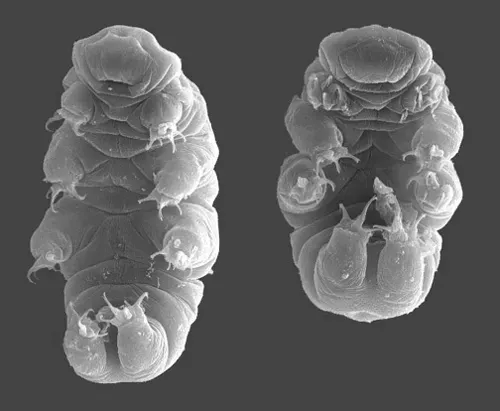
The tiny tardigrade, also known as the water bear, can survive in many different kinds of extreme environments, including the high altitudes of the Himalayas, the intense pressure of the deep ocean, the frigid temperatures of Antarctica, and even a ten-day journey to space. No other multicellular animal comes close to that range of tolerance.
Tardigrades can suspend nearly all metabolic activity, allowing survival in vacuum, extreme cold, or radiation for extended periods. Its ability to enter a cryptobiotic state allows it to withstand environmental extremes that would be lethal to most life forms. In practical terms, you could dry one out completely, leave it dormant for years, add water, and watch it walk away.
The Emperor Penguin’s Huddle: Collective Warmth as an Adaptation
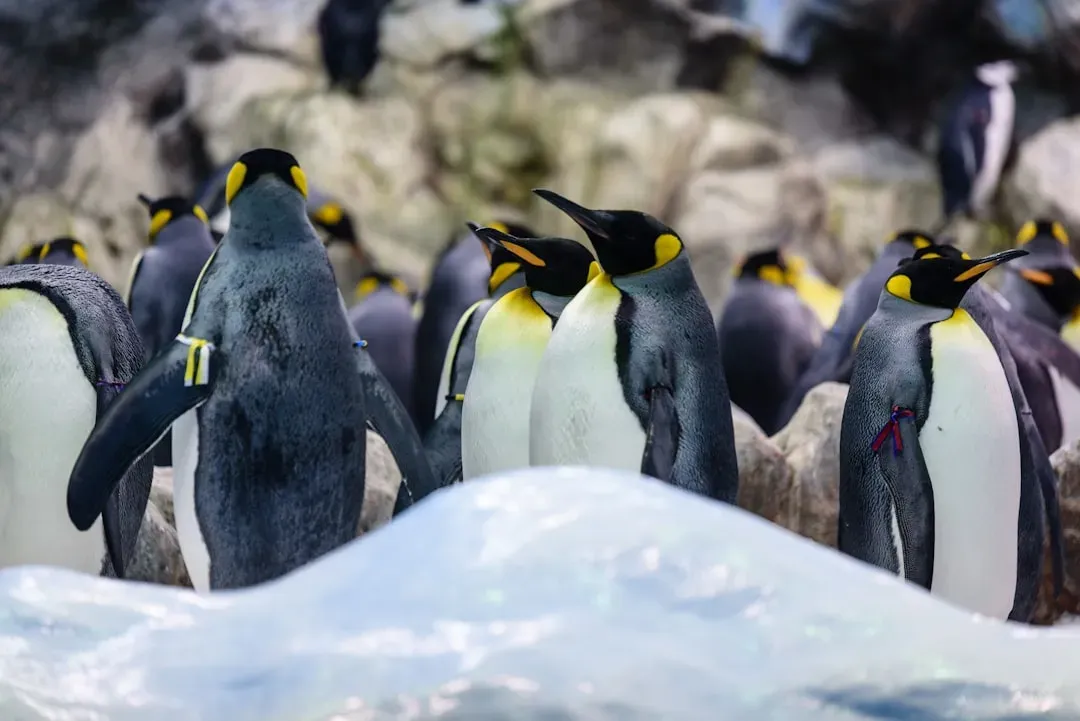
Emperor penguins form counter-rotating huddles that reduce wind chill by up to 50°C and allow individuals to conserve energy during long Antarctic winters. This is a behavioral adaptation as much as a physical one, and it’s surprisingly sophisticated. Penguins in the huddle rotate slowly so that no individual stays on the cold outer edge for too long.
Emperor penguins also exhibit remarkable physical adaptations, diving to depths of up to 500 meters, deeper than any other bird, to hunt their food, coping with water pressure through high-affinity hemoglobin and various physiological strategies. Warm on land in brutal winters and capable of extraordinary dives underwater, they operate effectively in two punishing environments at once.
The Arctic Fox’s Countercurrent Heating System: Built-In Thermal Engineering
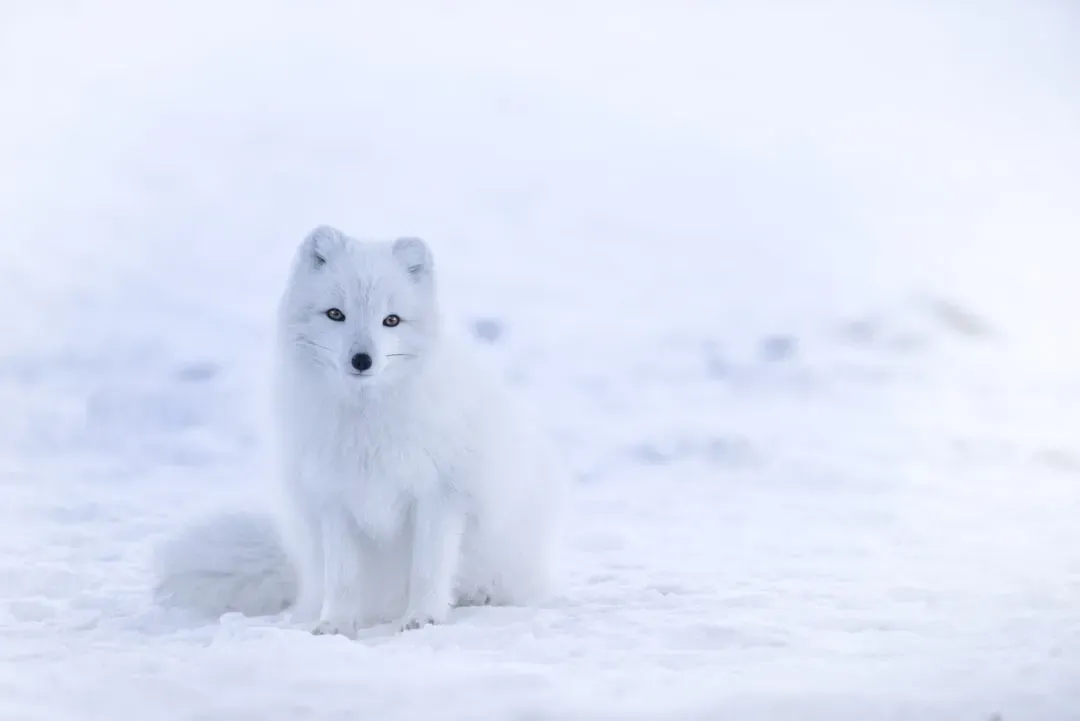
The Arctic fox has mastered extreme cold and can survive temperatures as low as -70°F (-57°C) in its native Arctic habitats, making it a true cold-weather specialist. That isn’t just a matter of wearing a thick coat. The physiology running underneath that fur is just as impressive.
Arctic foxes preserve ninety percent of leg warmth through countercurrent heat exchange, while dense fur traps a one-centimeter insulating air layer equivalent to R-5 insulation, and they also change fur density seasonally. They also have compact bodies and short limbs to conserve heat, a design principle that engineers would recognize as optimizing surface area to volume ratio. Everything about this animal is built to keep warmth in.
The Pompeii Worm’s Living Shield: Heat Resistance via Symbiosis
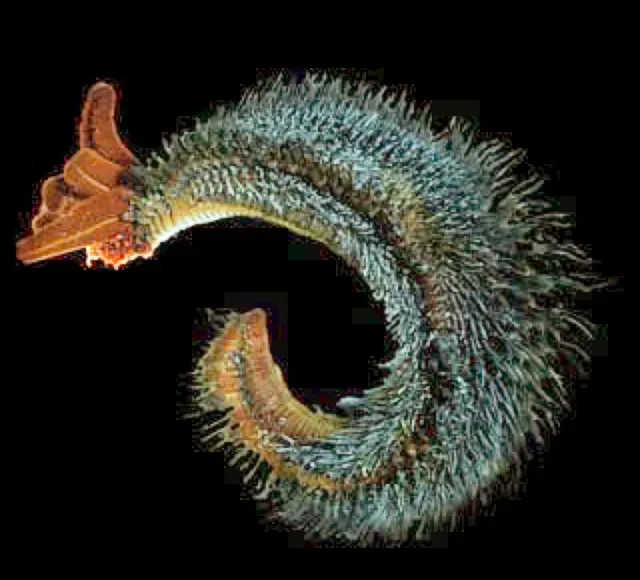
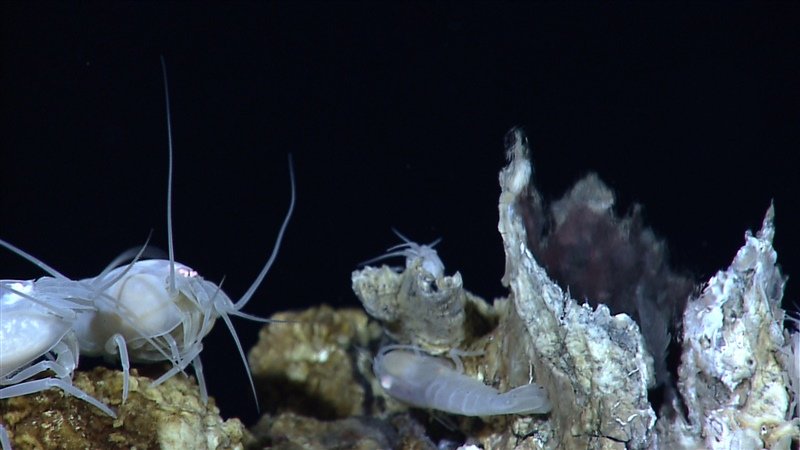
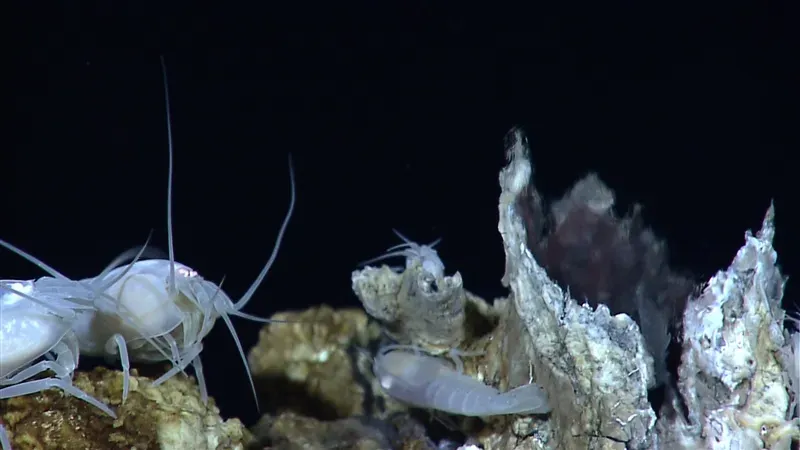
In the deep sea, far beyond sunlight’s reach, life clings to hydrothermal vents where temperatures can soar to 79°C. The Pompeii worm tolerates these extremes by hosting heat-resistant bacteria on its back, creating a living thermal shield. That relationship isn’t accidental. It’s a co-evolved partnership where the bacteria benefit from nutrients secreted by the worm, and the worm gains a biological buffer against scalding heat.
Pompeii worms live around deep-sea hydrothermal vents and are one of the most heat-tolerant animal species on Earth. What makes this adaptation so remarkable is that the solution isn’t purely internal. The worm essentially recruits another organism to handle part of the thermal problem, which is a strategy that blurs the line between individual adaptation and ecosystem-level dependence.
Antarctic Icefish Antifreeze Proteins: Blood That Won’t Freeze
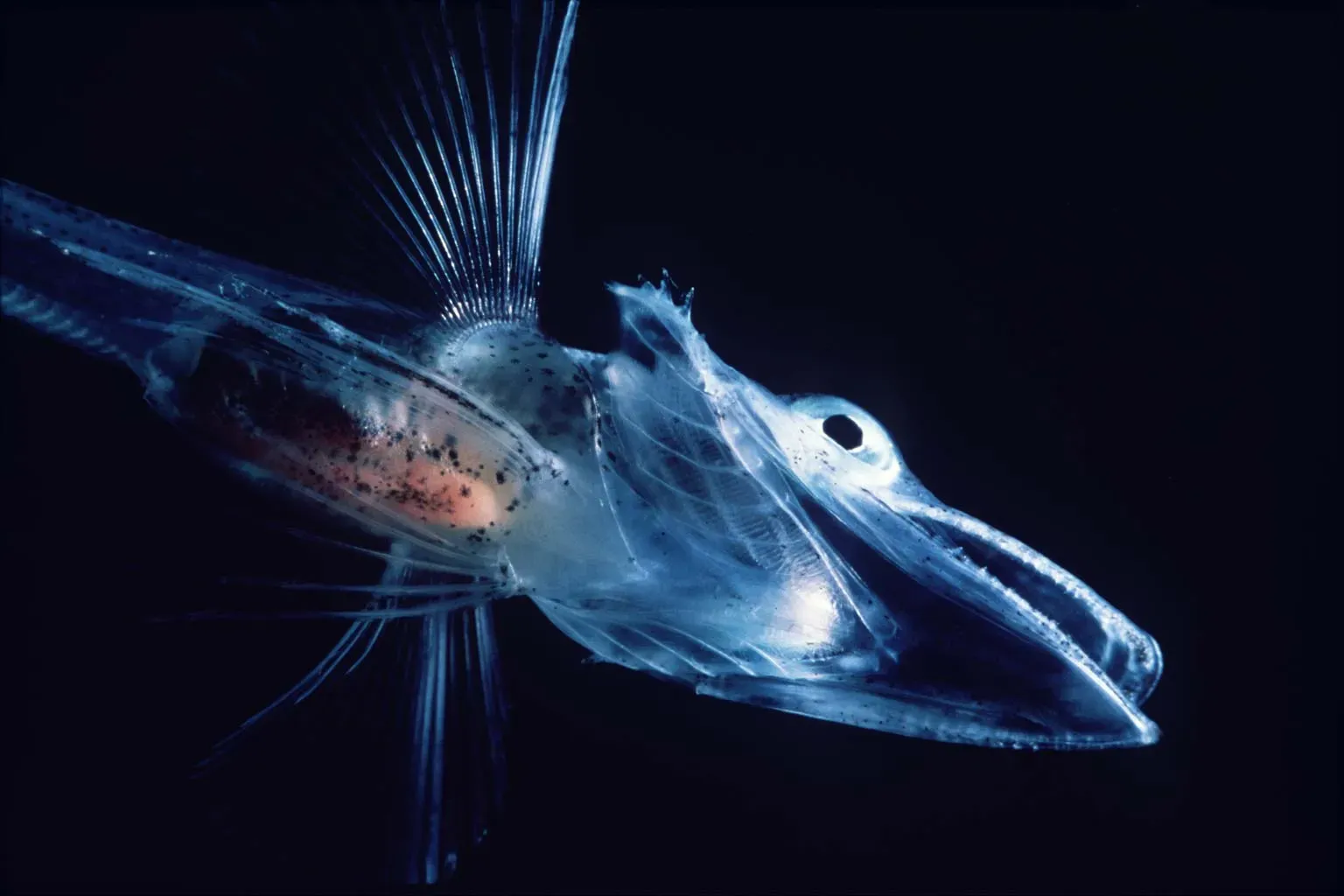
Icefish have a crucial adaptation that enables them to survive in sub-zero waters: antifreeze proteins that bind to tiny ice crystals, stopping ice from forming and keeping the icefish’s blood liquid even in temperatures as low as -2°C. Without this, ice crystals would rupture cells and tissues from the inside, making survival in polar seas impossible for a vertebrate.
To survive the cold, icefish also preserve their energy through a very slow metabolism, meaning they can store food and hunt less, and when the time does come to hunt, they simply sit on the ocean floor and wait for prey to pass by. Antifreeze proteins bind to ice crystals, inhibiting their growth and lowering the freezing point of body fluids, a molecular trick that has attracted serious attention from food preservation and organ storage researchers.
The Kangaroo Rat’s Water-Free Lifestyle: Never Needing a Drink
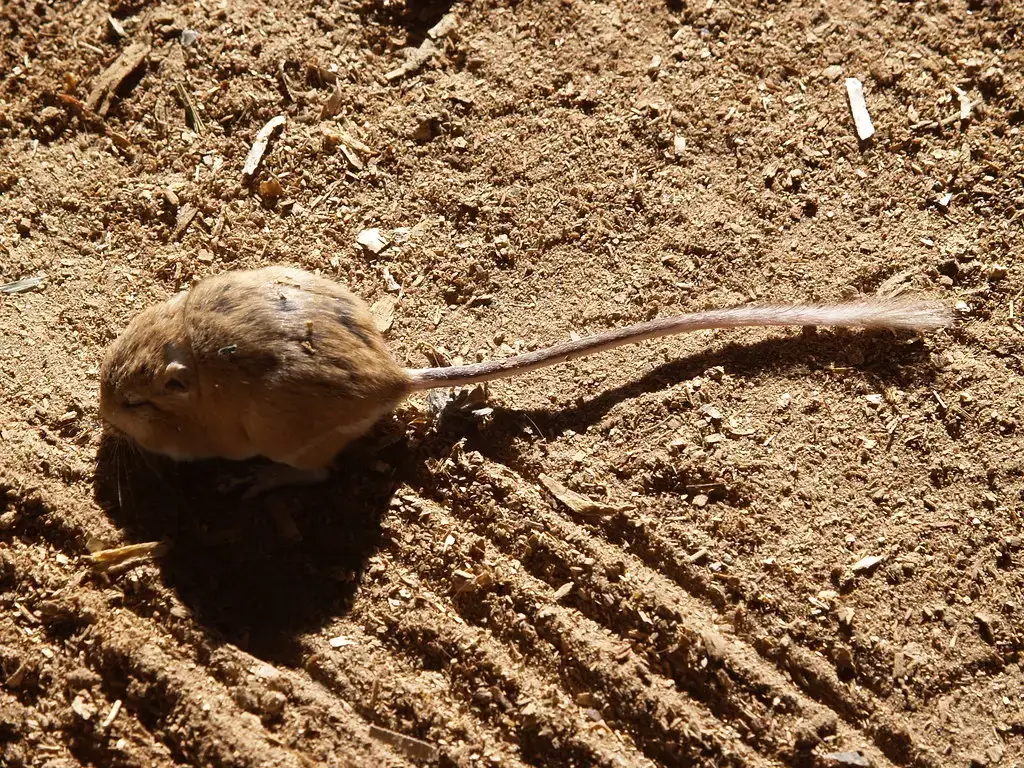
The kangaroo rat never needs to drink water at all, producing metabolic water from the dry seeds it eats and excreting extremely concentrated urine to minimize water loss. It extracts moisture from food through digestion alone, a feat that most animals, including humans, simply cannot replicate at anywhere near that efficiency.
Respiratory water loss is reduced by a nasal cooling system that extracts water from air as it passes through the nasal chambers as it is exhaled, an internal recycling mechanism so effective it approaches near-zero net water loss. A kangaroo rat can produce urine twice as concentrated as seawater, which speaks to kidneys operating at a level of efficiency that’s genuinely hard to overstate.
Bar-Headed Geese and High-Altitude Flight: Breathing Where the Air Is Thin
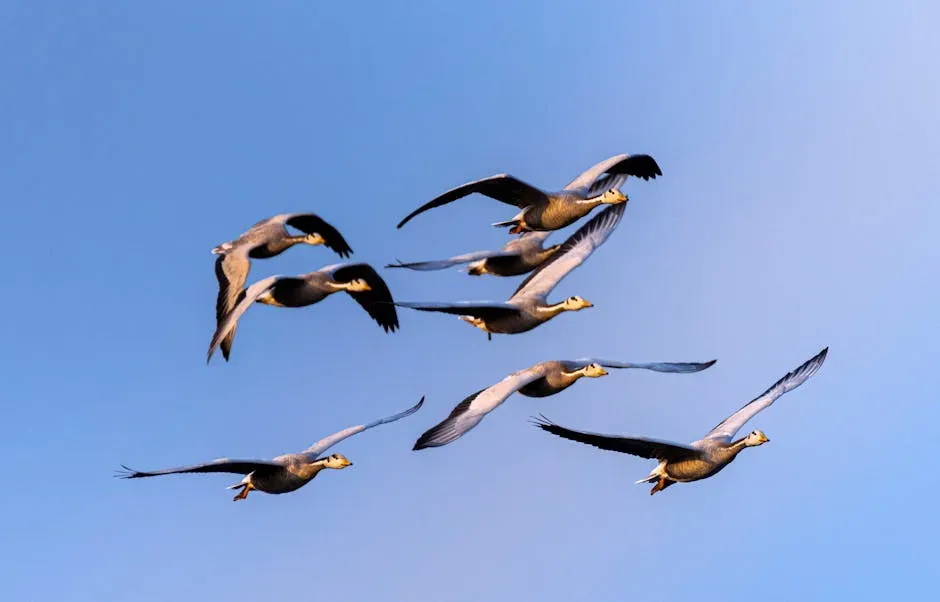
Bar-headed geese fly over the Himalayas at altitudes where oxygen is scarce, their bodies tuned to extract every possible molecule of air. They cross some of the highest peaks on Earth during seasonal migration, doing so with a lung and blood system that’s been refined to work where most birds and mammals would lose consciousness.
The pulmonary system of birds has evolved into a unidirectionally ventilated system with cross-current oxygen extraction, which permits huge rates of oxygen consumption, approximately twice as large as in mammals. High-altitude animals like llamas also show a high concentration of hemoglobin in the blood to improve oxygen uptake in hypoxic conditions, a trait that bar-headed geese share in their own avian form. The efficiency of oxygen extraction in these animals is nothing short of extraordinary.
Deep-Sea Bioluminescence: Making Your Own Light in Permanent Darkness
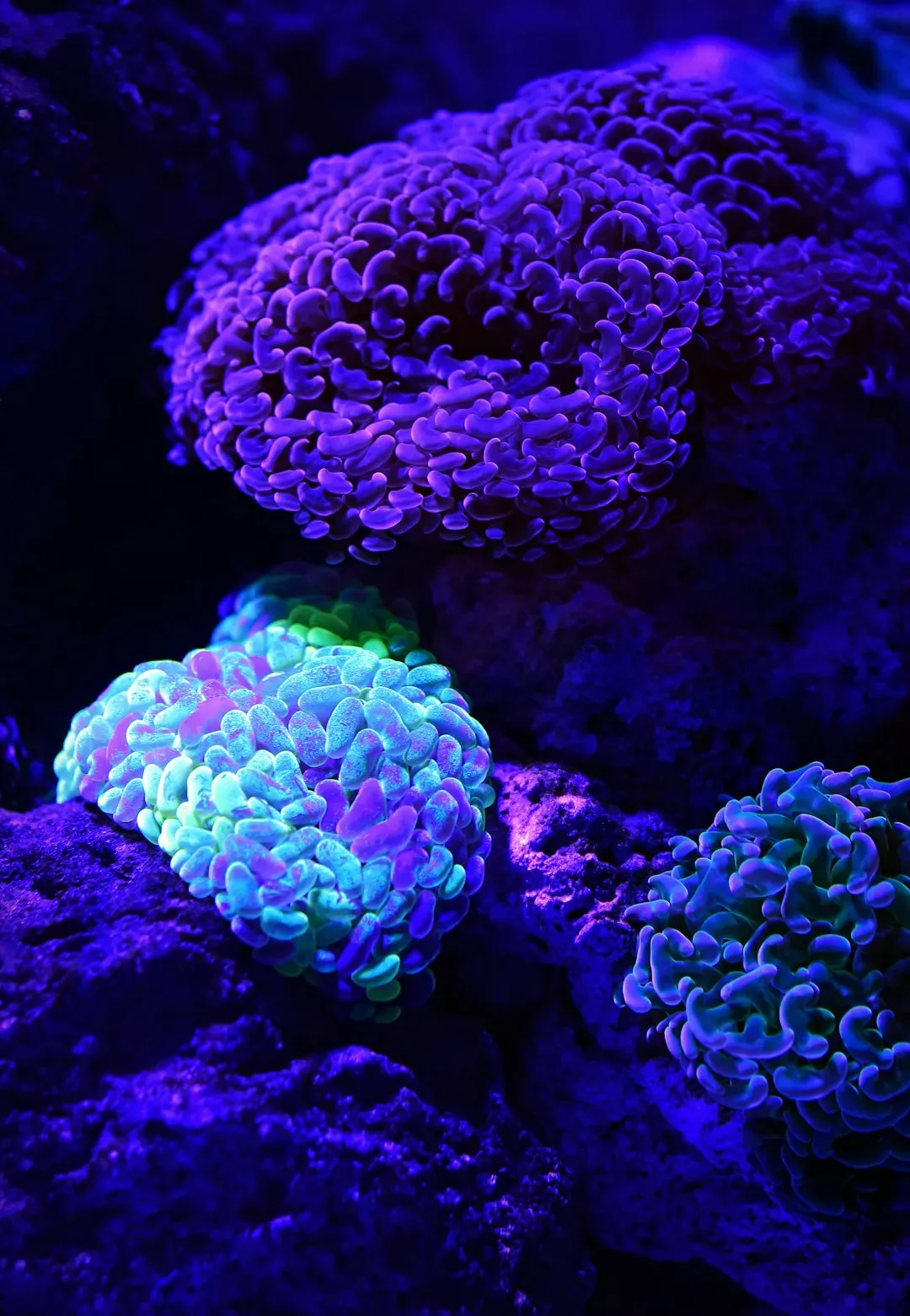
The deep sea is an extreme environment characterized by extreme pressure, low temperatures, and a complete lack of light, and one of the most unusual adaptations seen in deep-sea animals is bioluminescence, with many species such as anglerfish and lanternfish having developed the ability to produce light through this biological process. In an environment where sunlight never penetrates, the ability to generate your own light changes everything about how you hunt, communicate, and survive.
Anglerfish use bioluminescent lures to attract prey in total darkness, while barreleye fish have transparent head domes allowing 360-degree vision to track predators and prey against faint light. The vampire squid, which inhabits depths of up to 1,000 meters in the deep sea where no light penetrates and oxygen levels are extremely low, survives through highly adaptive strategies including an exceptionally low metabolic rate and a detritivorous feeding strategy. At those depths, even the rules of eating have been rewritten by evolution.
Conclusion: What Extremophiles Tell Us About Life Itself
As Earth’s climate grows more volatile, these extremophiles offer vital clues for science, and their adaptations could inspire breakthroughs in biotechnology, medicine, and even space exploration. The practical applications are already underway. Antifreeze proteins inform organ preservation research. Tardigrade cryptobiosis is being studied in the context of long-duration space travel. Camel biology is inspiring water-efficient engineering.
Animal adaptations in extreme environments demonstrate evolutionary precision, enabling life from the Mariana Trench’s eleven-kilometer depths to the Atacama Desert’s hyperarid soils receiving just one millimeter of rain yearly. Extremophiles are remarkable organisms capable of growing and developing in extreme environments such as volcanic areas, polar regions, deep seas, salt and acidic lakes, deserts, and even space, and they play an important role in understanding the limits of life and expanding our knowledge of biology.
Perhaps the most honest takeaway here is one of humility. Humans have only recently begun to map these environments, let alone understand the life inside them. Every wood frog that survives a winter frozen solid, every kangaroo rat that drinks nothing for its entire life, is a quiet reminder that the boundaries of what’s biologically possible are still being drawn.