
Every spring and autumn, one of the most spectacular events on the planet unfolds largely out of sight. Billions of birds lift off from their resting grounds and begin crossing continents, oceans, and deserts, guided by forces that human technology has only recently begun to understand. Every year, millions of birds embark on journeys that span thousands of miles, flying across continents, oceans, and deserts with a precision that leaves even the most advanced human technologies in awe.
From the Arctic tern, which travels from the poles of the Earth and back – a journey of over 40,000 miles – to the tiny warbler navigating alone through the night sky, birds demonstrate navigational abilities that challenge our understanding of animal cognition and sensory perception. What makes these journeys even more remarkable is how little external help birds need to pull them off. The answers are written in their biology, and science is still working to read every line.
Why Birds Migrate in the First Place
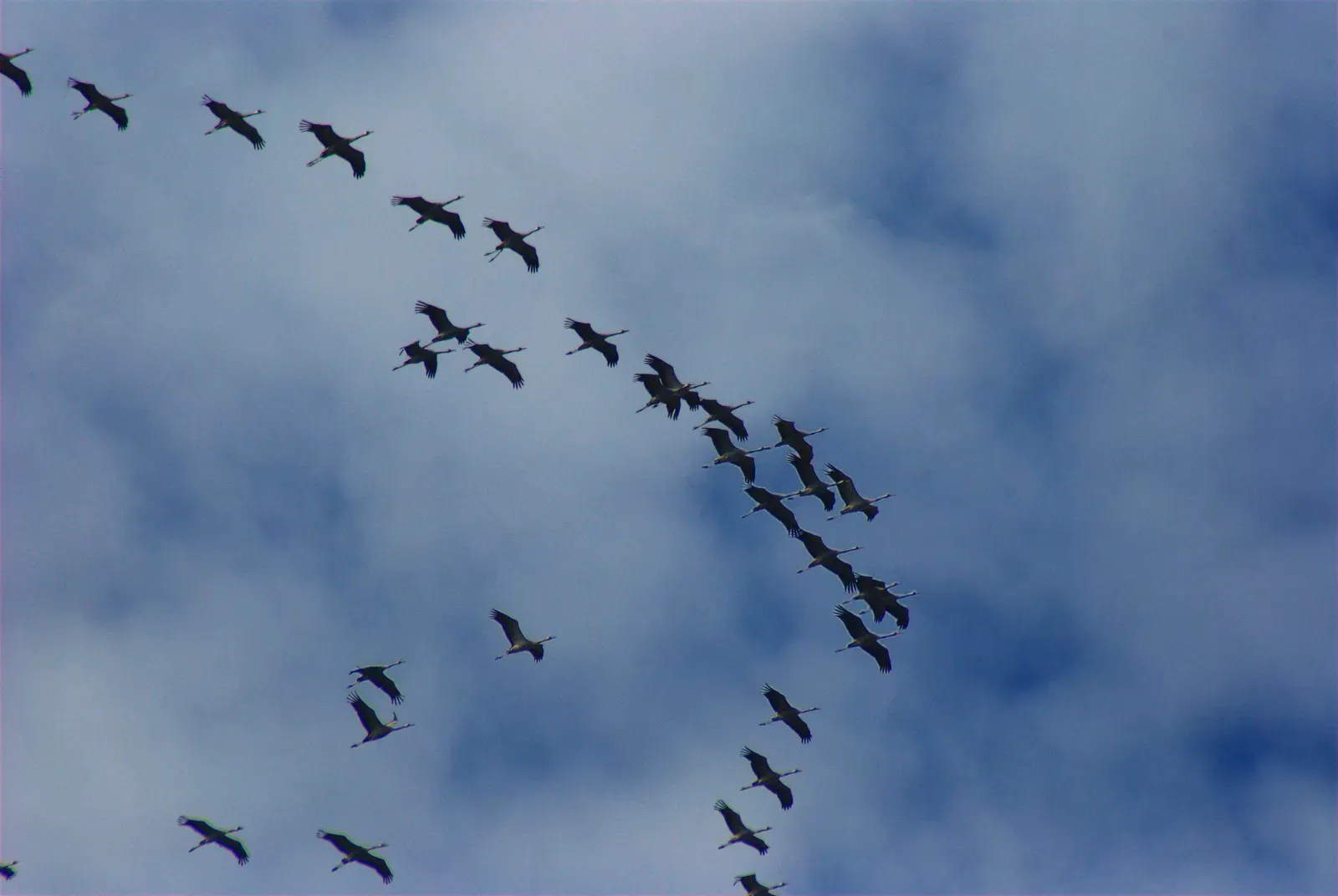
Before you can appreciate how birds navigate, it helps to understand why they migrate at all. Migration is not just a seasonal routine – it’s a matter of survival. Birds migrate primarily to find food, suitable weather, and safe breeding grounds. During the harsh winters of temperate or polar regions, insects disappear, seeds freeze, and nectar sources dry up. To avoid starvation, birds journey to warmer places where food is available year-round.
Bird migration is the seasonal movement of birds from one region to another, usually between breeding and wintering grounds. These journeys can span hundreds or even thousands of miles, depending on the species, and often follow the same routes year after year. Migration allows birds to take advantage of favorable climates, abundant food sources, and safer nesting areas throughout the year. It’s essentially a calculated trade-off: endure the danger of a long journey in exchange for access to resources that would otherwise be unavailable.
A Built-In Genetic Compass: The Clock-and-Compass System

One of the most fascinating aspects of bird migration is that many species undertake their first journey without ever having traveled before. Juvenile birds, in some cases, complete transcontinental flights without guidance from their parents or elders. This remarkable feat suggests that the foundation of their navigation is hardwired into their genetic code. Scientific research shows that birds possess an inherited program that directs their migratory path, timing, and orientation.
It has been suggested that such species follow an innate spatio-temporal programme that has been termed a “clock-and-compass” programme. Young birds essentially carry a biological instruction set that tells them which direction to fly, and for roughly how long. In their first autumn, young birds follow inherited instructions such as “fly southwest for three weeks and then south-southeast for two weeks.” If they make a mistake or are blown off course, they are generally unable to recover because they do not yet have a functioning map that would tell them where they are. This is one of the reasons why only roughly thirty percent of small songbirds survive their first migrations to their wintering grounds and back again.
Reading the Earth’s Magnetic Field

Birds have two sensors for different qualities of the geomagnetic field: one based on chemical processes to obtain directional information from the course of the field lines to use as a compass, and another based on magnetite to measure magnetic intensity as a component of the navigational mechanisms indicating the location. This dual system gives them both direction and positional awareness – an onboard compass paired with something closer to a map.
Birds detect magnetic inclination, which measures the angle of field lines relative to the Earth’s surface, allowing them to estimate latitude without relying on true north. This magnetic compass works across all latitudes, making it universally useful during long migrations. Experiments have confirmed just how central this sense is: adult birds already familiar with their migration route were exposed to a simulation of the Earth’s magnetic signature at a location thousands of miles beyond their natural migratory corridor. Despite remaining physically located at their capture site and experiencing all other sensory clues about their location, including starlight and the sights, smell, and sounds of their actual location, the birds still showed the urge to begin their journey as though they were in the location suggested by the magnetic signal they were experiencing. They oriented themselves to fly in a direction which would lead them “back” to their migratory path from the location suggested to them by the magnetic signals they were experiencing.
Cryptochrome: The Quantum Compass in the Eye
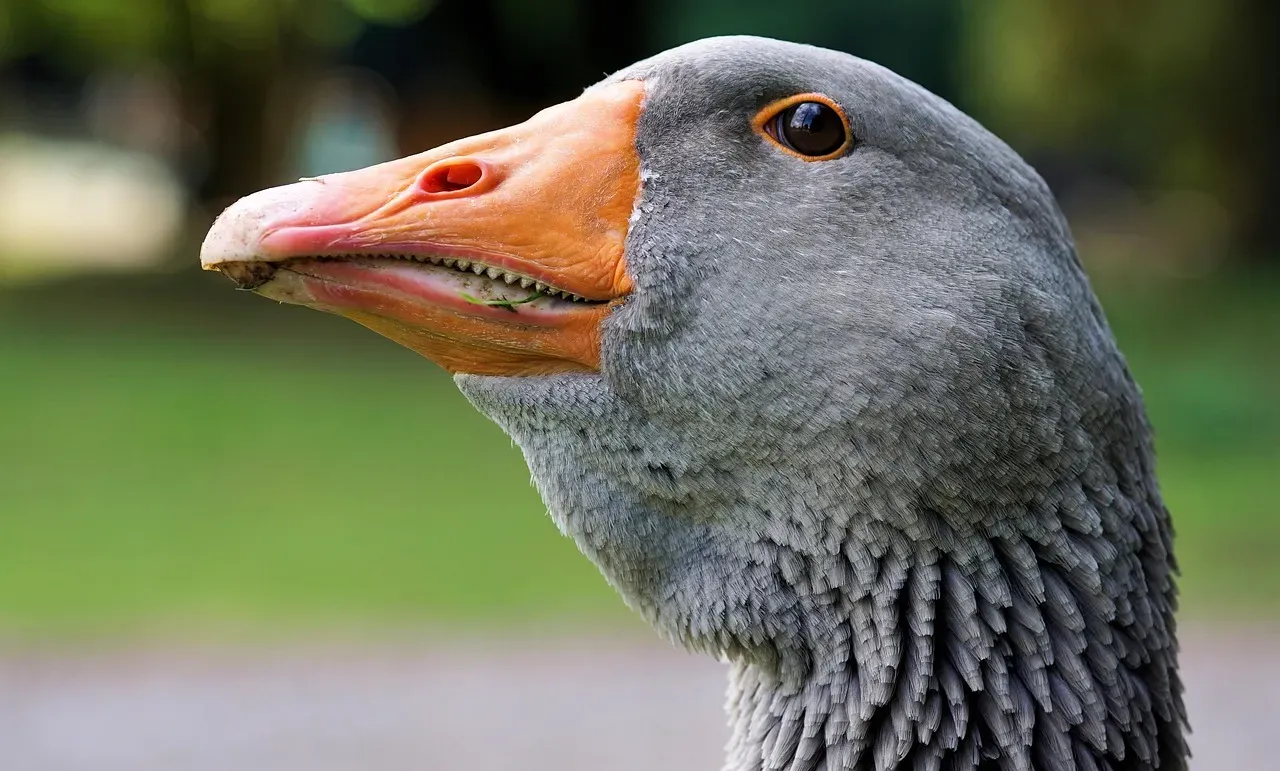
Billions of birds fly thousands of kilometers every year between their breeding and wintering grounds, helped by an extraordinary ability to detect the direction of the Earth’s magnetic field. The biophysical sensory mechanism at the heart of this compass is thought to rely on magnetically sensitive, light-dependent chemical reactions in cryptochrome proteins in the eye. This is where the science gets genuinely extraordinary – you’re looking at quantum physics operating inside a living bird.
Experiments on migratory birds provide evidence that they make use of a cryptochrome protein in the eye, relying on the quantum radical pair mechanism to perceive magnetic fields. This effect is extremely sensitive to weak magnetic fields, and readily disturbed by radio-frequency interference, unlike a conventional iron compass. Researchers have also found that Cry4a levels in migratory birds, which rely on navigation for their survival, are highest during the spring and autumn migration periods, when navigation is most critical. The Cry4a protein from the European robin, a migratory bird, is much more sensitive to magnetic fields than similar but not identical Cry4a from pigeons and chickens, which are non-migratory. These findings together suggest that the Cry4a of migratory birds has been selected for its magnetic sensitivity.
Navigating by the Sun: The Solar Compass

The sun serves as one of the most reliable and consistent navigational aids for migrating birds. By using the position of the sun in the sky, birds can determine direction during the day. But this requires more than a simple glance – it demands an internal clock synchronized with the solar cycle. Birds possess a remarkable circadian rhythm, a biological clock that enables them to interpret the sun’s position relative to the time of day.
Experiments conducted with captive birds under controlled conditions have proven this capability. When researchers altered the birds’ internal clocks by shifting their day-night cycles, the birds misinterpreted the sun’s position and changed their flight orientation accordingly. Think of it as a GPS that recalibrates based on what time it is – except it runs entirely on biology, no battery required. The predictable fifteen-degree movement per hour of the Sun from east to west signifies its potential as a celestial compass. This is possible providing the time of day is known and is achievable by birds due to their internal biological clock.
Star Navigation: Finding Direction in the Night Sky

Many migratory birds travel by night, guided by the stars in the sky. This nocturnal navigation reveals an even more astonishing ability – birds can recognize star patterns and use them as a celestial map. The pioneering work of Austrian ethologist Franz Sauer in the mid-20th century demonstrated that birds use the rotational pattern of the night sky around the North Star or its southern counterpart to orient themselves.
Starlight, unlike the sun, does not provide a straightforward directional cue. Instead, birds interpret the rotation of constellations around a fixed celestial pole, an indirect but reliable reference point that remains consistent throughout the night and across seasons. This skill highlights the complex cognitive processes underlying avian navigation, integrating memory and spatial awareness. Young birds learn and memorize these star patterns during a critical developmental window early in life, building a celestial reference map they’ll rely on for the rest of their lives.
The Smell Map: Olfactory Navigation
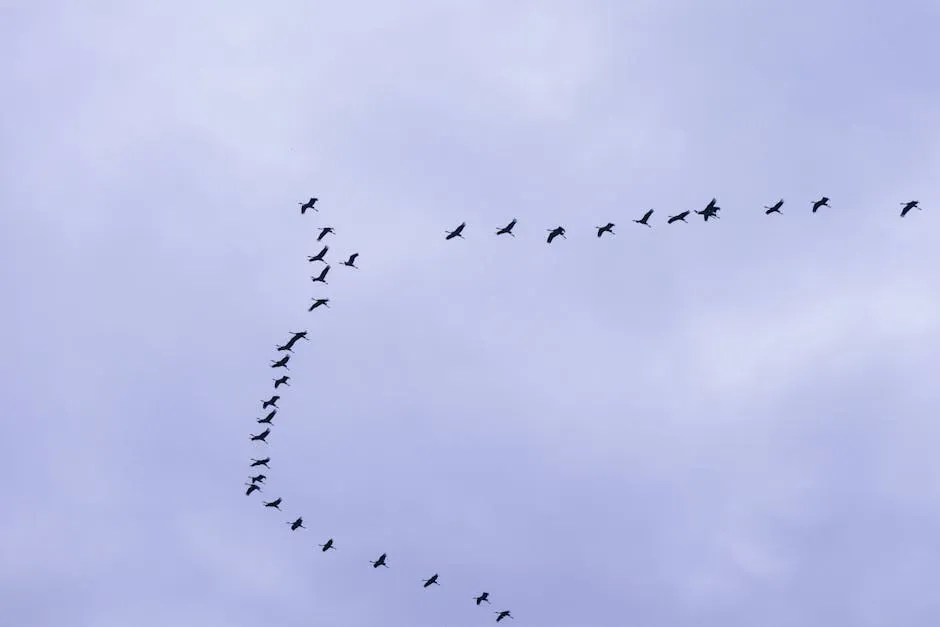
For many years, scientists underestimated the role of smell in bird navigation. Recent research, however, has revealed that olfaction is a crucial component of navigation, especially in species like pigeons and some seabirds. Birds use odors carried by the wind to build an “olfactory map,” associating particular smells with geographic locations. It’s a genuinely surprising discovery – the idea that a bird can essentially sniff its way across a continent.
Homing pigeons have been shown to rely on familiar odors from specific regions to orient themselves when visual cues are absent. They essentially build a mental map of smells that correspond to different areas. This olfactory navigation is especially useful for species that migrate across large oceanic expanses, where landmarks are scarce and other cues may be unreliable. Research on seabirds has provided some of the clearest evidence yet: one of the first experiments on navigation in migratory birds that documents and takes account of the entire migration route shows that intact olfactory nerves are essential to allow birds displaced outside of their normal path to return to their population’s migration corridor.
Landmarks, Flyways, and Learned Routes
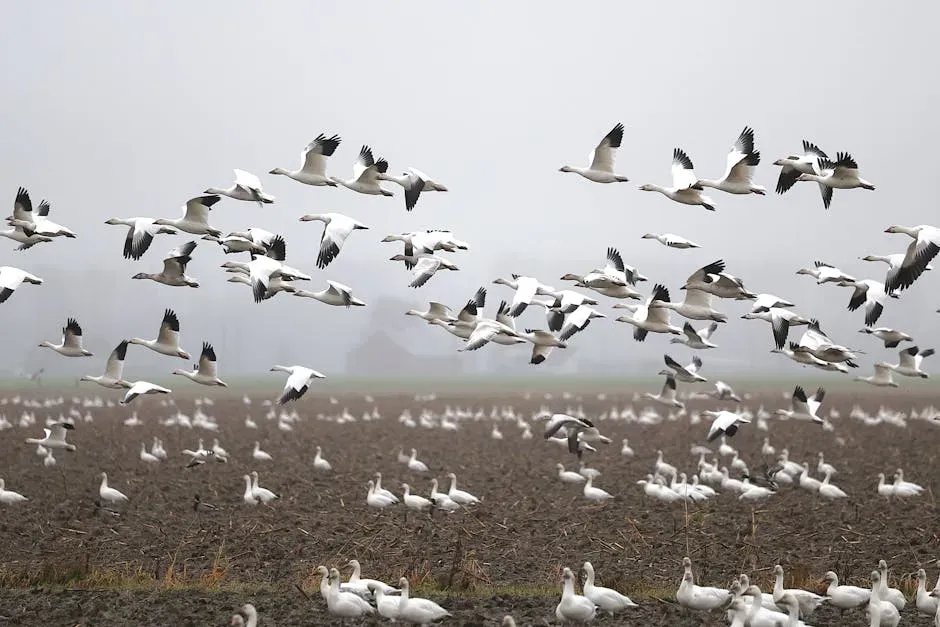
Studies using GPS tracking and satellite telemetry have confirmed that some species repeatedly follow specific migratory corridors and stopover sites, indicating an ability to remember geographic locations across years. Young birds learn these routes through experience and sometimes social learning by following older, more experienced birds. Environmental cues such as changes in vegetation, water bodies, and even odors can also guide birds, especially during the later stages of migration when approaching breeding or wintering grounds.
Globally, bird migration follows several major pathways known as flyways. These are established routes that millions of birds use each year to move between breeding and wintering grounds. The most well-known flyways include the Pacific, Central, Mississippi, and Atlantic Flyways in North America, as well as the East Asian–Australasian and African–Eurasian routes. Birds follow these paths because they offer abundant food, suitable resting spots, and favorable wind conditions. These routes aren’t random – they’ve been refined through millions of generations of trial, error, and survival.
The Threats Facing Migratory Birds Today

Given that most songbirds migrate at night, it’s no surprise that light pollution is a significant contributor to the harm of these birds. In addition to disrupting circadian rhythms, excessive artificial light at night can also disorient birds during migration. Bright lights at night on large buildings attract birds in the same way that bright porch lights attract moths, which can result in fatal collisions. The scale of this problem is staggering.
Climate change disrupts bird migration by altering wind currents and drying up wetlands along ancient flyways, leaving species like the swift parrot stranded without food. Collisions with glass windows and towers claim up to a billion birds yearly in North America alone, a silent killer in developed areas. Mitigation strategies like Lights Out programs offer hope – turning off building lights from midnight to dawn during peak migration seasons considerably reduces fatalities while balancing human needs with conservation. Simple actions, in other words, can make a genuine difference.
Conclusion: A Journey Worth Protecting

The navigational systems that birds carry within them represent millions of years of evolutionary refinement. They read the planet’s magnetic field through quantum chemistry in their eyes, they tell time using the sun, they memorize constellations, they map the world through scent, and they remember routes across years with millimeter-level precision. During its first migration, a bird builds up a map in its brain that, on subsequent journeys, will enable it to navigate with an ultimate precision over thousands of kilometers. Some birds breed in the same nest box and sleep on the same perch in their wintering range year after year.
Evolution has equipped them with multiple sensory systems – magnetic, visual, olfactory, and cognitive – that work together seamlessly. This redundancy ensures that if one cue becomes unreliable, like cloudy skies obscuring stars, others can still guide the journey. Understanding how these systems work isn’t just a matter of scientific curiosity. It’s a reminder of what’s at stake each time a wetland is drained, a city stays lit through the night, or a forest is cleared along an ancient flyway. The birds are still flying. The question is whether we’ll make it possible for them to keep doing so.