
Every so often, nature pulls off something that science can barely explain. A species vanishes from the fossil record for millions of years, experts declare it gone, and then – with almost theatrical timing – it turns up alive. These moments are rare, but they’re real. Scientists even have a name for such creatures: Lazarus taxa. There is a name for these rare creatures – Lazarus taxa. In reference to the beloved friend that Jesus was said to have raised from the dead, Lazarus taxa are species, or groups of species, that were thought to be extinct but are then seemingly miraculously rediscovered.
What makes their stories so compelling isn’t just the drama of rediscovery. It’s the quiet persistence of life itself, surviving catastrophes, outlasting entire dynasties of more powerful animals, and doing so largely out of sight. You may recognize some of these survivors. Others will surprise you entirely.
The Coelacanth: The Fish That Rewrote Science
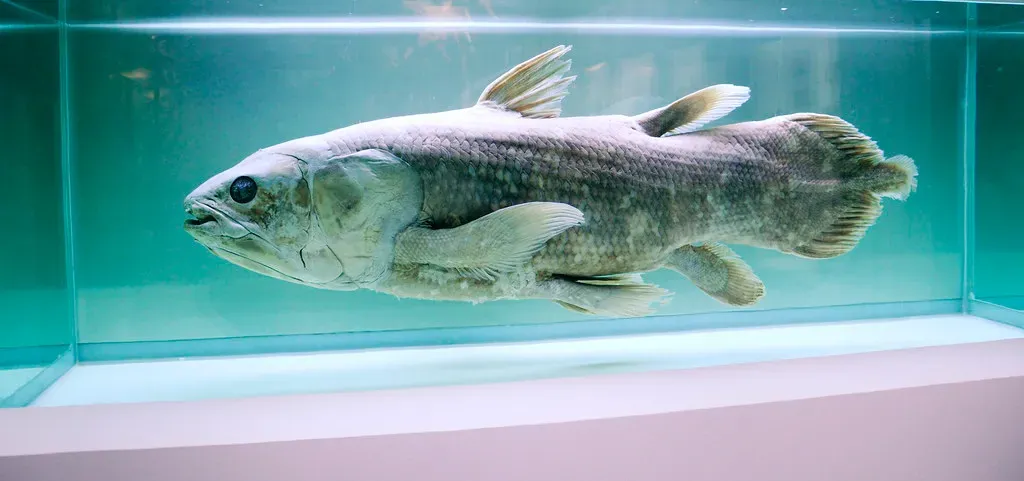
If you had asked any marine biologist before 1938 whether the coelacanth was alive, the answer would have been a firm no. Well-represented in freshwater and marine deposits from as early as the Devonian period, more than 410 million years ago, they were thought to have become extinct in the Late Cretaceous, around 66 million years ago. The shock of their rediscovery was, to put it mildly, significant.
In 1938, while perusing fishermen’s catches at a local market in Eastern Cape, South Africa, museum curator Marjorie Courtenay-Latimer discovered a freshly caught coelacanth, resurrecting a group scientists had long thought was lost to time. Its discovery over 60 million years after its supposed extinction makes the coelacanth the best-known example of a Lazarus taxon, a taxon or an evolutionary line that seems to have disappeared from the fossil record only to reappear much later.
It’s thought that adaptation to relatively stable, deep-water environments is what ultimately saved coelacanths from obliteration 66 million years ago. As well as dodging the extinction that claimed the lives of the dinosaurs, coelacanths also survived the infamous “Great Dying” – an event that wiped out approximately 90 per cent of species on Earth – and two more of Earth’s “Big Five” mass extinctions. Today, the Sulawesi coelacanth is considered vulnerable by the International Union for Conservation of Nature, whereas the West Indian Ocean coelacanth is critically endangered.
The Horseshoe Crab: Older Than the Dinosaurs
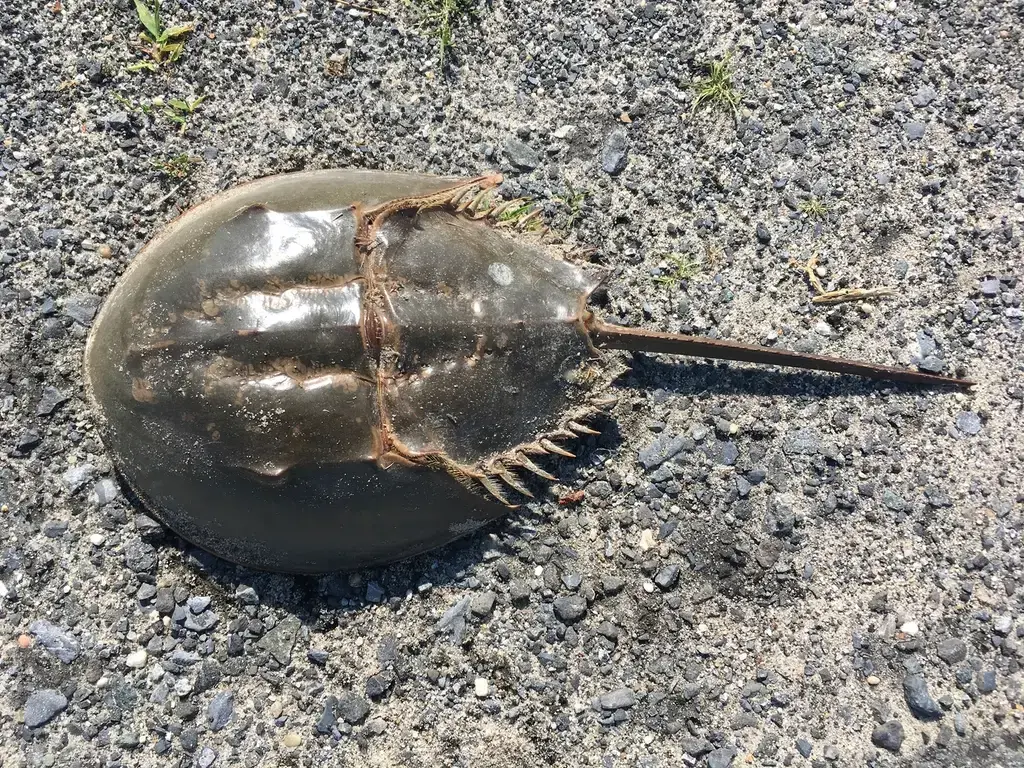
The horseshoe crab looks like a creature that belongs in a museum display, not crawling along a living beach. The horseshoe crab is a true survivor, earning its title as a “living fossil” after enduring for over 450 million years. To put that in perspective, it predates trees, the Atlantic Ocean, and virtually every large animal you’ve ever heard of.
With a lineage dating back at least 480 million years, horseshoe crabs have witnessed the rise and fall of countless species. Their unique blue blood, used in modern medical testing, makes them as valuable today as they were in ancient times. That blue blood isn’t just biologically unusual – it’s actively used in pharmaceutical testing to detect bacterial contamination in medical equipment, making this ancient animal relevant in ways its ancestors could never have anticipated.
The Tuatara: New Zealand’s Living Relic
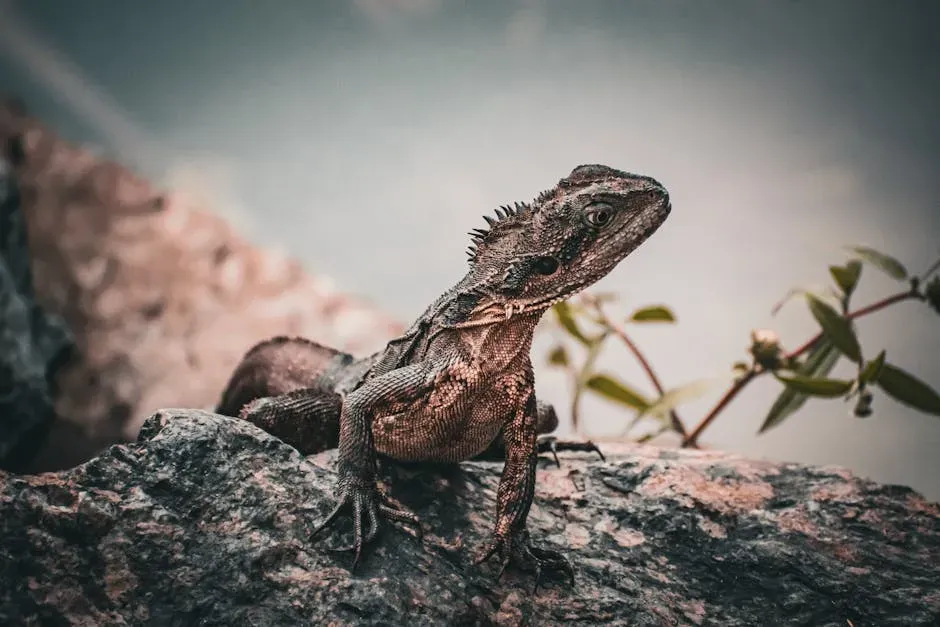
The tuatara is a unique reptile native to New Zealand, often called a “living fossil” for surviving over 200 million years. It looks like a lizard but belongs to an entirely separate reptile order called Rhynchocephalia, a group that once flourished across the entire planet before quietly disappearing almost everywhere else.
The tuatara, a reptile native to New Zealand, is the sole survivor of an ancient reptile order that dates back 250 million years. The tuatara has remained relatively unchanged since the time of the dinosaurs. Unlike its extinct relatives, the tuatara’s nocturnal habits and burrowing lifestyle offered protection from predators and harsh environments. These behaviors helped it weather environmental catastrophes that erased many other ancient reptiles. Today, conservation programs in New Zealand have helped restore its populations on predator-free offshore islands.
The Galápagos Tortoise: A Near Miss in Slow Motion
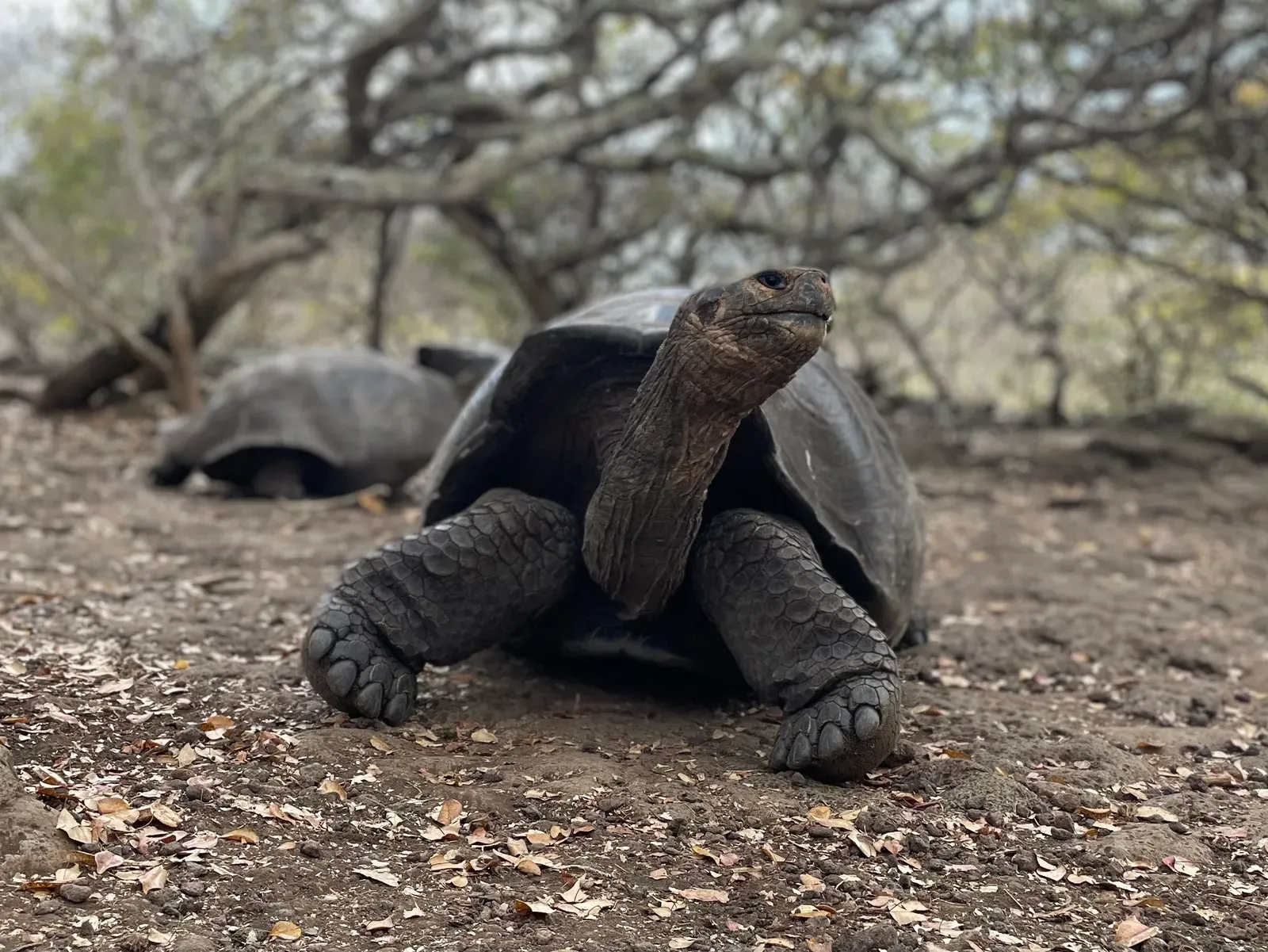
Few conservation stories are as emotionally charged as that of the Galápagos tortoise. Tortoise numbers declined from over 250,000 in the 16th century to a low of around 15,000 in the 1970s. This decline was caused by overexploitation of the subspecies for meat and oil, habitat clearance for agriculture, and introduction of non-native animals to the islands, such as rats, goats, and pigs.
Conservation efforts, beginning in the 20th century, have resulted in thousands of captive-bred juveniles being released onto their ancestral home islands, and the total number of the subspecies is estimated to have exceeded 19,000 at the start of the 21st century. In a remarkable twist, while exploring Wolf Volcano on Isabela Island, a team of National Park staff and conservation scientists encountered tortoises with saddleback shells, a physical trait of the long-extinct Floreana species. This discovery prompted an investigation that revealed these tortoises were hybrids, carrying the genetic lineage of the Floreana tortoise, which had survived and interbred with other species after being inadvertently left behind by whalers.
The Crocodile: A Survivor of the Dinosaur Age
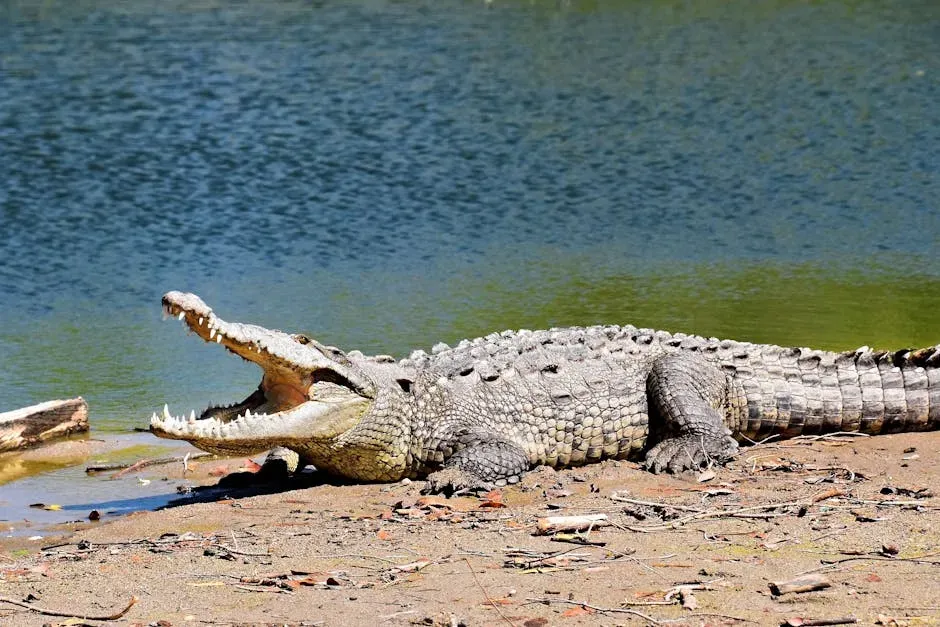
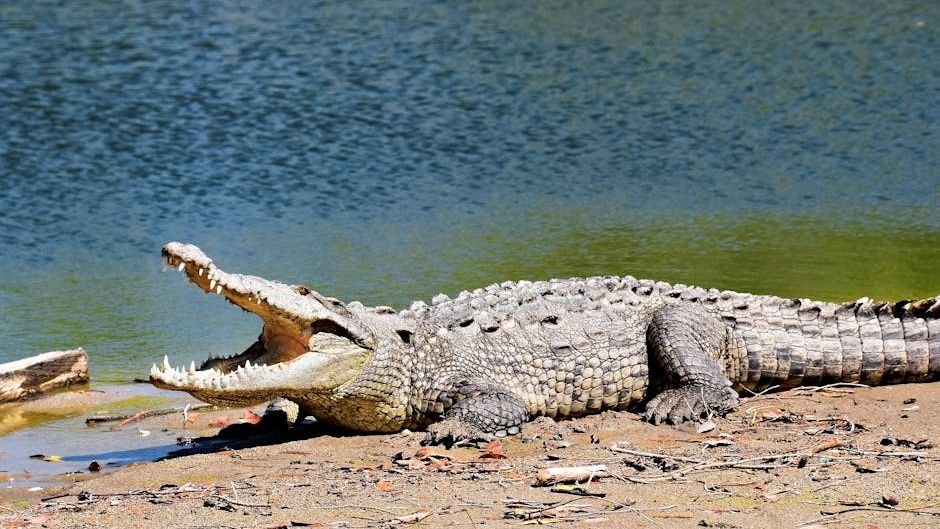
Crocodiles didn’t just survive the mass extinction that killed the dinosaurs – they barely flinched. Crocodiles are some of Earth’s most formidable survivors, having lived through the Cretaceous-Paleogene extinction that ended the reign of dinosaurs. Their formula for success is almost embarrassingly simple in hindsight.
Semi-aquatic lifestyles allowed them to find refuge in rivers and wetlands, while their cold-blooded metabolism enabled them to survive long periods without food. There are more than two dozen species of crocodilians alive today, including true crocodiles, alligators, caimans and gharials. These extant crocodilians share a common ancestor that lived alongside the dinosaurs in the Late Cretaceous, about 80 million years ago. This common ancestor looked a lot like today’s crocodilians and, like them, spent most of its time hanging out at the water’s edge, soaking up the sun and waiting for unsuspecting prey.
The Shark: 400 Million Years of Evolution
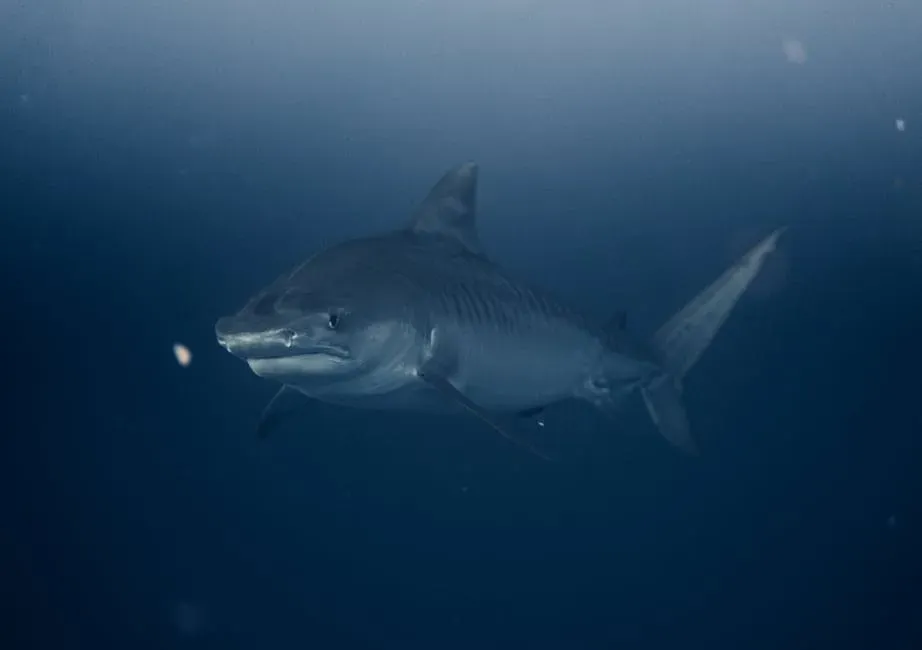
Sharks existed before trees, before amphibians colonized dry land, and before the continents drifted to anything resembling the map you recognize today. Sharks have prowled Earth’s oceans for over 400 million years, surviving several mass extinctions by constantly evolving. Their secret to longevity lies in their diverse forms and feeding strategies, allowing them to exploit a wide range of ecological niches.
Some, like the ancient Greenland shark, can live for centuries, further demonstrating this lineage’s remarkable adaptability. From coastal shallows to the deep sea, sharks continue to thrive – testament to their evolutionary ingenuity. Though you might assume a creature this ancient would be immune to modern threats, many shark species today face serious pressure from overfishing and finning, which makes their continued survival far less certain than it was even a century ago.
The Mountain Pygmy Possum: Found in a Cave, Alive in the Alps
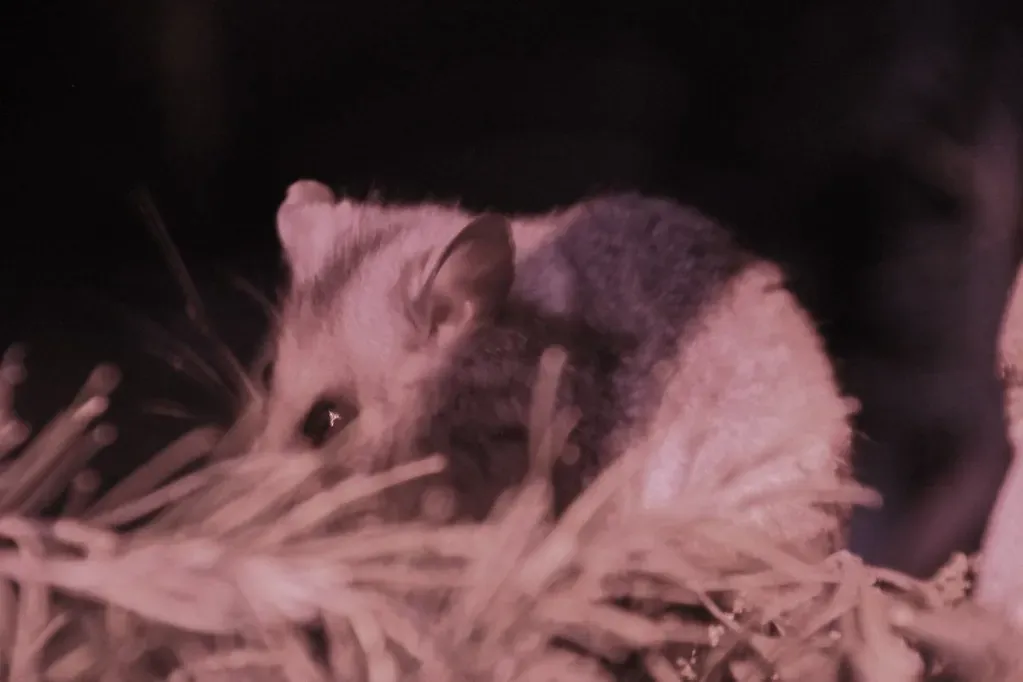
The mountain pygmy possum spent over 70 years being classified as a fossil. It’s a four-inch-long member of the possum family that holds the distinction of being the only known hibernating marsupial in existence. However, this existence was in question for more than 70 years. The first evidence of the mountain pygmy possum was a fossilized jawbone found in the Wombeyan cave system in 1895.
The mountain pygmy possum was first discovered in the fossil record in 1895 and rediscovered alive in 1966. The mountain pygmy possum is the only marsupial in the world known to store food and hibernate for extended periods. It is also the only Australian mammal adapted to live exclusively in the alpine zone. Its survival today remains precarious, as warming alpine temperatures continue to shrink the snowpack it depends on for winter hibernation.
The Pygmy Long-Fingered Possum and the Ring-Tailed Glider: Rediscovered in 2026
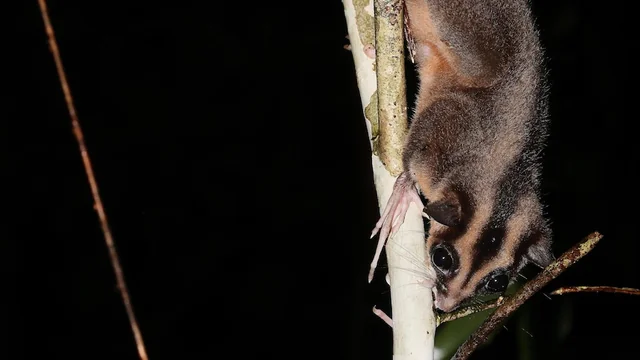
In one of the most remarkable wildlife discoveries of recent memory, two marsupial species thought lost to prehistory were confirmed alive in early 2026. Both the pygmy long-fingered possum and the ring-tailed glider were believed to have disappeared more than 6,000 years ago, which makes them rare examples of Lazarus species, named after a biblical figure who was brought back to life.
The pygmy long-fingered possum and the ring-tailed glider are what researchers call “Lazarus taxa,” meaning they are animals that vanish from the fossil record and seem to go extinct for an extended period before reemerging as living species. Their recent discovery was possible thanks to Indigenous communities in Papuan Indonesia that helped researchers track down the animals. Specifically, the researchers collaborated with local elders from the Tambrauw and Maybrat clans. The pygmy long-fingered possum uses its specialized ears and long digits to hunt for grubs in rotting wood. Their rediscovery is a vivid reminder that remote forest systems still hold secrets science hasn’t catalogued.
The Nautilus: Survivor of Five Mass Extinctions
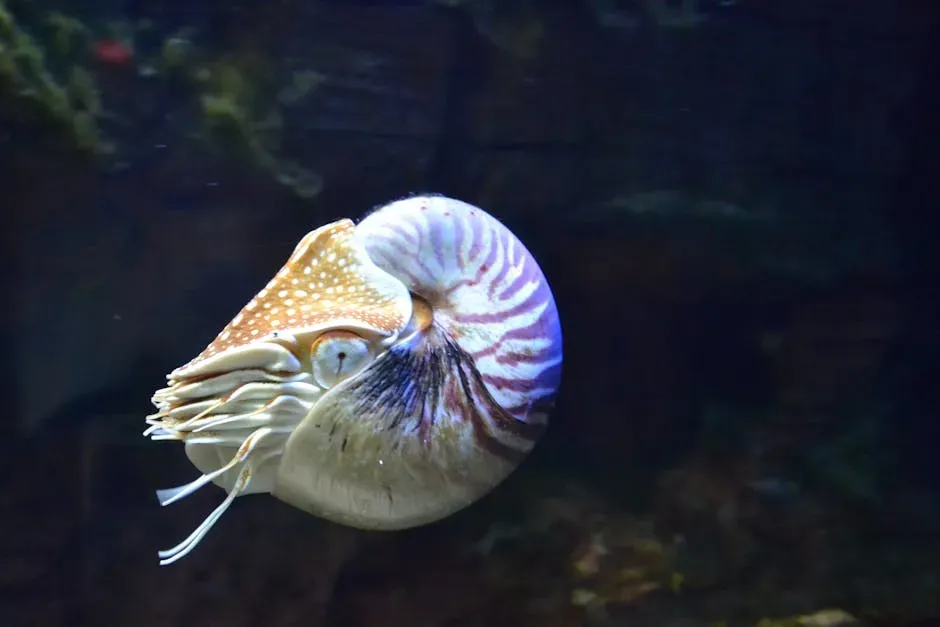
The nautilus carries its home on its back and has done so, virtually unchanged, for hundreds of millions of years. Its coiled, chambered shell provides protection and buoyancy, allowing it to thrive in deep-ocean habitats far from surface upheavals. This strategy helped the nautilus survive mass extinctions that eliminated close relatives like the ammonites.
While ammonites, closely related shelled cephalopods, ultimately met their end, the nautilus remains a symbol of resilience – and a reminder of life’s ability to adapt and endure. The depth of the ocean acted as a buffer, insulating nautilus populations from the surface-level chaos that wiped out so many other species. Today, however, nautilus populations face growing pressure from unregulated shell harvesting, a threat their evolutionary history offered no preparation for.
The Lystrosaurus: Ruler of the Aftermath
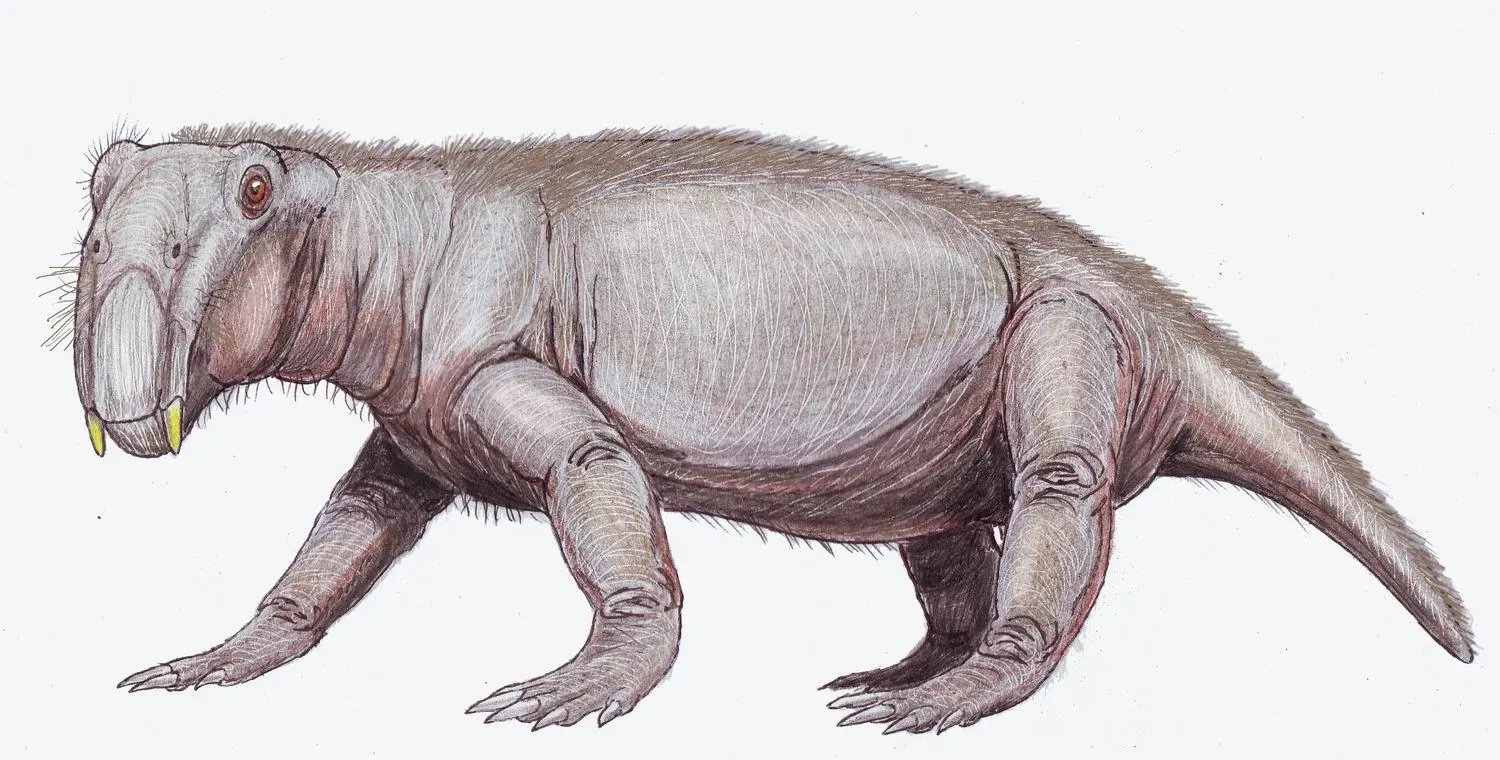
The Lystrosaurus didn’t just survive a mass extinction – it dominated the world that came after. The Lystrosaurus is one of the most remarkable prehistoric creatures ever discovered. Living around 250 million years ago, this stocky, tusked reptile became one of the few animals to survive the world’s largest mass extinction event – the Permian-Triassic extinction, which wiped out nearly 90% of Earth’s species.
The Lystrosaurus is believed to have been a burrowing and herd-dwelling animal. Fossil evidence suggests it dug burrows to escape extreme heat or cold. It likely lived in herds for protection and to find food together. Rapid juvenile growth helped them mature quickly, ensuring survival in harsh conditions. This reproductive strategy allowed populations to rebound quickly after the mass extinction. In the empty world left behind by the Great Dying, the Lystrosaurus had virtually no competition – a lucky circumstance that may well explain its extraordinary comeback.
Conclusion: Life Has a Long Memory

What you’ve read here is not a collection of flukes. It’s a pattern. Life, when pressed into corners, finds ways to persist that no single extinction event can fully predict or prevent. The deep ocean, isolated islands, alpine hideaways, and ancient rainforests have all served as refuges for creatures the rest of the world assumed were gone.
The species that fall into the Lazarus taxa category tend to share one key attribute – elusiveness. These animals are either vanishingly rare, or simply very hard to find. That elusiveness has been their shield. Perhaps the most honest takeaway is this: the absence of evidence is not the evidence of absence. There may well be other survivors out there, waiting quietly in the parts of the planet we haven’t yet looked closely enough to see.