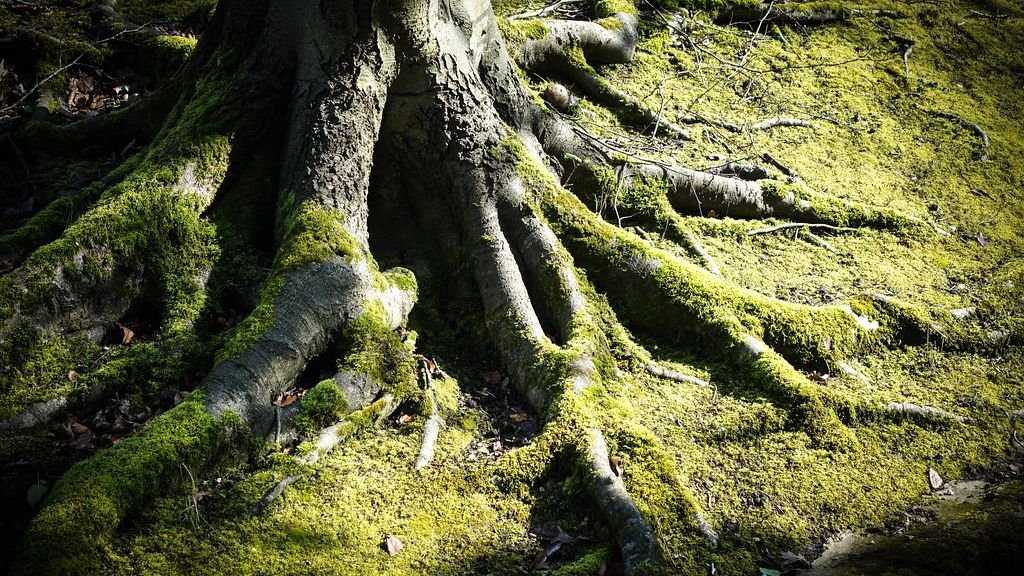

If you walk through a forest and listen closely, it can feel like the trees are holding their breath, keeping a secret they’ll never share. But below the fallen leaves and moss, there’s a constant murmur of activity: messages traveling, resources flowing, alliances forming and sometimes even quiet battles unfolding. The forest floor is not just dirt; it’s more like a crowded subway network at rush hour, only the trains are made of fungi and the passengers are carbon, water, and chemical signals.
For a long time, we looked at trees as lone giants, standing in isolation and battling for light and water on their own. In the last few decades, research has slowly flipped that story on its head. We now know forests behave a lot more like communities than battlefields, shaped by cooperation as much as competition. Once you understand this silent language underground, a walk in the woods never feels the same again – you start to sense the invisible threads tying everything together.
The Hidden Network Beneath Your Feet
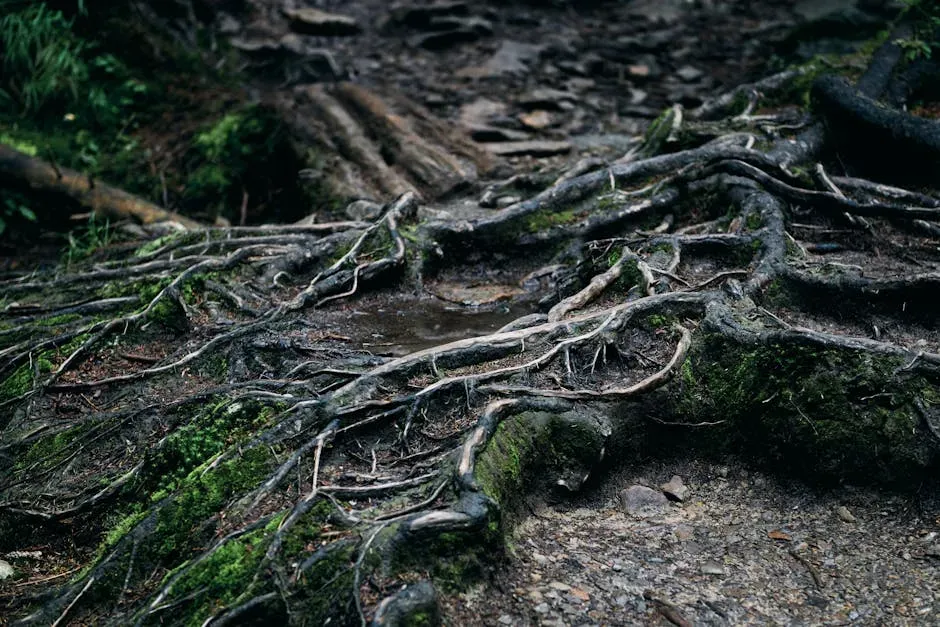
Here’s the startling truth: every time you step into a forest, you’re standing on a living network that stretches in all directions like an underground internet. Roots from different trees and plants are woven together with thin fungal threads called mycelium, forming what scientists often call mycorrhizal networks. These networks connect species across the forest floor, allowing resources and signals to move from one plant to another, even if their trunks stand meters apart.
If you could peel back the soil like a carpet, you’d see a dense mesh of white, hair-like strands branching in every direction. They slip between soil particles, wrap around roots, and stretch toward pockets of water and minerals that roots alone could never reach. It’s a bit like discovering that your quiet neighborhood is actually wired with high-speed fiber-optic cables, and everyone’s been sharing bandwidth the whole time – you just couldn’t see it.
Fungi as the Forest’s Communication Cables
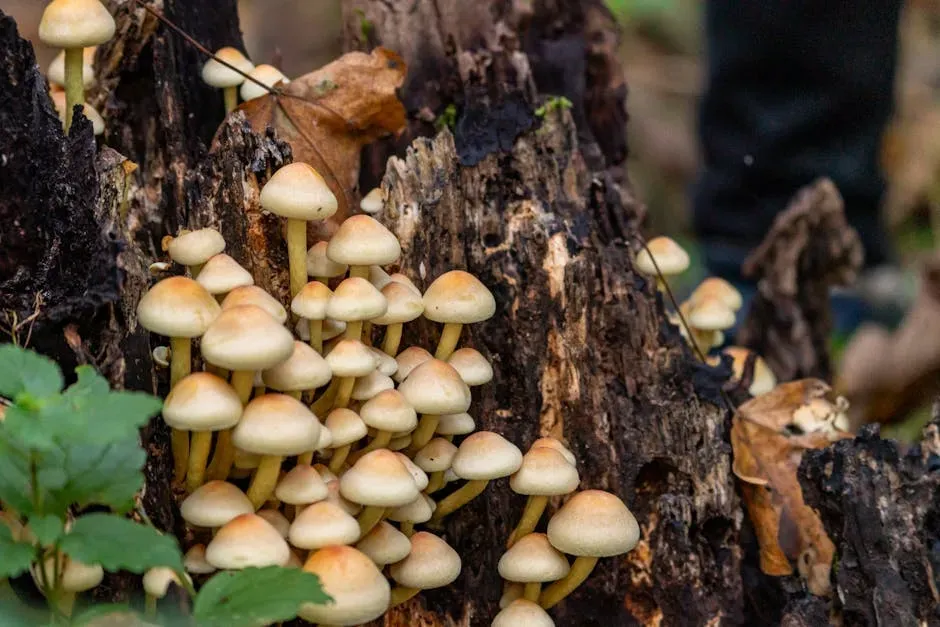
Fungi are the unsung engineers of the forest, building and maintaining the infrastructure that makes this silent language possible. The mycelium that spreads through the soil acts like a set of physical cables, connecting many different plants into one shared system. Through these threads, trees can send carbon, nitrogen, and even warning signals, much faster and more efficiently than if every root had to fend for itself.
What’s especially wild is how finely tuned this cooperation can be. A single fungal network can hook up dozens of trees, even mixing different species like birch, fir, and maple into one shared web. In return, the fungi receive sugars from the trees, paying their “internet bill” with the energy captured from sunlight. It’s not a charity; it’s a trade deal. And like any busy cable network, this fungal web can reroute, strengthen, or weaken connections over time as conditions shift.
Sharing Food: How Big Trees Support the Small

One of the most moving discoveries about forest networks is that big, established trees can help feed smaller or shaded ones. Through the mycorrhizal network, older trees often move extra carbon and nutrients toward young saplings or stressed neighbors that can’t photosynthesize enough to survive on their own. You could think of it like an underground family support system, where the elders help keep the kids alive during rough seasons.
In some forests, seedlings that would normally die in dense shade can hang on because they’re plugged into this shared supply. Carbon captured by a sunlit giant can end up nourishing a sapling that barely sees the sky. It’s not that trees suddenly become kind-hearted heroes; rather, the network seems to favor stability and resilience. A forest with living, growing young trees is better for everyone – including the fungi – than one where entire generations fail to get started.
Warning Systems: When Trees Signal Danger
Forests don’t just share food; they also spread the word when trouble shows up. When a tree is attacked by insects or disease, it can release chemical signals through its leaves into the air and through its roots into the fungal network. Neighboring trees that receive these signals sometimes respond by boosting their own defenses – thickening their leaves, producing bitter or toxic compounds, or shifting how they allocate resources.
Imagine one tree under attack acting like a neighbor who knocks on all the doors on the street, shouting that there’s a burglar around. The others might start locking their windows, turning on lights, and being harder targets. Underground, this warning system doesn’t feel emotional in the human sense, but it does build something like shared awareness. The result is that pests arriving at a forest edge may find many trees already “on alert,” rather than easy, unprepared hosts.
Competition vs Cooperation: A Forest’s Quiet Politics
It’s tempting to romanticize all of this and assume forests are peaceful utopias where every tree helps every other tree all the time. Reality is more complicated and, frankly, more interesting. Trees do compete fiercely for light, water, and space, especially in dense stands. Some species use the very same networks that enable cooperation to get the upper hand, hogging nutrients or chemically suppressing their rivals through the soil.
So the underground network isn’t purely kind or cruel – it’s a stage where both cooperation and competition play out. Sometimes one tree benefits while another loses, sometimes both gain, and sometimes the fungi take a bigger share than either would prefer. It’s closer to a complex economy than a fairy tale: deals, subsidies, hidden costs, occasional sabotage, and a lot of give-and-take that shifts across seasons, droughts, storms, and disturbances.
Mother Trees and the Limits of the Metaphor
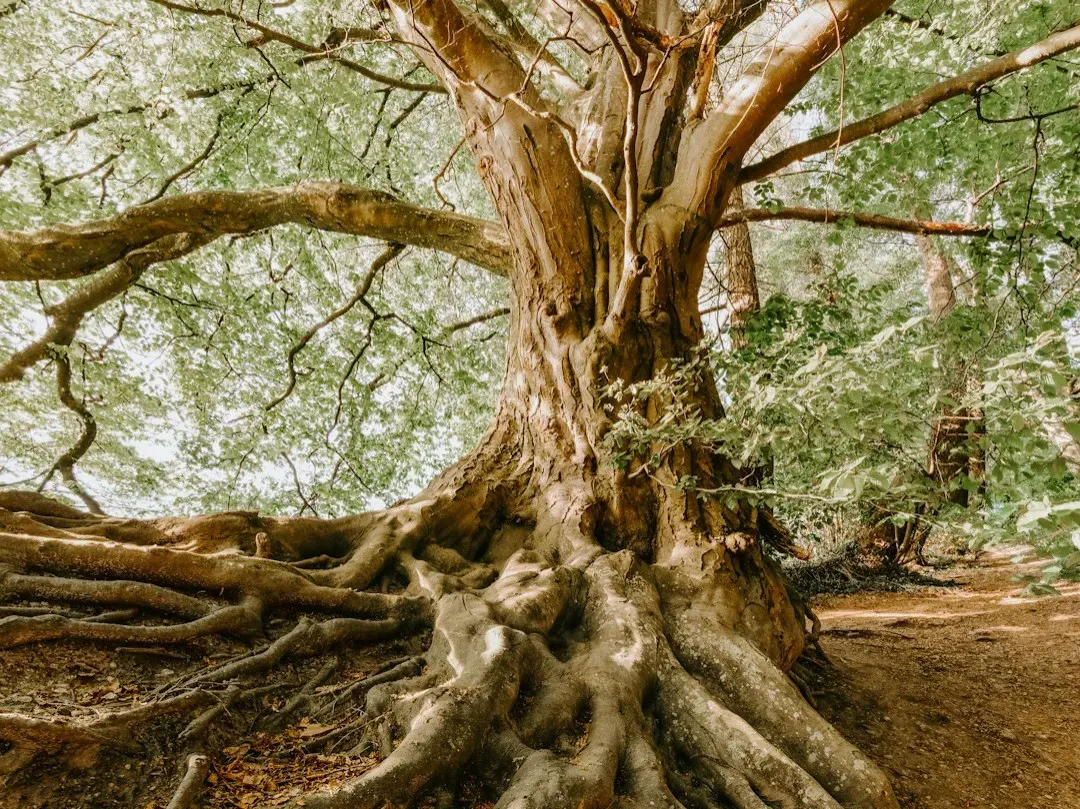
The idea of so-called “mother trees” has captured the public imagination: large, older trees that act as central hubs in the network and support younger ones. Research has indeed shown that big, mature trees often have more connections and can channel substantial resources underground. They can play a stabilizing role, especially after events like logging or storms, by helping remaining trees and seedlings recover.
But it’s important not to push the metaphor too far. While calling them “mothers” makes the concept more relatable, we don’t have proof that trees feel parental care the way humans do, or that they consciously choose to help. What we do see is that big trees with broad crowns and deep roots naturally become major resource donors simply because they capture more light and water. They become hubs in the network because of their size and position, not because they make emotional decisions – though the outcome can still feel strangely nurturing to us.
Do Trees Really “Talk”? Being Honest About the Science
All of this leads to a tricky but honest question: are trees actually communicating, or are we just projecting our own language onto them? Scientists often use words like “signals” and “information transfer” because they describe real, measurable changes passing between organisms. A chemical compound released by one tree and detected by another can change how that second tree behaves, which is basically what communication is.
At the same time, there’s still debate about just how coordinated, intentional, or widespread some of these processes are. Some findings are strong and well-replicated; others are still being tested, challenged, or refined. So it’s safer to say that trees and fungi exchange signals and resources in ways that influence each other’s survival, rather than claiming they hold conversations like characters in a fairy tale. The reality is quieter and more mechanical – but no less astonishing.
Why Forest Communication Matters for Climate and Resilience
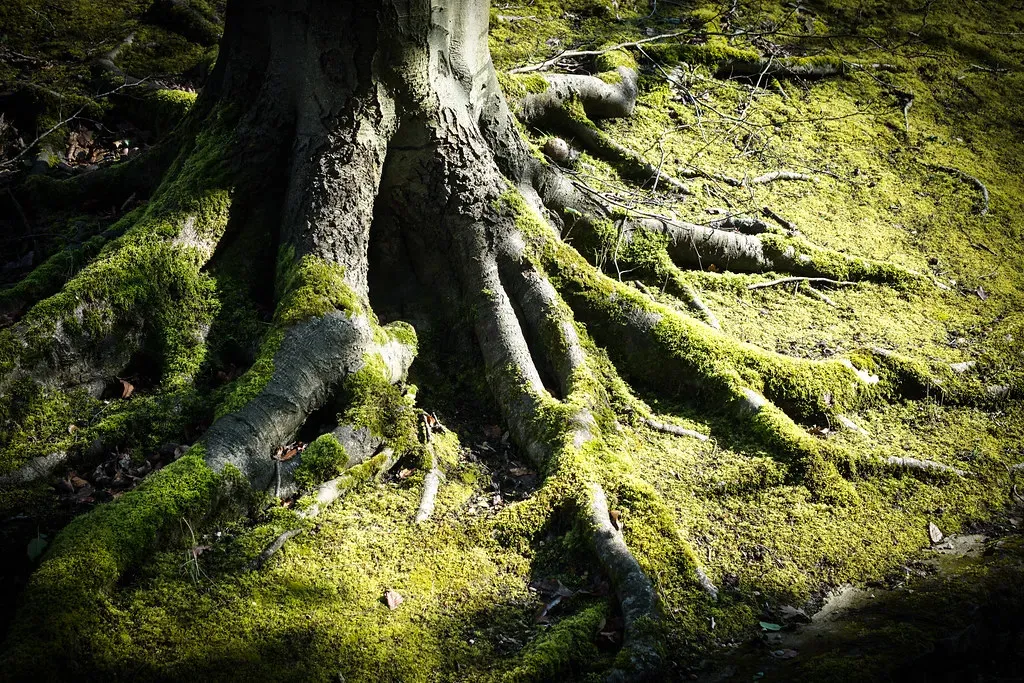
This underground language isn’t just a cool curiosity; it shapes how forests handle stress in a warming, rapidly changing world. When trees can share resources and warnings, they may be better able to recover from droughts, pest outbreaks, and heat waves. A connected forest can redistribute water and nutrients to where they’re needed most, helping prevent pockets of total collapse and buying time for recovery.
These networks also play a role in how much carbon forests can store and for how long. Fungi are major players in moving and locking away carbon in the soil, and their relationships with trees influence how fast that carbon cycles. Protecting old forests, with their deeply established networks, becomes not just a matter of aesthetics or nostalgia, but a practical tool in buffering climate change and preserving stable ecosystems that we depend on more than we admit.
How Logging and Fragmentation Disrupt the Forest Web
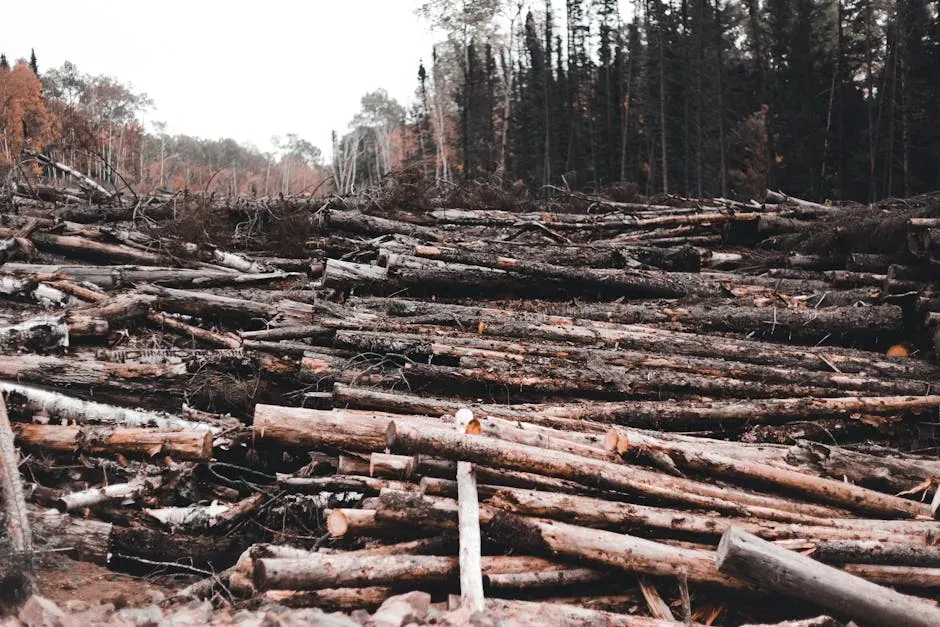
When we clear-cut a forest or break it into scattered fragments with roads, farms, and developments, we don’t just remove trees; we tear through the underground web that connects them. Big, central hub trees are often the first to go, which can collapse or weaken entire sections of the network. Fungi that depend on long-term partnerships with multiple trees can decline sharply, making it harder for new seedlings to get the boost they need to survive.
Even selective logging or thinning, if done without care, can alter which fungi dominate, which trees stay connected, and how resources flow. Over time, a forest that looks “fine” above ground – still green, still filled with trunks – might be running on a damaged or simplified network below. That can mean less resilience to future shocks, slower recovery after disturbance, and a quiet loss of the complex underground society that took centuries to build.
What This Changes About How We Walk in the Woods
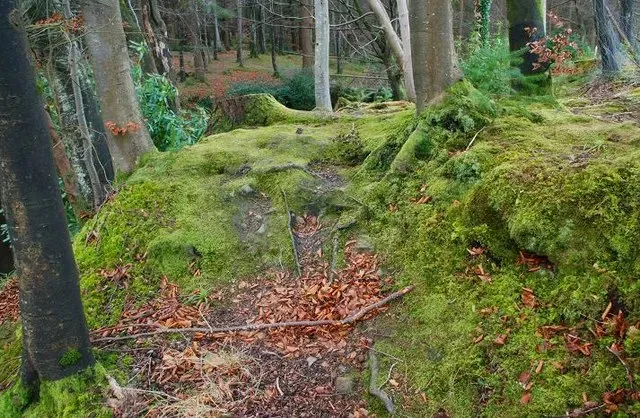
Once you know about the silent language beneath your boots, it’s almost impossible to walk in a forest the same way. Each tree stops feeling like an isolated column and starts to seem more like a visible tip of a hidden iceberg, plugged into a vast, living web just out of sight. You start to notice patterns: clusters of saplings around big elders, mixed species growing close together, or bare patches where the network might be struggling.
On a personal level, it can shift how you feel about cutting a trail, clearing a patch, or even planting a single tree. You realize you’re not just dealing with individual plants but with connections, relationships, and long-term networks that stretch across time as much as space. There’s a kind of humility in that realization: the forest you see is only half the story, and the other half is whispering, constantly, out of sight.
Conclusion: Listening to the Quiet Genius of Forests
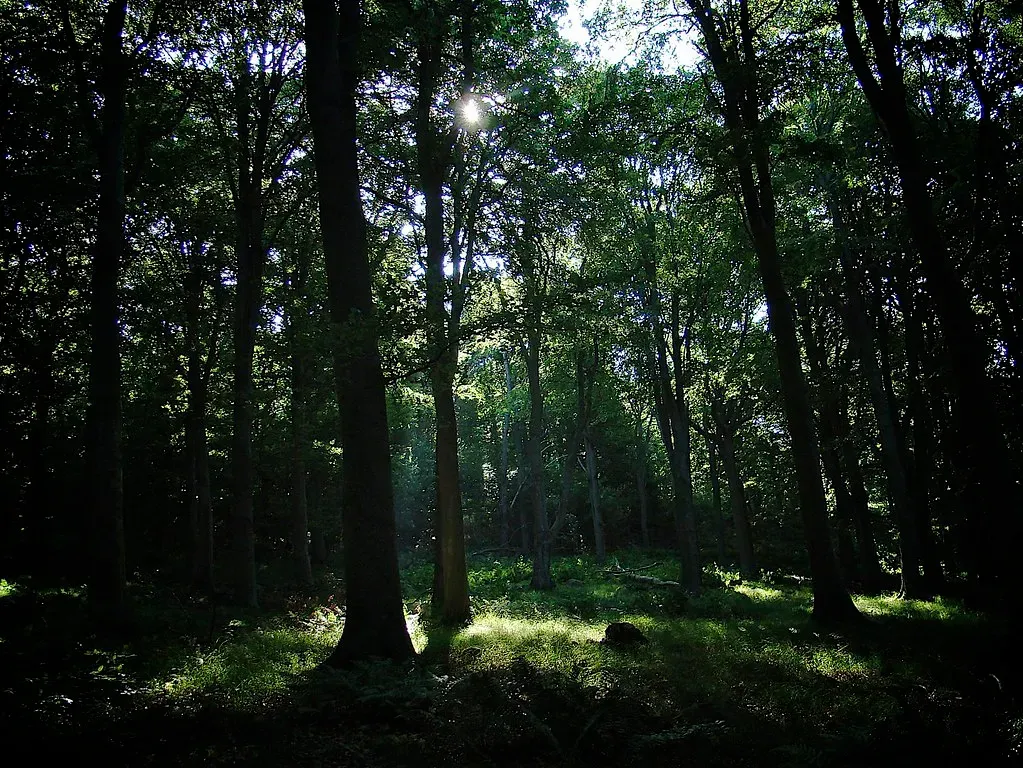
Forests have been practicing slow, silent collaboration for far longer than humans have been writing, building cities, or arguing on the internet. The underground networks they weave do not fit neatly into our categories of kindness or competition, intelligence or instinct, but they clearly create something bigger than any single tree. Seeing a forest as a living, communicating community doesn’t just make it more beautiful; it makes it feel more fragile, and more worth protecting with real care.
In the end, the silent language of trees isn’t there to entertain us – it’s there to keep forests alive in a world that constantly pushes them to the edge. The more we understand about those hidden networks, the better our chances of working with them rather than accidentally tearing them apart. Next time you step into the woods and feel that strange sense of calm, will you imagine the quiet conversations happening just below your feet – and what they might be saying about us?