If you’ve ever stared at photos from Mars or the icy moons of Jupiter and thought, “There’s no way that’s anything like Earth,” you’re in for a surprise. Our own planet hides landscapes so bizarre, so otherworldly, that they could easily pass as alien worlds in a sci‑fi movie. The wildest part? Many of them formed through the same basic forces that shape rocks and ice across the universe: erosion, volcanism, water, wind, and time.
What follows isn’t just a pretty travel wish list; it’s a tour of places where Earth stops feeling familiar. Some of these formations are dangerous, some are fragile, and some are surprisingly accessible if you’re willing to make the journey. I still remember the first time I stood in a place that felt truly alien – the silence, the strange colors, the sense that the rules of normal landscapes had been quietly suspended. These 10 formations capture that same feeling and crank it up to eleven.
1. Danakil Depression, Ethiopia – A Toxic Neon Dreamscape
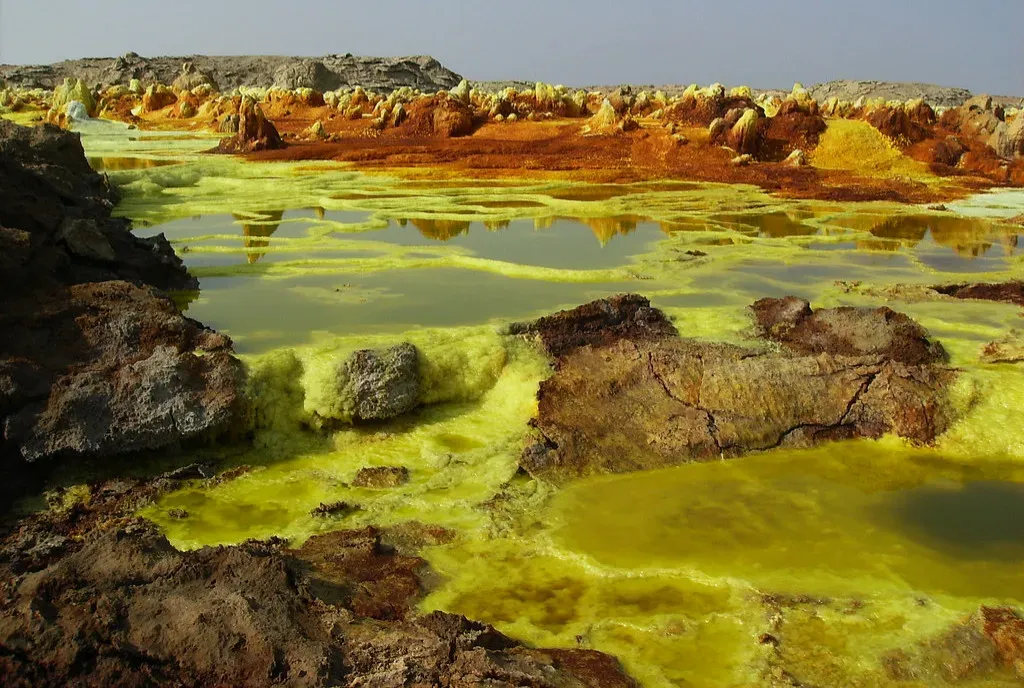
Imagine waking up on a planet where the ground boils, the air shimmers with heat, and the colors look like someone cranked up the saturation too far. That’s the Danakil Depression, one of the hottest, lowest, and most hostile places on Earth. Sitting in northeastern Ethiopia, parts of it lie well below sea level, with temperatures that often stay scorching, even at night.
Here, hydrothermal springs rich in minerals build bright yellow, orange, and green terraces that look almost painted on. Pools bubble with acidic brines, and strange salt chimneys rise out of the ground like something from a sulfuric version of another world. Volcanic activity, including nearby Erta Ale volcano with its lava lake, feeds this otherworldly chemistry set. Scientists actually come here to study how life might survive on planets like Mars, which tells you everything you need to know about how alien it feels on the ground.
2. Zhangye Danxia Landform, China – Rainbow Mountains of Stone
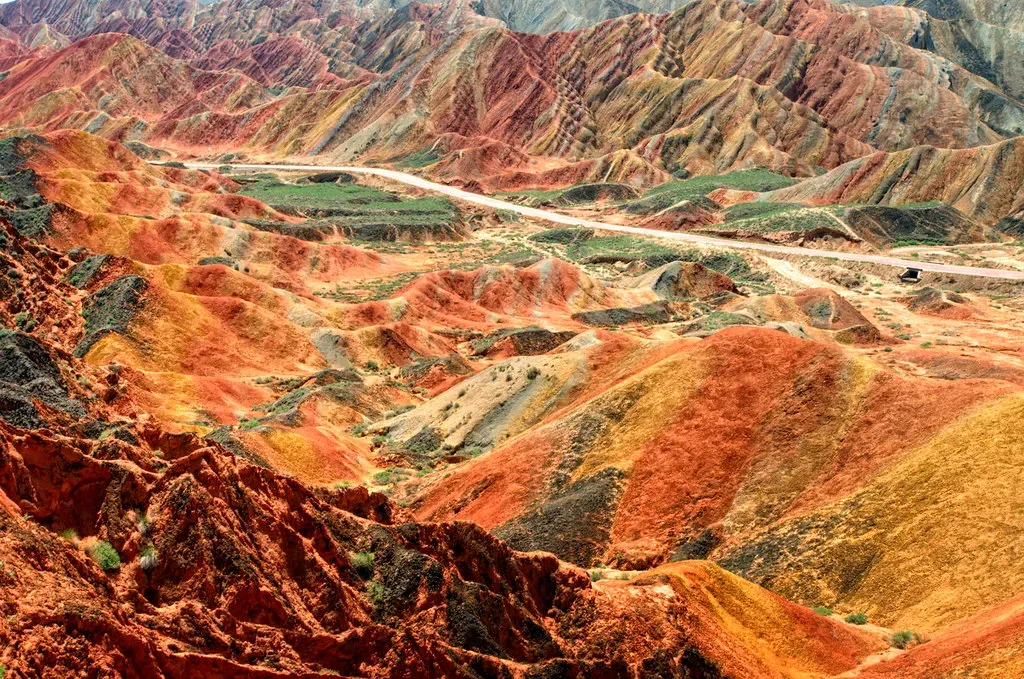
If you saw the Zhangye Danxia landform in northwest China without context, you might swear it was digitally edited. Hills and ridges roll off into the distance in bands of rusty red, soft yellow, deep orange, and even pale blue and violet. It truly looks like someone laid giant striped blankets over the mountains. But it’s all real, built slowly over tens of millions of years.
Those incredible colors come from layers of sandstone and mineral-rich sediments laid down like pages in a book, then tilted, uplifted, and sculpted by erosion. Each layer holds different minerals that oxidize and weather in their own way, creating that striped, candy-like effect. Walking the viewing platforms, you feel like you’re inside a painting that forgot it was supposed to follow the usual rules of geology. It’s proof that patience, pressure, and time can outdo any special effects team.
3. Salar de Uyuni, Bolivia – Earth’s Giant Mirror
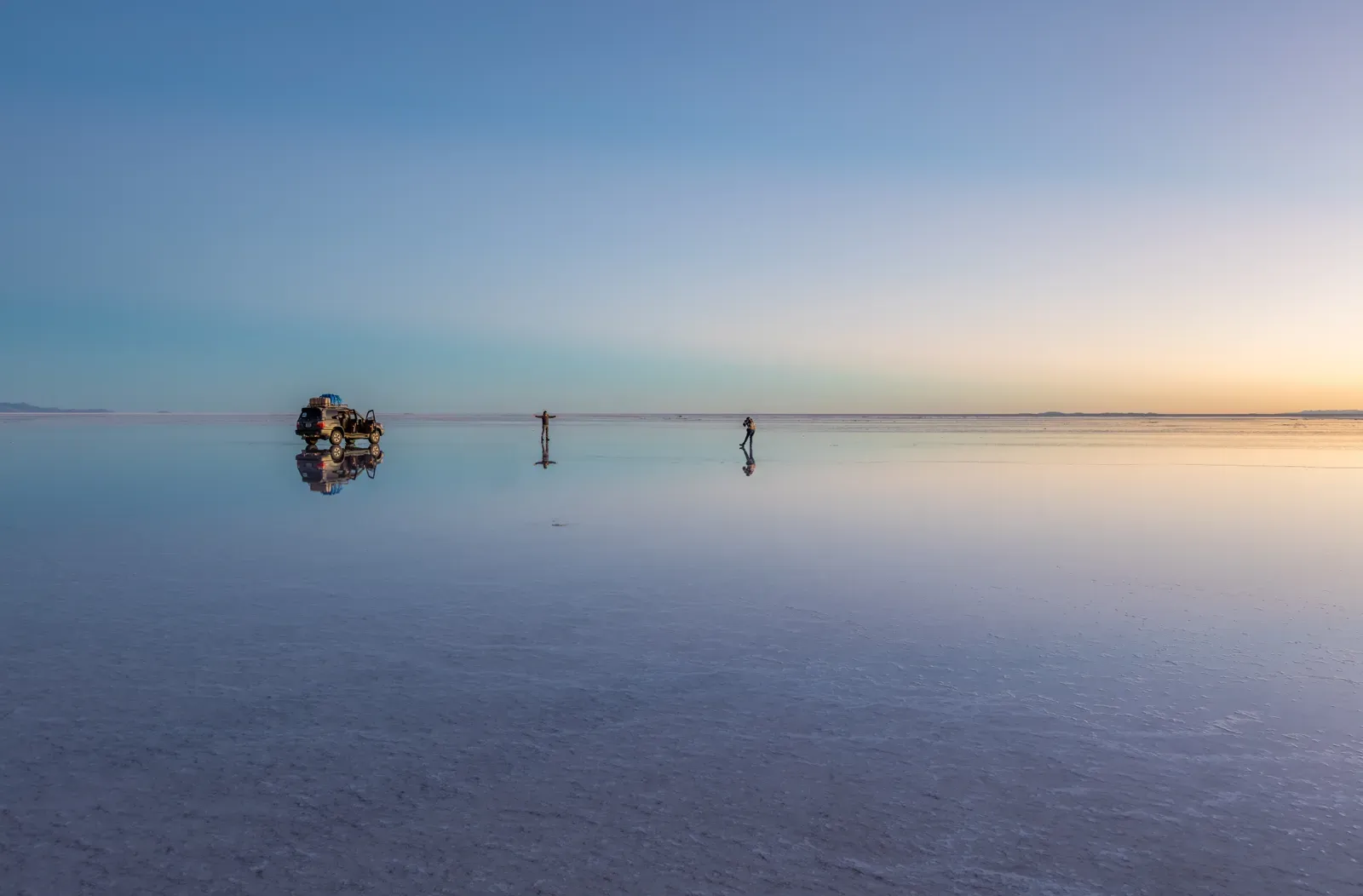
High on the Altiplano in Bolivia sits Salar de Uyuni, the largest salt flat on Earth, and one of the most surreal. In the dry season, it’s a blinding white hexagonal crust that stretches so far in every direction the horizon almost disappears. It’s easy to lose your sense of scale here; cars in the distance look like toy models, and any object seems to float on nothing.
After rains, a thin layer of water transforms the entire flat into a mirror so perfect it makes the sky look endless. People stand on what looks like the edge of the world, perfectly reflected from head to toe, as clouds drift below their feet. This strange landscape formed as ancient lakes gradually evaporated, leaving behind a staggering amount of salt and minerals. It’s not hard to imagine it as a dried-up alien ocean on some distant, silent planet.
4. Wadi Rum, Jordan – The Red Desert of “Mars on Earth”
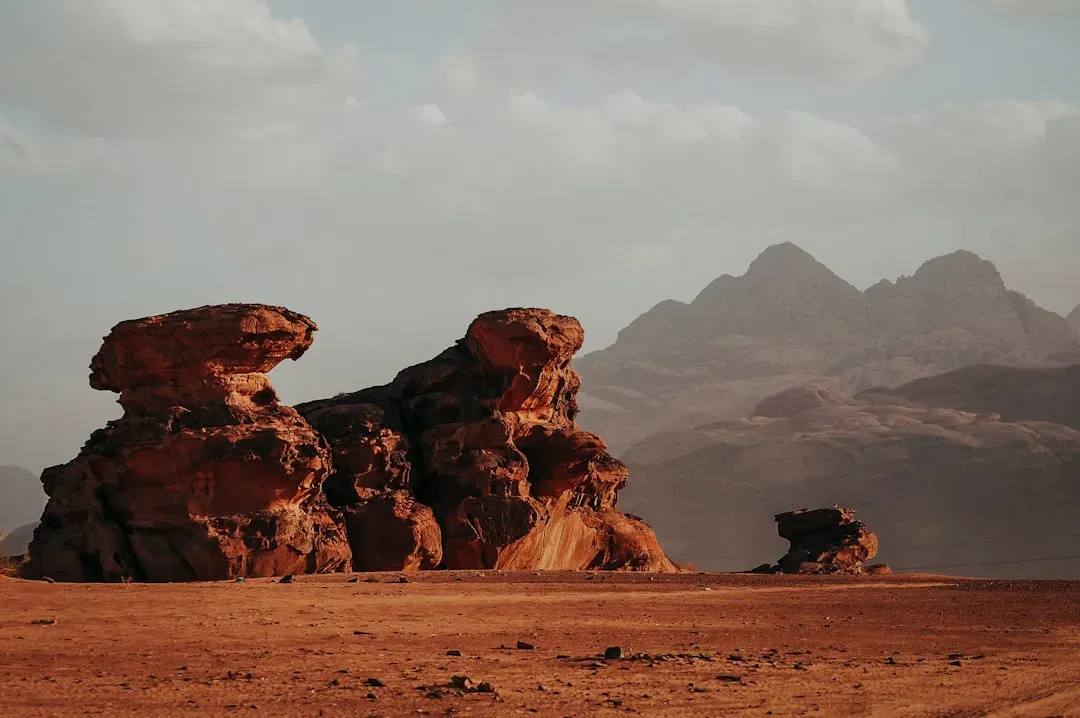
Wadi Rum in southern Jordan is so convincingly Martian that filmmakers use it to stand in for the Red Planet. Vast red sand plains are broken by towering sandstone and granite cliffs that rise abruptly, like stone ships frozen in a crimson sea. In the early morning and late afternoon, the light catches the rock in such a way that everything glows with deep reds and dusty oranges.
Wind and periodic flash floods have carved strange shapes, arches, and narrow canyons into the rock, leaving surfaces that look softly melted, almost like wax left too close to a flame. When the wind dies, Wadi Rum can fall silent in a way that feels unnerving, like sound has been switched off. Standing there with only distant rock walls and open sky, it’s easy to imagine you’ve left Earth altogether. Yet tucked into these harsh surroundings, Bedouin communities have navigated and survived here for generations, grounding the place back in reality.
5. Pamukkale, Turkey – Frozen Waterfalls of Stone
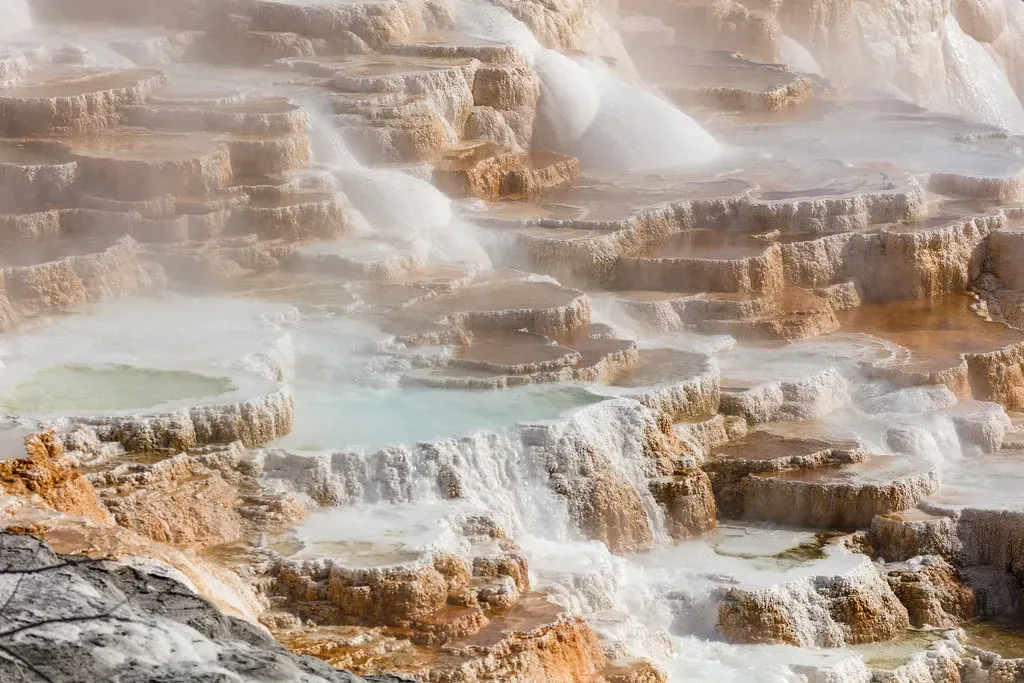
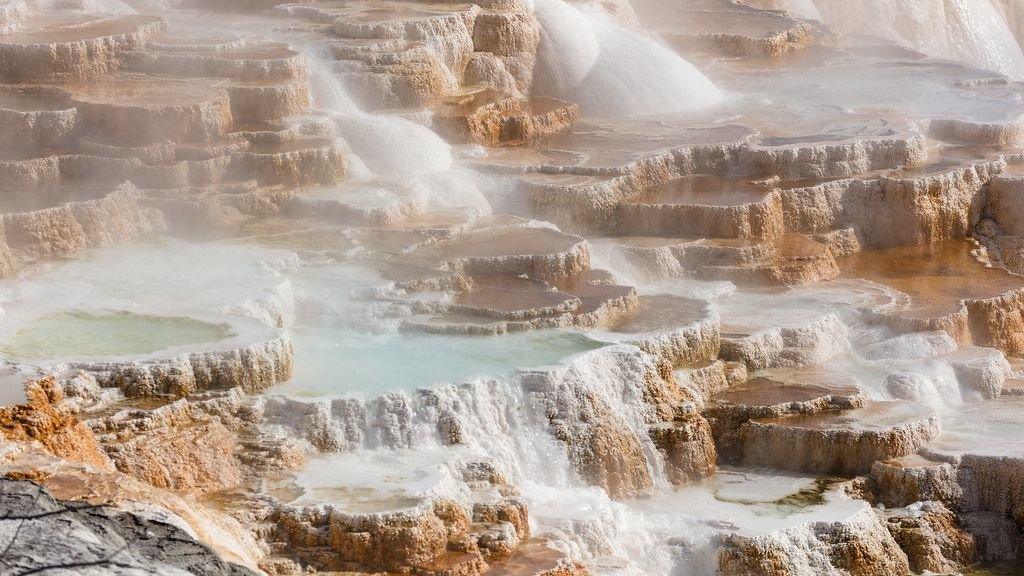
From a distance, Pamukkale in western Turkey looks like a hillside covered in pure white snow or frozen waterfalls. Get closer and you realize you’re actually walking on smooth, warm stone. Terraces of gleaming white travertine, a form of limestone, spill down the slope in layers, filled with shallow, pale blue pools that seem almost too delicate to be real.
These terraces formed as hot, mineral-rich springs slowly deposited calcium carbonate over thousands of years, building rims and shelves that trap the flowing water. The result feels strangely lunar: a stepped landscape of chalk-white basins and rounded edges, glowing softly in the sun. When you sit on the edge of a warm, milky-blue pool and look across this chalky cascade, it feels like you’ve found a spa built on some peaceful moon of a distant planet.
6. The Wave, USA – A Sandstone Illusion in Arizona
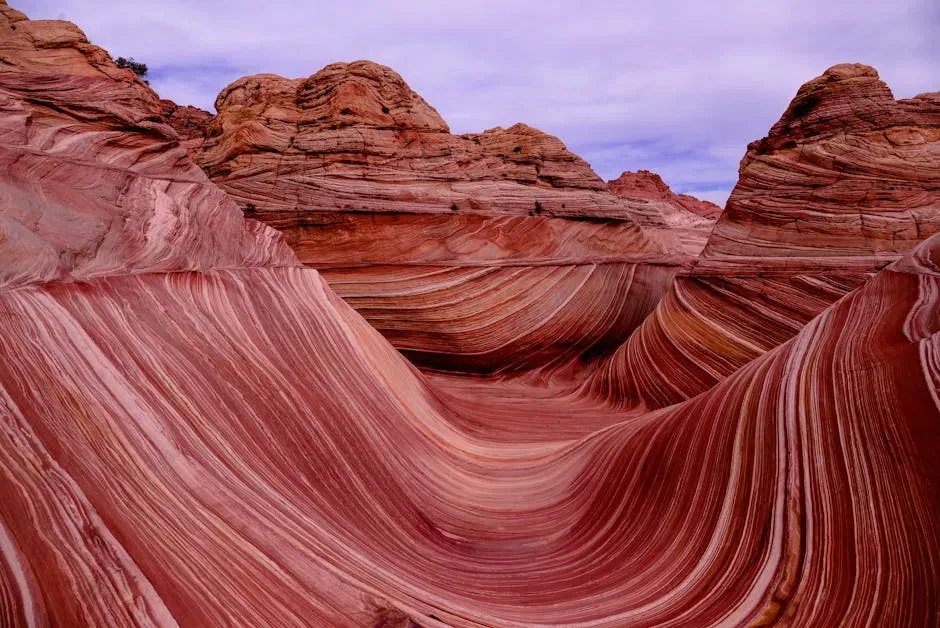
The Wave, located in the Coyote Buttes area near the Arizona–Utah border, looks more like a digital art experiment than a natural formation. Smooth sandstone has been carved into flowing, wave-like forms striped with parallel lines of red, pink, yellow, and white. When you stand inside it, the stone seems to ripple and twist around you, and your eyes keep insisting the walls are moving.
This effect comes from ancient sand dunes that turned to rock, then were sliced and sculpted by wind and water. Those curved, parallel lines are the preserved layers of those long-gone dunes. Access is tightly controlled to protect this fragile site, which honestly feels like the entrance to another dimension more than just another hiking spot. It’s one of those places where you catch yourself reaching out to touch the rock just to confirm it’s not some kind of projection.
7. Dallol Hydrothermal Field, Ethiopia – Acid Pools and Alien Colors
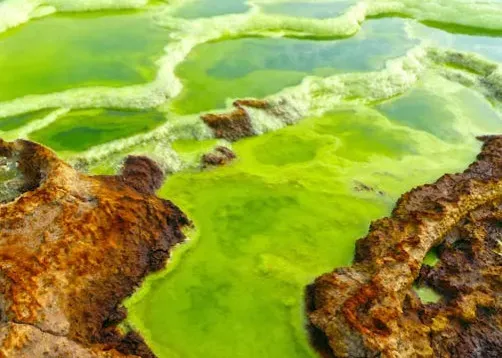
Not far from the Danakil Depression lies another fever-dream of a landscape: the Dallol hydrothermal field. The ground is broken by craters, steaming vents, and vividly colored pools that range from bright yellow to poisonous-looking green. The air often smells strongly of sulfur, and mineral formations rise up like jagged coral, even though you’re standing in the middle of a desert.
Dallol sits atop a volcanic system interacting with thick salt deposits, which creates acidic, hypersaline pools and fantastically shaped mineral crusts. The environment is so extreme that researchers debate how much microbial life can even persist here. It looks less like a place you could visit and more like a close-up of a chemical reaction happening on an alien world. If you ever doubted that chemistry alone could create landscapes that border on the absurd, this place will change your mind.
8. Bryce Canyon, USA – A Forest of Stone Spires
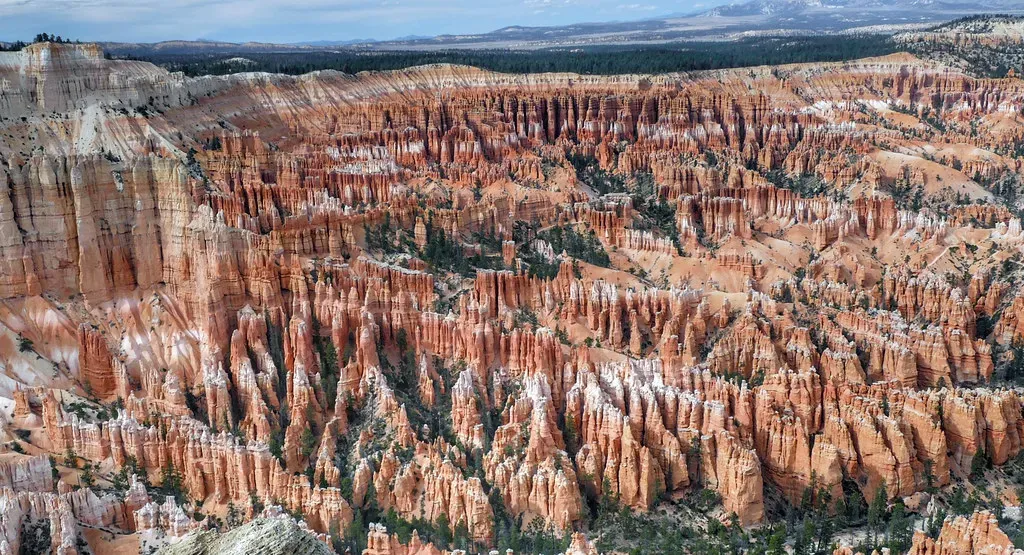
Bryce Canyon National Park in Utah isn’t a canyon in the traditional sense, but a natural amphitheater packed with towering rock spires called hoodoos. At sunrise, thousands of these orange, pink, and cream-colored pillars catch the light and seem to glow from within. The scene is strangely organic; it’s like standing at the edge of a stone coral reef frozen in mid-growth.
These hoodoos form as softer rock erodes away from between cracks and joints, leaving behind thin columns topped with harder stone caps. Snow, rain, and ice pry the rock apart over time, sculpting shapes that can look like figures, castles, or broken teeth. When mist fills the lower parts of the amphitheater, the hoodoos poke up through the fog like the ruins of some forgotten alien city. You half expect something to move among them when you’re not looking.
9. Giant’s Causeway, Northern Ireland – A Puzzle of Basalt Columns
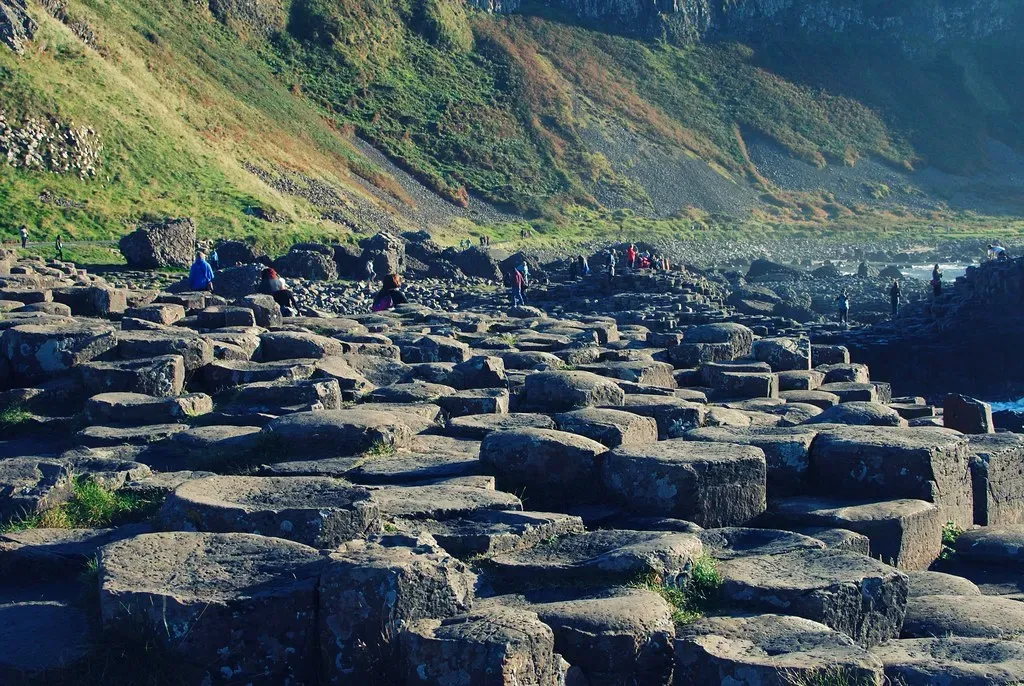
The Giant’s Causeway on the north coast of Northern Ireland looks almost engineered at first glance. Roughly shaped basalt columns, mostly hexagonal, pack tightly together like a giant stone honeycomb. Some form natural stepping stones leading out into the sea, others rise like stubby pillars, their tops polished by centuries of waves and wind.
This geometric wonder formed when lava from an ancient volcanic eruption cooled and cracked in a very particular way, similar to how drying mud splits into polygon patterns. Here, though, those cracks went deep and vertical, creating tall, many-sided columns. It’s easy to see why legends sprung up to explain it; the regular shapes feel strangely deliberate, as if some titanic builder had started paving a road to another land. Standing on those stones, with waves crashing around you, you can almost believe the world was once stitched together differently.
10. Goblin Valley, USA – A Playground of Stone “Creatures”
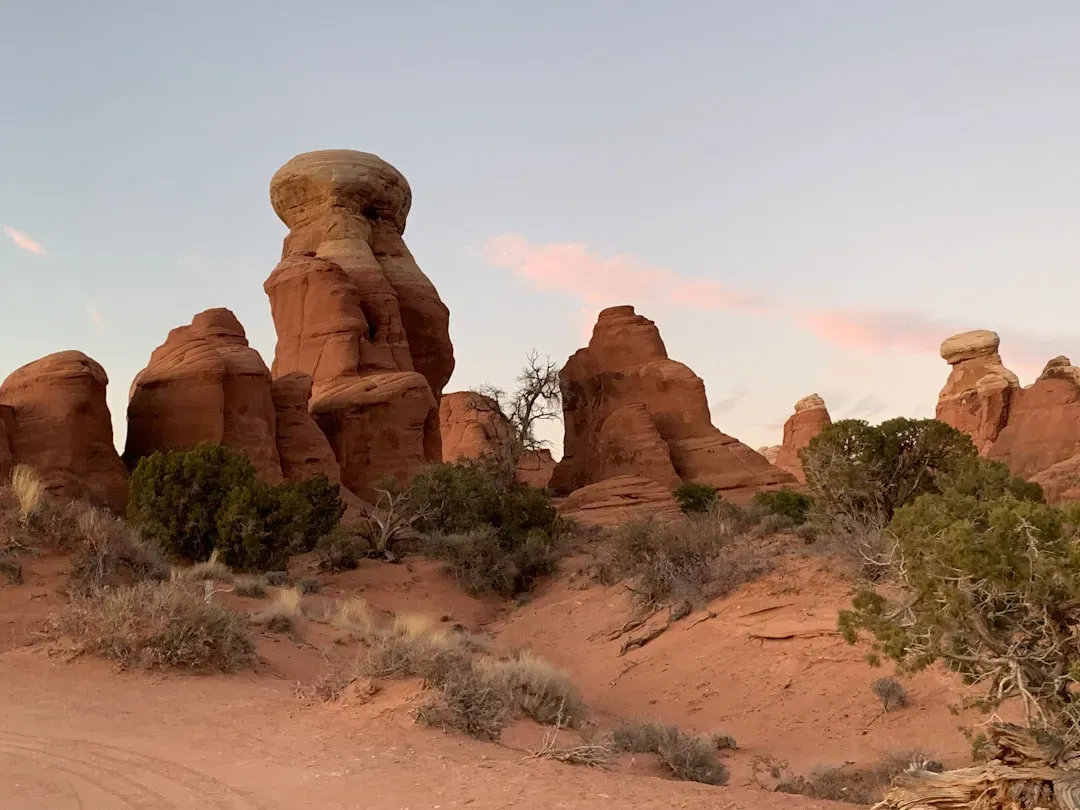
Goblin Valley State Park in Utah is one of those places that makes adults feel like kids again, partly because it looks like a playground built by a very weird architect. The valley floor is crowded with thousands of rounded, mushroom-shaped sandstone formations locals call goblins. They’re squat, bulbous, and sometimes eerily humanoid, like a crowd of frozen figures caught mid-conversation.
Wind and water erosion went to work on layers of rock with different hardness, undercutting softer material and leaving the more durable caps perched on top. The result is a landscape that feels halfway between a cartoon and the set of a low-gravity planet. When the light is low and the shadows stretch out, it can feel either charming or quietly unsettling, depending on your mood. Wandering between those “goblins,” you get that odd, delightful sense that Earth had a playful day and decided to get weird just for fun.
Conclusion: Earth, Our Very Own Alien World
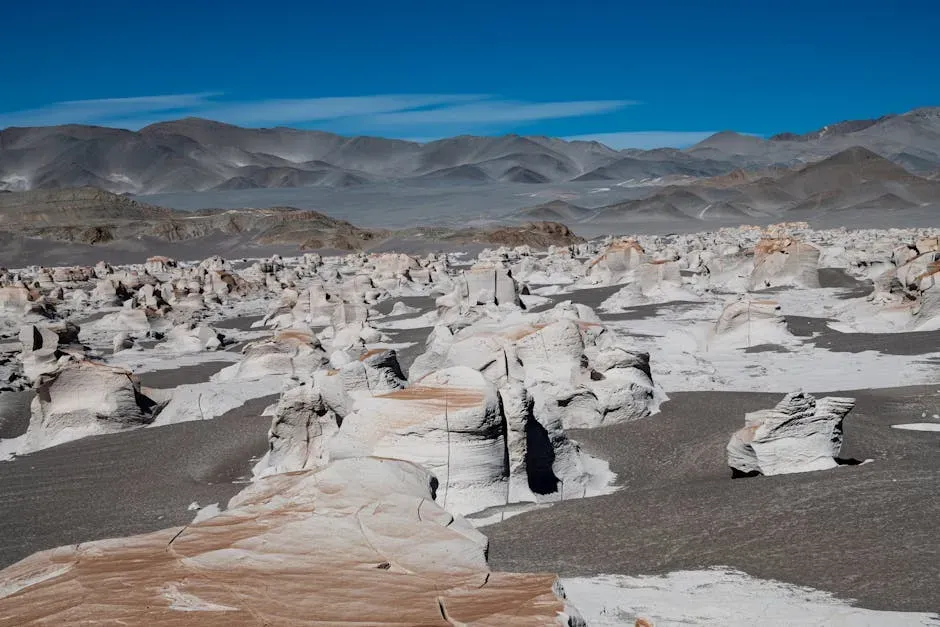
Looking at these places together, it’s hard not to feel a bit humbled. We spend so much time imagining exotic worlds far beyond our solar system that we sometimes forget how strange and varied our own planet already is. From boiling neon pools and rainbow mountains to stone forests and giant salt mirrors, Earth keeps proving it can outdo our wildest sci‑fi concepts with nothing but rock, water, heat, and time.
What strikes me most is how these alien-looking formations are born from the same basic physics and chemistry that shape landscapes across the universe. Visit any of them in person and you feel it instantly: that mix of awe, smallness, and curiosity that makes you see the world differently when you get back home. Maybe we don’t have to wait for a ticket to Mars to feel like explorers on a foreign world. The real question is, which of these alien corners of Earth would you dare to stand in first?