
Walk outside and it looks like chaos at first glance: tangled branches, shifting clouds, waves crashing in no particular order. But the longer you stare, the more you start to see it – repeating shapes, familiar rhythms, the same curves and spirals echoing from the tiniest shells to the biggest galaxies. It feels almost like the world is secretly organized by a quiet, invisible script.
That script is pattern. Nature leans on a handful of recurring designs – spirals, branches, waves, mosaics – and reuses them everywhere, from your lungs to river deltas. These patterns are not just pretty wallpaper; they’re nature’s solutions to real problems like efficiency, stability, growth, and communication. Once you start spotting them, it’s hard to stop, and it changes the way you see almost everything.
The Hidden Mathematics of the Natural World
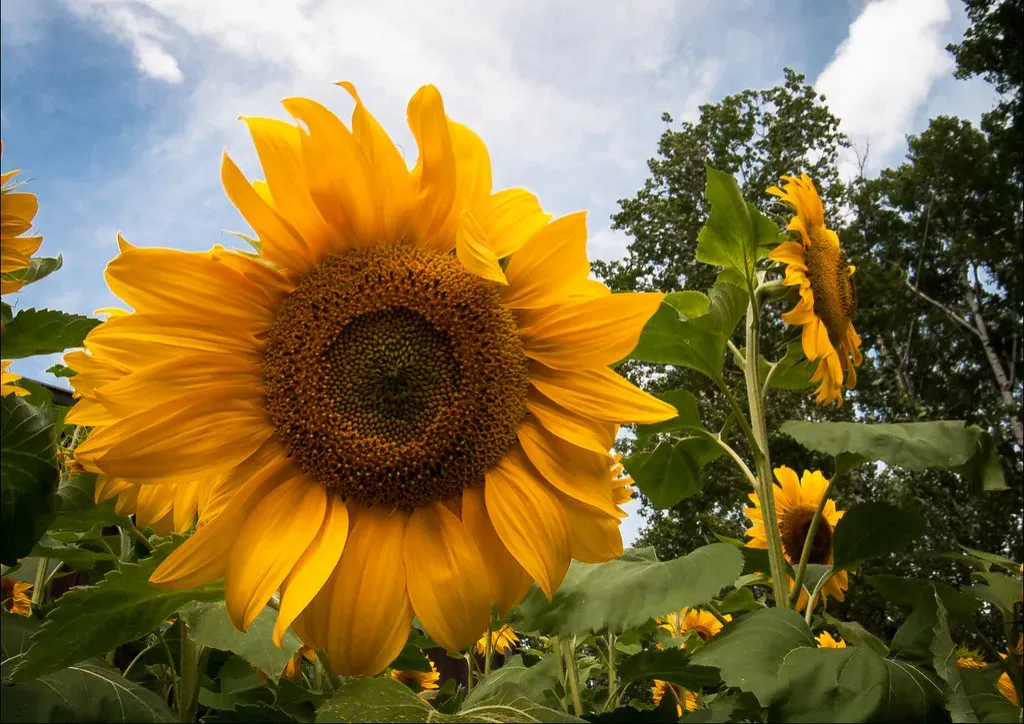
Have you ever picked up a pine cone or stared at a sunflower and had the eerie sense that the arrangement was somehow too perfect to be random? That’s not your imagination; many of these arrangements follow mathematical patterns, like the Fibonacci sequence and geometric progressions. You see these in the way leaves spiral around a stem, or how seeds pack into the face of a sunflower to make the most of every millimeter of space. It’s like nature is quietly optimizing everything behind the scenes.
But this doesn’t mean nature is pulling out a calculator. Instead, simple rules over time naturally produce math-like order. For example, if each new leaf grows where it gets the most sunlight and the least shade from older leaves, you end up with spirals that match well-known number sequences. To me, this is the wildest part: you don’t need a conscious designer hovering over every plant; basic physics and growth rules are enough to create patterns that look like they were planned by a genius engineer.
Fractals: The Patterns That Repeat Forever
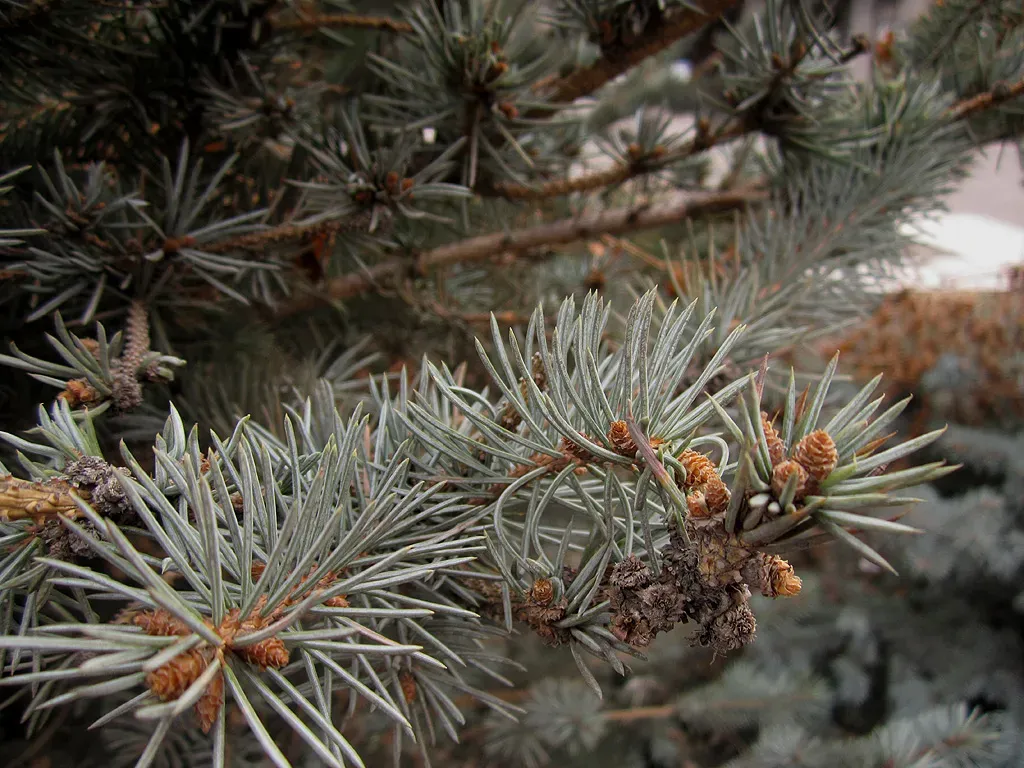
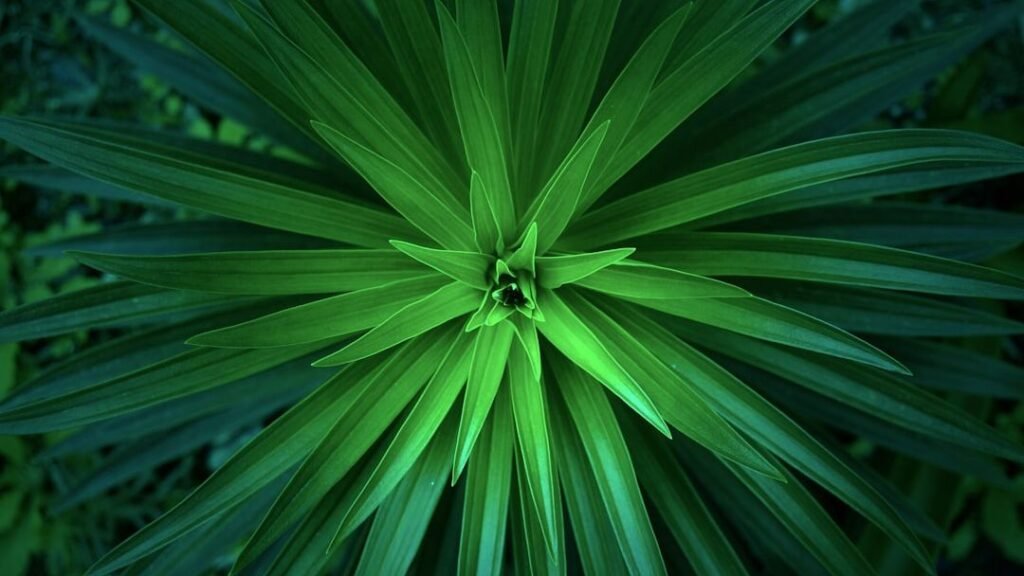
If you zoom in on a piece of broccoli, then zoom in again, and again, the structure almost repeats itself at every level. This repeating-at-different-scales pattern is called a fractal, and once you see it, you’ll find it everywhere: in coastlines, in lightning bolts, in mountain ranges, in the branching of trees. A single basic rule – split and spread – creates a complex design that looks both messy and deeply organized at the same time.
Our own bodies are full of fractals too. Your lungs branch over and over, creating a massive internal surface area so you can absorb enough oxygen into a limited space. Blood vessels do something similar to reach nearly every cell. Fractals are how nature packs complexity into tight spaces without needing a custom blueprint for every tiny part. When I first realized my lungs and a head of Romanesco broccoli share the same kind of pattern, it made the world feel strangely unified, like everything is running on the same operating system.
Spirals: From Seashells to Galaxies
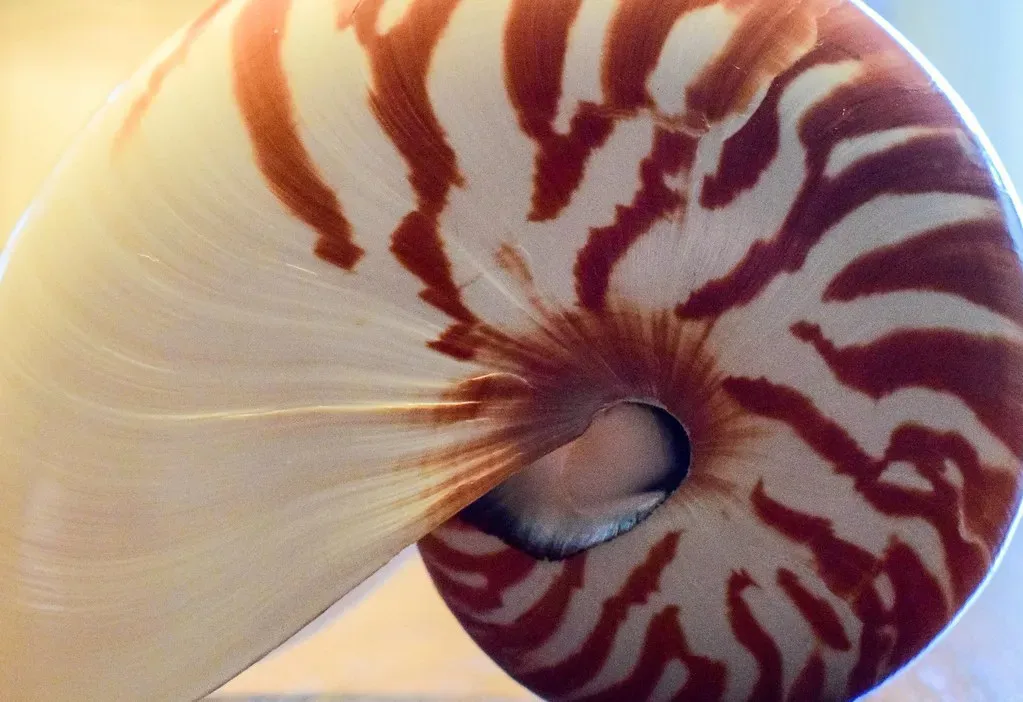
Spirals might be the most hypnotic pattern in nature, and they show up at almost every size you can imagine. You see them in nautilus shells, hurricanes, the arms of galaxies, pine cones, and even the way water swirls down a drain. Spirals are nature’s favorite way of organizing growth and movement, especially when something is rotating or expanding outward over time. They’re not just pretty shapes; they’re efficient ways to pack material or to move energy.
Many natural spirals grow in a way that keeps their shape as they get bigger, like a shell winding outward in a steady curve. This type of growth keeps the structure stable and balanced while allowing it to expand almost indefinitely. Think about a storm: a spiral shape helps redistribute energy and air in a stable, rotating flow rather than in a destructive straight line. When you realize that the same broad pattern describes a tiny shell and a spinning galaxy, it becomes very hard to see them as separate worlds.
Branching Networks: Veins, Rivers, and Roots
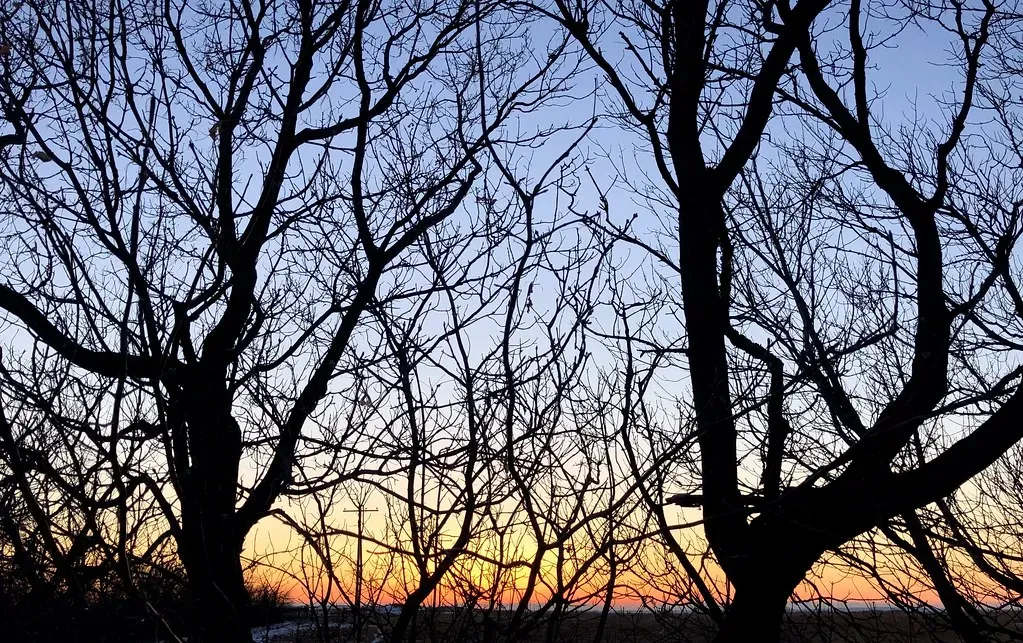
Picture a river system from above: a big trunk river, smaller streams feeding into it, and countless tiny tributaries branching off. Now compare that to a tree’s roots, a lightning strike, or the veins on a leaf. These structures all follow branching patterns, because branching is how nature moves stuff – water, nutrients, electricity, blood – from one place to many places as efficiently as possible. It’s like a delivery network designed over millions of years of trial and error.
Our bodies rely on branching networks to survive. Your circulatory system branches from large arteries into thinner capillaries to deliver oxygen and nutrients right where they’re needed, much like a river irrigating a floodplain. Branching helps achieve a balance between cost and coverage: you can reach a huge area without wasting material on one long, thick pipe that goes everywhere. When you fly over an arid landscape and see dry riverbeds branching like the veins on the back of your hand, it’s hard not to feel that everything is connected by the same design logic.
Symmetry: Why Balance Feels Beautiful
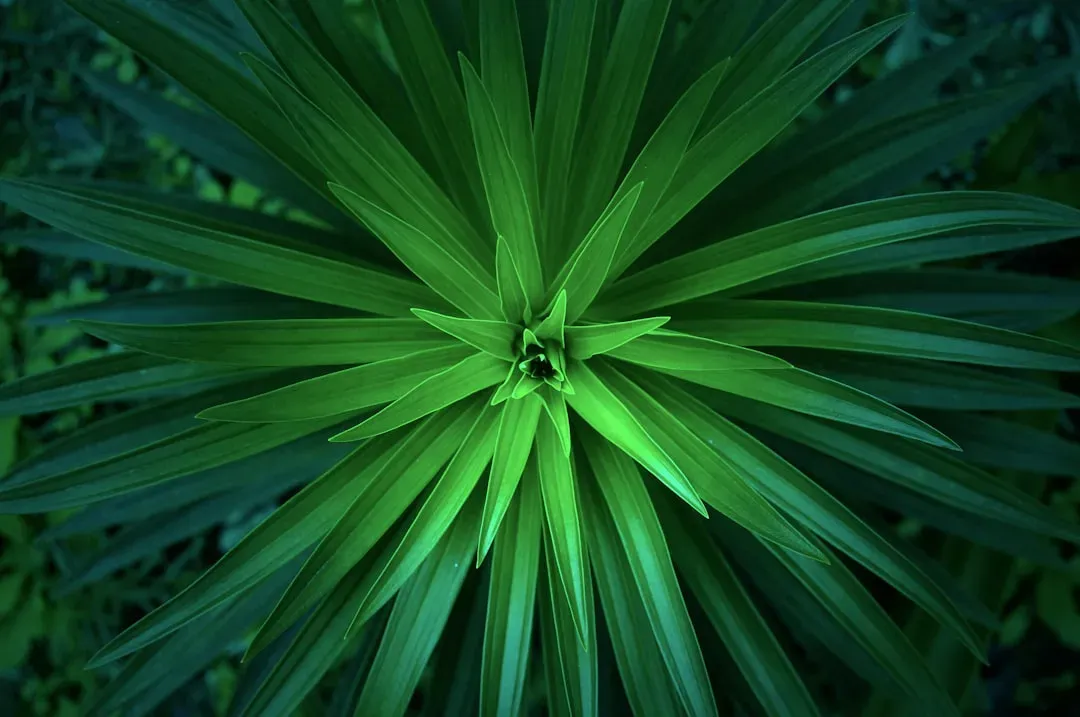
Most animals, including humans, are roughly symmetrical from left to right, and our brains are wired to find that balance attractive and reassuring. You can see symmetry in butterfly wings, starfish, flowers, and even snowflakes with their repeating arms radiating from a center. Symmetry does more than please the eye; it usually reflects a practical advantage, like even weight distribution for movement or fairness in how an organism senses and interacts with the world.
Snowflakes are a striking example: as water molecules lock into a crystal, the internal structure forces them into a symmetrical layout, so similar conditions produce similar shapes. In living creatures, bilateral symmetry can help with streamlined movement, like fish gliding through water or birds cutting through the air. Yet nature also makes room for asymmetry – think of a fiddler crab’s oversized claw or the spiral shells that twist one way. That mix of order and quirkiness is part of why living things feel vivid and real, not like perfectly cloned machine parts.
Tessellations and Mosaics: How Nature Tiles Space
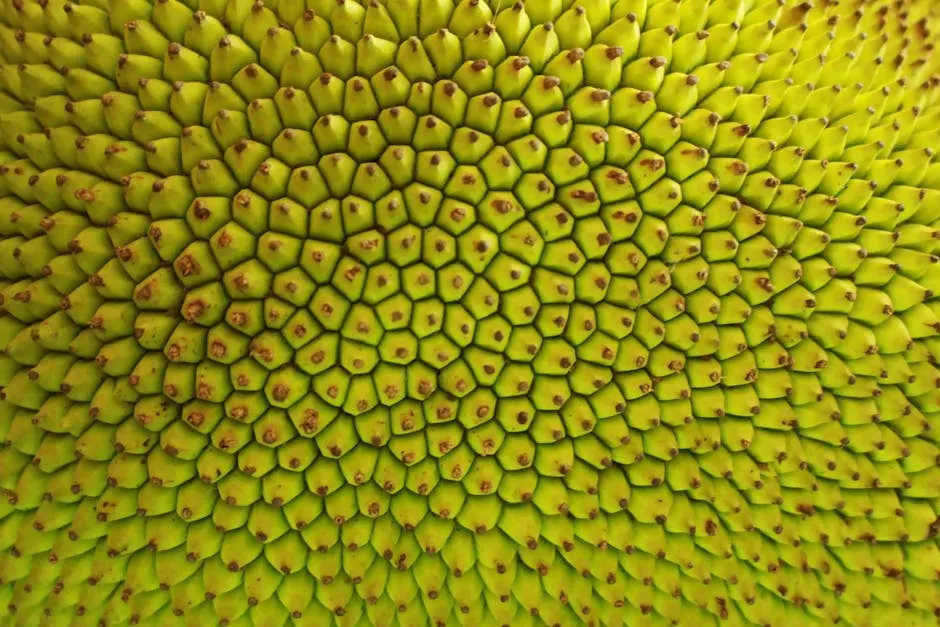
Look closely at a honeycomb, a lizard’s skin, a wasp’s nest, or the cracked mud of a dried-up riverbed, and you’ll see nature’s version of tiling: repeated shapes that fit together without gaps. Bees famously build hexagonal cells, which allow them to store the most honey using the least amount of wax – an incredibly efficient solution discovered long before human geometry. The same basic idea of repeated, interlocking shapes appears in mineral crystals, turtle shells, and even in the pattern of cells in plant tissues.
These mosaics aren’t always perfectly regular; they often mix different polygon shapes to relieve stress or adapt to growth. You can see this in the irregular yet connected plates of a tortoise shell or in the textured patterns on certain fruits and vegetables. I remember staring at the skin of a pineapple once and realizing it combined both spiral and tiling patterns at the same time, like nature stacked two clever tricks into a single design. Tessellations help nature cover surfaces, protect structures, and distribute force without wasting space or material.
Rhythms and Cycles: Time as a Pattern
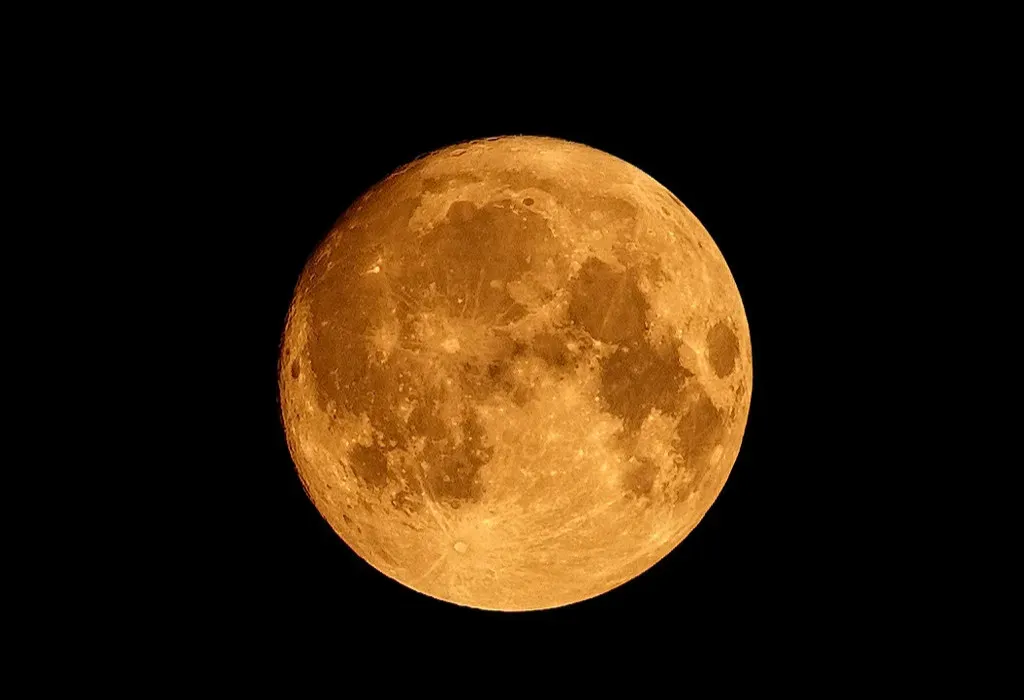
Not all patterns are about shapes; many are about time. Day and night, the changing seasons, the phases of the moon, the rise and fall of tides – all of these are repeating cycles that living things have learned to depend on. Plants open and close their flowers based on light, birds migrate according to seasonal cues, and countless animals have internal clocks that sync their behavior to these recurring rhythms. Life is not just built in patterns; it lives by them.
Even within our bodies, cycles quietly run the show. Your heartbeat, breathing, sleep-wake cycle, hormone releases – each follows regular rhythms that keep you functioning. When those rhythms get disrupted, like with jet lag or shift work, everything feels off, almost like hearing a favorite song played in the wrong tempo. Nature’s cycles are not just background scenery; they’re the metronomes that much of life taps its foot to, whether we’re paying attention or not.
Patterns as Survival Strategies
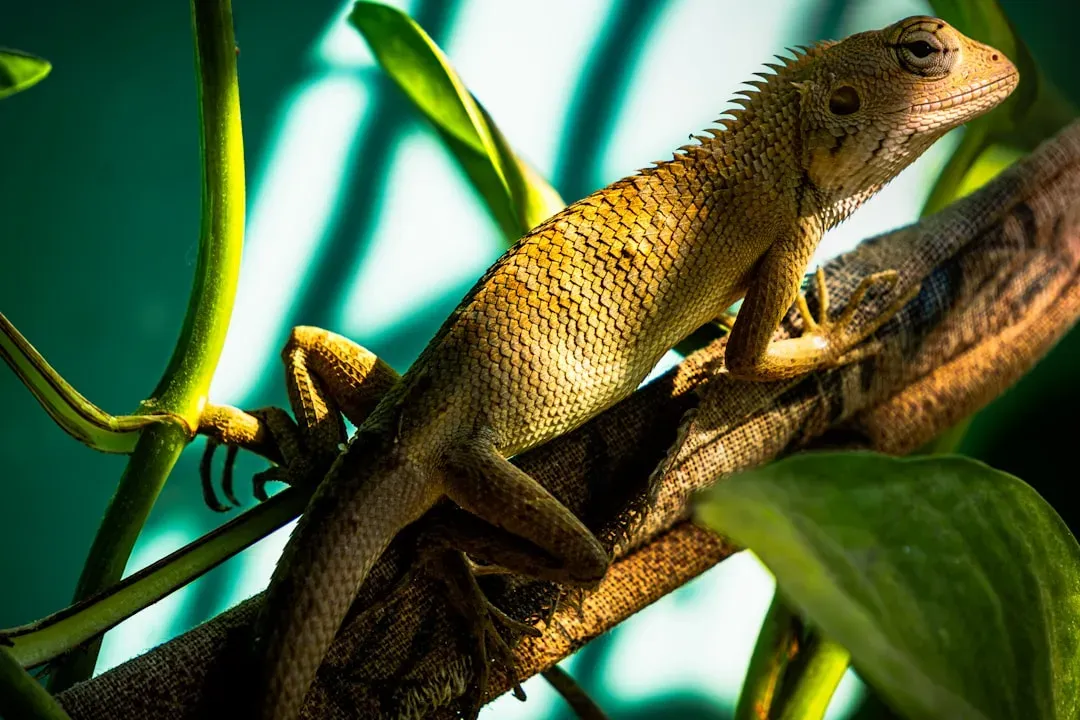
It’s tempting to see patterns as purely aesthetic, but in nature, they almost always serve a purpose. The stripes on a zebra can confuse predators by breaking up the outline of the animal when it’s in a herd. The spots on a leopard help it blend into dappled light and shadow, turning its body into part of the forest. Even the bold colors and patterns on poisonous frogs and insects aren’t random decoration; they’re warnings, a visual way of saying “don’t even think about it.”
Patterns can also help with temperature control, water capture, and structural strength. The ripples and ridges on some leaves guide raindrops toward the roots, while textured bark protects trees against pests and harsh weather. Coral reefs grow in intricate shapes that maximize surface area, providing countless hiding spots and feeding grounds. Every time we assume something in nature is there just to look nice, we usually find out later it’s pulling double duty as a survival tool.
From Nature’s Patterns to Human Design

Once humans started paying attention to nature’s patterns, we began copying them. Engineers study bird wings to design more efficient aircraft, studying how feathers manage airflow and turbulence. Architects borrow ideas from termite mounds to create buildings that cool themselves more efficiently, using natural ventilation instead of energy-hungry air conditioning. Even city planners analyze river networks when they map roads, utility lines, or data cables, taking cues from how nature moves resources.
On a smaller scale, designers use fractal-inspired patterns in antennas to pick up multiple frequencies, and medical researchers study blood vessel branching to improve drug delivery or surgical planning. There’s an entire field, biomimicry, built on the idea that nature has already solved many of the problems we’re struggling with. Personally, I love the humility in that – admitting that moss, beetles, and bird wings might have better ideas than our most cutting-edge brainstorming sessions.
The Emotional Power of Seeing the Grand Design
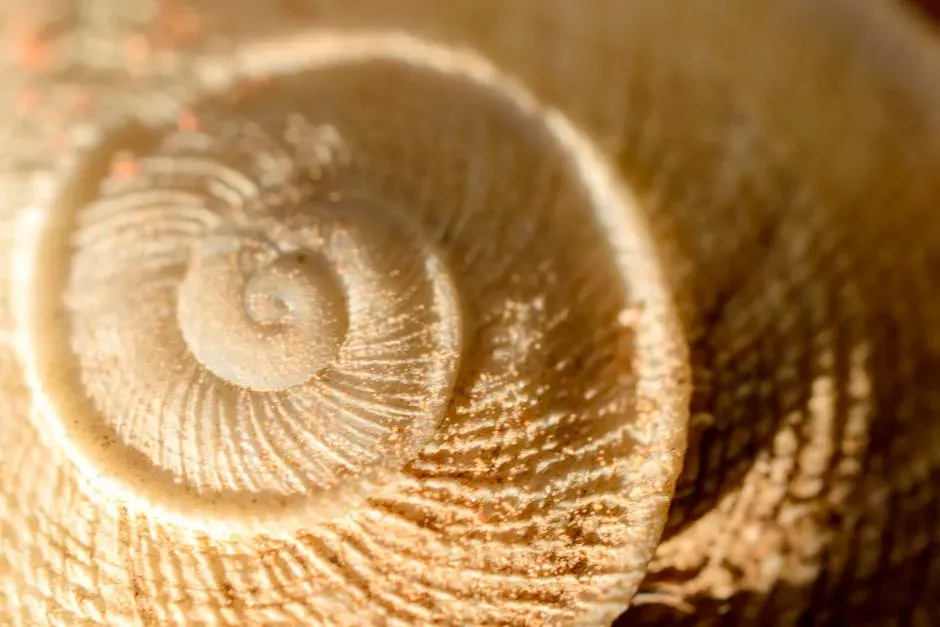
Once you start noticing how often the same shapes and rhythms repeat – from the swirl of your fingerprint to the spiral arms of a galaxy – it can be oddly emotional. The world feels less like a pile of unrelated things and more like a single story told in different accents. Some people find that comforting, as if the universe is more ordered and familiar than it first appeared. Others find it unsettling, because it suggests our individual lives are tiny chapters in a much larger, impersonal pattern.
For me, recognizing these patterns doesn’t make life feel scripted; it makes it feel richly interwoven. It’s like realizing you’ve been listening to an orchestra but only hearing one instrument the entire time. When you see the same branching logic in your lungs and in a river, or the same spiral in a shell and a storm, your sense of separation from the rest of nature softens. You start to wonder: if we are built from the same patterns as everything else, what does that say about who we really are?
Conclusion: Learning to Read the World’s Secret Script
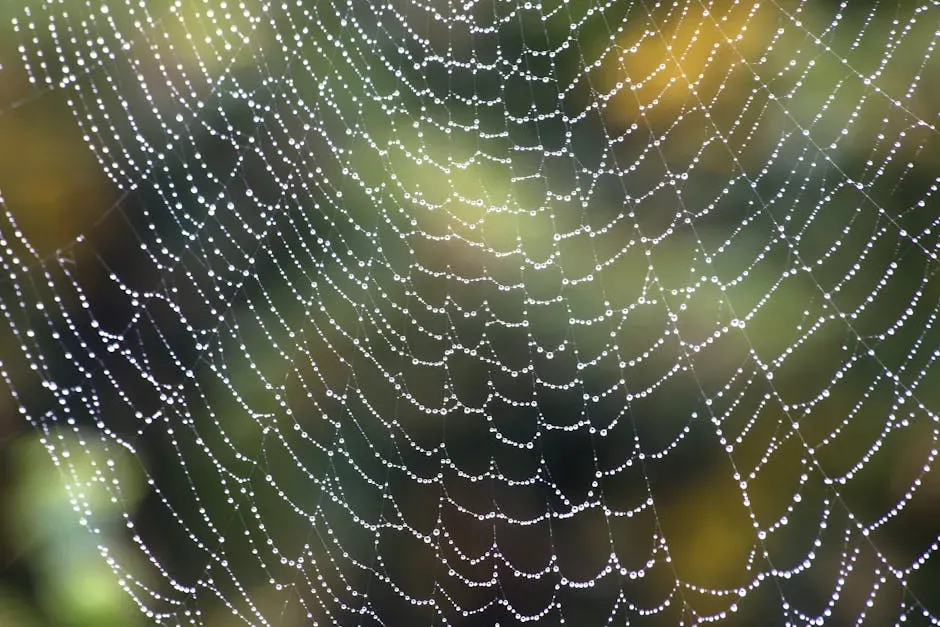
Nature’s patterns are not decorations pasted on top of reality; they are reality’s grammar. Spirals, branches, fractals, symmetry, tessellations, and cycles are how the universe organizes energy, matter, and life from the tiniest scales to the largest structures we can see. Once we learn to read those patterns, the world stops looking random and starts looking like a story written in a language of shapes and rhythms. We realize that beauty and practicality are not opposites in nature – they’re usually the same thing viewed from different angles.
Paying attention to these designs changes more than how we see forests, clouds, or seashells; it changes how we design our cities, our technologies, and even our lives. When we align with patterns that already work – efficient branching, resilient fractals, gentle cycles – instead of fighting them, we tend to get smarter, kinder solutions. Maybe the grand design isn’t some distant secret at all, but something we’re walking through, breathing in, and made from every day. Now that you know it’s there, what patterns will you start noticing first?