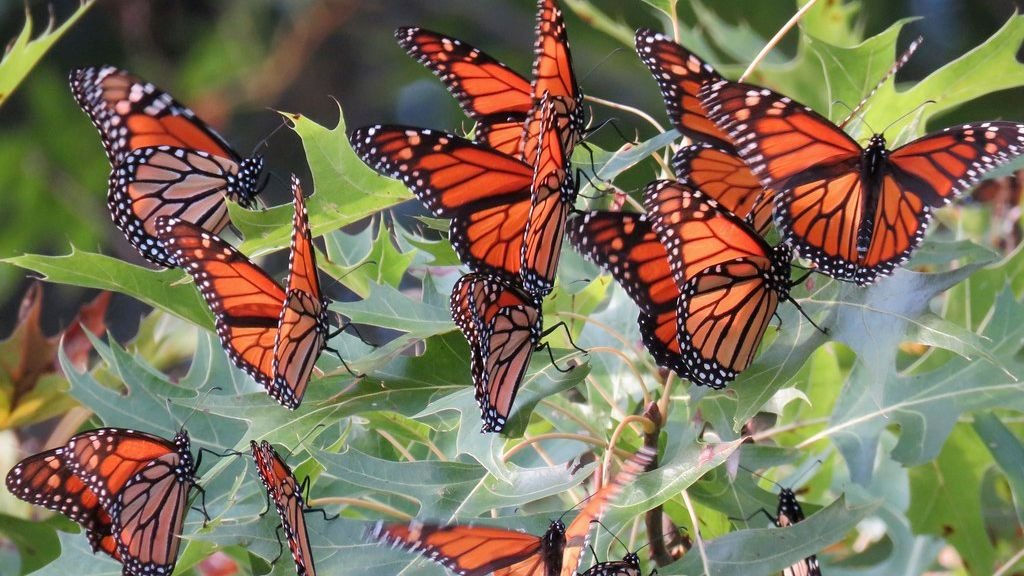
Every autumn, tiny orange-and-black wings lift off from forests, fields, and gardens and set out on a journey so long it sounds almost impossible. Monarch butterflies, weighing less than a paperclip, travel thousands of kilometers, crossing international borders and mountain chains with no maps, no GPS, and a brain smaller than a grain of rice. Yet they still find their way to the same few patches of forest, generation after generation.
When I first read about this migration, it felt closer to science fiction than everyday nature. These fragile-looking insects cross an entire continent, while many of us complain about a three-hour drive. Their journey is a mix of beauty, mystery, and quiet bravery, and the more scientists learn about it, the more astonishing it becomes. Let’s walk through their story step by step and see how this epic trip actually works.
A Tiny Traveler With a Giant Route
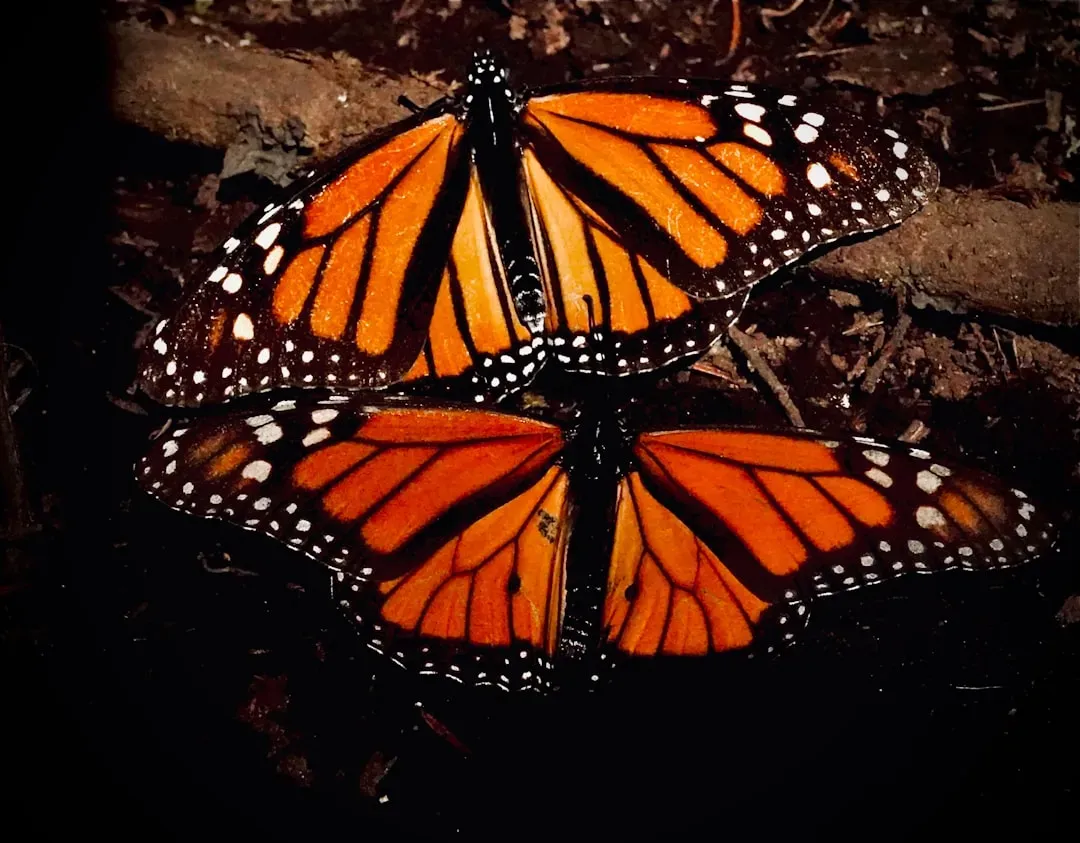
Imagine a creature you could gently balance on the tip of your finger flying farther than most people ever drive in a year. That’s what monarch butterflies do, traveling from as far north as southern Canada down to specific mountain forests in central Mexico. Some individual monarchs cover more than three thousand or even four thousand kilometers during their southward migration, depending on where they start.
What makes this route even more impressive is how precise it is. The monarchs don’t just fly “south” in some vague way; they funnel into remarkably small wintering areas, especially in the oyamel fir forests of the Trans-Mexican Volcanic Belt. It’s like millions of people from all over North America, without talking to each other, all choosing the same small town to visit for the winter and somehow arriving around the same time.
Generations Born Just to Keep the Journey Going
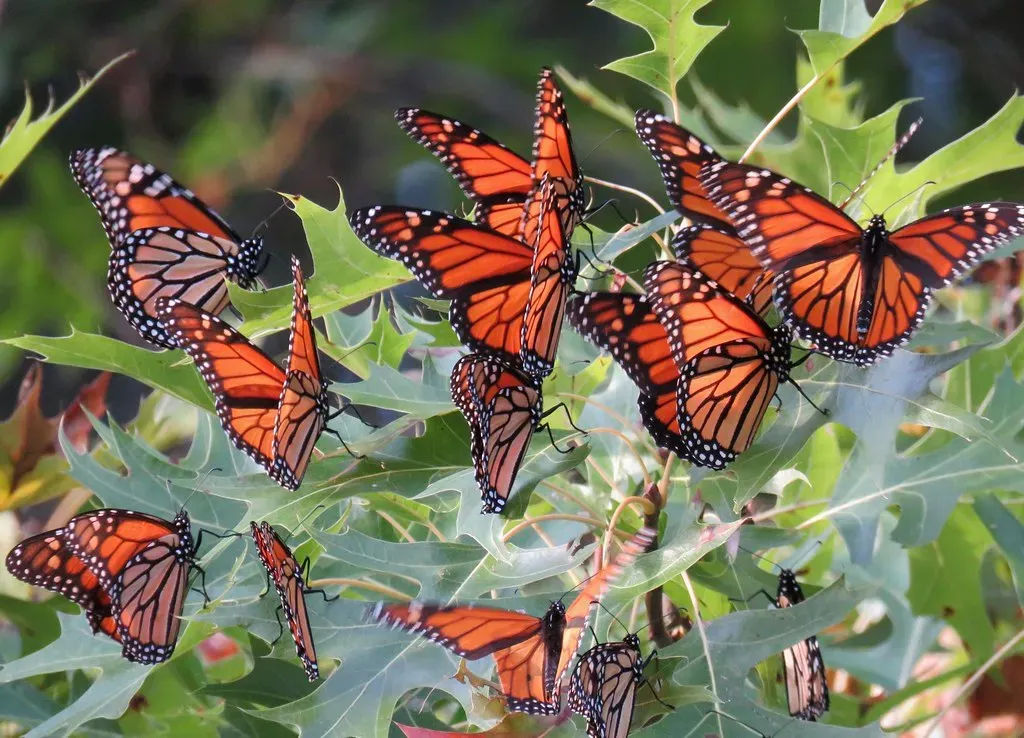
One of the strangest parts of the monarch story is that no single butterfly makes the full round trip. The monarchs that fly south in autumn are not the same individuals that return north in spring. Instead, their migration is what scientists call a “multi-generational relay,” a bit like a long-distance race where one runner passes the baton to the next. Except here, the baton is an entire migration pattern encoded in instinct.
In late summer and fall, a special “super generation” hatches in the north. Unlike the summer monarchs that live only a few weeks, these butterflies can live eight months or more. They fly all the way to Mexico, spend the winter clustered in forests, then head north again in spring, laying eggs along the way. Their children and grandchildren continue the journey back across the continent, completing the loop their great-grandparents began.
How Monarchs Navigate Without Maps
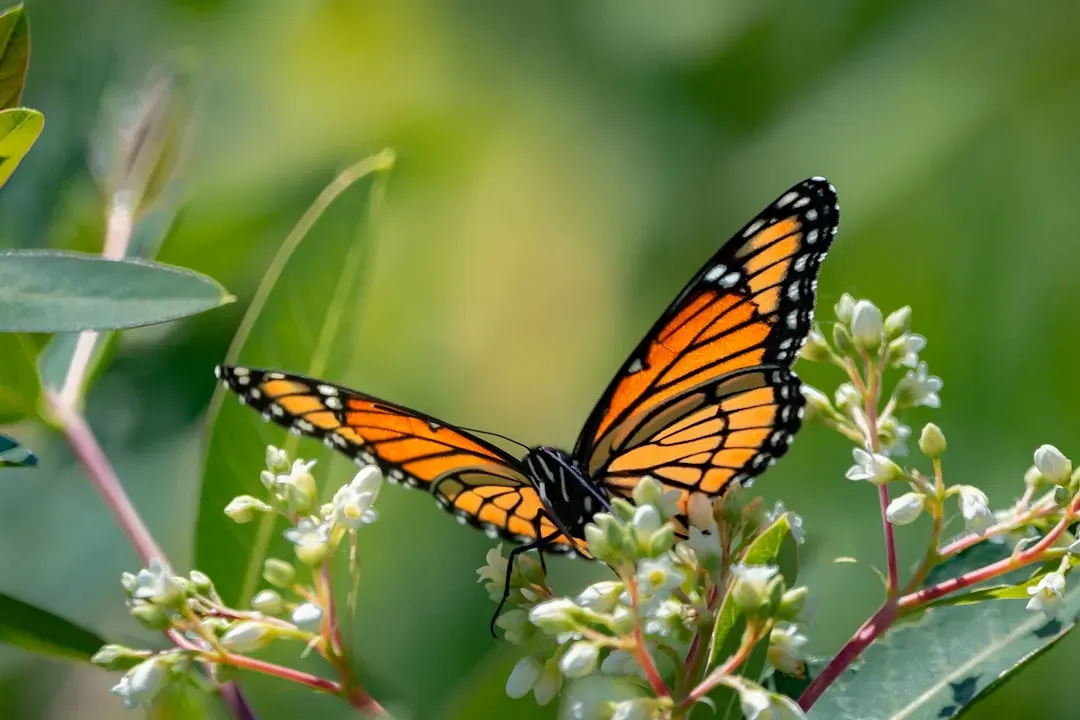
The natural GPS inside monarch butterflies might be the most mind-bending part of their story. These insects use the position of the sun in the sky, combined with their internal biological clock, to figure out direction. In simple terms, they know where “south” is by tracking the sun’s position and adjusting for the time of day. It’s a kind of built-in sun compass that would make any hiker jealous.
Researchers have found that monarchs also sense Earth’s magnetic field, giving them a backup system when the sky is cloudy. Think of it like having both a compass and a watch inside an insect’s tiny body. They are also guided by wind patterns and land features like mountains and coastlines. Even though we don’t fully understand every detail, the emerging picture is clear: these butterflies are far better navigators than they look.
From Canada to Mexico: The North American Superhighway
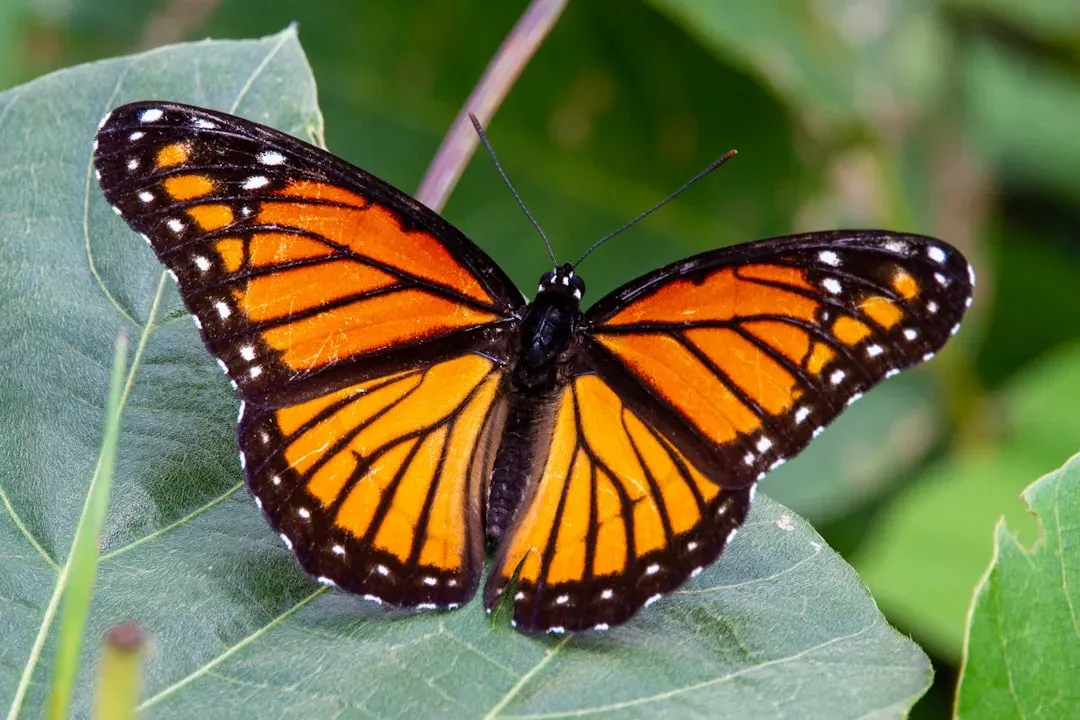
Monarchs in eastern North America follow a long, looping southward path that roughly tracks the central flyway of the continent. They move through the American Midwest, the Great Plains, and Texas, then funnel into central Mexico. Along the way they depend on patches of nectar-rich flowers to refuel – small meadows, roadsides, fall wildflower fields, and even backyard gardens. To them, the continent is one giant corridor of pit stops.
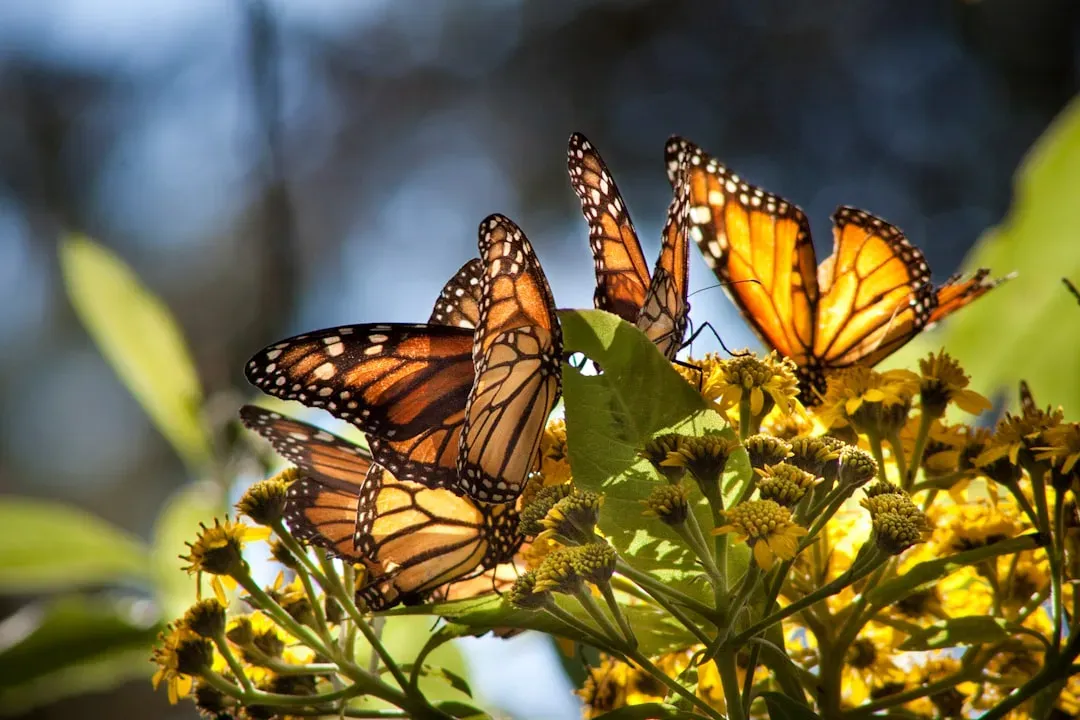
Once they reach the Mexican highlands, they settle into cool, moist forests where they cluster on fir trees by the millions. From a distance, the trees can look like they’re draped in strange, trembling orange leaves. When the sun hits just right, those “leaves” lift off, turning the air into a swirling cloud of color and wings. That specific region has become a kind of biological crossroads, linking the fates of Canada, the United States, and Mexico through a single species.
A Continental Connection of Two Populations
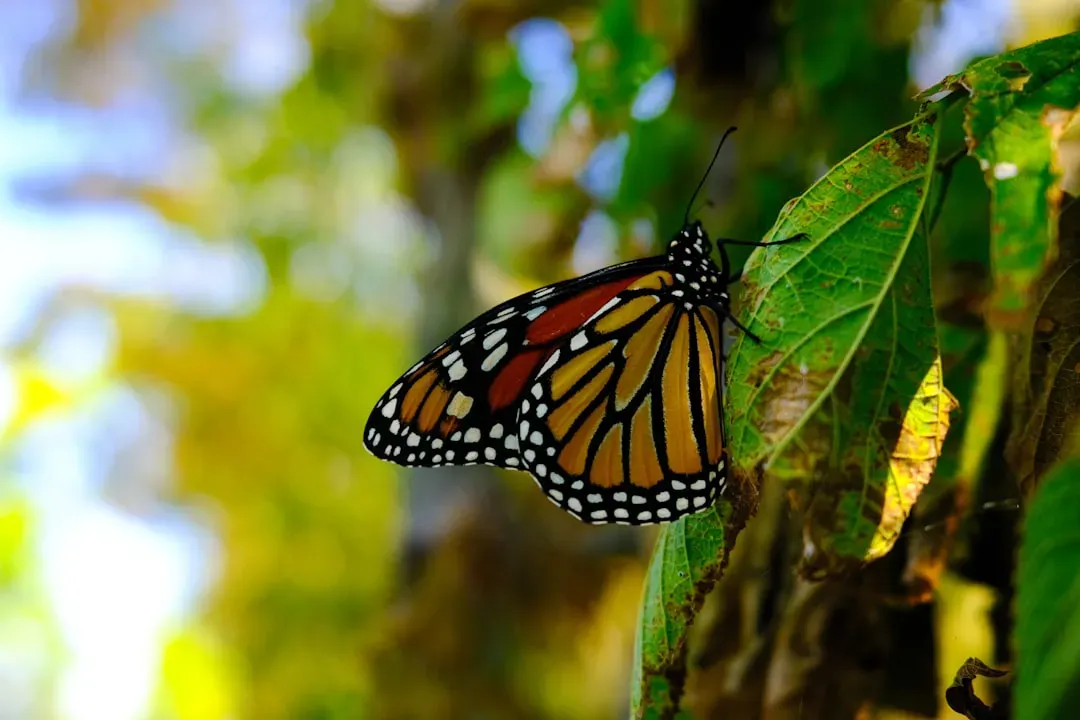
Most people hear about the eastern monarchs that travel to Mexico, but there’s also a western population in North America with its own migration pattern. These western monarchs breed west of the Rocky Mountains and usually spend winter along the California coast, clustering in groves of eucalyptus, cypress, and pine. While their route is shorter, it’s still a serious journey for such a delicate insect.
Interestingly, scientists have seen signs that these two populations aren’t completely separate. When western monarch numbers drop, some butterflies from the larger eastern population may cross the Rockies and shift into western areas, and vice versa. It’s like two highways with occasional exits between them. This cross-connection might help the species as a whole stay resilient, spreading genetic diversity and offering a bit of a backup when one group crashes in numbers.
The Science Behind Their Wings: Built for Distance
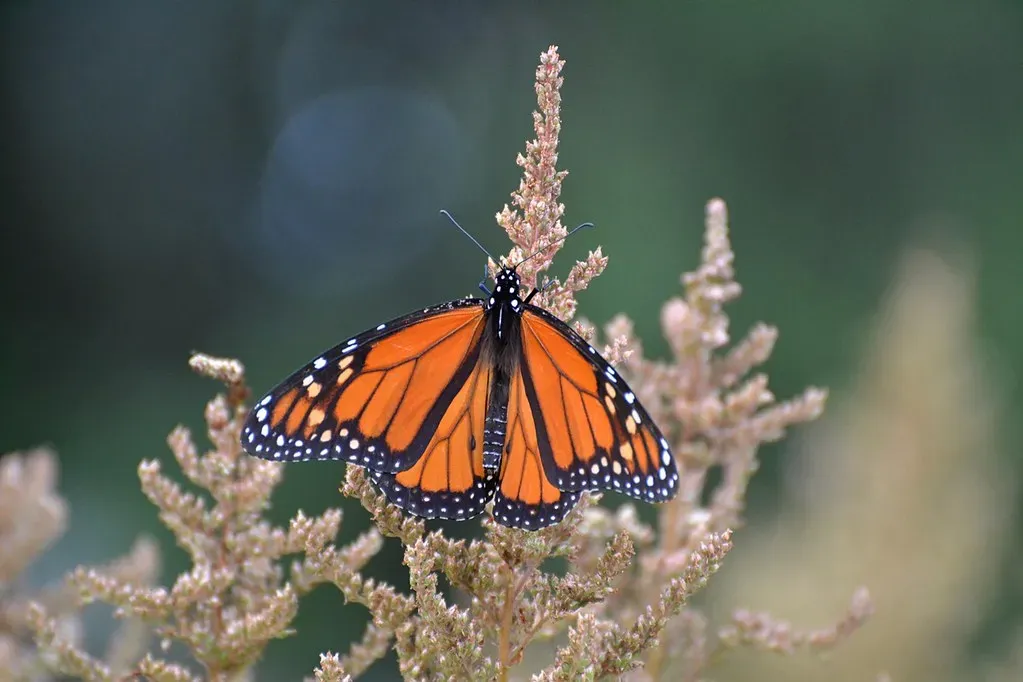
Monarch wings aren’t just pretty; they’re engineered for endurance. The “super generation” that migrates south tends to have slightly larger, longer wings compared to monarchs that stay local in summer. Longer wings provide more efficient gliding and soaring, letting the butterflies ride air currents instead of constantly flapping. It’s similar to how a glider airplane is built for maximum distance with minimal fuel.
These butterflies also store up fat reserves before and during migration by feeding heavily on nectar. That stored energy fuels their long-distance flights and helps them survive the winter months without much food. If you think of each monarch as a tiny flying backpacker, their wings are like ultralight gear, and their fat stores are the food they carry for the trail. Every gram counts, and evolution has trimmed them down into perfect long-distance travelers.
The Crucial Role of Milkweed and Nectar Highways
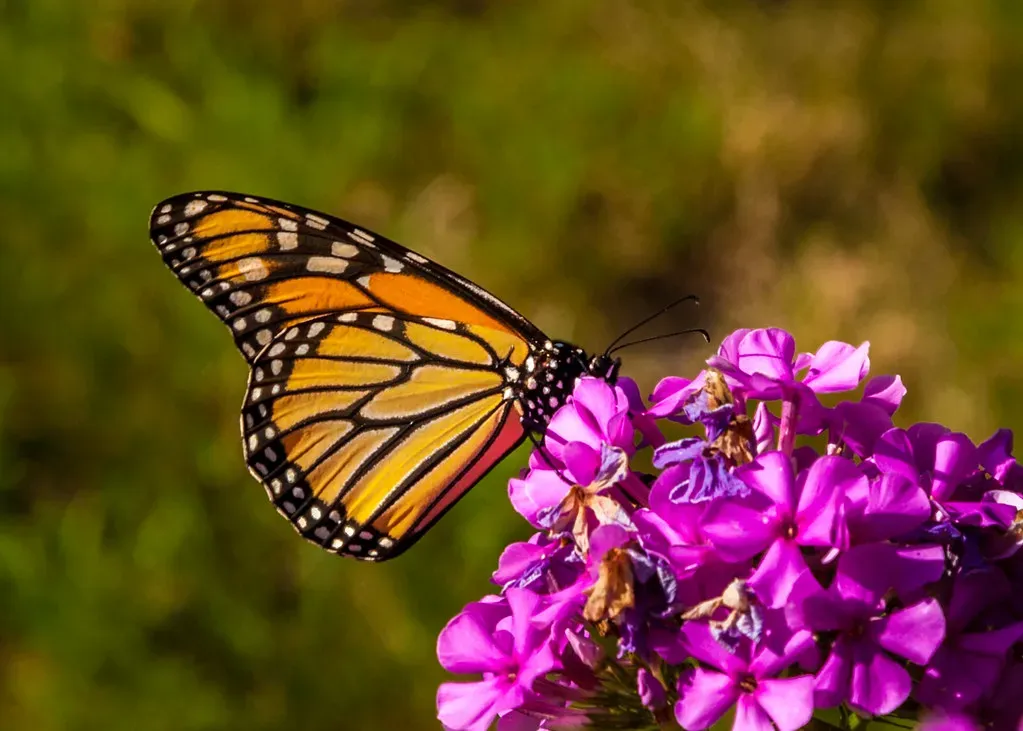
For monarchs, milkweed is more than a favorite plant; it’s non-negotiable. Female monarchs lay their eggs only on milkweed, and the caterpillars can only eat milkweed leaves. Without enough of these plants scattered across their migration route, the relay of generations breaks down. In many regions, widespread herbicide use, intensive agriculture, and development have drastically reduced wild milkweed, leaving big gaps in their breeding habitat.
Equally important are flowering plants that provide nectar. Think of nectar-rich gardens and wildflower patches as gas stations along a highway. Monarchs rely on late-season blooms like goldenrod, asters, and many native flowers to build up the reserves they need. When people swap lawns for native plant gardens or leave wild corners in their fields, they’re not just “being green” – they’re literally building refueling stops that keep a continental migration alive.
Threats Along the Route: Climate, Chemicals, and Lost Forests
As inspiring as the monarch story is, it comes with a worrying reality: their migration is far more fragile than it looks. The forests in central Mexico where they overwinter have shrunk over past decades because of illegal logging and land-use changes, though protection efforts have helped in some areas. When those forests thin out, the butterflies lose the stable, cool, and sheltered microclimate they depend on to survive the winter months.
Farther north, pesticides and herbicides can kill both adult butterflies and the milkweed their caterpillars require. Climate change adds another layer of risk, by shifting temperatures, altering flowering times, and bringing extreme weather like late frosts or intense droughts. If you zoom out, it’s like watching their entire route slowly crack at the edges: fewer forests at one end, fewer host plants in the middle, and unstable seasons all along the way.
How Everyday People Are Helping a Continental Miracle

Despite the scale of their journey, the things monarchs need are surprisingly small and specific, which means ordinary people can genuinely help. Planting native milkweed and nectar flowers in home gardens, schoolyards, or community spaces gives them places to breed and refuel. Reducing or skipping insecticides and broad-spectrum herbicides can turn sterile yards into safe havens. Even a balcony with the right plants can become a tiny rest stop on their route.
Many communities now track monarch sightings, record first arrivals in spring, or tag butterflies to help scientists understand migration patterns. When you see kids in a schoolyard gently releasing a tagged monarch, you’re seeing science, conservation, and wonder rolled into one. I still remember the first time I saw a monarch gliding over a city parking lot, aiming south like the concrete wasn’t even there – it felt like a small reminder that wild journeys are happening all around us, if we pay attention.
Why Their Journey Matters More Than Ever
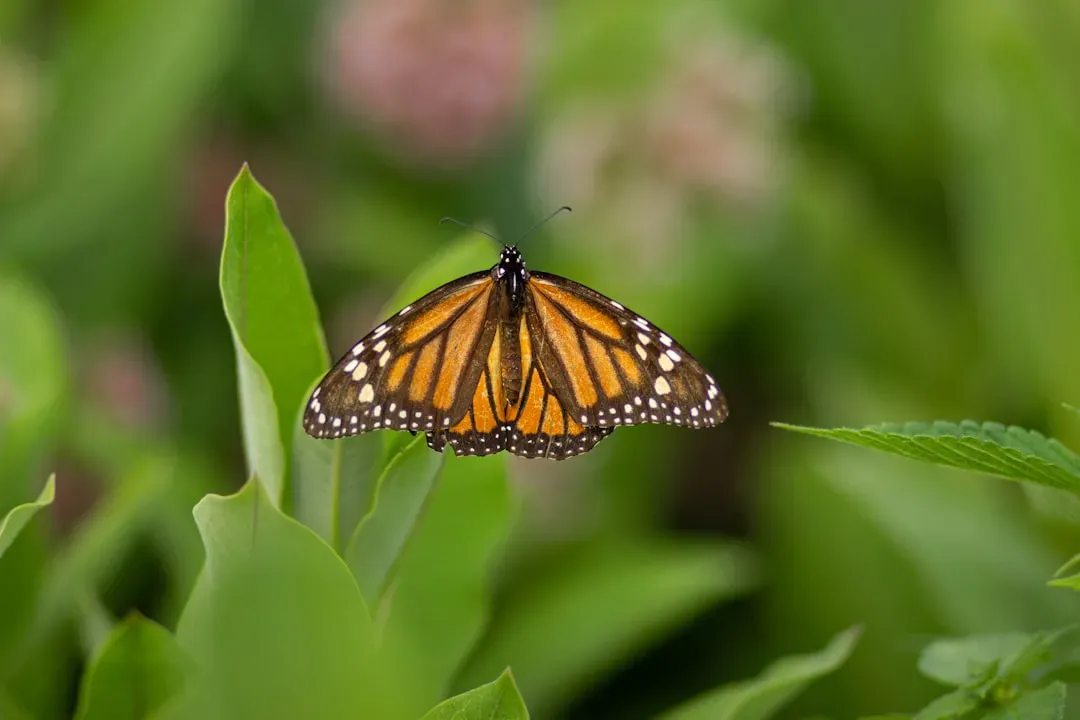
The monarch migration is more than a pretty spectacle; it’s a living story about connection. One tiny insect ties together prairie fields in Canada, farms in the Midwest, backyards in Texas, and mountain forests in Mexico. If monarchs disappear, we don’t just lose a butterfly – we lose one of the clearest, most visible examples of how deeply our landscapes and decisions are intertwined across borders. Their path is like a heartbeat running up and down a continent.
In a world where so much feels digital, fast, and forgettable, the monarch’s slow, fragile flight feels grounding. Their survival depends on countless small choices: a farmer leaving a strip of wildflowers, a city planting native trees, a family skipping lawn chemicals. Their journey reminds us that even the smallest living things can carry epic stories – and that our everyday actions quietly help write the next chapter. When you see that flash of orange in the sky, will you ever look at it the same way again?