
Walk into an ancient forest and you can feel it before you see it: a kind of heavy, quiet time hanging in the air. Somewhere out there, rooted in rock and snow and desert dust, are trees that were already old when the Roman Empire rose and fell, when the first cathedrals were built, when no one on Earth had ever heard the word “internet.” These are not just big plants; they’re living timelines, still standing where entire human civilizations have come and gone.
I still remember the first time I stood in front of a truly ancient conifer. It wasn’t the tallest tree in the forest. In fact, it looked a bit beaten up: twisted trunk, broken crown, bark scarred and patchy. But knowing it had been alive for thousands of years hit me like a punch to the chest. It felt less like meeting a tree and more like shaking hands with deep time itself.
The Great Basin Bristlecone Pine: The Gnarled Methuselahs of the Mountains
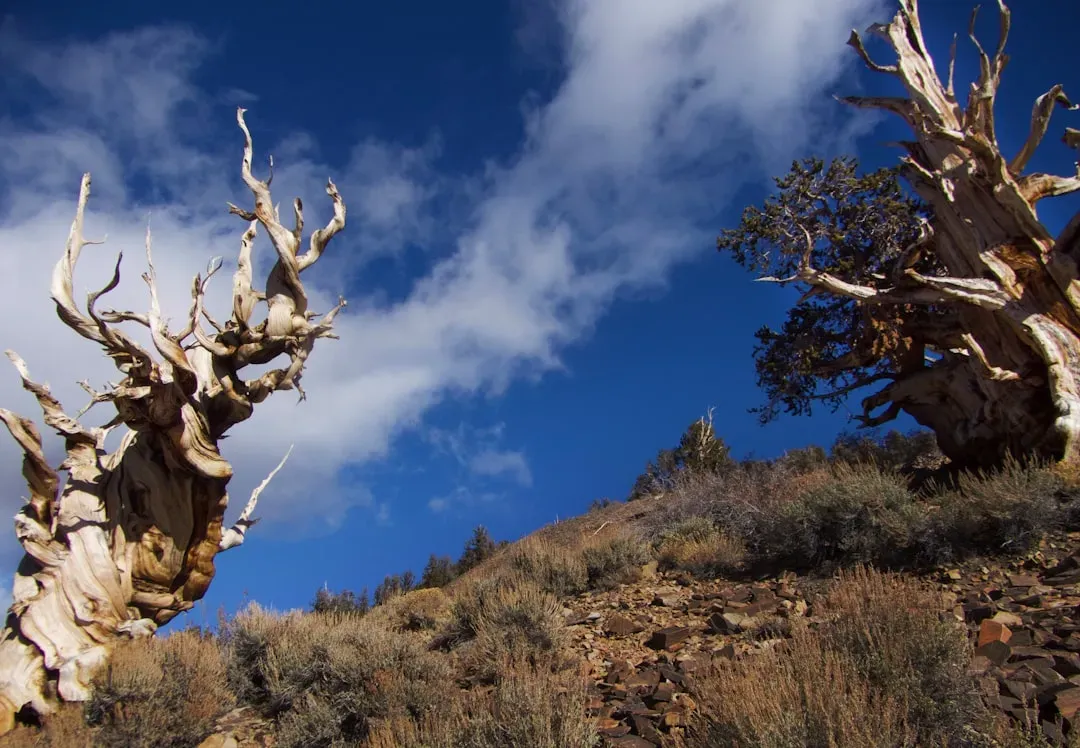
High in the White Mountains of California and other scattered ranges in the Great Basin, bristlecone pines cling to rocky slopes where almost nothing else survives. Many of these trees are more than four thousand years old, and a few cross the mind-bending threshold of roughly five thousand years. They’re small and twisted, with dead wood spiraling around thin strips of living tissue that still carry sap, like veins in stone. Seen from a distance, they can look half dead, but that’s exactly what helps them stay alive so long.
Bristlecones grow extremely slowly, adding only a tiny ring each year, especially in the cold, dry, windblown places they prefer. That slow growth builds incredibly dense wood, which is resistant to rot, insects, and disease. Scientists love these trees because their rings form an almost continuous record stretching back thousands of years, helping to reconstruct past climates with surprising detail. The exact locations of the very oldest individuals are kept secret to protect them from vandalism and overcrowding, which feels a bit like hiding priceless artifacts – only these artifacts are still breathing.
Pando: The Trembling Giant That Is One Tree, Not a Forest
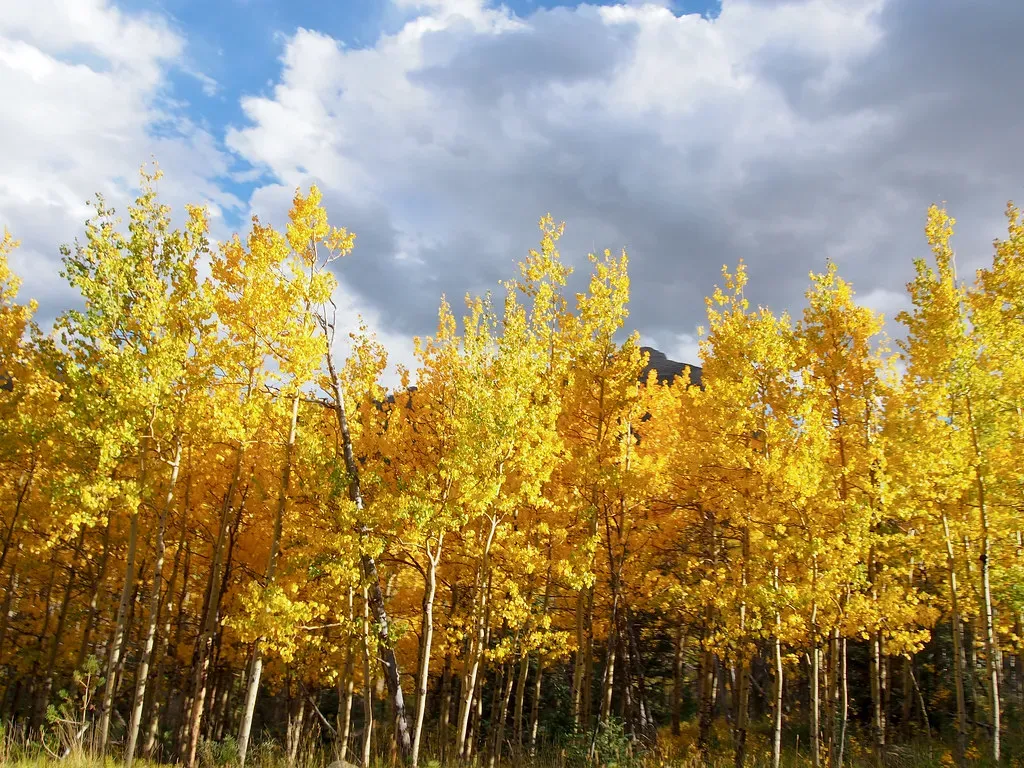
In Utah, there’s a grove of quaking aspens that seems, at first glance, like a normal stand of trees. But underground, they’re all connected to one massive root system, making them genetically a single organism called Pando, Latin for “I spread.” Estimates of Pando’s age vary widely, ranging from many thousands of years to potentially tens of thousands, making it one of the oldest and heaviest living beings on Earth. If each above-ground stem is a “leaf,” then the organism is the root network itself, persisting as individual trunks die and new ones sprout.
What’s sobering is that Pando is not immortal; researchers have raised alarms that it may be in decline. Overbrowsing by deer and elk, fire suppression, and human activity have all altered the balance that once allowed this giant clone to keep regenerating. Some sections are aging without enough young shoots to replace them, like an old neighborhood where no children move in. Efforts are underway to fence off parts of the grove and encourage new growth, but no one can guarantee success. Pando is a reminder that even the seemingly eternal can be fragile when the rules of their world change too quickly.
Old Tjikko and the Spruce That Refuses to Die
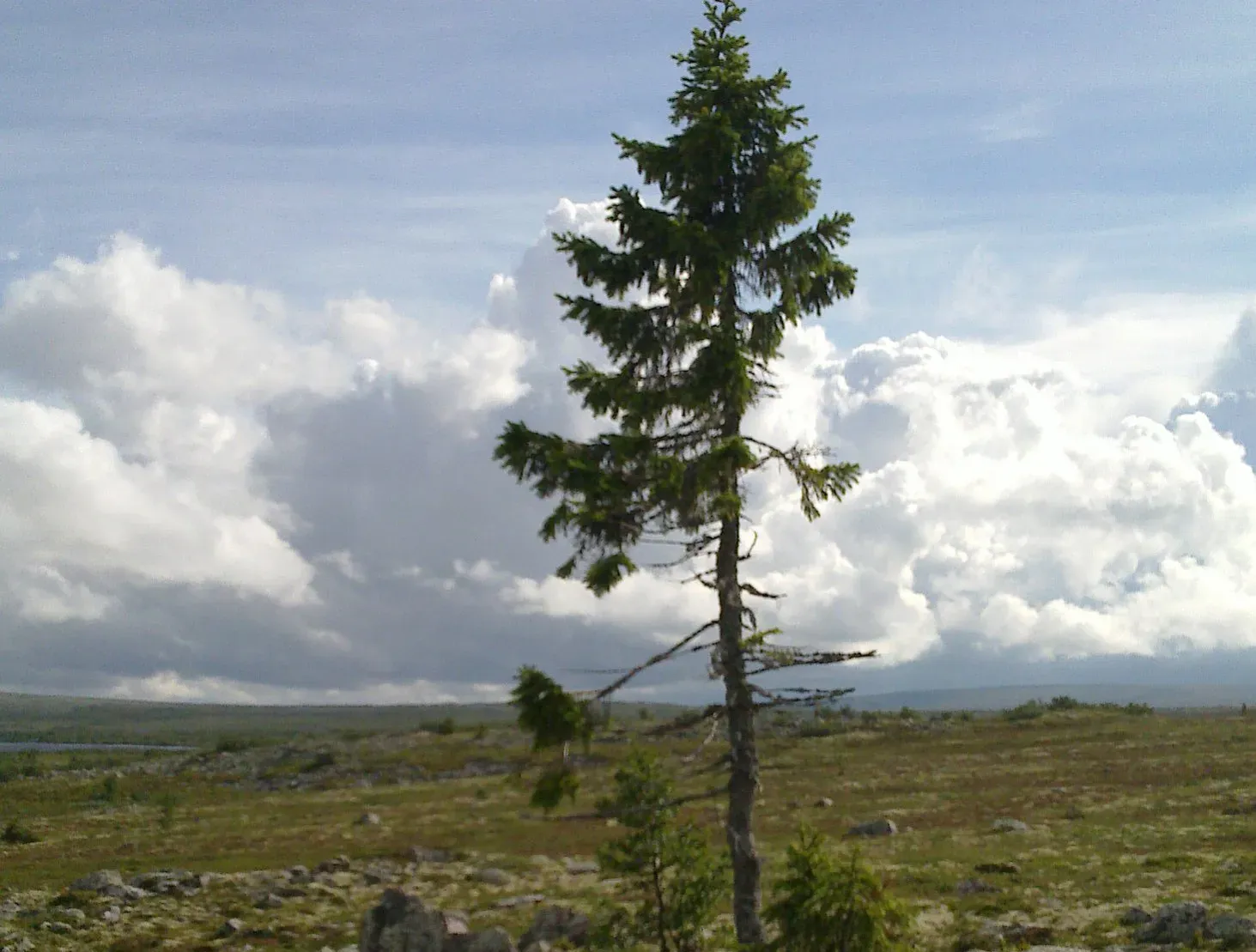
On a windswept mountain in Sweden stands a small, scruffy Norway spruce called Old Tjikko. Above the soil, it doesn’t look ancient at all; its current trunk is only a few hundred years old at most. The shock comes from what lies below: a root system that has been dated to roughly about nine and a half thousand years, surviving since just after the last Ice Age. Over millennia, the above-ground part of the tree has died back and regrown repeatedly, but the root system has persisted, like a memory that never quite fades.
This kind of “clonal” longevity can feel like cheating when we imagine old trees as single, unbroken trunks. Yet it shows how life can bend the rules by shifting its strategy from towering height to stubborn persistence. In harsh climates where snow, wind, and short summers punish tall growth, Old Tjikko has made a quiet bargain: stay low, stay flexible, and let the roots do the timekeeping. It forces us to ask what we really mean by “old” – is it the visible body, or the living lineage underneath?
The Llangernyw Yew: A Churchyard Sentinel of Deep Time
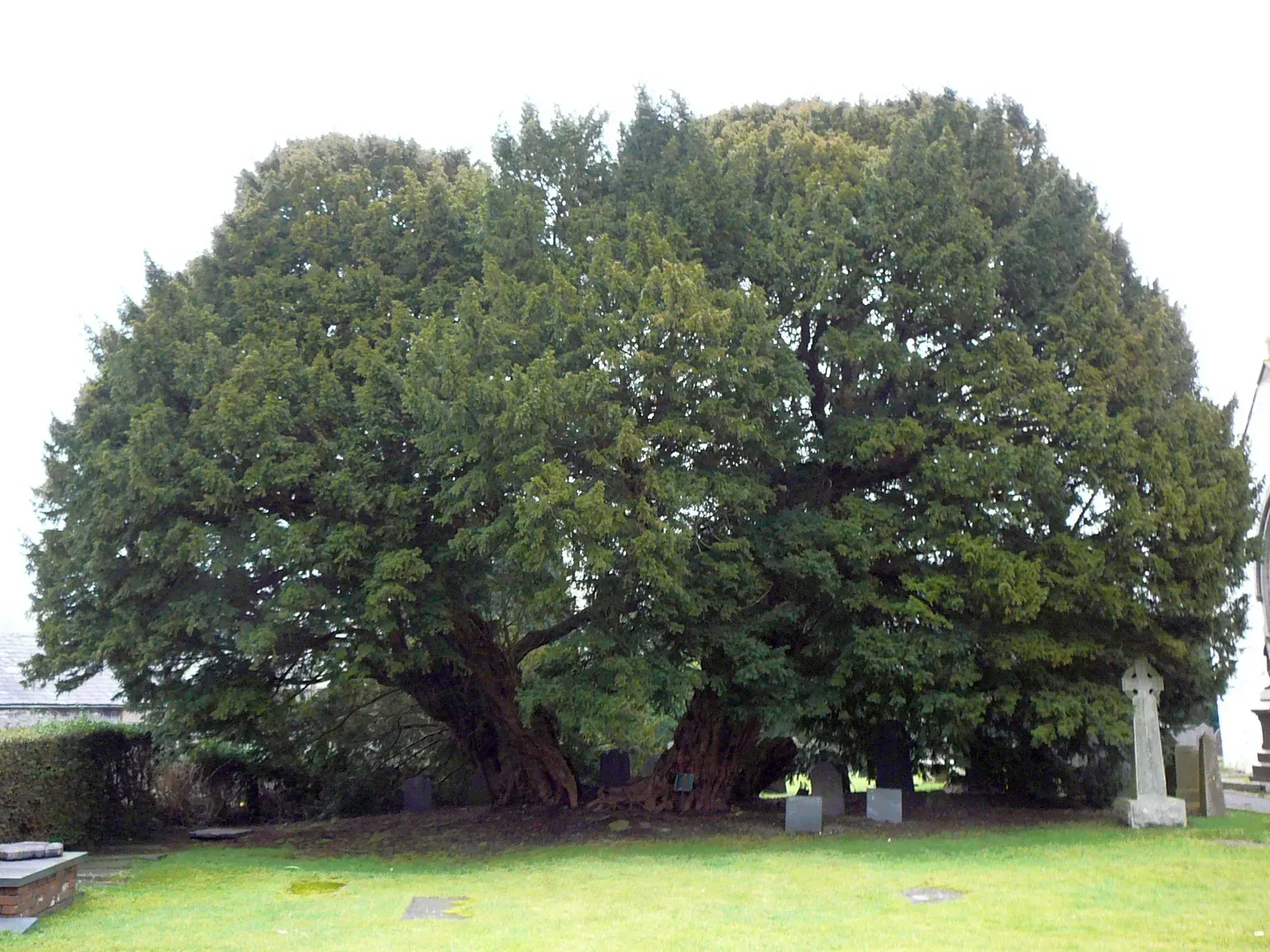
In a churchyard in the small village of Llangernyw in Wales, a yew tree stands intertwined with local grave markers and stone walls. Estimates of its age vary, but many experts place it at thousands of years old, likely older than the medieval church beside it and possibly dating back to the Bronze Age. Its trunk isn’t a neat cylinder anymore; it’s a hollowed, fragmented ring of living wood with multiple stems, almost like a cluster of trees bound together. Walking around it feels less like looking at a plant and more like circling a ruin that somehow still grows.
Yews have long been associated with graveyards, myth, and mystery across Europe, partly because of their toxicity and partly because they can endure for so long. They hollow out naturally over time, which makes precise age estimates difficult, but that same hollowness allows them to survive storm damage and decay, continuously regenerating from the edges. The Llangernyw Yew has essentially watched Christianity arrive, reshape the landscape, and settle around its roots. It blurs the line between natural history and human history, standing as a living bridge between both.
Fitzroya and Alerce Costero: South America’s Silent Timekeepers
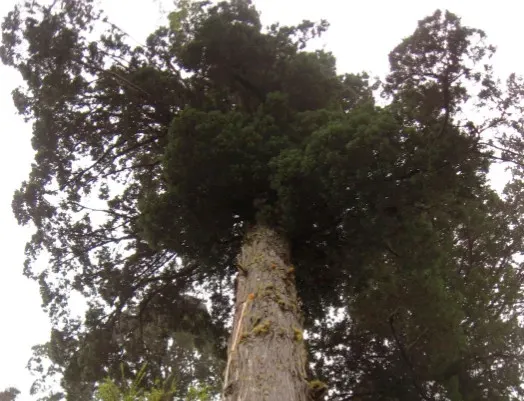
In the cool, rainy forests of southern Chile and Argentina, alerce trees – members of the Fitzroya genus – quietly rival the world’s most ancient conifers. Some confirmed individuals are more than three thousand years old, and at least one living tree has been dated to nearly that age with modern methods. These trees grow in remote, often wet and mossy forests, where fallen trunks can take centuries to fully decompose, layering time upon time on the forest floor. Their wood is resin-rich and naturally rot-resistant, which once made it highly prized for shingles and construction.
Exploitation in past centuries drastically reduced old-growth alerce stands, turning many venerable trees into building material long before scientists had a chance to count their rings. Today, these trees are legally protected in their native range, but recovery is slow simply because ancient trees cannot be rushed. When you realize that some of the youngest seedlings sprouting today might not reach true old age for several dozen human generations, conservation suddenly feels like a very long promise. It’s not just about saving trees; it’s about committing to futures most of us will never personally see.
Jōmon Sugi and Japan’s Revered Cedars
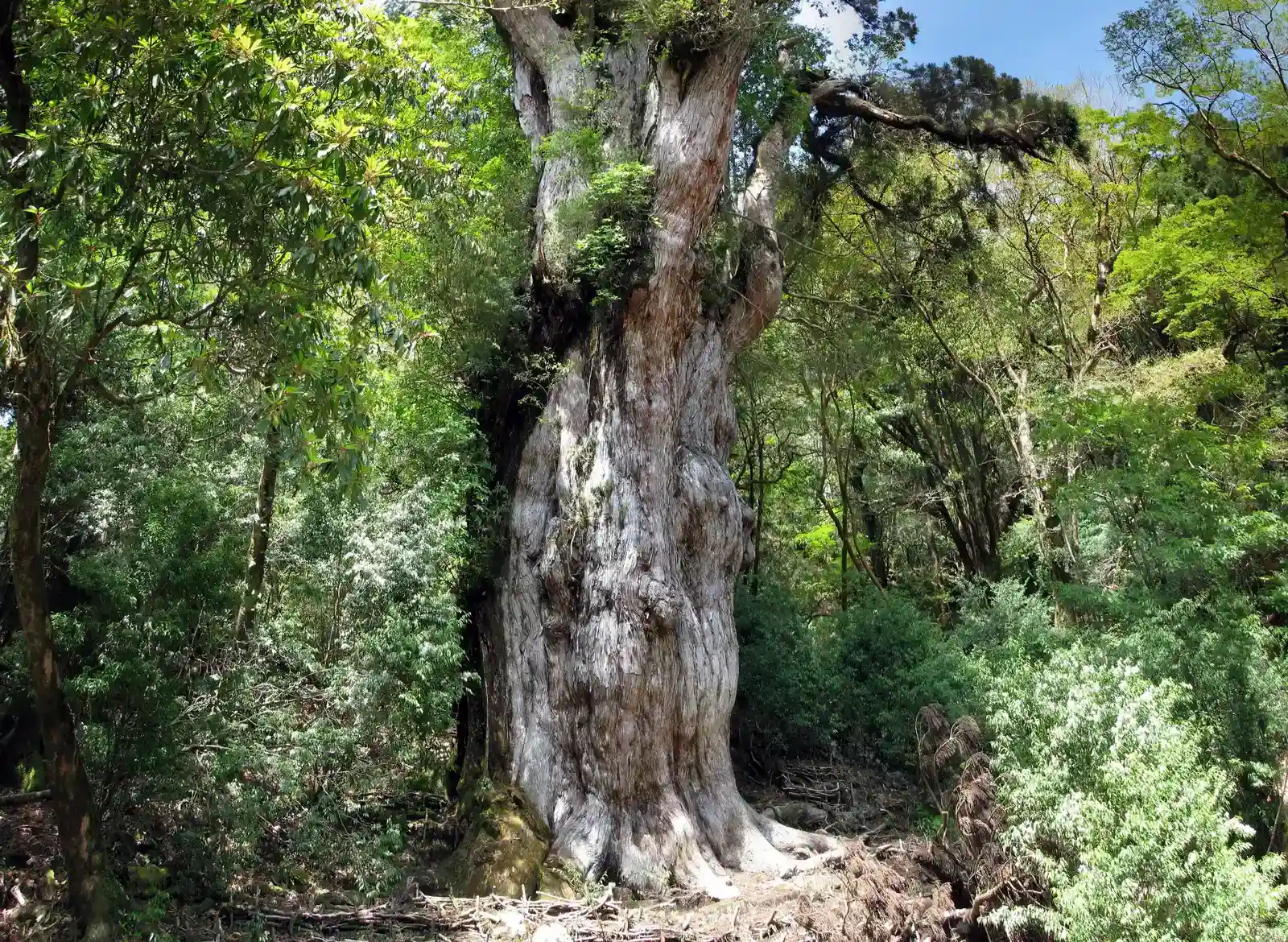
On Yakushima Island in Japan, cloaked in mist and moss, a huge cryptomeria tree known as Jōmon Sugi rises from the forest like a pillar in some forgotten shrine. Its age is debated, with estimates ranging from at least a couple of thousand years to possibly more, but everyone agrees it’s ancient by any reasonable measure. The trunk is massive, swollen and irregular, with branches that look more like whole trees in their own right. Reaching it requires a long hike, and that ordeal is part of the experience – it’s not a tree you accidentally bump into on a casual stroll.
Jōmon Sugi and its neighboring old cedars have shaped how many Japanese people think about time, nature, and spiritual presence. The island itself is known for near-constant rain, giving the forest a lush, almost otherworldly feel, where every rock seems to drip with life. Conservation efforts limit visitor numbers and keep people on designated paths, helping to protect the fragile root systems from trampling. Standing beneath Jōmon Sugi, people often describe a kind of quiet shock, realizing that this living giant predates their entire family trees many times over. It’s a humbling reset button for the ego.
Baobabs: Africa’s Ancient Water Towers and Vanishing Giants
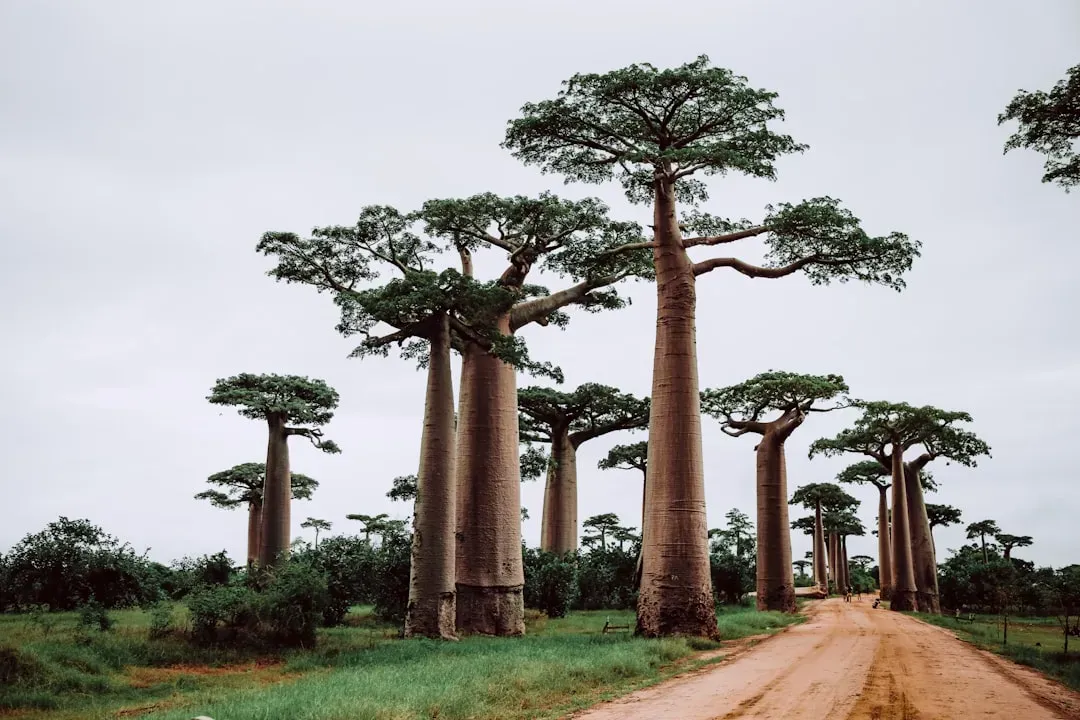
Across parts of Africa and Madagascar, baobab trees rise from the landscape like upside-down castles, with swollen trunks and sparse crowns that look like roots reaching into the sky. Some of the largest and oldest baobabs are known to be more than a thousand years old, and a few have been estimated at well over that. These “water tanks” store huge amounts of moisture in their spongy wood, helping them survive long dry seasons that would kill other trees. Their hollow interiors have even been used as storage rooms, bars, and small chapels, though that kind of use can put stress on an already aging tree.
In the last couple of decades, scientists have reported a worrying trend: several of the oldest and largest baobabs have suddenly collapsed or died. The causes are still being studied, but a mix of climate shifts, drought stress, and old age are all under suspicion. Seeing a thousand-year-old tree fall apart in a matter of years feels like watching a stone cathedral crumble in slow motion. It’s another reminder that “ancient” doesn’t mean untouchable, especially in a world whose climate is changing faster than many long-lived species can adapt.
Olive Trees: Twisting Witnesses of the Mediterranean Story
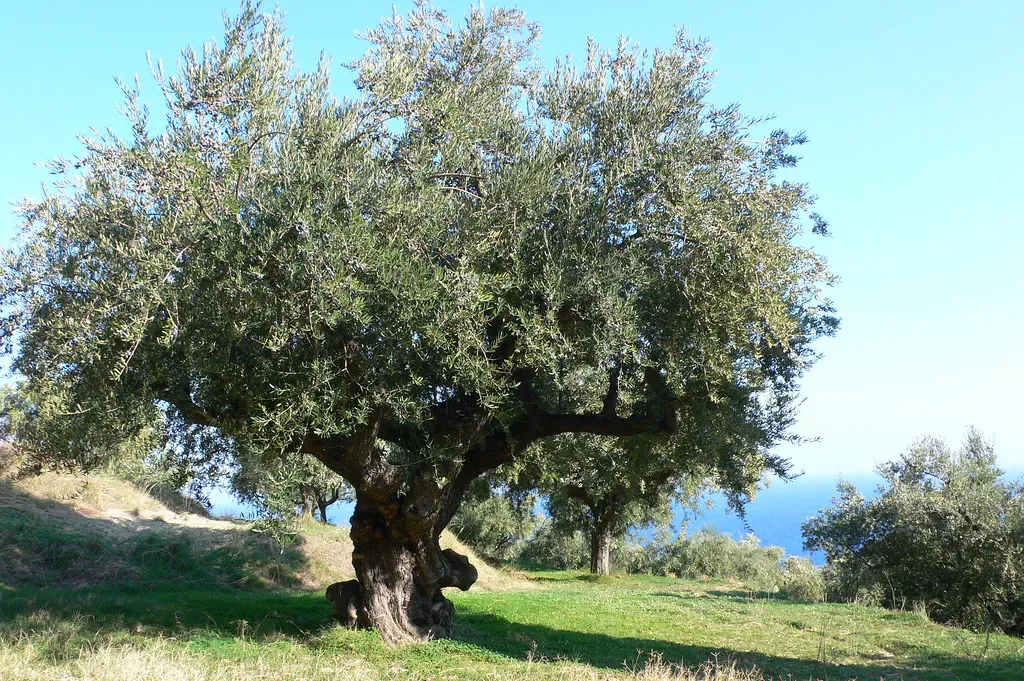
Travel around the Mediterranean, and you’ll see olive trees with trunks so contorted they look like frozen whirlpools of wood. Some of these trees have been dated to many centuries old, and a small number are believed to be well over a thousand years in age. Because olives can resprout from stumps and roots, and because their trunks can split and merge over time, pinning down exact ages is tricky. Still, even conservative estimates put the oldest famous specimens among the veteran trees of the world.
What makes ancient olives particularly striking is how woven they are into human life. People have been harvesting olives for oil, food, and medicine around these trees for millennia, often on the same groves passed down through generations. An old olive tree in a village square might have quietly stood through wars, plagues, and shifting borders, while continuing to drop fruit each season. They embody a kind of everyday resilience, less dramatic than a mountaintop pine but just as impressive when you think about how many human stories have played out beneath their branches.
Giant Sequoias and Coast Redwoods: Tall, Massive, and Surprisingly Vulnerable
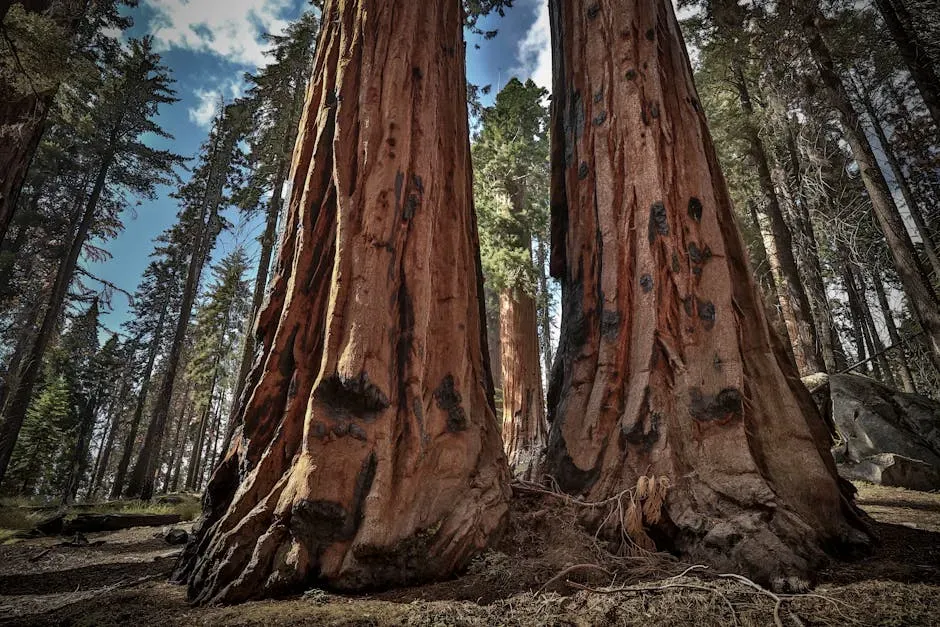
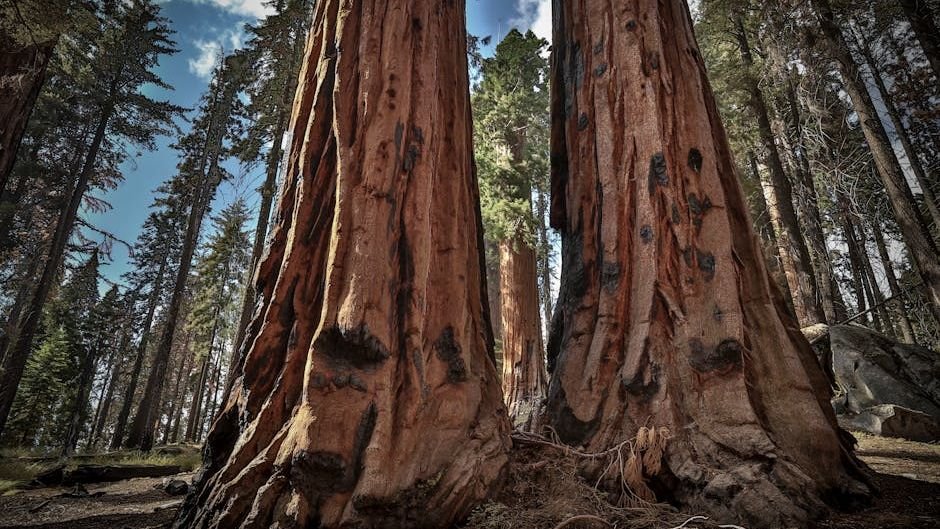
On the western slopes of the Sierra Nevada in California, giant sequoias dominate a few rare groves, their trunks rising like stone columns. The oldest known individuals are more than three thousand years old, and they are among the most massive living organisms on Earth by volume. On the nearby coast, a different relative, the coast redwood, stretches higher – some reaching above a hundred meters – but typically with somewhat shorter lifespans, though still reaching many centuries. Walking among them, the scale alone can make you feel like an ant wandering in a forest built for giants.
For a long time, people assumed these colossal trees were practically invincible; their thick bark and high crowns protect them from most natural fires and many pests. But in the past decade, extreme droughts, heat waves, and unusually intense wildfires have killed significant numbers of old sequoias, something scientists once viewed as nearly unthinkable on a large scale. Some groves have lost a substantial share of their oldest monarchs in a single fire season. Seeing blackened hulks where ancient giants once stood has shaken the belief that “protected areas” alone are enough to safeguard them in a rapidly changing climate.
Why Ancient Trees Matter More Than We Realize
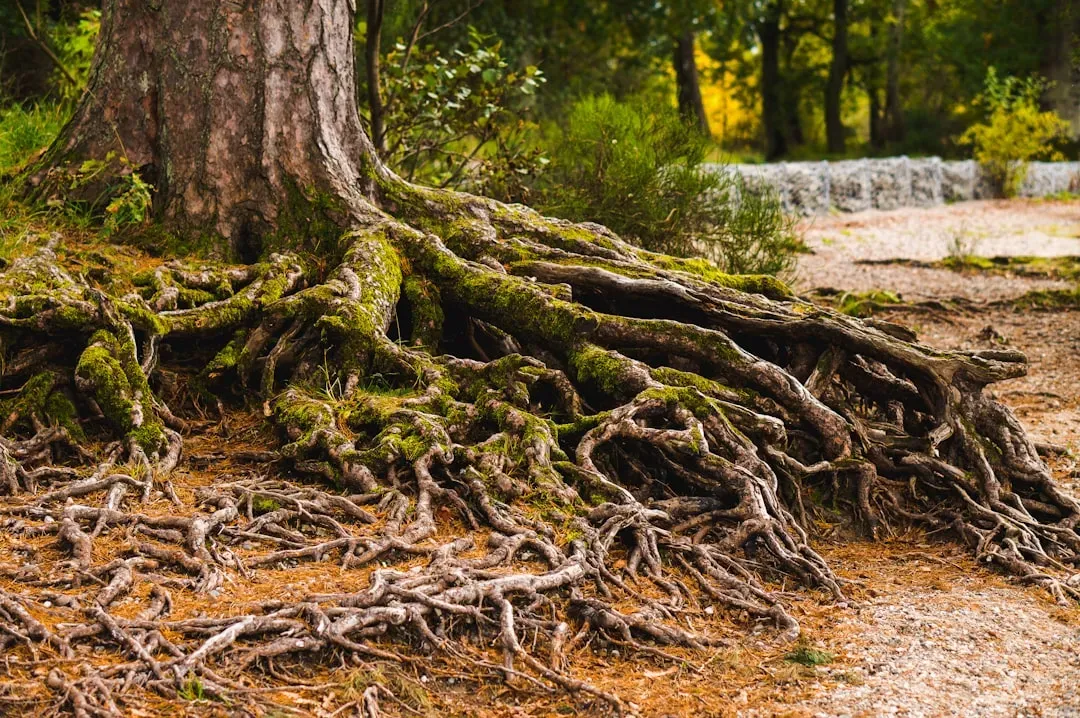
It’s tempting to see very old trees as just cool curiosities, the natural world’s version of a record-breaking athlete or a rare artifact. But they’re far more than that. Ancient trees store enormous amounts of carbon, help regulate local water cycles, and create complex habitats used by countless species of fungi, insects, birds, and mammals. A single old tree can host an entire layered community, with mosses, lichens, cavities for nesting, and decaying wood that feeds hidden networks of life. Lose the tree, and you don’t just lose a trunk; you lose an entire micro-universe.
They also hold data – literal archives written in wood. Tree rings tell stories about droughts, volcanic eruptions, and past climate swings stretching far beyond human records. On a more personal level, standing with an ancient tree can change how you think about your own life span. Suddenly, the things that feel urgent today shrink against the timeline of a five-thousand-year-old pine or a sprawling clonal aspen. There’s something oddly comforting in that perspective, like realizing you’re part of a much longer, ongoing story rather than the whole book.
Guardians of Time: Our Responsibility to Earth’s Oldest Trees
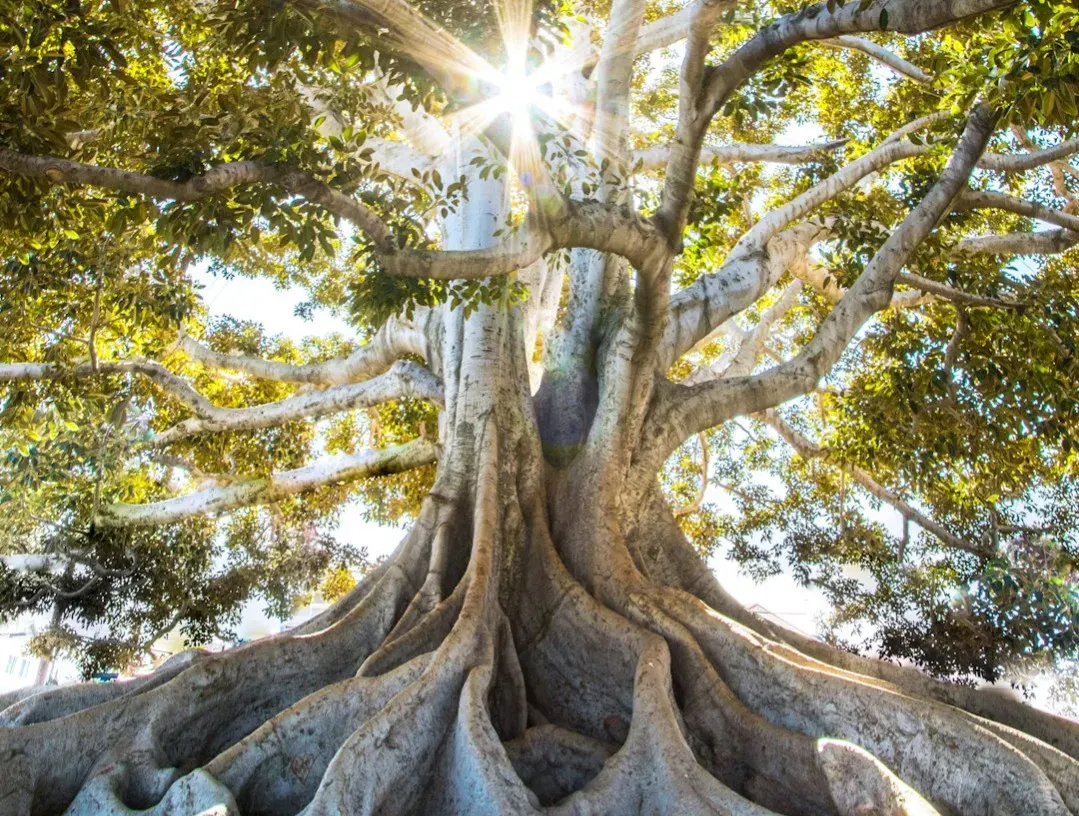
By the time you finish reading this, each of the trees we’ve talked about will still be exactly where they have stood for centuries or millennia, enduring another day of wind, sun, frost, or drought. But none of them are guaranteed a future. Logging, land conversion, pollution, invasive pests, and especially rapid climate change are pushing some of these ancient beings toward sudden endings after unimaginably long lives. For organisms that evolved to play the long game, our fast, disruptive world can be a brutal surprise.
Protecting old trees is not just about setting aside a few pretty groves in parks; it means defending whole ecosystems and climate conditions that allow such longevity in the first place. It also means recognizing that some of the most important “monuments” on this planet are not made of stone or steel, but of living wood that still bends in the wind. Next time you pass an old tree – whether it’s a bristlecone in the mountains or a gnarled oak in a city park – it might be worth pausing for a moment. After all, how often do you get to share a planet with something that remembers a world you can barely imagine? And if these quiet elders could vote on how we treat the future, what do you think they’d ask us to change?