
Close your eyes and try to picture a color you’ve never seen. You can’t. That’s not a failure of imagination – it’s biology. Your brain has simply never received the signal that would create such an experience. The colors you know are defined entirely by the three types of light-detecting cone cells in your eyes, and anything outside that narrow window is, for you, invisible.
On the electromagnetic spectrum, the entire distribution of light in our universe spans from gamma rays to radio waves, yet human beings can only perceive a small sliver of it: the portion we call visible light, consisting of our familiar rainbow of colors. Other animals, shaped by millions of years of different evolutionary pressures, perceive the world through entirely different windows. Their colors are real. We just can’t access them.
The Human Visual System and Its Limits
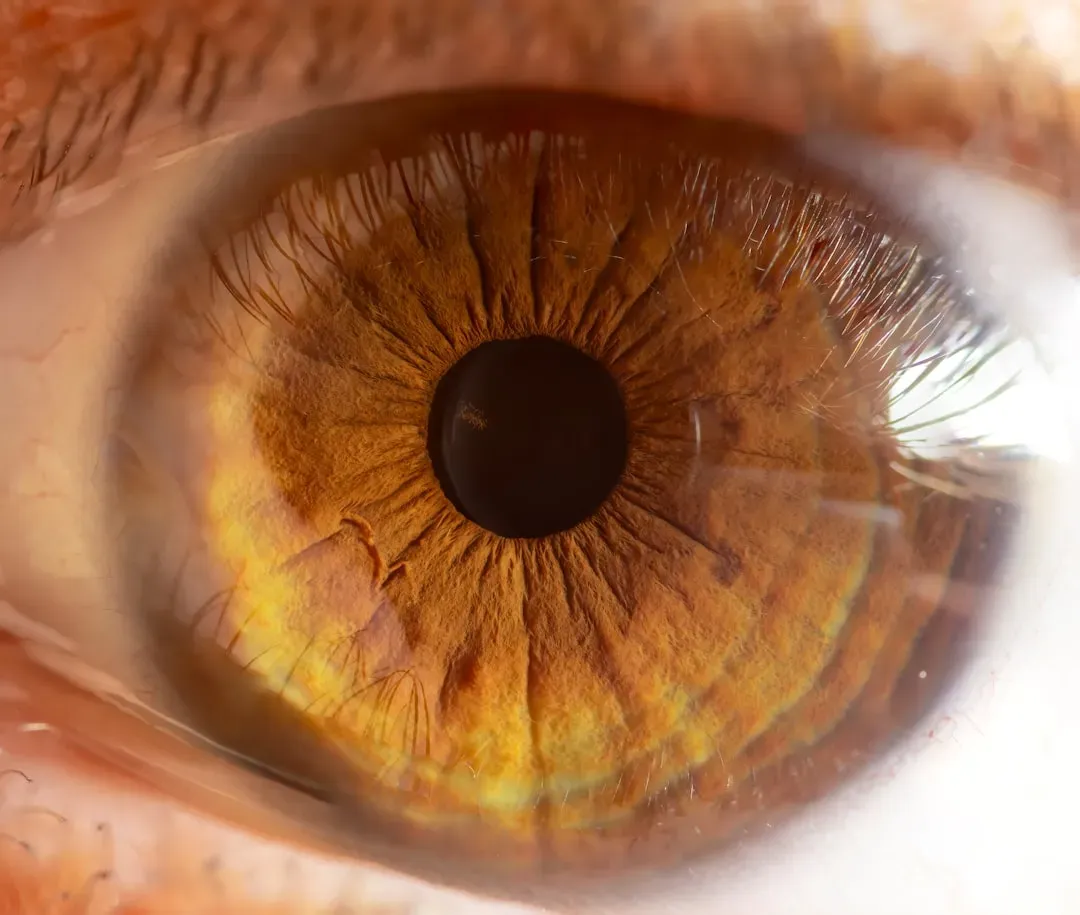
You have three types of cone cells in your eyes. This trio of photoreceptors detects red, green, and blue wavelengths of light, which combine into millions of distinct colors in the spectrum from roughly 380 to 700 nanometers – what we call “visible light.” That feels like a lot, until you realize how much exists just beyond those boundaries.
You can’t see infrared light or ultraviolet light, but you can see the wavelengths in between. Your eyes’ lenses actually filter out UV waves, effectively blocking a whole dimension of visual information that other creatures rely on daily. The world you see is very much a curated version of what’s actually out there.
What Tetrachromacy Actually Means
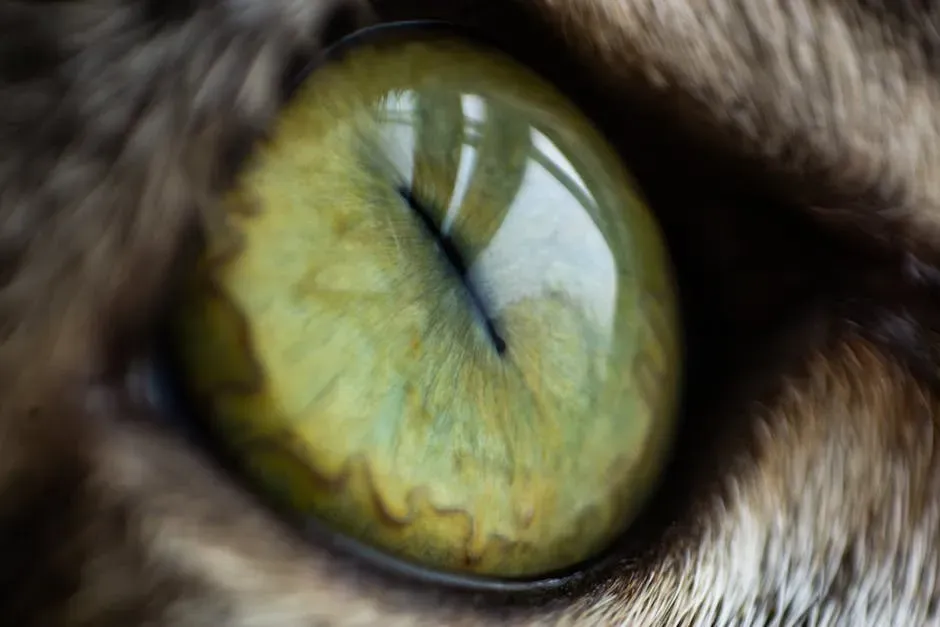
Some species, known as tetrachromats, have four types of cones, allowing them to detect colors beyond the range visible to humans. The neural comparison of signals from these multiple cone types creates the experience of color. That extra cone changes everything, opening up combinations and blends of light that simply don’t exist in your visual vocabulary.
Many birds, fish, and some reptiles are tetrachromats, utilizing cones that detect red, green, blue, and UV light. Complex color vision helped birds, fish, and reptiles function optimally, so these animals largely retained their tetrachromacy. Mammals, including humans, largely lost it during an era when their ancestors prioritized night vision over color richness.
Hummingbirds and the Colors That Have No Human Name
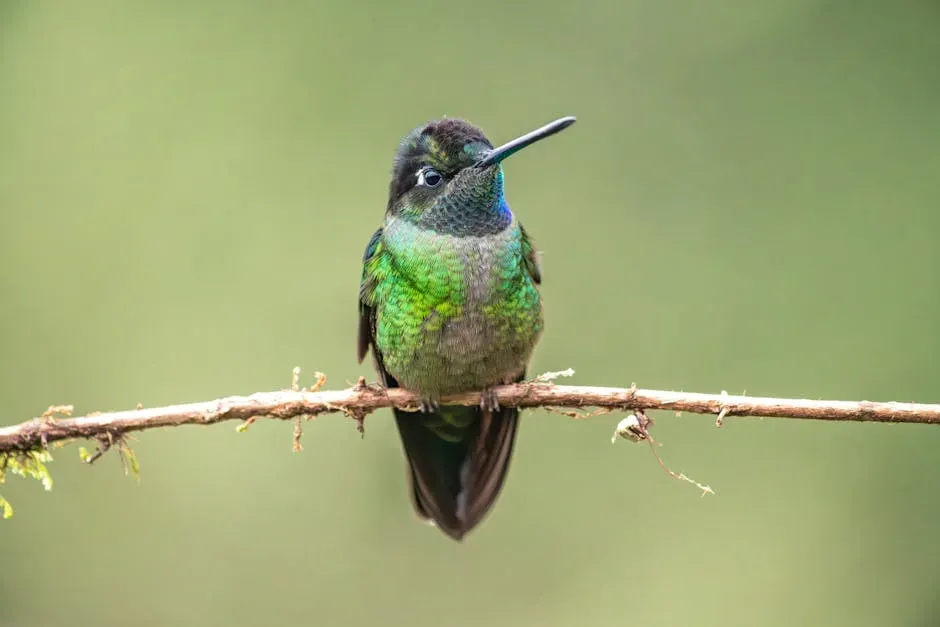
A groundbreaking 2020 study at the University of British Columbia tested hummingbirds in natural light conditions, and researchers found that these birds could perceive at least five non-spectral colors – hues produced by combining UV with visible light. These are not just variations on colors you already know. They are genuinely distinct experiences.
The experiments revealed that hummingbirds can see a variety of nonspectral colors, including purple, ultraviolet+green, ultraviolet+red, and ultraviolet+yellow. For example, hummingbirds readily distinguished ultraviolet+green from pure ultraviolet and pure green, and they discriminated between two different mixtures of ultraviolet+red light. The ultraviolet+green light and green light looked identical to the researchers, but the hummingbirds kept correctly choosing the ultraviolet+green light associated with sugar water. That gap between what you see and what the bird sees is, frankly, humbling.
Birds of Prey: Seeing the Sky in Ultraviolet
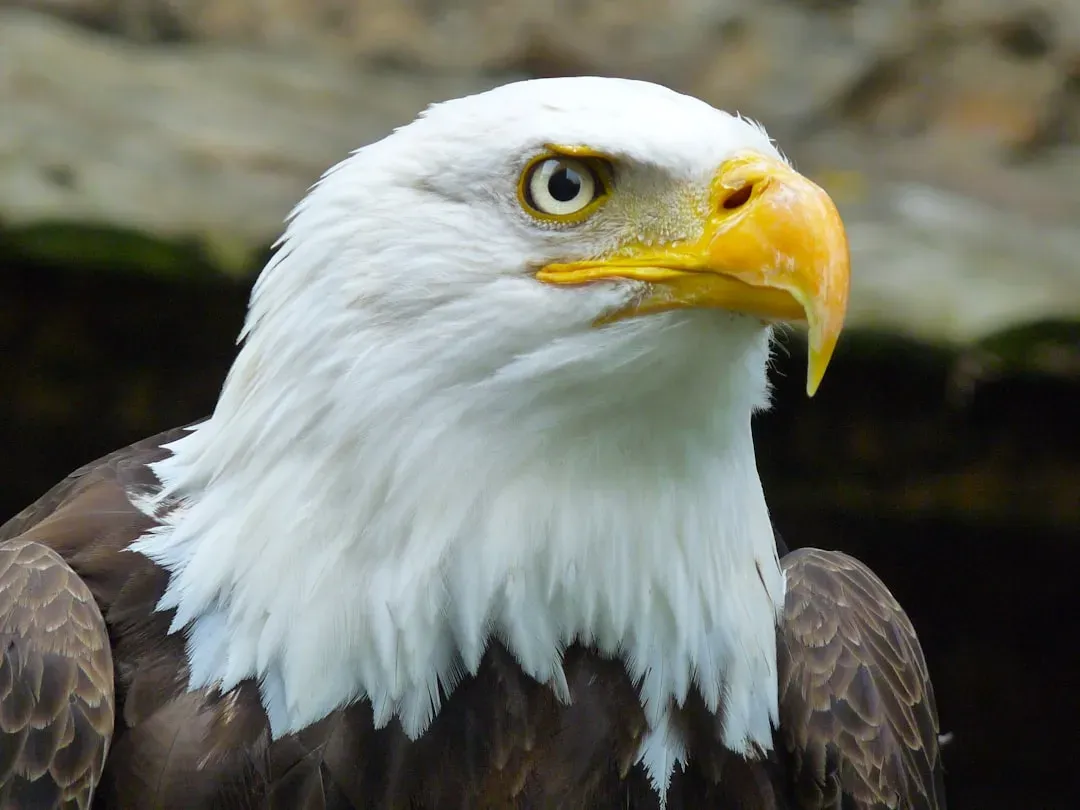
Birds of prey such as eagles and hawks have excellent color vision, with four types of cone cells, allowing them to see the visible spectrum plus ultraviolet light, which humans cannot see. This ability helps these birds to locate prey from great distances. You might be scanning a field and see only grass. A hawk overhead is reading a far more detailed scene.
Like most reptiles, birds are tetrachromats with red, green, blue, and ultraviolet cones. They can see more colors than we can, and thanks to the large number of rods and cones in their eyes, their vision is much more detailed. Birds are also much better at differentiating shades of color than we are. They also have a small amount of filtering oil in their color receptors, and these tiny drops act as microlenses that make it easier for birds to tell the difference between colors that look identical to us.
The Mantis Shrimp: More Receptors Doesn’t Mean More Color
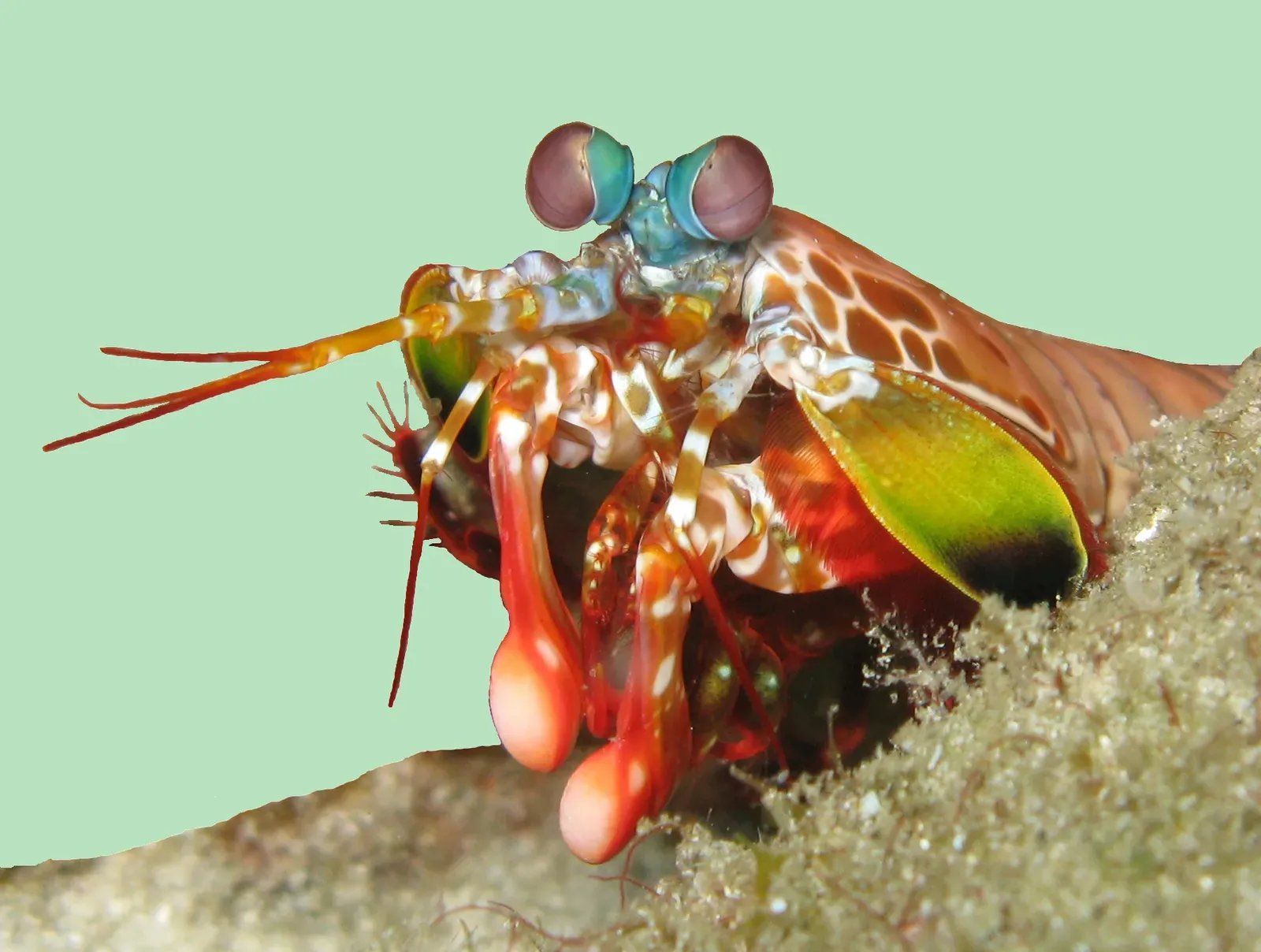
The mantis shrimp is the visual celebrity of the reef, with some species possessing 14 photoreceptors providing truly technicolor vision. It sounds like the ultimate visual machine. The reality, though, is more interesting than the popular myth.
A study published in Science by Hanne H. Thoen and colleagues in 2014 showed that mantis shrimp are actually worse than we are when it comes to discriminating differences in color. The fact that the mantis shrimp has a greater variety of color photoreceptors does not endow the crustacean with better color vision. One hypothesis suggests that rather than using its vision to compare different colors as humans do, mantis shrimp use their influx of color information to recognize desired colors instead, which may assist them in striking or clubbing quickly passing prey. Its visual system appears to be optimized for speed and identification, not aesthetic richness.
Pit Vipers and the World Seen Through Heat
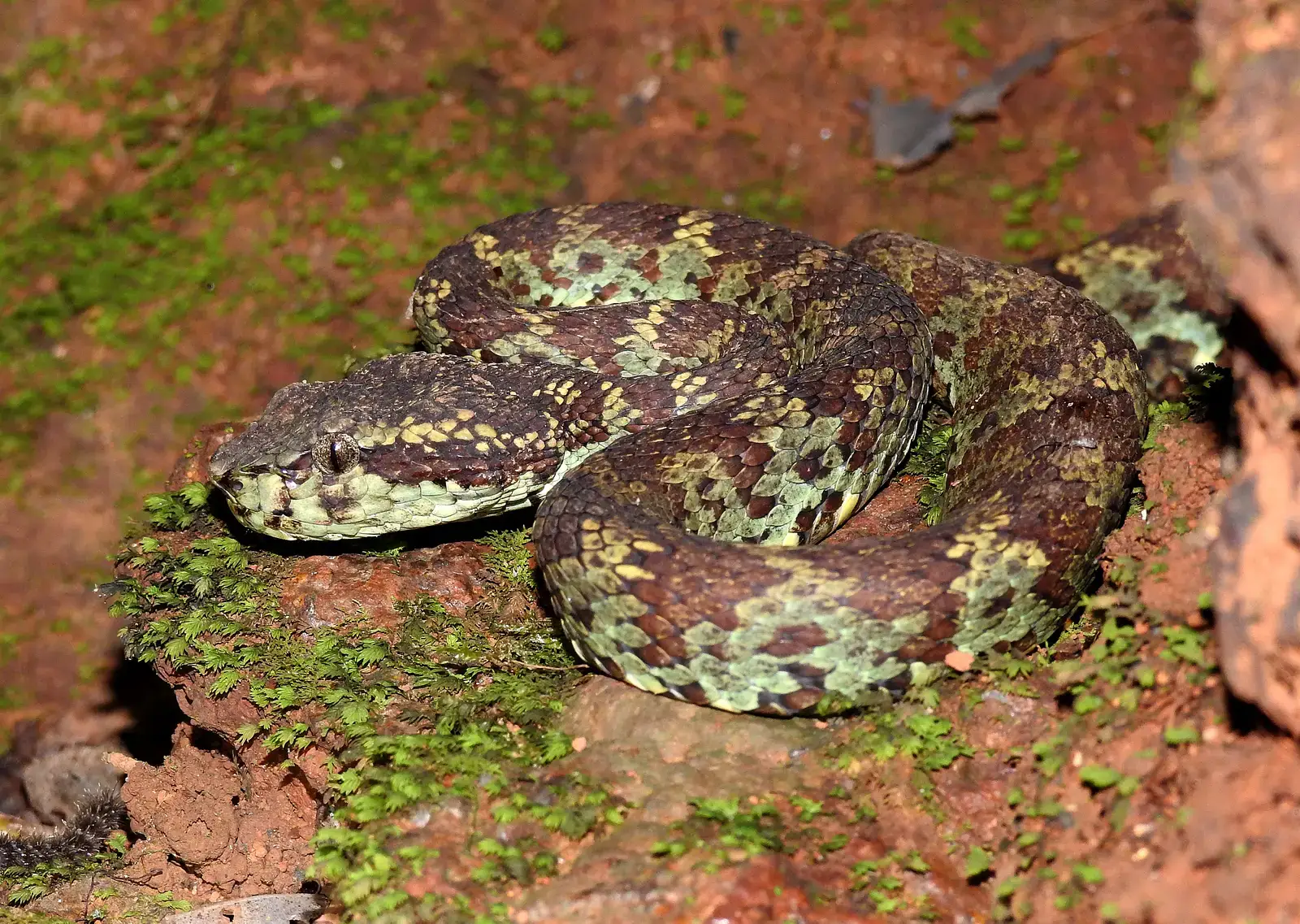
The ability to sense infrared thermal radiation evolved independently in three different groups of snakes, consisting of boas, pythons, and pit vipers. What is commonly called a pit organ allows these animals to essentially “see” radiant heat at wavelengths between 5 and 30 micrometers. This isn’t vision in the conventional sense. It’s closer to a living thermal camera.
The more advanced infrared sense of pit vipers allows these animals to strike prey accurately even in the absence of light, and to detect warm objects from several meters away. Snakes possess a unique sensory system for detecting infrared radiation, enabling them to generate a thermal image of predators or prey, with infrared signals initially received by the pit organ, a highly specialized facial structure. Superimposition of thermal and visual images within the snake’s brain enables it to track animals with great precision and speed.
Bees, Butterflies, and Flowers With Hidden Runways
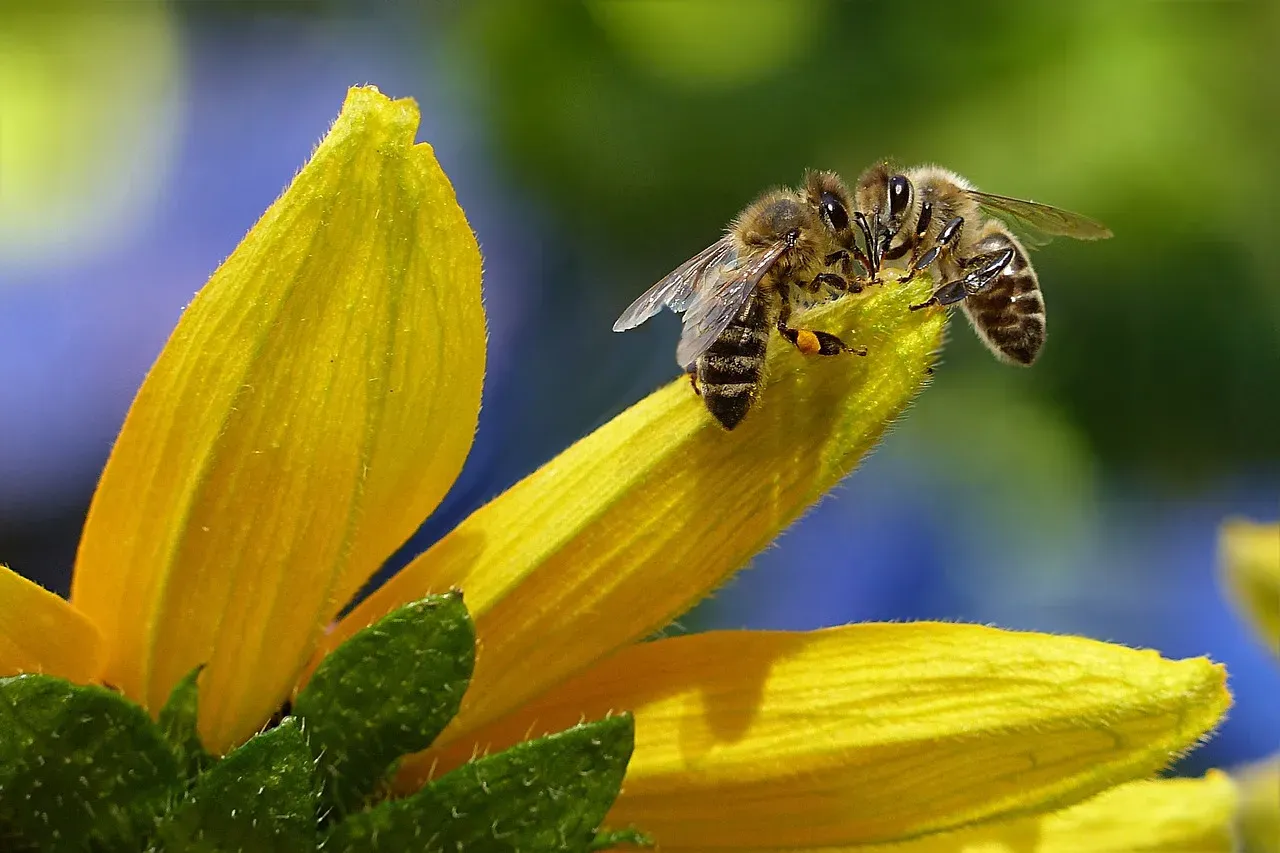
Insects have trichromatic color vision, which allows them to see three primary colors: ultraviolet, blue, and green. That shift toward the ultraviolet end of the spectrum, compared to your own, means the world of flowers looks profoundly different to a bee than it does to you.
The photoreceptors in their eyes that make this possible are important because many types of flowers have ultraviolet patterns on their petals, which work like a runway strip for a plane, allowing bees and butterflies to zero in on the nectar they want to eat. These flowers often reflect ultraviolet light in patterns that guide birds and insects toward nectar, and because these animals can see ultraviolet and non-spectral color combinations, flowers may appear much more visually complex to them than they do to humans. What looks to you like a plain yellow bloom might display a vivid landing pattern to a visiting bee.
Chameleons: Seeing More Than They Show
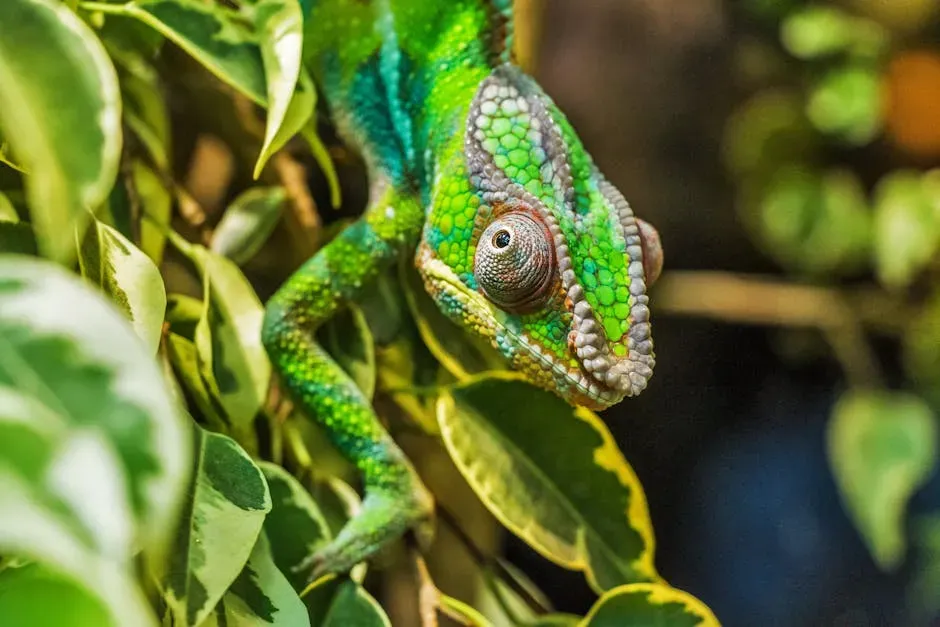
Chameleons are well known for their ability to change color, but they also have very good color vision, possibly the best of all lizards. Chameleons have “double cones” and four types of single cone cells, though very few rod cells, which means they don’t see well in the dark. Their daytime world, by contrast, is richly detailed.
Chameleons can see a wider range of colors than humans can, including ultraviolet light, and their eyes can move and focus together or independently of each other. They can focus on objects at great distances because of the shape of their corneas and lenses. Chameleons also have a layer in their eyes called the tapetum lucidum, which reflects light and enhances their vision in low-light conditions. For an animal that communicates partly through color changes, having the sharpest possible color perception gives them a clear social advantage.
Technology Letting Us Peek Into Animal Vision
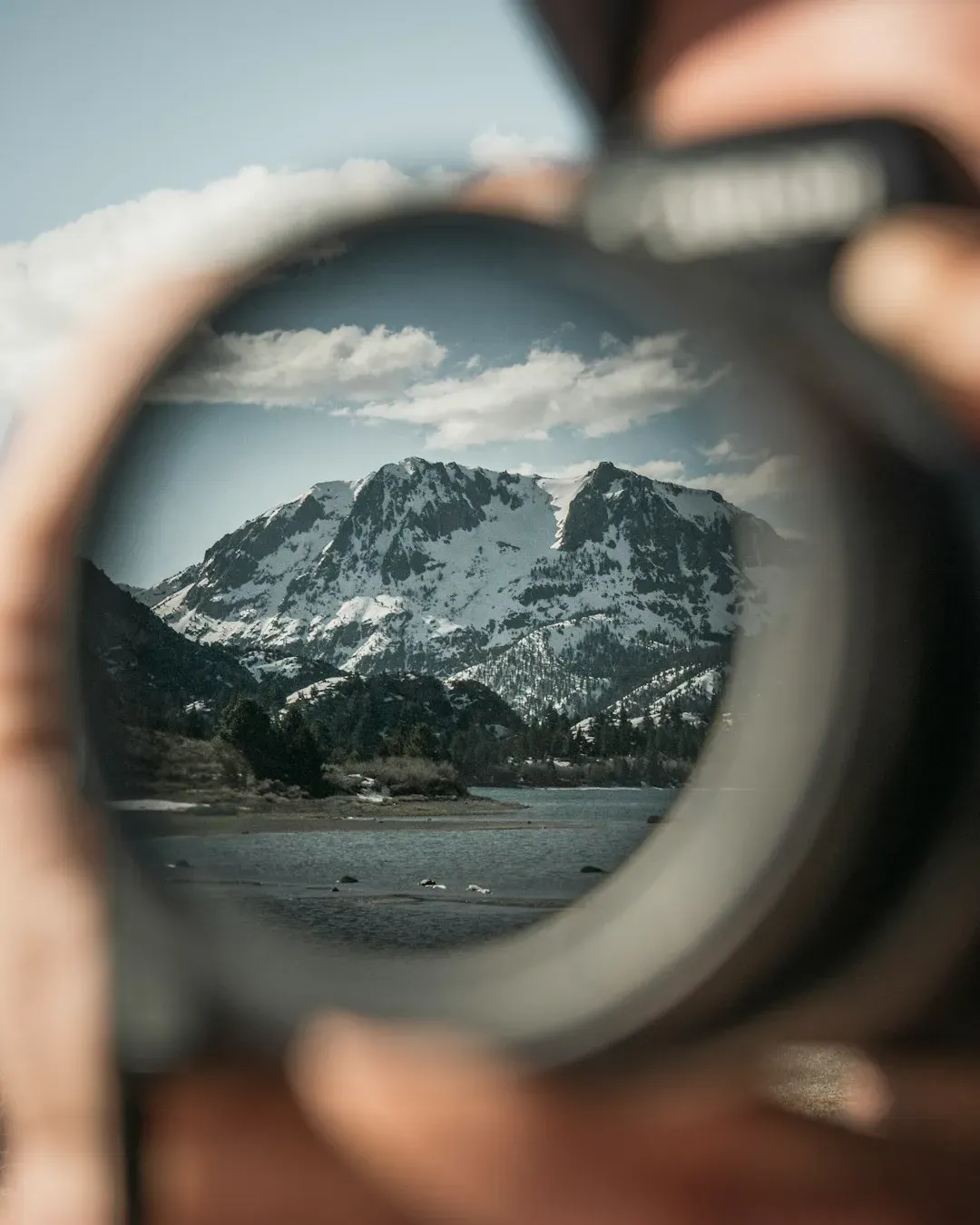
To capture animal vision on video, researchers developed a portable enclosure containing a beam splitter that separates light into UV and the human-visible spectrum, with the two streams captured by two different cameras – one standard and one modified for UV sensitivity. The result is footage that approximates what other species actually experience.
This system converts recorded data into “perceptual units,” essentially translating it into a format that replicates animal vision based on known photoreceptor data, and when compared to traditional spectrophotometry methods, this new system boasts over 92 percent accuracy in predicting perceived colors that animals see. The technique is already revealing unseen phenomena of the natural world – for example, by recording an iridescent peacock feather rotating under a light, researchers found shifts in color that are even more vibrant to fellow peafowl than they are to humans. Science is slowly translating an experience that, by definition, no human brain can directly hold.
Conclusion
The idea that there are colors beyond our perception isn’t science fiction. It’s well-established biology, backed by decades of research and increasingly precise tools. Animal vision reveals how arbitrary our own perception truly is. We assume the visible spectrum defines what’s real, but that’s just evolutionary circumstance.
Animals use color vision to forage, avoid predators, and find high-quality mates, and every species does this through a visual world calibrated entirely to its own survival needs. Yours happens to be narrow by the standards of the broader animal kingdom. That’s not a failing. It’s just where you ended up on a very long evolutionary road – one that other creatures traveled in very different directions. The remarkable thing isn’t that you can’t see those colors. It’s that you now know they exist.