
Most people think of geology as something that happened in the distant past. Ancient forces, long cooled. Landscapes locked in place. The truth is more alive than that. Right now, at this very moment, the Earth is still building itself. Mountains are shifting by millimeters. Lava is cooling into fresh rock. Minerals are crystallizing out of steaming water onto terraces that didn’t exist a century ago. You don’t need to go back in time to witness creation. You just need to know where to look.
These five geological wonders are not relics. They’re ongoing. They’re restless. Some of them you can visit today and watch the planet change under your feet – quite literally.
Kīlauea, Hawaii: A Volcano That Refuses to Rest
![Kīlauea, Hawaii: A Volcano That Refuses to Rest ([1], Public domain)](https://nvmwebsites-budwg5g9avh3epea.z03.azurefd.net/dws/bab77941d62dac17721086bea3d30c45.webp)
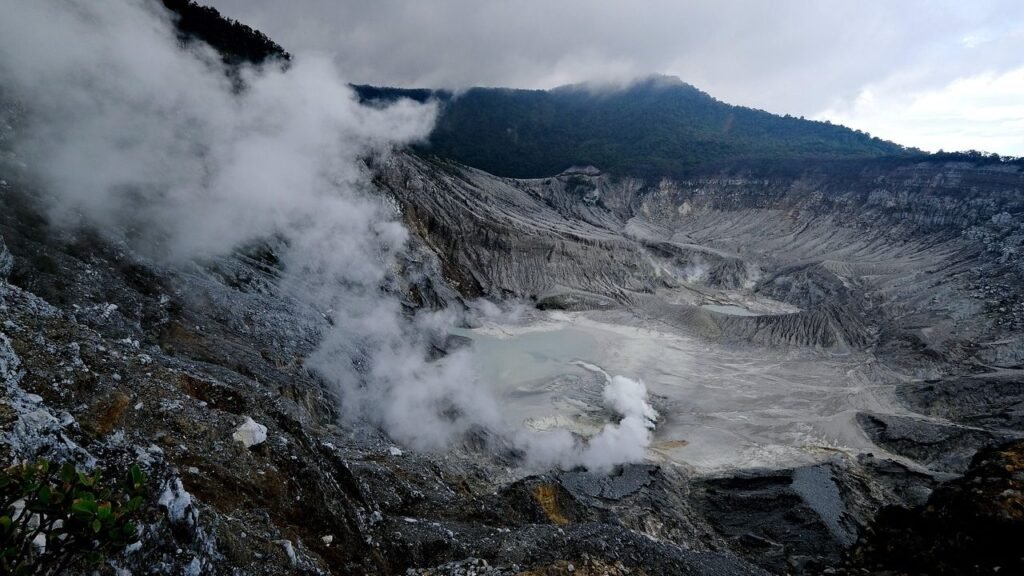
You might assume that an active volcano is simply doing what volcanoes do. But Kīlauea is something else entirely. It is considered the world’s most active volcanic mass, and its behavior over the past two years has pushed that reputation even further. The most recent eruption began in December 2024, with episodic lava fountains and flows continuing well into 2026. This isn’t a one-off event. It’s a sustained geological conversation between the surface of the Earth and its molten interior.
Kīlauea has entered its second year of episodic activity after reawakening in December 2024, going through dozens of bouts of lava fountaining, each lasting from several hours to several days. In March 2026 alone, lava fountains reached an estimated height of 1,770 feet during the peak of episode 43 – the highest recorded during the current eruption. The total volume erupted across all episodes since December 2024 reached close to 325 million cubic yards, and the depth of lava in the crater has increased by about 300 feet over that same period. You’re watching an island grow in real time.
Only about ten percent of Kīlauea’s surface consists of rock older than 1,000 years. The other ninety percent is covered by lava flows younger than 1,000 years, with about twenty percent of those flows less than 200 years old. That statistic alone tells you everything about how actively this landscape is being remade. Kīlauea is currently in a unique phase of activity in Halemaʻumaʻu, with episodes of lava fountaining erupting from two vents since December 23, 2024 – and these spectacular lava fountains have been visible from many publicly accessible overlooks within Hawaiʻi Volcanoes National Park.
The East African Rift: A Continent Pulling Itself Apart
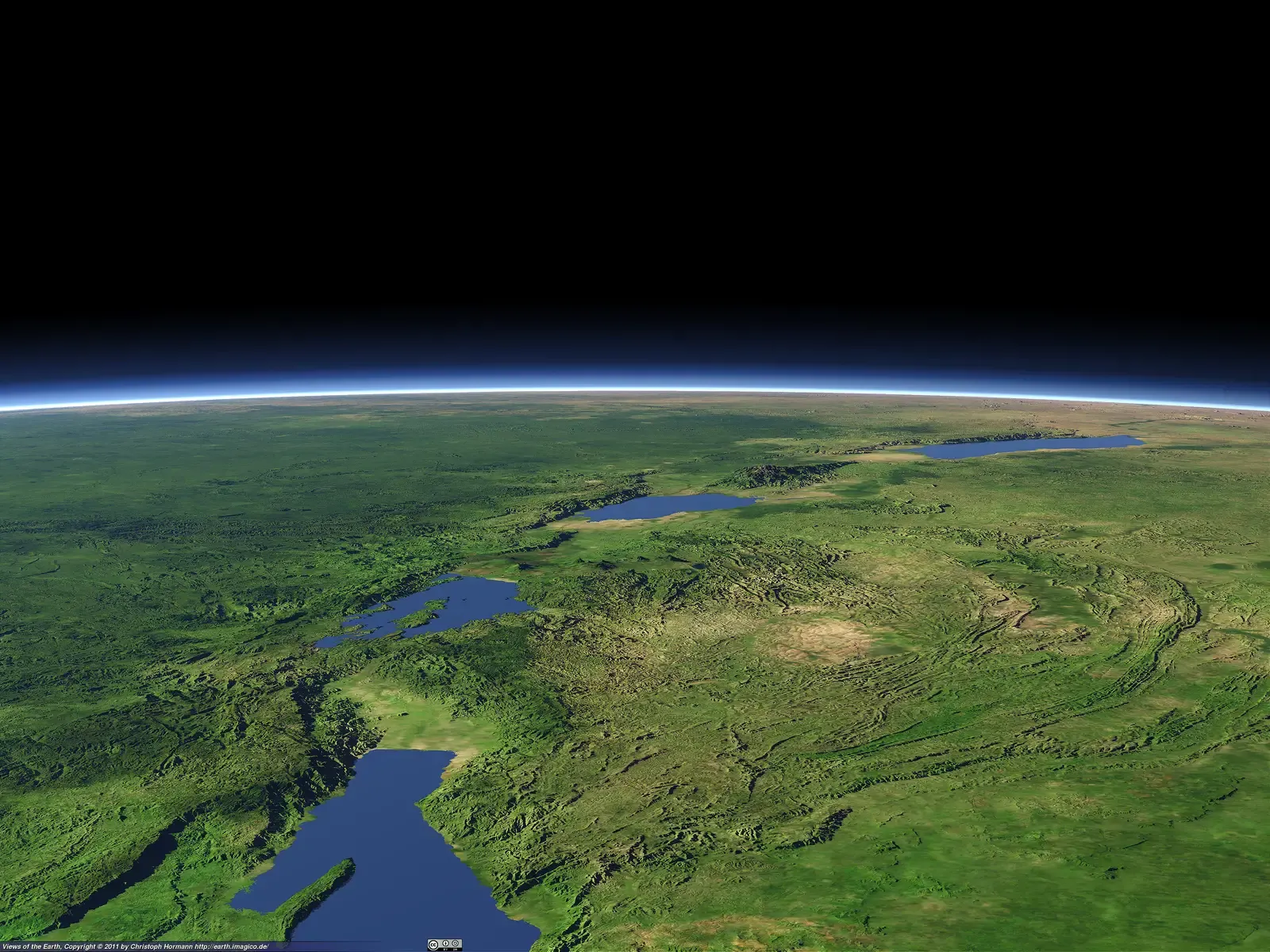
Africa is splitting in two. That’s not a distant geological prediction – it’s an ongoing process you can measure right now with GPS equipment. The East African Rift is a developing divergent tectonic plate boundary where the African plate is in the process of splitting into two separate plates, called the Somali plate and the Nubian plate, at a rate of roughly 8 to 9 millimeters per year. That’s slow by human standards. But it’s relentless, and the evidence is accumulating fast.
In 2005, a rift crack opened over 50 kilometers in Ethiopia, illustrating how tectonic stretching can suddenly manifest at the surface in a very dramatic way. The East African Rift is the largest seismically active rift system on Earth today, with the majority of earthquakes occurring near the Afar Depression. Scientists are watching a process that mirrors the ancient separation of Africa and South America – except this time, it’s happening in a continent where people actually live, and the scientific data is extraordinary. The East African Rift is one of the few places on Earth where the process of continental breakup can still be directly observed.
Although the breakup is imperceptibly slow on a human timescale, evidence of the continent’s stretch is visible today. Deep valleys punctuated by long, thin lakes – such as Lake Tanganyika and Lake Victoria – are surface expressions of that ongoing rifting activity, tracing the scar of the rift system as it continues to evolve. Over time, the Indian Ocean is expected to flood the rift valley, creating a new ocean and separating parts of Somalia, Kenya, Tanzania, and Ethiopia into a new continent. Geologists estimate that process will take millions of years – but it has already begun, and you’re living through the early stages of it.
Pamukkale, Turkey: Terraces That Grow One Drop at a Time
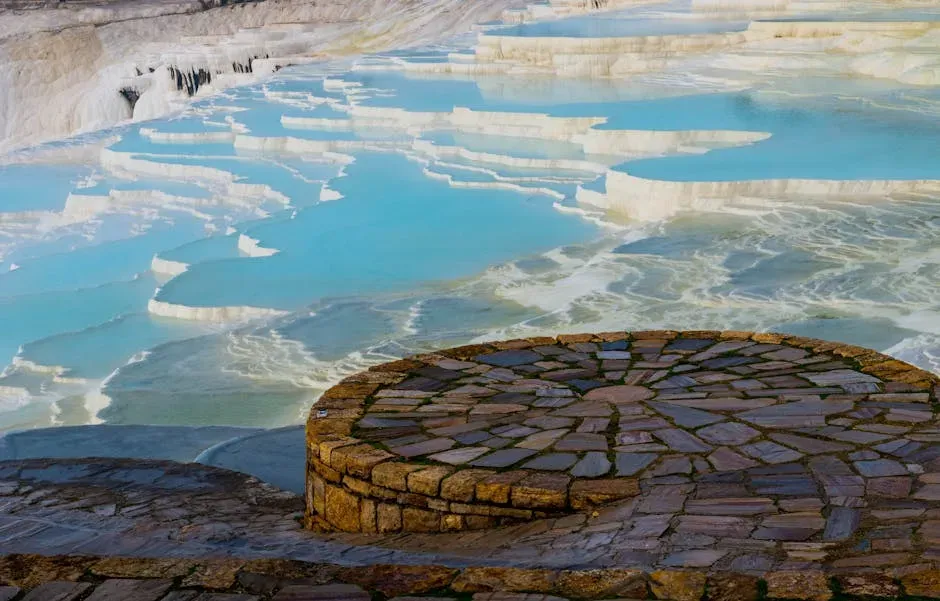
If lava forming new land feels too dramatic, here’s a gentler wonder. In southwestern Turkey, pure white terraces cascade down a hillside like frozen waterfalls, and they’re getting slightly larger every single year. Pamukkale, located in Denizli Province, is a prominent example of active travertine deposition. Its name means “Cotton Castle,” referring to the extensive white carbonate terraces formed by mineral-rich thermal springs. These travertine terraces have been forming for approximately 400,000 years.
The travertine terraces are created through the precipitation of calcium carbonate from thermal spring water. As the water emerges from springs at elevated temperatures and flows downhill to cool, carbon dioxide is released into the atmosphere, prompting calcium carbonate to precipitate and form solid, layered deposits. This process continues today, adding new mineral deposits at a rate of about 1 to 5 millimeters per year. It doesn’t sound like much until you realize that process has been running continuously for nearly half a million years.
As you walk barefoot across the travertines, you’re witnessing deposition that happens on human timescales. The thin films of water flowing over terrace rims continuously add microscopic layers of calcium carbonate each day, and in areas where thermal water actively flows, you can observe the chemical precipitation happening before your eyes. Today the site is carefully managed, with different terrace sections opened and closed on a rotating basis to allow mineral deposits to rebuild. Active geology, actively protected.
The Afar Triangle, Ethiopia: Where Three Plates Are Pulling Away from Each Other
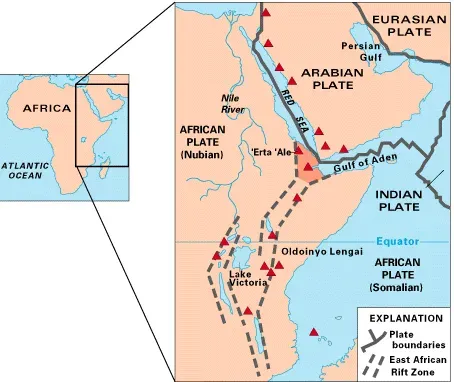
The Afar Triangle in Ethiopia occupies one of the most geologically intense spots on Earth. The Afar sits at the crossroads of three tectonic plates – the Nubian, Somali, and Arabian – which are gradually pulling away from one another. This process, known as rifting, is reshaping the landscape and offering scientists a rare opportunity to study how continents split and oceans are born. Nowhere else on the planet can you observe continental rifting in such a raw, accessible, and scientifically rich environment.
The Danakil Depression, in Ethiopia’s Afar region, is already below sea level. Dallol, a volcano in that depression, is the site of a dramatic landscape filled with acidic, brightly colored geothermal pools. The East African Rift is unique in that it allows observation of different stages of rifting along its length. To the south, where the rift is young, extension rates are low and faulting occurs over a wide area. Towards the Afar region, however, the entire rift valley floor is covered with volcanic rocks, revealing just how far advanced the process has become in this particular zone.
Scientists from several countries have confirmed that the volcanic processes at work beneath the Ethiopian rift are nearly identical to those at the bottom of the world’s oceans, suggesting the rift is indeed the beginning of a new sea. The first vivid clue to what was happening arrived in September 2005, when a 35-mile fissure ripped open in Ethiopia in just ten days. What you see in the Afar Triangle today isn’t just geology. It’s a preview of what the planet’s next ocean will look like at its very beginning.
Mammoth Hot Springs, Yellowstone: Travertine in Perpetual Motion
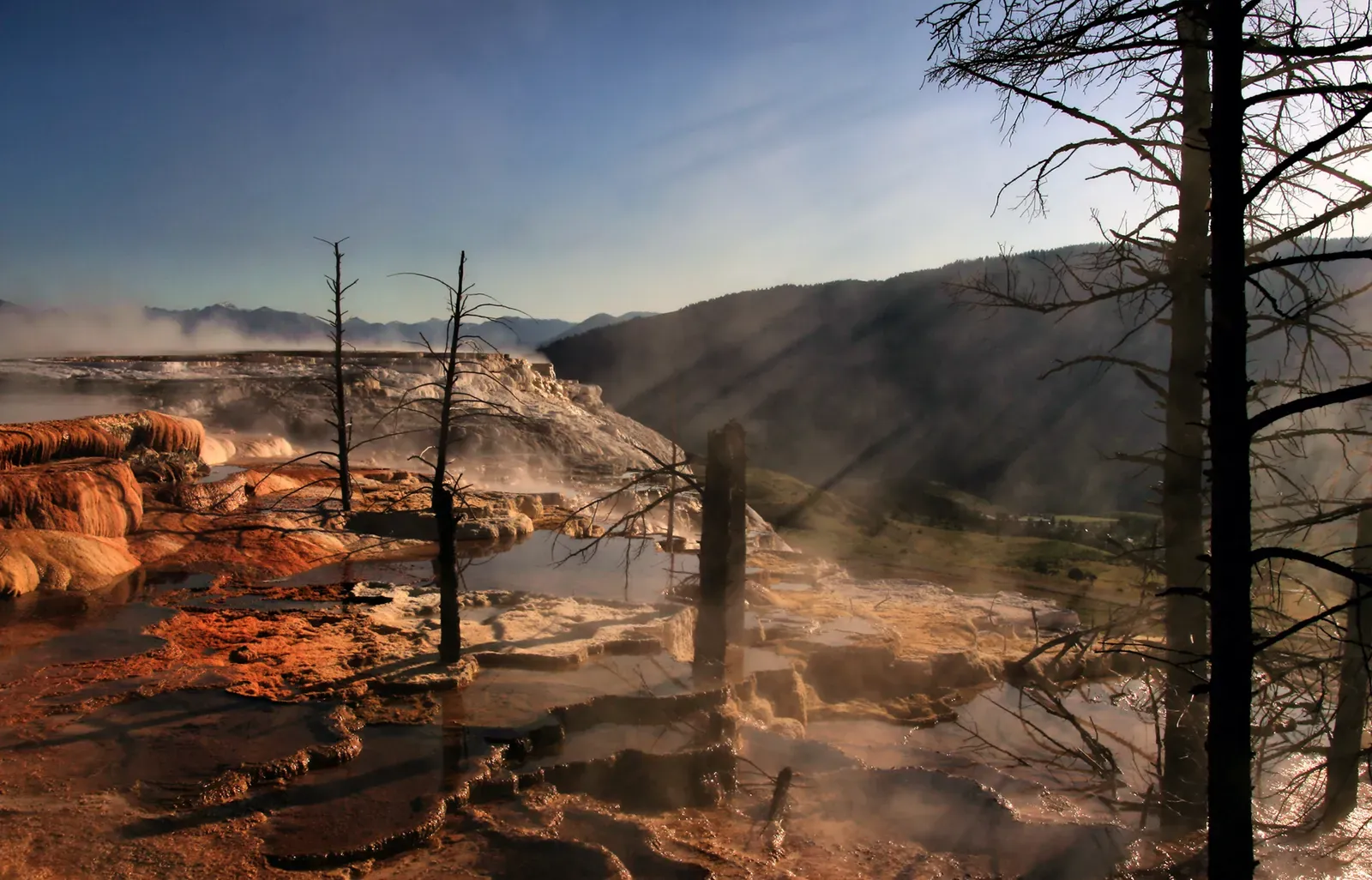
Yellowstone is famous for its geysers and boiling mud pools, but Mammoth Hot Springs might be its strangest and most dynamic feature. Unlike the rest of the park, which sits on silica-based geology, Mammoth is built on limestone. Hot water rises through that limestone, dissolves it, and redeposits it as travertine the moment it reaches the surface and cools. Thermal waters saturated with calcium carbonate flow from springs atop the plateau, and as the water cools and evaporates, it leaves behind deposits that build up over time to form gleaming white pools and terraces.
What makes Mammoth distinct is the speed of change. The terraces here can shift noticeably within years, sometimes within months. New mounds emerge as springs migrate, and older formations go dry and bleach white when the water moves on. Fumaroles in Yellowstone are vents in the Earth’s crust formed after scalding volcanic rocks come into contact with water, creating intense pressure that spews hot steam and boiling water. The entire hydrothermal system at Yellowstone, including Mammoth, is fed by one of the most powerful volcanic systems in the world – and that system is still fully operational.
There were only three eruptions of Steamboat Geyser, the world’s tallest active geyser, in 2025, with activity expected to continue declining as the most recent active phase comes to an end. Yellowstone’s systems wax and wane constantly. But Mammoth’s travertine terraces are different – they grow steadily, almost patiently, adding layer after layer of calcium carbonate as long as the heat beneath the park remains. That heat isn’t going anywhere soon. Similar travertine formations can be found elsewhere, such as at Pamukkale in Turkey, but Mammoth Hot Springs stands out for the speed and visibility of its ongoing change.
Conclusion
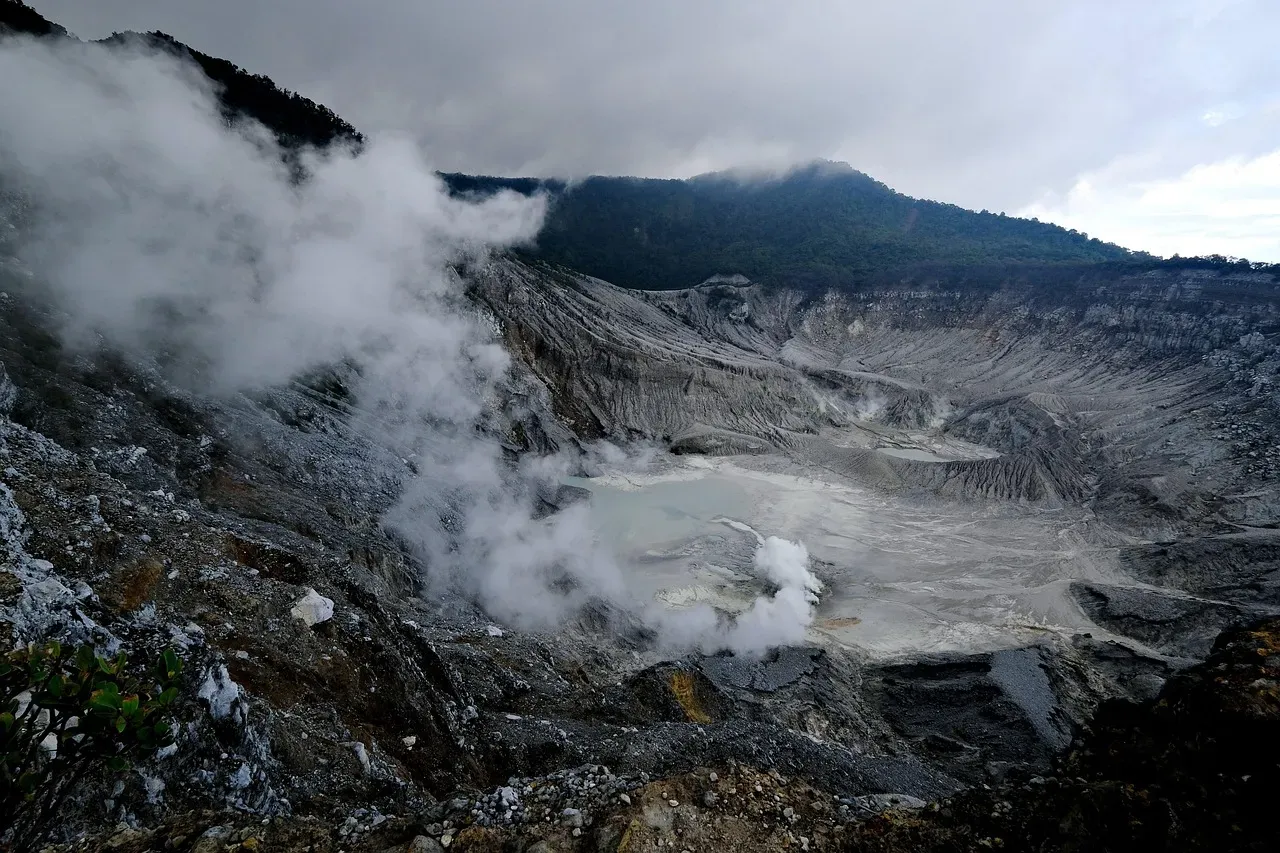
There’s something genuinely reorienting about watching geology happen in real time. These five places are reminders that the planet isn’t a finished product. Kīlauea is building new land right now, episode by episode. The East African Rift is slowly writing the opening chapter of an ocean that won’t exist for millions of years. Pamukkale and Mammoth add a millimeter here, a new terrace there – patient, continuous, indifferent to time in a way that’s quietly humbling. The Afar Triangle is perhaps the most astonishing of all: a place where you can stand on ground that the Earth is actively tearing apart.
You don’t need a time machine to see the planet form. You just need to visit the right places – and pay attention to what the ground beneath you is quietly doing.