Crisis Ignites in the Wheatbelt (Image Credits: Upload.wikimedia.org)
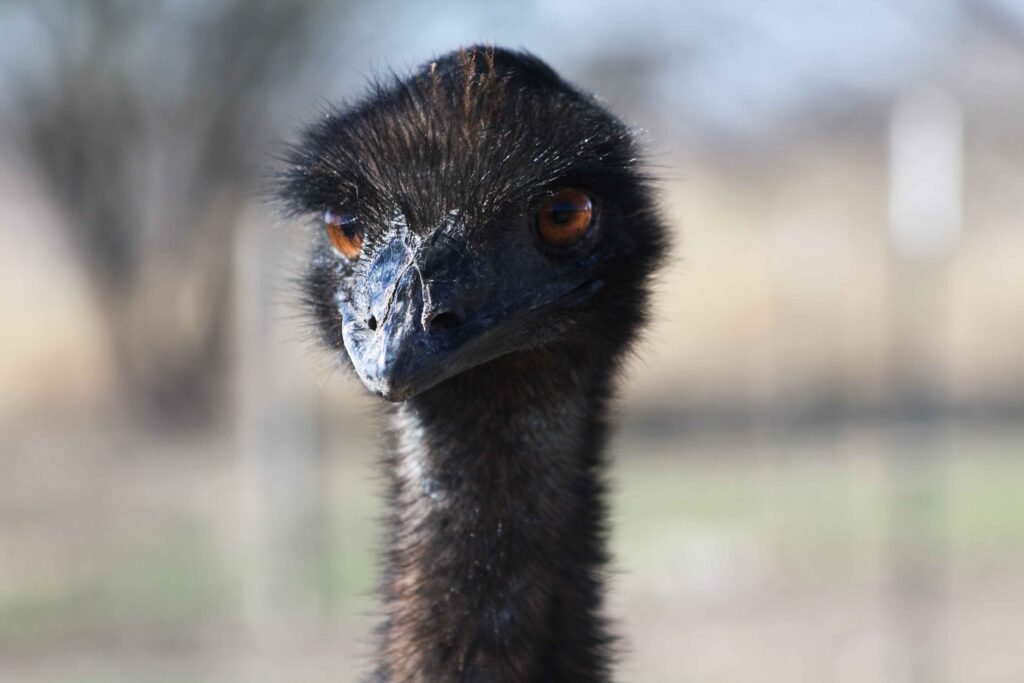
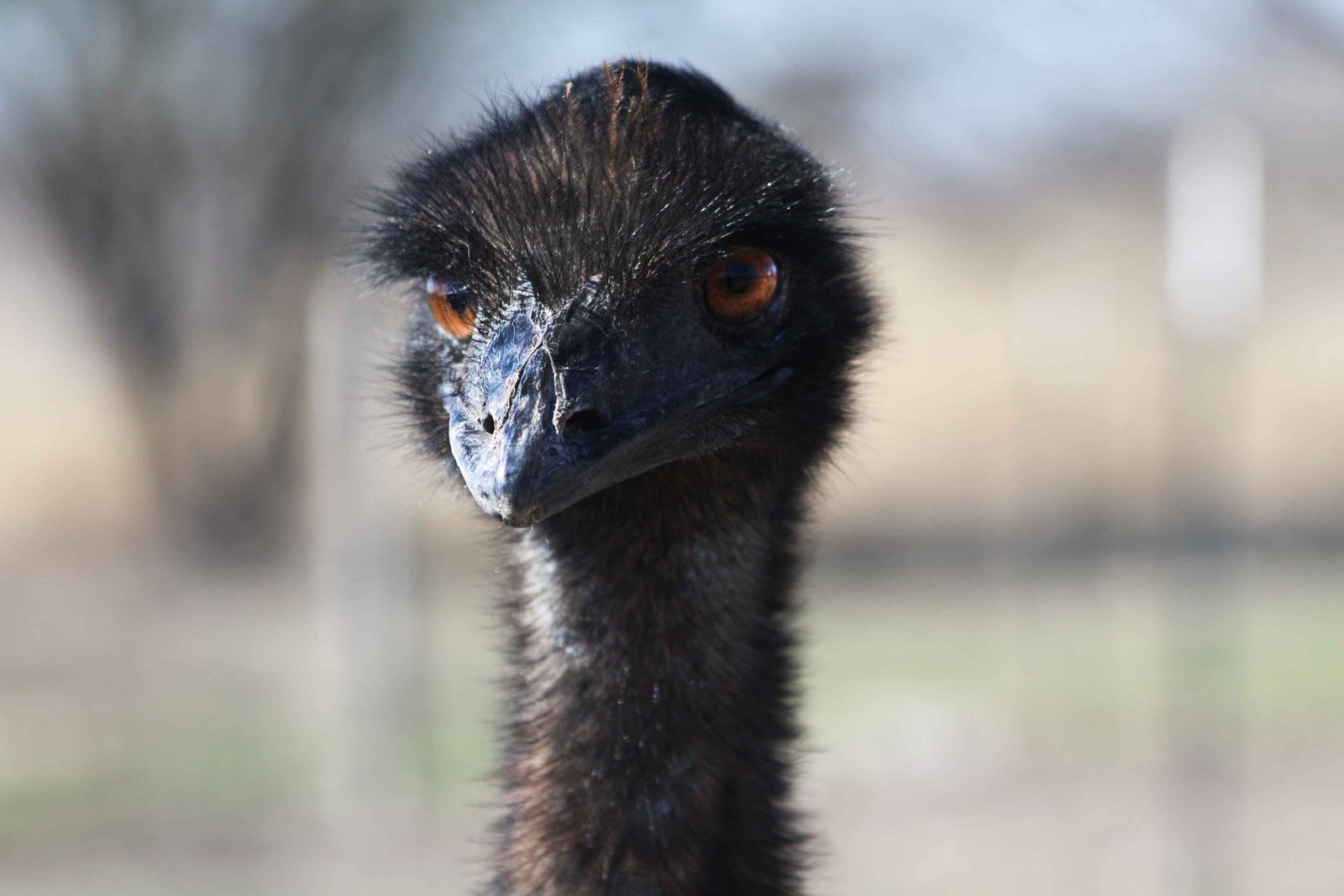
Western Australia — Thousands of emus swept into wheat fields during a punishing drought, trampling and devouring the livelihoods of struggling farmers. In late 1932, the government dispatched soldiers armed with machine guns to halt the destruction, marking one of history’s most peculiar confrontations between man and nature. The birds, however, proved far more elusive than anticipated, turning a routine cull into a swift military embarrassment.[1][2]
Crisis Ignites in the Wheatbelt
Post-World War I veterans had received marginal lands in the Campion district for wheat farming, but economic hardship compounded their woes when emus arrived en masse. A severe drought drove roughly 20,000 of the six-foot-tall birds from the arid interior toward coastal farmlands, where they shattered fences and consumed vast quantities of crops. Farmers reported fields reduced to stubble overnight, prompting urgent pleas to authorities.[1][3]
Minister for Defence Sir George Pearce approved the use of military resources after petitions highlighted the threat. The Royal Australian Artillery stepped in, viewing the task as straightforward pest control. Emus, native ratites with ancient roots, had long endured Australia’s harsh conditions, but this migration overwhelmed settlers’ defenses.[2]
Soldiers Enter the Fray
Major Gwynydd Purves Wynne-Aubrey Meredith commanded a small detachment from the 7th Heavy Artillery Battery, including Sergeant S. McMurray and Gunner J. O’Halloran. Equipped with two Lewis machine guns and 10,000 rounds of ammunition, the team arrived in early November expecting quick success against slow-moving targets. Operations commenced on November 2, focusing on emu concentrations near wheat crops.[1][2]
The soldiers pursued ambushes, driving vehicles alongside flocks to create massed formations ripe for gunfire. Yet emus refused to cooperate, scattering at the first sign of danger. Initial engagements yielded dismal results, with guns jamming and birds vanishing into the bush after minimal losses.[3]
Emus’ Surprising Strategies Unfold
The birds adopted tactics reminiscent of guerrilla warfare, breaking into small packs that evaded organized fire. An army observer noted in The Sunday Herald that each group featured a leader—a towering black-plumed emu standing six feet high—which scanned for threats and alerted companions to flee. Major Meredith praised their resilience, stating to the same paper, “If we had a military division with the bullet-carrying capacity of these birds it would face any army in the world.” He added, “They can face machine-guns with the invulnerability of tanks.”[1]
Several factors hampered the soldiers:
- Emus’ speed, reaching 30 miles per hour in bursts.
- Their tough feathers and flesh absorbing bullets without immediate collapse.
- Scattering into groups too dispersed for effective machine-gun fire.
- Leaders providing early warnings, preventing herd formations.
- Rugged terrain favoring the birds’ evasion.
After six days, only a few dozen to several hundred emus lay dead, despite thousands of rounds expended. Media scrutiny and parliamentary questions mounted, forcing a temporary halt on November 8.[2]
Protracted Skirmishes and Final Tally
A second phase proved marginally better, with troops adopting a more systematic approach and killing about 100 birds weekly. The effort persisted until December 10, when the wheat harvest concluded and Meredith withdrew. His report confirmed 986 kills using 9,860 rounds—precisely 10 per bird—with some estimates suggesting 2,500 more succumbed to wounds later.[3][2]
| Date | Key Event | Emus Killed |
|---|---|---|
| Nov 2-8 | First phase ambushes | 50-500 |
| Nov 12-Dec 10 | Second phase culling | ~900 |
| Dec 10 | Operation ends | Total: 986 confirmed |
No soldiers suffered casualties, but the campaign barely dented the emu population, which numbered in the tens of thousands.
Lasting Echoes of an Odd Campaign
Agricultural authorities shifted to bounties and, eventually, the vast State Barrier Fence spanning hundreds of miles to curb migrations. Today, Australia sustains 600,000 to 700,000 emus, a testament to their adaptability. The episode underscored the limits of military might against nature’s ingenuity.[1]
- Emus’ decentralized tactics neutralized superior firepower.
- Over 9,800 rounds yielded fewer than 1,000 confirmed kills.
- Fencing, not guns, became the long-term solution.
The Emu War endures as a humbling reminder that even advanced weaponry falters against resilient wildlife. Farmers protected their harvests, but the birds claimed victory through survival. What lessons does this quirky clash hold for modern pest management? Share your thoughts in the comments.