A Surprising Surgical Revelation (Image Credits: Unsplash)
Scotland – Jo Cameron navigated life for decades convinced that her lack of pain, anxiety, or fear represented the norm. Doctors uncovered the truth only after she underwent major surgeries in her mid-60s and reported no discomfort. This revelation sparked a scientific investigation into a rare genetic anomaly that has since captured global attention.
Researchers now view her condition as a potential blueprint for revolutionary therapies targeting chronic pain and mental health disorders.
A Surprising Surgical Revelation
Jo Cameron first drew medical scrutiny at age 65 following hip replacement and hand surgeries. Medical staff noted her complete absence of postoperative pain, prompting questions about her unusual resilience. She recalled thinking nothing of it at the time, as pain had never been part of her experience.
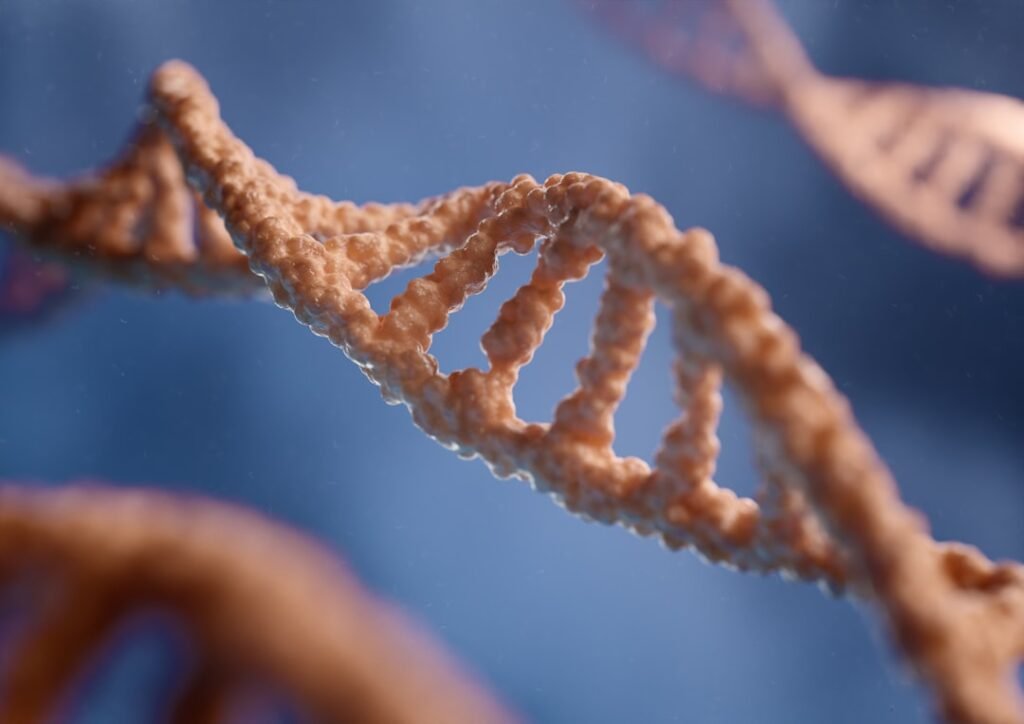
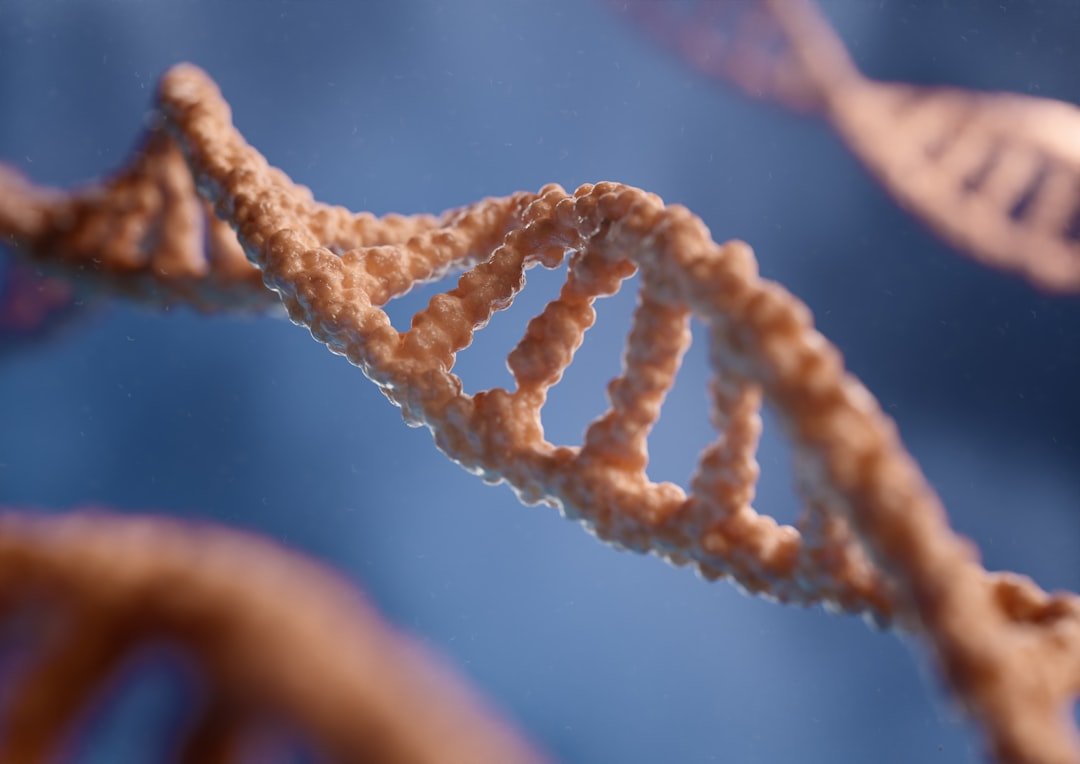
Genetic testing soon followed, leading to the 2019 identification of a mutation in the FAAH-OUT gene. Previously dismissed as non-coding “junk” DNA, this variant belongs to the endocannabinoid system, which regulates key bodily functions. Cameron remains one of just two people worldwide known to carry this specific change.
Decoding the FAAH-OUT Mystery
The mutation disrupts normal signaling pathways, effectively blocking pain signals and dampening fear responses. Studies revealed its influence extends to mood stabilization, memory processing, and accelerated wound healing. Cameron, now in her late 70s, described her lifelong mindset simply: “I was aware that I was a happy-go-lucky person, but I didn’t realize I was different… I thought it was just me.”
A 2023 study published in the journal Brain by University College London scientists provided deeper insights. The research compared Cameron’s DNA with samples from individuals exhibiting varied pain sensitivities. Key findings highlighted molecular pathways tied to her traits, opening doors to broader applications.
Pathways to Pain Relief and Beyond
Senior author Andrei Okorokov from UCL Medicine emphasized the scope: “The FAAH-OUT gene is just one small corner of a vast continent, which this study has begun to map… As well as the molecular basis for painlessness, these explorations have identified molecular pathways affecting wound healing and mood, all influenced by the FAAH-OUT mutation.”
James Cox, another senior author, highlighted the potential: “The initial discovery of the genetic root of Jo Cameron’s unique phenotype was a eureka moment and hugely exciting, but these current findings are where things really start to get interesting… By understanding precisely what is happening at a molecular level, we can start to understand the biology involved and that opens up possibilities for drug discovery.” Efforts now focus on translating these discoveries into practical treatments.
Key Effects of the Mutation
The FAAH-OUT variant manifests in several profound ways:
- Complete insensitivity to physical pain, even after invasive procedures.
- Absence of anxiety or fear in stressful situations.
- Enhanced wound healing without typical inflammation.
- Stable mood regulation, contributing to an unusually positive outlook.
- Potential impacts on memory formation and retention.
These traits underscore the gene’s role in the endocannabinoid system, long understudied until Cameron’s case brought it into focus.
- Cameron’s FAAH-OUT mutation eliminates pain and fear through endocannabinoid pathway alterations.
- UCL research maps related genes for wound healing and mood, paving the way for new drugs.
- Only two confirmed cases exist, making this a rare window into human potential.
Jo Cameron’s story challenges conventional views of human vulnerability and points toward a future where pain and anxiety might become manageable through targeted genetics. Scientists continue to explore how her mutation could benefit millions suffering from chronic conditions. What are your thoughts on this genetic breakthrough? Share in the comments below.