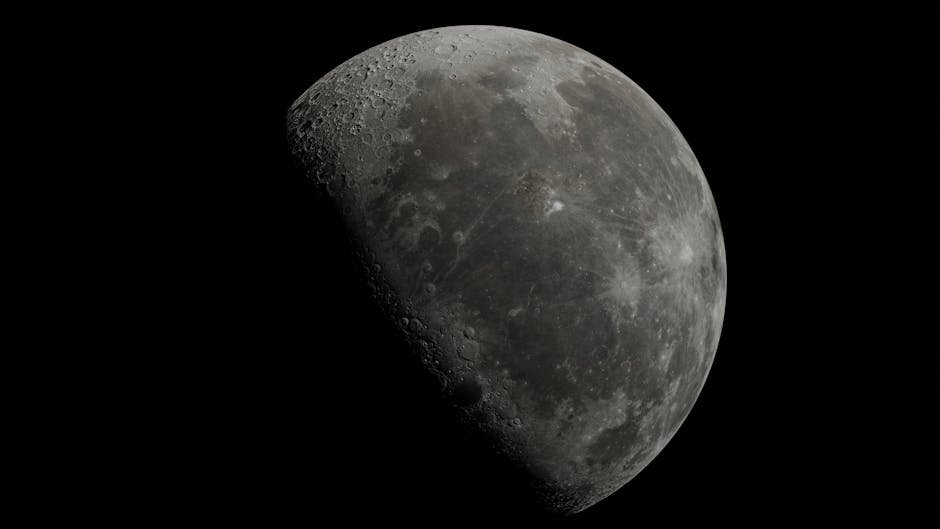
Dramatic Descent Culminates in Perfect Splashdown (Image Credits: Pexels)
San Diego, California – The Orion spacecraft carrying four astronauts splashed down in the Pacific Ocean off the coast late Friday evening, capping a groundbreaking 10-day journey around the Moon.[1][2] The precise landing at 5:07 p.m. Pacific Time marked NASA’s successful return to crewed deep space exploration after more than five decades.[3] Recovery teams swiftly extracted the crew from the capsule, confirming their excellent condition following the fiery reentry.
Dramatic Descent Culminates in Perfect Splashdown
The final moments of the Artemis II mission unfolded with textbook precision. Orion separated from its service module, endured a tense 16-minute communications blackout during peak atmospheric heating, and deployed parachutes for a gentle touchdown at about 20 mph.[4] Navy vessels and helicopters stood ready southwest of San Diego, ensuring rapid retrieval of Commander Reid Wiseman, Pilot Victor Glover, Mission Specialist Christina Koch, and Mission Specialist Jeremy Hansen.[5]
Live broadcasts captured the drogue chutes blooming first, followed by the main parachutes, as the capsule descended into calm waters. Ground crews hailed the operation as flawless, with all systems performing as designed. This splashdown echoed Apollo-era recoveries but showcased modern Orion technology built for sustained lunar operations.
Trailblazers of the Crew: Who Flew Artemis II
The international team broke multiple barriers during their voyage. Reid Wiseman, a Navy test pilot and veteran of the International Space Station, commanded the flight. Victor Glover, also a naval aviator, served as pilot and became the first Black astronaut to venture beyond low Earth orbit.[6]
Christina Koch, an electrical engineer holding the record for the longest single spaceflight by a woman, acted as mission specialist. Jeremy Hansen, representing the Canadian Space Agency, joined as the first non-American on a NASA lunar mission. Their diverse expertise ensured comprehensive testing of Orion’s life support, navigation, and communication systems.
- Reid Wiseman: Commander, ISS veteran, Navy Captain.
- Victor Glover: Pilot, first Black deep-space astronaut.
- Christina Koch: Mission Specialist, record-holding spacewalker.
- Jeremy Hansen: Mission Specialist, CSA fighter pilot.
Mission Timeline: From Launch to Lunar Flyby
Artemis II launched on April 1 aboard the Space Launch System rocket from Kennedy Space Center. The crew conducted systems checks in Earth orbit before a trans-lunar injection burn sent Orion moonward. Days three through five involved outbound trajectory adjustments and scientific observations.[7]
At lunar distance, the spacecraft executed a flyby, passing within 500 miles of the surface and venturing farther from Earth than any humans since Apollo 13. The crew relayed stunning views from the far side, testing cameras and relays for future missions. Return preparations included a departure burn from the Moon’s sphere of influence on flight day seven.[8]
| Flight Day | Key Event |
|---|---|
| 1 | Launch and Earth orbit checks |
| 3-5 | En route to Moon |
| 6 | Lunar flyby |
| 10 | Splashdown |
Paving the Path for Lunar Landings
This mission validated Orion for deep space, gathering critical data on heat shield performance and crew interfaces. NASA officials emphasized its role as a precursor to Artemis III, slated for a crewed Moon landing. International partners, including Canada through Hansen’s participation, underscored collaborative efforts under the Artemis Accords.
Engineers will now analyze telemetry from the nine-day, one-hour flight to refine procedures. The recovery ship transported the crew to shore for medical checks, with public celebrations planned soon after. Success here bolsters confidence in sustainable lunar presence.
Key Takeaways
- First crewed Orion flight tests deep-space viability.
- Historic firsts: woman, Black astronaut, Canadian in lunar orbit.
- Sets stage for Artemis III Moon landing.
The safe return of Artemis II reignites global excitement for humanity’s lunar future, proving NASA’s hardware ready for the next giant leap. As the crew reunites with families, the space agency shifts focus to base camps and Mars ambitions. What do you think this means for the future of space exploration? Tell us in the comments.