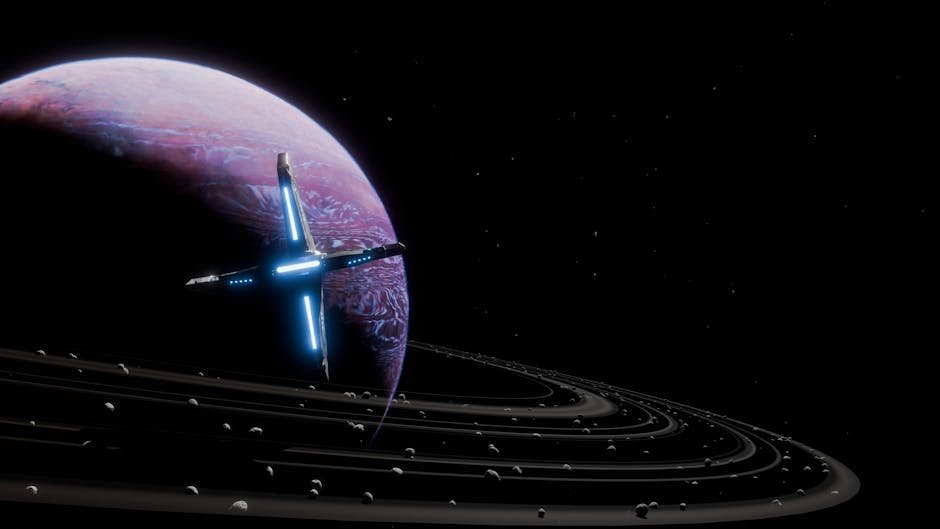
If intelligent aliens exist, they’re being annoyingly quiet. For more than half a century we’ve been listening, watching, and sending out signals, and so far the universe has responded with silence so deep it almost feels personal. Yet every new telescope image and planetary discovery seems to whisper the same thing: life should be out there, somewhere.
That tension between “we see endless possibilities” and “we’ve found nothing so far” is what makes the latest theories about hidden aliens so gripping. Scientists are getting more creative, more precise, and honestly a bit bolder about where we should be looking. From buried oceans to rogue planets drifting in the dark, the new picture of possible alien hideouts is a lot stranger – and more fascinating – than the old flying-saucer stories.
Hidden Oceans Beneath Icy Shells
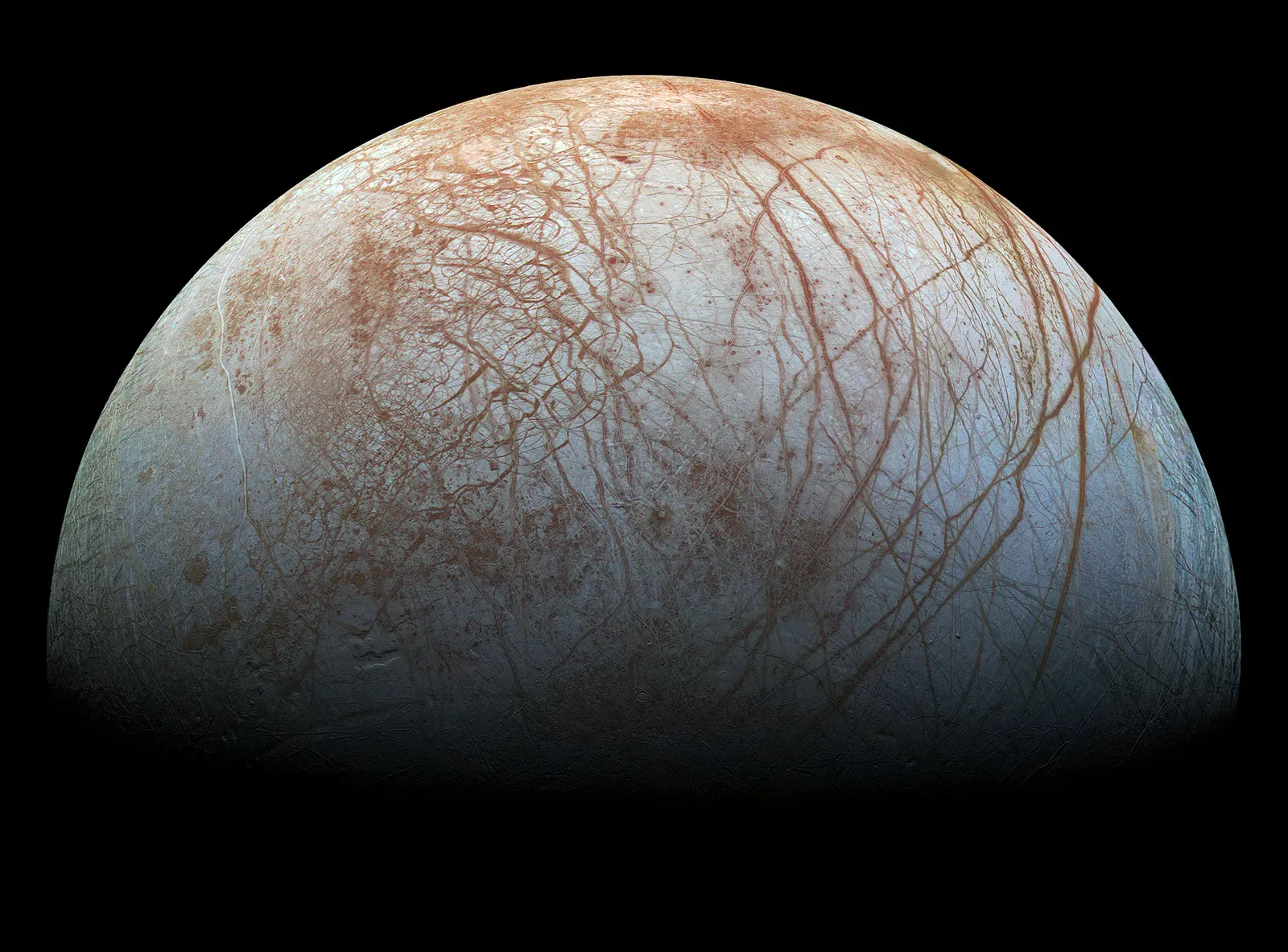
Imagine an alien world where the sky is ice and the ocean is pitch-black, trapped deep below a frozen crust. That’s not science fiction – that’s places like Europa, Enceladus, and possibly several other moons in our own solar system. These icy worlds are now some of the hottest candidates for hosting simple alien life, not on the surface, but in vast underground oceans warmed by tidal forces and internal heat.
On Saturn’s moon Enceladus, geysers shoot plumes of water vapor and organic molecules into space, almost like the moon is spitting out small samples for us to examine. Jupiter’s moon Europa likely has a global ocean under its cracked surface ice, potentially deeper than all of Earth’s oceans combined. If aliens exist there, they’re probably not flying spaceships – they’re more likely microbes, weird fish-like creatures, or something we can’t even imagine yet, living in a permanent midnight ocean that never sees starlight.
Life Hiding in Exoplanet Atmospheres
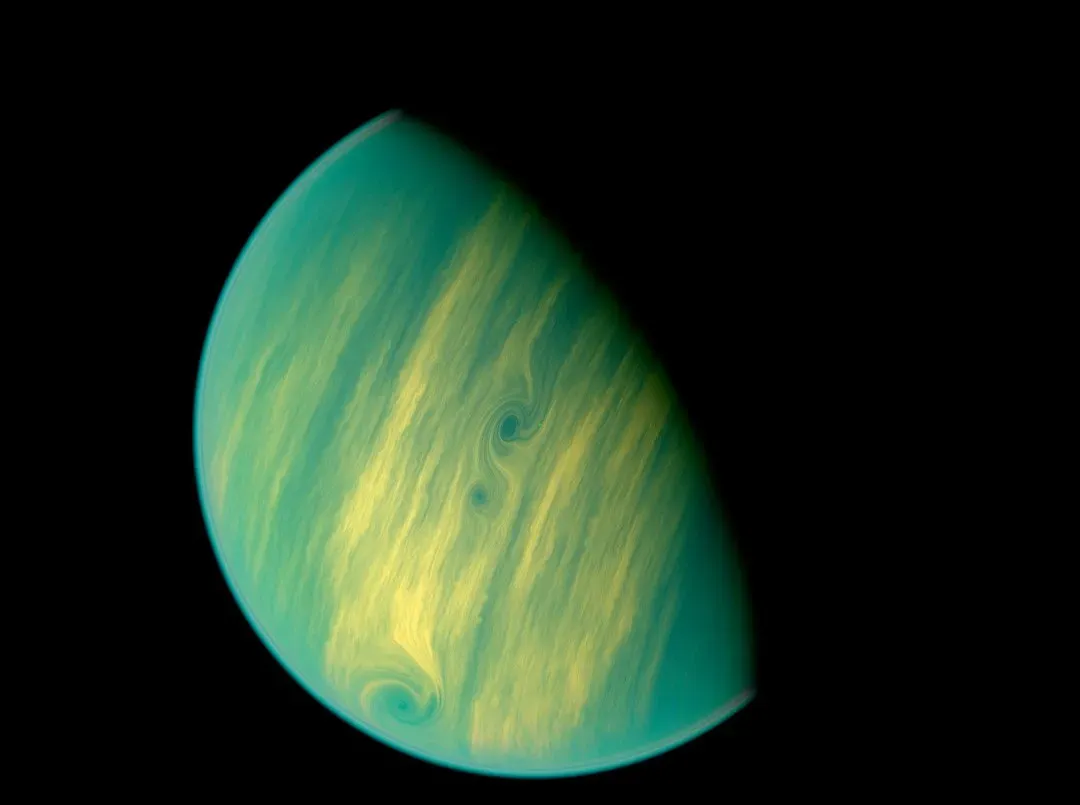
Over the last couple of decades, astronomers have gone from knowing of zero planets outside our solar system to thousands. Among them are “super-Earths” and “sub-Neptunes” with thick atmospheres and unknown surfaces. Some researchers think the most obvious signs of alien life might not come from cities or spacecraft, but from strange chemical fingerprints floating in those distant skies.
With powerful observatories like the James Webb Space Telescope, scientists are now starting to analyze the atmospheres of some of these exoplanets. They’re looking for combinations of gases that don’t play nicely together – things like oxygen and methane coexisting in large amounts, which on Earth usually means life is constantly replenishing them. The wild idea is that somewhere out there, alien microbes could be quietly terraforming their planet’s atmosphere without ever knowing that someone, light-years away, is watching the glow.
Technosignatures on Dyson-Like Megastructures
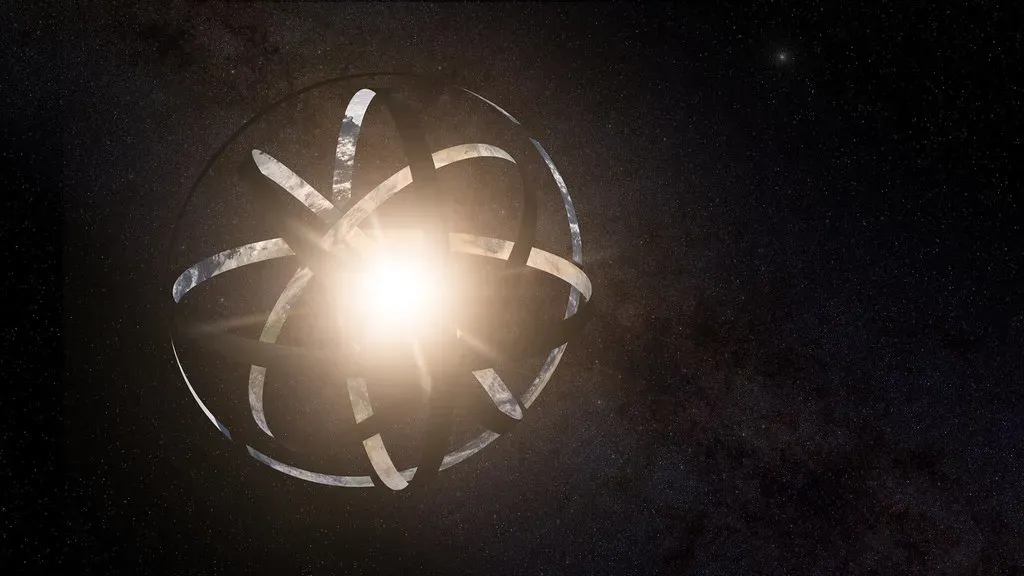
For truly advanced civilizations, the problem might not be survival, but energy. One bold theory suggests that an incredibly advanced alien society could surround its star with huge arrays of collectors – sometimes called Dyson spheres or Dyson swarms – to capture a massive fraction of its energy. We obviously haven’t seen anything like a complete Dyson sphere, but astronomers have started seriously looking for weaker, partial versions.
Instead of sharp radio beacons, these megastructures might reveal themselves through odd patterns of starlight or excess infrared radiation, like a star wearing an oversized, heat-leaking coat. A few stars have shown puzzling brightness changes that sparked megastructure speculation, though so far natural explanations have been more convincing. Still, the search for technosignatures – subtle footprints of alien technology rather than just alien biology – is now taken seriously enough that sky surveys quietly flag anything that looks too weird for normal physics.
Free-Floating Rogue Planets in the Dark
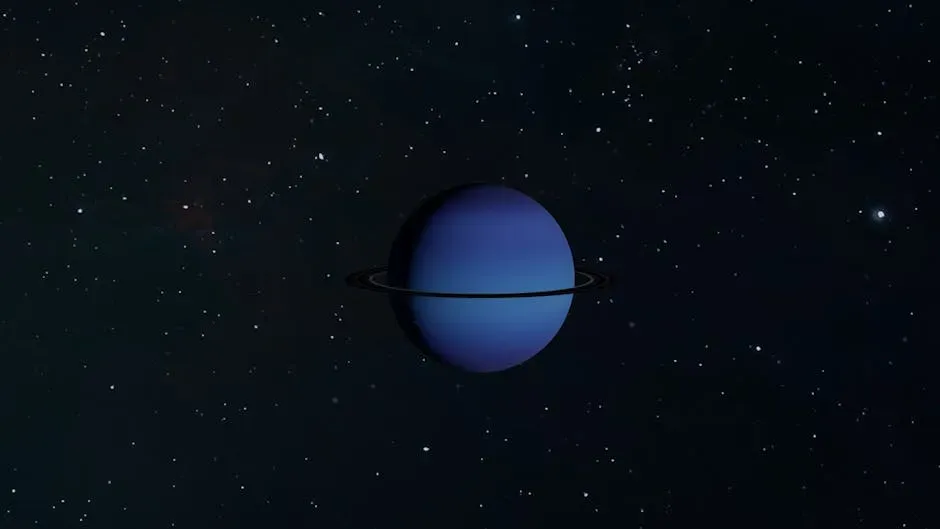
Not every planet has a cozy orbit around a well-behaved star. Some are flung out of their systems and end up drifting alone through interstellar space – cold, black, and hard to detect. These “rogue planets” might sound like the last place you’d look for life, but some researchers argue they shouldn’t be written off so quickly. A thick atmosphere or internal heating from radioactive elements could, in theory, keep parts of a rogue planet warm enough for liquid water beneath the surface.
If life arose before the planet was ejected, it might cling on in insulated pockets, like a cosmic version of a cabin buried deep in winter snow. There might even be rogue planets with subsurface oceans similar to Europa’s, just roaming the galaxy with no sun at all. From our perspective, aliens on such a world would be almost perfectly hidden: no starlight, no reflected glow, just a wandering dark marble that only reveals itself through rare gravitational lensing events.
Red Dwarf Systems with Tidally Locked Worlds
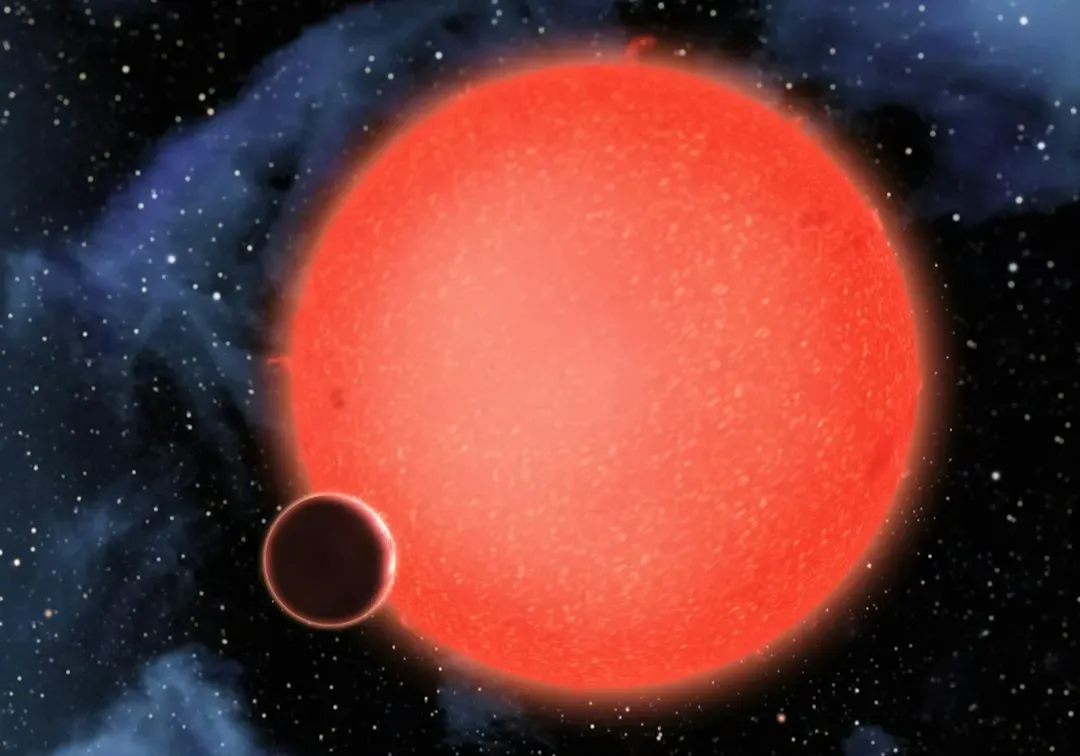
Red dwarfs – small, cool stars – are the most common stars in our galaxy, and many of the exoplanets we’ve found so far orbit them. These planets are often “tidally locked,” meaning one side always faces the star while the other is trapped in endless night. At first glance it sounds hopeless: one side scorching, one side frozen, not exactly beach-vacation territory. But models suggest there could be narrow twilight zones with surprisingly stable temperatures.
In that thin, permanent sunset band, winds and oceans might redistribute heat enough for liquid water and maybe even life. Some nearby red dwarf systems, like those with several Earth-sized planets in the habitable zone, are now top targets for follow-up observations. If aliens are living in those ring-shaped habitable belts, their sky would be frozen in a kind of eternal late afternoon glow – a setting that’s eerie, hostile, and strangely plausible all at once.
Buried Civilizations on Long-Dead Worlds
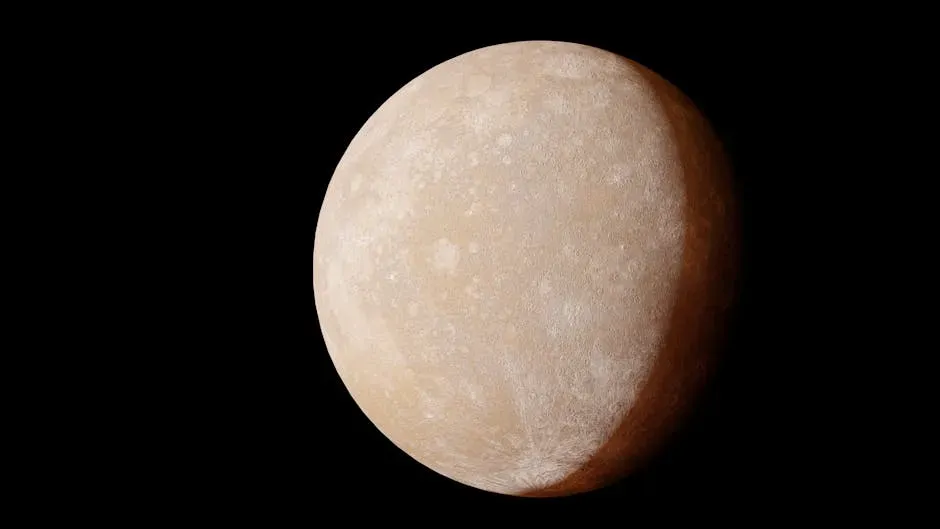
One unsettling idea is that intelligent aliens might not be alive now – but they might have been. Instead of radio chatter, the best evidence could be ruins: buried cities, strange minerals, or industrial chemicals frozen in ancient rocks. Our own solar system has a few places where this thought gets uncomfortably real, like Mars. It once had flowing rivers, lakes, and maybe even oceans, and now looks like a planet where the lights went out long ago.
The latest rovers and orbiters on Mars aren’t looking for skyscrapers, but they are searching for clues of past habitability and maybe faint traces of long-lost microbes. Zoom out to the galaxy scale, and some researchers think there could be countless worlds where civilizations briefly flared into existence and then vanished, leaving only subtle scars in the geology or atmosphere. We might be living in a cosmos filled with ghost civilizations, detectable only if we learn to read planetary autopsy reports.
Alien Life in Planet-Sized Cloud Cities
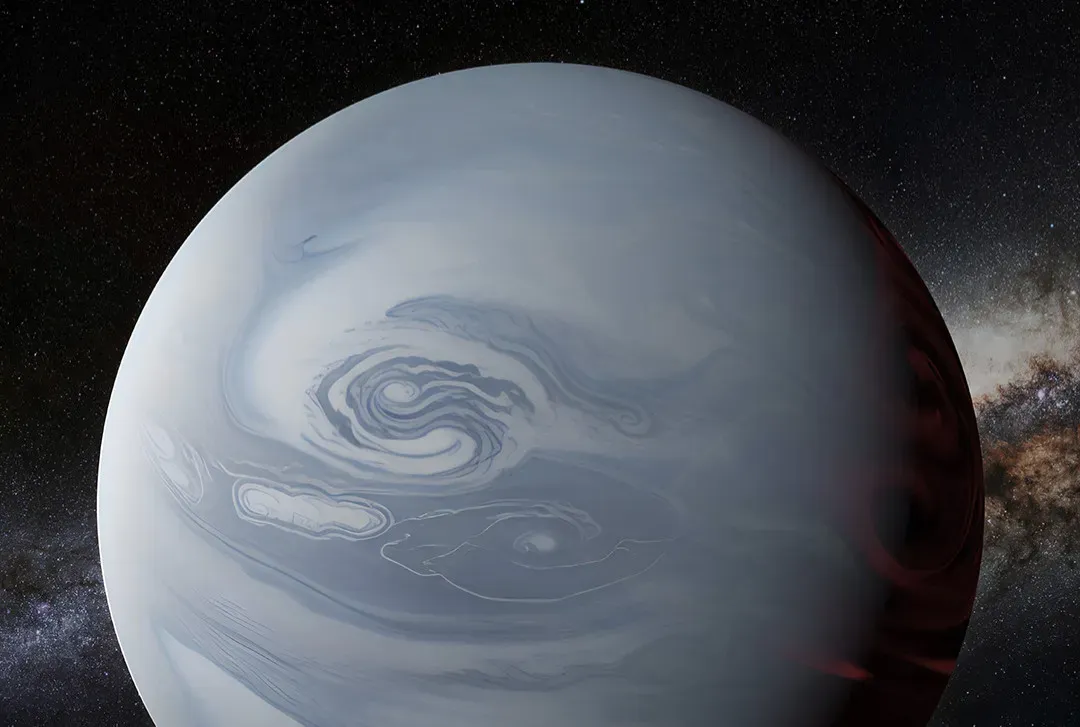
When we think of habitable planets, we usually picture solid ground, oceans, and weather like an extreme version of Earth’s. But some scientists have argued that life could float in the atmospheres of gas giants like Jupiter or Saturn, or on similar exoplanets. Instead of standing on the ground, alien organisms could drift in long-lived cloud layers, feeding on chemical energy and sunlight, more like airborne plankton than anything with legs.
On Earth, we already know that microbes can survive at high altitudes in the upper atmosphere, riding air currents for long periods. Scale that up to a huge gas giant with stable, warm cloud bands, and you get something like entire ecosystems suspended in midair. We haven’t yet found direct evidence for this kind of life, but as instruments get better at probing exoplanet atmospheres, the idea of “cloud cities” made of biology rather than steel is starting to feel less like fantasy and more like a testable hypothesis.
Artificially Quiet Civilizations in Stealth Mode
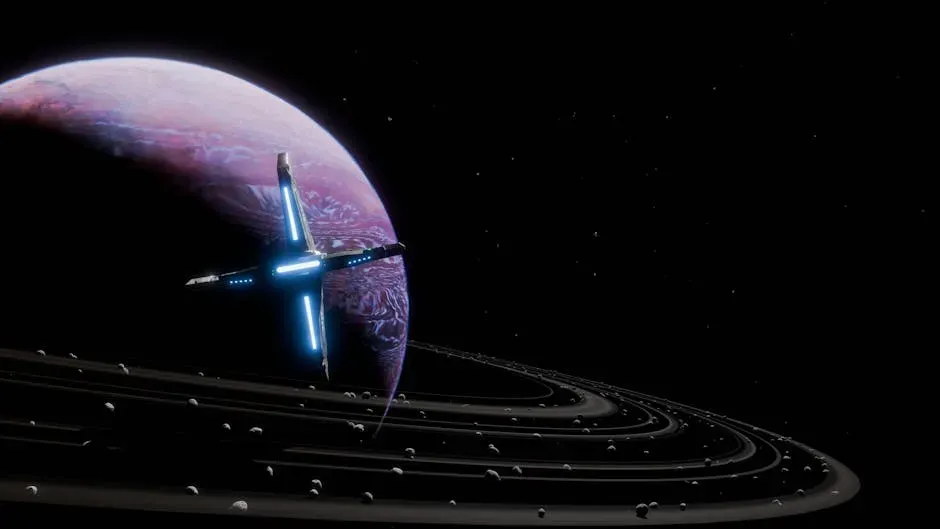
There’s a harsher possibility to consider: maybe aliens know we’re here – or at least know that primitive civilizations are out there somewhere – and are deliberately staying quiet. This idea, sometimes nicknamed the “zoo” or “dark forest” scenario in popular discussions, suggests that advanced societies might see broadcasting their presence as risky. If the universe has predators, the smart move is to shut up, blend in, and only use low-leakage communication methods that are almost impossible to detect from far away.
Under this view, the silence we hear is not proof that no one’s home, just that no one’s reckless enough to shout. Advanced civilizations might favor encrypted, tightly focused signals or communication methods that leave almost no stray energy drifting into space. To us, their planets would look totally normal – no giant beacons, no obvious lasers, just ordinary worlds hosting a civilization that has learned the first rule of surviving in a possibly hostile universe: don’t draw attention.
Microbial Life Lurking in Interstellar Space
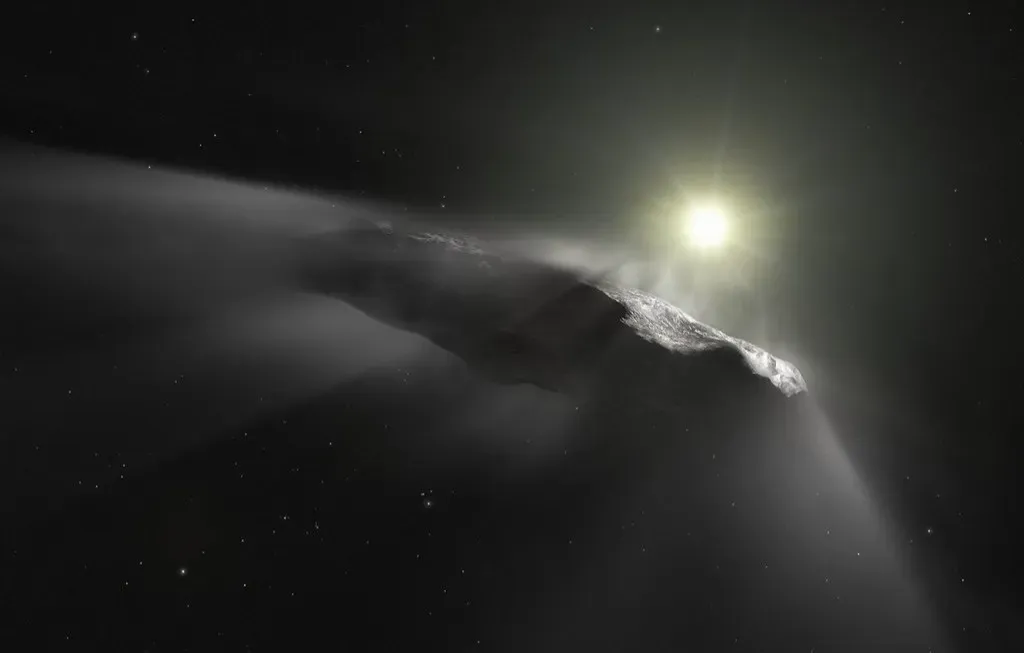
Another controversial idea is that life might not be tied to planets at all. Some scientists have floated the possibility that hardy microbes could hibernate inside dust grains, comets, or icy rocks, drifting between star systems over millions of years. If that’s even partly true, the Milky Way could be sprinkled with tiny, almost indestructible hitchhikers, waiting for a new home or simply surviving in the dark between suns.
On Earth, we’ve already found microbes that can tolerate extreme cold, radiation, and vacuum for surprising amounts of time. Scale that up to interstellar distances, and you get a galaxy where life is more like spores on the wind than rooted trees. These drifting microbes wouldn’t build spaceships or send signals, but they could seed new worlds or linger in cometary halos, making the boundary between “alive” and “not quite dead yet” feel very fuzzy on a cosmic scale.
Hidden in Plain Sight: Biospheres We Don’t Recognize
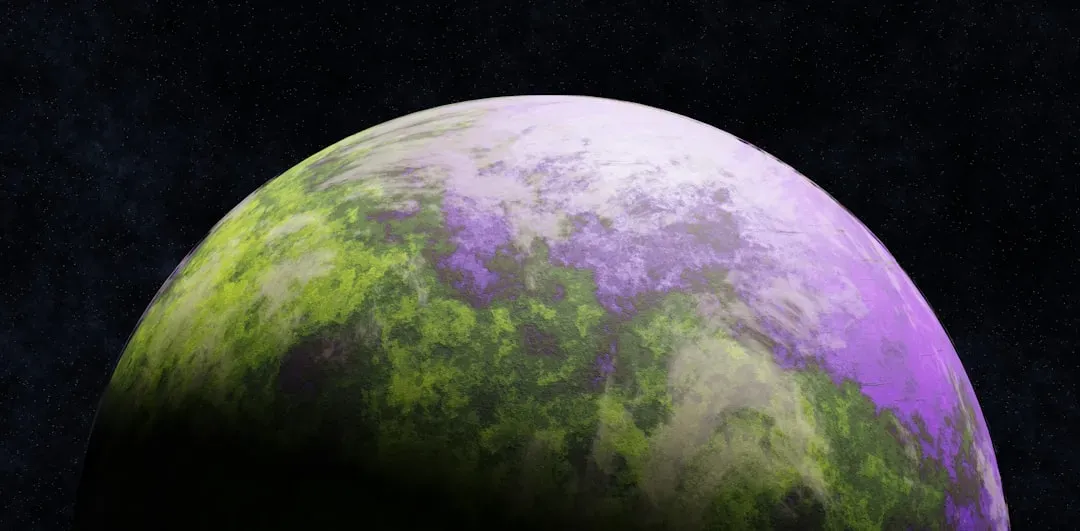
It’s possible that aliens are not physically hidden at all – we just don’t recognize what we’re seeing. Our search for life tends to assume it will resemble Earth life in basic ways, using carbon chemistry, liquid water, and recognizable metabolism. But some theorists argue that truly alien life could be so different that we’d miss it even if it was right in front of our telescopes. We might be mistaking strange biological behavior for weird geology, or dismissing unusual chemical patterns as noise.
On our own planet, we’ve repeatedly discovered “extreme” life in places we once wrote off as sterile: deep ocean vents, acidic lakes, buried kilometers underground. Every time that boundary shifts, it becomes harder to confidently say, “Life couldn’t exist there.” If the universe is experimenting with forms of life beyond our familiar template, then aliens might be hiding not in distant corners of the galaxy, but in the blind spots of our own assumptions.
Conclusion: A Loudly Silent Universe
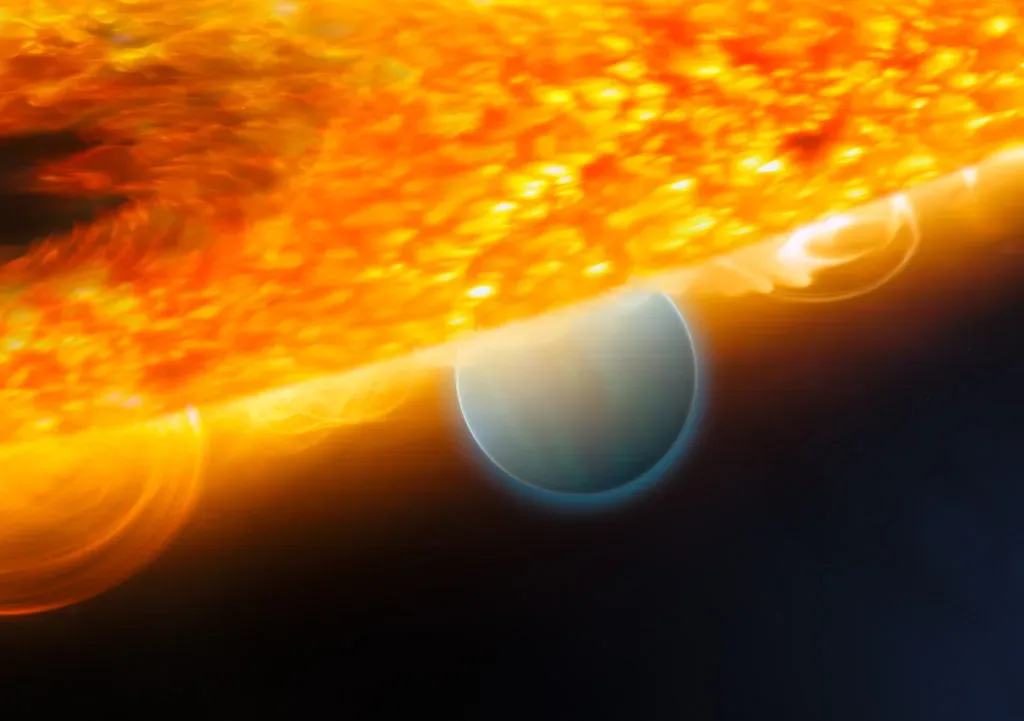
When you add all these theories together, a strange picture emerges: the universe may be full of potential homes for life, yet eerily quiet at the scales and in the ways we know how to check. Aliens, if they exist, might be buried in ice, floating in clouds, hiding in twilight bands, or cloaked behind advanced technology that makes them effectively invisible to our early twenty-first-century tools. The silence we hear might not mean emptiness; it might just mean we’re looking with the wrong expectations or at the wrong places.
For me, the most humbling part is this: every time our instruments improve, the universe turns out to be richer and stranger than we thought. Maybe one of these theories will eventually point us to the first undeniable hint of life beyond Earth, or maybe the real answer will come from a direction nobody has proposed yet. Until then, we’re living in the cliffhanger chapter of the biggest mystery story humans have ever told. If you had to bet, where do you think they’re hiding?