
Stand in one spot with a compass in your hand, and it quietly reveals a strange truth: the ground beneath you is not as fixed as it feels. Not because the planet is spinning or drifting through space, but because the invisible magnetic shell wrapped around Earth is constantly in motion, bending, weakening, and wandering in ways that can reshape technology, navigation, even the protection of life itself.
For most of human history, this restless magnetic field stayed in the background, important but largely taken for granted, like gravity or air. Now, in an age of satellites, power grids, and GPS-dependent everything, those slow, deep changes inside Earth’s core suddenly matter a lot. The field is shifting, scientists are watching closely, and the story of what happens next is far more dramatic than most people realize.
The Magnetic Field Is Real, Invisible, And Restless
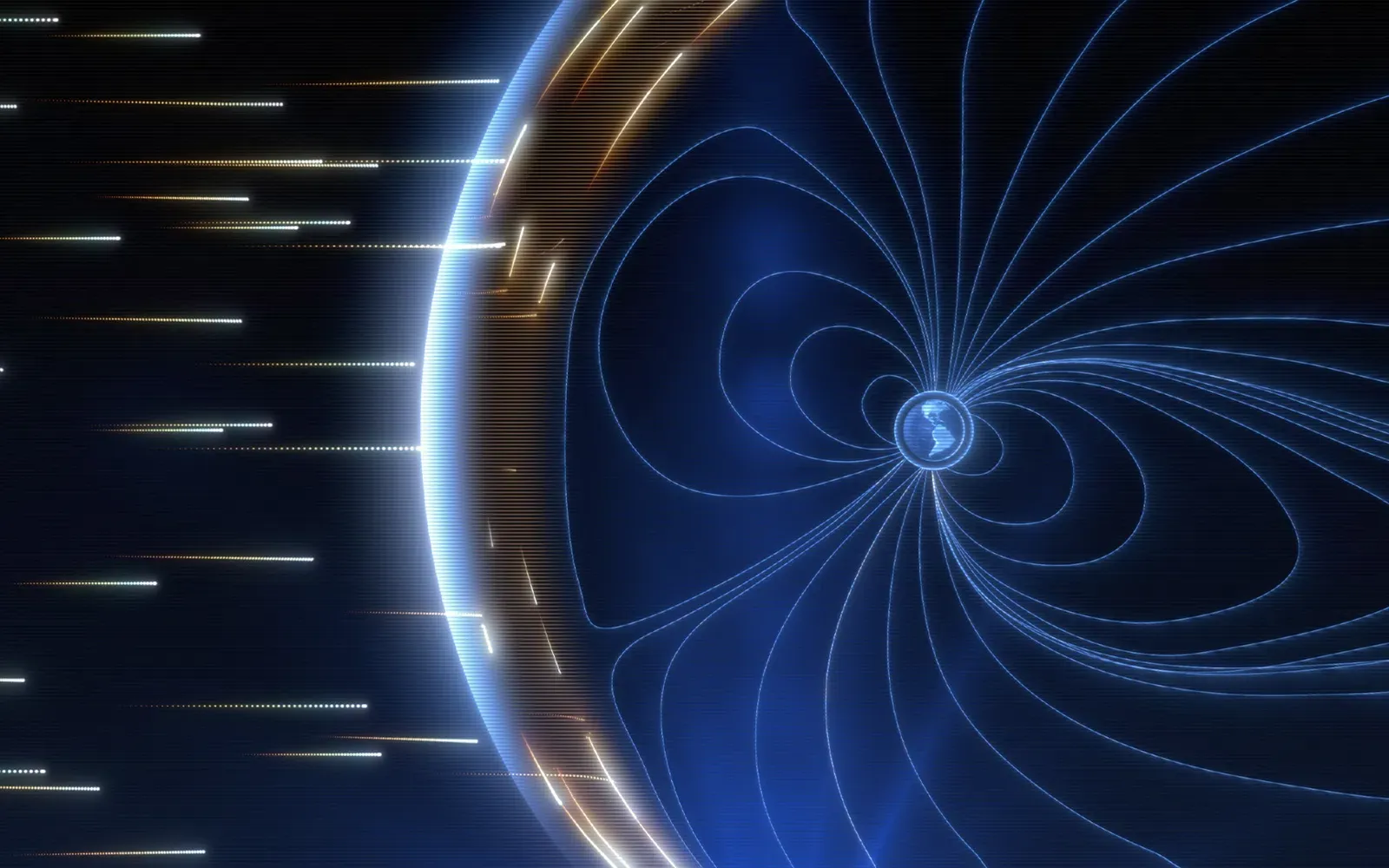
Earth’s magnetic field is not some abstract scientific idea; it’s a physical force that surrounds the planet like an invisible shield. A compass aligns with it, migratory animals feel it, and energetic particles from the Sun are steered and filtered by it long before they reach our atmosphere. Yet if you could see it, it wouldn’t look like a neat, static bar magnet – it would look tangled, rippling, and alive.
Measurements taken over roughly the last two centuries show that the field is continually changing in strength and direction. Even in places that feel geologically “boring,” the magnetic north direction can drift by a noticeable amount over just a human lifetime. That ongoing motion is what scientists call secular variation: slow on a daily scale, but surprisingly fast when you zoom out to decades or centuries.
Deep In The Core: Where The Magnetic Field Is Born

The drama starts far below our feet, in the outer core, a swirling ocean of molten iron and nickel roughly as hot as the surface of the Sun. Because this metal is both moving and electrically conductive, it acts like a natural dynamo: motion generates electric currents, and those currents create the magnetic field that threads out through the mantle, crust, and into space. This process is called the geodynamo, and it’s the beating heart of Earth’s magnetism.
The key is that those flows of liquid metal are chaotic and constantly reorganizing, driven by heat escaping from the core and the slow cooling of the planet. When the flow patterns shift, the magnetic field above them shifts too. You can picture it like a pot of thick soup that never stops simmering; the swirls and eddies at the surface may look gentle, but they’re powered by deep, complex currents underneath.
Magnetic North Is On The Move – Fast

Think of “north” as a fixed direction and you’re already a bit out of date. True geographic north, at Earth’s rotational axis, stays put, but magnetic north – the point where your compass needle really wants to point – does not. Over the last century, magnetic north has wandered thousands of kilometers, from northern Canada toward Siberia, with its speed increasing noticeably in recent decades.
This rapid drift has become such a big deal that the World Magnetic Model, used in everything from smartphone navigation to military systems, has needed more frequent updates to stay accurate. If you’re hiking with a paper map in a high-latitude region and using the wrong magnetic declination (the offset between compass north and true north), you can literally walk in the wrong direction. On a global scale, that same principle affects ships, aircraft, drilling operations, and countless location-based technologies.
The Field Is Weakening Unevenly, Not Just Fading Away
Another surprising twist is that the magnetic field isn’t changing the same way everywhere. Globally, its overall strength has been slowly decreasing over roughly the last century and a half, but that weakening is far from uniform. One region in particular – the South Atlantic Anomaly, stretching from South America into southern Africa – has become a kind of magnetic “thin spot,” where the field is notably weaker than the global average.
This doesn’t mean the field is collapsing or about to vanish, but it does mean some areas of Earth are less shielded than others from energetic particles from space. Satellites passing over this region tend to experience more glitches and radiation hits, and engineers often take special precautions, like shutting down sensitive instruments temporarily when crossing it. It’s a reminder that “average” global values can hide very uneven local realities.
Magnetic Reversals: When North Becomes South
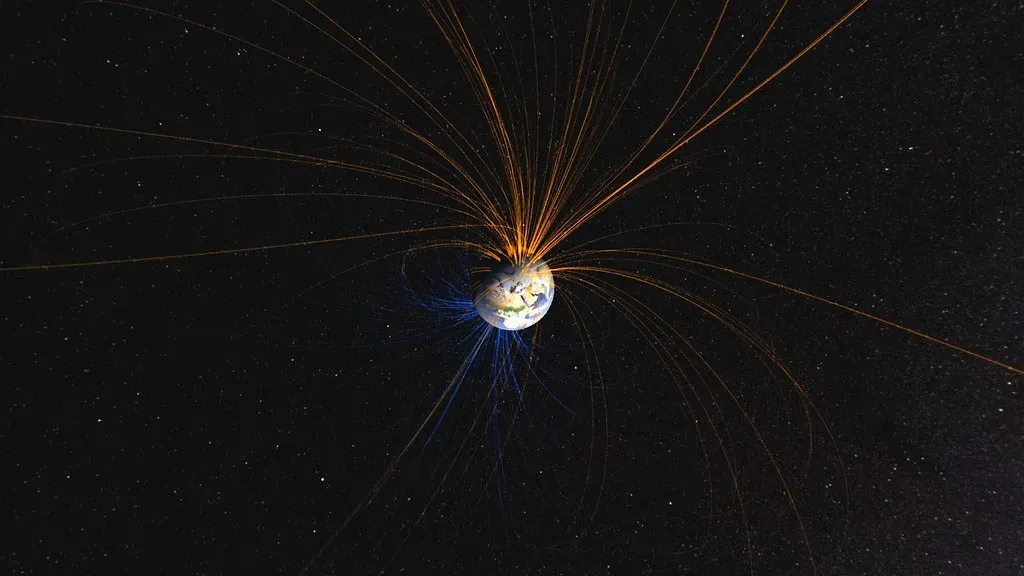
One of the most shocking discoveries of the twentieth century was that Earth’s magnetic field has flipped many times over geological history. That means the north and south magnetic poles have literally swapped places, leaving a pattern of reversed magnetization frozen into volcanic rocks and ocean crust. These reversals do not happen on a schedule; sometimes they’re separated by hundreds of thousands of years, sometimes by millions.
During a reversal, the field doesn’t simply switch off one day and reappear the next pointing the other way. Evidence suggests it becomes complex and patchy for thousands of years, with multiple weak poles and regions of reversed polarity coexisting before a new stable configuration emerges. That sounds like the plot of a disaster movie, but the fossil record does not show mass extinctions lining up neatly with reversals, which strongly suggests that life can cope – even if our technology might not enjoy the ride.
Space Weather, Satellites, And Power Grids On The Line
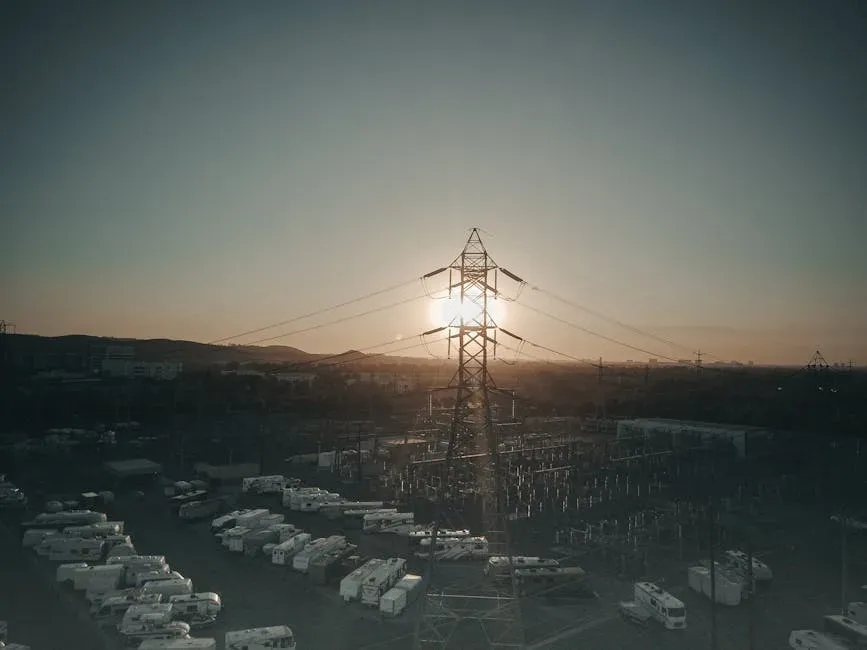
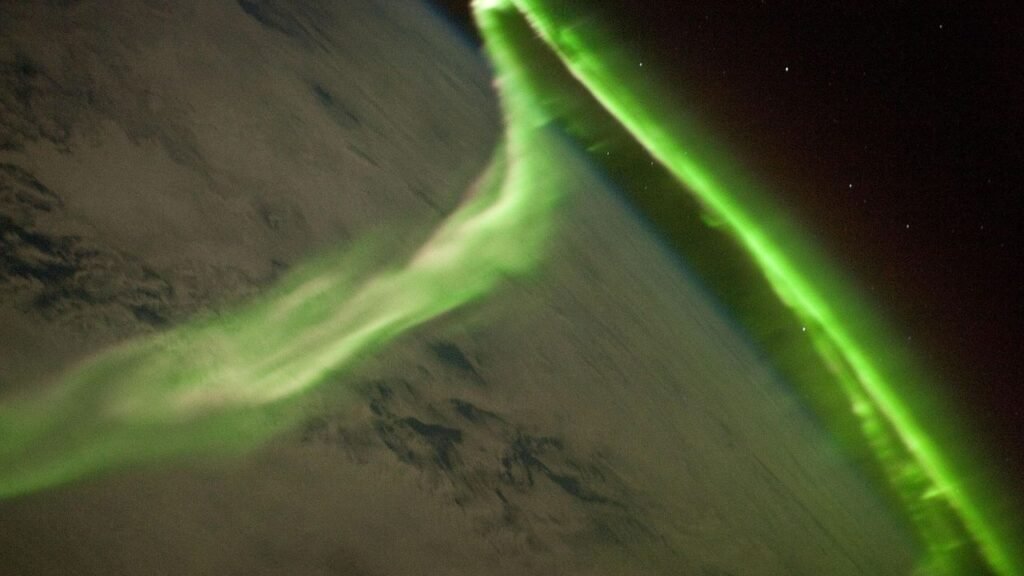
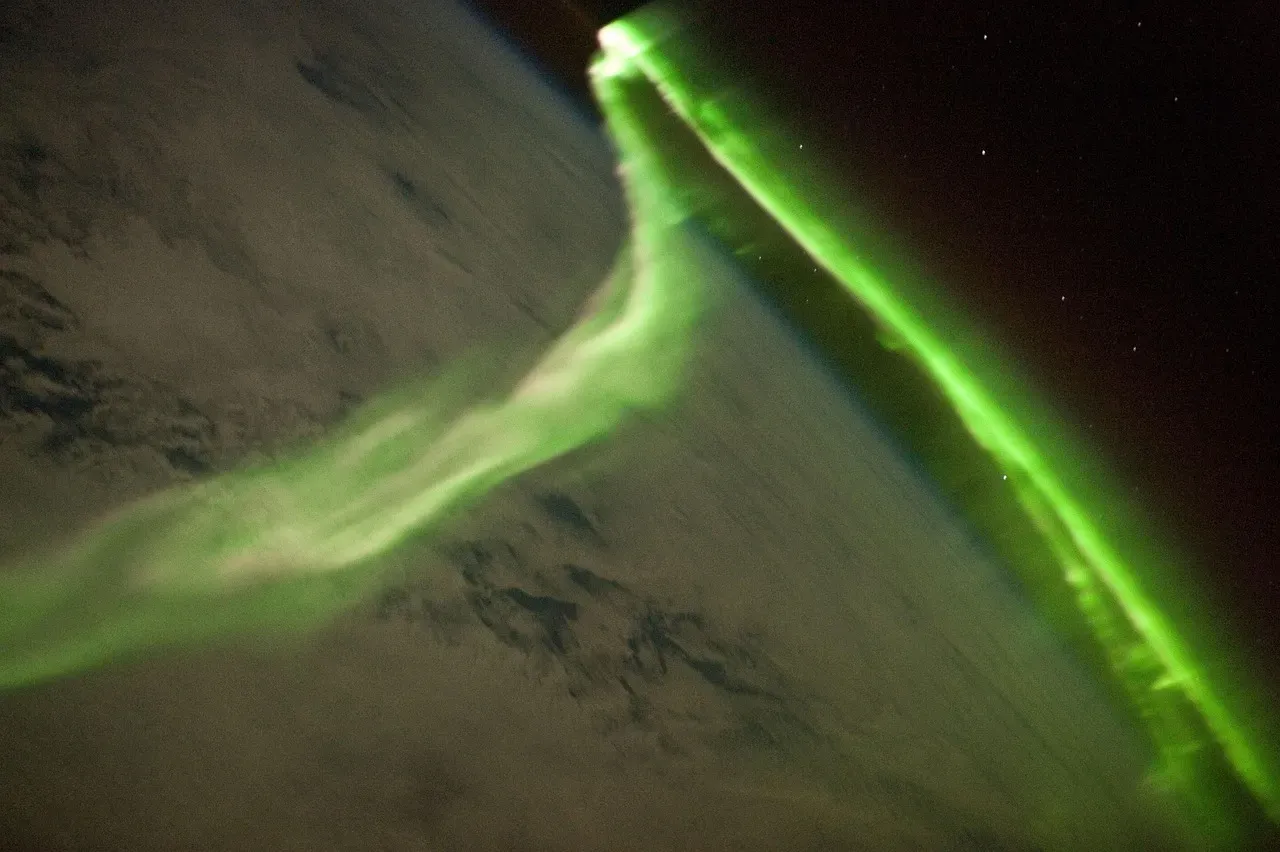
The magnetic field isn’t just a curiosity – it’s frontline defense against space weather: bursts of radiation and charged particles from the Sun that can slam into Earth. When the solar wind hits, the field funnels most of those particles toward the poles, where they help paint auroras across the night sky. Without this protection, our atmosphere and surface would be exposed to much harsher radiation, and the long-term stability of climate and life would look very different.
As the field changes in strength and shape, the way it interacts with solar storms changes too. Intense space weather events can already induce currents in long power lines, damage transformers, and disturb communication and navigation systems. A slightly weaker or more irregular field may not cause instant catastrophe, but it can make our modern infrastructure more vulnerable, especially if we’re unprepared for rare but extreme solar storms.
Navigation, From Pigeons To Planes To Smartphones

Humans leaned on the magnetic field long before GPS. For centuries, sailors depended on compasses to cross oceans, and even today, navigation systems in ships and aircraft still use magnetic heading as a backup or complementary reference. As the field drifts and warps, navigation charts and systems have to be updated so that “north” means what we think it means in a cockpit or on a bridge.
But it’s not just human technology. Many animals – sea turtles, migrating birds, salmon, even some insects – appear to use the magnetic field as part of their navigation toolkit, almost like an internal compass. Researchers are still unraveling the details of how they sense magnetism, and how sensitive they are to field changes. Ongoing shifts could subtly alter migration routes or behavior, and while nature is good at adapting, the combination of a changing magnetic field and a rapidly changing climate adds extra stress to already fragile systems.
Health, Radiation, And What It Means For People
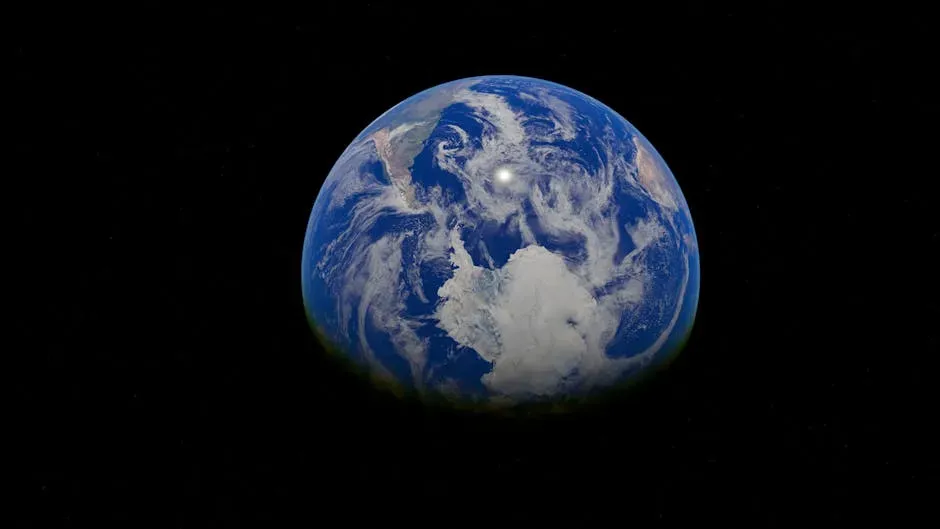
When people hear that the magnetic field is weakening or might flip, one of the first fears is about direct health effects. The reality, based on current evidence, is more nuanced and less dramatic than many headlines suggest. Even if the field weakened significantly during a reversal, Earth’s atmosphere would still provide substantial protection against most harmful radiation that reaches the planet.
The people at highest risk are not those on the ground, but those who leave the bulk of that protection behind: astronauts in space and passengers and crew on high-altitude, polar airline routes. During strong solar events, radiation doses on these routes can tick upward, and airlines sometimes adjust flight paths or altitudes. A weaker or more uneven magnetic field could nudge those risks slightly higher over long timescales, which is why space agencies and aviation authorities watch both solar activity and field changes closely.
How Scientists Track The Shifts – And Why It’s Hard To Predict
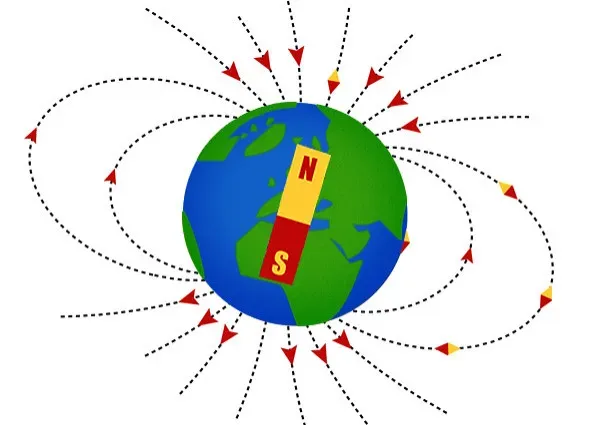
To make sense of a moving, invisible field generated thousands of kilometers down, scientists combine data from many sources: ground observatories, satellites, magnetized rocks, even archaeological artifacts like fired pottery that locked in a record of the field when they were heated. Modern satellite missions dedicated to studying the field, and other gravitation and Earth-observing missions, have provided incredibly detailed global maps of how the field looks and how it’s changing right now.
But turning those measurements into reliable long-term forecasts is tough. The flows in the outer core that drive the geodynamo are turbulent and hidden, and our best computer models struggle to capture both the physics and the huge range of scales involved. So while scientists can say with confidence that the field is changing and identify trends – like the drift of magnetic north or the growth of the South Atlantic Anomaly – they cannot yet predict exactly when the next full reversal might happen, or what its precise path will look like.
Living With A Shifting Field: Adapting, Not Panicking
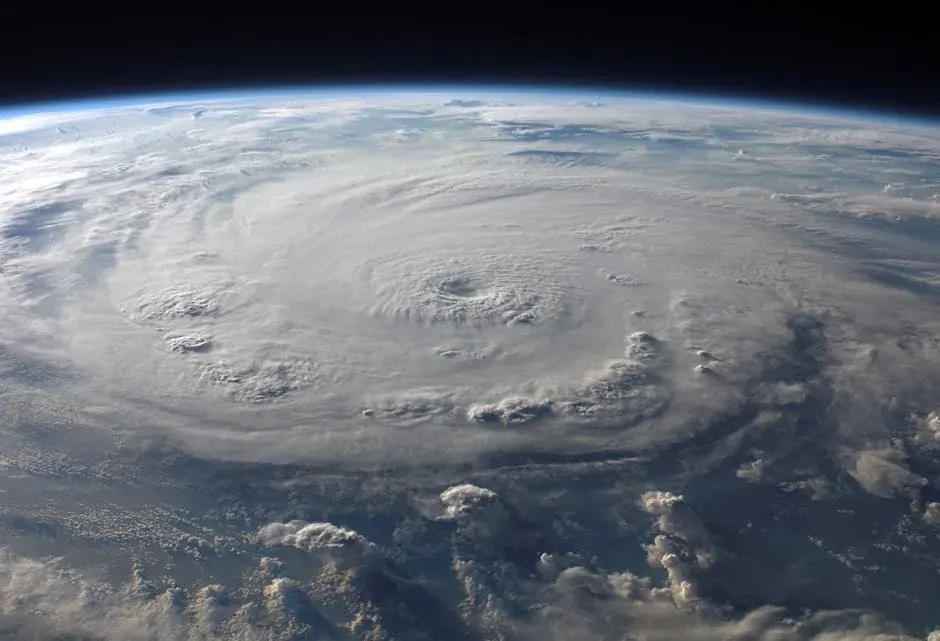
The most honest answer to “Should we worry?” is probably “We should pay attention.” The magnetic field has always moved, reversed, and reshaped itself, and life has persisted through all of that drama. What’s new is that we’ve built a civilization laced with technologies – satellites, undersea cables, power grids, precise navigation – that are much more sensitive to space weather and field changes than our ancestors’ ships and compasses ever were.
The real implications of a shifting field are less about apocalyptic scenarios and more about smart planning and resilience. That means designing satellites and power systems with stronger shielding and fail-safes, updating navigation models more frequently, and building better early-warning systems for solar storms. In a way, Earth’s restless magnetic field is a reminder that the planet is not a static backdrop, but an active, evolving system we have to learn to live with, not against.
Conclusion: A Moving Compass In A Moving World

Earth’s magnetic field is constantly in motion because the planet itself is alive with heat, metal, and motion deep below the surface. That invisible dance shifts magnetic north, weakens and strengthens our shield against space weather, and occasionally even flips the entire field inside out over geological time. For a long time, those changes barely brushed everyday life; now, in a world wired together by delicate electronics and precise positioning, they touch far more of what we do.
We cannot stop the core from churning or the field from drifting, but we can choose how well we understand and adapt to it. Investing in good science, robust infrastructure, and honest communication about what is known and what is uncertain is far more useful than fear or denial. The compass needle has never stood perfectly still – so the real question is not whether the field will change, but how ready we’ll be when it does. Did you imagine something so invisible could matter this much?