The desert is one of the most unforgiving environments on Earth. Temperatures swing violently between scorching afternoons and freezing nights, water is a rare luxury, and shade is a resource worth fighting for. Temperatures can range from freezing to well over 100°F, making maintaining a safe body temperature a constant challenge – and an organism’s need for water actually increases as temperature rises, while available water decreases the hotter it gets.
Yet somehow, deserts are far from lifeless. From the Sahara to the Mojave, a surprisingly diverse collection of creatures not only survives but genuinely thrives here. These adaptations take the form of physiological, anatomical, and behavioral modifications that enhance an organism’s ability to deal with critical stresses like heat load and water balance. The eight strategies below represent some of the most fascinating solutions evolution has produced in response to extreme heat.
The Camel’s Built-In Thermostat: Adaptive Heterothermy
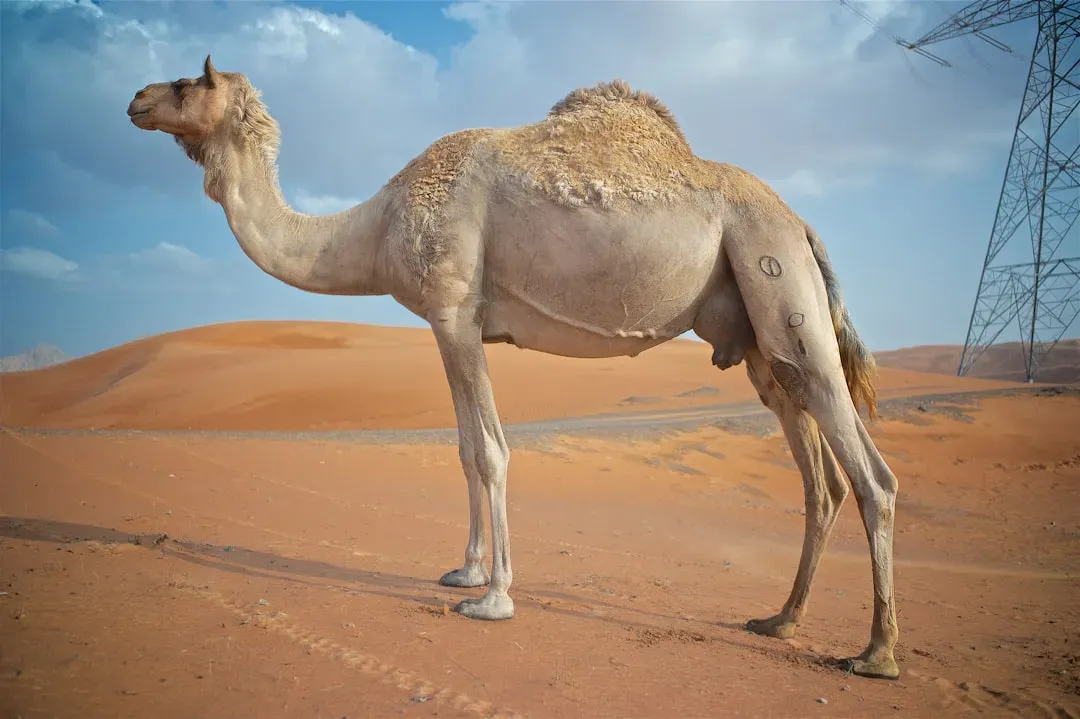
Most people assume the camel’s survival secret is water storage in its hump. That’s a common myth worth correcting. Unlike many other mammals, most of a camel’s fat is stored in its humps, which allows for better thermoregulation and makes it easier to release heat from the body in hot weather. The energy reserve in those humps fuels the camel when food and water are scarce, not when it’s thirsty.
Through a mechanism known as adaptive heterothermy, camels can fluctuate their body temperature between 34 and 42°C, minimizing perspiration and avoiding water losses through evaporation. Perhaps most impressively, camels can tolerate dehydration levels that would kill other mammals – they can lose up to 30% of their body weight in water without suffering ill effects, while a human would perish after losing just 12 to 15%.
The Kangaroo Rat’s Water-Free Lifestyle
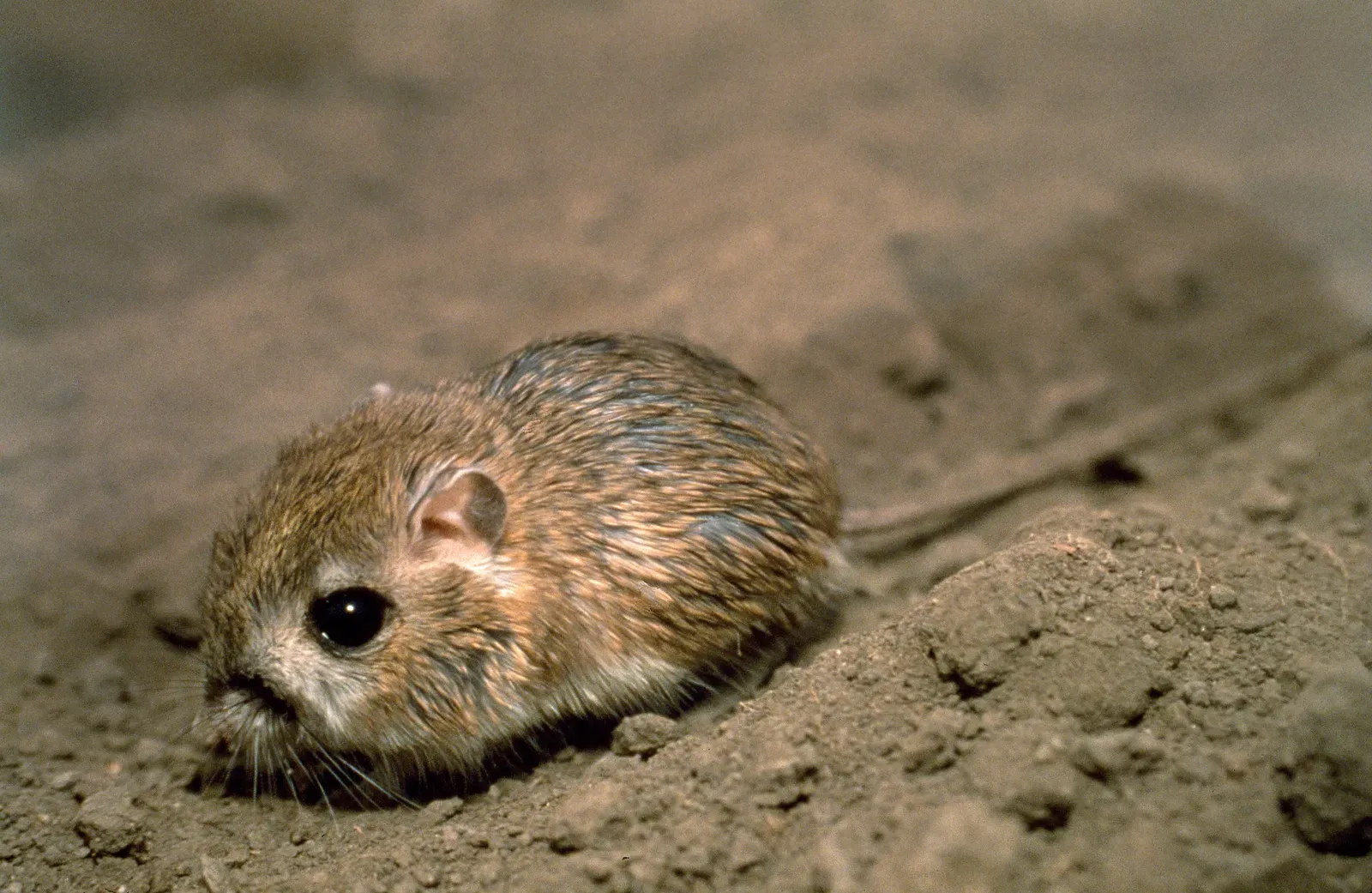
The kangaroo rat has perhaps the most remarkable combination of adaptations for desert survival. Not only does it live in a burrow and remain nocturnal, but it actually recaptures its own body moisture by storing food within its burrow – dry seeds absorb moisture from the kangaroo rat’s breath, which condenses more readily in the cooler underground temperatures.
Kangaroo rats can get half a gram of water from every gram of dry seeds they eat, and their kidneys have evolved to concentrate urine to a crystal-like consistency, reducing the amount of water lost. Certain desert mammals like kangaroo rats live in underground dens which they seal off to block out midday heat and to recycle the moisture from their own breathing. It’s a closed-loop survival system that is quietly breathtaking in its efficiency.
The Fennec Fox’s Ear-Conditioned Design
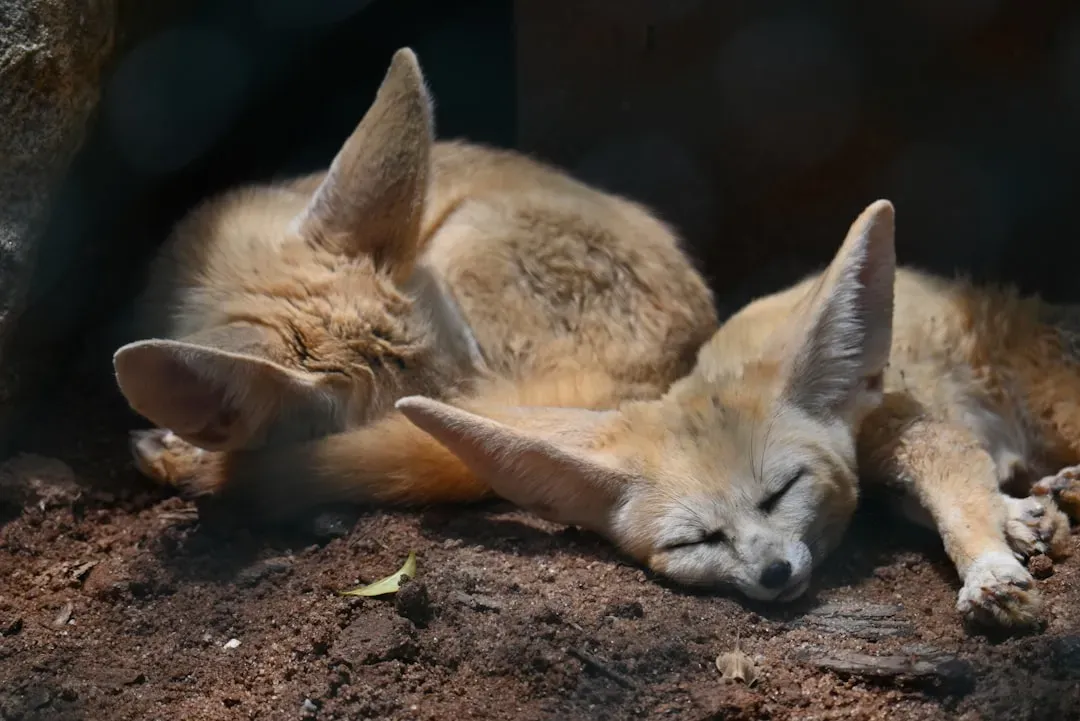
The fennec fox’s most distinctive feature is its unusually large ears, which serve to dissipate heat and listen for underground prey. It is the smallest fox species, and its coat, ears, and kidney functions have all adapted to the desert environment with high temperatures and little water.
The large surface area of their ears allows for more blood vessels to be exposed to the cooler air – and when these animals become overheated, the blood vessels in their ears dilate, increasing blood flow. Because water is hard to come by in the desert, fennec foxes have adapted to go without water indefinitely, getting almost all of their water intake from the food they eat. Their dense, sand-colored fur also serves double duty, insulating against the heat of the day and the chill of the night.
Estivation: The Desert’s Version of Sleeping Through the Hard Part
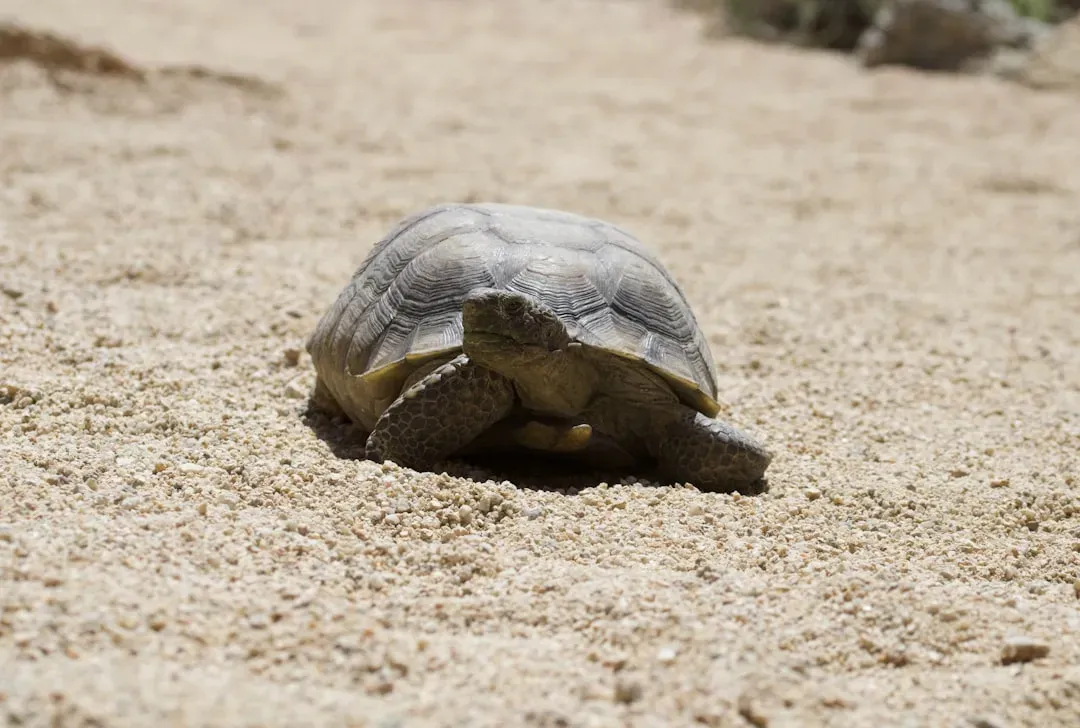
Estivation is a state of dormancy similar to hibernation but occurs during hot or dry periods instead of cold ones. It helps and drought when water and food are limited – and during estivation, animals reduce their metabolic rate and become inactive to minimize water loss and avoid heat stress.
Native to North America’s arid regions, the desert tortoise estivates to escape the scorching desert heat, digging burrows and remaining inactive until the cooler months arrive, conserving water and energy. Spadefoot toads can remain dormant for months until heavy rains trigger their emergence for breeding in temporary pools, and their rapid life cycle enables them to capitalize on short wet seasons. For these animals, disappearing is itself an act of survival.
Burrowing: Going Underground to Stay Cool
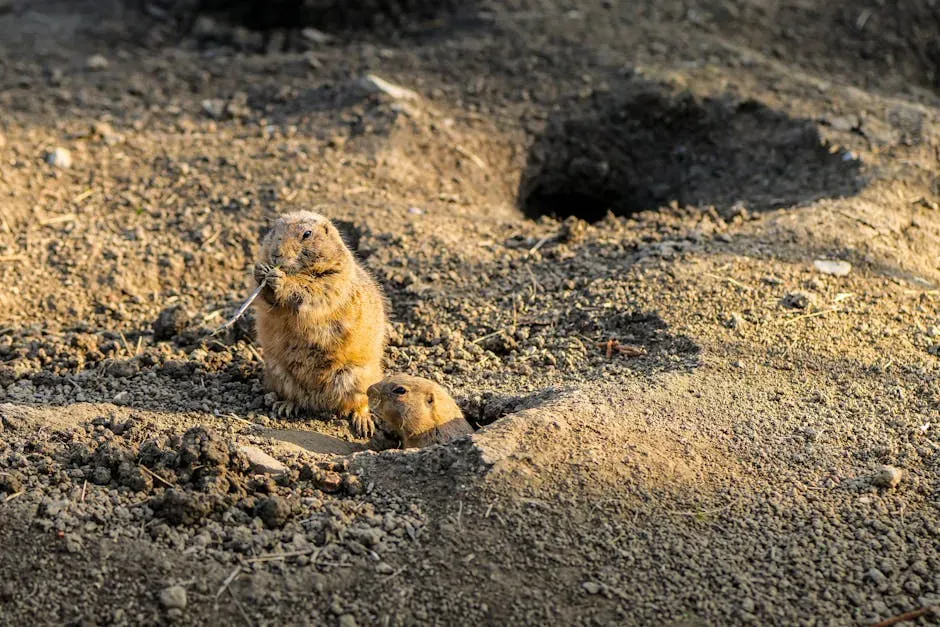
Most small desert animals live in burrows to avoid the desert heat. When burrows are deeper than 50 to 60 cm below the surface, they maintain humidity and temperatures between 30 and 32°C, regardless of external weather conditions. That’s a remarkable microclimate advantage, especially when the surface above might be baking at twice that temperature.
Unlike any other North American canid, the kit fox uses burrows year-round. These burrows help it thrive in hot, dry desert valleys – an environment that is too challenging for other canids. During the heat of the day, most animals can be found underground in burrows or simply sitting in the shade of a shrub or tree, while reptiles such as the desert tortoise and Gila monster spend almost all of their time in a burrow or under a rock.
Nocturnal and Crepuscular Behavior: Timing Is Everything
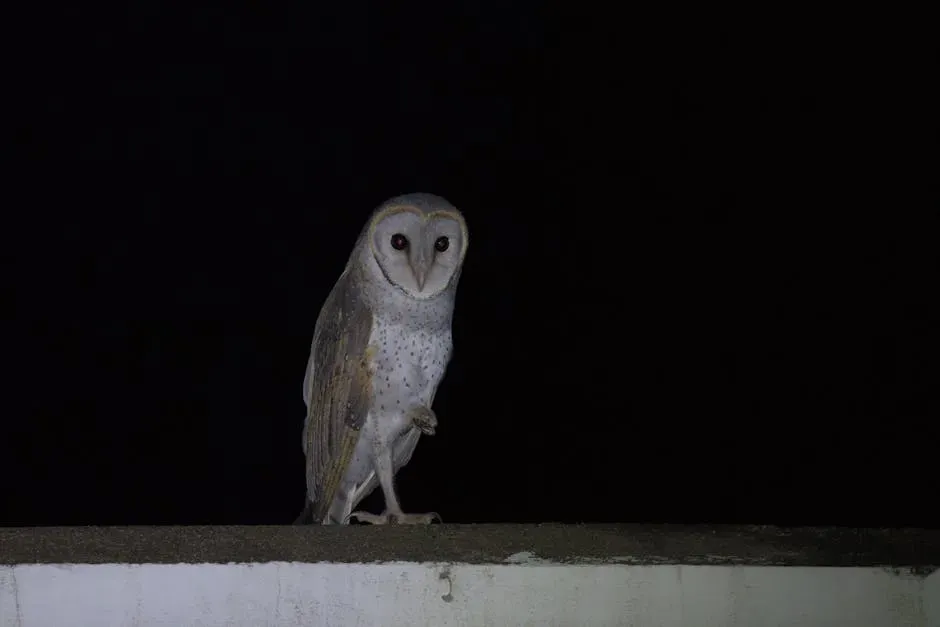
The primary strategy for dealing with high desert temperatures is avoidance – many mammals simply avoid the high daytime temperatures by being nocturnal or crepuscular, meaning active at dusk or dawn. This behavioral shift is deceptively simple but profoundly effective. By rearranging their entire active schedule around cooler temperatures, these animals sidestep the worst of the heat entirely.
In addition to escaping the midday heat, nocturnal activity also helps many animals avoid predation. Without the veil of darkness, many animals fall prey to larger hunters, so nocturnal activity offers some degree of safety. The cool nighttime temperatures not only provide relief from extreme daily temperatures but also assist in generating lower internal body temperatures. It’s a strategy that solves multiple problems at once.
Radiator Ears: How Jackrabbits and Other Large-Eared Desert Mammals Shed Heat
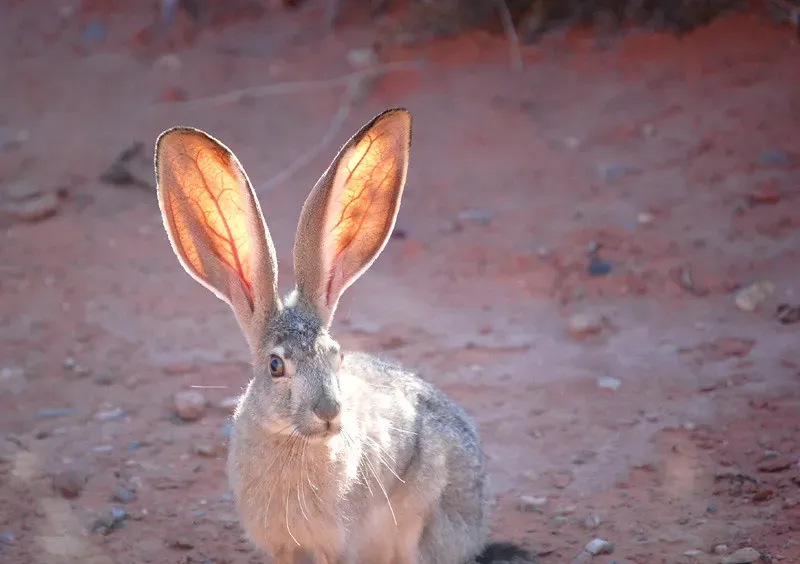
The ears of desert jackrabbits are richly supplied with blood vessels, and when blood flows through these vessels, the heat from the body is brought to the surface of the skin and is subsequently emitted into the atmosphere. This process aids in cooling the body down and preventing overheating, which is crucial in the warm desert environment.
A University of Texas study confirmed this principle, showing that desert species follow what’s known as Allen’s Rule: animals in hotter climates evolve longer limbs and larger ears to disperse heat more efficiently. The black-tailed jackrabbit in particular employs its large ears to dissipate heat efficiently, regulating its body temperature in the oppressive midday sun. You could think of those ears as a portable radiator, always running quietly in the background.
Pale Colors, Light Coats, and Thermal Windows: The Body as Heat Management System
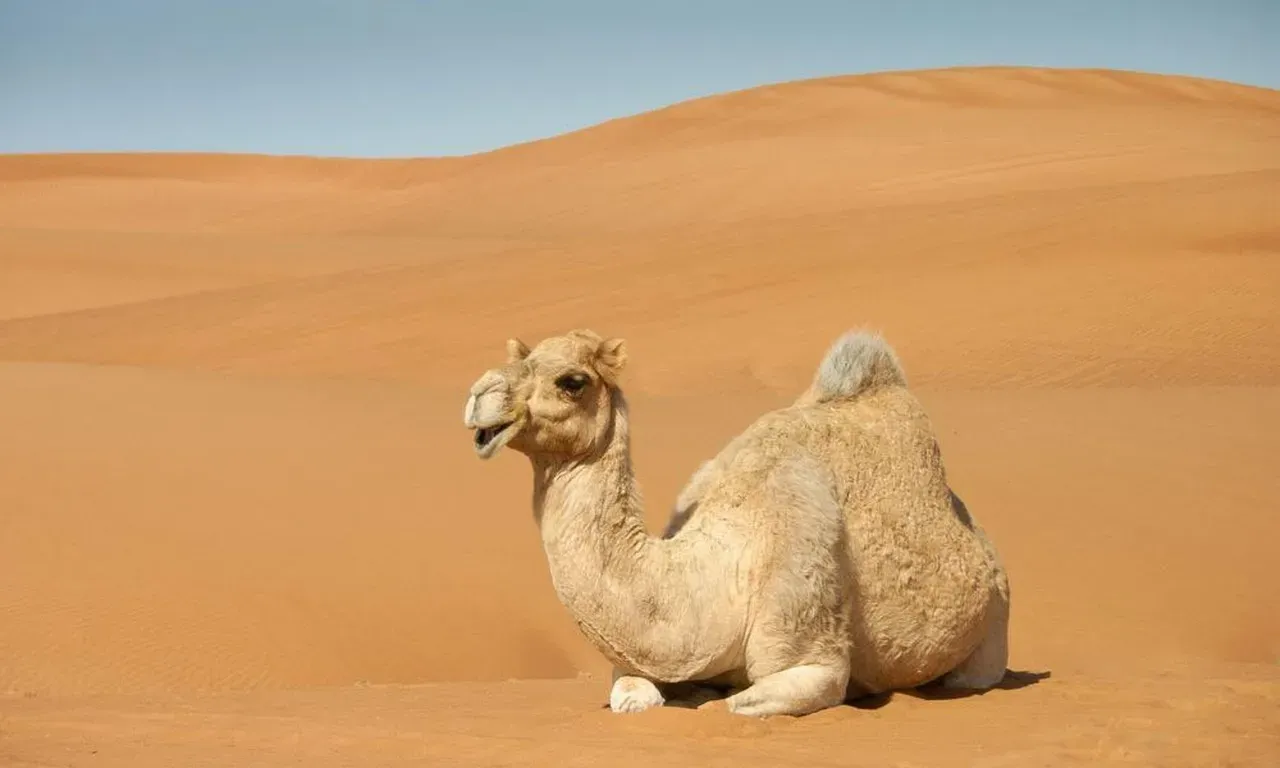
According to Gloger’s Rule, desert mammals tend to be paler in coloration than their relatives from other environments. In addition to the paler color, which enables certain animals to blend with their background and reduce the likelihood of predation, lighter color may also function in thermoregulation. Desert animals have thick insulating coats that impede the conduction of heat toward the body, but these coats are not uniformly distributed. They leave sparsely covered patches called “thermal windows” at areas like the armpit and groin, where heat can be dissipated via convection and conduction.
Desert iguanas have cream-colored skin that reflects heat, helping them to be comfortable in their hot, sandy home. Desert animals also have less fat than their non-desert counterparts, as fat would act as insulation and retain heat. What fat they do have is localized, such as in the camel’s hump. Every square centimeter of body surface is, in effect, part of the thermal strategy. Nothing about a desert animal’s physical form is accidental.
Conclusion
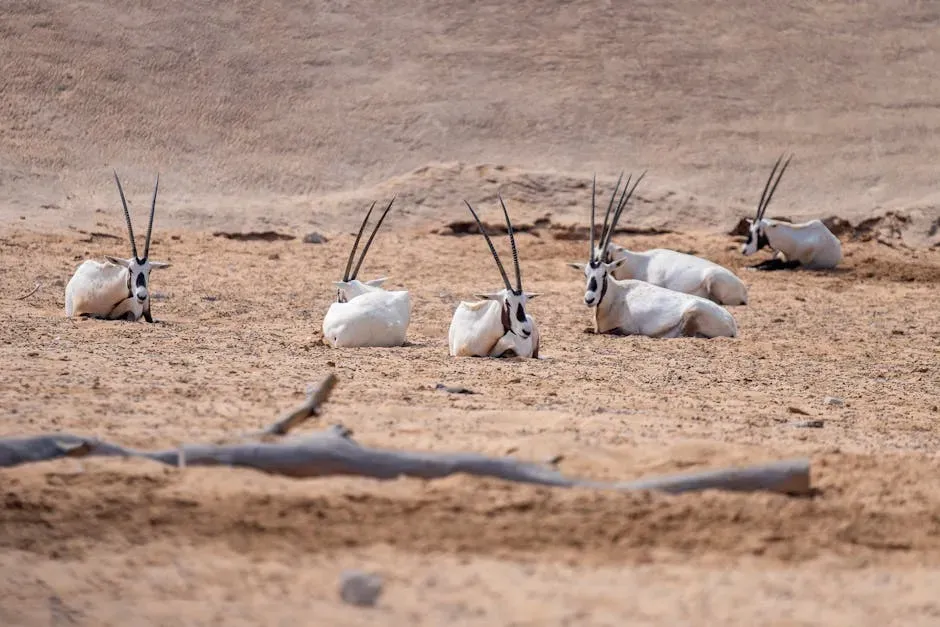
What these eight adaptations share is a kind of elegance rooted in constraint. Animals that live in desert environments have evolved remarkable adaptations over time in order to survive extreme conditions, and their ability to thrive in the harsh climates of these regions is a testament to the power of evolution and the diverse abilities of animals. Whether it’s the kangaroo rat producing water from dry seeds, the camel quietly adjusting its own internal temperature, or the fennec fox radiating heat through ear-sized surfaces, each solution is precise, tested over millennia, and genuinely astonishing.
There’s also a broader lesson here worth sitting with. If the desert gets too hot, many animals will estivate – similar to hibernating, but usually in response to a lack of water rather than a lack of food. Animals that call the desert home have developed various types of adaptive behaviors and physical characteristics to cope with ongoing environmental extremes – and the adaptations show us how resilient, versatile, and clever these creatures really are. In a world increasingly shaped by rising temperatures, the survival playbook of desert animals deserves more than just our admiration. It may well deserve our serious study.