
Science has always been most alive at the edges of what it doesn’t know. You can run down a long list of things humanity has figured out, from the structure of DNA to the precise age of the universe, and it’s genuinely impressive. Yet for every answered question, there’s another waiting in the shadows, stranger and more stubborn than the last.
Some of the deepest mysteries aren’t fringe curiosities. They sit at the very center of physics, biology, and neuroscience, unsettling entire fields and resisting every tool we’ve thrown at them. The good news is that in 2026, researchers are closer than ever, and the methods they’re using are as fascinating as the puzzles themselves.
The Mystery of Dark Matter: The Invisible Scaffolding of the Universe
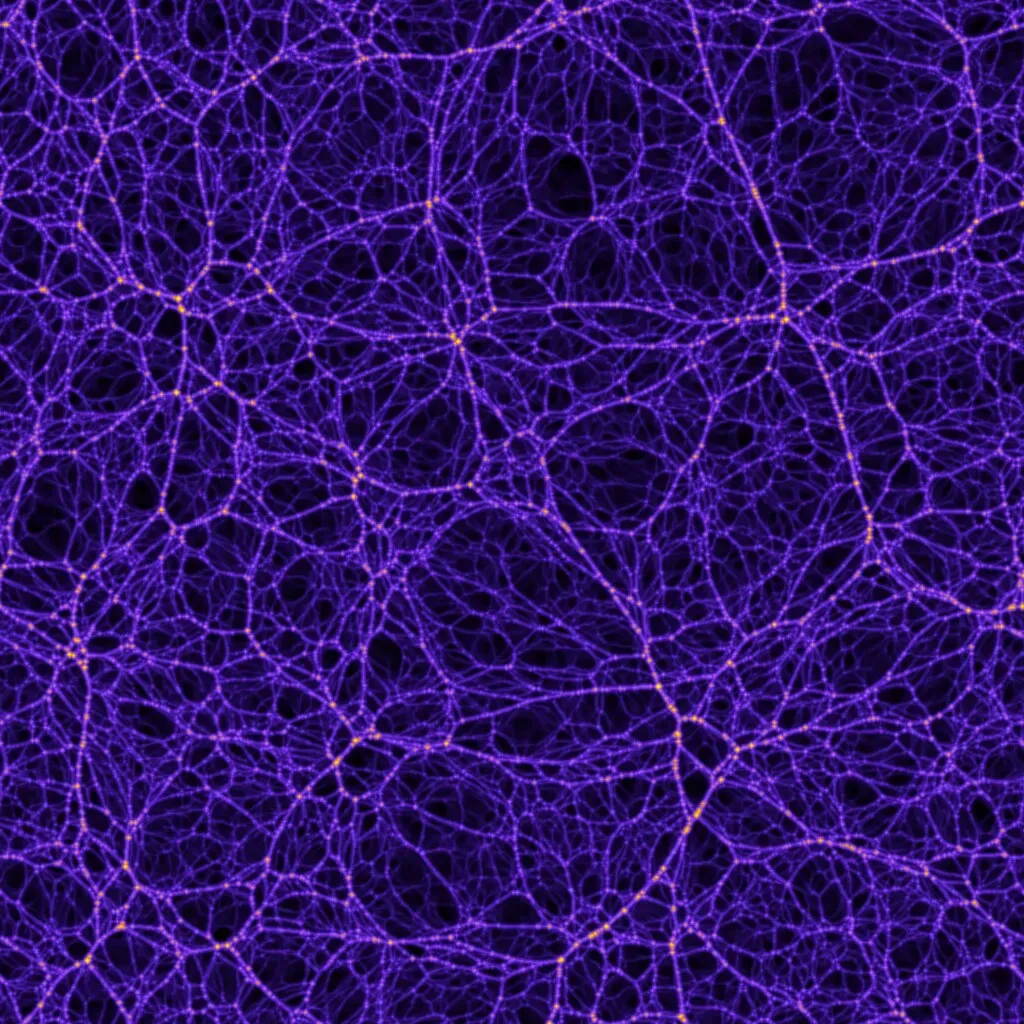
Dark matter has never been directly detected, but its gravitational influence shapes how galaxies form and stay together. Without it, the universe as we know it wouldn’t exist. That’s the strange position science finds itself in: confident something is there, completely unsure what it actually is. It’s a bit like feeling a wall in a dark room but never being able to touch it with your hands.
Despite decades of intense searching, multi-billion-dollar experiments deep underground have failed to directly detect a single dark matter particle, creating a massive crisis in particle physics. Its composition and the reason for its complete elusiveness remain the greatest unsolved problem in the standard model of modern physics. Progress isn’t absent, though. The LUX-ZEPLIN experiment has analyzed the largest dataset ever collected by a dark matter detector, reaching unmatched sensitivity. Meanwhile, astronomers have detected a high-energy gamma ray signal that fits the expected footprint of dark matter particles, a discovery that could represent humanity’s first direct observational evidence of this long-hidden cosmic material.
Dark Energy: The Force That’s Tearing the Universe Apart
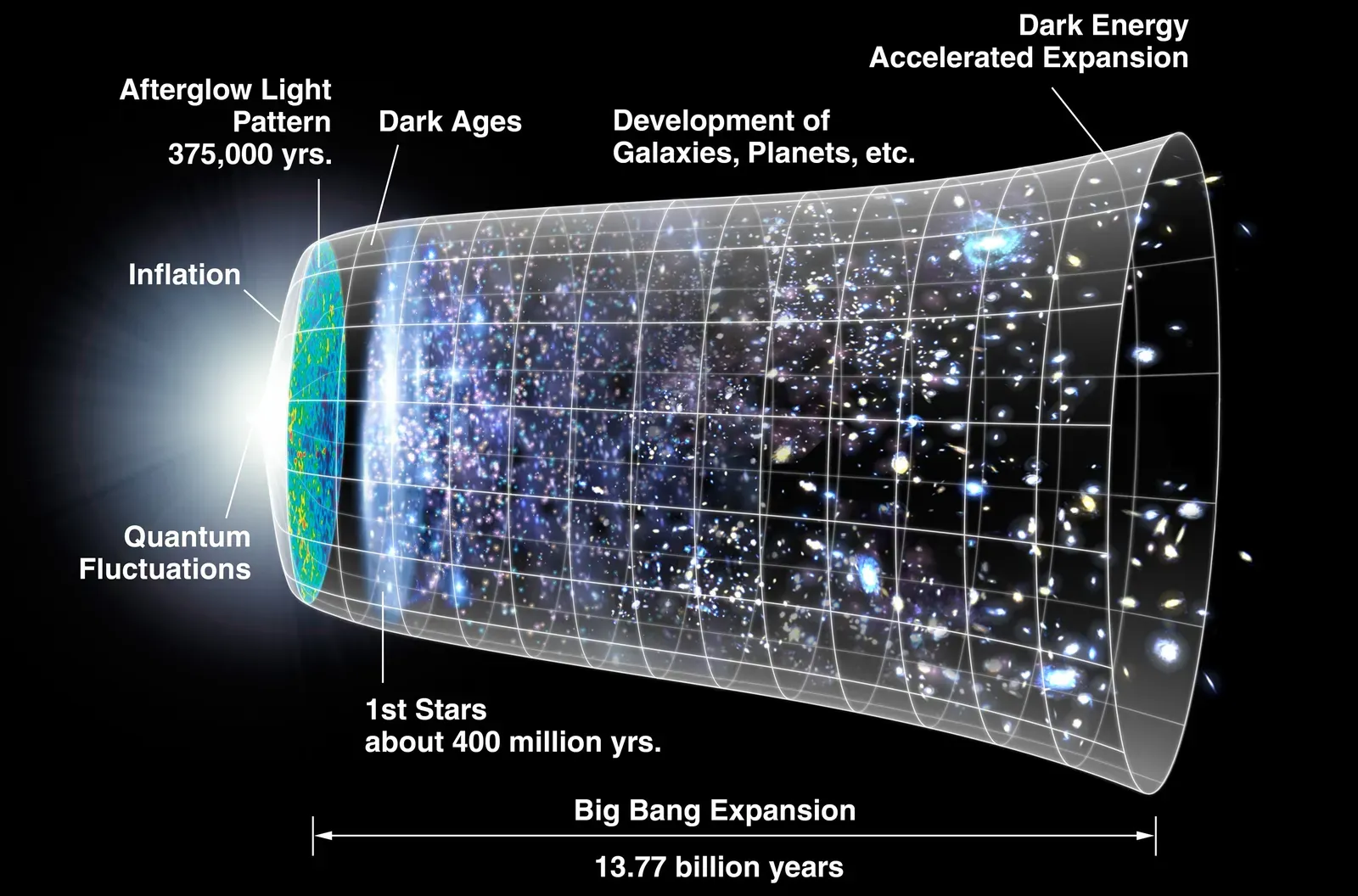
In the late 1990s, scientists discovered that the expansion of the universe is accelerating. This was shocking, since gravity should slow expansion over time, not speed it up. To explain this, scientists proposed a strange, unseen force called dark energy, which makes up nearly 68 percent of the universe. The math demands it exists. The problem is that no one has the faintest idea what it actually is.
New supercomputer simulations hint that dark energy might be dynamic, not constant, subtly reshaping the universe’s structure. The findings align with recent DESI observations, offering the strongest evidence yet for an evolving cosmic force. A Cornell physicist recently pushed things further, calculating that the cosmos will continue expanding for roughly another 11 billion years before reaching its largest size, after which it would begin to shrink, eventually collapsing back into a single point, much like a stretched rubber band snapping back. Whether that prediction holds will depend on what dark energy truly turns out to be.
The Origin of Life: How Chemistry Became Biology
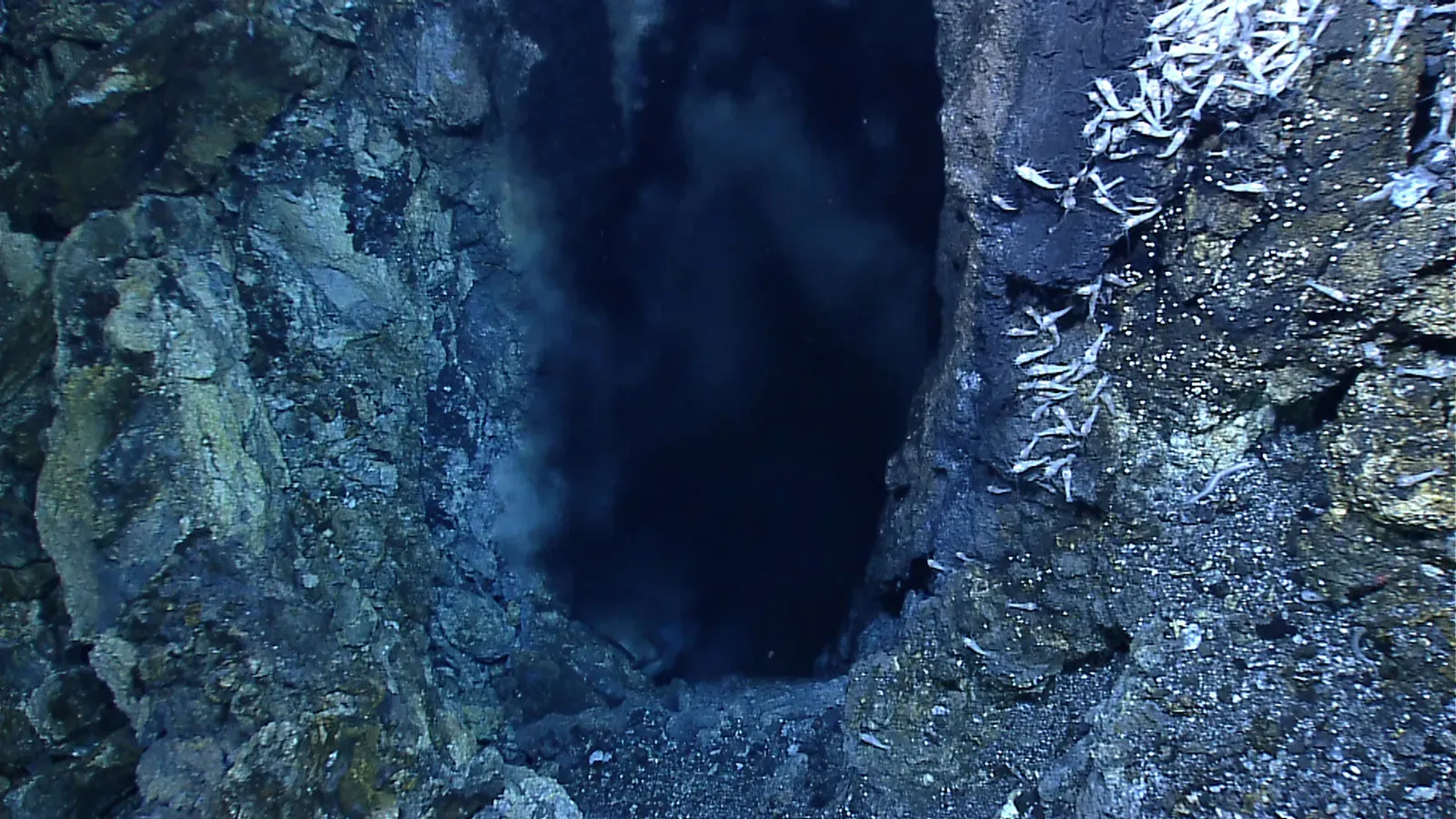
We know life exists – we are living proof – but how did it begin? This remains one of the most enduring scientific mysteries. Did life start in a primordial soup of chemicals on early Earth, sparked by lightning or volcanic activity? Or did it emerge in deep-sea hydrothermal vents, where heat and minerals created the first self-replicating molecules? Even the most basic version of that question, the leap from raw chemistry to a living cell, has no confirmed answer.
A team of Harvard scientists has brought the field closer to an answer by creating artificial cell-like chemical systems that simulate metabolism, reproduction, and evolution, the essential features of life. In a parallel direction, researchers found that electrical exchanges between oppositely charged water droplets can result in the production of amino acids, a process that could have been more frequent than lightning on ancient Earth, creating abundant building blocks for life. The research suggests, however, that relying purely on chance and natural chemical processes may not adequately explain life’s emergence within the timeframe available on early Earth, since the tendency for systems to become more disordered presents significant obstacles to forming the highly organized structures necessary for life.
The Hard Problem of Consciousness: Why Does Anything Feel Like Anything?
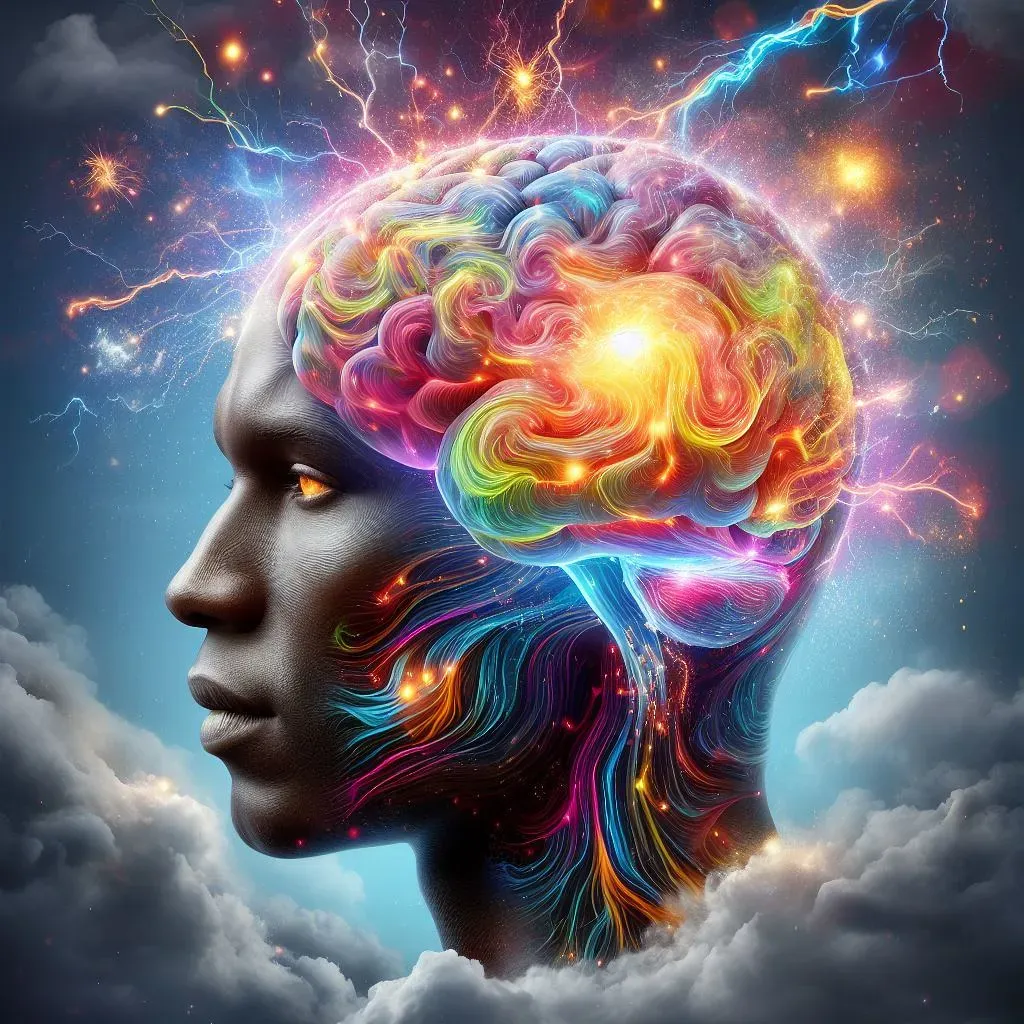
Perhaps the most mysterious phenomenon of all lies not in the stars but in our own minds. Consciousness, the sense of awareness, the experience of being alive, is something science has yet to fully explain. You can map every neuron in the brain, trace every electrical signal, and still be left with an unanswered question: why does any of it feel like something from the inside?
An experiment seven years in the making has uncovered new insights into the nature of consciousness, challenging two prominent competing scientific theories: Integrated Information Theory and Global Neuronal Workspace Theory. Neither theory emerged fully victorious. Instead, scientists discovered that how you perceive may be more central to consciousness than how you think. A late 2025 paper from the Estonian Research Council added a different angle, suggesting that computation in brains is inseparable from their physical structure, energy constraints, and continuous dynamics, which reframes consciousness as something that emerges from a special kind of computing matter, not from running the right program.
The Placebo Effect: When Belief Becomes Biology

The sheer, measurable power of the placebo effect, where a patient’s belief in a fake treatment produces a genuine, physiological response, is a profound mystery that confounds pharmacology. Scientists have documented the brain releasing its own highly potent painkillers, or even adrenaline, based entirely on the patient’s expectation. The precise mechanism by which a non-active substance triggers a physical cure remains utterly baffling to modern medicine.
This isn’t a marginal curiosity. Your brain, presented with the expectation of relief, can reorganize its own chemistry in measurable ways. A 2025 review published in the New England Journal of Medicine reiterated that the placebo effect represents a powerful, untapped window into the mind-body connection that defies simple chemical explanation. Researchers are now working to understand whether the placebo mechanism can be deliberately harnessed in clinical settings, particularly for pain management and mental health treatments, without the ethical complications of deception.
Ultra-High-Energy Cosmic Rays: Messengers From the Unknown
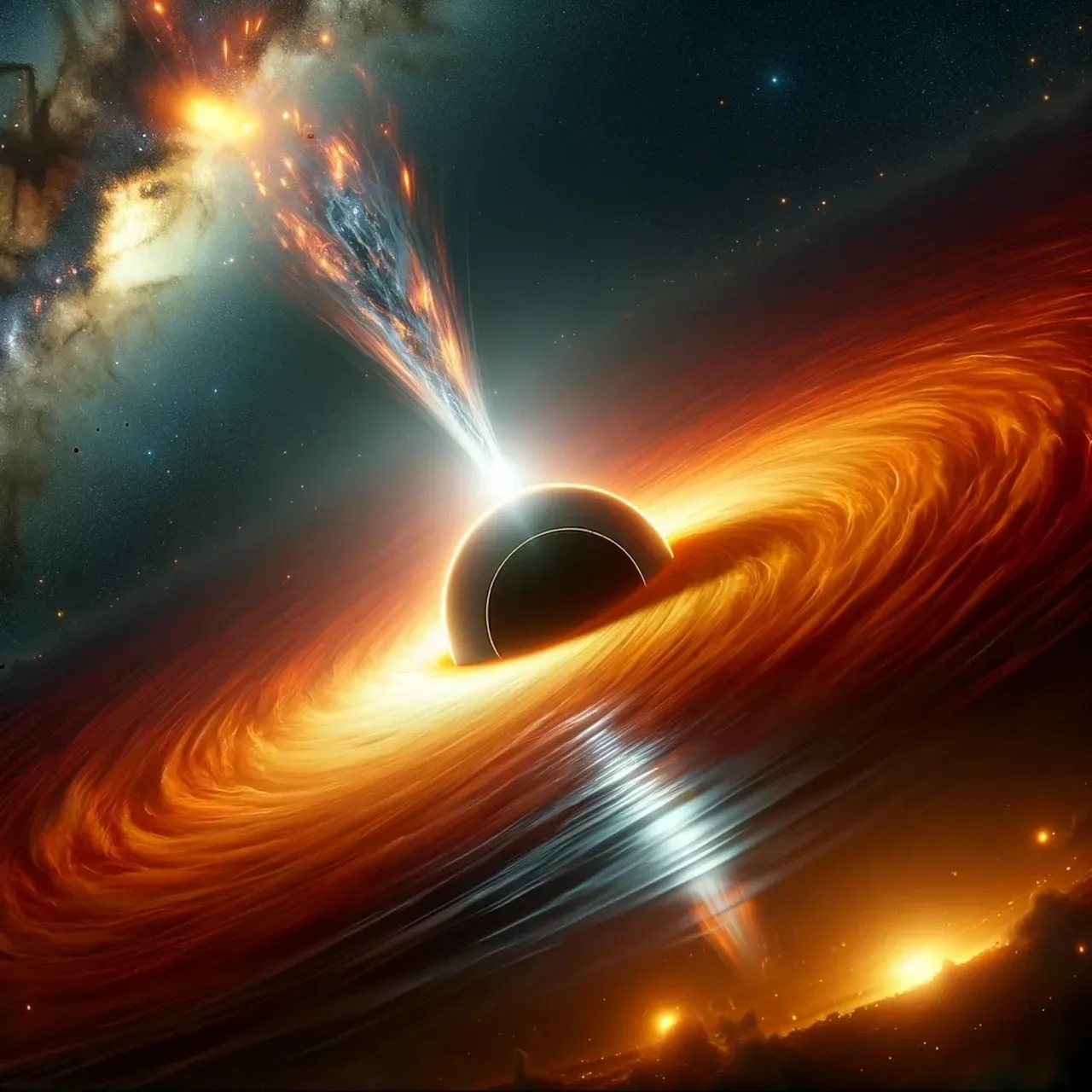
Cosmic rays are high-energy particles that constantly bombard Earth. Every so often, scientists detect ultra-high-energy cosmic rays that possess more energy than any particle accelerator on Earth can produce. The sources and mechanisms that generate these extreme energy levels remain unknown to astronomers. Furthermore, many of these particles seem to originate from regions of the universe that appear devoid of sources, which contradicts our models of particle decay.
The effort to solve this is genuinely global. Spread across 1.36 square kilometers of ancient glacial terrain in China, the Large High Altitude Air Shower Observatory tirelessly captures traces of cosmic rays, and it recently announced a monumental discovery: it had captured crucial observational evidence that black holes devouring material from companion stars, and producing jets, may act as powerful particle accelerators and play a key role in the production of high-energy cosmic rays in the Milky Way. Yet, a century after their discovery, the full origins and acceleration mechanisms of cosmic rays remain one of astrophysics’ great unsolved mysteries.
Why We Dream: The Nightly Theater No One Can Explain

Every night, your brain constructs an elaborate world complete with characters, emotions, and sometimes physics-defying logic, and then promptly forgets most of it by morning. We still don’t know why the brain devotes so much energy to fabricating these elaborate, often meaningless narratives while we sleep. A 2025 fMRI study by the Max Planck Institute for Human Cognitive and Brain Sciences suggested that dreams are essential for future-proofing memory and practicing social scenarios. However, the exact mechanism of content generation remains opaque.
Several competing theories exist, ranging from emotional processing to memory consolidation to simple neural noise. The continued lack of consensus among researchers highlights a major gap in cognitive science that affects us all. What’s particularly frustrating is that dreams are universal across human cultures and appear in many other animals too, strongly suggesting they serve some important function. The difficulty is that whatever that function is, it’s subtle enough that centuries of human curiosity and decades of neuroscience still haven’t pinned it down with certainty.
Conclusion: The Productive Discomfort of Not Knowing
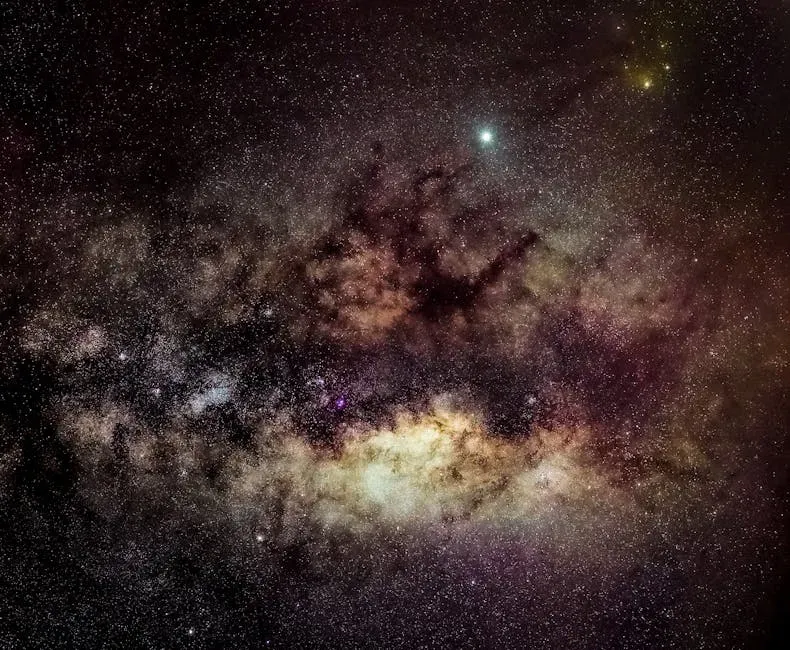
There’s a reasonable temptation to assume that modern science has the big questions mostly covered. These seven mysteries push back firmly against that assumption. Dark matter and dark energy together account for the vast majority of everything in the universe, and you still can’t hold either in your hand or detect them directly. Life itself remains unexplained from first principles. The thing generating your awareness right now, your consciousness, has no agreed-upon scientific definition.
What stands out in 2026 is not the size of the gaps but the quality of the tools being trained on them. You’ve got kilometer-scale detectors buried under mountains, supercomputers running cosmological simulations, Harvard labs constructing proto-life in test tubes, and multinational teams testing competing theories of the mind head-to-head. The mysteries are deep. The methods are getting sharper.
In science, an unsolved problem isn’t a dead end. It’s a signal that something genuinely new is waiting to be found. The questions that still stump us are, in many ways, the most honest measure of how much further there is to go, and how interesting the going will be.