We tend to picture pandas, tigers, or elephants when we hear the word “endangered.” But some of the species holding entire ecosystems together are small, strange, or almost invisible in our daily lives. If they disappear, the damage can ripple through forests, oceans, and even our food systems in ways that are honestly a little terrifying.
What surprised me most, digging into this, is how many of these animals and plants are basically unsung heroes. They don’t make the headlines, yet they quietly shape rivers, stabilize coasts, feed entire food webs, and even help control disease. Losing them wouldn’t just be sad; it would fundamentally change how nature works around us.
1. Saiga Antelope – The Dusty Climate Engineers of the Eurasian Steppe
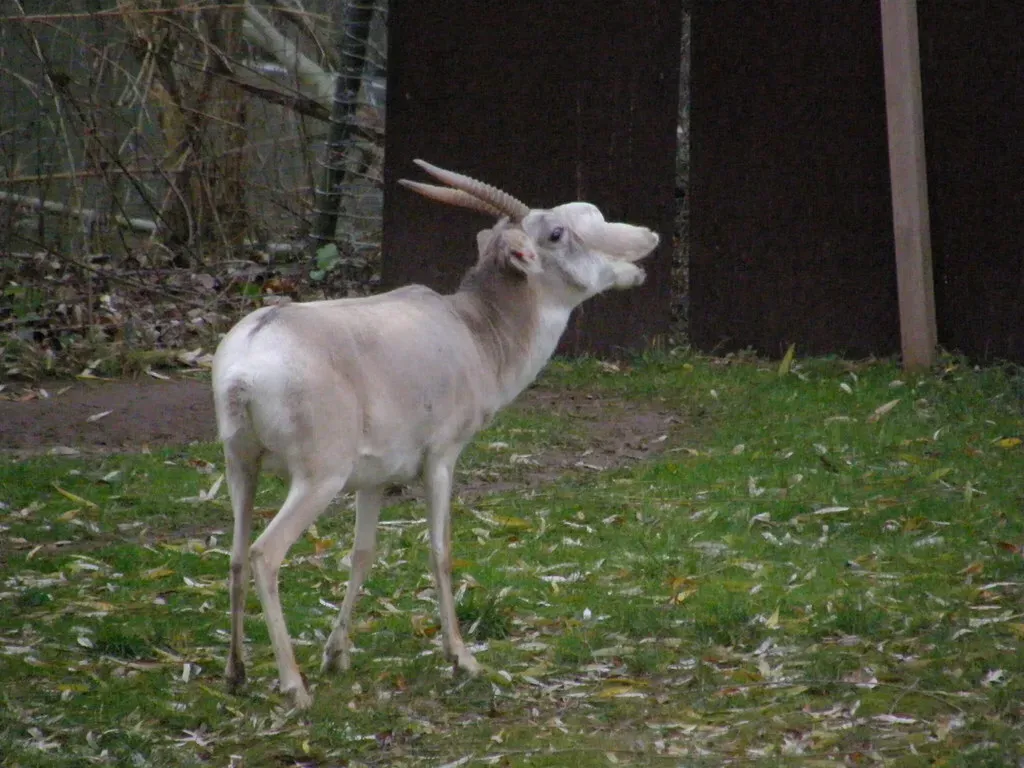
The saiga antelope looks almost mythical, with its oddly swollen, drooping nose and huge dark eyes. Once roaming in the millions across Central Asia’s grasslands, its numbers crashed in the last few decades due to poaching, habitat loss, and disease outbreaks that killed hundreds of thousands in just a few weeks. Today, saiga are clustered in a few surviving populations across Kazakhstan, Russia, and Mongolia, and they’re still considered critically endangered.
What makes saiga so crucial is how they shape the steppe. These antelopes graze in big herds, clipping back tough grasses, spreading seeds in their droppings, and keeping the landscape open and diverse rather than choked with a few dominant plants. That grazing helps maintain healthy soil, supports insects and birds that depend on open steppe, and even influences how carbon is stored in those vast grasslands. Take saiga away, and the steppe starts to shift into something less rich, less varied, and far more fragile.
2. Horseshoe Crabs – Ancient Creatures Quietly Protecting Human Health
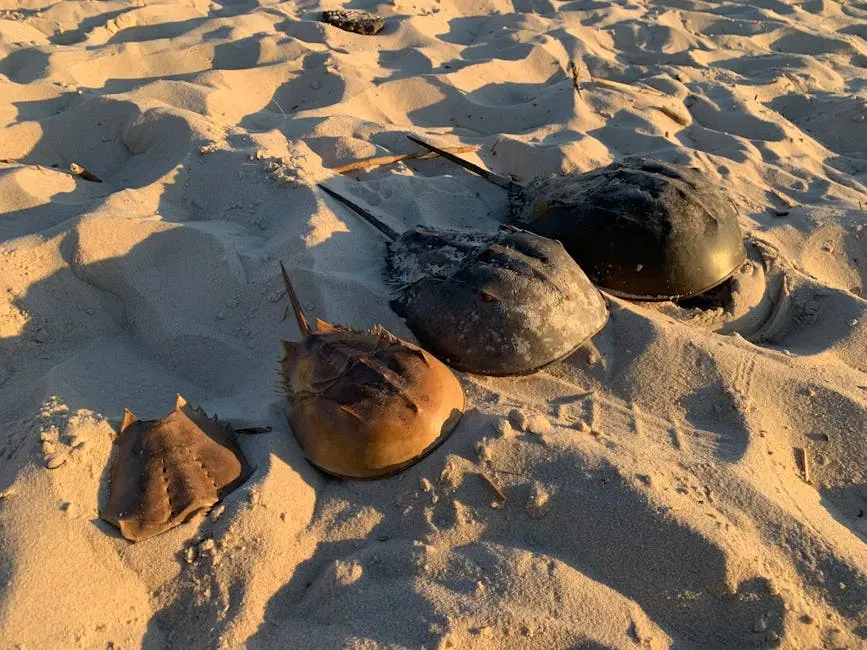
Horseshoe crabs have been around for hundreds of millions of years, long before dinosaurs showed up, and they basically still look the same: armored shell, long tail spine, and a face that only a biologist could love. Along the Atlantic coast and parts of Asia, their numbers have dropped sharply due to overharvesting and coastal development. Many are caught for bait and for their blue blood, which is used in medical tests to detect bacterial contamination in vaccines and medical equipment.
But their role in ecosystems is just as dramatic as their role in human health. Each spring, horseshoe crabs come ashore to lay huge numbers of eggs, and those eggs are a vital food source for migrating shorebirds that time their long journeys to match the spawning. If horseshoe crab numbers crash further, those birds lose a critical refueling stop, which can trigger declines all along their migratory routes. So this strange-looking “living fossil” turns out to be a keystone link between oceans, beaches, birds, and even hospital safety.
3. Bats of Southeast Asia – Silent Guardians of Forests and Food Security
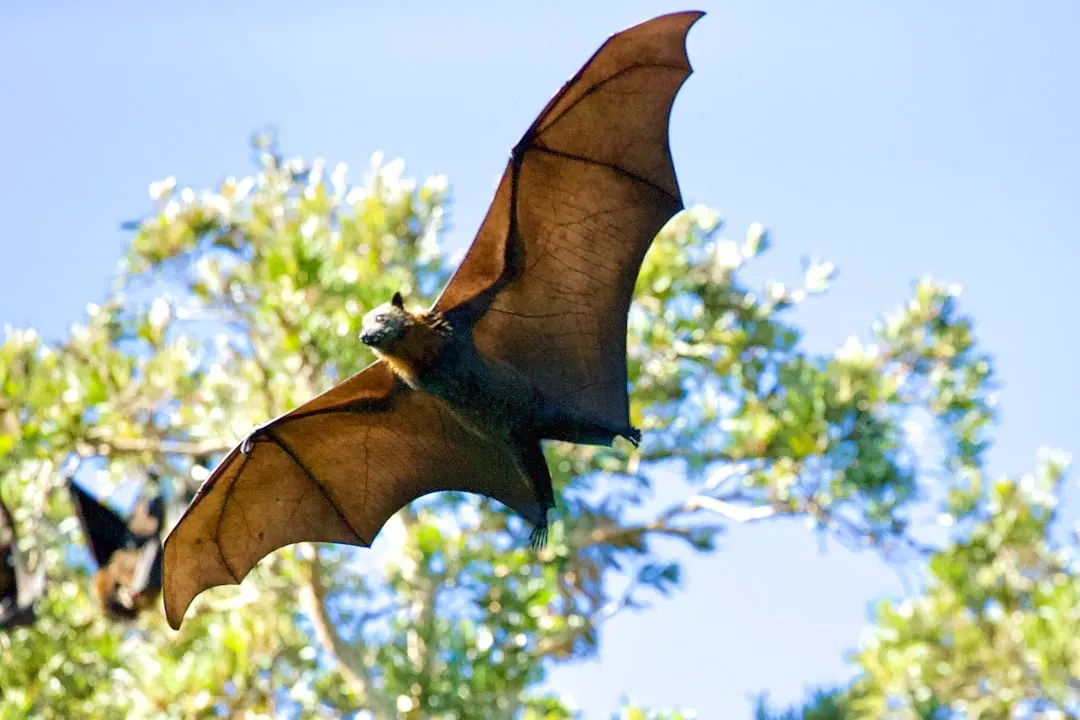
Bats often get treated like villains in movies, but in real life they’re more like unpaid farm workers and forest gardeners. Across Southeast Asia, many bat species are now endangered or declining fast due to deforestation, hunting, and disturbance in caves where they roost. Some fruit bats, sometimes called flying foxes, are especially threatened, even though they’re essential for the forests that people rely on.
These bats pollinate night-blooming flowers and spread seeds across huge distances, helping forests regenerate after logging, storms, and fires. Others eat crop pests and mosquitoes, providing a natural pest control service that farmers would otherwise pay a lot of money to replace. When bat populations drop, tree diversity can fall, crops may face more insect damage, and disease-carrying insects can surge. It’s wild to think that something as small and often-feared as a bat can support food security and healthier ecosystems on such a large scale.
4. Pangolins – The Overlooked Insect Controllers of Forests and Savannas
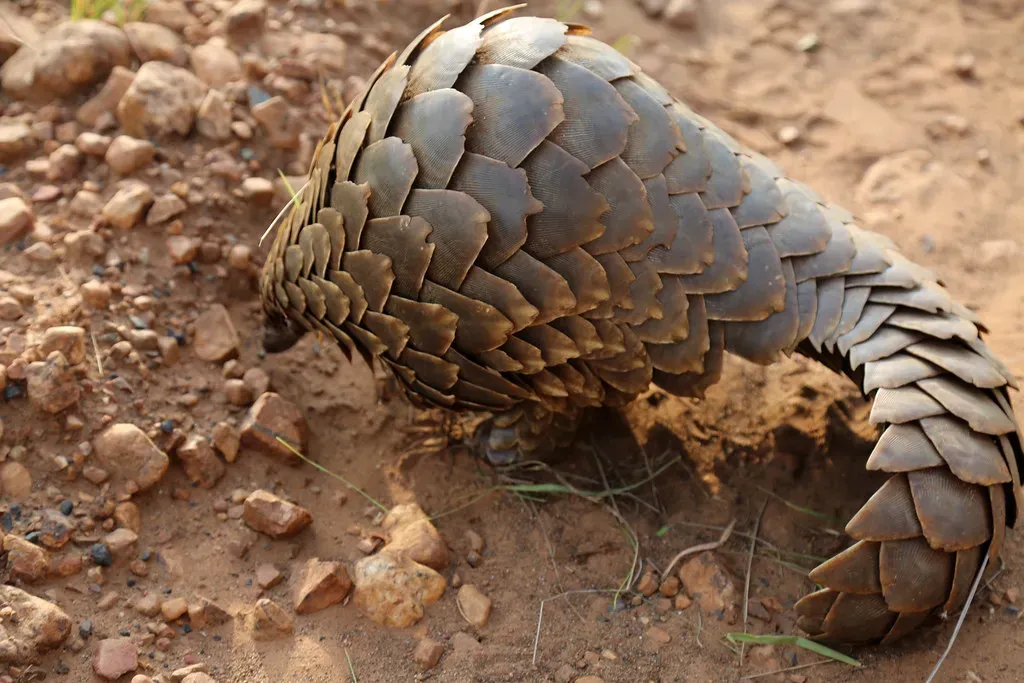
Pangolins are some of the most trafficked mammals on Earth, yet many people still don’t know they exist. They look like a mash-up between an armadillo and a pine cone, covered in tough scales, and they live across parts of Africa and Asia. Every pangolin species is now threatened or endangered due to illegal hunting for meat and scales, and habitat loss is making things even worse.
What often gets missed is how important pangolins are in controlling insects. A single pangolin can eat tens of thousands of ants and termites in a single night, and over the course of a year that adds up to massive numbers. By digging into termite mounds and ant nests, they limit outbreaks that can damage trees, crops, and even buildings. Their digging also aerates soil and creates small pits that collect seeds and water, helping new plants take root. Lose pangolins, and you lose a quiet, natural line of defense against insect damage and soil degradation.
5. Sea Otters – Coastal Bodyguards for Kelp Forests
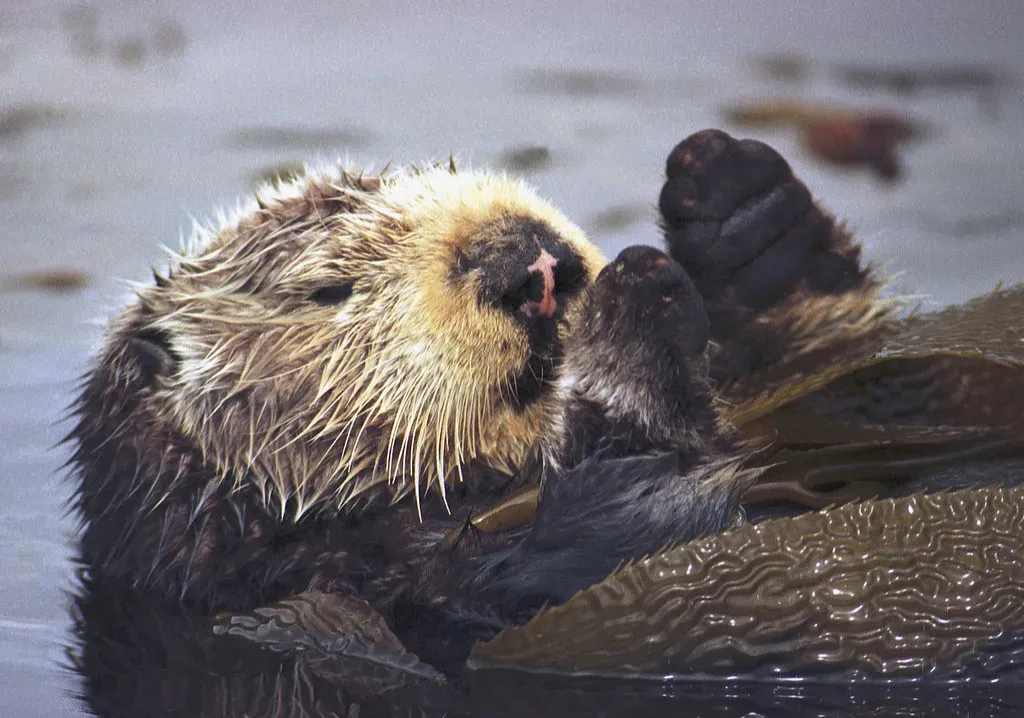
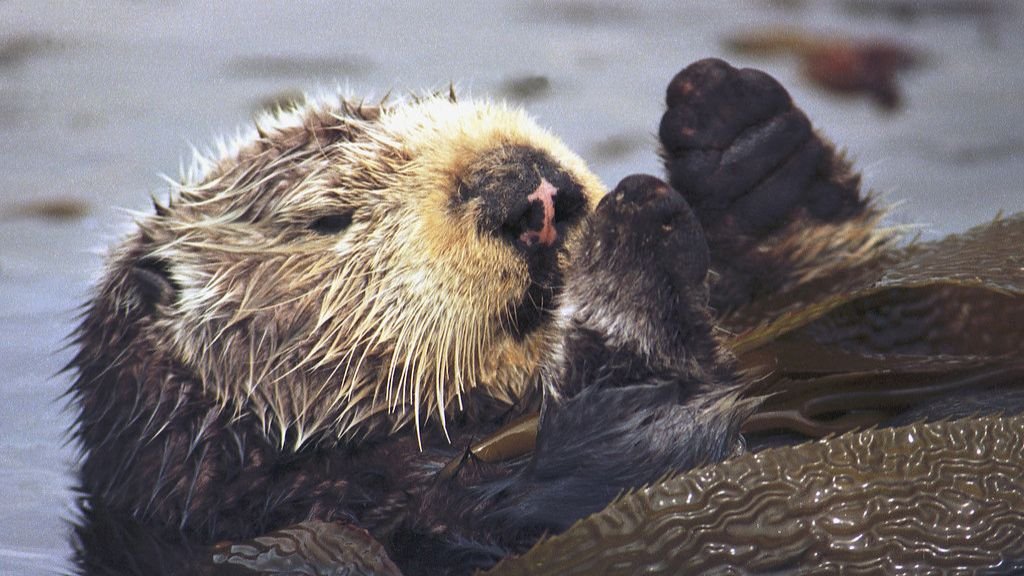
Sea otters are undeniably cute, but the real magic is how powerful they are as ecosystem engineers in the North Pacific. Historically hunted to near extinction for their fur, their populations are still recovering and remain vulnerable in many areas due to oil spills, pollution, disease, and climate-driven changes. Where otters are missing, the entire coastal ecosystem looks and behaves differently.
Sea otters feed heavily on sea urchins, which graze on kelp. Without otters, urchins explode in number and mow kelp forests down into so-called urchin barrens, leaving underwater landscapes nearly empty. Healthy kelp forests, on the other hand, act like underwater cities, sheltering fish, crabs, and countless other species, while also absorbing carbon and buffering coastlines from storms. By simply doing what they do best – eating – they indirectly support fisheries, carbon storage, and coastal protection. It’s hard to imagine a clearer example of a small predator holding an entire marine world together.
6. Vultures in Africa and Asia – The Sanitation Crew Preventing Disease
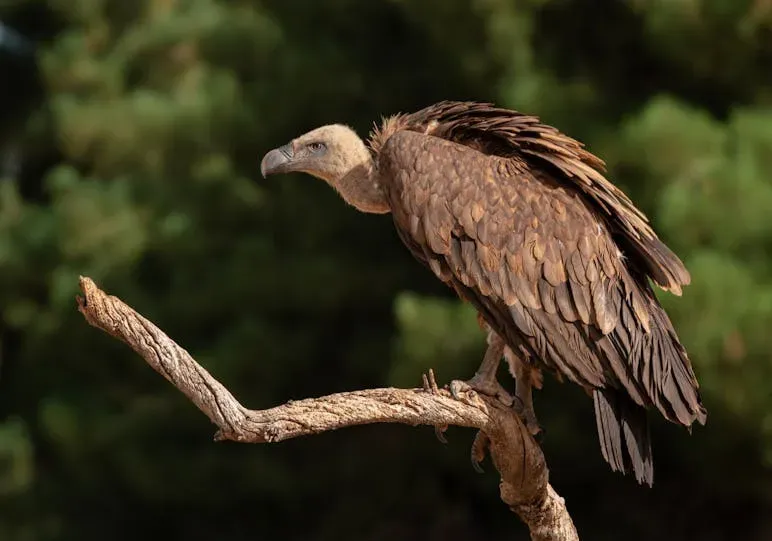
Vultures used to be one of the most common large birds seen soaring over savannas and villages, but many species have collapsed in number over the last few decades. In parts of South Asia, some species declined by almost all of their former population due to a veterinary drug in livestock carcasses that was toxic to vultures. In Africa, poisoning, habitat change, and hunting for body parts used in traditional practices have pushed several species to the brink.
Their disappearance has a chilling side effect: rotting carcasses stay in the environment much longer without vultures to clean them up. That opens the door for feral dogs and rats to move in, which can increase the risk of diseases like rabies and other infections spreading to people and livestock. Vultures can digest harmful pathogens that would make most other animals sick, acting like a natural disease barrier. When we lose them, it’s not just a loss of a bird; it’s a hit to public health and the basic hygiene of rural landscapes.
7. Freshwater Mussels – Invisible Filters of Rivers and Streams
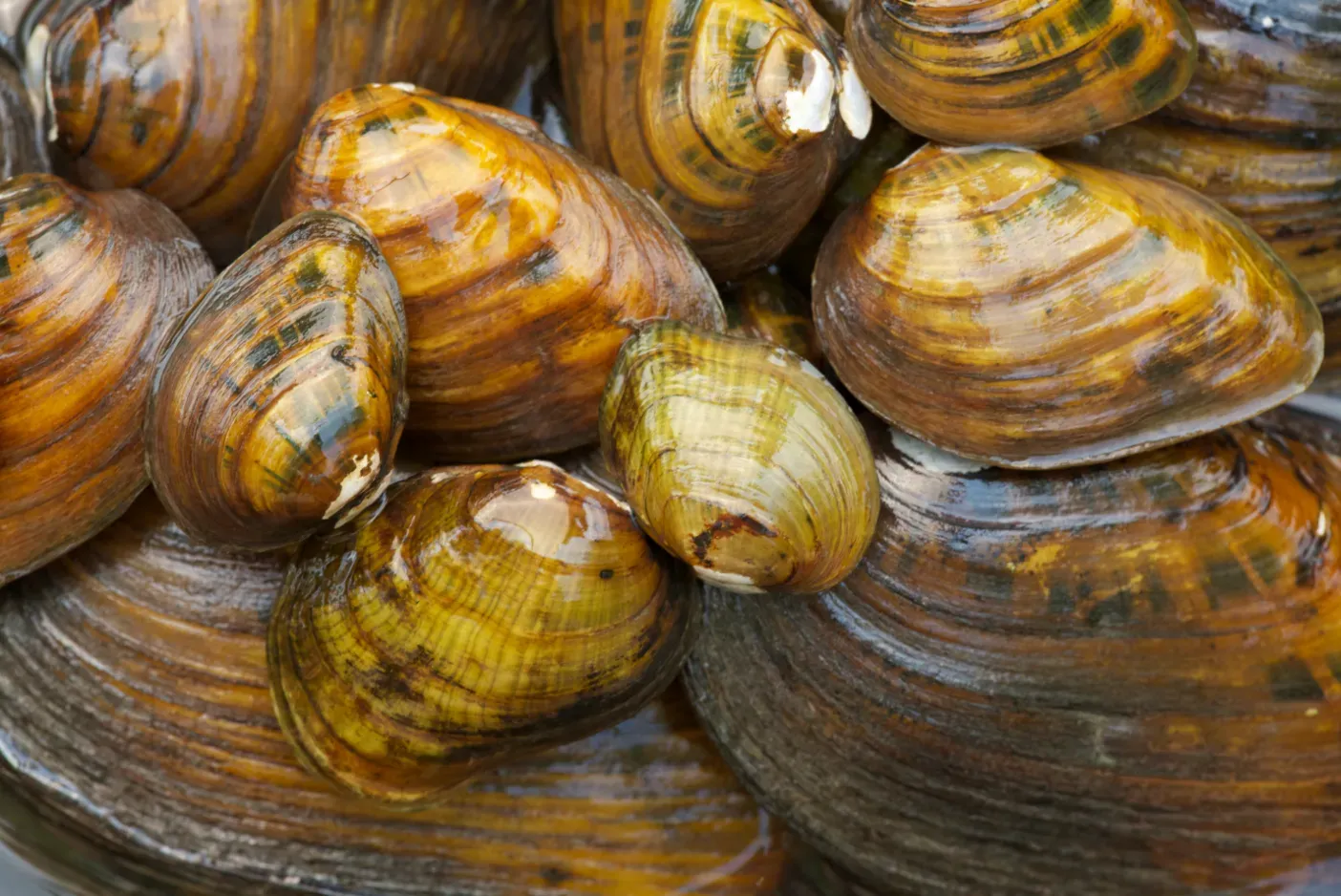
Freshwater mussels are not exactly Instagram-famous, but rivers in North America, Europe, and parts of Asia and Africa once held an incredible variety of them. Today, a large share of freshwater mussel species are threatened by pollution, dams, sediment from agriculture, and invasive species. Many have been lost from rivers they once dominated, and because they live mostly buried in sediment, most people never notice they’re gone.
These mussels quietly filter water, removing particles, algae, and some pollutants as they feed, which helps keep rivers clearer and more oxygen-rich. Their shells provide habitat for insects and small fish, and their presence can literally shape the structure of riverbeds, slowing erosion and creating microhabitats. Some species depend on specific fish for their larvae to hitch a ride upstream, linking the fate of mussels and fish together. When mussel populations disappear, water often becomes murkier, and the whole river community becomes less stable and less resilient.
8. Mangrove Trees – Coastal Shields and Nurseries Under Pressure
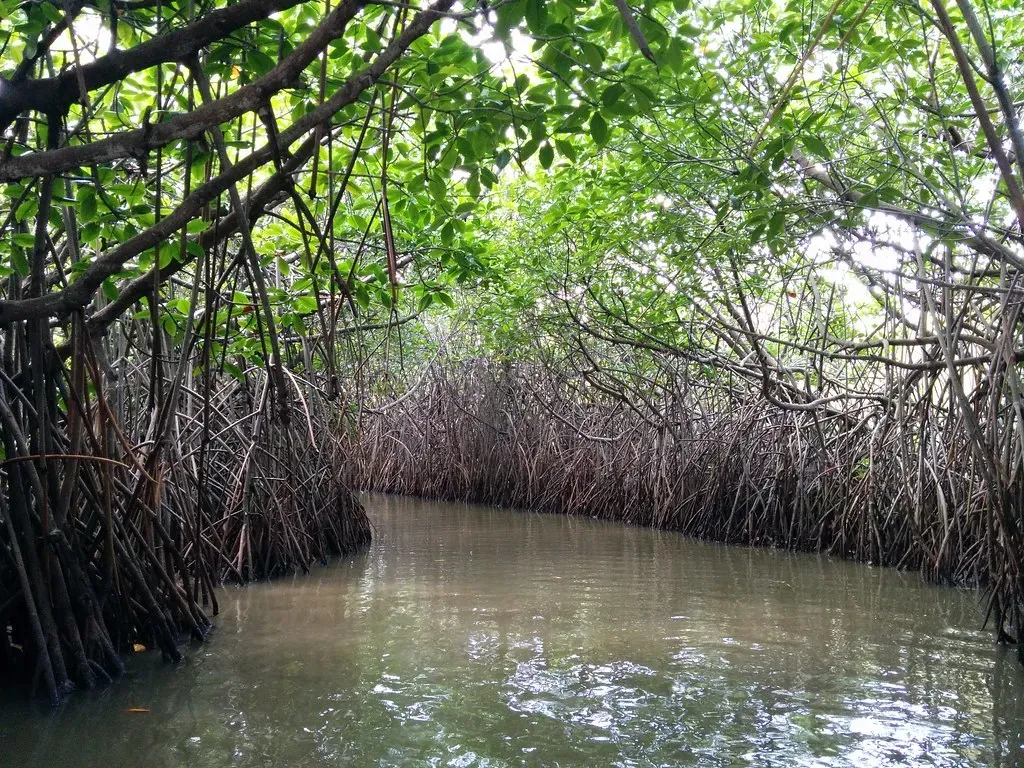
Mangrove trees might not come to mind when you think of endangered species, but many mangrove species are threatened or declining due to coastal development, shrimp farming, logging, and rising sea levels. These trees grow in the muddy, salty edges where land meets sea in tropical and subtropical regions, and they’re disappearing at an alarming pace in some countries. Once a mangrove forest is cleared, it can be incredibly hard and slow to bring it back to what it was.
Their importance is huge: mangroves protect coastlines from storms and erosion by absorbing wave energy and holding soil together with their tangled roots. They act as nurseries for countless fish and crustaceans that later support offshore fisheries and coastal communities. Mangroves also store large amounts of carbon in their roots and soils, making them powerful natural allies against climate change. Losing these trees doesn’t just mean fewer birds or crabs; it means weaker coasts, poorer fisheries, and more carbon in the atmosphere.
Conclusion: The Hidden Pillars Holding Nature Together
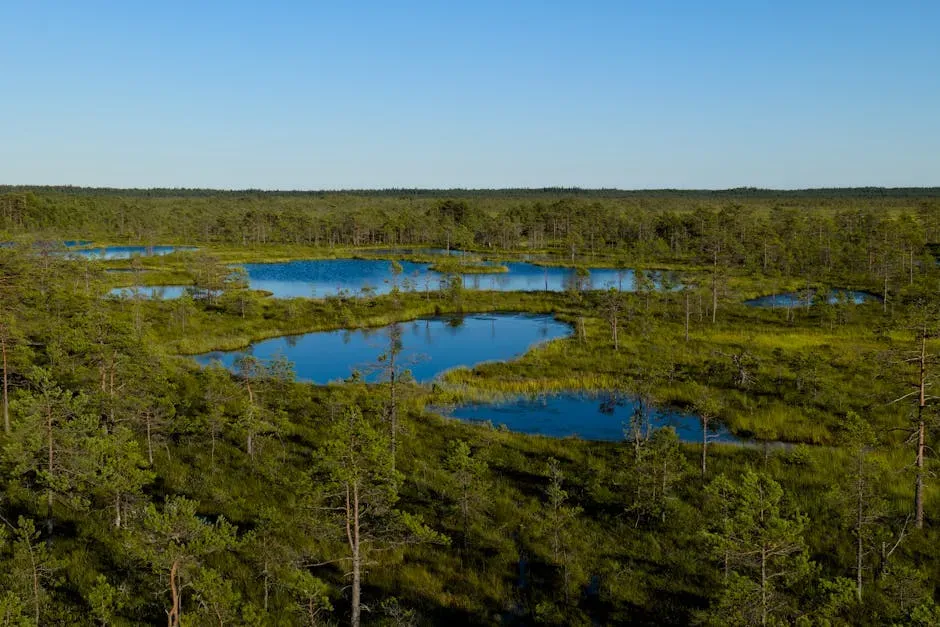
What all these species share is that they’re doing vital work most of us never see: filtering water, recycling nutrients, buffering coasts, controlling pests, and feeding or structuring entire food webs. They’re not just background characters in nature; they are the scaffolding that keeps everything else standing. When they decline, it can take years before we fully understand what we’ve lost, and by then it’s often painfully hard to fix.
The most unsettling part is that protecting these species isn’t just about “saving wildlife” in some distant, abstract sense. It’s about safeguarding clean water, healthy food systems, stable coastlines, disease control, and even climate regulation that all of us depend on. If anything, they remind us that the most important players in an ecosystem are often the ones we overlook. Which of these quiet heroes did you least expect to be holding so much of the world together?