
Every once in a while, the sky does something that makes even seasoned scientists quietly mutter: “What on earth was that?” Strange lights have been reported for centuries, long before drones, satellites and LED billboards filled the night. Some of these sightings later turned out to be misidentified planets, military aircraft or atmospheric tricks. But a stubborn core of cases still sits there, unsolved, like a riddle written in starlight.
We’re not talking about quick UFO rumors on social media that vanish in twenty‑four hours. We’re talking about incidents that left radar operators confused, pilots shaken, and investigators with more questions than answers. Some of these lights appeared before modern aviation, some right in the era of high‑tech sensors, and all of them refuse to fit neatly into the categories we’re comfortable with. Let’s walk through ten of the most puzzling types of unexplained lights in the sky that continue to nudge at the edges of conventional science.
1. The Hessdalen Lights of Norway
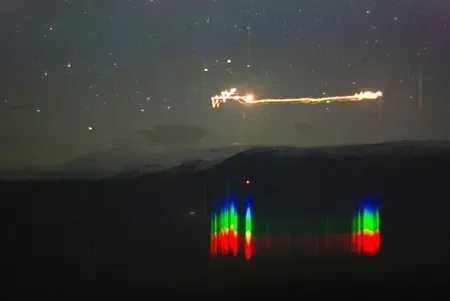
Imagine a quiet Norwegian valley where glowing orbs casually drift across the sky like curious visitors, sometimes hovering for minutes, sometimes racing away at impossible speeds. That place actually exists: Hessdalen, a sparsely populated valley that has been a hotspot for mysterious lights since at least the late twentieth century. Locals talk about bright yellow, white or even bluish lights that show up low over the hills, often silently, and sometimes so close that witnesses can see them divided into multiple segments.
What makes Hessdalen remarkable is that it’s not just stories; scientists have set up long-term monitoring stations there. Cameras, spectrometers and radar systems have captured the lights again and again, confirming they’re real physical phenomena, not just imagination. Yet no single explanation has stuck. Some researchers suggest the valley’s geology and metallic minerals could be creating a kind of natural plasma battery; others doubt that can account for the speed and stability of the lights. Hessdalen has quietly become the poster child for “we see it, we record it, and still don’t really get it.”
2. The Phoenix Lights Over Arizona
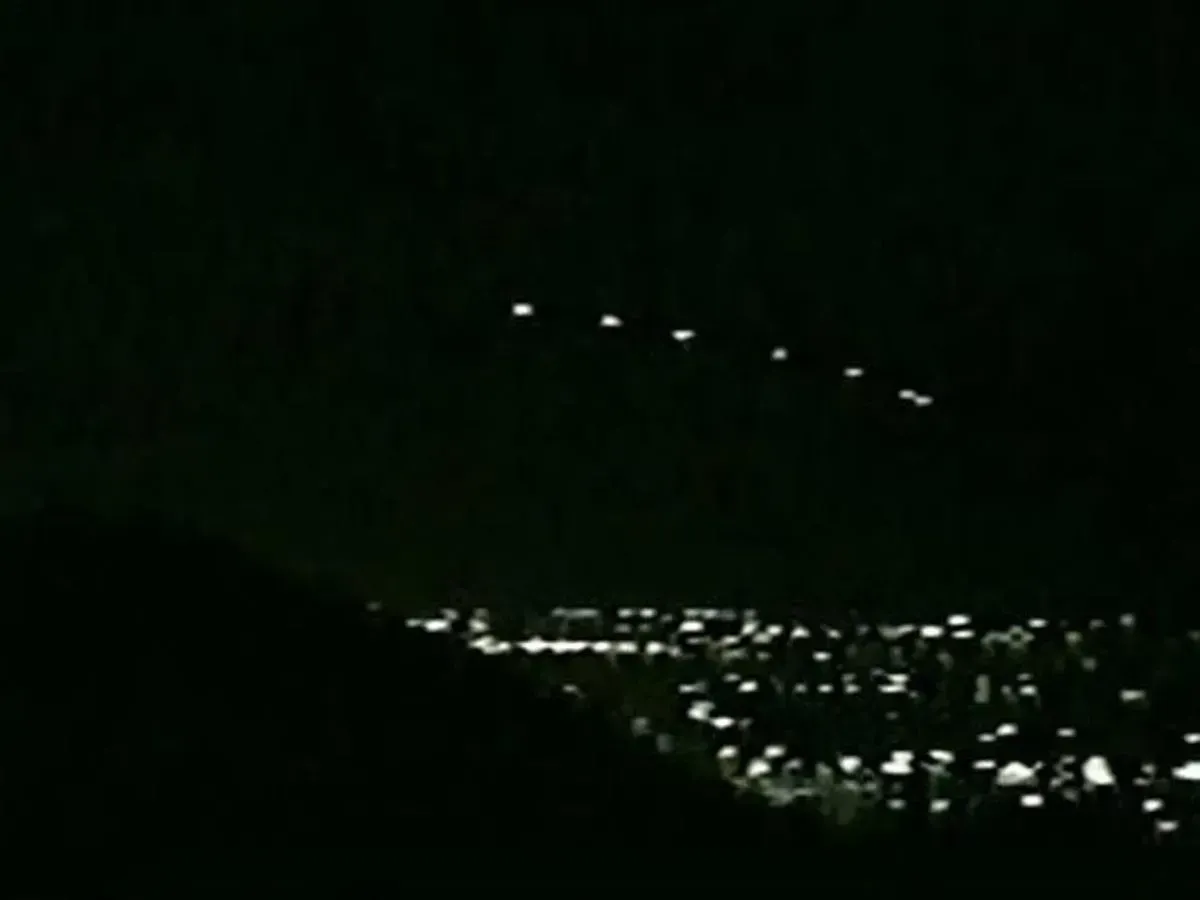
On a spring evening in 1997, people across Arizona looked up and saw something that still divides opinions almost three decades later. Many described a massive, V-shaped formation of lights gliding silently overhead, so large it blocked out the stars. Others reported stationary lights that seemed to hang over the mountains, glowing like lanterns pinned to the sky. This wasn’t a handful of isolated witnesses; thousands of people, from casual stargazers to on-duty police officers, reported what they saw.
Later, the U.S. military said at least some of the lights were flares dropped during training exercises, and photos of the stationary lights over the mountains do line up with how flares behave. But that explanation leaves a big gap for the earlier reports of a huge, structured formation moving across the state. Those who saw it up close insist it wasn’t flares and wasn’t any aircraft they recognized. The Phoenix Lights have settled into a strange middle ground where part of the story is probably explained, yet the most dramatic element remains stubbornly unresolved.
3. Tic Tac UFOs and Navy Pilot Encounters
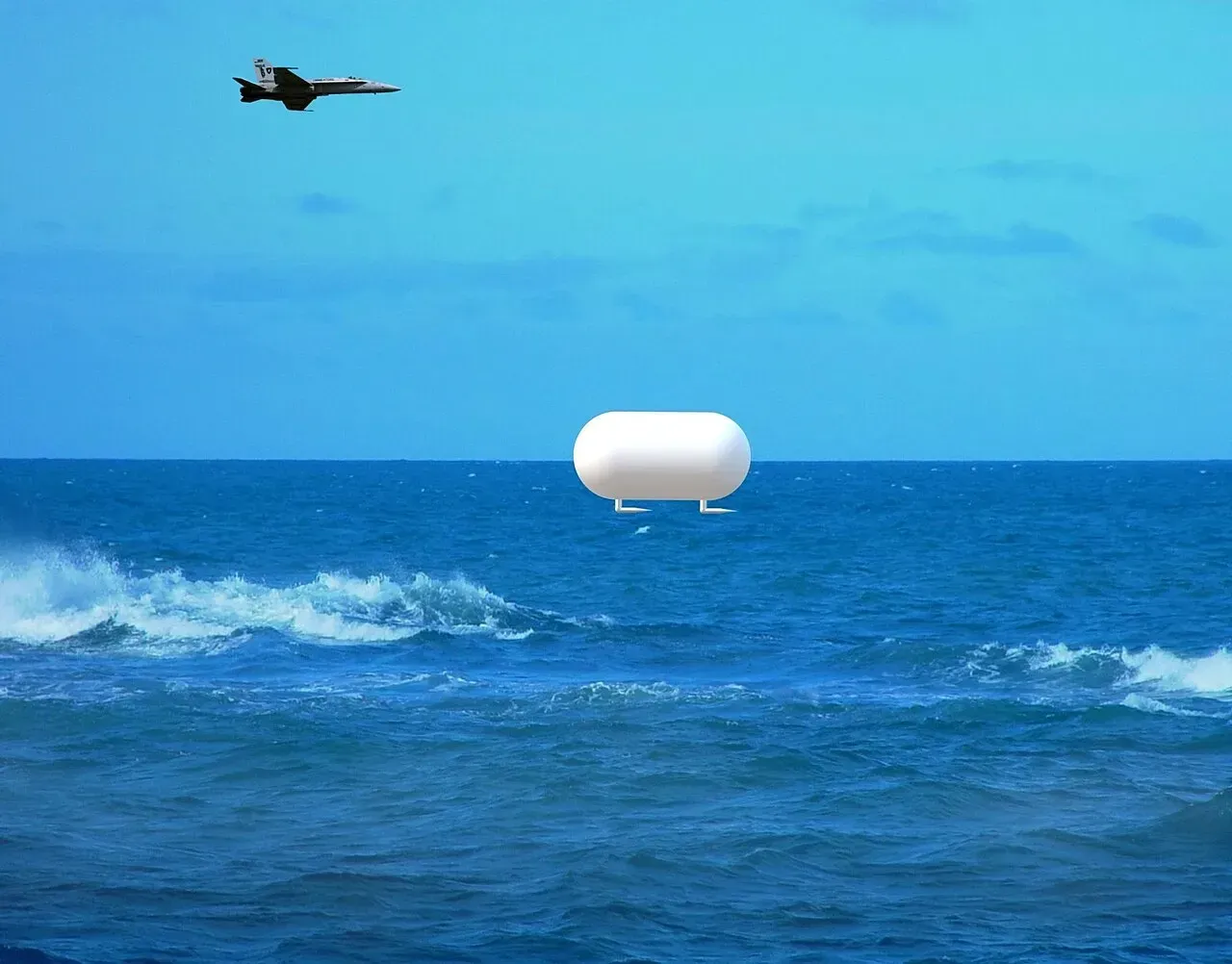
In the early 2000s, U.S. Navy pilots flying training missions off the American coasts started reporting bizarre objects that looked nothing like standard aircraft. Some described white, cigar-shaped or “Tic Tac”-like objects performing abrupt accelerations, sharp turns, and rapid climbs that didn’t match any known jet or drone. Radar operators tracked targets dropping from high altitudes to near sea level in seconds, then halting or darting away as if ignoring the usual rules of inertia.
Leaked cockpit videos later confirmed these encounters happened, showing small, distant shapes maneuvering strangely while pilots struggled to make sense of them. The U.S. government has since acknowledged that these incidents are real and remain unidentified, grouping them under the broader term of unidentified anomalous phenomena. While people love to jump straight to aliens, many scientists are more cautious, saying that we might be looking at unknown sensor glitches, secret advanced technology, or something else entirely. The unsettling part is that, as of now, the people with the best instruments and the best seats in the house still don’t know for sure what they were chasing.
4. The Marfa Lights of Texas
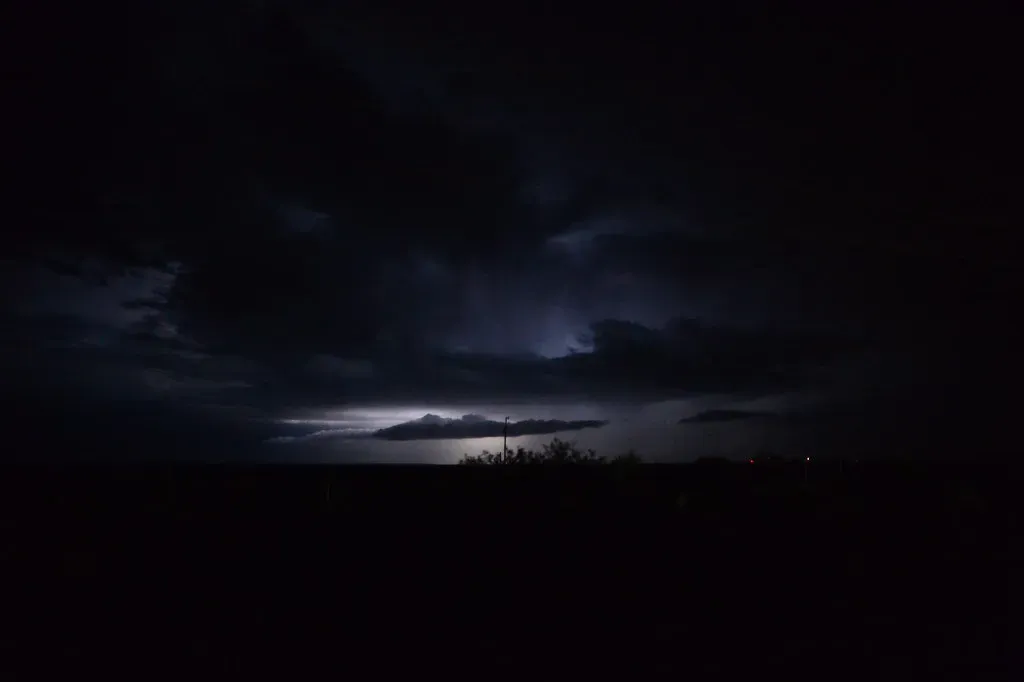
On lonely nights near the small town of Marfa in West Texas, visitors gather along a viewing area and stare out over the desert, waiting. Some nights, nothing happens. Other nights, faint colored lights appear near the horizon, drifting, splitting, merging, and sometimes winking in and out as if playing some slow-motion game. These “Marfa Lights” have been reported since at least the early twentieth century, back when there were no cars or highways in that direction to blame.
Skeptical researchers argue that many of the modern sightings are simply distant car headlights distorted by temperature layers in the air. To be fair, controlled experiments have shown that a lot of the lights can be matched to traffic patterns on nearby roads. But that doesn’t entirely erase the older reports from before there were roads, or the occasional light that appears in seemingly impossible positions and moves in strange ways. So the Marfa Lights sit in this weird crossover between folklore and science, where part of the picture may be mundane, and part remains oddly out of reach.
5. Project Blue Book’s Truly Unidentified Cases
During the Cold War, the U.S. Air Force ran a long-term study known as Project Blue Book to catalog and analyze reports of unidentified flying objects. Over the years, investigators evaluated thousands of cases, and the vast majority ended up with fairly down-to-earth explanations: planets, weather balloons, aircraft, astronomical objects, or simply not enough data. But a small percentage of reports remained stubbornly unexplained even after careful review by technical experts and investigators.
Some of these unresolved cases involved multiple witnesses, radar confirmation, and detailed descriptions of structured lights that moved in ways that didn’t match known aircraft. Investigators were not quick to call something “unidentified”; they wanted to clear cases, not create mysteries. The fact that a handful of reports survived every conventional explanation is what still makes them so haunting. It’s like sifting a huge pile of sand and ending up with a few odd pebbles you can’t classify, no matter how you turn them in your hand.
6. Foo Fighters: Mysterious Lights Shadowing World War II Aircraft
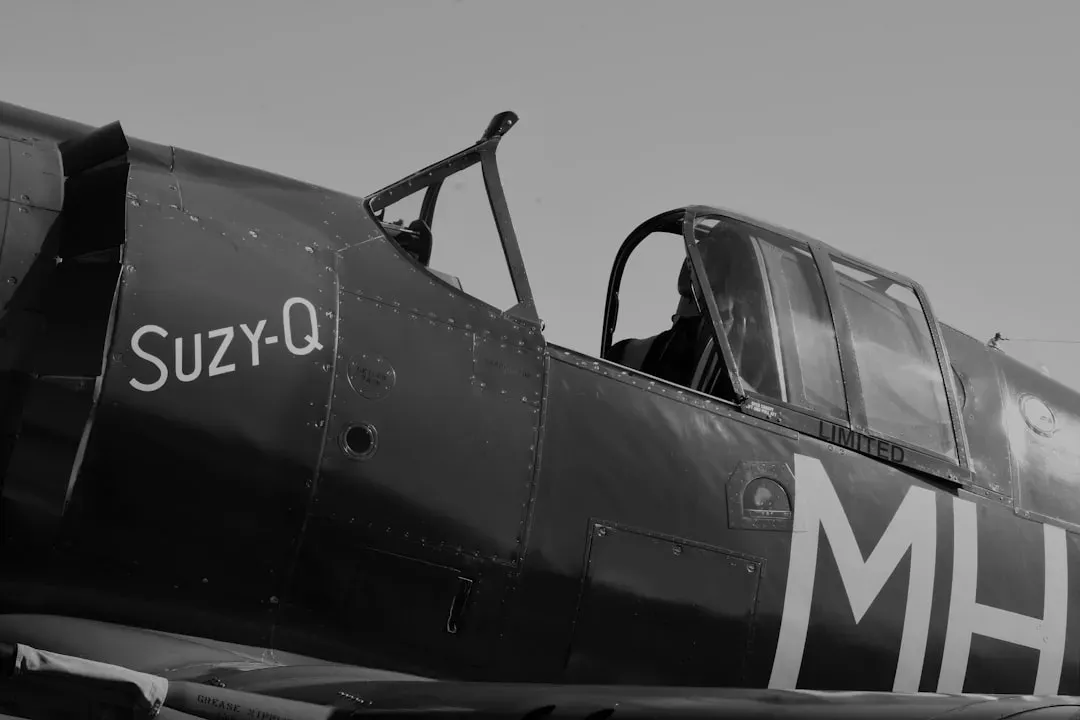
Long before the modern UFO craze, pilots in World War II were already struggling to explain weird lights in the sky. American and Allied crews flying over Europe and the Pacific reported bright, glowing orbs that would pace their bombers or fighters, matching their speed and sometimes performing strange maneuvers around them. These objects, nicknamed “foo fighters,” were sometimes described as red, orange, or white, and appeared to exhibit a kind of intelligent tracking behavior without attacking.
At the time, many pilots assumed they were some sort of advanced enemy weapon, perhaps a guided missile or exotic flare. After the war, investigators discovered that German and Japanese pilots had seen similar lights and thought they were Allied technology. That mutual confusion leaves us in a peculiar spot even decades later. There were no convincing explanations then, and retroactively blaming it all on ball lightning or optical illusions doesn’t fully match the repeated, coherent descriptions by hundreds of trained aircrew. Foo fighters remain a reminder that even in one of the most heavily documented periods of aviation history, some things still slipped through the cracks of understanding.
7. Brown Mountain Lights in North Carolina
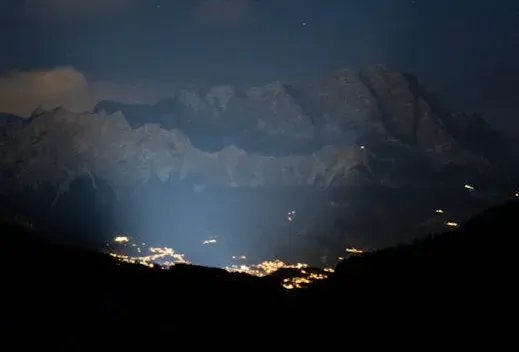
In the foothills of the Blue Ridge Mountains, stories of strange lights over Brown Mountain have lingered for more than a century. Campers, hikers and locals report seeing glowing spheres or lantern-like lights floating above the ridges or drifting across the valleys, sometimes appearing in groups. They can be faint and subtle or bright enough to stand out clearly against the dark slopes, and they often vanish just as suddenly as they appeared.
Government agencies and independent researchers have investigated the Brown Mountain Lights more than once, trying to pin them on headlights, trains, distant towns, or atmospheric reflections. While it’s almost certain that some sightings are exactly that, earlier accounts predate cars in the region and describe very similar behavior. The area has become a magnet for both serious investigators and curious tourists, and the lights have become part of the local identity. In a way, Brown Mountain is like a small, forested cousin to Hessdalen: an outdoor laboratory where nature occasionally throws something at us that we still don’t fully understand.
8. Repeating Light Flashes from Distant Stars
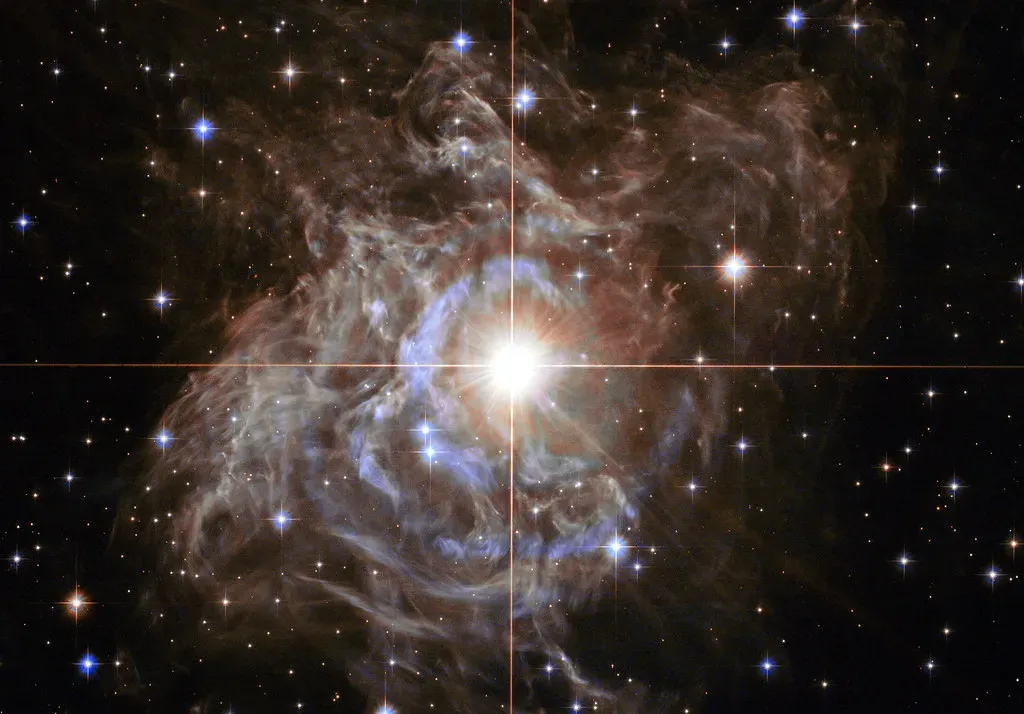
Not all mysterious lights are close to home; some come from unimaginably far away. Over the last decade, astronomers have detected rapid, intense bursts of radio energy from deep space, now known as fast radio bursts. While those are radio waves and not visible light, similar oddities appear in optical data: stars that dim and brighten in strangely complex patterns, or distant objects that flash with no obvious periodic rhythm. Some signals repeat, others appear once and never again, making it hard to study them in detail.
Scientists have proposed various natural explanations, from magnetars and collapsing stars to dense clouds of dust obscuring and revealing light in uneven ways. For many of these events, the best guess is that they are rare but entirely natural astrophysical processes we don’t fully understand yet. Still, the idea that something out there is sending out wild, unexplained flashes of energy captures people’s imaginations in a way few other cosmic mysteries can. It feels like the universe occasionally flips its own light switch in short, confusing bursts, and then goes silent before we can ask why.
9. Transient Luminous Events: Sprites, Elves, and Blue Jets
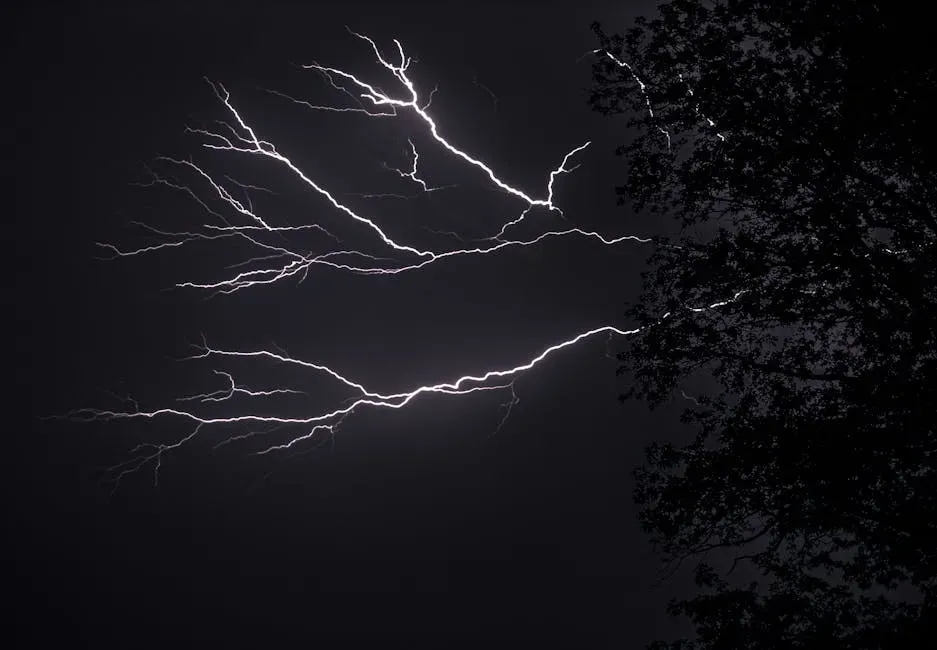
High above thunderstorms, where most of us never think to look, the sky sometimes puts on lightning shows that don’t look like any lightning we grew up drawing as kids. These are transient luminous events: eerie red sprites, pale blue jets and halo-like glows called elves that flicker for just milliseconds above storm clouds. For decades, pilots occasionally reported strange flashes above storms and were often dismissed, because nobody had solid photographic proof. Once high-speed cameras finally captured these events, they turned from myth into a new branch of atmospheric science almost overnight.
Sprites and related phenomena are now accepted as real, but they still feel otherworldly when you watch footage of them. Enormous jellyfish-shaped flashes, tendrils of light jumping up instead of down, and faint rings expanding in the thin upper atmosphere look more like something from science fiction than from a weather report. Their existence is also a good reminder that our atmosphere still hides surprises from us, even in the twenty-first century. If we needed proof that strange lights in the sky can be real and misunderstood for a long time, sprites and their cousins provide it in a very literal flash.
10. Rare but Real: Ball Lightning and Unknown Atmospheric Plasmas
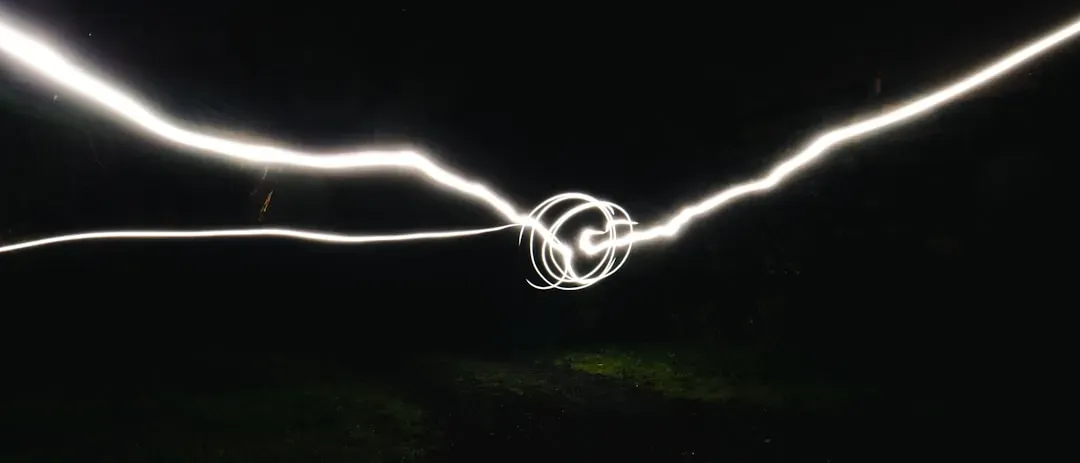
Ball lightning is one of those phenomena that used to be treated almost like a ghost story: lots of eyewitness reports, very little hard evidence. People described glowing spheres of light, often during thunderstorms, drifting through the air and sometimes even entering houses or aircraft cabins. For a long time, many scientists suspected these stories were exaggerations or misinterpretations. Then better documentation appeared, including recordings from scientific experiments and detailed, credible eyewitness reports from trained observers.
Even today, ball lightning is not fully understood, and several competing theories fight for attention: vaporized silicon from soil, self-contained plasma structures, and even microwave interference patterns have all been suggested. Its rarity makes it tough to study, but it proves that nature can produce stable, glowing balls of energy under the right conditions. When you hear about other unexplained lights in the sky, it’s tempting to write them all off as mistakes. Ball lightning stands there in the background like a stubborn counterexample, quietly insisting that some “impossible” lights do turn out to be real after all.
Conclusion: When the Sky Refuses to Behave
Strange lights in the sky sit at a crossroads where science, curiosity and human imagination collide. History shows that some once-mysterious phenomena, like sprites or maybe a large share of the Marfa Lights, eventually surrender to careful observation and systematic study. Others, like Hessdalen’s orbs, wartime foo fighters, or a handful of radar-verified UFO encounters, continue to resist clean explanations despite years of investigation. It’s uncomfortable to admit, but not everything strange can be neatly folded into existing textbooks just yet.
I think that’s part of why these stories are so gripping: they poke holes in the comforting idea that we’ve already mapped every corner of our own sky. Maybe some of these lights will one day be chalked up to new forms of atmospheric electricity, rare plasma effects, or even technologies we don’t currently know about. Maybe a few will remain unresolved puzzles we pass down to the next generation of curious observers. The next time you glance up at the night sky, will you see just familiar stars, or will you wonder what might be flickering just beyond our current understanding?